2027 Best Fine Arts Degree Programs Ranking in Ann Arbor

Co-Founder and Chief Data Scientist
Choosing the right fine arts degree program is an exciting step for creative students in Ann Arbor. To help you navigate the options, this article features the 2027 Best Fine Arts Degree Programs Ranking in Ann Arbor, developed by the Research.com team of data scientists.
Our ranking offers clear, data-driven insights so you can confidently explore programs that align with your passions and goals. Whether you dream of painting, sculpture, or digital arts, earning a fine arts degree opens doors to fulfilling careers and personal growth.
Discover opportunities that inspire and prepare you for success in the vibrant arts community of Ann Arbor.
Key benefits of getting fine arts degree in Ann Arbor
- Fine arts graduates in Ann Arbor can expect rewarding salaries, with animators earning around $109,630 annually and illustrators about $71,420, offering strong financial motivation for creative careers.
- Career paths for fine arts graduates include roles in animation, illustration, and art therapy, reflecting diverse opportunities inspired by successful alumni from local universities like the University of Michigan.
- Online fine arts degrees provide flexible learning, allowing students to balance work and study while accessing quality programs from institutions such as the University of Michigan's digital offerings, making education more accessible and convenient.
- 2027 Best Fine Arts Degree Programs Ranking in Ann Arbor
- What can I expect from fine arts degree in Ann Arbor?
- Where can I work with fine arts degree in Ann Arbor?
What can I expect from fine arts degree in Ann Arbor?
The average cost of pursuing a fine arts degree in Ann Arbor, particularly at the University of Michigan, typically ranges between $30,000 and $60,000 per year for out-of-state students, with in-state tuition considerably lower, often near $15,000 annually. Graduates often reflect positively on the investment, valuing access to advanced studio facilities and small classes fostering personalized mentorship. One graduate described the experience as transformative, highlighting how close faculty collaboration enhanced both creative skills and theoretical understanding.
Students in these programs benefit from a wide range of specialized courses-such as digital arts and performance-that combine traditional methods with modern technology, further justifying the tuition costs. Many find the opportunity to engage with visiting scholars and participate in local exhibitions especially rewarding. Though expenses like materials and living costs add to the total, financial aid and scholarships targeting fine arts students are available, helping ease financial pressures.
The blend of strong academic programs and Ann Arbor's vibrant arts community creates a fertile environment for creative growth, making the cost a worthwhile consideration for those committed to a fine arts career.
Where can I work with fine arts degree in Ann Arbor?
Graduates with a fine arts degree in Ann Arbor typically find employment in diverse sectors, supported by the city's vibrant cultural ecosystem. For example, alumni of the University of Michigan often join the University of Michigan Museum of Art (UMMA) or local galleries, where roles in curation, exhibition design, and arts management are in demand. UMMA's annual visitor count exceeding 100,000 underscores ongoing opportunities in these areas.
Theater and performance art venues such as the Performance Network Theatre employ grads in technical roles like set and costume design, aligning well with fine arts specializations in sculpture or mixed media. This hands-on work brings creative skills to life on stage, a common path for many fine arts students.
Education is another stable career path. Many fine arts graduates pursue teaching certification to serve in K-12 schools or community centers, reflecting steady regional demand reported by the Michigan Department of Education. These roles often provide fulfilling, consistent work.
Entrepreneurship also thrives in Ann Arbor's supportive environment; graduates frequently become independent artists, illustrators, or digital designers. The city's artist cooperatives and local craft fairs provide tangible platforms for showcasing and selling original work, blending creativity with business acumen.
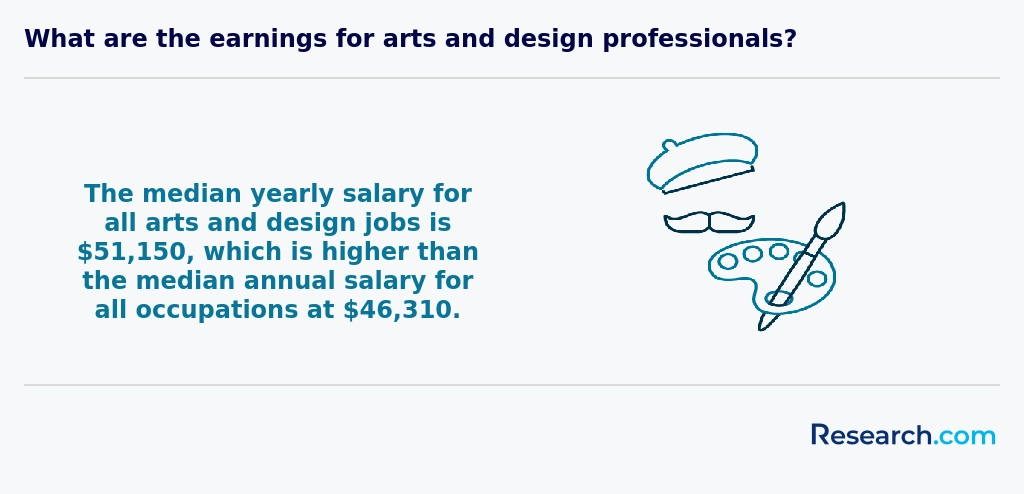
Graduates with a fine arts degree in Ann Arbor can expect diverse earnings depending on their chosen career path and experience. For instance, graphic artists in the area earn a mean annual wage of about $64,700, reflecting opportunities in local design firms and creative agencies. Illustrators, benefiting from the city's vibrant arts culture and proximity to the University of Michigan's School of Art & Design, can see mean salaries around $71,420, often supported by strong portfolios developed during their studies.
Those entering the animation field, which is steadily growing in Ann Arbor, can achieve notably higher incomes, with a mean annual wage near $109,630. This level of income aligns with graduates who have honed technical skills and gained experience through university projects or internships in regional media studios.
Art therapists with fine arts backgrounds earn about $75,660 annually in the region, combining creative expertise with community health roles that some graduates find rewarding and stable.
Many graduates express satisfaction with their earning potential as it allows them to engage deeply in creative work while benefiting from Ann Arbor's supportive cultural environment and educational resources.
- The University of Michigan in Ann Arbor offers a comprehensive fine arts program with specializations like painting, sculpture, and digital media.
- In-state tuition at public universities like the University of Michigan is about $17,000 per year for fine arts students, while out-of-state tuition is around $55,000 annually.
- Private colleges in the area charge between $40,000 and $50,000 per year, excluding living expenses and materials.
- Starting salaries for fine arts graduates average around $38,000 per year, increasing to about $55,000 to $60,000 for experienced artists.
- The job market in Ann Arbor supports fine arts graduates through opportunities at galleries, museums, theaters, and public art initiatives.
- Students have access to resources such as studios, exhibition spaces, and collaborative projects to help build portfolios and industry connections.
In Ann Arbor, completing a Bachelor of Fine Arts (BFA) typically requires about four years of full-time study, mirroring the national standard for undergraduate programs. At institutions like the University of Michigan, students dedicate around 120 to 130 credit hours to coursework, studio practice, and related requirements. Graduates often describe this period as both intensive and rewarding, balancing academic theory with creative studio time that fuels their artistic growth.
For graduate students pursuing a Master of Fine Arts (MFA), the expected duration extends by two to three years after obtaining a bachelor's degree. Factors such as thesis exhibitions, teaching assignments, and research projects influence this timeline. Graduates in Ann Arbor appreciate the rigorous yet stimulating environment, where real-world experiences like internships and study abroad opportunities sometimes extend or enrich their programs.
Personal circumstances also impact completion time. Some students may extend their studies by opting for part-time enrollment or taking breaks, while others accelerate through summer courses or heavier credit loads. The University of Michigan's fine arts community often highlights the financial realities, including roughly $15,000 annual in-state tuition and additional material costs, which shape students' pacing and dedication.
For students prioritizing cost without sacrificing quality, exploring fine arts programs across the Midwest can reveal compelling, budget-friendly options. While Ann Arbor’s institutions offer top-tier resources and networking, neighboring states like Minnesota host some of the region’s most economical choices for aspiring artists. By broadening your search, you may secure a strong foundation in the arts at a lower total investment. Many prospective students have found value in comparing in-state tuition, living expenses, and financial aid packages. Institutions in Minnesota, for example, often feature lower average tuition rates and reduced material fees, helping to stretch scholarship dollars and minimize student debt. To see a curated list of these programs, check out the Cheapest Fine Arts Degree Programs Ranking in Minnesota. Key benefits of exploring Midwest affordability:
- Streamlined cost of living in smaller college towns, with on-campus housing often priced below Ann Arbor’s average.
- Generous state-sponsored scholarships and grants targeted at in-state residents, plus reciprocity agreements for neighboring states.
- Opportunities for work-study in community arts centers and regional galleries, offsetting expenses while building your portfolio.
- Access to robust studio facilities and faculty mentorship comparable to larger universities, often with smaller class sizes. By balancing program reputation with financial considerations, you can craft an education plan that supports both your creative ambitions and long-term financial health. Investigating these alternative Midwest programs may reveal the perfect blend of affordability and artistic excellence.
Online and on-campus fine arts degrees in Ann Arbor serve different educational needs, largely shaped by the practical demands of art disciplines. On-campus programs, such as those at the University of Michigan, emphasize hands-on learning with direct access to studios, specialized equipment, and face-to-face mentorship. Graduates often recall the value of tactile experiences in painting or sculpture workshops that sharpened their skills and fostered creative confidence.
Conversely, online programs focus more on theoretical study, including art history and digital media techniques. These formats provide flexibility for students balancing jobs or family but lack the immediate physical interaction with materials. Some Ann Arbor students appreciate virtual collaboration tools, though many note the absence of in-person critique and gallery participation as limitations.
Tuition rates reflect these differences. Public institutions in Michigan average around $14,000 annually for in-state students, with online programs occasionally offering cost advantages. However, the University of Michigan's graduate fine arts tuition remains consistent across both formats, underscoring the specialized nature of these programs.
Networking varies significantly; on-campus students benefit from spontaneous peer exchanges and local exhibitions that enrich their artistic development, while online learners often build connections through curated virtual communities.
Ann Arbor’s Fine Arts degree programs are distinguished by state-of-the-art facilities and deep ties to the local arts community, offering students unparalleled resources for creative growth. From specialized studios to collaborative maker spaces, these assets ensure that aspiring artists can experiment, refine techniques, and bring ambitious projects to life.
- Dedicated Art Studios and Workshops: Major institutions like the University of Michigan provide access to painting, sculpture, ceramics, printmaking, and digital media studios, each equipped with industry-standard tools. Students benefit from 24/7 studio access, supervised equipment checkout, and technical support from skilled lab technicians.
- Digital Media and Technology Labs: Cutting-edge computer labs feature high-performance workstations with Adobe Creative Suite, 3D modeling software, and virtual reality rigs, enabling immersive exploration of new media art. Sound editing bays and green-screen studios further expand students’ ability to create multimedia installations and experimental films.
- Galleries and Exhibition Spaces: On-campus galleries, including the University of Michigan Museum of Art and student-run exhibition halls, host regular shows, giving learners real-world experience in curation, installation, and public engagement. Annual juried exhibitions and pop-up events foster critical feedback and networking opportunities with local collectors and curators.
- Community Partnerships and Workshops: Strong collaborations with Ann Arbor’s vibrant arts scene provide off-campus studio residencies, public art projects, and internships at local galleries and theaters. These partnerships cultivate professional relationships and often lead to paid commissions or gallery representation.
- Cost-Conscious Opportunities: For students mindful of both quality and affordability, exploring our Cheapest Fine Arts Degree Programs Ranking in Minnesota can provide valuable insights into budget-friendly alternatives without sacrificing access to essential facilities. By leveraging these comprehensive facilities and community resources, Fine Arts students in Ann Arbor gain hands-on experience, professional exposure, and the collaborative spirit necessary to thrive in today’s creative industries.
The average cost of obtaining a fine arts degree in Ann Arbor primarily centers around the University of Michigan, which is well-known for its strong art programs. Based on median total cost data, in-state students can expect to pay approximately $17,736 for their degree, whereas out-of-state students face significantly higher expenses, nearing $77,432. These figures encompass tuition, fees, supplies, and living expenses, providing a realistic overview of total expenses for fine arts degree Ann Arbor students.
Fine arts students often share how the investment in specialized materials and studio fees plays a vital role in their educational experience. Many graduates describe the value of gaining hands-on skills with a variety of art supplies, which can cost between $1,000 and $2,500 annually. These costs are in addition to tuition but contribute to the immersive nature of studying at institutions like the University of Michigan.
Living in Ann Arbor adds roughly $12,000 per year in costs, depending on housing choices. This creates a vibrant and creative environment that graduates fondly recall as inspiring and supportive during their academic journey. These real-life experiences emphasize the balance between cost and educational quality when evaluating the average cost of fine arts degree in Ann Arbor.
Prospective students should also consider financial aid options, including scholarships and grants, which many fine arts students successfully secure. Combining these funding sources with the degree can significantly alleviate financial burdens while pursuing a rewarding fine arts education. For students eager to develop not just creative skills but leadership qualities within their fields, exploring the best leadership development programs can further enhance their career trajectory.

Immersing yourself in the vibrant campus culture is as crucial as your academic journey. Fine Arts students not only develop their craft in the classroom but also thrive in a dynamic community where creativity extends beyond lectures and studio sessions. Many institutions host art fairs, portfolio review sessions, interactive workshops, and student-led exhibitions that foster collaboration and personal growth. These experiences create an environment where young artists can exchange ideas, receive constructive feedback, and build lasting networks with peers and local professionals. Prospective students should also explore opportunities for on-campus residencies, clubs, and cultural events that celebrate diversity in artistic expression. Living in Ann Arbor, for example, means access to a rich local arts scene that often spills into community events, galleries, and pop-up exhibitions, enhancing both academic and personal development. Moreover, for those who are budget-conscious, considering institutions noted for their value can be essential. You might want to check out the cheapest fine arts schools in michigan to ensure that you receive a well-rounded education without compromising financial stability. This immersive student life not only nurtures creative skills but also helps you develop crucial soft skills like teamwork, problem-solving, and time management-qualities that are highly valued by future employers in the competitive arts industry.
Students pursuing fine arts degrees in Ann Arbor, particularly at the University of Michigan, typically rely on a mix of federal and institutional financial aid to manage costs. Federal aid, accessed through the FAFSA, offers key resources such as Pell Grants-providing up to $7,395 annually for qualifying low-income undergraduates-and Supplemental Educational Opportunity Grants for exceptional financial need.
Graduates recall leveraging Work-Study programs, which allowed them to balance part-time campus jobs with studio time, easing living expenses while gaining relevant experience. Federal student loans also remain a common option due to their low interest and flexible repayment.
Institutional scholarships, often based on artistic merit demonstrated through portfolios in areas like studio arts or music, can vary widely, with awards ranging from $1,000 to $10,000 yearly. This merit-based support frequently fuels students' motivation and enhances their educational journey.
Additionally, outside scholarships from organizations such as the College Art Association offer opportunities driven by creative excellence rather than financial need, reflecting the competitive yet rewarding nature of financing fine arts studies in Ann Arbor.
Locally, many students find paid internships and gallery assistant roles within Ann Arbor's vibrant arts community, combining financial support with professional growth essential for creative careers.
Accreditation is a critical factor when evaluating Fine Arts degree programs in Ann Arbor, MI, as it ensures that institutions meet rigorous academic and professional standards. Prospective students should verify that their chosen school is accredited by recognized bodies such as the National Association of Schools of Art and Design (NASAD) and the Higher Learning Commission (HLC). NASAD accreditation confirms that art and design curricula adhere to industry best practices, while HLC regional accreditation guarantees transferability of credits and eligibility for federal financial aid. Programs lacking proper accreditation may limit graduates’ opportunities for licensure, graduate study, or employment with reputable organizations. Always review each institution’s accreditation status on the U.S. Department of Education’s Database of Accredited Postsecondary Institutions and Programs. Additionally, students interested in broadening their creative skill set affordably can explore low cost online creative writing degrees, which often carry their own accreditation and offer flexible pathways to complement a Fine Arts education. Ensuring your program is fully accredited will maximize both the quality and long-term value of your degree.
To enroll in a fine arts degree program in Ann Arbor, the primary prerequisite is possessing a high school diploma or an equivalent, such as a GED. Institutions like the University of Michigan emphasize a strong portfolio, which serves as a central component for evaluating applicants' artistic skills and creativity. Graduates often reflect on the portfolio process as both challenging and rewarding, describing it as an opportunity to showcase diverse works-from paintings to digital art-that reveal their unique vision.
While some schools in Ann Arbor may still request SAT or ACT scores, many fine arts programs have adopted test-optional policies, prioritizing the quality of the portfolio and personal statements instead. Students typically benefit from having completed foundational art courses in high school, such as drawing or art history, which prepare them for the program's rigorous curriculum.
Overall, applicants should prepare to meet general university standards and specialized artistic requirements, combining academic readiness with demonstrable creative accomplishment to gain admission into these competitive programs.
Students choosing a Fine Arts program in Ann Arbor not only benefit from top-tier academics but also enjoy a vibrant campus life and extensive support services that enrich their artistic journey. Beyond stimulating classroom environments, schools in this region offer a variety of student clubs, art exhibitions, workshops, and community events that foster collaboration and creativity. Many institutions host regular gallery nights, live performances, and networking events with local artists, helping students build lasting relationships with industry professionals and mentors. Additionally, career services and counseling centers are tailored to assist art students in refining their portfolios, preparing for interviews, and securing internships that bridge academic learning with real-world experience. For prospective students who are exploring budget-friendly options, it can be useful to review the cheapest fine arts schools in michigan, which offer robust campus resources at competitive tuition rates. Overall, the supportive and dynamic campus life in Ann Arbor creates an environment where creativity flourishes both inside and outside the classroom, preparing graduates for success in a diverse art market.
Fine arts degree programs in Ann Arbor, particularly at the University of Michigan's School of Art & Design, include a diverse array of courses designed to build both technical skills and critical insight. Students typically engage in foundational classes such as drawing, painting, and three-dimensional design, which many graduates highlight as essential for developing a confident personal style. These courses encourage hands-on experimentation, allowing students to translate creative ideas into tangible works.
Art history is emphasized, covering a broad timeline from antiquity to contemporary periods, which helps students contextualize their work within evolving artistic movements. Additionally, digital media and experimental art courses reflect the modern demands of the art world, equipping students with proficiency in new technologies. This blend of traditional techniques with digital innovation is frequently praised by alumni for its relevance to contemporary creative careers.
Electives such as photography, printmaking, ceramics, performance art, and installation practices enable students to customize their educational paths. Many report that this variety fosters enthusiasm and personal growth, making the academic experience both challenging and rewarding in Ann Arbor's vibrant arts environment.

Fine arts degree specializations in Ann Arbor encompass a diverse range of fields that cater to various creative ambitions. At leading institutions such as the University of Michigan, students commonly focus on painting and drawing, sculpture, photography and digital arts, ceramics, printmaking, and intermedia and new media arts. These concentrations allow graduates to master traditional techniques or explore cutting-edge digital media, reflecting the city's vibrant artistic culture.
Graduates often describe immersive studio experiences, such as working with clay in ceramics or experimenting with digital design software, which foster both technical skill and artistic innovation. The Ann Arbor fine arts program concentrations emphasize practical application through collaborations with local galleries and community projects, helping students build portfolios vital for career advancement.
This hands-on approach is paired with opportunities for cross-disciplinary engagement, enhancing creative potential by integrating art with fields like architecture and animation. Students seeking to expand their academic scope may also explore options through best online master's in child development programs, broadening professional trajectories beyond traditional art sectors.
When choosing the best fine arts degree in Ann Arbor, focus on curriculum specialization and institutional resources. The University of Michigan's School of Art & Design offers concentrations like illustration and animation, attracting graduates who value diverse artistic approaches. Many students appreciate programs that integrate practical studio access and active local galleries, enabling real-world exhibition opportunities and meaningful community engagement.
Cost considerations are critical. Public universities in Michigan typically charge around $15,000 annually in tuition for in-state fine arts students, but at the University of Michigan, in-state tuition reaches about $17,000 for 2023-2024. Graduates often mention budgeting for additional expenses like art supplies and living costs, which can impact the overall affordability. For prospective students seeking alternatives, exploring online doctorate programs with low tuition can provide financial relief and flexibility.
Another essential factor is financial aid. Ann Arbor's institutions frequently offer scholarships and assistantships specifically targeting fine arts students, helping reduce costs. Alumni who accessed such support highlight its role in enabling focus on creative growth. Finally, evaluate career outcomes; programs with strong post-graduate placement in galleries and art industries correlate with better professional readiness. These elements are vital when researching the best fine arts degree programs Ann Arbor has to offer.
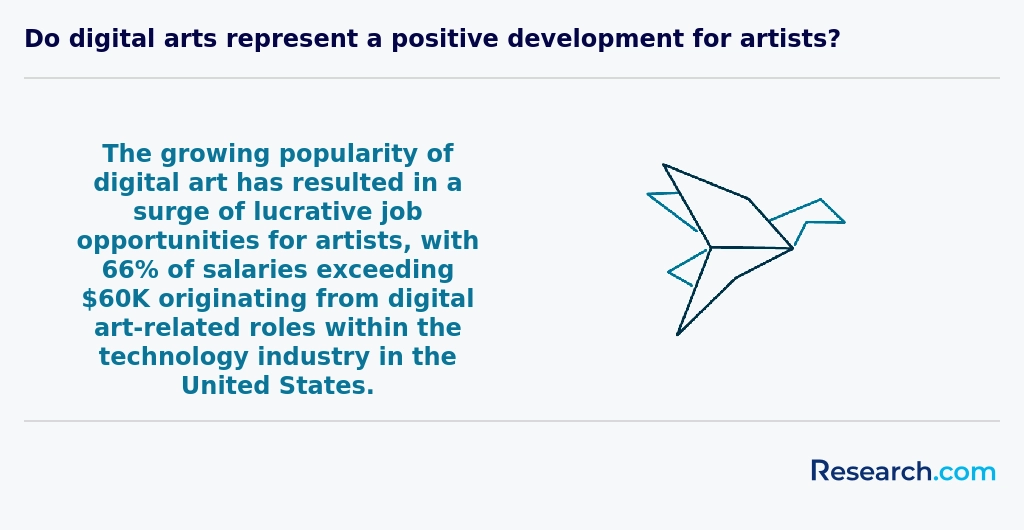
Graduates with a fine arts degree in Ann Arbor have access to diverse career opportunities that reflect the city's rich cultural and educational infrastructure. Many pursue traditional artistic roles such as painting, sculpture, and drawing, often showcasing their work at local galleries supported by the University of Michigan's vibrant art community. These positions emphasize creative expression alongside practical networking, which is crucial given the moderate employment growth in these sectors.
Expanding beyond traditional studios, Ann Arbor fine arts degree job prospects include graphic design, animation, and digital media, fueled by the area's growing tech and creative industries. The U.S. Bureau of Labor Statistics reports a 3% annual growth in graphic design jobs, underscoring increasing digital content demand. Meanwhile, graduates commonly find fulfillment in education, taking certified teaching roles within K-12 schools or community centers. Salaries average about $60,000 in Michigan, making this a stable, rewarding option. For those interested, exploring careers with a teaching degree provides further insight.
Additionally, careers in arts administration and curation are prevalent thanks to renowned institutions like the University of Michigan Museum of Art. Roles here involve managing collections and organizing exhibitions, with a national median curator salary near $59,000. Considering tuition ranges from $10,000 to $40,000 nationally, Ann Arbor's affordable public universities enhance access to these fine arts career opportunities in Ann Arbor, making it an attractive choice for aspiring artists and professionals.

The fine arts degree job opportunities Ann Arbor offers are enriched by the city's strong arts community and the University of Michigan's renowned School of Art & Design. Graduates often find roles in graphic design, gallery coordination, and art education, benefiting from a local culture that values creativity and collaboration. Many fine arts graduates share experiences of engaging in internships facilitated by the university, enhancing their practical skills and professional networks.
Ann Arbor's fine arts career outlook reflects a competitive yet promising environment where adaptability is key. Graduates typically balance freelance projects or part-time positions alongside gallery work or teaching to build stable incomes, often close to the national median of approximately $50,000. This balance highlights the importance of developing complementary skills such as digital media or marketing to navigate the evolving job market effectively.
For students concerned about balancing cost and career, the tuition for fine arts at the University of Michigan-around $17,000 for in-state and $56,000 for out-of-state annually-underscores the value of strategic financial planning. Many prospective students explore options like affordable online MFA degrees to supplement their experience while managing expenses.
2027 Best Fine Arts Degree Programs Ranking in Ann Arbor
Investing in your education is a significant decision that can shape your future, and the Research.com team understands the importance of making informed choices. To assist prospective students in Ann Arbor, we have meticulously crafted the "2027 Best Fine Arts Degree Programs Ranking in Ann Arbor." Our commitment to quality, credibility, and accuracy is reflected in the extensive research and analysis conducted to compile this ranking.
We utilized the following reputable data sources to ensure a comprehensive evaluation of fine arts programs:
By exploring this ranking, readers will gain valuable insights into the best fine arts degree programs available in Ann Arbor, helping them make well-informed decisions about their educational journeys. For more details on our methodology, please visit our Research.com methodology page.

Frequently Asked Questions About fine arts
Fine arts degree students in Ann Arbor can enhance their learning by actively engaging with the vibrant local arts community. Ann Arbor, home to the University of Michigan's College of Literature, Science, and the Arts, provides access to numerous galleries, exhibitions, and workshops that complement academic studies. According to the National Center for Education Statistics, experiential learning such as internships and artist residencies significantly improves skill development and job readiness.
Students should also take advantage of networking opportunities through local arts organizations like the Ann Arbor Art Center. Participating in community projects and collaborative exhibitions provides practical experience and exposure. Furthermore, leveraging university resources such as studio labs and visiting artist lectures enriches creative growth and professional insight.
The fine arts field is evolving with emerging niches that appeal to diverse interests and skills. In Ann Arbor, technology-driven art forms such as digital animation and interactive media are gaining prominence, reflecting broader national trends reported by the National Endowment for the Arts. These areas combine traditional artistic techniques with computer science, opening pathways to careers in gaming, film, and virtual reality.
Additionally, sustainability-focused art practices are becoming popular. Artists incorporate eco-friendly materials and themes, responding to growing environmental awareness. The University of Michigan's Stamps School of Art & Design emphasizes these approaches, integrating innovation with community engagement.
Another niche is art therapy, which merges psychology with creativity to promote mental health. According to the American Art Therapy Association, demand for certified art therapists is expected to grow 19% by 2030, presenting new opportunities for fine arts graduates in Ann Arbor's healthcare settings.
Graduates with a fine arts degree in Ann Arbor should focus on building a strong professional portfolio to showcase their skills. Local galleries and art studios in Ann Arbor often seek emerging artists, so participating in community exhibitions can increase visibility. Networking is vital; students should attend art fairs, workshops, and university-sponsored events to connect with industry professionals. According to the Ann Arbor Arts Alliance, engaging with local arts organizations can boost job prospects significantly.
Internships and part-time roles in nearby museums or design firms provide practical experience valued by employers. Additionally, mastering digital tools like Adobe Creative Suite enhances employability in both traditional and commercial art fields.
Employers in Ann Arbor seek fine arts graduates with strong technical skills, including proficiency in traditional mediums like drawing and painting, alongside digital tools such as Adobe Creative Suite. According to the Ann Arbor Arts Alliance, 78% of local employers prioritize candidates who combine creative talent with technical versatility.
Effective communication and collaboration are also highly valued. Fine arts professionals often work in interdisciplinary teams or community projects, making teamwork essential.
Critical thinking and problem-solving skills enable graduates to adapt to diverse artistic challenges and meet client needs. Additionally, a growing number of employers appreciate graduates with entrepreneurial abilities to navigate the competitive creative industries.
Finding internships in Ann Arbor relevant to a fine arts degree involves leveraging local cultural institutions and university resources. The University of Michigan, a leading institution in the area, offers a dedicated Fine Arts Internship Program that connects students with organizations like the Ann Arbor Art Center and the Museum of Contemporary Art Detroit (MOCAD).
Students can also explore opportunities through Ann Arbor's vibrant arts scene, including galleries and public art projects. Many internships range from studio assistance to curatorial work. According to the University of Michigan's Career Center, approximately 60% of fine arts students report internship experiences before graduation, highlighting the community's support.
Networking events, exhibitions, and university job boards serve as practical tools for locating internships. Additionally, students should consider unpaid internships early on to build portfolios and connections in Ann Arbor's competitive arts environment.
A fine arts degree in Ann Arbor can significantly enhance career mobility and advancement within the region's vibrant cultural and educational sectors. Graduates benefit from access to a diverse network of galleries, theaters, and design firms concentrated in the city and nearby areas. According to the U.S. Bureau of Labor Statistics, arts-related occupations in Michigan are projected to grow by 7% through 2031, reflecting steady demand.
Local employers often seek candidates with formal training from recognized universities like the University of Michigan, which supports practical skills and interdisciplinary collaboration. This academic foundation helps graduates qualify for roles not only in traditional arts but also in education, media, and digital design, expanding job opportunities across industries.
Studying for a fine arts degree in Ann Arbor offers students a unique opportunity to engage with interdisciplinary learning. Many local institutions, including the University of Michigan, emphasize collaboration across fields such as technology, business, and the social sciences. This approach helps students develop versatile skills applicable beyond traditional art careers.
Students often participate in projects that combine visual arts with digital media, performance, and community engagement. Access to Ann Arbor's vibrant cultural scene and research resources fosters creativity within practical contexts.
According to the National Center for Education Statistics, interdisciplinary courses have grown by 15% at Ann Arbor's top universities over the past five years, reinforcing this trend within fine arts programs.
Choosing between a thesis and a non-thesis fine arts degree program in Ann Arbor depends largely on your career goals and academic interests. Thesis programs typically require a substantial research project or a creative portfolio, which can prepare students for doctoral studies or careers in academia. Non-thesis options usually focus more on practical skills and coursework, appealing to those aiming for professional art practice or related industries.
In Ann Arbor, institutions like the University of Michigan offer both paths, with about 40% of fine arts graduate students opting for the thesis route as reported in their 2023 graduate outcome survey. Consider whether you want to invest extra time in research or prioritize studio work and exhibitions.
Funding opportunities may also differ; thesis students often qualify for research assistantships or grants. Review program requirements carefully and consult faculty advisors to align your choice with your professional ambitions.
Students based in Ann Arbor interested in studying fine arts abroad have several pathways through their home institutions. The University of Michigan, a leading fine arts school in Ann Arbor, offers numerous study abroad programs tailored for art students. These programs often include semesters or summer sessions in major art hubs like Florence, Paris, and Barcelona, enabling students to engage directly with global art traditions.
Additionally, many Ann Arbor students utilize exchange programs through partnerships with international universities, gaining access to specialized workshops and studios. According to the University of Michigan's 2023 Study Abroad Report, about 12% of art majors participate in these international programs, highlighting a strong interest in gaining global fine arts experience.
Financial aid and scholarships specific to fine arts students further support these opportunities, making overseas study more accessible.
Part-time job opportunities in Ann Arbor can effectively complement fine arts degree education by providing practical experience alongside academic studies. Many fine arts students find work as art instructors or assistants in local community centers and galleries. Positions at institutions such as the Ann Arbor Art Center or university galleries offer hands-on learning in curation and art education.
Additionally, part-time roles in local museums, like the University of Michigan Museum of Art, allow students to engage with art conservation and exhibit preparation. Retail opportunities in art supply stores are also common and support skill development relevant to visual arts careers.
According to the Ann Arbor Chamber of Commerce, flexible part-time jobs in the arts sector often pay between $12 and $18 per hour, providing both income and industry connections.
Fine arts students in Ann Arbor benefit from numerous local networking opportunities that connect them with peers, professionals, and potential employers. The University of Michigan's School of Art & Design regularly hosts exhibitions, workshops, and artist talks, providing a platform for students to showcase their work and engage with established artists.
Additionally, Ann Arbor's vibrant art scene includes galleries, such as the Ann Arbor Art Center, where students can meet curators and participate in community art events. Local organizations often sponsor artist residencies and collaborative projects.
Students can also join professional associations like the Michigan Art Education Association, which offers networking events and career resources tailored to emerging artists.
Alumni networks provide valuable resources for fine arts degree students in Ann Arbor by fostering professional connections and mentorship opportunities. Graduates from local universities, such as the University of Michigan, often remain active in the network, helping current students access exhibitions, internships, and job openings within the vibrant Ann Arbor arts community.
These networks also facilitate collaboration, allowing students to learn from experienced artists and expand their portfolios. According to a 2023 survey by the University of Michigan's Stamps School of Art & Design, 68% of fine arts students found career opportunities through alumni referrals.
Additionally, alumni events and workshops offer insights into the evolving arts market, enhancing career readiness for graduates.
In Ann Arbor, students pursuing fine arts degrees can tailor their programs by selecting electives that align with specific career goals, such as studio art, graphic design, or art education. Many institutions offer opportunities for interdisciplinary study, allowing integration of technology or business courses to enhance professional skills. Internships and community art projects within Ann Arbor provide practical experience, crucial for career development. According to recent data from the National Center for Education Statistics, about 30% of fine arts students in the area participate in such experiential learning. Advising services also help students plan coursework that matches their ambitions in creative industries.
Fine arts students in Ann Arbor often face the challenge of balancing intensive studio work with academic coursework. Programs typically require extensive hours in studios, which can be demanding alongside general education requirements. This time commitment is reported by students at the University of Michigan's School of Art & Design, a leading institution in the city.
Financial pressures are common, as quality art supplies and materials are costly. According to the National Endowment for the Arts, fine arts students frequently spend several hundred dollars per semester on supplies. Scholarships specifically for art students in Ann Arbor are competitive and limited.
Additionally, career uncertainty is an issue; data from the Bureau of Labor Statistics indicates that arts-related job markets are highly competitive, influencing students' concerns about future employment in Ann Arbor and nationwide.
With a fine arts degree in Ann Arbor, you can pursue several professional certifications to enhance your career prospects. Common options include teaching certifications, especially if you want to work in K-12 education. Obtaining a Michigan teaching certificate requires completing state-approved teacher preparation programs and passing the Michigan Test for Teacher Certification (MTTC) in arts education.
Other certifications include those in museum studies or arts administration, which can improve job opportunities at local institutions like the University of Michigan Museum of Art. Additionally, certificates in graphic design, animation, or digital media software are valuable for expanding skills in applied arts fields.
According to the National Center for Education Statistics, about 20% of fine arts graduates nationwide acquire at least one professional certification within five years, a trend also reflected among Ann Arbor graduates.
To write a winning application for a fine arts program in Ann Arbor, start by preparing a strong portfolio. Admissions committees often emphasize creativity and skill, so include diverse work demonstrating both. Tailor your artist statement to reflect your artistic goals and how the Ann Arbor program aligns with them.
Highlight any relevant academic credentials or workshops you have completed, as local institutions like the University of Michigan have competitive standards. According to the National Endowment for the Arts, demonstrating community involvement or exhibitions can increase your chances.
Lastly, seek recommendation letters from instructors familiar with your artistic development. Proofread all materials carefully to present a polished application.
The global perspective on fine arts careers increasingly values multidisciplinary skills and cultural awareness. Fine arts graduates in the US, including those in Ann Arbor, often find opportunities in diverse fields such as digital media, design, and education. According to the National Endowment for the Arts, employment in arts-related occupations is projected to grow by 8% through 2030, reflecting expanding international demand.
Ann Arbor's fine arts programs emphasize global art histories and contemporary practices, preparing students for careers that engage with international markets and audiences. The University of Michigan's School of Art & Design integrates global perspectives with local resources, fostering skills aligned with worldwide artistic trends.
This international outlook helps students adapt to varied cultural contexts, enhancing employability and creative impact beyond US borders. Understanding of global art movements and collaborations is considered essential for fine arts professionals today.
Students pursuing a fine arts degree in Ann Arbor can gain practical experience through various opportunities offered by local colleges and community resources. Many institutions encourage participation in internships at nearby galleries, theaters, and public art projects, providing valuable real-world exposure. According to the University of Michigan's College of Literature, Science, and the Arts, nearly 30% of fine arts students engage in internships before graduation.
Additionally, students often collaborate on exhibitions and performances hosted within Ann Arbor, which boasts a vibrant arts scene. Local organizations such as the Ann Arbor Art Center also offer workshops and volunteer roles to build professional skills.
Engaging with these practical experiences allows students to develop portfolios and professional networks vital for their careers in fine arts.
Choosing the right concentration within a fine arts degree program in Ann Arbor involves evaluating your personal interests alongside local educational strengths. Programs at institutions like the University of Michigan offer diverse concentrations such as painting, sculpture, digital arts, and performance. According to the National Center for Education Statistics, nearly 30% of fine arts students in Michigan select studio arts, reflecting strong local demand.
Research Ann Arbor's arts community and resources, including galleries and studios, to find concentrations that align with real-world opportunities. Speak with faculty advisors to understand which areas have growing exhibition or employment prospects. Consider your long-term goals, such as teaching or professional artistry, to guide your choice.
- 2027 Best Fine Arts Degree Programs Ranking in Detroit
- 2027 Best Fine Arts Degree Programs Ranking in Cleveland
- 2027 Best Fine Arts Degree Programs Ranking in Columbus
- 2027 Best Fine Arts Degree Programs Ranking in Chicago
- 2027 Best Fine Arts Degree Programs Ranking in Indianapolis
- 2027 Best Fine Arts Degree Programs Ranking in Milwaukee
- 2027 Best Fine Arts Degree Programs Ranking in Cincinnati
- 2027 Best Fine Arts Degree Programs Ranking in Pittsburgh
- 2027 Best Fine Arts Degree Programs Ranking in Buffalo
- 2027 Best Fine Arts Degree Programs Ranking in Rochester
- Fine Arts Curriculum - Ann Arbor Public Schools https://www.a2schools.org/teaching-learning/teaching-learning-by-department/fine-arts/fine-arts-curriculum
- Certificate of Fine Arts | CFA Programs - New York Academy of Art https://nyaa.edu/continuing-studies/certificate-of-fine-arts/
- 404 – Seite nicht gefunden https://www.gostudent.org/en-gb/blog/what-jobs-can-you-get-with-a-fine-arts-degree
- Networking for Artists: Unlocking Opportunities in the Art World - Ceri Hand https://cerihand.com/networking-for-artists/
- Complete guide to studying Fine Arts - TAI Arts https://taiarts.com/en/blog/guide-to-studying-fine-arts/
- How to Network as an Artist - AGI Fine Art Blog https://agifineart.com/advice/the-art-of-reputation-how-to-network-if-youre-an-emerging-artist/
- Bachelor of Fine Arts: Guide to Duration, Curriculum, and Career Paths - Artemisia College https://www.artemisiacollege.com/blog/bfa-guide-duration/
- Careers in the Arts: Who Stays and Who Leaves? https://snaaparts.org/findings/reports/careers-in-the-arts-who-stays-and-who-leaves
- Fine and Performing Arts, AA https://catalog.wccnet.edu/current/programs/aafpad.php
- Jobs | Academy of Fine Art https://academy-of-fine-art.com/en/jobs-en/