
2027 Easiest Online Bachelor's in Finance Degree Programs Ranking in Missouri

Co-Founder and Chief Data Scientist
Choosing the right finance degree can feel overwhelming, especially with so many online options available. This article introduces the 2027 Easiest Online Bachelor's in Finance Degree Programs Ranking in Missouri, developed by the Research.com team of data scientists.
Designed to help you make an informed decision, the ranking highlights programs that combine quality and accessibility. Whether you're starting fresh or advancing your career, earning a finance degree opens doors to numerous opportunities.
Explore this guide to find a path that fits your goals and lifestyle, making your educational journey smoother and more rewarding.
Key benefits of getting online finance degree in Missouri
- Graduates with an online finance degree in Missouri can pursue well-paying roles such as Financial Advisor, earning a mean annual wage of $150,670, or Financial Analyst and Investment Banking Analyst positions, both averaging $112,950 annually.
- Career options are diverse, from credit analysis to insurance underwriting, offering stable and rewarding paths like a graduate from the University of Missouri might experience in various finance sectors.
- Completing a finance degree online provides flexible study schedules and cost savings compared to traditional degrees, helping students balance work and life while gaining valuable skills, as seen with graduates from Missouri State University's online programs.
- 2027 Easiest Online Bachelor's in Finance Degree Programs Ranking in Missouri
- What can I expect from online finance degree in Missouri?
- Where can I work with online finance degree in Missouri?
What can I expect from online finance degree in Missouri?
The average cost of pursuing an online finance degree in Missouri typically ranges from $300 to $400 per credit hour, making it an affordable choice for many students balancing work and personal commitments. Graduates from institutions like the University of Missouri System often share how this price point allowed them to invest in their education without accumulating overwhelming debt. Many found value in being able to manage tuition costs alongside employer tuition reimbursement programs and available scholarships.
For example, finance students enrolled at Missouri State University reflect positively on their ability to complete around 120 credit hours while working full-time, noting that the flexible online format paired with reasonable tuition eased financial stress. This affordability makes it easier to focus on mastering critical topics like corporate finance and risk management, rather than worrying about expenses.
Looking ahead, the competitive tuition rates in Missouri's online programs could attract an even more diverse pool of students eager to engage in practical learning experiences, internships, and capstone projects that enhance job prospects in the growing financial services sector.
Where can I work with online finance degree in Missouri?
Graduates with an online finance degree in Missouri often find rewarding careers in dynamic fields such as banking, insurance, and corporate finance, thanks to the state's robust economic sectors. For instance, graduates from well-regarded institutions like the University of Missouri or Saint Louis University have secured roles in major banks like U.S. Bank and Commerce Bank, working on financial analysis and risk management, which provide stable and promising career growth.
Others have embraced opportunities in insurance companies across Missouri, gaining experience in underwriting and actuarial science-positions known to offer competitive salaries and growth potential. It's common to hear graduates describe their excitement about contributing to companies that protect families and businesses alike.
In Missouri's expanding manufacturing and service industries, especially around Kansas City, alumni often manage investment planning and financial reporting, engaging in tasks crucial to company success. Some graduates also enjoy meaningful public sector roles, like budget analysis for state agencies, where their work supports community development.
Looking ahead, wealth management and financial planning firms continue to grow, with online finance degree holders often advancing quickly by earning certifications such as CFP. The blend of technical skills and local networking from Missouri's top colleges empowers graduates to thrive in these evolving career paths.
Graduates with an online finance degree in Missouri often find themselves entering the workforce with salaries ranging from $50,000 to $60,000 in roles such as credit analysts or financial analysts, echoing starting figures seen by recent graduates from schools like the University of Missouri or Saint Louis University. These positions, while entry-level, provide a solid foundation and sense of achievement as graduates begin to apply their knowledge in real-world situations.
As they gain experience, many Missouri-based finance professionals see their earnings rise significantly. Financial analysts report mean annual wages around $112,950 nationally, which aligns with salaries experienced by mid-career analysts in Kansas City's bustling financial hubs. Graduates often express excitement and confidence as they move into roles like investment banking analysts, matching that $112,950 annual average, feeling rewarded for their dedication and ongoing learning.
Financial advisors in Missouri enjoy some of the highest wages, with mean salaries near $150,670, a figure that inspires many graduates from Missouri State and other institutions to pursue certifications such as CFA or CPA. These credentials can be game changers, opening doors to leadership and management roles that command over $120,000 a year, fueling ambition and professional growth in the Show-Me State's dynamic finance landscape.
- Online finance degrees in Missouri are offered by accredited public and private institutions, allowing for flexible remote study.
- Tuition for public universities ranges from $8,000 to $12,000 per year for in-state students, while private schools charge between $15,000 and $30,000 annually.
- Entry-level salaries for finance graduates typically start at $50,000 to $55,000 per year, with experienced professionals earning $75,000 to $90,000 on average.
- Missouri's finance and insurance industry employs over 100,000 people and is expected to grow by about 5% over the next decade.
- Financial certifications like CFA and CFP are recognized in Missouri and can enhance career opportunities alongside an online finance degree.
Completing an online finance degree in Missouri generally takes about four years for full-time students, mirroring the typical timeline seen at institutions like Missouri State University and the University of Missouri system. Many graduates share how balancing coursework with work or family life shaped their pacing, with some part-time students taking closer to five or six years to finish. This flexibility often leads to positive experiences as students tailor their studies to their own rhythm without feeling rushed.
Some students recount feeling motivated by accelerated options that allow completion in as little as three years, especially when summer courses or additional semesters are taken. Transfer credits also play a significant role, with graduates happily reducing their time to degree completion by one or two years-particularly those who previously earned credits at community colleges.
Given Missouri's relatively affordable tuition rates for online programs, many find it easier to take heavier course loads when possible, turning their ambitions into reality sooner. These adaptable pathways often foster a sense of accomplishment and optimism about futures in finance.
Online and on-campus finance degrees in Missouri differ mainly in how students engage with their studies and campus life. Graduates from the University of Missouri-Columbia recall the convenience of asynchronous online classes that let them balance work and family without sacrificing a quality education. These programs enable students from rural Missouri to access top-tier finance education without relocating, making learning flexible and accommodating diverse lifestyles.
Meanwhile, graduates of Missouri State University often highlight the energizing atmosphere of campus life-face-to-face discussions with professors and peers, hands-on access to finance labs, and networking events that feel immediately rewarding. The immersive campus environment fosters mentorship and builds confidence through in-person collaboration.
Looking ahead, hybrid models blending digital flexibility with occasional on-site experiences could redefine finance education in Missouri. This blend would cater simultaneously to students craving interaction and those prioritizing adaptable schedules, signaling an exciting evolution in how finance degrees meet individual needs across the state.
Graduates of an Online Finance degree in Missouri can significantly enhance their career prospects by pursuing industry-recognized certifications and continuing education programs. These credentials validate specialized knowledge, demonstrate commitment to professional growth, and often translate into higher salaries and leadership roles. Common certifications include: • Chartered Financial Analyst (CFA): A rigorous, three-level exam series focusing on investment analysis, portfolio management, and ethical standards. Missouri online finance curricula that emphasize quantitative analysis and real‐world case studies provide a solid foundation for CFA candidates. • Certified Financial Planner (CFP): Ideal for those interested in personal financial advisory, the CFP requires coursework in financial planning, insurance, retirement, and estate planning, followed by a comprehensive exam and professional experience. • Financial Risk Manager (FRM): Offered by the Global Association of Risk Professionals, the FRM leverages your online training in risk management and derivatives, positioning you for roles in banking, insurance, and corporate finance. Continuing education units (CEUs) and graduate certificates further deepen expertise in areas such as fintech, data analytics, and corporate governance. Many Missouri institutions offer stackable credentials that integrate seamlessly with an online bachelor’s curriculum. To explore additional affordable pathways in nearby states, consider the Affordable Finance Degree Programs Ranking in Alabama, which highlights cost-effective options and transferable credits for Missouri students seeking flexibility and savings. By aligning your online coursework with certification requirements and leveraging post‐baccalaureate programs, you can accelerate your professional development, expand your network through study cohorts, and stand out in a competitive Missouri job market.
The average cost of an online finance degree in Missouri tends to center around $45,000, reflecting a balance between public and private schooling options. Many graduates from well-known Missouri colleges share that while public universities offer more affordable tuition rates, often near $36,000 to $48,000 for the entire program, private institutions can stretch costs higher, though they sometimes provide generous scholarships or financial aid that make the investment manageable. Missouri residents pursuing an online bachelor's in finance tuition Missouri find that fixed tuition rates at public schools help remove anxiety over unexpected price hikes, which is a welcomed certainty when budgeting long-term education expenses.
Technology fees, books, and exam-related costs add layers to the overall expenditure, but graduates often recall how their programs incorporated such fees transparently, making it easier to plan. One student's story reflects how balancing these predictable costs with available financial aid changed their outlook, allowing them to focus on their studies and career post-graduation with optimism. In these programs, the accessibility of federal loans and state grants like the Missouri Higher Education Grant further eases initial financial concerns.
As more students consider their future earnings, understanding the link between education and career returns matters greatly. For those looking ahead, knowing the potential rewards from specialized degrees can be motivating-sometimes leading them to explore broader data such as a business masters degree salary. Personal stories echo hope and confidence: graduates feel the cost was a worthwhile investment toward launching their finance careers in Missouri's dynamic economy.
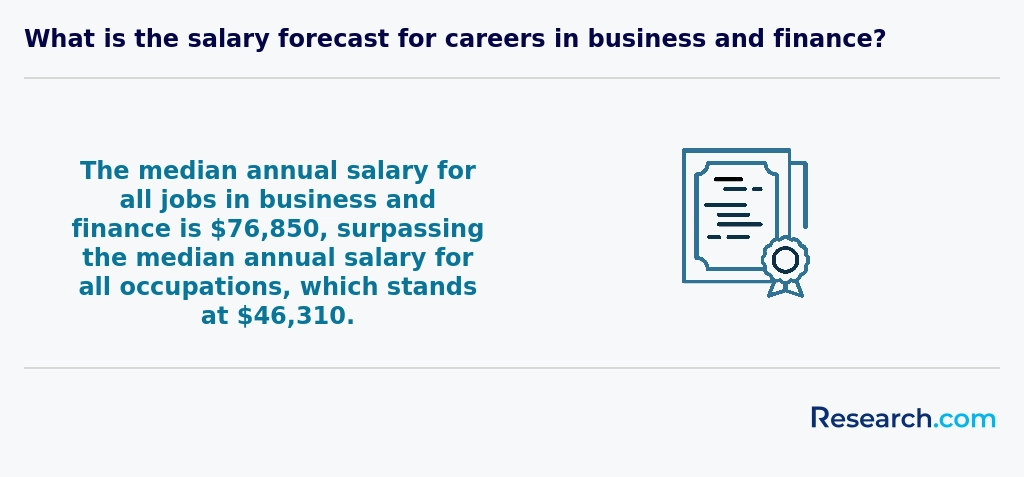
Students pursuing online finance degrees in Missouri often find significant relief through a mix of federal and state financial aid programs. Graduates from popular institutions like the University of Missouri or Missouri State University recall how Pell Grants, offering up to $7,395 annually, made attending these affordable online programs feasible without the burden of repayment. For many, the federal Direct Subsidized and Unsubsidized Loans with flexible terms have served as a manageable way to cover remaining costs.
State programs also brighten the path forward. The Access Missouri Financial Assistance Program provides up to $1,000 in need-based grants, which students from institutions such as Southeast Missouri State University have leveraged.
Scholarships like the Bright Flight reward top-performing Missouri students, creating opportunities to study finance online without financial strain. Missouri colleges' internal scholarships and work-study options often spark hope for those balancing education and part-time finance career starts.
Many graduates highlight how employer tuition assistance in cities like St. Louis has been a game-changer, illustrating a positive trend toward integrating education investment with professional growth in the evolving finance sector.
Ensuring that your online Finance degree in Missouri comes from an accredited institution is critical for both academic credibility and career advancement. Accredited programs meet rigorous standards set by recognized bodies such as the Association to Advance Collegiate Schools of Business (AACSB), the Accreditation Council for Business Schools and Programs (ACBSP), or regional accreditors like the Higher Learning Commission (HLC). When evaluating program quality, look for explicit accreditation statements on the school’s website and verify them through accreditor directories. Accredited finance programs often feature up-to-date curricula, faculty with industry experience, and access to advanced financial software-key elements that translate into real-world skills. Program quality is also reflected in graduate outcomes and continuous improvement processes. Leading Missouri institutions regularly publish metrics such as graduation rates, job placement percentages, and employer satisfaction scores. These data points signal an institution’s commitment to evolving its online delivery, integrating new financial regulations, and maintaining strong industry partnerships. Prospective students should request detailed outcome reports or speak directly with admissions advisors to confirm how these quality measures align with their career goals. While an accredited bachelor’s degree in Finance builds a strong foundational skill set, you may also consider how further education impacts earning potential. For those comparing advanced degrees, reviewing insights on business masters degree salary can provide valuable context for long-term planning. By prioritizing accreditation and transparent quality metrics, you can select an online Finance program in Missouri that offers both academic excellence and professional credibility.
Enrolling in an online finance degree program in Missouri typically starts with having a high school diploma or GED, a baseline shared by graduates from various local schools like the University of Missouri. Many students recall submitting official transcripts to showcase strong math and English skills-key areas that helped them grasp complex financial concepts later on.
While SAT or ACT scores are becoming optional in many programs, some applicants mention that submitting these scores helped them secure scholarships or eased admission at competitive schools. Graduates often highlight how adaptability with digital tools was a plus, as programs require basic computer literacy to navigate online platforms smoothly.
Work experience isn't always mandatory but often gives applicants a confidence boost, especially transfer students who bring real-world insights. Prospective students at Missouri State University, for example, appreciate the transparent tuition costs ranging from $7,000 to above $15,000, understanding the investment needed for their future careers.
International and non-resident students note the extra steps required, like proving English proficiency, which prepares them to thrive in a digital and diverse learning environment.
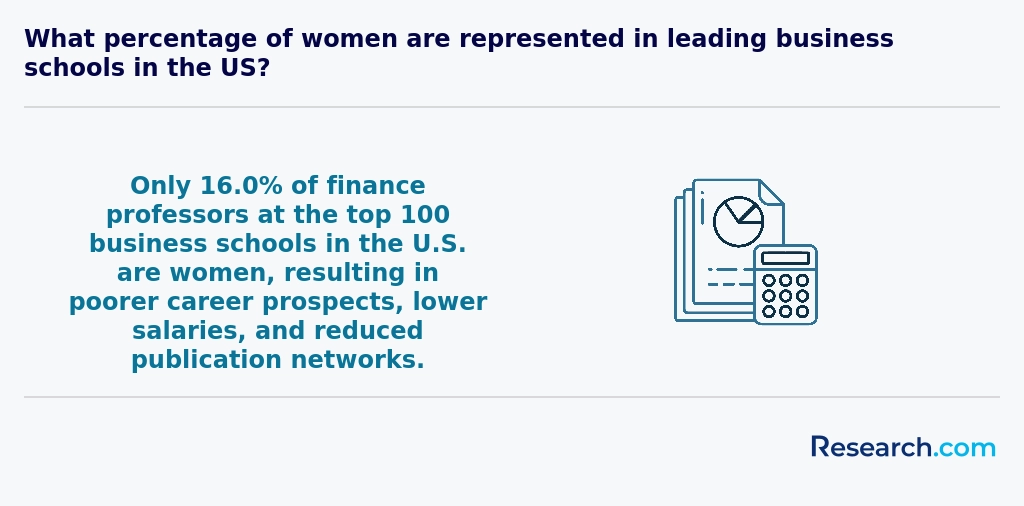
Online finance degree programs in Missouri typically include a blend of foundational and specialized courses that prepare students for the evolving financial landscape. Graduates from universities like the University of Missouri often recall how early classes in Principles of Finance and Microeconomics and Macroeconomics built their confidence in understanding market dynamics, which felt immediately relevant when analyzing real-world economic trends.
As these students progressed, courses such as Corporate Finance and Investment Analysis became pivotal, offering hands-on experience with portfolio management and strategic decision-making. This practical focus helps learners visualize managing assets or assessing risk in tangible scenarios, an approach embraced by many Missouri colleges known for their finance programs.
Importantly, programs also incorporate data-driven subjects like Financial Modeling and Business Statistics, increasingly vital as technology reshapes finance careers. Graduates often express excitement about applying these skills to emerging fields such as fintech and AI-driven analytics, which schools like Missouri State University are beginning to emphasize.
Courses on Business Law and Ethics in Finance anchor students in responsible decision-making, essential for navigating complex legal and moral challenges in finance. For many, these classes reinforce the meaningful impact they anticipate having in their communities through ethical financial leadership.
Online finance degree specializations Missouri students choose often include Corporate Finance, focusing on managing company finances through capital budgeting and risk management. Graduates from Missouri universities feel confident stepping into roles like treasury management, aided by the state's robust corporate environment. Another popular path is Financial Planning and Wealth Management, where students learn to help families with investments and retirement, creating a rewarding, client-centered career. Many graduates praise how this concentration prepares them to meet the growing demand for personal financial advisors in Missouri.
Students aiming at investment careers often pick Investment Analysis and Portfolio Management, gaining skills to evaluate securities and oversee portfolios. This specialization fits well with Missouri's proximity to major financial hubs such as St. Louis, allowing for valuable internships and networking. Additionally, Risk Management and Insurance attracts those interested in mitigating financial risks, a field boosted by Missouri's large insurance industry. Prospective learners seeking online programs can also explore financing options highlighted in the Affordable Finance Degree Programs Ranking in Alabama, which provides useful cost-saving insights relevant across the region.
Finance degree concentration options Missouri schools offer remain flexible, with many graduates combining coursework with certifications like the CFA or CFP to stand out in competitive markets.
Choosing the best online finance degree in Missouri means looking beyond just curriculum. Graduates from universities such as the University of Missouri and Missouri State University often highlight how programs with regional accreditation and courses tied to the state's unique economy have shaped their careers. As Missouri's finance industry evolves, programs incorporating practical skills like investment technology or agriculture finance prepare students for emerging markets. Imagine joining a class where you analyze real St. Louis business data or network virtually with local financial firms-these experiences turn theory into confidence.
Affordability remains key for many, with students valuing programs that offer competitive tuition while providing access to internships in Missouri's thriving finance sector. Flexible course schedules enable working professionals to advance without sacrificing income. For those eager to accelerate their studies, some may explore an expedited bachelor's degree option, balancing speed with depth.
When searching for the best online finance degrees Missouri-wide, prioritize programs that blend accredited academics with real-world applications and local job connections to maximize your future success.

Graduates with an online finance degree in Missouri find themselves well-positioned for a variety of career paths that reflect the state's dynamic economy. From financial analysts in St. Louis assessing investment opportunities to commercial banking roles in Kansas City managing loans for local entrepreneurs, opportunities are growing with the region's development. Many graduates from renowned institutions like the University of Missouri and Missouri State University share stories of moving quickly into corporate finance departments, where budgeting and forecasting drive company success.
As online finance degree careers in Missouri evolve, students increasingly engage in financial planning and advisory roles, helping Missouri families with retirement and tax strategies tailored to the region's needs. The state's established insurance sector also opens doors for risk assessment and underwriting jobs, offering attractive options for those inclined toward analytic roles. Many enjoy the flexibility of online studies while gaining connections to Missouri's financial hubs.
For students wondering about the next steps after their degree, exploring the easiest master's programs to get into in Missouri can enhance career prospects and deepen expertise in these thriving fields.
The job market for online finance degree jobs in Missouri shows steady growth, fueled by the state's diverse economy and strong finance sectors in urban hubs like St. Louis and Kansas City. Graduates from well-regarded Missouri colleges often share positive experiences about landing roles in corporate finance, budget analysis, and personal financial advising shortly after completing their studies. Many appreciate how online programs prepare them with practical skills valued by employers who increasingly accept accredited online degrees as valid credentials.
Missouri finance career opportunities online are particularly promising as employers adopt hybrid work models, expanding the reach of remote finance roles beyond traditional office settings. Graduates note that networking through organizations such as the Missouri Society of Certified Public Accountants and local CFA chapters has helped open doors, connecting them to these evolving opportunities. Tuition affordability in several Missouri public institutions makes pursuing these qualifications financially feasible for many students.
Looking ahead, those considering advanced degrees often research options like non dissertation online doctoral programs to enhance their expertise. This path may provide a competitive edge in specialized areas such as risk assessment and investment advising, positioning graduates at the forefront of Missouri's dynamic finance labor market.
2027 Easiest Online Bachelor's in Finance Degree Programs Ranking in Missouri
Investing in your education is a significant decision that can shape your future, and the Research.com team understands the importance of making informed choices. To assist prospective students in Missouri, we have meticulously crafted the "2027 Easiest Online Bachelor's in Finance Degree Programs Ranking in Missouri." Our commitment to quality, credibility, and accuracy is reflected in the extensive research and analysis conducted to compile this ranking.
We utilized the following reputable data sources to ensure a comprehensive evaluation of finance programs:
By exploring this ranking, readers will gain valuable insights into the easiest and most accessible online bachelor's finance degree programs in Missouri, enabling them to make well-informed decisions about their educational investments. For more details on our methodology, please visit our Research.com methodology page.



Frequently Asked Questions About finance
Online finance degree students in Missouri can maximize their learning by actively engaging with virtual resources and forums provided by their universities. Participating in live webinars and networking events helps build connections with peers and industry professionals, which is crucial in the finance sector. Missouri's strong presence of financial institutions, including in Kansas City and St. Louis, offers ample internship and mentorship opportunities.
Students should leverage state labor market data showing finance roles grew by 7% from 2019 to 2023, indicating strong local demand. Utilizing local economic reports, such as those from the Missouri Economic Research and Information Center, can deepen understanding of regional finance trends.
Careful time management and setting clear study goals are essential when balancing work and studies, especially for adult learners in Missouri's diverse economy.
The finance field is evolving rapidly, creating new opportunities for students pursuing online finance degrees in Missouri. Among emerging niches, financial technology (fintech) stands out, blending finance with technology to improve services like digital payments and blockchain applications. According to the Missouri Economic Research and Information Center, fintech jobs are growing faster than average in the state.
Another niche gaining attention is sustainable finance, which focuses on investments considering environmental, social, and governance (ESG) criteria. This area appeals to investors seeking ethical impact alongside returns.
Additionally, data analytics in finance is becoming crucial. Missouri employers increasingly demand skills in analyzing financial data to guide decision-making and risk management, according to the Bureau of Labor Statistics.
After completing an online finance degree in Missouri, preparing for the job market requires a strategic approach. Graduates should build practical skills through internships or part-time roles in financial firms, banks, or corporate finance departments. According to the Missouri Economic Research and Information Center, finance and insurance jobs in the state grew by 3.5% between 2020 and 2023, indicating steady demand.
Networking is crucial; joining local finance associations such as the St. Louis CFA Society or Kansas City Financial Officers Council can open opportunities. Additionally, consider professional certifications like the CFA or CFP to enhance credentials and boost employability in Missouri's competitive market.
Employers in Missouri highly value finance graduates who possess strong analytical and quantitative skills. The ability to interpret financial data and use software tools such as Excel and financial modeling applications is essential. According to the Missouri Economic Research and Information Center, several finance roles demand proficiency in budgeting and forecasting, reflecting the state's growing financial services sector.
Communication skills are also critical. Graduates must explain complex financial concepts clearly to clients or team members. Additionally, problem-solving and attention to detail are frequently mentioned in job postings across Missouri.
Ethical judgment and knowledge of regulatory compliance are important, given Missouri's adherence to federal and state financial regulations. These soft and technical skills combined make graduates competitive in the local job market.
Finding finance internships in Missouri involves strategic research and networking. Start by exploring career centers at Missouri's online universities, as they often partner with local businesses to offer internship opportunities. The St. Louis and Kansas City metropolitan areas, key financial hubs in Missouri, host many companies in banking, investment, and insurance sectors where internships are available.
Use platforms like Handshake, LinkedIn, and Missouri Job Center, which list internships specifically for finance students. According to the Missouri Department of Economic Development, finance and insurance companies employ over 80,000 people statewide, suggesting numerous internship openings.
Networking with Missouri-based professional groups like the Missouri Society of CPAs can also uncover unadvertised internships relevant to finance majors.
Obtaining an online finance degree in Missouri can significantly enhance career mobility and advancement opportunities within the state's financial sector. Missouri's finance and insurance industry employs over 120,000 people, making it an important regional hub according to the Missouri Economic Research and Information Center.
An online finance degree provides essential skills in financial analysis, risk management, and investment strategies, which are highly valued by employers. Graduates often qualify for roles such as financial analysts, budget analysts, and personal financial advisors.
Moreover, Missouri's growing economy and urban centers, like St. Louis and Kansas City, offer increasing demand for finance professionals. An online degree enables flexibility for working adults to upskill without relocating.
According to the U.S. Bureau of Labor Statistics, finance jobs in Missouri have a median annual wage above the national average, promoting higher earning potential and career growth for degree holders.
Studying for a finance degree in Missouri equips students with skills that extend beyond traditional finance roles. Programs often emphasize interdisciplinary learning, combining coursework in economics, business analytics, and information systems. This approach helps graduates adapt to varied positions in finance-related fields, such as risk management, financial technology, and corporate strategy.
Missouri's universities align their curricula with industry needs in the region, where sectors like agriculture, manufacturing, and healthcare intersect with finance. According to the Missouri Economic Research and Information Center, finance-related jobs in these industries have grown by over 5% in recent years, increasing demand for versatile professionals.
This practical integration prepares students to collaborate across departments, making them valuable assets in evolving business environments.
Choosing between a thesis and a non-thesis finance degree program in Missouri depends on your career goals and learning preferences. Thesis programs often appeal to students interested in research, academia, or advanced studies. They require writing a detailed research paper, which can develop strong analytical and critical thinking skills.
Non-thesis programs focus more on coursework and practical skills, often suiting students aiming to enter the workforce quickly. According to the Missouri Department of Higher Education, many online finance degrees in the state offer flexibility important for working professionals.
Consider whether you prefer hands-on projects or research. Also, think about how graduate school or certification plans might influence your choice, as some employers value thesis experience.
Students based in Missouri seeking to study finance abroad have several options through partnerships between Missouri institutions and international universities. Many Missouri universities offer exchange programs or dual-degree options that allow students to complete part of their finance studies overseas while enrolled locally. These programs provide global exposure without fully relocating.
Additionally, some Missouri online finance degree programs incorporate international finance courses with case studies and virtual collaborations involving foreign institutions. This approach broadens understanding of global markets from home.
The Missouri Economic Research and Information Center (MERIC) highlights the growing importance of global finance knowledge in the state's expanding financial services sector, which accounted for over 200,000 jobs in 2023.
Students pursuing an online finance degree in Missouri can benefit greatly from part-time jobs that offer relevant experience. Positions such as bank tellers, financial clerks, or accounting assistants provide practical skills in money management and data analysis. According to the U.S. Bureau of Labor Statistics (BLS), Missouri's financial sector has a steady job growth projected at around 5% over the next decade, highlighting opportunities in these fields.
Internships or assistant roles in local accounting firms or investment companies can also complement academic learning. These roles often expose students to real-world financial software and regulatory compliance, critical skills for finance professionals.
Moreover, Missouri's growing economy, led by sectors like manufacturing and healthcare, demands financial expertise in budgeting and forecasting, enhancing job prospects for students with practical experience.
Online finance students in Missouri have access to various networking opportunities despite the remote nature of their programs. Many Missouri universities offering online finance degrees provide virtual career fairs, connecting students with employers across the state's growing finance sector. For example, Kansas City and St. Louis are notable financial hubs where firms regularly seek fresh talent.
Professional organizations like the Missouri Society of Certified Public Accountants and the St. Louis CFA Society offer student memberships and virtual events, which foster networking with finance professionals. Additionally, LinkedIn groups specific to Missouri finance professionals help students build valuable connections.
Internships through online programs often leverage local partnerships, helping students gain practical experience and expand their professional networks within the state.
Alumni networks offer significant advantages for online finance degree students in Missouri by providing valuable professional connections. Graduates from Missouri institutions often remain active in state-specific finance sectors, such as St. Louis's growing financial services industry, which employs over 50,000 people according to the Missouri Economic Research and Information Center (MERIC).
These networks facilitate mentorship opportunities, helping students navigate career paths and understand current market trends. Many alumni participate in job referral programs, increasing employment prospects for recent graduates. Access to exclusive events and workshops focused on Missouri's finance landscape enables students to build skills relevant to local employers.
Participation in alumni groups also fosters lifelong learning and support, which is crucial in the evolving finance field. As a result, students benefit from practical guidance and enhanced networking possibilities, critical for career success in Missouri's finance market.
Customizing an online finance degree program in Missouri allows students to align their education with specific career goals. Many Missouri institutions offer elective courses in areas like investment management, financial planning, and corporate finance, enabling students to focus on their preferred finance sector. Students can often choose from concentrations such as banking or risk management.
Additionally, some programs provide access to internships and practical projects with Missouri companies, enhancing real-world experience. According to the Missouri Economic Research and Information Center, finance and insurance jobs grew 2.5% in 2022, highlighting the value of specialized skills.
Students should consult academic advisors to select courses that support targeted career paths in Missouri's financial industry.
Online finance students in Missouri face several common challenges that can impact their academic success. One major difficulty is balancing coursework with work and family obligations, especially since Missouri's average finance professional earns about $75,000 annually, encouraging many students to continue working while studying (U.S. Bureau of Labor Statistics, 2023).
Another challenge is maintaining motivation and self-discipline in a remote learning environment. The lack of direct interaction with instructors and peers can lead to feelings of isolation. Missouri's rural population, which is approximately 35%, may experience limited internet connectivity, further complicating access to streaming lectures or submitting assignments on time.
Additionally, understanding complex financial concepts without hands-on support poses difficulties. Some Missouri students report wanting more tailored academic advising and technical support from their institutions to navigate finance-specific software or case studies effectively.
With an online finance degree in Missouri, graduates can pursue several valuable professional certifications to enhance their careers. One popular choice is the Certified Financial Planner (CFP) designation, which requires coursework in financial planning, passing an exam, and relevant work experience.
Many students also consider the Chartered Financial Analyst (CFA) credential. This certification demands passing three rigorous exams and is highly regarded in investment management fields.
Other notable certifications include the Financial Risk Manager (FRM) and the Certified Management Accountant (CMA). Missouri's finance sector, with a growing finance and insurance industry employing over 130,000 people as per the Missouri Economic Research and Information Center, values these credentials.
These certifications can significantly improve job prospects and salary potential for professionals in the state.
To write a winning application for an online finance program in Missouri, start by highlighting your academic background and relevant experience clearly. Admissions committees value strong quantitative skills, so emphasize coursework or work involving mathematics, economics, or statistics.
Include a concise, well-structured personal statement explaining your career goals and why you chose finance and online learning in Missouri. Missouri's economy includes key sectors like insurance and banking, so demonstrating awareness of these local industries can strengthen your application.
Be sure to request letters of recommendation from professionals or professors who can attest to your abilities. Official transcripts should showcase competitiveness, as Missouri schools value a GPA of 3.0 or higher for finance applicants.
Lastly, prepare for any required standardized tests such as the SAT or ACT, if applicable, though many programs have test-optional policies currently.
Finance careers today are increasingly shaped by global trends and economic integration. Professionals with a finance degree in Missouri can expect to work in a field that demands understanding of international markets, currency fluctuations, and multinational regulations. The U.S. Bureau of Labor Statistics projects a steady growth rate of 7% for financial analysts nationally from 2022 to 2032, reflecting the ongoing need for global financial expertise.
Missouri's central location and business hubs, like St. Louis and Kansas City, connect finance professionals to diverse industries engaged in international trade. This enhances opportunities for those skilled in global financial strategies.
Developing a global perspective is vital, as many Missouri companies operate or compete worldwide, requiring finance experts to navigate cross-border investments and compliance.
Gaining practical experience while studying for an online finance degree in Missouri is crucial for career readiness. Many Missouri universities encourage students to pursue internships with local financial firms, banks, or government agencies. For example, St. Louis and Kansas City have growing financial sectors offering opportunities in investment, banking, and insurance. According to the Missouri Economic Research and Information Center, finance and insurance jobs have increased by 5% over recent years, highlighting demand for hands-on skills.
Students can also engage in virtual internships, allowing flexibility alongside online courses. Additionally, Missouri's online finance programs often include case studies and simulation projects to develop real-world decision-making skills. Connecting with the Missouri Society of Certified Public Accountants or finance clubs provides networking advantages and mentorship opportunities.
Choosing the right concentration in an online finance degree program in Missouri starts with evaluating your career goals and interests. Common concentrations include corporate finance, investment analysis, and financial planning. Each offers different career paths and skill sets.
Research local employment trends to identify high-demand specialties. For example, Missouri's growing financial services sector often seeks expertise in risk management and asset management, according to the Missouri Economic Research and Information Center (MERIC).
Consider the curriculum and faculty expertise of the programs you are interested in. Look for options that offer practical experience or internships aligned with Missouri's financial market.
Lastly, examine state-specific certification opportunities, like the CFA or CFP certifications, which may align better with certain concentrations and enhance your employability in Missouri's finance industry.
See What Experts Have To Say About Studying Finance
Read our interview with Finance experts

Andrew Karolyi
Finance Expert
Dean of the Cornell SC Johnson College of Business
Cornell University

H. Kent Baker
Finance Expert
Professor at Department of Finance and Real Estate
American University

Ekaterina Potemkina
Finance Expert
Assistant Professor of Finance
Indiana University

- International Finance (English) Master Programme (Thesis and Non-Thesis) - GRADUATE SCHOOL OF TRADE AND FINANCE https://ticaret.edu.tr/ticaret-ve-finans-enstitusu/en/ma-in-international-finance/
- Getting a Finance degree: All you need to know https://www.study.eu/article/getting-a-finance-degree-all-you-need-to-know
- Master of Science (M.S.) Major in Quantitative Finance and Economics (Non-thesis Option) https://mycatalog.txstate.edu/graduate/mccoy-business-administration/finance-economics/quantitative-finance-economics-nonthesis/
- Top 10 Accounting and Finance Skills Employers Want | Tamarack Recruiting | Tamarack Recruiting https://tamarackrecruiting.com/top-10-accounting-and-finance-skills-employers-want-tamarack-recruiting/
- How to Get a Finance Internship with No Experience – 365 Financial Analyst https://365financialanalyst.com/career-advice/how-to-get-a-finance-internship-with-no-experience/
- Top Accounting Skills to Land Finance and Accounting Jobs https://www.kbwfinancial.com/top-skills-for-accounting-and-finance/
- How to write a cover letter for a finance job | Standard Chartered https://www.sc.com/en/news/careers-about-standard-chartered/cover-letter-for-a-finance-job/
- What studies are needed to work in finance? https://www.monaco.edu/en/everything-you-need-to-know-about-the-role-of-an-hse-manager-duties-studies-and-salary-2-2-3-2/
- Guide to Finance Internships | Higherin https://higherin.com/career-guides/finance/finance-internships
- Why Alumni Networks Matter in Business School: 7 Reasons https://europe.ceibs.edu/article/why-alumni-networks-matter-business-school


