2027 Easiest Online Bachelor's in Finance Degree Programs Ranking in Texas

Co-Founder and Chief Data Scientist
Choosing the right finance degree program can feel overwhelming, especially when you're balancing work, life, and studies. This article introduces the 2027 Easiest Online Bachelor's in Finance Degree Programs Ranking in Texas, carefully crafted by the Research.com team of data scientists.
It helps Texas students find programs that fit their needs, making the decision easier and more confident. Exploring these options can open doors to new career opportunities and financial skills that last a lifetime. If you're ready to take the next step toward a rewarding future, this guide is a great place to start.
Key benefits of getting online finance degree in Texas
- Salary: Graduates with a finance degree in Texas can expect promising earnings, such as Financial Advisors earning about $150,670 annually and Financial Analysts making around $112,950 per year, reflecting strong financial reward potential.
- Career Paths: A finance graduate from a well-known Texas university can pursue versatile roles like Credit Analyst, Investment Banking Analyst, or Insurance Underwriter, offering diverse opportunities to grow professionally.
- Online Degree Benefits: Earning a finance degree online from a reputable Texas school allows flexibility to balance work and study, making it easier for busy students to achieve their goals without compromising their lifestyle.
- 2027 Easiest Online Bachelor's in Finance Degree Programs Ranking in Texas
- What can I expect from online finance degree in Texas?
- Where can I work with online finance degree in Texas?
What can I expect from online finance degree in Texas?
The average cost of an online finance degree in Texas typically ranges between $20,000 and $50,000 for a full undergraduate program, depending on the institution and enrollment status. Public universities such as Texas A&M and the University of Houston offer competitive tuition rates for in-state students, often falling at the lower end of this spectrum. Graduates from these programs frequently report that the affordability combined with strong academic support made their investment worthwhile.
Many students appreciate the flexibility to balance work and study while paying lower tuition compared to private institutions. For example, a finance graduate from a Texas public university described how manageable costs allowed them to enroll part-time without financial strain, supporting continuous income.
Scholarships, financial aid, and payment plans further reduce out-of-pocket expenses, improving access for aspiring finance professionals. Considering Texas's growing finance sector and solid career prospects, this cost range reflects an efficient path to entering fields such as financial analysis or corporate finance within a robust regional economy.
Where can I work with online finance degree in Texas?
Graduates with an online finance degree from Texas institutions like the University of Texas at Austin or Texas A&M University frequently find employment in a variety of vibrant sectors statewide. Many secure positions at major banks such as JPMorgan Chase, Frost Bank, or Bank of America, working as financial analysts or credit officers. These roles offer the chance to apply classroom theory to real-world lending and investment decisions, providing both challenge and growth.
Investment firms in Dallas and Houston seek graduates as portfolio managers or risk analysts, where they contribute to managing multi-million-dollar assets and advising clients. These cities' robust financial markets give graduates opportunities to advance quickly and make tangible impacts on wealth strategies.
Corporate finance careers at Texas-based companies-from energy leaders like ExxonMobil to tech firms-commonly involve budgeting, financial planning, and treasury functions. Graduates often describe this work as dynamic and rewarding, especially when collaborating with diverse teams on critical projects.
Government roles and insurance companies, including State Farm and USAA, offer stable positions such as auditors and underwriters, emphasizing job security and community impact. According to Texas Workforce data, over 400,000 professionals work in financial activities statewide, showing strong demand for finance skills acquired through online programs.
Graduates from online finance degree programs in Texas commonly enter the workforce with competitive salaries reflecting the state's strong economic environment. For example, financial analyst roles, a popular choice among graduates from universities like the University of Texas at Austin and Texas A&M, offer a mean annual wage of approximately $112,950 in Texas. This salary reflects experience and location within economic hubs such as Dallas or Houston.
Other common positions include credit analysts, earning a mean annual wage near $94,750, and insurance underwriters, whose salaries average around $85,610. Investment banking analysts also show promising earnings, mirroring financial analysts with average yearly incomes of about $112,950.
Adopting certifications alongside an online degree often leads to even higher wages. Graduates pursuing financial advisor roles, which command mean wages of $150,670 annually, exemplify how Texas professionals can exceed $100,000 per year by combining education with credentials.
One graduate from a Texas-based online program shared how starting as a junior analyst at $65,000 quickly progressed to over $90,000 after two years, thanks to the state's dynamic business sectors. This illustrates the tangible economic advantage obtained by leveraging skills gained through reputable Texas universities paired with real-world experience.
- Texas offers fully online finance bachelor's programs through accredited public universities like the University of Texas and Texas A&M.
- In-state tuition for online finance programs at public universities ranges from $7,000 to $12,000 per year, while private universities can cost over $20,000 annually.
- The total cost for a four-year online finance degree in Texas ranges from $28,000 to $50,000, depending on the school and financial aid.
- Starting salaries for finance graduates in Texas range from $55,000 to $65,000 per year, with experienced professionals earning between $85,000 and $100,000 or more.
- Finance-related job opportunities in Texas are expected to grow about 10% over the next decade, outpacing the national average.
Completing an online finance degree in Texas generally takes about four years for full-time students, aligning with the typical duration of bachelor's programs across the state. For example, graduates from Texas Tech University and the University of Texas at Arlington often report finishing within this timeframe while balancing work and personal commitments comfortably.
Many students appreciate the flexibility offered by asynchronous courses, allowing them to adjust their pace. Some choose to accelerate their studies by taking extra credits during summer sessions, reducing completion times to as little as three years. Conversely, those managing part-time study schedules might expect completion to stretch to six or eight years, which graduates describe as manageable when balancing family obligations.
Transfer credits and prior learning assessments frequently shorten the path to graduation, especially within Texas public universities where credit recognition policies are well-established. According to the Texas Higher Education Coordinating Board, the average completion time ranges from 4.2 to 4.5 years, but online programs often enable students to tailor timing to their unique life circumstances and goals.
When choosing an online finance degree, accreditation is the cornerstone of academic rigor, financial aid eligibility, and employer recognition. In Texas, the most respected accrediting bodies include the Association to Advance Collegiate Schools of Business (AACSB), the Accreditation Council for Business Schools and Programs (ACBSP), and the International Accreditation Council for Business Education (IACBE). An AACSB-accredited program, for instance, demonstrates adherence to the highest standards in faculty qualifications, curriculum design, and student outcomes. Before applying, verify accreditation status on the U.S. Department of Education’s Database of Accredited Postsecondary Institutions and Programs (DAPIP). Accreditation impacts:
- Quality assurance: Ensures coursework meets industry benchmarks.
- Transferability: Facilitates credit transfers between institutions.
- Financial aid: Determines eligibility for federal grants and loans.
- Certification pathways: Satisfies prerequisites for CFA®, CFP®, and other professional exams. Beyond Texas borders, you can compare accreditation metrics and tuition rates by visiting Affordable Online Finance Degree Programs Ranking in Pennsylvania. This resource highlights similarly accredited programs that balance cost with academic excellence. Finally, look for specialized program accreditations-such as CFA Institute University Affiliation-to gauge how closely a curriculum aligns with professional standards. Prioritizing accredited institutions ensures you invest in a credential that carries weight with employers, licensing boards, and graduate schools.
Online finance degrees in Texas provide flexible scheduling, ideal for working adults balancing jobs or family. Graduates from programs at the University of Texas at Arlington often highlight the convenience of attending lectures remotely, allowing them to study during evenings or weekends without commuting. This contrasts with on-campus programs at institutions like Texas A&M University, where students benefit from daily face-to-face interactions with professors and peers, enhancing immediate feedback and networking opportunities.
Tuition costs differ as well. Online programs can reduce expenses by eliminating campus fees and travel costs, although some online courses maintain similar tuition rates to their on-campus counterparts. For example, Rice University's online finance program charges comparable fees but offers the advantage of digital resources and interactive simulations, preferred by many students.
Both formats maintain accreditation standards through SACSCOC, assuring employers in Texas recognize these degrees equally. Graduates report feeling confident that whether they studied remotely or in person, their skills prepare them well for Texas's evolving finance job market.
After earning an online bachelor’s in Finance, many graduates choose to deepen their expertise or accelerate career growth by pursuing a master’s degree in finance or an MBA with a finance concentration. Common pathways include:
- Master of Science in Finance (MSF): Typically a 30–36 credit program focused on quantitative analysis, risk management, and portfolio theory.
- MBA with Finance Emphasis: Broader business curriculum with finance core courses, ideal for those targeting leadership roles.
- Specialized Master’s (e.g., Financial Technology, Real Estate Finance): Tailored for niche sectors experiencing rapid innovation. When comparing programs, consider accreditation (AACSB, ACBSP), cohort size, cohort pacing (accelerated vs. traditional), and delivery mode (synchronous vs. asynchronous). Many schools now offer stackable credentials or dual degrees, enabling you to apply bachelor’s credits toward a master’s. Cost remains a critical factor-students should weigh tuition, fees, and average post‐graduation salaries to estimate ROI. For an in‐depth look at tuition trends and scholarship opportunities, see our guide on whether are online masters degree in finances affordable.
The average cost of obtaining an online finance degree in Texas varies significantly based on residency and institution type. For in-state students attending public universities popular for their finance programs, the median total cost typically stands near $24,015. This affordability makes such programs appealing to many Texas residents seeking a practical approach to finance education. Graduates often share how the manageable cost allowed them to focus on their studies without overwhelming debt, fostering a positive college experience.
Out-of-state students face higher expenses, with median total costs around $73,035, reflecting the premium placed on non-resident tuition. However, some out-of-state learners attending well-regarded Texas universities report the value received from strong career services and networking opportunities outweighs the higher cost. This emphasizes the importance of considering long-term returns alongside upfront costs when assessing affordable online bachelor's finance programs Texas offers.
Private institutions typically charge tuition fees closer to the national median of approximately $73,020 for an online finance degree. Although more expensive, these programs often deliver advantages such as smaller class sizes and personalized support. Students enrolled in these programs appreciate the direct interaction with faculty, which many describe as key to mastering complex financial concepts.
Additional expenses for books, technology, and materials can add $1,000 to $2,000 annually. Those exploring financial aid options should explore available scholarships and grants, which frequently help reduce overall expenditure. Prospective students considering the highest ranked accounting degree pathways within Texas also find that similar financial strategies apply to minimize costs while maximizing educational impact.
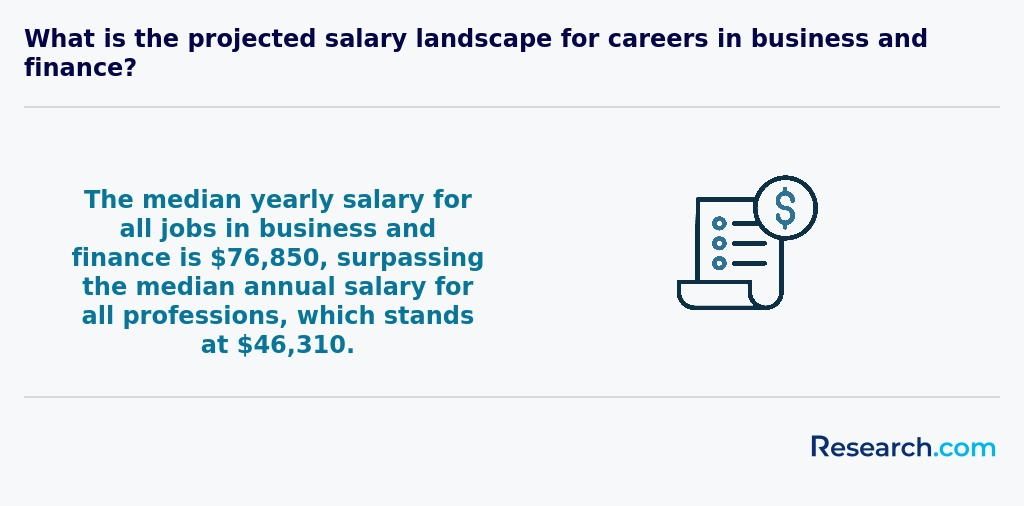
Students pursuing an online finance degree in Texas can access a variety of financial aid options that substantially reduce typical costs, which range from $10,000 to $30,000 annually for business and finance degrees. Completing the FAFSA unlocks federal assistance like Pell Grants, with awards up to $7,395 for the 2023-2024 academic year, alongside low-interest federal loans offering flexible repayment. Graduates from the University of Texas system often report relying on such federal aid paired with university scholarships to manage expenses effectively.
Texas-specific programs include the Texas Educational Opportunity Grant, aiding students at two-year public colleges transitioning to four-year degrees, and the Texas Grant Program, which supports financially needy undergraduates at public universities. Finance students frequently benefit from scholarships offered by organizations like the Texas Society of Certified Public Accountants, enhancing affordability for dedicated learners.
Additionally, many Texas employers in finance sectors provide tuition assistance or reimbursement. Finance students from Texas A&M and other major institutions often highlight employer support as a key factor in financing their education while working.
Veterans and their dependents may qualify for state tuition exemptions, and prospective students are encouraged to consult university financial aid offices and the Texas Higher Education Coordinating Board to maximize aid opportunities.
Enrolling in online finance degree programs in Texas requires applicants to meet clear academic standards reflective of the demands of the field. Most undergraduate programs ask for a high school diploma or GED, supported by transcripts showing completion of core courses such as algebra, geometry, and preferably precalculus or calculus. For instance, graduates from prominent institutions like the University of Texas at Austin report that strong math foundations significantly eased their transition into complex finance topics.
Many universities also emphasize mathematical proficiency and analytical skills, often requesting standardized test scores like the SAT or ACT, although many Texas schools-especially those offering online formats-now adopt test-optional policies to widen accessibility.
Transfer students usually provide official college transcripts with completed general education credits, typically 24 to 30 credit hours, and maintain at least a 2.5 GPA. Some programs require prerequisite courses in accounting, statistics, or economics to ensure readiness for advanced finance classes.
Such requirements reflect a practical emphasis on building quantitative and economic skills essential for success in Texas's competitive online finance programs.
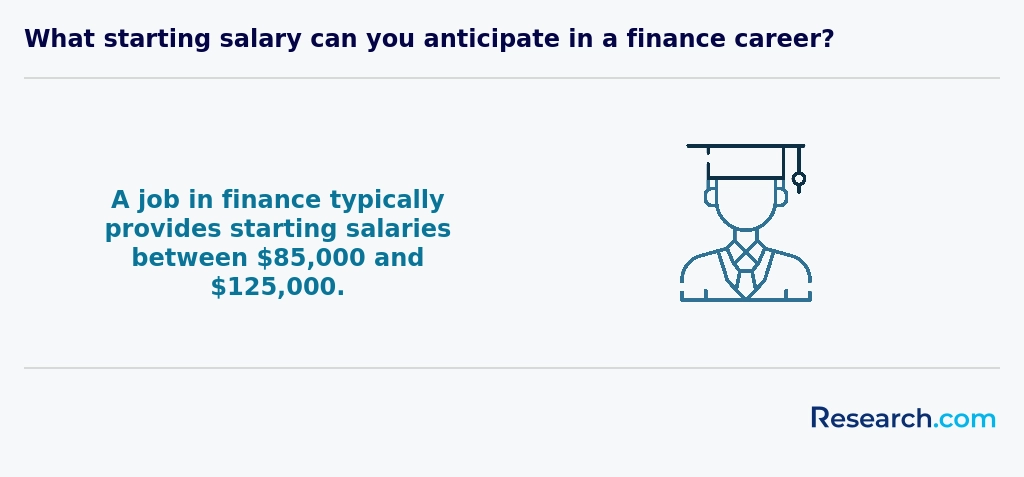
Online finance degree programs in Texas consistently include core courses like Financial Accounting and Managerial Accounting, crucial for mastering company financial records management. Graduates from institutions such as the University of Texas at Austin report that Corporate Finance classes deepen their understanding of capital structure and funding strategies, directly preparing them for real-world business decisions.
Investment Analysis is another foundation, teaching students to evaluate stocks and bonds-a skill former students from Texas A&M University found invaluable when managing personal or client portfolios. Coupled with Financial Markets and Institutions, these courses clarify how banks and regulatory bodies operate, grounding students in the practical mechanics of finance within the Texas economic landscape.
Given Texas' large energy sector, specialized courses in Risk Management and Insurance are often included to address state-specific financial risks. International Finance also features prominently, reflecting Texas' role in global trade, particularly with Mexico and Latin America, a focus that online learners at Rice University appreciate for its global career relevance.
Capstone projects or Financial Strategy courses help students apply theory to Texas-centric cases, enhancing problem-solving abilities. Electives like Personal Finance and Real Estate Finance allow tailoring studies to individual career goals, a flexible approach praised by many recent graduates navigating Texas' dynamic job market.

Online finance degree specializations Texas programs commonly include Corporate Finance, Investment Management, Financial Planning, Risk Management and Insurance, and Real Estate Finance. Each concentration equips students with targeted skills relevant to various financial careers.
Corporate Finance focuses on managing company finances, budgeting, and risk assessment. Graduates often secure roles as financial analysts or finance managers at institutions like the University of Texas at Austin, where alumni highlight practical case studies that enhanced their analytical capabilities.
Investment Management prepares students for portfolio management and wealth advisory roles, fields where demand in Texas is robust. The Texas Workforce Commission notes financial analysts earn a median of around $85,000 annually, reflecting strong job prospects after graduation from schools such as Texas A&M.
Financial Planning emphasizes personal finance and retirement strategies, making it ideal for those pursuing certified financial planner credentials. These specializations align well with the varied finance degree concentration options Texas online programs provide, contributing to graduates' confidence in navigating complex financial environments.
Risk Management and Insurance trains students in mitigating financial risks, especially relevant in Texas' energy and healthcare sectors. Real estate finance, focusing on property valuation and mortgages, benefits from Texas' booming real estate market.
Many students choose accelerated degrees to complete specializations faster and enter the workforce quickly. For those seeking to learn more about such options, resources on accelerated degrees provide valuable guidance.
Choosing the best online finance degree programs Texas involves verifying regional accreditation, such as from SACSCOC, to ensure quality and employer recognition. Graduates from popular Texas universities report that programs with updated curricula-including financial management, risk analysis, and Texas-specific regulations-prepared them well for local market demands. For example, courses integrating energy sector finance provide practical insight unique to Texas' economy.
Cost is another vital factor; Texas public universities typically charge between $10,000 and $12,000 annually for in-state students. Students seeking an affordable online bachelor's in finance Texas should evaluate total expenses including technology and exam fees. Many have found financial aid crucial in reducing costs while maintaining rigorous study schedules.
Graduates emphasize the value of access to experienced faculty and career support services, which enhance job prospects in Texas' growing finance sector. Flexibility also matters; part-time options allow students to balance work and family commitments effectively. For broader options, students may explore related fields like a business degree in Utah, expanding career pathways beyond finance.
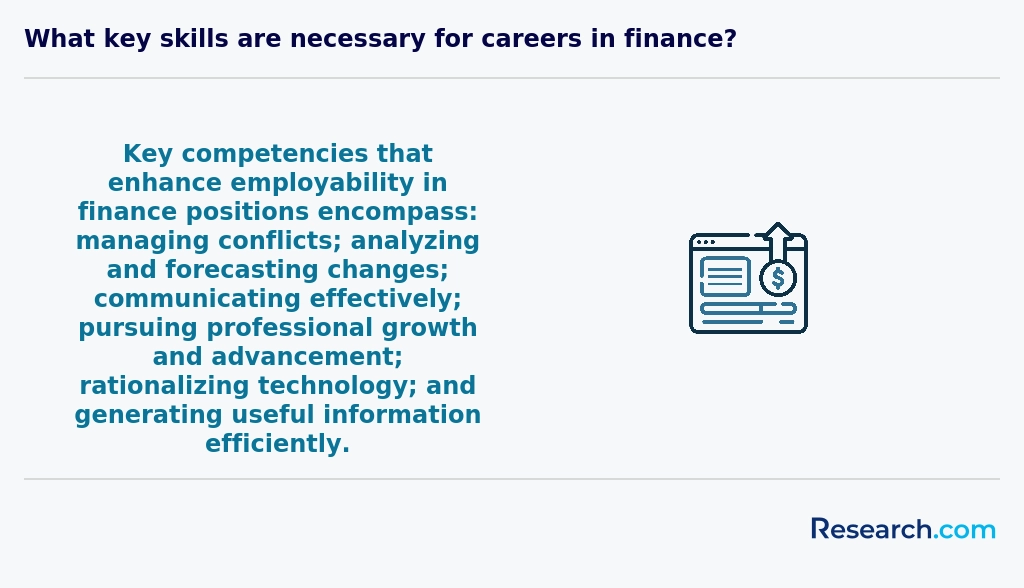
Graduates with an online finance degree in Texas can pursue numerous career paths across key industries such as banking, corporate finance, and financial planning. Many alumni from well-known Texas universities find rewarding roles as financial analysts, leveraging their skills to interpret complex data for investment decisions, often earning salaries above the national average in cities like Dallas and Houston. Career opportunities finance graduates Texas also include positions like personal financial advisors, where professionals help individuals navigate retirement planning and estate management, creating a palpable sense of achievement in improving clients' financial wellbeing.
Banking roles such as loan officers and branch managers remain in demand, benefiting from Texas's strong economic growth. Graduates from popular institutions appreciate that pairing their online finance degree jobs Texas with certifications like the CFA or CPA significantly boosts their qualifications for corporate finance jobs, where managing company budgets and capital expenditures is essential. Some take on risk management or insurance underwriting, thriving in settings that require analytical precision to mitigate financial risks. Those interested in advancing quickly can explore quick degrees as complementary options.

The job outlook for online finance degree holders in Texas remains strong due to the state's dynamic economy and major financial centers like Dallas, Houston, and Austin. Graduates from popular Texas institutions often secure roles in financial analysis, investment management, and corporate finance, benefiting from the demand driven by increased regulation and market expansion. Many graduates find that combining their online degree with certifications such as CFA or CFP enhances their career opportunities significantly.
Texas online finance degree career opportunities are further supported by competitive salaries, with median annual wages around $89,000, rising to over $120,000 for experienced professionals. Entry-level roles start near $60,000, reflecting the balanced compensation curve in metropolitan areas. Students who complete internships during their studies at well-known Texas universities often report positive experiences entering the workforce, confident in their practical skills as well as academic knowledge.
Tuition affordability at Texas public universities, typically ranging from $8,000 to $15,000 per year for in-state online finance degrees, helps students manage education costs while tapping into a growing job market. For students interested in expanding options beyond Texas, exploring California online MBA programs may also provide valuable pathways.
2027 Easiest Online Bachelor's in Finance Degree Programs Ranking in Texas
Investing in your education is a significant decision that can shape your future, and the Research.com team understands the importance of making informed choices. To assist prospective students in Texas, we have meticulously crafted the "2027 Easiest Online Bachelor's in Finance Degree Programs Ranking in Texas." Our commitment to quality, credibility, and accuracy is reflected in the extensive research and analysis conducted to compile this ranking.
We utilized the following reputable data sources to ensure a comprehensive evaluation of finance degree programs:
By exploring this ranking, readers will gain valuable insights into the easiest online finance degree programs in Texas, enabling them to make well-informed decisions about their educational paths. For more details on our methodology, please visit our Research.com methodology page.


Frequently Asked Questions About finance
Texas students pursuing an online finance degree can enhance their learning by actively engaging with course materials and virtual resources. Many Texas universities offer access to financial databases and software tools that simulate real-world market analysis, crucial for practical understanding. Networking through online forums and participating in virtual internships within Texas's robust financial sector, including hubs like Dallas and Houston, can provide valuable experience.
Students should also take advantage of Texas-specific economic reports from sources like the Texas Comptroller's office to connect theory with local financial trends. Time management and consistent communication with professors help maintain progress and deepen comprehension in an online setting.
The finance field is evolving rapidly, with emerging niches offering promising career paths for students pursuing online finance degrees in Texas. Areas such as financial technology (FinTech) have gained significant traction, driven by innovations in blockchain, mobile payments, and digital currencies. According to the Texas Workforce Commission, jobs related to FinTech are growing faster than average in major cities like Austin and Dallas.
Another expanding niche is sustainable finance, focusing on investments that support environmental and social governance (ESG) goals. This sector is attracting attention as companies increasingly adopt responsible business practices.
Additionally, risk management and data analytics are becoming critical as firms in Texas seek professionals skilled in interpreting complex financial data to guide decision-making.
After completing an online finance degree in Texas, preparing for the job market involves targeted steps to enhance employability. Start by building practical skills through internships or part-time roles relevant to finance. Texas hosts a robust financial sector, particularly in cities like Dallas and Houston, where employers seek candidates with proficiency in financial analysis, risk management, and accounting software.
Networking is essential. Joining professional organizations such as the Texas Society of CPAs or local finance clubs can open doors. According to the U.S. Bureau of Labor Statistics, finance jobs in Texas are projected to grow by 7% through 2031, slightly above the national average, highlighting opportunities for new graduates.
Finally, consider earning certifications like the CFA or CFP to stand out. These credentials are valued by Texas employers and improve salary prospects.
Employers in Texas highly value finance degree graduates who possess strong analytical skills. The ability to interpret financial data and create accurate reports is essential, especially in a state with a robust energy sector influencing economic trends. According to the Texas Workforce Commission, firms actively seek candidates adept in financial modeling and risk management. These skills enable graduates to support decision-making in industries from banking to oil and gas.
Proficiency in software like Excel and familiarity with financial regulations are also critical, as Texas businesses must comply with both federal and state laws. Communication skills rank equally high, allowing graduates to present complex information clearly to diverse teams and clients.
Finding internships in Texas related to a finance degree involves combining online research with active networking. Many universities in Texas offer career services that list internship opportunities tailored to finance students. Checking platforms like Handshake, which connect students with employers, is a practical first step.
Texas hosts several major financial centers, including Houston and Dallas, where banking, investment, and energy finance firms regularly seek interns. According to the Texas Workforce Commission, finance occupations in Texas are projected to grow 7.3% from 2020 to 2030, indicating increasing internship availability.
Joining professional organizations such as the Texas Society of CPAs or local finance clubs can open doors to hidden internships. Additionally, utilizing LinkedIn to connect with Texas-based finance professionals often leads to valuable internship referrals.
Obtaining an online finance degree in Texas significantly enhances career mobility and advancement prospects. Texas hosts a large and diverse economy, with major hubs like Houston and Dallas fueling demand for finance professionals. According to the Texas Workforce Commission, financial analyst roles in Texas are projected to grow 8% through 2030, faster than the national average.
Graduates with an online finance degree gain essential skills in financial analysis, investment strategies, and risk management. These qualifications open doors to roles in banking, corporate finance, and insurance industries, which are prominent in Texas.
Moreover, an accredited online degree provides flexibility for working professionals to upskill without interrupting their careers. This flexibility often translates into faster promotions and access to higher-level positions.
Employers in Texas increasingly recognize reputable online programs, especially from regionally accredited institutions, reducing barriers to career advancement.
Studying for a finance degree in Texas equips students with skills applicable across multiple fields, reflecting the state's diverse economic sectors such as energy, technology, and healthcare. Online programs emphasize analytical thinking, risk management, and financial modeling, which are valuable in interdisciplinary roles involving economics, data analysis, or business strategy. Texas universities often integrate coursework in accounting, economics, and information systems, providing a well-rounded knowledge base.
According to the Texas Higher Education Coordinating Board, finance graduates frequently work in roles requiring collaboration with marketing, law, and IT departments. This prepares students to contribute effectively in cross-functional teams within major Texas industries.
Choosing between a thesis and a non-thesis finance degree program in Texas depends largely on your career goals and learning preferences. Thesis programs emphasize research and critical thinking, ideal for students aiming for graduate school or research roles. Non-thesis options often focus more on practical skills, suited for those targeting immediate employment in finance fields such as banking or corporate finance.
Texas houses many universities offering both tracks online, with varying credit requirements-typically, thesis programs require more research credits. According to the Texas Higher Education Coordinating Board, finance jobs in Texas are expected to grow by 12% through 2030, favoring candidates with practical skills.
Consider also your time commitment: thesis programs may extend study periods due to research demands. Ultimately, your choice should reflect whether you prefer applied work or academic scholarship.
Students based in Texas who want to study finance abroad while earning an online degree have several options. Many Texas universities partner with international institutions, allowing students to access global finance curricula remotely. For example, Texas A&M and the University of Texas system offer study-abroad opportunities integrated with online coursework. This hybrid approach helps students gain international perspectives without leaving home.
According to the Texas Higher Education Coordinating Board, about 15% of Texas students enrolled in finance-related programs participate in international or exchange experiences, often supported by flexible online learning. Online finance degrees from Texas schools typically include modules on global financial markets reflecting international standards relevant to students seeking global careers.
Students should explore programs accredited by AACSB or ACBSP, ensuring global recognition and easier credit transfers. While fully online international finance degrees outside the US are rare due to accreditation complexities, combining Texas-based online study with short-term abroad residencies is a practical choice for gaining international experience.
Students pursuing online finance degrees in Texas can benefit from part-time jobs that enhance their practical skills and complement academic learning. Common positions include bank teller roles, which provide firsthand experience with financial transactions and customer service. According to the Texas Workforce Commission, finance and insurance sectors in Texas employed over 450,000 workers in 2023, indicating diverse opportunities.
Other suitable jobs involve bookkeeping or accounting assistant roles, often available with small businesses or nonprofit organizations. Internships at local financial firms also offer valuable exposure to investment analysis and portfolio management techniques.
These jobs help develop critical skills such as data analysis, financial reporting, and client communication, all essential for future finance professionals.
Online finance students in Texas benefit from various networking opportunities that support professional growth despite remote learning. Many universities connect students with virtual career fairs and alumni networks, which are essential given Texas's robust finance sector employing over 240,000 finance professionals as of 2023 (U.S. Bureau of Labor Statistics).
Students can join state chapters of national finance organizations such as the Financial Management Association International (FMA) and the Texas Society of Certified Public Accountants (TSCPA), which host virtual meetings and workshops. These platforms facilitate networking with industry experts and peers.
Additionally, Texas universities often partner with local banks, investment firms, and corporations to provide internships and mentorships remotely, allowing online students to build valuable contacts in the regional finance market.
Alumni networks play a vital role for online finance degree students in Texas by offering valuable professional connections. These networks provide access to experienced graduates working in the state's large finance sectors, including Dallas and Houston. According to the Texas Workforce Commission, finance professionals in Texas earn an average annual wage exceeding the national figure, increasing the importance of strong industry ties.
Networking through alumni can lead to internship opportunities, job referrals, and mentorships, significantly enhancing career prospects. Many Texas universities also host events and online platforms that keep alumni connected and encourage knowledge sharing, which is especially beneficial for remote students seeking local engagement.
Additionally, alumni associations often provide resources such as workshops, career counseling, and job boards tailored to finance graduates in Texas. This support system helps graduates navigate the competitive financial industry, fostering professional growth and long-term success.
Customizing an online finance degree program in Texas allows students to align their education with specific career goals. Many Texas institutions offer elective courses in areas such as investment analysis, corporate finance, or financial planning. This flexibility helps tailor the program to sectors like banking, insurance, or wealth management.
Students can also select internships, research projects, or certifications alongside their coursework, increasing practical skills and job readiness. According to the Texas Higher Education Coordinating Board, over 70% of Texas business schools integrate real-world financial software training, enhancing student career preparation.
Additionally, online programs often provide access to networking events and mentorships with Texas-based finance professionals, supporting career growth within the state's substantial financial sector.
Online finance students in Texas often face challenges related to balancing their studies with work and family responsibilities. Since Texas has a large number of working adults pursuing degrees, time management becomes critical. According to the National Center for Education Statistics, about 60% of online students nationwide juggle employment alongside school.
Another hurdle is limited access to local networking and internship opportunities. Finance careers heavily rely on local market knowledge and connections, which can be harder to build remotely. Texas' diverse economy-from oil and gas to tech-means students must seek specialized experiences, sometimes at a distance.
Additionally, some students encounter technical difficulties or inconsistent support services from online platforms. Reliable internet access and effective digital communication tools are essential but not always guaranteed, especially in rural Texas areas. Awareness of these issues is crucial for prospective students to prepare adequately.
With an online finance degree from a Texas university, graduates can pursue several key professional certifications that boost career opportunities. Popular options include the Certified Financial Planner (CFP), which requires coursework in financial planning and passing an exam. Texas ranks among the top states for CFP certificants according to the CFP Board.
Another valuable certification is the Chartered Financial Analyst (CFA), recognized globally for investment management professionals. Earning the CFA credential involves passing three exams and meeting work experience requirements.
Graduates may also consider the Certified Public Accountant (CPA) credential if their studies include sufficient accounting credits, as Texas has over 89,000 active CPAs, making it a strong market for accounting-related finance roles.
These certifications enhance credibility and open doors in banking, advising, and corporate finance across Texas's growing economy.
Writing a winning application for an online finance program in Texas begins with clearly demonstrating your interest and understanding of the finance field. Highlight any relevant academic achievements and professional experience, emphasizing quantitative skills and familiarity with financial software or concepts.
Texas is home to many finance-related careers, with the state adding over 35,000 finance jobs annually, according to the Texas Workforce Commission. Mentioning awareness of local market trends or economic factors can strengthen your application.
Be sure to tailor your personal statement to the specific program, showcasing how their curriculum aligns with your career goals.
Submit all required documents on time, including transcripts and test scores, and request strong recommendation letters from academic or professional sources familiar with your work ethic and potential.
Finance careers offer a global outlook, with increasing demand for professionals who understand international markets. Graduates from online finance programs in Texas can access diverse opportunities, as Texas is a key financial hub ranked among the top U.S. states for finance jobs, according to the U.S. Bureau of Labor Statistics (2023).
Understanding global finance trends is essential, as firms seek experts skilled in global risk management, foreign exchange, and international investments. Texas students gain a competitive edge by studying finance aligned with worldwide economic dynamics.
Moreover, bilingual and cross-cultural skills enhance career prospects, especially in Texas's growing markets linked to Latin America and Asia. The global perspective prepares online degree holders for roles in multinational corporations and financial institutions.
Gaining practical experience while pursuing an online finance degree in Texas is essential for career readiness. Many Texas universities encourage students to engage in internships with local financial institutions, banks, or corporations. According to the Texas Workforce Commission, finance-related internships increase job placement rates after graduation by nearly 30%.
Students can also participate in virtual simulations and case studies offered through online courses, which replicate real-world financial decision-making environments. Additionally, professional organizations like the Texas Society of Certified Public Accountants often provide networking events and volunteer opportunities, helping students build crucial industry connections.
Finally, some programs partner with Texas-based companies for cooperative education, combining coursework with paid work experience. This practical approach enhances finance skills while studying remotely.
Choosing the right concentration in an online finance degree program in Texas depends on your career goals and interests. Common concentrations include corporate finance, investment management, financial planning, and risk analysis. Each one prepares you for different roles within Texas's diverse economic sectors such as energy, healthcare, and banking.
Texas leads the nation in energy production, making finance concentrations related to energy economics highly relevant. According to the Texas Workforce Commission, demand for financial analysts in the state is expected to grow by 15% through 2028, highlighting areas of opportunity.
Consider your preferred work environment and the skills you want to develop, as these vary by concentration. Research individual programs' course offerings and faculty expertise. Accreditation and connections to Texas industries can provide valuable advantages in job placement after graduation.
See What Experts Have To Say About Studying Finance
Read our interview with Finance experts

Jason James Sandvik
Finance Expert
Assistant Professor of Finance
University of Arizona

H. Kent Baker
Finance Expert
Professor at Department of Finance and Real Estate
American University

Andrew Karolyi
Finance Expert
Dean of the Cornell SC Johnson College of Business
Cornell University

- B.B.A. Major in Finance https://mycatalog.txstate.edu/undergraduate/mccoy-business-administration/finance-economics/finance-bba/
- 2026 Most Affordable Online Finance Degrees https://www.onlineu.com/most-affordable-colleges/finance-degrees
- Finance Degree Program in Texas | HSU https://www.hsutx.edu/academics/undergraduate-majors-minors/finance-degrees/
- Finance Degree Near Dallas, Texas https://www.austincollege.edu/academics/majors-and-minors/finance
- Best Finance Degrees Online https://www.accounting.com/degrees/finance/bachelors/best-online-programs/
- Online Bachelor's Degree: Finance https://www.umgc.edu/online-degrees/bachelors/finance
- Finance | St. Edward's University in Austin, Texas https://www.stedwards.edu/academics/majors-programs/finance
- BBA in Finance - UT Permian Basin's Online Degree Programs https://online.utpb.edu/programs/bachelor-of-business-administration/finance/
- Finance (BBA) https://www.etamu.edu/programs/finance-bba/
- Accredited Online Finance Degrees in Texas [2026 Guide] https://www.careerherd.com/online-finance-degrees-texas/