2027 Most Valuable Finance Degree Programs Ranking in Michigan

Co-Founder and Chief Data Scientist
If you're considering a finance degree in Michigan, this article is for you. It introduces the 2027 Most Valuable Finance Degree Programs Ranking in Michigan, created by the Research.com team of data scientists. This ranking helps you discover which programs are truly worth your time and investment.
Choosing the right finance program can shape your future career and open doors to exciting opportunities. Reading this article will give you clear insights, making it easier to find a program that matches your goals. Pursuing a finance degree is a smart step toward a successful and rewarding professional path.
Key benefits of getting finance degree in Michigan
- Salary for finance degree graduates: Graduates in Michigan can expect rewarding salaries, such as Financial Advisors earning a mean annual wage of $150,670 and Financial Analysts making about $112,950 per year, reflecting strong financial prospects.
- Career paths: A finance graduate from the University of Michigan might pursue roles like Credit Analyst or Investment Banking Analyst, enjoying diverse opportunities in banking, insurance, and corporate finance sectors.
- Online degree benefits: Completing a finance degree online through Michigan State University allows flexibility to balance work and study while gaining skills equivalent to traditional programs, opening doors to high-paying jobs efficiently.
- 2027 Most Valuable Finance Degree Programs Ranking in Michigan
- What can I expect from finance degree in Michigan?
- Where can I work with finance degree in Michigan?
What can I expect from finance degree in Michigan?
The average cost of pursuing a finance degree in Michigan typically ranges from about $15,000 to $30,000 per year, depending on the institution and program level. Graduates from schools like the University of Michigan or Michigan State University often recall balancing tuition with living expenses while finding value in the hands-on learning experiences offered at these campuses.
Many students appreciate that this investment opens doors to internships with Detroit's vibrant financial sector or tech-driven companies in Grand Rapids. These opportunities turn textbooks into real-world adventures, where financial modeling and risk analysis move from theory into action.
Costs can vary widely; for example, in-state tuition makes degrees more affordable at public universities, helping those eager to master financial management without overwhelming debt. Alumni often express excitement about how these programs fuse classroom learning with career-ready skills, emphasizing continuous growth during their studies.
Ultimately, Michigan's finance programs offer a practical, dynamic path to launching a fulfilling career, where the cost feels like a gateway to exploration rather than a barrier.
Where can I work with finance degree in Michigan?
Graduates with a finance degree from schools like the University of Michigan or Michigan State often find themselves exploring diverse career paths right in their backyard. Imagine stepping into Detroit's bustling financial hubs, working alongside experts in loan management or risk assessment at major banks. The thrill of navigating complex financial landscapes becomes a daily adventure.
In Grand Rapids, many graduates dive into wealth management or insurance underwriting, joining firms that shape personal and business financial futures. Others seize opportunities with automotive giants like Ford or General Motors, where finance skills directly influence big-budget decisions and innovative strategies.
Start-ups and tech companies in Michigan's growing fintech scene also attract adventurous graduates eager to blend finance with technology. Working on cutting-edge projects, they help shape the future of finance.
Whether advising local governments on economic projects or managing finances at smaller businesses, finance graduates share stories of rewarding challenges and steady growth, proving Michigan is a dynamic playground for finance careers.
Imagine graduating from a finance program at a well-regarded Michigan university, like the University of Michigan or Michigan State University, stepping into a world where your skills unlock salary opportunities beyond $80,000 a year. Financial analysts, a common career path, earn an average of around $112,950 nationally and find vibrant chances in Michigan's financial hubs like Detroit. Entry-level grads often start near $55,000, growing quickly as they gain experience.
Finance graduates often explore dynamic roles like financial advisors, where annual pay can reach $150,670, or credit analysts earning close to $94,750. Picture working alongside automotive or healthcare firms based in Michigan, using your finance knowledge to influence billion-dollar decisions and managing risks as an insurance underwriter with average wages of approximately $85,610.
Graduates report excitement mastering real-world challenges through internships and projects, confident that Michigan's expanding economy supports rewarding salaries and careers. With a finance degree from local colleges, each paycheck reflects not just your hard work but the state's growing demand for skilled financial professionals.
- In-state tuition at Michigan public universities for finance degrees ranges from $14,000 to $16,000 annually, while private schools cost over $35,000 per year.
- Entry-level salaries for finance graduates in Michigan average about $55,000 per year, increasing with experience to a median of around $90,000.
- Key metro areas such as Detroit, Grand Rapids, and Ann Arbor offer the most job opportunities for finance roles like analysts, accountants, and managers.
- Finance-related jobs in Michigan are projected to grow by about 5% over the next decade, matching the national industry trend.
- Internships and connections with local financial firms are commonly available through Michigan universities, aiding practical experience and employment chances.
- Professional certifications like CFA or CFP can improve job prospects and salary potential in Michigan's competitive finance market.
In Michigan, diving into a finance degree usually means embracing about four years of dedicated study if you're following the traditional route. Imagine yourself walking through the vibrant campus of the University of Michigan or Michigan State University, where most students embark on their Bachelor's journey in Finance or Business Administration with a finance focus, tackling roughly 120 to 130 credit hours spread over eight semesters.
But here's where the adventure unfolds: some students speed through with accelerated programs, finishing in as little as three years, while others take a more flexible path, juggling part-time study or work, extending their timeline beyond four years. Picture a fellow finance student balancing evening classes and internships, gradually conquering the credit requirements.
Transfer credits or dual degree options add even more twists, sometimes stretching the journey to five years, but often enriching your skills and career prospects along the way. Community college learners often begin with a two-year associate degree, envisioning a seamless transfer to a four-year university, shaving precious time off their ultimate goal.
When evaluating the value of finance degree programs, it’s useful to compare Michigan’s offerings with those in other regions. While the cost of tuition in Michigan averages $583 per credit hour for residents, many southern institutions feature significantly lower rates. According to our Cheapest Finance Degree Programs Ranking in the South, students can find in-state tuition as low as $300 per credit hour, which can reduce overall debt and improve return on investment (ROI). Despite the higher price tag, Michigan schools often rank above southern counterparts in average starting salaries-$66.22 per hour for financial advisors versus $60.10 per hour in the South-thanks to established corporate partnerships and robust alumni networks. However, students weighing cost against outcomes should consider factors such as living expenses, internship opportunities, and state-specific job market demand, which can influence long-term earnings and career progression. In terms of curriculum breadth and specialization, both regions offer comparable core courses in financial management, investment analysis, and risk management. Yet, southern programs often emphasize accelerated paths and online flexibility, catering to non-traditional learners. Michigan’s on-campus strengths lie in research-driven electives and access to Fortune 500 companies headquartered in Detroit, providing a distinctive edge for students seeking corporate finance or automotive industry roles. Ultimately, prospective students should balance affordability with program quality and local job prospects. By understanding regional differences-tuition rates, salary potential, and industry connections-applicants can select the finance degree program that best aligns with their financial goals and career ambitions.
Imagine stepping onto the vibrant campus of the University of Michigan, surrounded by buzzing study groups and impromptu finance club meetings-this is the heartbeat of an on-campus finance degree. Graduates often cherish the thrill of in-person networking, hands-on internships, and late-night library sessions fueled by campus camaraderie. Yet, this immersive experience comes with commitments like commuting and housing costs, with Michigan public universities averaging around $15,000 yearly for in-state tuition.
Now picture a different path: studying finance from your cozy home in Grand Rapids through Ferris State University's online program. Here, flexibility reigns as students juggle family life or jobs while mastering investment analysis and risk management on their own time. These learners thrive on self-discipline and savor the freedom that asynchronous courses offer, appreciating lower or comparable tuition without extra campus fees.
Whether immersed in Michigan State University's dynamic classrooms or navigating late-night online modules, both routes equip graduates with core financial expertise, appealing to diverse lifestyles and career goals.
Choosing an accredited finance program ensures that your education meets rigorous industry standards and is recognized by employers and certification bodies. In Michigan, top institutions like the University of Michigan (AACSB-accredited) and Michigan State University (AACSB-accredited) maintain high academic quality, while other reputable schools hold ACBSP or IACBE endorsements. Accreditation impacts your eligibility for federal financial aid, smooth transfer of credits, and preparation for professional exams. Pursuing a finance degree is only the first step; earning professional certifications can significantly enhance your marketability and earning potential. Common certifications include: • Chartered Financial Analyst (CFA): Globally recognized for portfolio management and investment analysis expertise. • Certified Public Accountant (CPA): Essential for accounting-focused roles, with state-specific licensing requirements. • Certified Financial Planner (CFP): Ideal for careers in personal financial planning and wealth management. • Financial Risk Manager (FRM): Focuses on identifying and mitigating financial risks in banking and corporate settings. Many Michigan finance programs integrate exam-prep courses for these credentials into their curricula, offering study groups, mock exams, and faculty mentorship. For those drawn to risk management roles, exploring resources on becoming a risk analyst can offer valuable insights into certification paths, salary benchmarks, and career roadmaps. Prioritizing accreditation and professional certifications ensures a robust foundation for lifelong career growth in finance.
The average cost of a finance degree in Michigan offers an interesting mix of accessibility and investment, depending largely on where you choose to study. For many eager in-state students, the median total tuition and fees sit around $16,458, making public universities like the University of Michigan and Michigan State University appealing choices. Graduates often share how starting their journey in these renowned schools felt like stepping into a vibrant community, with costs that matched their dreams without overwhelming them.
Private institutions like the University of Detroit Mercy, however, tend to set a higher price tag, with total tuition costs averaging closer to $45,437. While this feels steep, many students find the immersive experiences and specialized finance programs well worth the investment. Such programs often incorporate exciting experiential learning opportunities, allowing students to engage deeply with real-world finance challenges.
Beyond tuition, students frequently balance costs for room, board, and textbooks, contributing to the total tuition and fees for finance programs Michigan students should anticipate. This comprehensive view helps build a practical and vivid picture of expenses involved during this time of growth and exploration.
Many students find ways to soften the financial impact through scholarships, grants, and by leveraging community college transfer routes. Those who dream about careers in the intricate world of finance may also discover that understanding the cost is only one step on a path that includes exploring rewarding roles such as becoming a risk analyst, transforming curiosity into opportunity.

When diving into a finance degree in Michigan, countless financial aid options open doors to making education more affordable. Imagine a student at the University of Michigan discovering they qualify for federal aid like Pell Grants simply by filing the FAFSA-this takes a huge weight off their shoulders. Others attending Michigan State University find state scholarships such as the Michigan Competitive Scholarship offering key support tailored to local residents pursuing finance.
Many graduates recall landing university-specific scholarships by showcasing their passion for finance, whether through impressive application essays or departmental recommendations. Work-study programs are another hidden gem: the chance to earn while learning, often onsite at campus finance offices, providing real-world experience alongside income.
Private scholarships, offered by financial organizations deeply rooted in Michigan's business communities, often fuel dreams for students demonstrating determination and financial need. These varied aids combine to transform a daunting tuition-ranging between $13,000 and $16,000 annually-into an achievable investment in future success. The journey becomes not just about paying bills, but building a future with confidence.
Ready to dive into finance studies in Michigan? Most universities here want you to come prepared with a solid high school foundation-think strong skills in algebra, geometry, and basic economics. Picture a freshman from the University of Michigan recalling how mastering these subjects made tackling finance problems less intimidating and actually exciting.
Competitive SAT or ACT math scores often open doors, especially at places like Michigan State University, where admitted students typically score math results above 600. Some graduates share how those test scores boosted their confidence before even starting classes.
If you're eyeing graduate studies-a Master's in Finance or an MBA with a finance focus-you'll usually need a bachelor's degree plus good GRE or GMAT scores. Many grads talk about how having work experience and well-crafted recommendation letters really helped their applications stand out.
Michigan programs might also ask you to complete key college courses in economics, accounting, or statistics first, setting you up to excel. It's a pathway that many students from local colleges swear by, fueling their enthusiasm for finance challenges ahead.

Diving into a finance degree in Michigan means unlocking a mix of exciting courses that really prepare you for the buzzing financial world right in your backyard. Imagine sitting in a lively classroom at the University of Michigan or Wayne State University, tackling Financial Management where you learn to analyze corporate budgets and decode financial statements like a pro. Graduates often share how these skills made them feel confident stepping into Detroit's thriving finance sector.
Courses like Investments teach you the art of portfolio building and securities analysis, helping you picture yourself making smart investment decisions. The exploration continues with Financial Markets and Institutions, where you explore the ins and outs of banking systems and stock markets, connecting theory directly to Michigan's real economic environment.
With options such as International Finance and Risk Management, students grasp global money flows and how to protect assets from financial storms. Personal Financial Planning classes spark a sense of purpose, as graduates recall helping friends and family craft their retirement plans with newfound expertise.
Exploring finance degree specializations in Michigan offers an exciting journey through fields like Corporate Finance, where students from popular universities dive into mastering company budgets and investment strategies amidst the backdrop of Detroit's bustling industries. Graduates often share stories of tackling real-world business challenges, a thrilling experience that sharpens decision-making skills for Michigan's large corporations.
For those drawn to the dynamic pulse of markets, Michigan finance programs with concentrations in Investment Analysis and Portfolio Management provide lively opportunities to manage virtual portfolios and analyze trends impacting firms in Grand Rapids and beyond. The adventurous learner thrives here, absorbing knowledge that's immediately applicable in thriving financial districts.
Financial Planning emerges as a deeply rewarding path, especially for students eager to assist Michigan's aging population in securing their futures through thoughtful retirement and estate strategies. Others find their niche in Risk Management or Real Estate Finance, engaging with diverse economic scenarios unique to Michigan's vibrant economy. Curious students looking for affordable options can explore the Cheapest Finance Degree Programs Ranking in the South, making these specializations accessible and inspiring.
Choosing the best finance degree in Michigan means diving deep into what truly matters to you. Graduates from the University of Michigan's Ross School of Business often mention how AACSB accreditation gave them confidence their education was top-tier, opening doors in Detroit's bustling financial sector. Meanwhile, students at Michigan State University's Broad College of Business appreciate the balance between strong quantitative skills and real-world internship opportunities that connect them to leading companies.
Thinking about affordable finance degrees Michigan colleges offer? Public universities typically cost less, easing financial stress and letting you focus on mastering financial analysis or exploring electives like risk management. Alumni share stories of how living costs and scholarships shaped their path, making education accessible and exciting.
Curious about career alignment? Programs tied to local industries provide hands-on experience that truly ignites passion. For a broader perspective on options, be sure to explore college majors and careers that fit your aspirations perfectly.
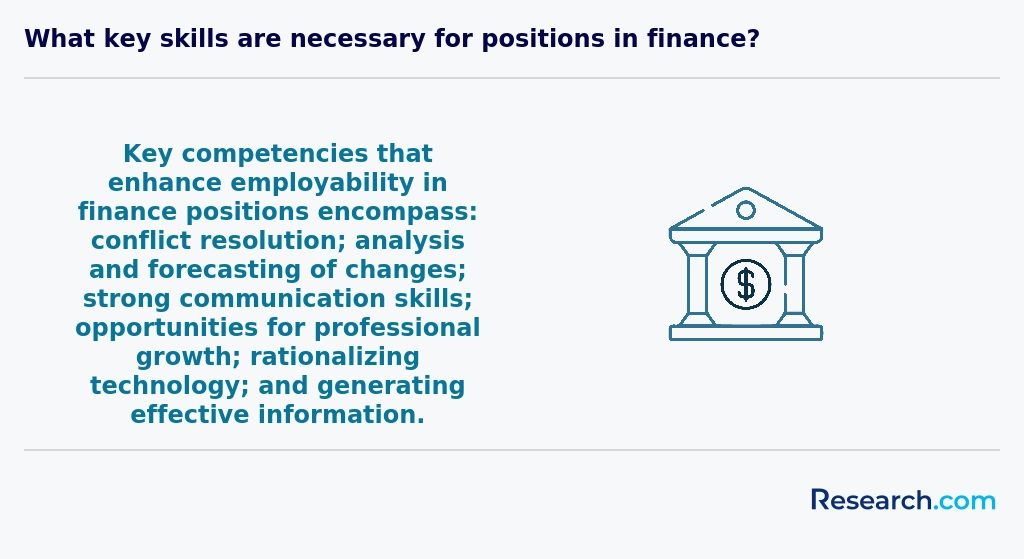
Graduates who pursue a finance degree in Michigan find themselves navigating a wealth of career paths perfectly suited to the state's unique economy. Whether you're drawn to Detroit's bustling corporate finance scene or Grand Rapids' emerging financial hubs, opportunities abound. Alumni from top schools like the University of Michigan often share how roles as financial analysts allow them to dive deep into market trends, making impactful decisions that drive business success.
Others embrace careers as financial planners or advisors, crafting personalized strategies to help Michigan's growing population secure their financial futures. From auditing in vibrant accounting firms to managing risks in automotive companies, finance grads enjoy a dynamic job market fueled by solid demand.
Exploring these finance degree career opportunities in Michigan means stepping into real-world challenges with confidence, backed by the practical skills developed through local education programs. For those still deciding, considering an easy bachelor degree path can also open doors to these exciting fields.
The job market for finance degree graduates in Michigan is vibrant and full of potential, reflecting the state's diverse economy and key financial hubs like Detroit and Ann Arbor. For many graduates from popular Michigan universities, this means opportunities abound in fields like banking, insurance, and the automotive industry, where financial skills blend with innovative business models. These roles range from financial analysts to risk managers, all essential in industries that keep Michigan's economy humming.
What makes the Michigan finance degree job outlook Michigan particularly exciting is the steady demand paired with salaries starting near $55,000 for entry-level positions and climbing significantly with experience. Graduates often find themselves at the intersection of traditional finance and booming fintech sectors, fueling a sense of adventurous career exploration.
Many students at well-known Michigan colleges enjoy hands-on internships in bustling corporate headquarters, providing a real taste of financial strategy and planning. If you're weighing the costs of your education, consider that the average tuition at public universities is about $14,000 for in-state students-a worthwhile investment given the strong employment opportunities and salary prospects.
Exploring options for financial education, some choose online degrees that pay well to accelerate their entry into this dynamic market, ensuring flexibility without compromising on career goals.
The Michigan finance degree employment opportunities open doors to multiple paths, making it a thrilling region for finance graduates eager to make their mark in a competitive yet welcoming professional landscape.
2027 Most Valuable Finance Degree Programs Ranking in Michigan
Investing in your education is a significant decision that can shape your future, and the Research.com team understands the importance of making informed choices. To assist prospective students in Michigan, we have meticulously crafted the "2027 Most Valuable Finance Degree Programs Ranking in Michigan." Our commitment to quality, credibility, and accuracy is reflected in the extensive research and analysis conducted to compile this ranking.
We utilized the following reputable data sources to ensure a comprehensive evaluation of finance programs:
By exploring this ranking, readers will gain valuable insights into the most valuable finance degree programs in Michigan, enabling them to make well-informed decisions about their educational and financial futures. For more details on our methodology, please visit our Research.com methodology page.


# 14 position
Saginaw Valley State University
Bachelor of Science in Business Administration in Finance


# 19 position
Walsh College
Bachelor of Business Administration in Finance

# 20 position
Hillsdale College
Bachelor of Financial Management

Frequently Asked Questions About finance
Finance degree students in Michigan can maximize their learning by combining classroom knowledge with practical experience. Internships with local businesses or financial firms, such as those in Detroit's growing finance sector, provide valuable real-world skills. According to the Michigan Economic Development Corporation, the financial services industry contributes over $23 billion annually to the state's economy, highlighting ample opportunities for hands-on training.
Students should also engage with campus resources, including finance clubs, case competitions, and networking events. Utilizing tools like Bloomberg terminals, available at many Michigan universities, strengthens technical proficiency. Additionally, pursuing certifications such as the CFA or CFP alongside a degree can improve job prospects in Michigan's competitive market.
Staying informed about Michigan's unique economic trends, such as the automotive industry's financial impacts, further enriches understanding in finance studies.
The finance field in Michigan is evolving rapidly, creating new opportunities for graduates. Emerging niches include financial technology (fintech), which integrates software and finance to improve services like payments and lending. Michigan's growing tech ecosystem supports fintech startups, especially in Detroit and Ann Arbor.
Another key niche is sustainable finance, focusing on investments that consider environmental, social, and governance (ESG) factors. This area is gaining momentum as Michigan companies and investors prioritize sustainability.
Additionally, risk management and data analytics are vital, with employers seeking professionals skilled in analyzing complex financial data to guide strategic decisions. According to the Michigan Economic Development Corporation, finance jobs requiring analytics skills have increased by over 10% in recent years.
After completing a finance degree in Michigan, preparing for the job market involves several strategic steps. Networking is crucial, especially in cities like Detroit and Grand Rapids, where finance sectors are growing. Joining organizations such as the Michigan Finance Professionals Association can offer valuable connections and job leads. Internships and cooperative education programs provide hands-on experience that employers highly value.
Additionally, obtaining certifications like the CFA (Chartered Financial Analyst) or CFP (Certified Financial Planner) enhances credentials and increases employability. According to the Michigan Department of Labor, finance-related jobs are projected to grow by 6% through 2030, emphasizing the need for practical skills.
Utilizing university career centers that focus on Michigan's local job market also helps to access tailored resources and job fairs.
Employers in Michigan highly value finance graduates who demonstrate strong analytical and quantitative skills. The ability to interpret financial data accurately is essential, especially in Detroit's growing automotive and manufacturing sectors, where finance professionals support complex budgeting and forecasting tasks. According to the Bureau of Labor Statistics, proficiency with financial software and Excel remains a top requirement.
Communication skills also rank prominently, as finance graduates must present findings clearly to non-financial stakeholders. Additionally, knowledge of regulatory frameworks, such as those relevant to Michigan's banking industry, is increasingly important. Adaptability and problem-solving abilities are sought to navigate ongoing economic shifts in the Midwest region.
Finding internships in Michigan relevant to a finance degree involves leveraging both local resources and broader industry connections. Start by exploring university career centers, as many Michigan colleges partner with regional employers for internship placement. The state's finance sector, centered around Detroit and Grand Rapids, offers opportunities in banking, investment firms, and insurance companies.
Online job portals such as Handshake and Glassdoor list internship openings specific to Michigan's finance industry. Additionally, organizations like the Michigan Bankers Association provide resources and networking events tailored to finance students.
According to the U.S. Bureau of Labor Statistics, Michigan's finance and insurance employment is expected to grow by 5% from 2022 to 2032, indicating a steady demand for interns and entry-level professionals. Taking initiative by attending local finance-related workshops and career fairs can further enhance your prospects.
A finance degree significantly enhances career mobility and advancement opportunities in Michigan's dynamic economic landscape. Employers in Detroit, Grand Rapids, and other key cities value graduates with strong financial analysis, risk management, and investment skills. According to the Michigan Department of Labor and Economic Opportunity, financial occupations in the state are expected to grow by 7% through 2030, outpacing many other sectors.
This growth increases demand for qualified candidates capable of navigating complex financial environments. Finance graduates often advance into roles such as financial analysts, portfolio managers, or corporate finance officers, with potential salaries rising from approximately $60,000 for entry-level positions to over $110,000 for senior roles, based on data from the U.S. Bureau of Labor Statistics. Networking through Michigan's strong business community further supports upward mobility within finance careers.
Studying for a finance degree in Michigan equips students with skills that extend beyond traditional finance roles. Many programs incorporate courses in economics, data analytics, and management, fostering an interdisciplinary approach to problem-solving. According to the Michigan Association of Public Accountants, finance graduates often collaborate with IT, marketing, and legal departments, reflecting diverse workplace demands.
Additionally, Michigan's robust automotive and manufacturing sectors, alongside growing fintech firms, provide practical opportunities for students to apply finance knowledge in interdisciplinary teams. The University of Michigan's Ross School highlights project-based learning that integrates finance with technology and strategy, preparing graduates for versatile careers.
Choosing between a thesis and a non-thesis finance degree program in Michigan depends largely on your career goals and learning preferences. A thesis option typically suits students interested in research, advanced academic study, or pursuing a PhD. It involves conducting original research and writing a substantial paper, helping develop critical analytical skills prized by employers in sectors like financial consulting or investment analysis.
In contrast, non-thesis programs often emphasize practical coursework and internships, appealing to those aiming for immediate industry roles in banking, corporate finance, or insurance. According to the Michigan Department of Labor and Economic Opportunity, finance-related jobs in Michigan are expected to grow by 5% through 2030, highlighting demand for both research skills and practical experience.
Consider your interest in research intensity and if your future employer values applied knowledge over academic credentials. Many Michigan universities, such as the University of Michigan and Michigan State University, offer both options, allowing students to align their choice with their professional aspirations.
Students in Michigan seeking to study finance abroad have several opportunities through established university partnerships and exchange programs. Schools like the University of Michigan and Michigan State University offer finance majors access to study abroad options across Europe, Asia, and Latin America. These programs often allow students to earn credits that count toward their degree, creating a seamless international learning experience.
Many Michigan institutions are members of exchange networks such as ISEP and the Global Engineering Education Exchange, which facilitate studying finance with diverse global perspectives. According to Open Doors 2023 data, about 2,000 Michigan students participate in study abroad annually, with business and finance among the top fields.
Students should also explore short-term, faculty-led finance programs abroad that focus on international markets, providing real-world exposure crucial for global finance careers. State financial aid and scholarships may apply, helping reduce the cost burden of these experiences.
Students pursuing finance degrees in Michigan have several part-time job options that complement their education. Positions such as bank teller, financial clerk, or accounting assistant offer practical experience aligned with core finance concepts. According to the U.S. Bureau of Labor Statistics, Michigan's finance and insurance sector employed over 150,000 workers in 2023, reflecting strong regional demand.
Internships at Detroit or Grand Rapids financial firms also provide valuable exposure to investment analysis, risk management, and financial planning. Many universities in Michigan collaborate with local businesses to facilitate such opportunities. Additionally, roles in retail banking or credit unions enhance skills in customer service, financial advisement, and compliance, benefiting long-term career goals in finance.
Finance students in Michigan have access to numerous networking opportunities through universities, professional organizations, and business events. Many Michigan colleges, such as the University of Michigan and Michigan State University, offer finance clubs and career fairs that connect students with local employers.
Additionally, Michigan hosts chapters of national finance groups like the CFA Institute and Financial Management Association, providing access to conferences, workshops, and mentorship programs. According to the Michigan Economic Development Corporation, the finance industry employs over 200,000 professionals statewide, creating ample networking potential.
Students can also benefit from Detroit's growing financial sector, which includes major banks and investment firms supporting internships and job placements.
Alumni networks play a critical role in supporting finance degree students in Michigan by providing access to professional connections and career opportunities. These networks often include graduates working in Detroit's robust financial sector, offering mentorship and guidance to current students.
According to the Michigan Association of Certified Public Accountants, strong alumni ties can increase internship placements by up to 30% in local firms. Networking events and workshops organized by universities help students gain insight into industry trends, such as the growing demand for financial analysts in Michigan, where job growth is expected to rise 8% from 2022 to 2032 (U.S. Bureau of Labor Statistics).
Alumni frequently share job openings and recommend candidates, boosting students' chances of employment post-graduation. This real-world support complements academic learning and enhances career readiness in Michigan's competitive finance market.
In Michigan, customizing a finance degree to suit your career goals often involves selecting specialized courses and electives aligned with your interests, such as investment analysis, corporate finance, or financial planning. Many universities offer concentrations or tracks within finance degrees that allow focused study in areas like risk management or financial technology.
Additionally, students can gain practical experience through internships with Detroit's robust financial sector, including companies in automotive finance and banking. According to Michigan State University's College of Business, nearly 70% of finance students secure internships before graduating, improving job prospects.
Engaging with industry certifications like CFA or CFP alongside your degree can also enhance customization and career readiness. Michigan's universities often support this through relevant course content and advising.
Finance students in Michigan commonly face several challenges throughout their academic journey. One major issue is balancing rigorous coursework with internships or part-time jobs, which are essential for practical experience in the competitive finance sector. According to the Michigan College Access Network, nearly 60% of students work while studying, increasing their time management demands.
Another challenge is keeping up with rapidly changing financial regulations and technologies, including familiarity with software like Bloomberg Terminal or advanced Excel functions. Students often need to seek additional resources or certifications to stay current.
Furthermore, Michigan's fluctuating economy impacts local job markets, making networking and building connections critical for post-graduation employment. The Michigan Department of Technology, Management & Budget reports a 4.5% unemployment rate in finance-related fields, highlighting the competitive nature of the industry.
With a finance degree in Michigan, students can pursue several professional certifications that enhance career prospects. The most popular credential is the Certified Financial Planner (CFP), which prepares graduates for financial advisory roles. The state's growing financial sector supports demand for CFP professionals.
Another widely recognized certification is the Chartered Financial Analyst (CFA) designation, which focuses on investment management and analysis. Michigan's strong automotive and manufacturing industries offer roles that value CFA skills.
The Certified Public Accountant (CPA) license is also relevant for finance graduates who wish to specialize in accounting or auditing. Michigan requires 150 credit hours and passing the CPA exam, aligning well with many university finance programs.
Other valuable credentials include the Financial Risk Manager (FRM) and Certified Treasury Professional (CTP). According to the Michigan Department of Labor, finance occupations are projected to grow 5% through 2030, making certification a strategic advantage.
When applying to finance degree programs in Michigan, start by clearly demonstrating your passion for finance and understanding of the field. Highlight relevant coursework, internships, or work experience that showcase your skills. Michigan's business schools, such as the University of Michigan's Ross School of Business, often look for strong quantitative abilities and analytical thinking.
Additionally, aim for a competitive GPA; top programs typically expect at least a 3.5 on a 4.0 scale. Standardized test scores, such as the SAT or GRE, can also matter, though many schools have become test-optional recently.
Writing a compelling personal statement focused on your career goals and why Michigan's finance programs align with them is vital. Finally, secure strong letters of recommendation from educators or employers familiar with your analytical and leadership potential.
The finance sector in Michigan reflects broader global trends emphasizing interconnected markets and diverse career opportunities. As an industrial hub, Michigan offers unique insights into corporate finance, banking, and investment, linking local economies with international markets. According to the U.S. Bureau of Labor Statistics, financial analyst roles are projected to grow by 7% nationally through 2032, signaling steady demand.
Professionals with finance degrees often engage with global regulations and multinational corporations, making international awareness crucial. Michigan's finance graduates frequently find employment in Detroit's expanding automotive finance sector or in the state's growing financial services industry. Institutions like the University of Michigan integrate global financial concepts into their curricula to prepare students for worldwide challenges.
Students pursuing a finance degree in Michigan can gain practical experience through internships, co-op programs, and campus organizations focused on finance. Many universities in Michigan partner with Detroit's growing financial sector, providing opportunities for hands-on work. For example, the Detroit metropolitan area hosts more than 40,000 finance and insurance jobs, according to the U.S. Bureau of Labor Statistics (2023), highlighting local demand for financial skills.
Internships, often offered during summer or fall semesters, allow students to apply classroom concepts in real-world companies like Comerica Bank or autodetailing businesses. Additionally, participating in student-run investment clubs or finance competitions helps sharpen analytical abilities, networking, and leadership skills. Academic credit may sometimes be earned for these practical experiences, further enhancing degree value.
Choosing the right concentration within a finance degree program in Michigan involves evaluating your career goals and the job market. Popular concentrations include corporate finance, investment management, financial planning, and risk management. In Michigan, sectors like automotive, manufacturing, and banking heavily influence demand for specific finance skills, especially in Detroit and Grand Rapids.
Research from the Michigan Economic Development Corporation shows finance jobs related to risk analysis and financial planning are growing faster than average. Consider concentrations that align with these trends. Look for programs offering internships or partnerships with local firms to gain practical experience.
Additionally, assess the curriculum focus, faculty expertise, and alumni network strength of the universities you consider. This will enhance your opportunities after graduation.
- 2027 Most Valuable Finance Degree Programs Ranking in Indiana
- 2027 Most Valuable Finance Degree Programs Ranking in Illinois
- 2027 Most Valuable Finance Degree Programs Ranking in Minnesota
- 2027 Most Valuable Finance Degree Programs Ranking in Kentucky
- 2027 Most Valuable Finance Degree Programs Ranking in Iowa
- 2027 Most Valuable Finance Degree Programs Ranking in Missouri
- 2027 Most Valuable Finance Degree Programs Ranking in Maryland
- 2027 Most Valuable Finance Degree Programs Ranking in Delaware
- 2027 Most Valuable Finance Degree Programs Ranking in New Jersey
- 2027 Most Valuable Finance Degree Programs Ranking in Connecticut
See What Experts Have To Say About Studying Finance
Read our interview with Finance experts

H. Kent Baker
Finance Expert
Professor at Department of Finance and Real Estate
American University

Andrew Karolyi
Finance Expert
Dean of the Cornell SC Johnson College of Business
Cornell University

Jason James Sandvik
Finance Expert
Assistant Professor of Finance
University of Arizona

- 2024 Best Business Schools | How Alumni Rate Their Undergraduate Business Degrees https://poetsandquantsforundergrads.com/news/best-business-schools-alumni-rate-undergraduate-business-degrees/5/
- Getting a Finance degree: All you need to know https://www.study.eu/article/getting-a-finance-degree-all-you-need-to-know
- Finance Internships: Find 248 Finance Intern Jobs https://internshala.com/internships/finance-internship/
- 10 Challenges of Financial Management & How to Overcome Them https://itservices.saglobal.com/blogs/10-challenges-finance-teams-face/
- How to Get a Finance Internship with No Experience – 365 Financial Analyst https://365financialanalyst.com/career-advice/how-to-get-a-finance-internship-with-no-experience/
- Guide to University of Michigan's Financial Aid and Student Loan Options https://collegefinance.com/plan/guide-to-university-of-michigans-financial-aid-and-student-loan-options
- Master of Science (M.S.) Major in Quantitative Finance and Economics (Non-thesis Option) https://mycatalog.txstate.edu/graduate/mccoy-business-administration/finance-economics/quantitative-finance-economics-nonthesis/
- Best way to apply for Finance? https://talk.collegeconfidential.com/t/best-way-to-apply-for-finance/3650998
- Our Culture https://www.iif.com/Careers
- Top Ways to Leverage a Finance Degree – AP Professionals Rochester https://rochesterap.com/top-ways-to-leverage-a-finance-degree/