
2027 Best Finance Degree Programs Ranking in New Hampshire

Co-Founder and Chief Data Scientist
Choosing the right finance degree program can shape your future career and open doors to exciting opportunities. This article introduces the 2027 Best Finance Degree Programs Ranking in New Hampshire, carefully developed by the Research.com team of data scientists. It helps students in New Hampshire make an informed choice by highlighting quality programs tailored to their needs.
Reading this ranking can guide you toward programs that offer strong education and valuable skills. Pursuing a finance degree is a great step toward building confidence and a rewarding professional path.
Key benefits of getting finance degree in New Hampshire
- Salary for finance degree graduates: Graduates in New Hampshire can expect strong earning potential, with financial advisors earning a mean annual wage of $150,670 and financial analysts around $112,950.
- Career paths: A finance degree from a local university opens doors to diverse roles such as credit analysts and insurance underwriters, allowing graduates to find rewarding careers that match their interests.
- Online degree benefits: Pursuing an online finance degree offers flexibility for busy adults in New Hampshire, often leading to the same career opportunities as traditional programs while balancing work and life commitments.
- 2027 Best Finance Degree Programs Ranking in New Hampshire
- What can I expect from finance degree in New Hampshire?
- Where can I work with finance degree in New Hampshire?
What can I expect from finance degree in New Hampshire?
The average cost of a finance degree in New Hampshire varies notably depending on where you study, but public institutions like the University of New Hampshire offer more affordable tuition for in-state students, often making it a financially viable option. Graduates frequently recall balancing their budgets while taking advantage of scholarships and grants that significantly eased the financial burden. Imagine a typical student navigating the journey: the initial concern of tuition fees gradually offset by financial aid and hands-on internships that pay their way through part of the degree.
Many finance students at Granite State College describe the cost as manageable, especially when coupled with flexible course schedules that allow them to work simultaneously. This reflects a common reality-finance programs in New Hampshire become accessible when students leverage both institutional support and personal commitment.
These financial considerations don't dampen the experience; rather, they underscore the value of investing in a degree that connects deeply with New Hampshire's strong banking and insurance sectors, ultimately justifying the expenses through promising career prospects.
Where can I work with finance degree in New Hampshire?
Finance graduates from institutions like the University of New Hampshire or Southern New Hampshire University often find themselves stepping into roles that challenge their analytical skills beyond textbook theories. Rather than a narrow corporate track, many explore vibrant career landscapes ranging from banking giants like Citizens Bank to innovative tech firms in the Manchester-Nashua area. One graduate shared how their internship at a regional credit union transformed their understanding of finance's community impact, fueling a passion for public service finance roles in local government.
Contrary to the assumption that finance limits you to number-crunching, graduates engage deeply in strategic decision-making, budgeting, and risk management across healthcare and manufacturing sectors deeply rooted in New Hampshire's economy. They often describe these experiences as empowering, directly influencing business strategies.
Moreover, the thriving insurance sector and auditing firms in the state offer dynamic career paths, where finance professionals harness certifications like CPA to ascend. These roles reveal finance as a diverse ecosystem, where a degree from New Hampshire's respected programs opens doors to meaningful and stable careers that extend beyond conventional expectations.
Graduates with a finance degree from popular New Hampshire institutions often find themselves navigating diverse salary possibilities shaped by their chosen roles and locations. For example, a financial analyst in the state can expect to earn an average of $112,950 annually, which aligns closely with the broader national landscape yet feels distinctly tangible when considering local living costs and opportunities.
Many recent graduates stepping into credit analyst roles see salaries around $94,750 a year, reflecting solid entry points in bustling areas like Manchester or Nashua. Others pursuing careers as financial advisors might anticipate even higher rewards, with mean wages reaching $150,670, illustrating the potential for career growth and financial stability. Meanwhile, investment banking analysts and insurance underwriters earn competitive salaries, averaging $112,950 and $85,610 respectively, which encourage students from institutions such as the University of New Hampshire to envision thriving futures nearby.
These figures challenge the notion that New Hampshire limits earning potential, revealing instead how strategic career moves within the state can unlock rewarding income paths. Such prospects inspire graduates, motivating them to invest in certifications and experience that elevate their market value in this evolving finance ecosystem.
- Public universities in New Hampshire charge between $14,000 and $18,000 per year for in-state tuition and fees, while private colleges range from $30,000 to $45,000 annually.
- New Hampshire has a growing financial services sector with strong demand for finance graduates in cities like Manchester and Nashua.
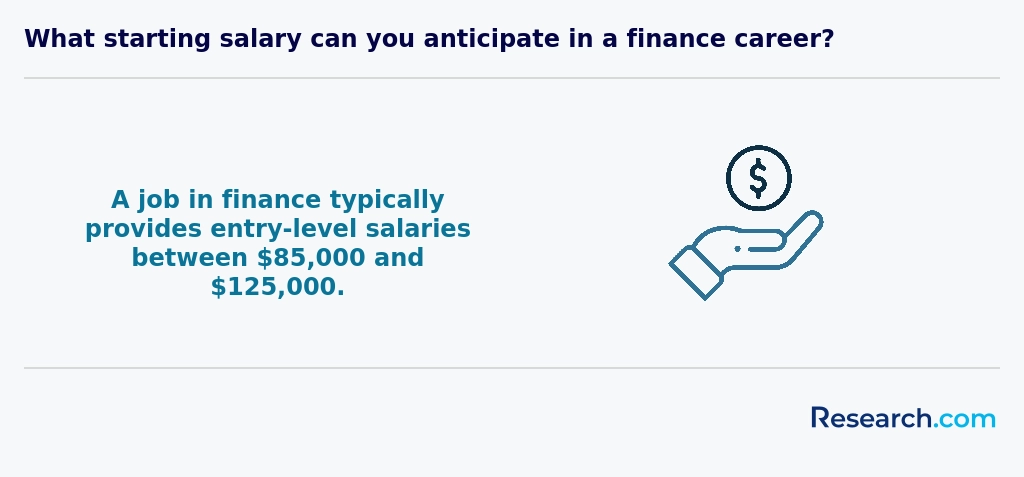
- Entry-level finance positions in the state offer an average salary of about $55,000 per year.
- Experienced finance professionals can earn more than $90,000 annually, especially in roles such as financial managers, advisors, and senior analysts.
- Certifications like CFA and CFP enhance job opportunities and salary potential for finance graduates in New Hampshire.
Completing a finance degree in New Hampshire most often means embracing a four-year journey, especially at well-known institutions like the University of New Hampshire. Graduates frequently reflect on how this timeline offers a balanced pace-enough to absorb complex financial theories without feeling rushed. Imagine a student juggling internships and campus involvement; four years provides space to grow both academically and personally.
However, some graduates from classes here mention accelerated programs as intense but rewarding challenges, squeezing their degrees into three years by taking summer courses and heavier loads. While admirable, these paths demand immense dedication and can strain work-life balance.
For many part-time students balancing jobs or family, the experience spans longer, allowing them to savor learning without overwhelming pressure. The two-year master's track in New Hampshire also receives praise for developing expertise efficiently, especially for those with clear goals.
In all, time to finish is deeply personal, shaped by ambitions, commitments, and the unique support systems found in New Hampshire's finance programs.
The difference between online and on-campus finance degrees in New Hampshire goes beyond mere location, shaping how students experience their education. Graduates from the University of New Hampshire recall the energizing buzz of campus life-face-to-face debates, impromptu study groups in Durham's libraries, and internships connecting them with Manchester's financial firms. These moments build confidence and a professional network that online formats struggle to replicate.
Conversely, those who pursued online finance programs at Granite State colleges often highlight the freedom to juggle demanding jobs or family commitments while studying. They describe the satisfaction of accessing lectures on their own time, learning from anywhere in rural New Hampshire. Yet, self-discipline becomes a test of resolve, pushing them to maintain motivation without the daily structure of a classroom.
Cost also influences choices. On-campus students may accept higher living expenses near Portsmouth or Nashua for immersive engagement, while online learners often save on commuting and housing, though tuition fees can sometimes equal or surpass traditional programs. Each path offers distinct opportunities-reflecting personal rhythms and ambitions within New Hampshire's unique finance education landscape.
The average finance degree cost in New Hampshire often surprises prospective students who expect a uniform tuition experience. Public universities like the University of New Hampshire offer in-state tuition rates around $17,200 total, which makes attending more feasible for local students. Graduates frequently share how this relative affordability allowed them to focus more on internships and networking rather than worrying about crushing debt. However, for out-of-state students, costs escalate significantly, with totals near $40,124, creating a stark financial contrast that prompts serious reflection on residency decisions when pursuing a finance degree.
Private colleges such as Southern New Hampshire University present a different picture. While tuition can reach approximately $19,200 annually, some students report a strong return on investment due to accessible program structures and supportive faculty. This highlights that the total cost of finance degree New Hampshire pathways varies not only by institution type but also by personal choices and circumstances. Beyond dollars and cents, many students weigh these options against their career goals and lifestyle, discovering that a higher price tag sometimes correlates with valuable flexibility or specialized programs.
In addition to tuition, graduates often emphasize the importance of factoring in fees, books, and living expenses-averaging several thousand dollars annually. Knowing this, smart students actively seek scholarships and financial aid, sometimes leveraging local resources or exploring what are the best online accelerated finance degree programs to further manage costs without sacrificing quality. Thus, the total picture of financing a degree in New Hampshire motivates students not only to consider numbers but also to envision their educational journey and long-term financial wellness.

Students often weigh tuition costs against post-graduation earnings to determine the true value of a finance degree. In New Hampshire, the average annual in-state tuition at public universities sits around $15,000, while private institutions can charge up to $50,000 per year. Graduates report average starting salaries of $65,000–$75,000, with median wages climbing above $90,000 within five years. When you factor in typical student debt of $30,030, the estimated payback period for a bachelor’s in finance is under six years-well below the national average of eight years for all majors. Job placement rates further bolster ROI: top finance programs in New Hampshire boast placement figures exceeding 85% within six months of graduation. Internship pipelines with local firms such as Fidelity and BAE Systems accelerate real-world skill development, enhancing both employability and earning potential. Moreover, strong alumni networks in Manchester and Portsmouth facilitate mentorship and referrals, often translating into higher starting salaries and faster career progression. When budgeting for your education, consider not only tuition but also hidden costs such as textbooks ($1,000–$2,000 annually) and living expenses ($15,000–$20,000 per year). Leveraging financial aid can dramatically improve ROI-over 90% of finance students in the state receive scholarships, grants, or subsidized loans. Prospective students seeking lower overall costs may also explore alternative pathways; for example, our Inexpensive Finance Degree Programs Ranking in Oklahoma highlights high-quality, budget-friendly options that can reduce your debt burden while providing a strong foundation in finance. By comparing tuition, debt load, salary trajectories, and placement rates, you can select a program that maximizes your return on investment and sets the stage for a financially rewarding career.
Many finance students in New Hampshire discover that financial aid is not just a hopeful prospect but a tangible reality shaping their educational journey. Graduates from the University of New Hampshire often recall how federal Pell Grants and Direct Stafford Loans formed the backbone of their funding, providing relief from the hefty tuition costs that can otherwise feel overwhelming. These grants, which can award up to $7,395 based on need, unlock access to programs that might have seemed out of reach.
State aid programs add another crucial layer of support. Imagine attending a local public college with a $2,000 New Hampshire State Scholarship reducing tuition burdens, or earning a Granit State Award for academic excellence. These scholarships resonate deeply with students who strive not just for grades but for meaningful recognition within their communities.
Additionally, institutional scholarships and assistantships frequently offered by business schools create lifelines for students committed to finance. Many graduates speak of the pride and motivation sparked by these awards, affirming their dedication and easing financial pressures. Local private scholarships from organizations like the New Hampshire Society of CPAs further enrich this landscape, making the pursuit of a finance degree in New Hampshire feel both attainable and rewarding.
Earning industry-recognized certifications can significantly enhance the value of a finance degree and open doors to advanced roles. Popular credentials include the Chartered Financial Analyst (CFA), which deepens expertise in investment analysis and portfolio management, and the Certified Financial Planner (CFP), ideal for those advising individual clients on wealth strategies. Meanwhile, the Financial Risk Manager (FRM) designation focuses on identifying and mitigating financial risks, and the Chartered Alternative Investment Analyst (CAIA) credential specializes in hedge funds, private equity, and real assets. Each certification typically requires passing a series of rigorous exams and meeting experience requirements, but they often translate into higher starting salaries and faster career progression. Many universities now integrate certification prep into their finance curriculums, helping students balance degree requirements with exam study schedules. For example, courses in advanced securities analysis or risk modeling can double as CFA Level I or FRM Part I preparation, reducing redundant coursework and saving time. Alumni who pursued these combined pathways report not only a deeper mastery of complex financial concepts but also a competitive edge when applying for roles at investment banks, asset management firms, and consulting agencies. For students seeking to accelerate both their degree completion and certification readiness, exploring what are the best online accelerated finance degree programs can reveal options that streamline academic credit for exam prep, offer flexible schedules, and provide dedicated career support-ensuring you enter the workforce with both a respected degree and a coveted professional credential.
Enrolling in a finance degree in New Hampshire demands more than just paperwork; it requires a thoughtful preparation that many graduates recall as pivotal. Imagine being at the University of New Hampshire, where students often share how a solid grasp of algebra and statistics was their lifeline when tackling complex financial models for the first time. This foundational knowledge is not just recommended-it is almost a silent gatekeeper to success.
Beyond math, standardized test scores like the SAT or ACT remain a key checkpoint, though many schools embrace a test-optional approach, recognizing varied strengths in applicants. This flexibility reflects the evolving landscape of admissions but also challenges students to showcase readiness through other means.
Introductory courses in economics or accounting, often overlooked, become the stepping stones for deeper financial understanding. Graduates from popular colleges in New Hampshire describe the confidence gained from these early classes as transformative, empowering their journey through rigorous finance topics.
Personal statements and letters of recommendation open another dimension, revealing motivation and communication skills. These qualitative factors help admissions see beyond numbers to the driven individual ready to excel in New Hampshire's finance programs.
Finance degrees in New Hampshire often start with foundational courses like financial and managerial accounting, which graduates recall as eye-opening moments-unlocking the ability to interpret real company financials and empowering confident decision-making. Economics classes, such as microeconomics and macroeconomics, provide essential lenses to understand market dynamics shaping local businesses in Manchester or Concord.
More advanced courses dive into Corporate Finance, where students explore how firms in New Hampshire's growing sectors handle capital budgeting and financial strategies. Graduates frequently highlight Investments classes, where theories come alive by analyzing portfolios that mirror the region's evolving markets.
Complementing these, courses on Financial Markets and Institutions reveal the inner workings of banks and exchanges, often sparking a passion for regulatory frameworks that govern New England's financial hubs. Risk Management classes challenge students to apply quantitative methods to mitigate uncertainty-skills that resonate deeply with those experiencing internships in local financial firms.
Hands-on financial modeling and data analysis using Excel foster practical expertise, making the academic journey at New Hampshire's top institutions both rigorous and rewarding.
Finance degree programs in New Hampshire challenge students to look beyond traditional paths through specializations like Corporate Finance, where graduates from popular universities often reflect on mastering capital budgeting and risk management as key to thriving in dynamic business environments. Exploring finance degree specializations in New Hampshire reveals diverse options such as Investment and Portfolio Management, where students learn to navigate real markets with confidence, transforming theoretical knowledge into strategies for asset growth and wealth advising.
Best finance concentration options New Hampshire include Financial Planning, praised by alumni who find excitement in personal finance advising and retirement strategy roles, reflecting the state's robust demand for financial experts. Risk Management and Insurance specialization resonates with many, especially given New Hampshire's steady insurance industry growth, supplying graduates with meaningful careers safeguarding assets and corporate interests.
Some students gravitate towards Real Estate Finance, inspired by the practical challenge of valuing fluctuating property markets. Meanwhile, innovative minds pursue Quantitative Finance or Financial Engineering, blending math and technology to revolutionize finance. Those concerned with program affordability can find guidance through resources like the Inexpensive Finance Degree Programs Ranking in Oklahoma, underscoring the importance of strategic planning in education choices.
Choosing the best finance degree in New Hampshire requires looking beyond rankings and tuition figures. Graduates from popular universities here often speak about how programs with strong ties to local businesses in Manchester and Nashua opened doors to hands-on internships, giving them confidence and relevant experience before job hunting. It's not just about textbooks; it's about who you know and how effectively you can apply your knowledge.
Affordability plays a crucial role too. Many students find that affordable finance colleges in New Hampshire offer competitive curricula that balance cost with quality, especially when you factor in in-state tuition and financial aid. One insightful approach is to use net price calculators, not just sticker prices, to see what you might actually pay. Real financial clarity beats assumptions.
Focus on programs that provide flexibility and real-world skills. Graduates often recommend exploring options for online or evening courses, as well as experiential learning, which builds confidence in handling financial challenges. If you want to enhance your career prospects further, consider pairing your degree with certifications that make money, which many local students swear by.

Finance degree career options in New Hampshire extend far beyond traditional roles, inviting graduates to reconsider what success looks like in this dynamic state. While many envision careers as financial analysts or investment bankers near Boston's financial hubs, the reality for graduates from local universities often includes thriving in budget analyst or finance manager roles within regional companies headquartered in New Hampshire. These roles offer an engaging blend of strategic influence and community impact, proving especially rewarding for those who value meaningful work.
Graduates frequently explore specialized paths such as risk management or financial consulting, leveraging skills gained at New Hampshire's respected colleges. One common narrative is the excitement of joining insurance firms where underwriting and claims adjustment demand both analytical rigor and human interaction. This diversity underscores the breadth of New Hampshire finance degree job opportunities, encouraging students to envision careers that align with their unique strengths and aspirations.
For students weighing options, understanding local tuition realities might influence decisions-public institutions provide accessible education with strong career services, while private colleges often emphasize personalized support. Those seeking diverse, practical routes may find that exploring easy online college degrees related to finance enhances flexibility while maintaining rigorous skill development.
The job market for a finance degree in New Hampshire is often underestimated, yet it offers meaningful opportunities in a state where financial expertise meets growing economic diversity. Graduates from universities known for strong finance programs frequently land roles in banking, insurance, and technology firms located across New Hampshire or in nearby financial hubs like Boston. Those who once navigated internships at local firms share how critical hands-on experience with financial modeling and data analysis was to their success.
Exploring finance degree job opportunities in New Hampshire reveals a balanced mix of stability and competition. Average salaries for financial analysts here stand slightly above national averages, creating a rewarding environment for driven graduates. One graduate from a popular state college mentioned how pursuing certifications like the CFA propelled her into investment management roles that might otherwise have felt out of reach.
For students considering the financial commitment, public institutions offer tuition between $10,000 and $15,000 annually for in-state residents, a manageable cost compared to other states. Scholarships and aid at private colleges help, making finance an accessible path. Reflecting on career choices, many finance students weigh their options carefully and look up to highest paying majors; detailed information on this can be found at highest paying majors.
Financing a degree is challenging but worthwhile in a state where proximity to dynamic sectors means work awaits those willing to hone skills, gain certifications, and embrace evolving market needs. The New Hampshire finance career outlook 2027 points toward steady growth, rewarding graduates who approach the job market with both strategy and flexibility.
2027 Best Finance Degree Programs Ranking in New Hampshire
Investing in your education is a significant decision that can shape your future, and the Research.com team understands the importance of making informed choices. To assist prospective students, we have meticulously crafted the "2027 Best Finance Degree Programs Ranking in New Hampshire." Our commitment to quality, credibility, and accuracy is reflected in the extensive research and analysis conducted to compile this ranking.
We utilized the following reputable data sources to ensure a comprehensive evaluation of finance degree programs:
By exploring this ranking, readers will gain valuable insights into the best finance degree programs available in New Hampshire, helping them make informed decisions about their educational paths. For more details on our methodology, please visit our Research.com methodology page.


Frequently Asked Questions About finance
Finance degree students in New Hampshire can maximize their learning by actively engaging in internships, which local firms and banks frequently offer. According to the New Hampshire Department of Employment Security, the state's finance and insurance sector employs over 20,000 people, providing diverse practical opportunities. Students should also utilize resources at public and private universities, such as tutoring centers and finance clubs, to deepen their understanding.
Participating in networking events and joining regional organizations like the New Hampshire Bankers Association can connect students with industry professionals. Additionally, leveraging online databases and tools for real-time financial data supports applied learning. Combining academic knowledge with hands-on experience enhances both skills and employability.
The finance field in New Hampshire is evolving with several emerging niches attracting attention from students and professionals. One key area is fintech, which combines finance and technology to innovate banking, payments, and investment platforms. This niche is growing rapidly nationwide, and New Hampshire's proximity to Boston's fintech hub offers valuable networking opportunities.
Another promising niche is sustainable finance, focusing on investments that consider environmental, social, and governance (ESG) criteria. Interest in ESG investing has risen steadily, with many firms in New Hampshire adopting these practices to meet regulatory and consumer demands.
Wealth management and financial planning are also expanding, driven by the aging population in New Hampshire, creating demand for retirement and estate planning expertise. Data from the U.S. Bureau of Labor Statistics highlights a 7% projected growth in financial advisory roles through 2030, particularly relevant locally.
Graduates with a finance degree in New Hampshire should focus on gaining practical experience to prepare for the job market. Internships with local banks, investment firms, or insurance companies provide valuable real-world skills. According to the New Hampshire Department of Employment Security, finance and insurance sectors have grown steadily, highlighting opportunities in cities like Manchester and Portsmouth.
Networking is essential; attending career fairs and joining finance-related student organizations can open doors. Earning certifications such as CFA or CFP also enhances employability by demonstrating advanced knowledge. Additionally, familiarity with financial software like Excel and Bloomberg Terminal is highly recommended by local employers.
Employers in New Hampshire seek finance graduates with strong analytical skills, crucial for interpreting financial data and market trends. Proficiency in financial modeling and forecasting is highly valued, especially as local industries rely on accurate budgeting and risk assessment. Communication skills are also essential, since finance professionals must explain complex concepts to clients and colleagues effectively.
Technical expertise in software like Excel, QuickBooks, and data analysis tools is increasingly demanded. According to the New Hampshire Department of Labor, finance-related roles grew 5% between 2018 and 2023, emphasizing the need for adaptability and continuous learning. Problem-solving and ethical decision-making consistently rank among top skills, reflecting the region's emphasis on responsible financial management.
Finding internships in New Hampshire relevant to a finance degree involves leveraging local resources and industry connections. Many universities in New Hampshire, such as the University of New Hampshire, offer career centers that maintain partnerships with regional banks, insurance firms, and investment companies.
Students should regularly check internship listings on university job boards and explore platforms like Handshake, which feature opportunities tailored to finance majors. According to the New Hampshire Employment Security, the finance and insurance sector employs over 15,000 people statewide, indicating a healthy demand for interns and entry-level talent.
Networking is crucial-attending finance-related events, joining clubs, or connecting with professionals on LinkedIn can lead to valuable referrals. Additionally, seeking internships with well-established firms based in cities such as Manchester and Nashua increases chances of gaining relevant experience.
A finance degree significantly enhances career mobility and advancement opportunities in New Hampshire's competitive job market. Graduates gain essential skills in financial analysis, risk management, and investment strategies, which are highly valued by local industries such as banking, insurance, and real estate.
According to the U.S. Bureau of Labor Statistics, the financial sector in New Hampshire is expected to grow by 5% between 2022 and 2032, creating more opportunities for skilled professionals. Additionally, the state's proximity to major economic hubs like Boston further expands career prospects for those with finance expertise.
Possessing a finance degree often leads to higher earning potential and quicker promotion trajectories, as employers prioritize candidates with formal education in finance-related roles. Local employers also increasingly seek graduates familiar with advanced software and regulatory frameworks specific to New England markets.
Studying for a finance degree in New Hampshire equips students with a broad skill set essential for interdisciplinary roles. Programs often integrate business fundamentals, economics, data analysis, and communication skills, preparing graduates to work effectively across departments. New Hampshire colleges emphasize real-world applications, encouraging collaboration with technology and management disciplines.
According to the New Hampshire Department of Labor, finance occupations in the state grew by 12% from 2019 to 2023, highlighting demand for versatile professionals capable of navigating diverse business environments. This growth is supported by the region's expanding finance and insurance sectors, which benefit from interdisciplinary expertise.
Students also gain experience through internships with local firms, fostering adaptability in roles that combine finance with analytics, marketing, or operations. This approach reflects current industry needs, where multifaceted knowledge drives success.
When choosing between a thesis and a non-thesis finance degree program in New Hampshire, it is important to consider your career goals and learning preferences. A thesis option typically involves conducting original research and writing a detailed study, which can be valuable if you plan to pursue a PhD or a research-focused role.
Non-thesis programs usually emphasize coursework and practical skills, which appeal to students targeting professional certifications or direct entry into the finance industry. According to the New Hampshire Department of Education, finance graduates often enter fields like banking, investment management, and insurance where applied knowledge is crucial.
Consider the time commitment as well: thesis programs may take longer due to research requirements, while non-thesis options can be completed more quickly. Evaluate your readiness for independent research and whether you prefer structured coursework or research-driven work.
Students in New Hampshire seeking to study finance abroad have several opportunities through partnerships between local universities and international institutions. The University of New Hampshire, for example, offers exchange programs allowing finance majors to study in countries such as the United Kingdom, France, and Spain. These programs typically last one semester and offer credit transfer to the home institution.
Additionally, some New Hampshire colleges participate in global study-abroad consortia, providing access to diverse financial markets and economic environments. According to NAFSA, about 7% of U.S. business students study abroad, highlighting increasing interest in international finance exposure. Financial aid and scholarships are often available to offset costs.
Students pursuing finance degrees in New Hampshire can benefit from several part-time job opportunities that enhance their education and professional skills. Roles such as bank teller, financial intern, accounting assistant, and tax preparer are commonly available in cities like Manchester and Concord. These positions provide practical experience in financial analysis, customer service, and regulatory compliance.
According to the New Hampshire Department of Employment Security, the finance and insurance sector is projected to grow 3.5% through 2028, indicating increasing opportunities for students. Additionally, nearby firms in investment advisory and real estate often seek interns, offering valuable exposure to financial markets. Such roles complement academic learning by deepening understanding of finance concepts in real-world settings.
Finance students in New Hampshire benefit from several strong networking opportunities linked to local universities and industry groups. Institutions like the University of New Hampshire and Southern New Hampshire University regularly host finance-related events, workshops, and guest lectures, facilitating direct contact with professionals and alumni.
Additionally, the state has active chapters of national organizations such as the Financial Management Association and Beta Alpha Psi, which provide students with access to conferences, mentorship, and internship listings. New Hampshire's growing finance sector, including firms in Manchester and Portsmouth, frequently partners with schools to offer networking sessions and career fairs.
According to the New Hampshire Bureau of Economic Analysis, finance and insurance contribute significantly to the state's GDP, underscoring local demand for skilled finance graduates and reinforcing the value of these connections for students seeking jobs and internships.
Alumni networks offer significant benefits for finance degree students in New Hampshire by providing valuable connections within the state's financial sector. Graduates of institutions such as the University of New Hampshire and Southern New Hampshire University often engage with alumni who hold positions in major regional firms, including Fidelity Investments and other finance-related businesses. These networks can facilitate mentorship opportunities, internships, and job placements. According to the New Hampshire Higher Education Assistance Foundation, students leveraging alumni contacts experience a 25% higher employment rate within six months post-graduation. Furthermore, alumni events and online platforms enable finance students to stay updated on industry trends and local career openings.
Customizing a finance degree program in New Hampshire involves selecting electives and concentrations that align with your career goals. Many universities offer options such as investment analysis, corporate finance, or financial planning. This flexibility allows students to target areas like banking, asset management, or insurance.
Internships and cooperative education opportunities with New Hampshire's financial institutions, such as those in Manchester's growing finance sector, provide practical experience and networking. Additionally, some programs allow you to combine finance with related fields like data analytics or economics, enhancing your marketability.
According to the New Hampshire Department of Labor, understanding local economic trends can guide course choices toward high-demand specialties. Accreditation by bodies like AACSB ensures quality education aligned with industry standards.
Finance students in New Hampshire often face challenges related to limited local internship opportunities. Unlike larger metropolitan areas, New Hampshire's smaller financial sector can restrict hands-on experience essential for career development. According to the New Hampshire Department of Employment Security, the finance and insurance industry employs just under 4% of the state's workforce, which can narrow the pool of available entry-level positions.
Additionally, students must keep pace with rapidly changing financial technologies and regulations, requiring continual learning beyond core coursework. Balancing rigorous math, economics, and accounting classes while gaining practical skills can be demanding. Furthermore, some may find fewer networking events compared to bigger finance hubs, impacting professional connections important for job placement after graduation.
A finance degree opens the door to several respected professional certifications highly valued in New Hampshire's financial sector. Commonly pursued credentials include the Certified Financial Planner (CFP), which focuses on financial planning and advice. Another popular choice is the Chartered Financial Analyst (CFA), ideal for careers in investment management and analysis. Additionally, becoming a Certified Public Accountant (CPA) can complement a finance degree, especially if interested in accounting or auditing roles. According to the Bureau of Labor Statistics, New Hampshire's finance and insurance employers show steady demand for these certifications, signaling strong local job opportunities. These certifications enhance credibility and career advancement in the state's financial industry.
To write a winning application for a finance program in New Hampshire, start by highlighting your academic achievements, especially in math, economics, and related subjects. Admissions committees value strong quantitative skills for finance degrees. Include any relevant internships or work experiences that demonstrate your practical understanding of finance or business.
Personalize your statement of purpose by explaining why you want to study finance in New Hampshire specifically. Mention the state's growing financial services sector, which employs over 30,000 professionals, according to the New Hampshire Department of Employment Security. This shows you understand the local job market and career opportunities.
Strong letters of recommendation from teachers or employers who can attest to your analytical and communication skills will help your application stand out. Finally, meet all application deadlines and submit standardized test scores if required, ensuring your application is complete and well-organized.
The finance sector is increasingly global, with professionals expected to understand markets beyond U.S. borders. Earning a finance degree in New Hampshire offers students a gateway to careers influenced by international trade, multinational corporations, and global regulations. According to the U.S. Bureau of Labor Statistics, financial analysts' employment is projected to grow 11% nationally from 2022 to 2032, reflecting strong global demand.
New Hampshire's proximity to major financial hubs like Boston enables graduates to engage with international finance networks. Familiarity with global economic trends, such as currency fluctuations and cross-border investment, enhances job prospects. Additionally, finance programs often incorporate global case studies to prepare students for diverse, worldwide challenges.
Studying finance with a global perspective aligns with broader U.S. education goals emphasizing international competency. For those in New Hampshire, this means greater competitiveness in a connected market and access to multinational employers seeking skilled analysts and managers.
Gaining practical experience while studying finance in New Hampshire is essential for career readiness. Many universities offer internships with local financial firms, banks, and insurance companies, providing hands-on experience in areas like investment analysis and risk management.
Students can also participate in finance-related student organizations and competitions, which help develop real-world skills. Some programs include cooperative education (co-op) options that alternate classroom study with full-time work, enhancing professional networks in the region.
According to the New Hampshire Department of Employment Security, internships in finance-related fields have grown by 12% over recent years, reflecting expanding opportunities for students.
Choosing the right concentration within a finance degree program in New Hampshire involves aligning your interests with local industry demands. Common concentrations include financial planning, investment analysis, and corporate finance. Each area prepares you for specific roles, such as financial advisor, portfolio manager, or corporate analyst. According to the New Hampshire Department of Employment Security, financial services jobs in the state are expected to grow by 5% over the next decade.
Consider your career goals and seek programs offering hands-on internships or partnerships with local firms, especially in Manchester and Nashua, where the finance sector is most active.
Review course offerings carefully to ensure they cover relevant skills like risk management and securities analysis, which are highly valued in New Hampshire's finance job market.
Advising services at New Hampshire colleges can further help tailor your choice based on labor market trends and personal strengths.
- 2027 Best Finance Degree Programs Ranking in Massachusetts
- 2027 Best Finance Degree Programs Ranking in New York
- 2027 Best Finance Degree Programs Ranking in Rhode Island
- 2027 Best Finance Degree Programs Ranking in New Jersey
- 2027 Best Finance Degree Programs Ranking in Pennsylvania
- 2027 Best Finance Degree Programs Ranking in Delaware
- 2027 Best Finance Degree Programs Ranking in Ohio
- 2027 Best Finance Degree Programs Ranking in North Carolina
- 2027 Best Finance Degree Programs Ranking in Indiana
- 2027 Best Finance Degree Programs Ranking in Florida
See What Experts Have To Say About Studying Finance
Read our interview with Finance experts

Andrew Karolyi
Finance Expert
Dean of the Cornell SC Johnson College of Business
Cornell University

Ekaterina Potemkina
Finance Expert
Assistant Professor of Finance
Indiana University

H. Kent Baker
Finance Expert
Professor at Department of Finance and Real Estate
American University

- How to write a cover letter for a finance job | Standard Chartered https://www.sc.com/en/news/careers-about-standard-chartered/cover-letter-for-a-finance-job/
- FINANCE AND BANKING (THESIS / NON-THESIS) - Lisansüstü Eğitim Enstitüsü https://lee.nisantasi.edu.tr/en/finance-and-banking-thesis-non-thesis-2/
- What Major is Best for Finance? Top 10 Picks https://zoetalentsolutions.com/what-major-is-best-for-finance/
- Level up your finance future - propel your career with our MBA in Financial Management! https://www.daad.pl/pl/university-ad/coburg-hs-fm-260414/
- Business and finance apprenticeship | ApprenticeshipNH https://apprenticeshipnh.com/industries/business-and-finance/
- From Access to Outcomes: Southern New Hampshire University is Rethinking Higher Education for Real Career Mobility https://www.ifc.org/en/interviews/2026/from-access-to-outcomes-southern-new-hampshire-university-is-rethinking-higher-education-for-real-career-mobility
- Article - Financial Study Association Groningen https://fsgjournal.nl/article/2023-02-24-your-finance-degree-in-action-real-world-examples-of-how-to-apply-your-education-to-a-career
- Finance Internships: Find 245 Finance Intern Jobs https://internshala.com/internships/finance-internship/
- Best programs to become a financial specialist, all other in New Hampshire https://clema.ai/new-hampshire/occupations/financial-specialists
- Online BBA in FinTech vs Traditional Finance - Which Is Better? https://www.onlinecu.in/blog/cu/online-bba-fintech-vs-traditional-finance


