
2027 Fastest Online Master's in Finance Degree Programs Ranking in Colorado

Co-Founder and Chief Data Scientist
If you're considering advancing your career with a finance degree, this article is tailored for you. It introduces the 2027 Fastest Online Master's in Finance Degree Programs Ranking in Colorado, created by the Research.com team of data scientists. This ranking helps students in Colorado discover the quickest paths to earning a valuable online master's in finance.
Reading this article will guide you toward programs that fit your goals and busy lifestyle. A finance degree can open doors to rewarding opportunities, and this resource supports you in making an informed, confident decision.
Key benefits of getting online finance degree in Colorado
- Finance degree graduates in Colorado can enjoy strong earning potential, with roles like Financial Controller, Finance Manager, and Hedge Fund Manager offering mean annual wages around $174,820.
- Graduates often follow diverse career paths, from portfolio management to private equity analysis, reflecting the broad skills gained through programs at institutions like the University of Colorado Boulder.
- Online finance degrees offer flexibility and convenient access, enabling students at schools such as Colorado State University Global to balance work and study while advancing their careers efficiently.
- 2027 Fastest Online Master's in Finance Degree Programs Ranking in Colorado
- What can I expect from online finance degree in Colorado?
- Where can I work with online finance degree in Colorado?
What can I expect from online finance degree in Colorado?
The average cost of an online finance degree in Colorado tends to fall between $20,000 and $35,000 at public universities, while private institutions often charge higher tuition. Many graduates describe this investment as manageable when balanced with financial aid options or employer tuition assistance, which are quite common in the state. For instance, those studying at prominent schools like the University of Colorado or Colorado State University often find that program affordability combined with quality education makes the commitment feel worthwhile.
Graduates frequently mention the value of flexibility and practical learning experiences, which help justify the cost. They reflect on virtual internships and networking opportunities as key elements that enhance their readiness for roles in Denver's bustling financial sector. These hands-on components transform what might feel like a significant expense into a tangible stepping stone toward career growth and financial independence in Colorado's evolving economy.
Where can I work with online finance degree in Colorado?
Graduates with online finance degrees from institutions like the University of Colorado or Colorado State University find themselves well-positioned across a variety of vibrant career paths in Colorado. Many secure roles in Denver's bustling financial sector, where daily tasks might include analyzing investment opportunities or managing corporate budgets. These settings provide graduates with rewarding challenges that blend both analytical rigor and strategic thinking, fostering confidence and professional growth.
Others leverage their degrees within Colorado's thriving energy industry, specializing in financial planning or compliance for companies headquartered in the state. Here, graduates feel a strong sense of purpose as they help navigate complex economic landscapes tied to energy markets. Similarly, public sector roles in local government allow graduates to apply their financial expertise to impactful projects like budgeting for community development.
Furthermore, the state's innovative fintech startups attract graduates eager to merge finance knowledge with emerging technology. Working alongside diverse teams, they contribute to shaping the future of digital payments and blockchain technologies, making their careers both dynamic and forward-thinking.
Graduates with an online finance degree in Colorado often find competitive earnings reflecting the state's strong financial sector and economic vitality. For example, graduates from popular institutions like the University of Colorado Boulder report securing roles such as Portfolio Managers or Private Equity Analysts, where the mean annual wage stands around $112,950. This salary aligns well with Colorado's thriving business environment and is a testament to the value of specialized skills gained through these programs.
More experienced professionals advancing to positions like Finance Manager, Financial Controller, or Hedge Fund Manager can expect significant salary growth, with mean annual wages reaching approximately $174,820. Graduates from schools like Colorado State University who advance to these senior roles often describe a gratifying sense of achievement as their expertise translates directly into substantial financial reward.
Beyond base pay, many find opportunities for bonuses and profit-sharing, especially in urban centers like Denver. Having a degree from a respected Colorado institution not only opens doors but also builds confidence to navigate and thrive in this competitive landscape.
- Online finance degrees in Colorado are offered through public and private universities with fully online or hybrid formats for flexibility.
- The cost for an online bachelor's degree ranges from $20,000 to $60,000, with public universities charging about $300 to $400 per credit hour in-state.
- Master's programs available online typically cost between $25,000 and $45,000.
- Entry-level finance graduates earn between $60,000 and $70,000 annually, while mid-career salaries average over $90,000.
- Senior finance professionals in roles like investment banking can earn more than $120,000 each year.
- Colorado cities like Denver and Boulder have strong demand for finance professionals, with steady job growth projected in the field.
Completing an online finance degree in Colorado often takes about four years for bachelor's programs when pursued full-time, though many students find flexibility in managing their own pace. Graduates from well-known institutions like the University of Colorado Denver or Colorado State University recall balancing coursework with job commitments, appreciating how accelerated online options allowed them to finish in closer to three years by leveraging year-round classes and transfer credits.
For those aiming at a master's degree, completion typically ranges from one to two years full-time, depending on the program's structure. Part-time students from Colorado's diverse online offerings frequently stretch their studies out, finding comfort in pacing their progress amid work and life demands.
Graduates note that factors such as program format and session availability heavily influence how quickly they cross the finish line. This flexible approach helps many working professionals feel empowered, turning what seemed a daunting commitment into an achievable, rewarding journey that fits their unique circumstances.
Graduates from Colorado universities often reflect on how online and on-campus finance degrees shaped their journeys differently. At institutions like the University of Colorado Boulder, on-campus students cherish the spontaneous hallway conversations and face-to-face mentoring that deepened their understanding and opened doors to internships through strong campus connections.
In contrast, online learners from schools such as Colorado State University appreciate the flexibility to balance work and study, accessing lectures asynchronously around family or job commitments without sacrificing the rigor of AACSB-accredited programs. Many describe a sense of empowerment managing their own pace, though they note the importance of proactively seeking virtual networking opportunities to build relationships.
The financial aspect also resonates with students: while on-campus tuition averages around $15,000 yearly at public Colorado universities, online options can reduce extra expenses like commuting and housing. This practical saving combined with quality education creates a compelling path for those needing adaptable schedules without compromising career goals.
The average cost of an online finance degree in Colorado typically centers around $15,000, making it a realistic goal for many students. Graduates from well-regarded institutions like the University of Colorado have shared how this investment, while significant, felt manageable when considering the quality and flexibility of the programs. Public universities in Colorado often offer more affordable tuition and fees, which resonates with many students balancing studies and work commitments.
One important factor influencing the average cost is whether students qualify for in-state tuition. Experience shows that keeping residency status in Colorado can help significantly reduce expenses, while out-of-state students usually face much higher rates. Financial considerations often guide students toward programs that provide a good balance between cost and career outcomes, such as those offered by institutions popular for their finance curriculum and industry connections.
In preparing for these costs, prospective students look beyond tuition to account for extra fees related to technology, textbooks, and materials. This comprehensive view of expenses enhances their budgeting confidence. It is worth noting that many online learners appreciate the flexibility in Colorado programs, which can impact the total price depending on full- or part-time enrollment.
For those investigating specific degree levels, tuition and fees for online finance master's in Colorado may differ but usually fall within a comparable range. Exploring online program options in detail can provide clarity, such as by reviewing the https://research.com/degrees/online-bachelors-degrees-in-finance resources, where further insights and averages help students make informed decisions.
Ultimately, understanding the average cost of online finance degree Colorado programs allows students to plan smartly, aligning their education expenses with career goals and lifestyle needs.

Investing in an online finance degree in Colorado can yield significant financial and career returns when you factor in tuition costs, accelerated program options, and long-term salary growth. According to recent data, graduates from Colorado’s top online finance programs see an average salary increase of 25% within two years of graduation, with many achieving payback periods of under five years. By comparing the cost of tuition-ranging from $30,000 to $60,000-with median starting salaries near $80,000, you can estimate your breakeven point and projected lifetime earnings. Key metrics to consider for ROI analysis include: • Average tuition cost vs. average starting salary in Colorado’s finance job market • Time to recoup tuition investment based on salary uplift • Growth trajectory: median wage increases for financial analysts (8% growth through 2032) and financial managers (15% growth through 2030) • Comparative ROI of related fields, such as accounting, to ensure you choose the most lucrative path. To maximize your return, look for programs that offer: 1. Accelerated coursework or credit for professional certifications (CFA, CFP) 2. Career services with active alumni networks and employer partnerships in Denver and Boulder 3. Transparent graduation and job placement rates By carefully evaluating these factors, you’ll not only accelerate your path to higher earnings but also enhance your long-term career resilience in Colorado’s dynamic finance industry.
Students pursuing online finance degrees in Colorado often find reassurance in the variety of financial aid available. Federal aid through FAFSA is a cornerstone, unlocking access to grants like the Pell Grant as well as federal student loans. Many graduates recall how submitting their FAFSA early made a big difference, especially at well-known Colorado institutions such as the University of Colorado Boulder or Colorado State University.
State-specific programs also play a vital role. The Colorado Graduate Grant offers targeted support to residents advancing their education, and the College Opportunity Fund helps reduce undergraduate tuition costs, indirectly easing the financial journey for students progressing into graduate programs.
Institutional scholarship opportunities at these universities are another essential layer. Graduates often highlight merit-based scholarships and assistantships that recognize academic and leadership strengths as key to making their degrees affordable.
Finally, students working while studying benefit from employer tuition reimbursement programs and private scholarships from local financial organizations-practical aids that make pursuing an online finance degree feel not only attainable but empowering.
Enrolling in an online finance degree program in Colorado often means having a solid academic foundation, especially a bachelor's degree from an accredited school. Many graduates recall that Colorado schools like the University of Colorado and Colorado State University look beyond just the diploma; they want to see your quantitative skills in calculus and statistics come through clearly. It's common to need a GPA around 3.0, but programs appreciate applicants who show dedication and growth, making those borderline GPAs less intimidating.
Graduate tests like the GMAT or GRE might be optional, but preparing for them can boost confidence and opportunity. Reflecting on alumni experiences, being ready technologically and showing enthusiasm for online learning truly sets a student apart. Reliable internet and familiarity with digital platforms are emphasized at these universities, ensuring smooth engagement in coursework.
- Applicants often submit letters of recommendation and a statement of purpose, demonstrating motivation and clarity about their goals.
- Some students with non-business backgrounds found taking prerequisite courses in accounting helpful for success.
Overall, admission committees value applicants who approach challenges positively and show commitment to mastering financial concepts, traits many graduates say drove their rewarding journey through Colorado's online finance programs.
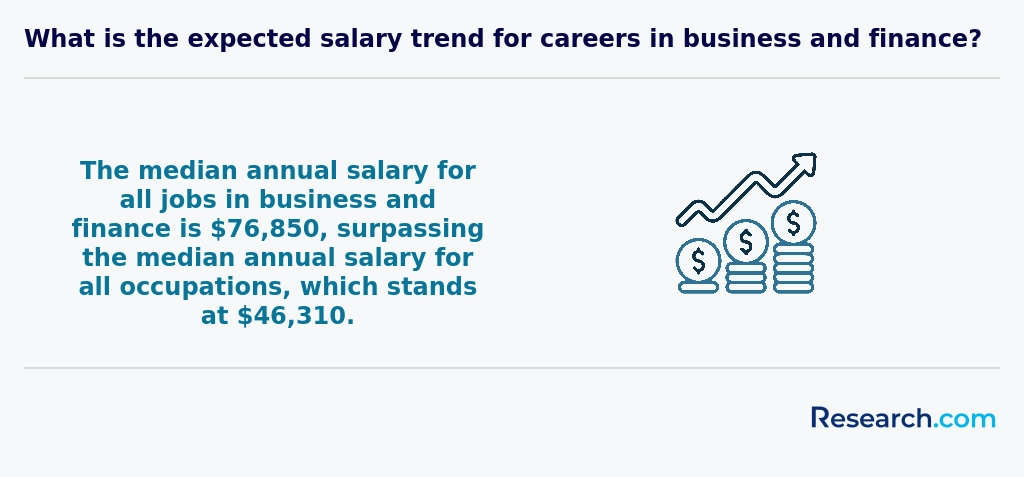
Choosing an online Finance master’s program with strong accreditation ensures your degree is recognized by employers and qualifies you for advanced certifications. In Colorado, most reputable institutions hold regional accreditation from bodies such as the Higher Learning Commission (HLC) while top business schools also pursue specialized accreditation from AACSB (Association to Advance Collegiate Schools of Business), ACBSP (Accreditation Council for Business Schools and Programs), or IACBE (International Accreditation Council for Business Education). AACSB accreditation, for instance, signals rigorous faculty research, continuous curriculum review, and high student learning outcomes, making graduates more competitive for roles in investment banking, corporate finance, and consulting. Accredited programs often participate in credit-transfer agreements and federal financial aid, and they prepare you for professional exams like the CFA® or CFP®. Before applying, verify each school’s accreditation status on the U.S. Department of Education database and review program-specific endorsements-some institutions offer dual accreditation or industry partnerships that enhance real-world learning. Prospective students seeking both value and quality may also explore affordability alongside accreditation; for example, see our Cheapest Finance Degree Programs Ranking in Saint Paul, MN for insight into recognized programs with lower tuition.
Online finance degree programs in Colorado typically include a well-rounded mix of foundational and specialized courses designed to prepare students for real-world financial challenges. Graduates from institutions like Colorado State University Global often reflect on how courses such as Financial Accounting gave them a clear understanding of recording and analyzing transactions, crucial when managing budgets or evaluating business health.
Core classes like Corporate Finance and Investments immerse students in managing assets and understanding securities markets, skills that alumni have found directly applicable when navigating Colorado's expanding financial sector. These courses offer vivid insights, such as evaluating investment portfolios or making capital budgeting decisions, that bring textbook theory to life.
Specialized topics also play a key role. For example, Risk Management and International Finance enable students to assess and mitigate financial risks across borders, a skill valued by companies embracing globalization. Many graduates express satisfaction in mastering Financial Modeling tools, which they later use to forecast outcomes and support strategic decisions in their careers.

Online finance degree specializations Colorado students pursue reflect the dynamic nature of the state's financial landscape. Graduates from well-known local universities often highlight concentrations like Corporate Finance, where they learn to navigate budgeting and capital management within thriving Colorado-based companies. Others find deep fulfillment in Financial Planning and Wealth Management, responding to the growing local demand for retirement and investment advisory specialists as Colorado's population matures.
Investment Analysis remains popular too, with many graduates securing roles in Denver's bustling financial district focused on portfolio management and securities valuation. Risk Management and Insurance offers a practical side, teaching students to mitigate financial risks-something increasingly vital given national regulatory shifts. Quantitative Finance appeals to those passionate about data-driven decision-making and algorithmic trading, creating unique opportunities in research and tech-driven finance sectors.
Students often appreciate how these specialization options allow them to shape their degree around personal career goals. For those seeking a comprehensive approach, balancing finance with accounting knowledge, programs also integrate pathways like an online accounting degree no residency, supporting versatile career readiness.
Choosing the best online finance degree programs Colorado involves focusing on accreditation and curriculum relevance. Graduates from popular universities in the state often emphasize how accreditation from bodies like AACSB assured them of quality education respected by employers. This trust made their return on investment feel much more tangible, especially when navigating Colorado's competitive finance job market.
Cost matters, too. Many students appreciate affordable finance master's degree Colorado options available at public institutions, where in-state tuition significantly lowers expenses without sacrificing quality. One graduate shared how asynchronous courses allowed them to balance full-time work while progressing steadily, a flexibility crucial in busy Colorado lifestyles.
Networking opportunities with Denver-based financial firms proved invaluable for several alumni. These connections provided internships and job leads, illustrating the power of career support embedded in Colorado's education ecosystem. If you want to understand how these factors translate into career success, see the best MBAs for high salaries.
Graduates holding an online finance degree in Colorado find numerous career paths shaped by the state's thriving economic landscape. Many pursue roles as financial analysts in Denver or Boulder, evaluating investments and advising businesses, a path that consistently yields strong salaries and job satisfaction. Others become financial managers, overseeing complex budgets in Colorado's energy or manufacturing sectors, enjoying hands-on leadership and tangible impacts on company success. Some graduates gravitate toward careers as personal financial advisors, working directly with Colorado's growing population to craft tailored retirement and investment plans, often reflecting a rewarding, personal connection with clients.
Popular colleges in Colorado, well known for finance studies, equip students with real-world skills that prove invaluable in these roles. Experience from alumni shows that combining an online finance degree jobs in Colorado with certifications like CFA or CFP significantly broadens professional horizons. Those interested in technology-driven finance often find opportunities in fintech startups in these urban hubs. For a broader view on pathways, exploring global MBA career opportunities can provide valuable insights to enhance one's trajectory.

Graduates holding an online finance degree in Colorado often find themselves well-positioned in a vibrant and growing job market. Those who studied at well-known institutions in Denver or Boulder commonly share experiences of landing roles as financial analysts or managers within thriving sectors such as tech startups or energy companies. This real-world success reflects the state's diverse economy and strong financial service presence, creating a uniquely advantageous environment. The Colorado online finance degree employment outlook remains bright, with employers valuing the flexibility and updated skills gained through online programs.
Many students appreciate how programs cater to working professionals, allowing them to build expertise while maintaining jobs. Salaries in Colorado for finance roles are notably competitive, often surpassing national averages, adding a reassuring financial incentive. The steady job growth in the region complements these advantages, encouraging graduates to pursue careers here.
For those exploring options, consulting online business degree rankings can provide guidance on selecting programs that balance quality and affordability, strengthening your pathway into Colorado's financial workforce.
2027 Fastest Online Master's in Finance Degree Programs Ranking in Colorado
Investing in your education is a significant decision that can shape your future, and the Research.com team understands the importance of making informed choices. To assist prospective students in Colorado, we have meticulously compiled the "2027 Fastest Online Master's in Finance Degree Programs Ranking in Colorado." Our commitment to quality, credibility, and accuracy is reflected in the thorough research and analysis undertaken to create this ranking.
We utilized the following reputable data sources to ensure a comprehensive evaluation of finance programs:
By exploring this ranking, readers will gain valuable insights into the fastest online finance master's programs in Colorado, helping them make well-informed decisions about their educational paths. For more information on how this ranking was created, please visit our Research.com methodology page.
# 1 position
College for Financial Planning
Master of Personal Financial Planning


Frequently Asked Questions About finance
Students pursuing an online finance degree in Colorado can maximize their learning by actively engaging with virtual resources and industry connections. Leveraging Colorado's growing financial sector, including Denver's expanding fintech market, allows students to apply theory in real-world cases. According to the Colorado Office of Economic Development, finance-related jobs grew by 5% from 2020 to 2023, highlighting opportunities for networking and internships.
Participating in virtual study groups and webinars helps deepen understanding while maintaining flexibility. Colorado's strong emphasis on remote work means students can connect with local professionals and alumni for mentorship. Additionally, using financial software tools and case studies tailored to Colorado's market trends can enhance practical skills.
The finance field is evolving rapidly, with several emerging niches gaining prominence. In Colorado, expertise in financial technology (fintech) is in high demand, driven by innovations in blockchain, mobile payments, and automated investing. According to the Colorado Office of Economic Development, the fintech sector has grown by over 20% in recent years.
Another growing area is sustainable finance, which focuses on environmental, social, and governance (ESG) criteria. Colorado's commitment to clean energy and sustainability has created opportunities for finance professionals skilled in this niche.
Risk management and cybersecurity finance are also expanding, addressing increasing threats to data security in financial transactions. The Denver metro area, a key financial hub, reports a rising need for specialists in these areas, reflecting national trends.
Preparing for the job market after earning an online finance degree in Colorado involves strategic steps focused on skills development and networking. According to the Colorado Department of Labor and Employment, finance-related jobs are expected to grow by 6% from 2022 to 2032, showcasing steady demand in the state.
Graduates should enhance their proficiency in financial software like Excel, QuickBooks, and Bloomberg Terminal. Obtaining certifications such as CFA or CPA can further increase employability and salary potential.
Networking through Colorado-based professional associations, such as the Denver CFA Society, can connect graduates with local finance professionals and job openings.
Internships and practicums-even virtual ones-are valuable for real-world experience and résumé building.
Lastly, leveraging state-specific job platforms and university career centers can help identify opportunities relevant to the Colorado finance market.
Employers in Colorado highly value strong analytical skills in finance degree graduates, as these abilities are essential for interpreting complex financial data effectively. Graduates proficient in financial modeling and quantitative analysis are in greater demand, reflecting trends reported by the Colorado Department of Labor and Employment.
Communication skills also rank high, with employers seeking candidates who can clearly explain financial concepts to non-experts. This is especially important in Colorado's growing financial services sector, which includes investment firms and banks.
Additionally, proficiency in financial software such as Excel, QuickBooks, and Bloomberg Terminal is commonly required. Understanding regulatory compliance and risk management has become more critical due to evolving state and federal financial regulations.
Finding internships in Colorado relevant to a finance degree involves several strategic steps. Begin by exploring the state's major financial hubs, including Denver and Boulder, which host numerous banks, investment firms, and corporate headquarters. According to the Colorado Department of Labor and Employment, financial activities constitute a significant portion of the state's economy, increasing internship opportunities.
Utilize university career centers associated with your online program for contacts and job fairs. Networking on platforms like LinkedIn and joining local finance organizations such as the Colorado Finance Association can also prove valuable. Finally, regularly check internship listings on statewide job portals including Colorado Workforce Center.
Obtaining an online finance degree in Colorado can significantly enhance career mobility by providing professionals with updated financial knowledge and practical skills favored by employers. According to the Colorado Department of Labor and Employment, finance-related occupations are projected to grow by 6% through 2030, which signals strong demand for qualified candidates.
Employers in Denver and Colorado Springs often seek candidates with advanced degrees due to the state's growing financial services and tech industries. An online degree allows working professionals to maintain their employment while acquiring credentials that qualify them for promotions or higher-paying roles.
Furthermore, online finance programs accredited by regional bodies ensure graduates meet industry standards, improving their competitiveness in Colorado's job market. Networking opportunities within state-focused platforms also enhance career advancement prospects.
Studying for an online finance degree in Colorado offers a solid foundation for interdisciplinary roles by combining core financial skills with knowledge from related fields like economics, business analytics, and information systems. Colorado's universities often integrate courses in data analysis and technology, reflecting the state's growing fintech and renewable energy sectors.
The University of Colorado Boulder highlights that graduates with finance degrees frequently engage in roles requiring expertise across accounting, management, and technology, aligning with Colorado's diverse economy. According to the Colorado Department of Labor, finance professionals with interdisciplinary skills see faster career growth, especially in Denver's expanding financial services industry.
This broad training enables students to adapt to dynamic roles, including risk management, corporate finance, and data-driven decision-making, essential for today's collaborative business environments.
Choosing between a thesis and a non-thesis online finance degree in Colorado depends largely on your career goals and learning preferences. A thesis program emphasizes original research, which can be beneficial if you plan to pursue a PhD or a research-oriented role in finance. On the other hand, a non-thesis degree often focuses on practical skills through coursework and projects, suitable for professionals seeking direct entry or advancement in industry roles.
Colorado's growing finance sector, with a 7% job growth projected by the Colorado Department of Labor & Employment, favors candidates with applied knowledge. Data from the Bureau of Labor Statistics shows finance roles in Colorado pay a median salary of around $85,000.
Evaluate your time commitment carefully: thesis programs typically require more hours for research writing. Consider also the availability of faculty advisors at your chosen institution to support your thesis journey.
Students based in Colorado who wish to study finance abroad have several options through online degree programs offered by American universities with global partnerships. Many institutions allow students to complete their finance master's entirely online while participating in study-abroad exchanges or virtual international collaborations. This hybrid approach provides exposure to global markets without requiring relocation.
Colorado residents can also consider programs accredited by the Association to Advance Collegiate Schools of Business (AACSB), ensuring recognized quality. According to the U.S. Department of Education, over 30% of Colorado's graduate finance students enroll in online programs, reflecting growing interest in flexible study options with international components.
Additionally, financial aid and scholarships designed for U.S. students enrolled in online finance degrees may support partial costs of international study experiences. Students should consult university advisors and Colorado's Commission on Higher Education for guidance on program selection and credit transfer policies.
Part-time job opportunities in Colorado that complement a finance degree include roles such as financial analyst intern, bookkeeping assistant, and bank teller. These positions allow students to apply classroom knowledge in real-world settings while building relevant skills.
According to the Colorado Department of Labor and Employment, financial services jobs in the state have grown by 3.5% annually, reflecting steady demand. Internships or part-time roles at local banks, credit unions, or accounting firms provide exposure to financial regulations, analysis, and client interaction.
Additionally, roles in tax preparation during peak seasons can enhance understanding of fiscal policies, which is valuable for finance students planning careers in corporate finance or investment management.
Online finance students in Colorado benefit from various networking opportunities that help bridge virtual learning with professional growth. Many Colorado universities offering online finance degrees provide access to alumni networks that include finance professionals across Denver and Boulder, key financial hubs in the state. These connections are valuable for mentorship and job referrals.
Additionally, students can join the Colorado Finance Association and local chapters of national organizations like the CFA Institute, which host events and webinars. These groups provide platforms to connect with industry experts and peers.
Colorado's growing finance sector supported over 50,000 jobs in 2023, according to the U.S. Bureau of Labor Statistics, enhancing internship and employment prospects through these networks.
Alumni networks provide significant advantages for online finance degree students in Colorado by fostering professional connections within a localized but competitive market. Graduates gain access to a network of experienced professionals who can offer mentorship, job referrals, and industry insights specific to Colorado's financial sector.
Many Colorado institutions report active alumni communities that host networking events and webinars, enhancing student engagement beyond virtual classrooms. According to the Colorado Department of Labor and Employment, finance-related jobs grew by 6.4% in Denver between 2021 and 2023, highlighting opportunities for well-connected graduates.
Such networks also facilitate introductions to key players in banking, investment firms, and corporate finance headquartered in Colorado, helping students leverage their degree for career growth.
Customizing an online finance degree program in Colorado allows students to align their education with specific career goals. Many universities offer elective courses focusing on areas such as investment analysis, corporate finance, or financial technology (fintech). This flexibility enables learners to develop expertise in their desired field.
Students can also select concentrations or specialize in topics like risk management or financial planning, tailoring their skill set to local industry demands in Denver and Boulder's financial sectors. According to the Colorado Department of Labor & Employment, finance-related jobs in the state are projected to grow by 9% by 2030, emphasizing the need for specialized knowledge.
Additionally, some programs offer internships or project-based learning with Colorado firms, providing practical experience and networking opportunities aligned with career ambitions.
Online finance students in Colorado often face several challenges unique to remote learning and the state's economic environment. One significant hurdle is balancing coursework with professional responsibilities, as many students pursue degrees while working in Denver's competitive finance sector, which houses numerous banking and investment firms. According to the Colorado Department of Higher Education, 45% of online learners report difficulties managing time effectively. Additionally, access to reliable internet can be problematic in rural areas, limiting smooth participation in live classes and group projects.
Engagement is another issue; the virtual format can reduce networking opportunities, crucial in finance careers where connections matter. Finally, aligning online curriculum with Colorado's specific financial regulations requires students to seek supplemental resources, sometimes complicating their studies.
With an online finance degree, many students in Colorado pursue professional certifications to advance their careers. Popular certifications include the Certified Financial Planner (CFP), Chartered Financial Analyst (CFA), and Certified Public Accountant (CPA) credentials.
The CFP designation is ideal for those focusing on personal finance and wealth management, requiring coursework and passing a comprehensive exam. The CFA is globally recognized, emphasizing investment analysis and portfolio management.
For those interested in accounting roles related to finance, the CPA license is highly respected and requires passing the Uniform CPA Exam plus meeting state-specific experience requirements.
Colorado's growing financial sector particularly values the CFA and CPA due to strong investment and accounting job markets (U.S. Bureau of Labor Statistics, 2023).
Writing a winning application for an online finance program in Colorado requires careful preparation and attention to detail. Start by highlighting your academic achievements, especially in economics, mathematics, or business courses. Many programs look for a strong quantitative background.
Next, emphasize relevant work experience or internships in finance sectors, which can demonstrate practical skills and dedication. Colorado's growing financial industry, particularly in Denver's tech-driven economy, values applicants with real-world exposure.
Include a clear, focused personal statement explaining your career goals and why you chose a Colorado-based program. Tailoring your essay to reflect understanding of Colorado's unique market and financial trends helps set you apart.
Finally, be sure to meet all application deadlines and provide required documents such as transcripts, letters of recommendation, and test scores if requested.
A career in finance offers a broad range of opportunities shaped by global economic trends and regional dynamics. In the U.S., and specifically Colorado, the finance sector is growing steadily due to the state's expanding technology and energy markets. According to the Colorado Department of Labor, finance-related jobs are expected to grow by 7% through 2030, reflecting robust demand.
Globally, finance professionals must navigate diverse markets, regulatory environments, and cultural differences. Online finance degrees from Colorado institutions often include coursework on international finance and risk management, preparing students for global challenges.
This broadens career prospects beyond local firms to multinational corporations and financial institutions worldwide. Strong analytical and communication skills remain critical for success in this ever-evolving field.
Gaining practical experience while pursuing an online finance degree in Colorado is essential for career readiness. Many programs encourage internships with local financial institutions, which provide real-world exposure without interrupting online studies.
Colorado's banking and investment sectors, especially in Denver and Boulder, offer numerous internship opportunities. According to the Colorado Department of Labor & Employment, the finance and insurance industry employs over 40,000 people statewide, highlighting a robust job market for hands-on learning.
Additionally, some online programs incorporate virtual simulations and case studies to develop practical skills. Networking with Colorado finance professionals through online forums and local meetups also enhances practical experience.
Choosing the right concentration within an online finance degree program in Colorado requires assessing your career goals and local market trends. Popular specializations include investment management, corporate finance, and financial analysis. Colorado's growing financial sector, especially in Denver and Boulder, emphasizes skills in fintech and business analytics, according to the Colorado Department of Labor and Employment.
Look for programs offering concentrations aligned with these areas to increase employability. Additionally, consider your professional background-if you have prior experience in banking, a risk management focus may suit you best. Reviewing course curricula and potential certifications can also guide your decision.
See What Experts Have To Say About Studying Finance
Read our interview with Finance experts

Jason James Sandvik
Finance Expert
Assistant Professor of Finance
University of Arizona

H. Kent Baker
Finance Expert
Professor at Department of Finance and Real Estate
American University

Andrew Karolyi
Finance Expert
Dean of the Cornell SC Johnson College of Business
Cornell University

- JA Helps Schools Navigate Financial Literacy Education Requirements - Junior Achievement Rocky Mountain https://www.jarockymountain.org/financialliteracy/
- Why Alumni Networks Matter in Business School: 7 Reasons https://europe.ceibs.edu/article/why-alumni-networks-matter-business-school
- Top Accounting Skills to Land Finance and Accounting Jobs https://www.kbwfinancial.com/top-skills-for-accounting-and-finance/
- Online Degree vs. Traditional | University of Arkansas Grantham https://www.uagrantham.edu/blog/pros-cons-online-degree-vs-traditional-university/
- Study Finance Abroad | Go Overseas https://www.gooverseas.com/study-abroad/finance
- International Finance Careers: A Comprehensive Guide https://survey.moorlandassociation.org/moorlandassociation-news/international-finance-careers-a-comprehensive-guide-1767647521
- Finance Degrees https://www.coloradomesa.edu/business/degrees/finance.html
- International Finance (English) Master Programme (Thesis and Non-Thesis) - GRADUATE SCHOOL OF TRADE AND FINANCE https://ticaret.edu.tr/ticaret-ve-finans-enstitusu/en/ma-in-international-finance/
- Top Ways to Leverage a Finance Degree – AP Professionals Rochester https://rochesterap.com/top-ways-to-leverage-a-finance-degree/
- Navigating financial challenges in higher education - Office for Students https://www.officeforstudents.org.uk/publications/navigating-financial-challenges-in-higher-education/


