2027 Most Affordable Finance Degree Programs Ranking in Illinois

Co-Founder and Chief Data Scientist
Choosing the right finance degree program is a big step toward a rewarding career. For students in Illinois, making an informed choice can feel overwhelming with so many options available.
This article introduces the 2027 Most Affordable Finance Degree Programs Ranking in Illinois, created by the Research.com team of data scientists. It's designed to help you discover quality programs that fit your budget and goals.
Reading this guide can empower you to confidently select a program that opens doors to exciting opportunities in finance. Your future begins here.
Key benefits of getting finance degree in Illinois
- Salary for finance degree graduates: Graduates can expect strong earning potential, with roles such as Financial Advisors earning a mean annual wage of $150,670 and Financial Analysts and Investment Banking Analysts earning around $112,950.
- Career paths: A finance graduate from the University of Illinois can pursue diverse roles like Credit Analyst or Insurance Underwriter, both offering solid wages and growth opportunities within Illinois's robust financial sector.
- Online degree benefits: Earning a finance degree online from institutions like DePaul University allows flexibility to balance work and study while accessing the same career prospects and salary potential as traditional degrees.
- 2027 Most Affordable Finance Degree Programs Ranking in Illinois
- What can I expect from finance degree in Illinois?
- Where can I work with finance degree in Illinois?
What can I expect from finance degree in Illinois?
The average cost of earning a finance degree in Illinois varies depending on the institution, but many students find that tuition typically ranges from $15,000 to $40,000 per year for undergraduate programs. Graduates from universities like the University of Illinois at Urbana-Champaign or DePaul University often share how their investment in education felt worthwhile, considering the strong foundation and career opportunities they gained.
Students appreciate that costs can be offset by internships and cooperative education programs, particularly those connected to Chicago's dynamic financial sector. These experiences not only build skills but often lead to paid opportunities that ease financial burdens while preparing graduates for roles in banking, investment, and risk analysis.
Many graduates express excitement about gaining hands-on experience with essential software like Bloomberg Terminal and Excel, which are integrated into curricula. This practical training, coupled with exposure to fintech and sustainable finance trends, helps them feel confident navigating a future where finance increasingly intersects with technology and data analytics.
Where can I work with finance degree in Illinois?
Graduates from Illinois universities such as the University of Illinois Urbana-Champaign and DePaul University often find themselves stepping confidently into Chicago's bustling financial scene. Many begin careers in prestigious firms like JPMorgan Chase or Morningstar, gaining hands-on experience in asset management and risk analysis. These roles not only offer competitive salaries but also encourage growth in financial planning and data-driven decision-making.
Outside Chicago, finance graduates discover rewarding opportunities in growing regional banks and credit unions across Peoria and Rockford. Here, they engage closely with communities, managing loans and corporate finance tasks that build both expertise and strong local connections. Alumni stories highlight the satisfaction of contributing to economic development in smaller cities while honing specialized skills.
Additionally, Illinois finance graduates are increasingly drawn to the state's emerging fintech startups, particularly those located near tech corridors in Chicago. These environments blend finance with programming and analytics, allowing graduates to innovate and shape the future of financial services, a prospect that excites many who enjoy dynamic, evolving workplaces.
Graduates with a finance degree in Illinois can anticipate promising earning potential across several key roles. For example, financial analysts earn a mean annual wage of about $112,950 according to national data, with Illinois figures often benefitting from the strong Chicago market. Many graduates from colleges in Chicago experience salaries in this range early in their careers, especially after internships at local firms.
Financial advisors in the state often see even higher compensation, with a mean annual wage around $150,670. Graduates stepping into these roles frequently express excitement about the mix of client interaction and financial strategy that leads to rewarding commissions and bonuses. The opportunity to grow income here is significant, especially with licensure like CFP.
Other roles such as credit analysts and investment banking analysts report mean annual salaries near $94,750 and $112,950. These positions appeal to graduates from institutions like the University of Illinois at Urbana-Champaign, where strong finance curricula align well with in-demand skills.
Insurance underwriters earn somewhat less, averaging roughly $85,610, but graduates often appreciate the steadiness and benefits tied to these roles. Overall, Illinois offers a favorable landscape for finance graduates, combining solid starting salaries with diverse career paths and growth opportunities fueled by a vibrant economic environment.
- Annual tuition for in-state students at public universities in Illinois ranges from $12,000 to $15,000, while private universities often charge over $30,000.
- Financial aid options include state scholarships, federal aid, and institutional grants, with early applications improving chances of funding.
- Entry-level salaries for finance graduates average about $57,000 annually, increasing to around $90,000 or more at mid-career.
- Job growth for financial analysts in Illinois is projected at 5% over the next decade, driven by demand in risk management and portfolio management.
- Internships and cooperative education programs are common in Illinois finance degrees and help improve job prospects after graduation.
Completing a finance degree in Illinois typically takes about four years for most bachelor's students at well-known institutions like the University of Illinois Urbana-Champaign. Many graduates recall embracing the rhythm of a traditional full-time schedule, where each semester brings new challenges and insights, making the journey both demanding and rewarding. For those attending community colleges, the two-year associate degree often serves as a flexible launchpad, allowing students to enter the workforce sooner or transfer credits to a university, accelerating their bachelor's completion.
Looking ahead, emerging trends hint at more accelerated and hybrid programs tailored to fit busy lives, especially for working professionals. Imagine juggling internships and evening classes, much like current finance students at Chicago's colleges, who appreciate how part-time and online options make earning a Master of Finance or MBA viable within 1 to 2 years. This evolution not only respects diverse lifestyles but also ignites enthusiasm by offering clear, achievable paths to success in Illinois's competitive finance sector.
Online and on-campus finance degrees in Illinois differ mainly in how students engage with their education and professional networks. Graduates from the University of Illinois Urbana-Champaign often recall the vibrant atmosphere of in-person classes, where spontaneous conversations with professors and peers sparked new ideas and internship opportunities within Chicago's financial district. Meanwhile, graduates from online programs appreciate the flexibility to balance work or family while accessing quality lectures and group projects through platforms like the Illinois Virtual Campus.
On-campus students enjoy immediate access to campus resources such as career fairs and library archives, fostering a sense of community and real-time collaboration. Conversely, online learners find innovative ways to create virtual study groups and participate in asynchronous discussions that allow deeper reflection and time management.
Looking ahead, hybrid models might blend these strengths, enabling Illinois finance students to customize their experience-combining face-to-face networking with flexible digital coursework, expanding access without sacrificing quality or connection.
The average cost of a finance degree in Illinois typically centers around $48,246, reflecting a median total expenditure that balances in-state and out-of-state tuition plus other essential expenses. Graduates from well-known institutions like the University of Illinois Urbana-Champaign often recall managing tuition along with housing and materials, making the entire experience both challenging and rewarding. Those attending private schools such as DePaul University or Loyola University Chicago tend to experience higher fees but frequently benefit from tailored financial aid packages that ease the burden.
For many prospective students focusing on an affordable finance degree programs Illinois 2027 looks promising as universities are exploring innovative financial aid options and partnerships that could lower these costs further. While the sticker price may seem daunting, numerous alumni share positive stories about scholarships and grants that significantly reduced their net expenses, allowing them to concentrate on academic and career growth. Additionally, living in Illinois as an in-state student can help reduce the overall costs substantially.
Understanding the financial path is also key, and those curious about navigating this journey might find it useful to explore resources on how to start as an economist, which often overlaps with finance career strategies. By looking ahead, students can better anticipate costs and plan funding, aligning their educational investments with future financial success.

Finance students in Illinois often find financial aid opening doors to their educational goals, easing the burden of the average $15,000 annual tuition at public universities like the University of Illinois Urbana-Champaign. Many graduates recall how Pell Grants provided immediate relief by covering costs without the pressure of repayment, offering freedom to focus on finance studies and internships.
Looking ahead, federal student loans with flexible repayment remain a cornerstone, though emerging options like income-share agreements could shape future aid landscapes, linking repayments directly to post-graduation income. State programs such as the Illinois Monetary Award Program (MAP) Grant have been game-changers, sometimes covering up to $7,500, allowing students at institutions like DePaul University to invest more in networking and career development rather than just tuition.
Additionally, institutional scholarships tailored for finance or business majors spark enthusiasm and motivation among students, as seen at Northwestern University, where merit-based awards recognize leadership and academic excellence. Work-study opportunities provide another practical route, blending income with on-campus experience, fueling confidence and real-world skills.
Veterans and military families tapping into Illinois and federal benefits often describe a sense of empowerment, using resources like the GI Bill to transition smoothly into finance careers. The future may hold even more personalized financial aid, driven by data and student success stories, helping Illinois finance students transform challenges into opportunities.
A finance degree provides a strong analytical foundation that can seamlessly transition into rewarding careers in economics. Economists apply quantitative methods to interpret data, forecast trends, and advise organizations or governments on financial policy. Key roles include economic analyst, policy researcher, and market forecaster, each requiring proficiency in statistical software, economic modeling, and critical thinking. By complementing your finance coursework with modules in macroeconomics, econometrics, and public policy, you position yourself to explore opportunities in think tanks, federal agencies, and consulting firms. For instance, mastering time-series analysis and regression techniques not only enhances investment strategies but also equips you to assess unemployment rates, inflation dynamics, and fiscal impacts. This blend of skills increases your versatility and employability across sectors. If you’re intrigued by the intersection of finance and economics, consider learning more about how to start as an economist. This resource outlines educational pathways, certification options such as the CEcD or CBE, and tips for securing internships at central banks or research institutions. Leveraging these insights can help you chart a clear roadmap from finance student to practicing economist. Ultimately, expanding your finance degree into economics not only broadens your career spectrum but also deepens your understanding of global markets. By strategically integrating economic theory and data analysis into your academic plan, you amplify your impact-whether you’re advising corporate boards, shaping public policy, or forecasting market shifts.
Enrolling in a finance degree program in Illinois often begins with meeting clear academic prerequisites, which many students at institutions like the University of Illinois Urbana-Champaign or DePaul University found crucial in their journey. Graduates frequently recall how a strong foundation in algebra, geometry, and calculus prepared them to tackle complex financial models and economic theories with confidence. Excelling in math and economics during high school isn't just a routine requirement-it energizes students for the analytical mindset demanded by finance studies.
Many Illinois schools continue to consider SAT or ACT scores, especially in math, as part of their admissions, although some are shifting toward test-optional policies. Former students often share how achieving competitive scores gave them reassurance and a positive boost during the application process. Beyond grades and test results, letters of recommendation and personal statements allow candidates to express their passion for finance, a step that current students describe as empowering and deeply personal.
Looking ahead, upcoming finance programs in Illinois are expected to emphasize practical experience, encouraging internships or relevant work exposure. Graduates reflect on how internships complemented their academic work, enhancing both skills and enthusiasm. For those aiming for graduate studies, holding a related bachelor's degree and maintaining a solid GPA-around 3.0-are commonly highlighted, alongside GMAT or GRE scores, ensuring preparedness for advanced challenges in finance.
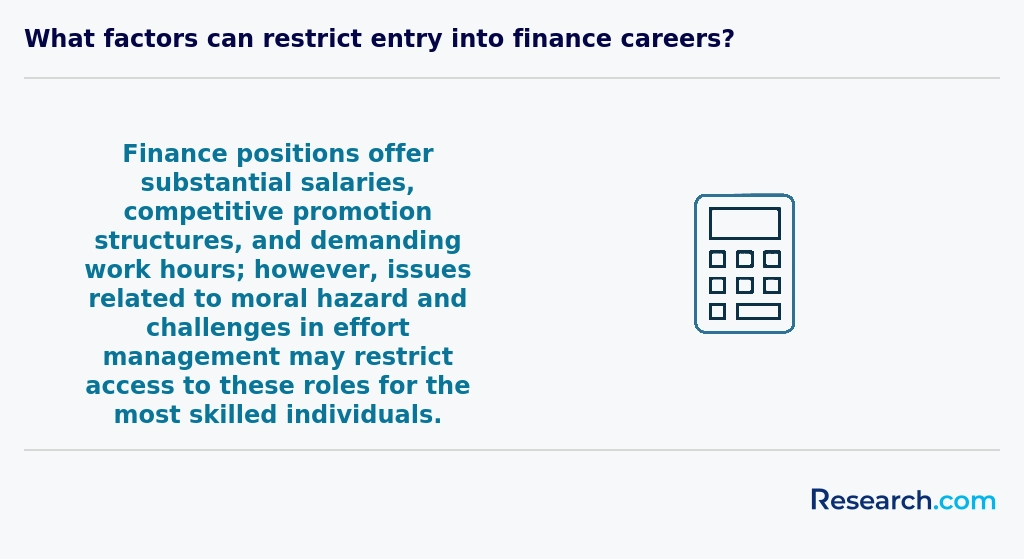
Finance degrees in Illinois typically include courses such as Financial Accounting, Corporate Finance, Investment Analysis, and Risk Management, forming a solid core that prepares students for real-world challenges. Graduates from prominent universities like the University of Illinois often share how mastering financial statements in Accounting classes empowered them to confidently interpret company reports during internships in Chicago's bustling financial district.
Quantitative Methods for Finance equips students with statistical tools crucial for predictive modeling, a skill praised by those who later work with data-driven investment strategies at local firms. Courses on Financial Markets and Institutions uniquely highlight Illinois's role, particularly Chicago's status as a global financial hub, enriching classroom discussions with local market insights that graduates find invaluable when stepping into practical roles.
Electives focusing on FinTech and international finance spark enthusiasm among students eager to tap into emerging sectors, often igniting career paths that blend technology with traditional finance. Learning Business Law offers reassurance when navigating regulatory environments, a confidence many graduates express as a key to managing complex transactions in their early careers.
Finance degree specializations in Illinois often include Corporate Finance, Investment Management, and Banking and Financial Institutions, reflecting the state's robust financial industry. Graduates from universities in Chicago regularly cite hands-on experiences in budgeting and capital investment projects that prepare them for dynamic corporate roles. Others passionate about securities and portfolio management find Investment Management appealing, benefiting from the city's large pool of financial analysts and asset managers.
Illinois finance degree program options also cover Financial Planning and Risk Management and Insurance, ideal for students eager to advise clients or navigate the complexities of insurance law. Real estate finance is emerging as a niche specialization, connecting students with Illinois' vibrant urban property markets. Illinois students frequently mention how internships in Chicago's financial district deepen their understanding and excitement for these fields.
Those concerned about costs can explore options through resources like the Affordable Finance Degree Programs Ranking in Indianapolis, IN, which many Illinois students consult when planning their educational investment and career paths.
Choosing the best affordable finance degree programs Illinois offers means anticipating shifts in industry demands and educational innovation. Graduates from the University of Illinois Urbana-Champaign often share how immersion in both theory and applied finance tools prepared them to navigate evolving markets confidently. Considering programs with strong accreditation and a curriculum aligned with emerging fields like fintech or sustainable investments can future-proof your skills. In Illinois, the balance between cost and program quality is crucial; many students leverage scholarships or explore community colleges as low-cost starting points before transferring to top finance colleges cost Illinois can justify due to networking perks and advanced studies.
Studying near Chicago, where financial institutions thrive, provides tangible benefits beyond textbooks. Graduates describe internships offering real client interaction and mastering software used daily in financial hubs. These experiences foster a sense of excitement and readiness for career challenges. For some, exploring accelerated online associate's programs also helps blend flexible learning with hands-on opportunities, proving particularly helpful for balancing work and study in fast-paced financial environments.
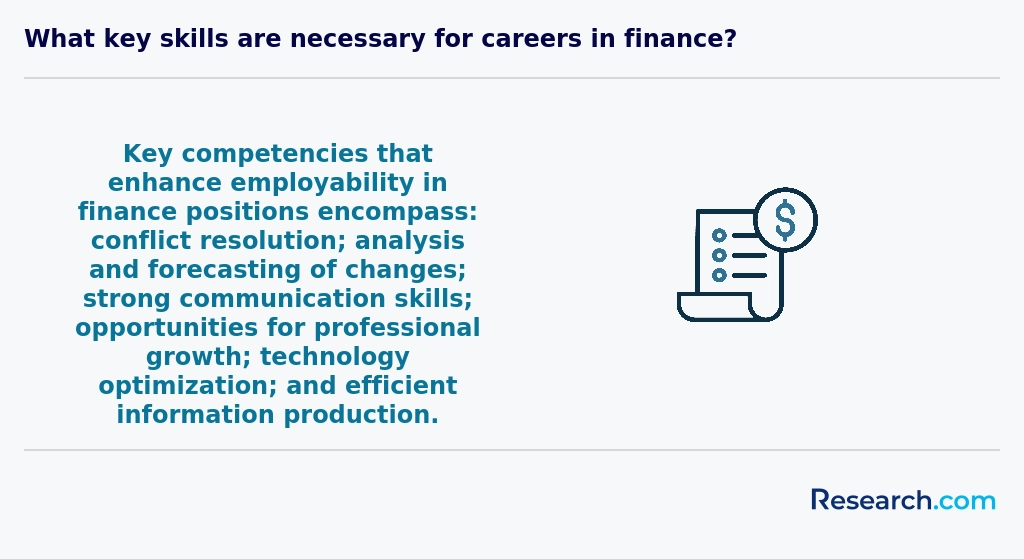
Finance degree careers in Illinois extend well beyond traditional roles, offering a spectrum of opportunities fueled by Chicago's dynamic financial ecosystem. Graduates from institutions like the University of Illinois at Urbana-Champaign or DePaul University often find themselves thriving as financial analysts, investment banking associates, or corporate finance professionals within both startups and Fortune 500 companies. Many report the excitement of navigating complex mergers or utilizing data-driven insights to advise clients on wealth management strategies.
Emerging trends in fintech and sustainable investing also open new pathways for finance graduates, allowing them to innovate in areas like blockchain analysis or green finance. Students familiar with Illinois' diverse economy anticipate that acquiring certifications such as CFA or CPA can significantly expand their roles into risk management or insurance underwriting. Those evaluating the value of an educational investment may consider public universities, which offer more affordable tuition, as a strategic start before advancing to specialized fields.
For those uncertain about the complexity of finance degrees, exploring an easiest associate degree can be a practical first step toward entering the field and uncovering more tailored career options in Illinois finance job opportunities.
The finance degree job outlook Illinois is strong, especially in vibrant hubs like Chicago where graduates find dynamic roles in banks, corporate finance departments, and investment firms. Graduates from institutions such as the University of Illinois at Urbana-Champaign and DePaul University often share positive experiences, highlighting how their internships and networking opportunities led directly to meaningful employment. These universities' strong industry connections give students a real advantage in navigating the competitive market.
Employment opportunities for finance graduates in Illinois often expand as companies seek experts in financial planning, risk management, and investment analysis. Picture a recent graduate quickly moving up at a multinational headquartered in Chicago, leveraging skills learned both in class and through hands-on projects. Many are motivated by salary prospects starting around $50,000-$60,000, with median wages reaching approximately $78,000 statewide and higher in metro areas.
The trend toward professional certification, like the CFA or CPA, further boosts prospects. For those eager to advance their education, exploring the quickest way to get a master's degree can open doors to leadership roles and specialized positions.
2027 Most Affordable Finance Degree Programs Ranking in Illinois
Investing in your education is a significant decision that can shape your future, and the Research.com team understands the importance of making informed choices. To assist prospective students in Illinois, we have meticulously developed the "2027 Most Affordable Finance Degree Programs Ranking in Illinois." Our dedication to quality, credibility, and accuracy is evident in the thorough research and careful analysis behind this ranking.
We utilized the following reputable data sources to ensure a comprehensive evaluation of finance degree programs:
By exploring this ranking, readers will gain valuable insights into the most affordable finance degree programs in Illinois, empowering them to make well-informed decisions about their educational investments. For more information on how this ranking was created, please visit our Research.com methodology page.


Frequently Asked Questions About finance
Finance degree students in Illinois can maximize their learning experience by engaging with local financial markets and institutions. Illinois hosts a significant number of financial services firms, especially in Chicago, which ranks as the third-largest financial center in the U.S. according to the Illinois Department of Commerce. Internships with these firms provide hands-on experience and networking opportunities.
Additionally, students should take advantage of research centers and finance-related student organizations at their schools. Accessing data from sources like the Chicago Board Options Exchange can deepen practical understanding. Illinois universities also often partner with local businesses, offering experiential learning projects that connect theory to real-world finance.
Finally, staying informed on state economic trends through resources such as the Illinois Economic Policy Institute can help students contextualize their studies within Illinois's unique financial landscape.
The finance field is continuously evolving, and several emerging niches are gaining traction for Illinois students pursuing finance degrees. One prominent area is financial technology (fintech), which integrates finance and technology to improve how financial services are delivered. Illinois, especially Chicago, is a growing fintech hub, hosting over 300 fintech companies as reported by the Illinois Technology Association.
Another significant niche is sustainable finance, focusing on investments that support environmental, social, and governance (ESG) goals. Demand for ESG expertise is rising, reflecting national trends and Illinois' growing emphasis on green finance initiatives.
Risk management and cybersecurity in finance are also expanding fields. Illinois employers increasingly seek professionals skilled in protecting financial data against cyber threats. According to the U.S. Bureau of Labor Statistics, Illinois shows above-average job growth in financial risk analysis roles through 2030.
After completing a finance degree in Illinois, preparing for the job market involves strategic steps to increase employability. First, students should pursue internships with Illinois-based financial firms to gain practical experience; Chicago alone hosts over 40% of the state's finance jobs, making it a key area for opportunities, according to the Illinois Department of Employment Security (IDES).
Networking is crucial. Joining professional organizations such as the Illinois Finance Association or local chapters of national groups can provide connections and job leads. Additionally, obtaining certifications like the CFA or CPA can improve prospects in competitive fields.
Finally, utilizing university career centers and Illinois-specific job boards helps graduates target local employers. Employers in Illinois often look for candidates with strong analytical skills and proficiency in financial software, so continuous learning is recommended.
Employers seeking finance degree graduates in Illinois prioritize strong analytical and quantitative skills. According to the Illinois Department of Employment Security, proficiency in financial modeling and data analysis is essential for entry-level roles in Chicago's competitive finance market.
Additionally, communication skills are highly valued. Graduates must effectively explain complex financial concepts to clients and stakeholders, a requirement highlighted by regional hiring managers in recent surveys by the Illinois Finance Association.
Technical competence in software such as Excel, SQL, and industry-specific platforms also plays a critical role. The ability to navigate financial databases and perform accurate reporting correlates with higher employability in Illinois-based firms.
Finding internships in Illinois relevant to a finance degree involves several key steps. Start by exploring university career centers, which often have partnerships with local banks, investment firms, and corporations. According to the Illinois Department of Employment Security, Chicago alone hosts over 4,000 finance-related firms providing valuable internship opportunities.
Networking is crucial. Joining organizations like the Illinois Finance Alliance or student finance clubs on campus can connect you with industry professionals. Online platforms such as Handshake and LinkedIn also list internships targeted at finance students.
Additionally, consider applying for internships with major Illinois-based financial institutions like Northern Trust or Wintrust Financial. Early application is vital because many positions fill quickly, especially as the job market grows by 2.5% annually in the finance sector, per U.S. Bureau of Labor Statistics.
A finance degree in Illinois significantly enhances career mobility and advancement opportunities. Illinois, with Chicago as a major financial hub, offers numerous roles in banking, investment, and corporate finance. Graduates often find entry into competitive positions, which can lead to quicker promotions.
According to the U.S. Bureau of Labor Statistics, financial analysts in Illinois earn a median annual wage around $82,000, higher than the national average, reflecting strong local demand. A degree provides essential skills in analysis, risk management, and financial planning-qualities sought by employers statewide.
Moreover, many Illinois firms prefer candidates with formal finance education for leadership roles, enabling degree holders to access higher-level management positions. Networking opportunities through Illinois universities also help graduates connect with local industry professionals.
Studying for a finance degree in Illinois offers students a broad foundation that integrates knowledge from economics, accounting, business law, and data analytics. This interdisciplinary approach equips graduates to handle complex financial challenges across various industries. Illinois colleges emphasize practical skills such as financial modeling, risk management, and regulatory compliance, aligning with the state's diverse economy, including Chicago's status as a major financial hub.
According to the Illinois Board of Higher Education, many programs incorporate internships and partnerships with local firms, helping students gain real-world experience in interdisciplinary teams. This blend of theory and practice prepares graduates for roles in corporate finance, consulting, and financial technology.
When choosing between a thesis and a non-thesis finance degree program in Illinois, consider your career goals and learning preferences. Thesis programs emphasize research, preparing students for roles in academia or positions requiring strong analytical skills. Non-thesis options often focus on practical knowledge and coursework, ideal for those seeking direct entry into the finance industry.
Illinois hosts several universities offering both paths, such as the University of Illinois Urbana-Champaign and DePaul University. According to the National Center for Education Statistics, approximately 35% of Illinois graduate finance students opt for thesis tracks, reflecting demand for research expertise.
Also, thesis students invest additional time in independent study, which may delay graduation. Non-thesis programs typically allow faster completion, supporting those eager to join the workforce.
Evaluating faculty expertise and available resources for research projects can further guide your decision. Visiting campuses or attending information sessions may clarify which format suits your needs best.
Students in Illinois seeking to study finance abroad have several structured pathways through their home institutions. Many Illinois universities, including the University of Illinois Urbana-Champaign and DePaul University, offer study abroad programs in partnership with overseas schools, allowing students to earn credits toward their finance degree while gaining international experience.
Additionally, Illinois students can explore semester-long exchanges or short-term faculty-led trips focused on global finance topics. These programs often include destinations like London, Hong Kong, or Frankfurt, financial hubs with strong ties to U.S. markets.
According to the Institute of International Education, 16% of Illinois college students participating in study abroad choose business-related majors, highlighting finance as a popular field for global learning.
Students pursuing finance degrees in Illinois have several part-time job opportunities that effectively complement their education. Common roles include financial analyst interns, bookkeeping assistants, and customer service representatives for banks or credit unions. These positions provide practical knowledge of financial regulations and data analysis.
Illinois hosts a robust finance sector, especially in Chicago, where over 45,000 finance professionals work, according to the Illinois Department of Employment Security 2023 report. This variety offers students real-world experience alongside academic learning.
Many internships and part-time jobs also help develop skills in risk management and investment strategies, which are vital for finance careers.
Additionally, some students find opportunities in tax preparation firms, especially during tax season, allowing them to apply tax code knowledge directly.
Finance students in Illinois benefit from a variety of networking opportunities vital for career growth. Many universities partner with local financial firms in Chicago, the nation's third-largest financial center, offering internships and job fairs that connect students with industry professionals.
Student organizations like the Financial Management Association and Business Honor Societies provide peer networking and access to guest speakers from top companies. Illinois also hosts annual finance conferences, such as those organized by the CFA Society Chicago, which offers workshops and mentorship programs.
These events help students build contacts, gain industry insights, and increase employment chances after graduation.
Alumni networks play a crucial role in supporting finance degree students in Illinois by providing valuable connections within the state's financial industry. These networks offer mentorship opportunities, helping students navigate career paths in major hubs like Chicago, a city hosting over 460 financial services firms as of 2023 (Illinois Department of Employment Security).
Access to alumni can lead to internships and job placements, which are vital in a competitive market. Many Illinois universities maintain active alumni groups that organize events and share insights, giving students a competitive edge. According to the National Association of Colleges and Employers, students engaged with alumni networks experience a 20% higher job placement rate.
Furthermore, alumni can offer guidance on certifications and emerging trends in finance, vital for career advancement in Illinois' dynamic economy.
Students pursuing a finance degree in Illinois can customize their programs through elective courses, concentrations, and internships that align with their career goals. Many Illinois universities offer specializations such as corporate finance, investment banking, or financial planning. For example, the University of Illinois Urbana-Champaign provides options to focus on risk management or quantitative finance.
Adding internships at Chicago's financial district firms helps students gain practical experience. According to the Illinois Board of Higher Education, over 60% of finance graduates in Illinois participate in internships during their studies, boosting job prospects.
Additionally, some schools provide access to professional certifications like CFA or CFP prep courses.
Finance students in Illinois face a variety of challenges throughout their education. One significant difficulty is managing the rigorous quantitative coursework, including statistics, accounting, and economic theory, which often requires strong math skills. Many students report struggling to keep pace with complex financial modeling and analysis techniques commonly used in the industry.
Another challenge is the competitive local job market. According to the Illinois Department of Employment Security, the finance sector in Chicago and surrounding areas is large but highly selective. Students must often balance internships and part-time jobs to build relevant experience, which can be time-consuming alongside demanding academic schedules.
Costs also present barriers. Even public universities in Illinois have seen tuition increases averaging 3-5% annually, leading to concerns about student debt. Access to affordable programs remains a crucial issue.
With a finance degree in Illinois, students can pursue several valuable professional certifications that enhance career prospects. One of the most recognized is the Chartered Financial Analyst (CFA) designation, which focuses on investment management and financial analysis. The CFA credential is highly regarded nationwide and benefits those targeting banking or asset management roles.
Another popular certification is the Certified Financial Planner (CFP), which equips graduates to work in personal financial planning, a growing field in Illinois according to the Bureau of Labor Statistics.
Additionally, the Certified Public Accountant (CPA) credential is an option for finance majors interested in accounting, especially since Illinois ranks among the top states for accounting jobs.
Other certifications such as Financial Risk Manager (FRM) are also pursued to specialize in risk assessment within finance sectors. These certifications help graduates meet local professional standards and increase employability across Illinois's diverse financial industry.
To write a winning application for a finance program in Illinois, begin by highlighting your academic achievements, especially in math, economics, and related subjects. Illinois universities, such as the University of Illinois Urbana-Champaign, consider strong GPA and standardized test scores essential.
Next, demonstrate your interest in finance through relevant internships or extracurricular activities. According to the Illinois Board of Higher Education, practical experience can distinguish your application.
Craft a compelling personal statement that explains your career goals and passion for finance in the Illinois market, which is a major financial hub in the Midwest.
Don't forget to secure strong recommendation letters from teachers or professionals who can vouch for your analytical and leadership skills.
A finance career in Illinois offers valuable insights into global economic trends and international markets. The state's financial sector, centered in Chicago, a major global financial hub, connects professionals with worldwide investment, banking, and risk management opportunities. According to the Illinois Department of Employment Security, finance-related jobs in the state are projected to grow 8% by 2030, reflecting steady demand for skills applicable internationally.
Global perspectives in finance emphasize understanding cross-border regulations, currency exchange, and multinational corporate finance. Illinois finance programs often include courses on global markets and international trade, preparing students to work in diverse environments. This aligns with data from the Bureau of Labor Statistics that highlights growing needs for financial analysts with global economic knowledge.
Moreover, Illinois hosts several international finance conferences and seminars, offering students and professionals access to global experts and emerging trends. These experiences are crucial for building a career that transcends local borders and addresses challenges in the interconnected world economy.
Gaining practical experience while studying for a finance degree in Illinois is key to career readiness. Many universities in Illinois offer internship programs that connect students with local financial firms, banks, and investment companies in Chicago, a major financial hub. According to the Chicago Financial Services Snapshot 2023, over 200,000 jobs in finance-related fields exist in the area, providing ample opportunities for hands-on learning.
Students often participate in cooperative education programs (co-ops) or part-time roles to apply classroom concepts. Additionally, some schools collaborate with organizations like the CFA Society Chicago for networking events and mentorship.
Choosing the right concentration within a finance degree program in Illinois begins with understanding your career goals. Popular concentrations include corporate finance, investment banking, financial planning, and risk management. Each offers unique skills valuable in Illinois' diverse economy, which is strong in manufacturing, finance, and technology sectors.
Consider the University of Illinois data showing that graduates with a focus on financial analysis earn a median annual wage of $85,000 in Chicago, reflecting local demand.
Also, review course offerings and internship opportunities provided by Illinois institutions to gain practical experience aligned with your concentration.
Lastly, examine professional certification paths, like CFA or CFP, that complement specific concentrations and improve job prospects locally.
- 2027 Most Affordable Finance Degree Programs Ranking in Missouri
- 2027 Most Affordable Finance Degree Programs Ranking in Kentucky
- 2027 Most Affordable Finance Degree Programs Ranking in Michigan
- 2027 Most Affordable Finance Degree Programs Ranking in Minnesota
- 2027 Most Affordable Finance Degree Programs Ranking in Arkansas
- 2027 Most Affordable Finance Degree Programs Ranking in Nebraska
- 2027 Most Affordable Finance Degree Programs Ranking in Oklahoma
- 2027 Most Affordable Finance Degree Programs Ranking in Alabama
- 2027 Most Affordable Finance Degree Programs Ranking in Louisiana
- 2027 Most Affordable Finance Degree Programs Ranking in Florida
See What Experts Have To Say About Studying Finance
Read our interview with Finance experts

H. Kent Baker
Finance Expert
Professor at Department of Finance and Real Estate
American University

Ekaterina Potemkina
Finance Expert
Assistant Professor of Finance
Indiana University

Andrew Karolyi
Finance Expert
Dean of the Cornell SC Johnson College of Business
Cornell University

- Exploring Alternative Finance Careers: Niche Opportunities in Cambridge's Dynamic Sector https://www.cavillrobinson.co.uk/blog/2023/07/exploring-alternative-finance-careers-niche-opportunities-in-cambridges-dynamic-sector
- International Finance (English) Master Programme (Thesis and Non-Thesis) - GRADUATE SCHOOL OF TRADE AND FINANCE https://ticaret.edu.tr/ticaret-ve-finans-enstitusu/en/ma-in-international-finance/
- The Power of Financial Education: A Key to Success for College Students https://blogs.uofi.uillinois.edu/view/7550/176801781
- Finance Remains the Top Career Choice as Graduates Prepare for an Increasingly Competitive, AI-Shaped Job Market https://www.cfainstitute.org/about/press-room/2026/global-graduate-outlook-survey-2026
- Top Ways to Leverage a Finance Degree – AP Professionals Rochester https://rochesterap.com/top-ways-to-leverage-a-finance-degree/
- Finance Internships: Find 248 Finance Intern Jobs https://internshala.com/internships/finance-internship/
- Why Alumni Networks Matter in Business School: 7 Reasons https://europe.ceibs.edu/article/why-alumni-networks-matter-business-school
- Online BBA in FinTech vs Traditional Finance - Which Is Better? https://www.onlinecu.in/blog/cu/online-bba-fintech-vs-traditional-finance
- Top Finance Schools In Illinois: Your Best Options https://ccg.castlerockgc.co.uk/castlerockgc-news/top-finance-schools-in-illinois-your-best-options-1767647958
- Upgrade to Global Finance Major: What It Is & Why It Matters https://pages.riley-eyewear.com/riley-eyewear/global-finance-major-what-it-is-and-why-it-matters-1767646948