2027 Most Valuable Online Bachelor's in Exercise Science Degree Programs Ranking in the Midwest

Co-Founder and Chief Data Scientist
Choosing the right exercise science degree can shape your future in a rewarding health and fitness career. For students in the Midwest, making an informed decision is easier with reliable data to guide you.
This article features the 2027 Most Valuable Online Bachelor's in Exercise Science Degree Programs Ranking in the Midwest, created by the Research.com team of data scientists. It helps you explore top programs that balance quality, flexibility, and value.
Whether you're starting or advancing your education, this ranking supports your journey toward a fulfilling and impactful profession.
Key benefits of getting online exercise science degree in the Midwest
- Salary: While specific Midwest salary data is unavailable, exercise science graduates in the US typically earn between $40,000 and $60,000 annually, supporting a stable financial outlook.
- Career Paths: Graduates from Midwest schools like the University of Iowa often pursue careers in physical therapy, sports coaching, or wellness consulting, offering diverse opportunities to use their skills.
- Online Degree Benefits: Earning your exercise science degree online from schools such as Indiana State University provides flexibility, allowing you to balance work and study while gaining the same respected credentials as traditional programs.
- 2027 Most Valuable Online Bachelor's in Exercise Science Degree Programs Ranking in the Midwest
- What can I expect from online exercise science degree in the Midwest?
- Where can I work with online exercise science degree in the Midwest?
What can I expect from online exercise science degree in the Midwest?
The average cost of pursuing an online exercise science degree in the Midwest typically falls between $300 and $600 per credit hour for in-state students. Graduates from popular universities like those in Illinois or Ohio often recall managing their budgets carefully, balancing tuition with part-time work or scholarships targeted at health sciences students. For example, a graduate from a well-regarded Midwestern college mentioned how financial aid and tailored scholarships made the cost more manageable, allowing focus on studies without overwhelming debt.
Out-of-state students should prepare for higher tuition rates, but many Midwestern programs still provide financial aid options to ease expenses. This pragmatic approach aligns well with the needs of working adults or those juggling family commitments. Knowing the tuition range upfront helps students map out realistic financial plans, which contributes to a less stressful, more positive educational experience.
These programs often attract students motivated by clear career goals, such as becoming exercise physiologists or fitness trainers, making the investment in a degree feel worthwhile when combined with strong internship support and post-graduation certification opportunities.
Where can I work with online exercise science degree in the Midwest?
Graduates from online exercise science programs at Midwest institutions like the University of Illinois or Ohio State University find strong opportunities in fitness centers as personal trainers or wellness coaches. These roles provide hands-on experience helping clients enhance their physical health, a satisfying choice for those who enjoy direct coaching and motivation. Earning certifications such as ACSM or NASM alongside the degree often boosts job prospects in this competitive field.
Others secure positions in rehabilitation clinics or hospitals in states like Minnesota and Wisconsin, assisting physical therapists by designing recovery exercise plans. These roles offer a rewarding chance to support patients post-injury or surgery, contributing to real improvements in quality of life.
Midwest graduates also thrive in university settings, coordinating fitness programs or working with sports teams on conditioning and injury prevention. This appeals to those passionate about athletic performance and team dynamics.
Public health organizations and corporate wellness programs in Indiana and Missouri increasingly hire exercise science grads to develop community or workplace fitness initiatives, reflecting a wider commitment to healthy living.
Graduates with an online exercise science degree in the Midwest can typically expect starting salaries between $35,000 and $45,000 annually. For example, those from well-known programs at universities such as the University of Illinois or Ohio State University often enter the workforce with this salary range, especially when combined with certifications like ACSM Certified Exercise Physiologist.
As experience grows, mid-career professionals working in clinical settings or rehabilitation centers in cities like Chicago or Minneapolis report wages climbing to around $60,000 to $70,000. This reflects the regional demand and specialized skills gained through hands-on internships and targeted coursework in these programs.
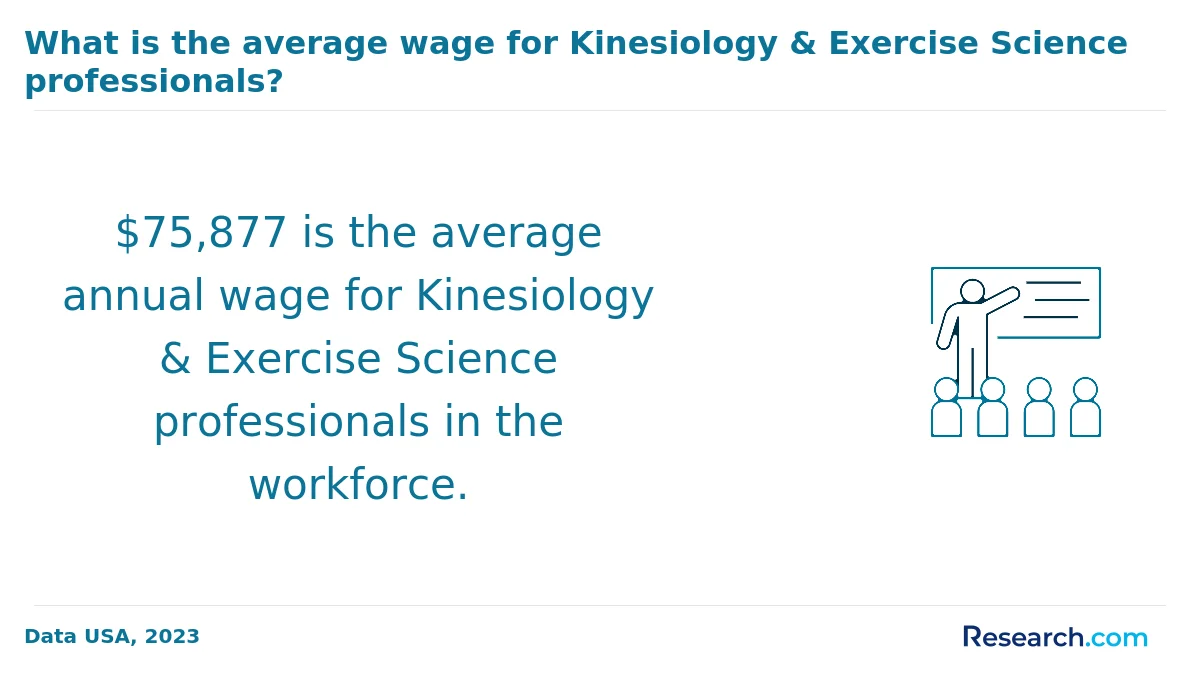
Fitness trainers and instructors with exercise science backgrounds in the Midwest earn roughly between $40,000 and $50,000 annually, with salaries trending higher near metropolitan areas. Graduates appreciate that their degree opens doors in hospitals, sports teams, and wellness programs, offering practical pathways to increase earnings over time.
Staying local to the Midwest's expanding healthcare and fitness sectors ensures graduates can build steady, satisfying careers with competitive pay, supported by strong employer demand and opportunities for advancement.
- Tuition for online exercise science degrees in the Midwest ranges from about $10,000 to $25,000 per year, varying between public and private institutions.
- Jobs in exercise science are expected to grow by 11% nationally through 2031, with high demand in cities like Chicago, Minneapolis, and Columbus.
- Starting salaries for graduates typically range from $35,000 to $45,000 annually, with potential to increase to $55,000 or more with experience.
- Many programs are accredited by organizations such as CAAHEP and NSCA, ensuring quality education and better career opportunities.
- Online degrees often include practical elements like internships or on-site labs to meet certification requirements.
- The Midwest offers flexible bachelor's and accelerated online degree options suitable for both traditional students and working professionals.
Completing an online exercise science degree in the Midwest generally takes about four years for full-time students, matching the standard timeline at universities like the University of Iowa or Illinois State University. Graduates often share how balancing coursework with jobs or family pushed them to opt for part-time enrollment, extending their studies beyond four years but allowing steady progress without burnout.
Many programs require 120 to 130 credit hours, roughly eight semesters. Those who transferred credits from community colleges like Des Moines Area Community College found they could skip introductory courses, reducing their time to degree completion. This flexibility is common across Midwestern schools and helps students save both time and tuition.
Internships or practicums, key parts of exercise science programs, sometimes take place during summer or alongside regular semesters. Graduates appreciate how this hands-on experience enhances learning but advise planning ahead, as these requirements can lengthen the timeline if crowded into a single term.
Working adults frequently take advantage of accelerated courses or evening classes offered by universities such as Eastern Michigan University, accelerating their graduation without sacrificing work or family commitments.
Choosing an accredited program and earning recognized certifications lays the groundwork for a credible career in exercise science. Look for these essential standards:
- Regional accreditation (e.g., Higher Learning Commission) ensures transferable credits and federal aid eligibility
- Programmatic accreditation by CAAHEP or CAATE validates specialized curriculum quality
Stand out to employers with industry certifications:
- ACSM Certified Exercise Physiologist (EP-C)
- NSCA Certified Strength and Conditioning Specialist (CSCS)
- ACE Health Coach or Certified Personal Trainer
For a broader look at allied health pathways, compare exercise science with medical assistant programs.
Choosing between online and on-campus exercise science degrees in the Midwest comes down to how you want to learn and balance your life. On-campus programs at universities like the University of Missouri provide direct, hands-on experience with equipment and labs. Graduates often mention how invaluable it was to practice physical assessments in person, boosting their confidence before entering the workforce.
Meanwhile, online programs-such as those offered by Illinois State University-appeal to students needing flexibility. These programs often include virtual labs and simulations that, while not a perfect substitute, still deliver solid training. Many learners juggling jobs or family commitments appreciate being able to study asynchronously, fitting lessons around their schedules.
Cost-wise, online degrees typically reduce expenses like commuting and housing, though some students note occasional technology fees. Understanding these trade-offs helps you plan practically for your education in the Midwest exercise science field.
The average cost of an online exercise science degree in the Midwest typically centers around $47,400 for the entire program. For many students attending public universities like the University of Kansas or the University of Minnesota, the in-state total tuition and fees usually fall close to $13,200. Out-of-state students at these schools might expect to pay a higher total of approximately $13,350 annually. Graduates from these programs often share how this affordability made pursuing their degree manageable, allowing them to focus more on hands-on learning rather than financial stress.
When planning your education, consider that the total tuition aligns well with the median totals found in online exercise science programs throughout the Midwest, making it a practical option for residents. These costs often encompass essential coursework and resources without unexpectedly high fees, though some programs may add technology or clinical experience fees. Firsthand experiences from students highlight how scholarships and grants played a pivotal role in lightening the financial load while studying in these well-regarded Midwestern institutions.
If budget considerations weigh heavily in your decision-making, it's worth exploring the Midwest's offerings for the average cost of a online exercise science degree Midwest. Many students also research options for the easiest kinesiology online degrees, which can sometimes lead to shorter completion times and reduced expenses.
When pursuing an online exercise science degree from a Midwest university like the University of Illinois or Ohio State University, tapping into federal aid is often the first step. Many graduates recall how Pell Grants, which can provide up to $7,395 annually, significantly eased their financial burden without the stress of repayment. Applying early for these grants is crucial, as they are need-based and widely available to online students.
Federal Direct Loans are another practical option. Graduates mention how subsidized loans, which don't accrue interest while enrolled, made managing expenses easier during their studies. Unsubsidized loans are available too but start accruing interest immediately, so weigh your options carefully. Typically, undergraduates can borrow between $5,500 and $7,500 per year.
State-based aid programs also play a key role. For example, students attending in-state schools like Michigan State University benefit from grants such as the Minnesota State Grant Program, offering awards up to $6,000. These help bridge gaps left by federal aid.
Lastly, institutional scholarships targeted at exercise science majors or health program enrollees provide vital support. Midwest colleges frequently offer merit and need-based scholarships that past students found instrumental in covering tuition and fees.
Accredited online exercise science programs signal quality, rigor, and industry relevance. To ensure your degree holds weight with employers and certifying bodies, look for:
- Regional accreditation (e.g., HLC, MSCHE) guaranteeing transferable credits and federal aid
- Programmatic approval or accreditation by CAAHEP or equivalent
- Curriculum aligned with major certification exams (ACSM, NSCA, NASM)
Meeting these standards empowers graduates to:
- Sit for professional certifications and licensure
- Secure competitive clinical internships
- Build credibility in healthcare and fitness careers
For related allied health training, see medical assistant programs
To enroll in an online exercise science degree in the Midwest, you first need a high school diploma or GED, which is the minimum for nearly all programs across schools like Illinois State University or Ohio University. Graduates often mention how submitting official transcripts showing relevant coursework in biology, chemistry, and math eased their admission process because these subjects lay the groundwork for understanding human physiology.
While some universities have dropped strict SAT or ACT score requirements, a few programs still ask for them, particularly the more competitive ones. It's helpful to check with your specific school early, so you're not caught off guard.
Technical readiness is key-Midwest colleges emphasize having reliable internet and basic tech skills to navigate online platforms. Many applicants complete simple tech assessments or questionnaires before enrolling, which veterans describe as reassuring steps that confirmed their preparedness.
Some programs ask for letters of recommendation or personal statements. Graduates recall that these documents gave them a chance to share their passion and highlight commitment beyond test scores, making their applications stand out.
Online exercise science degrees in the Midwest typically include core courses like human anatomy, physiology, and biomechanics, giving students a solid grasp of how the body works and moves. Graduates from popular programs at universities like Illinois State and Ohio University often share how understanding these basics helped them confidently design personalized fitness plans for clients.
Courses in nutrition focus on macronutrients, micronutrients, and hydration, which graduates recall using daily when advising clients on diet and recovery. Kinesiology classes, such as biomechanics or motor control, teach practical skills for analyzing movement, helping students troubleshoot common issues like improper running form or injury risks.
Many students also take classes in exercise testing and prescription, learning to conduct fitness assessments and create tailored workouts. Those from Midwest colleges highlight how these skills translated directly into wellness coaching roles post-graduation. Health promotion and injury prevention courses round out the curriculum, making it clear how to support long-term client well-being in real-world settings.
Online exercise science degree specializations Midwest programs commonly include focused tracks that prepare students for distinct career paths. Graduates from popular universities in Illinois and Ohio often praise the practical approach of concentrations like Exercise Physiology, which equips them with skills to assess how the body adapts to physical activity-essential for clinical or health promotion roles. Others highlight Kinesiology, a specialization emphasizing biomechanics and motor skills, which helped them secure jobs in rehabilitation and coaching settings.
Many Midwest online exercise science program concentrations also cover Sports Nutrition, preparing students to design diet plans that optimize athletic performance, a rapidly expanding field. Strength and Conditioning specialization trains students to create fitness routines tailored for athletes, a favorite among graduates aiming for careers in sports performance. Physical Therapy Assistance courses prepare those interested in supporting licensed therapists, providing hands-on application in healthcare.
Additionally, students appreciate programs that offer certifications like Certified Strength and Conditioning Specialist (CSCS). Researching tracks with these credentials can boost employability. Those considering this path should explore the practical benefits of jobs with a kinesiology degree as part of their decision-making process.
To choose the best online exercise science degree in the Midwest, start by confirming the school's regional accreditation, typically through the Higher Learning Commission (HLC). Graduates from popular universities often share how this ensures their credentials are respected by employers and graduate programs. Next, evaluate affordability by comparing tuition and fees; many Midwestern schools offer affordable Midwest exercise science degrees online with financial aid options that helped graduates manage costs effectively.
Review the curriculum carefully. Look for programs that combine foundational science courses like kinesiology and anatomy with practical skills in rehabilitation or fitness assessment. Some programs offer specializations tailored to specific careers, which previous students found invaluable for their job search. Flexibility is crucial-choose programs offering asynchronous courses that fit around work and family commitments, but check if clinical hours must be completed in person.
Finally, investigate graduate outcomes and job placement support. Many students from Midwest universities landed roles in expanding health fields by tapping into local internships or using school resources. Exploring high paying exercise science jobs can guide you toward programs that align with financial and professional goals.
Graduates with an online exercise science degree in the Midwest find diverse career paths aligned with the region's strong sports and healthcare sectors. Many start as exercise physiologists, designing fitness programs in hospitals or rehab centers-roles that graduates from universities like the University of Illinois have found rewarding and steady. Others become personal trainers, a career projected to grow rapidly, appreciated by those who enjoy one-on-one coaching in local gyms or wellness centers. Strength and conditioning coaching offers another route, particularly popular among graduates supporting high school or collegiate athletes across states like Ohio and Michigan.
Those interested in collaborative healthcare often work as physical therapy assistants, benefiting from Midwest institutions' advanced clinical programs. Meanwhile, health promotion specialists help employers establish wellness initiatives, a growing field as companies in the region value employee health more.
For pragmatic planners weighing options, exploring jobs in sports management can also complement these exercise science careers, broadening opportunities with a strategic edge.
The job market for graduates with an online exercise science degree in the Midwest is strong, supported by the region's expanding healthcare facilities and wellness initiatives. Many graduates find roles as clinical exercise physiologists, fitness coordinators, or strength and conditioning coaches, especially around metropolitan hubs like Chicago, Columbus, and Minneapolis. Based on feedback from graduates of popular Midwest colleges known for their exercise science programs, practical experience combined with online study has led to successful employment in hospitals, rehab centers, and sports organizations.
Midwest employers value candidates familiar with community health challenges, such as obesity and diabetes, which increases demand for professionals skilled in exercise programming and rehabilitation. Graduates often share that understanding local health needs makes their job applications stand out and helps them quickly adapt on the job.
For those exploring online exercise science jobs Midwest, competitive salaries ranging from $50,000 to $60,000 in states like Illinois and Ohio provide financial motivation. Additionally, students appreciate the lower tuition costs at regional public universities, making it easier to invest in education without excessive debt. It's wise to review the pe teacher career paths as well for broader opportunities in health-related education fields.
2027 Most Valuable Online Bachelor's in Exercise Science Degree Programs Ranking in the Midwest
Investing in your education is a significant decision that can shape your future, and the Research.com team is deeply aware of the responsibility involved in making such choices. To support students seeking online bachelor's degrees in Exercise Science in the Midwest, we have carefully developed the "2027 Most Valuable Online Bachelor's in Exercise Science Degree Programs Ranking in the Midwest." Our dedication to quality, credibility, and accuracy is demonstrated by the extensive research and analysis behind this ranking.
We utilized the following reputable data sources to ensure a thorough and trustworthy evaluation:
By consulting this ranking, readers will gain invaluable insights into high-quality online Exercise Science programs in the Midwest, empowering them to make well-informed decisions about their educational investments. For further details on our comprehensive methodology, please visit our Research.com methodology page.


Frequently Asked Questions About exercise science
Online exercise science degree students in the Midwest can maximize their learning by actively engaging with their coursework and utilizing available university resources. Many Midwestern universities offer virtual labs, simulation tools, and interactive case studies that help deepen understanding of human physiology and kinesiology. Joining online student groups or professional organizations, like the Midwest Chapter of the American College of Sports Medicine, offers networking and practical knowledge.
Additionally, students should seek internships or part-time roles with regional health centers or sports facilities to gain hands-on experience. According to the Bureau of Labor Statistics, internships improve job prospects by 20% in exercise science-related fields.
The field of exercise science is expanding in diverse ways, with emerging niches that reflect evolving health priorities and technology use. One key area is wearable technology and data analytics, where professionals use devices to track biometric data and optimize fitness programs. This niche is gaining traction in the Midwest, supported by partnerships between universities and local tech companies.
Another growing specialty is clinical exercise physiology, focusing on exercise prescriptions for patients with chronic diseases. The aging Midwestern population has increased demand for experts trained in rehabilitative and preventive care. Sports performance coaching tailored to youth and collegiate athletes remains strong, with many Midwestern states investing in community programs.
Finally, wellness coaching integrating mental health and physical training presents new opportunities. According to the Bureau of Labor Statistics, exercise science jobs in the Midwest are expected to grow by approximately 11% through 2030, illustrating broadening career paths within the region.
Preparing for the job market after earning an online exercise science degree in the Midwest involves several strategic steps. Graduates should seek to obtain relevant certifications such as the Certified Strength and Conditioning Specialist (CSCS) or American College of Sports Medicine (ACSM) credentials, which are highly regarded by employers. Networking through local professional organizations like the Midwest Chapter of the National Strength and Conditioning Association can open doors to job opportunities.
Internships or volunteer positions at hospitals, fitness centers, or rehabilitation clinics provide valuable experience. According to the Bureau of Labor Statistics, the Midwest expects a 9% growth in exercise science-related jobs by 2030, highlighting strong regional demand. Building a strong resume with hands-on experience remains essential for success.
Employers in the Midwest highly value graduates of online exercise science degrees who demonstrate strong analytical and interpersonal skills. According to the National Society of Professional Trainers, 78% of Midwest employers prioritize candidates who can apply evidence-based approaches to client care.
Communication skills are critical for success, especially when working with diverse populations or in rehabilitation settings. The ability to design personalized fitness programs and interpret physiological data is also in demand.
Practical knowledge in areas like biomechanics, kinesiology, and nutrition often separates top candidates. Employers frequently seek graduates who have completed internships or hands-on training, which enhances job readiness in fields like physical therapy assistance or wellness coaching.
Strong digital literacy, especially familiarity with health-tracking software, is increasingly important as exercise science integrates more technology.
Finding internships in the Midwest relevant to an exercise science degree involves strategic networking and research. Start by exploring university career centers, which often list regional internship opportunities tailored for exercise science students. Many programs maintain partnerships with local hospitals, rehabilitation centers, and fitness facilities.
The Midwest features numerous professional organizations, like the Midwest Chapter of the American College of Sports Medicine, which host job boards and networking events. Additionally, websites such as Handshake and Indeed allow filtering for internships in specific states like Illinois, Ohio, and Minnesota.
According to the Bureau of Labor Statistics, the Midwest needs qualified exercise science interns in healthcare and wellness sectors, reflecting a growing demand. Directly contacting local employers and volunteering can also lead to valuable placements.
An online exercise science degree in the Midwest can significantly enhance career mobility by providing flexible access to accredited programs across the region. With the Midwest's growing focus on health and wellness industries, graduates are better positioned for roles in rehabilitation centers, fitness management, and sports science. According to the U.S. Bureau of Labor Statistics, employment in related health and fitness fields is projected to grow 12% nationally by 2030, with similar trends in Midwest states like Ohio and Illinois.
The degree supports advancement by equipping students with current knowledge in kinesiology, nutrition, and exercise physiology, all critical for specialized certifications and leadership roles. Institutions in the Midwest increasingly offer online curricula approved by the Commission on Accreditation of Allied Health Education Programs (CAAHEP), ensuring employers recognize the credentials. For working professionals, this means greater opportunities to upskill without relocation, directly impacting upward mobility in a competitive job market.
Studying for an exercise science degree online in the Midwest offers strong preparation for interdisciplinary roles by combining core scientific knowledge with practical skills.
Midwestern programs typically emphasize anatomy, physiology, biomechanics, and nutrition while integrating coursework in psychology, health promotion, and kinesiology. According to the National Center for Education Statistics, over 25 accredited institutions in this region provide such comprehensive curricula, fostering collaboration across health sciences.
This approach enables students to understand diverse factors affecting human performance and wellness, preparing them for roles in healthcare, sports management, and rehabilitation.
Additionally, many programs include experiential learning like virtual labs or partnerships with local clinics, enhancing real-world interdisciplinary competence.
Choosing between a thesis and a non-thesis exercise science degree in the Midwest depends largely on your career goals and learning preferences. Thesis programs emphasize research skills and are ideal if you plan to enter graduate school or work in research-focused roles. These typically require completing original research and writing a formal thesis.
Non-thesis programs focus more on practical knowledge and application, suitable for students aiming to enter the workforce directly or pursue certifications. According to the National Strength and Conditioning Association, the Midwest offers various accredited online options that balance these pathways.
Consider program flexibility and faculty expertise when deciding.
Students based in the Midwest who want to study exercise science abroad face limited direct options due to the nature of US higher education and online degree offerings. Most online programs in exercise science are provided domestically and do not include international campuses. However, some universities offer study abroad components or partnerships allowing credit transfer for international experiences.
Midwestern students can explore exchange agreements through their home institutions, enabling them to spend a semester overseas while completing course requirements. According to the Institute of International Education, only about 10% of US students in health-related fields participate in study abroad, indicating the rarity of direct fully online international exercise science degrees.
Students can also look at accredited online Midwestern institutions that collaborate with foreign universities for research or internship opportunities in exercise science, though these are relatively few and require careful planning.
Part-time job opportunities that complement an exercise science degree in the Midwest often focus on experiential learning and skill development. Positions like fitness coaching, personal training, or wellness assistant roles align closely with core exercise science coursework. According to the U.S. Bureau of Labor Statistics, the Midwest has a growing demand for fitness trainers and instructors, with states like Illinois and Michigan showing above-average employment rates in these fields.
Working in physical therapy clinics as aides or exercise technicians also provides valuable practical experience. Additionally, internships or assistant roles in collegiate athletic departments across Midwest universities can enhance applied knowledge. These roles help develop client interaction, exercise planning, and rehabilitation skills relevant to career advancement within the region's healthcare and wellness sectors.
Online exercise science students in the Midwest have access to various networking opportunities that support career growth. Many Midwestern universities hosting online programs also encourage participation in regional professional associations such as the Missouri Athletic Trainers' Association or Illinois Association for Health, Physical Education, Recreation and Dance. These groups offer local events, conferences, and workshops, fostering connections within the field.
In addition, students can benefit from virtual job fairs and alumni networks tailored to Midwestern institutions, which connect learners to employers and professionals in healthcare and fitness industries. Such networks are valuable for internships and employment prospects.
According to the National Strength and Conditioning Association, the Midwest shows steady growth in exercise science roles, increasing the importance of solid professional contacts. Online students are encouraged to engage proactively with faculty and peers through online forums and social media groups focused on Midwestern exercise science careers.
Alumni networks play a crucial role for students pursuing online exercise science degrees in the Midwest. These networks offer opportunities for mentorship, job leads, and professional development tailored to regional health and fitness industries. According to the National Association of Colleges and Employers, 80% of jobs are filled through networking, emphasizing the importance of alumni connections.
Midwestern programs often connect graduates with local clinics, gyms, and rehabilitation centers. Alumni can share insights about licensure requirements in states like Illinois and Ohio, helping new graduates navigate credentialing more efficiently. Additionally, active alumni groups organize workshops and webinars, fostering ongoing education and industry engagement.
Midwestern universities offering online exercise science degrees often provide flexible curricula that let students tailor their studies to specific career paths. Customization commonly involves selecting elective courses focused on areas like sports performance, rehabilitation, or health promotion. Many programs also offer concentrations or certificates in related fields such as kinesiology or nutrition, allowing students to deepen expertise aligned with their goals.
Internships and practicum experiences are frequently required or recommended, giving students hands-on learning opportunities in local clinics or fitness centers. According to the National Strength and Conditioning Association, the Midwest has a growing demand for exercise science professionals, making practical experience highly valuable.
Additionally, students can often work with academic advisors to choose courses that fit certification requirements, such as those from the American College of Sports Medicine. This helps ensure their degree supports both immediate job prospects and long-term career development.
Online exercise science students in the Midwest face several challenges unique to their region and field. One primary issue is limited access to local internships and hands-on clinical experiences, which are crucial for degree completion and future employment. According to the National Strength and Conditioning Association, Midwestern states have fewer specialized sports medicine facilities compared to coastal regions, affecting practical training opportunities.
Additionally, students often encounter difficulty balancing coursework with work and family responsibilities, as many pursue online degrees part-time. Another challenge involves inconsistent internet connectivity in rural areas, impacting synchronous learning and participation in virtual labs.
Finally, navigating licensure requirements across different states can be complex, as exercise science graduates often aim for certification in personal training or rehabilitation fields with varying regional regulations.
With an online exercise science degree, graduates in the Midwest can pursue several respected professional certifications. Popular options include the Certified Strength and Conditioning Specialist (CSCS) from the National Strength and Conditioning Association and the Certified Exercise Physiologist (CEP) from the American College of Sports Medicine.
These certifications often require a bachelor's degree in exercise science or a related field, making an online degree a solid foundation. According to the Midwest Higher Education Compact, over 60% of exercise science graduates in the region seek certification to improve job prospects.
Other certifications like the Certified Personal Trainer (CPT) also enhance employability in fitness and rehabilitation settings across the Midwest.
Applying for an online exercise science program in the Midwest requires careful preparation. Start by researching accredited institutions, as regional accreditation ensures quality education and better career prospects. According to the National Strength and Conditioning Association, demand for exercise science professionals in the Midwest is projected to grow by 10% through 2030.
Highlight your academic achievements and any relevant experience in health, fitness, or biology. Many Midwestern schools, like those in Illinois and Michigan, value clear writing and strong recommendation letters from instructors or employers in related fields.
Finally, demonstrate your motivation for choosing exercise science by explaining your career goals. Personal statements that connect your interests with regional health trends typically stand out to admissions committees.
Exercise science careers hold growing importance worldwide, driven by rising health awareness and aging populations. In the US, including the Midwest, professionals contribute to diverse fields such as rehabilitation, sports performance, and wellness promotion. According to the Bureau of Labor Statistics, employment for exercise physiologists is projected to grow 11% from 2022 to 2032, faster than average.
Globally, exercise science professionals often collaborate in multidisciplinary teams, emphasizing evidence-based practices. The Midwest, home to prominent university research centers, reflects this trend by integrating global standards in its online degree programs. This international outlook equips graduates to work in varied settings, including healthcare, fitness, and community health initiatives.
Gaining practical experience while studying for an online exercise science degree in the Midwest is essential for career readiness. Many programs require hands-on internships or clinical placements, often arranged in partnership with local gyms, hospitals, or rehabilitation centers.
Students can also seek volunteer opportunities or part-time jobs in sports facilities or community health organizations to apply theoretical knowledge in real-world settings.
Additionally, some universities offer virtual labs and simulation tools to complement in-person experiences. The National Strength and Conditioning Association notes that practical training increases job placement rates among exercise science graduates by up to 30%.
State workforce agencies in Illinois, Ohio, and Michigan report growing demand for professionals with both academic and field experience in this discipline.
Choosing the right concentration within an online exercise science degree program in the Midwest involves assessing your career goals and local industry demand. Common concentrations include kinesiology, sports performance, rehabilitation, and health promotion. According to the Bureau of Labor Statistics, the Midwest is seeing a steady growth rate of approximately 8% in health and fitness occupations through 2030, indicating strong opportunities across these areas.
Consider programs that offer concentrations aligned with growing fields such as physical therapy assistance or wellness coaching. Checking if the concentration leads to relevant certifications or licensure in your state is crucial for practical employment.
Research regional employers and hospitals in states like Illinois, Michigan, and Ohio to understand which skills and concentrations are most sought after. This local insight helps ensure your education matches job market needs.
- Beyond the Gym and the Field: Career Paths You Might Not Expect https://www.snu.edu/blog/beyond-the-gym-and-the-field-career-paths-you-might-not-expect
- Online Bachelor's in Exercise Science https://online.maryville.edu/online-bachelors-degrees/exercise-science/
- Exercise Science Personal Statement https://www.bartleby.com/essay/Exercise-Science-Personal-Statement-C472C7B1E4BB40CB
- What does a career in sport and exercise science look like? https://www.murdoch.edu.au/news/blogs/blog-posts/campus-and-community/what-does-a-career-in-sport-and-exercise-science-look-like
- 2026 Best Online Exercise Science Degrees https://www.onlineu.com/degrees/exercise-science
- Exercise science: What exactly is it? https://www.scienceforsport.com/exercise-science/
- Online Exercise Science Program https://stmary.edu/online-programs/exercise-science.html
- Internships | Research Institute of Sport & Exercise https://risesportsinstitute.org/internships/
- Exploring Careers in Health and Exercise Sciences: From Personal Training to Public Health - UNCF https://uncf.org/the-latest/a-gym-centered-career-apply-your-knowledge-with-health-and-exercise-sciences
- International Exercise science Conferences In Europe 2026-2027 https://conferenceineurope.net/topic-list/exercise-science