2027 Fastest Online Exercise Science Degree Programs Ranking in the South

Co-Founder and Chief Data Scientist
Choosing the right online exercise science degree program can be overwhelming, especially with so many options available in the South. This article introduces the 2027 Fastest Online Exercise Science Degree Programs Ranking in the South, created by the Research.com team of data scientists to guide students in making informed decisions.
By exploring this ranking, you'll discover programs that combine quality education with flexibility, helping you take confident steps toward a rewarding career in health and fitness. Whether you're starting fresh or advancing your expertise, this guide is a valuable resource for your academic journey.
Key benefits of getting online exercise science degree in the South
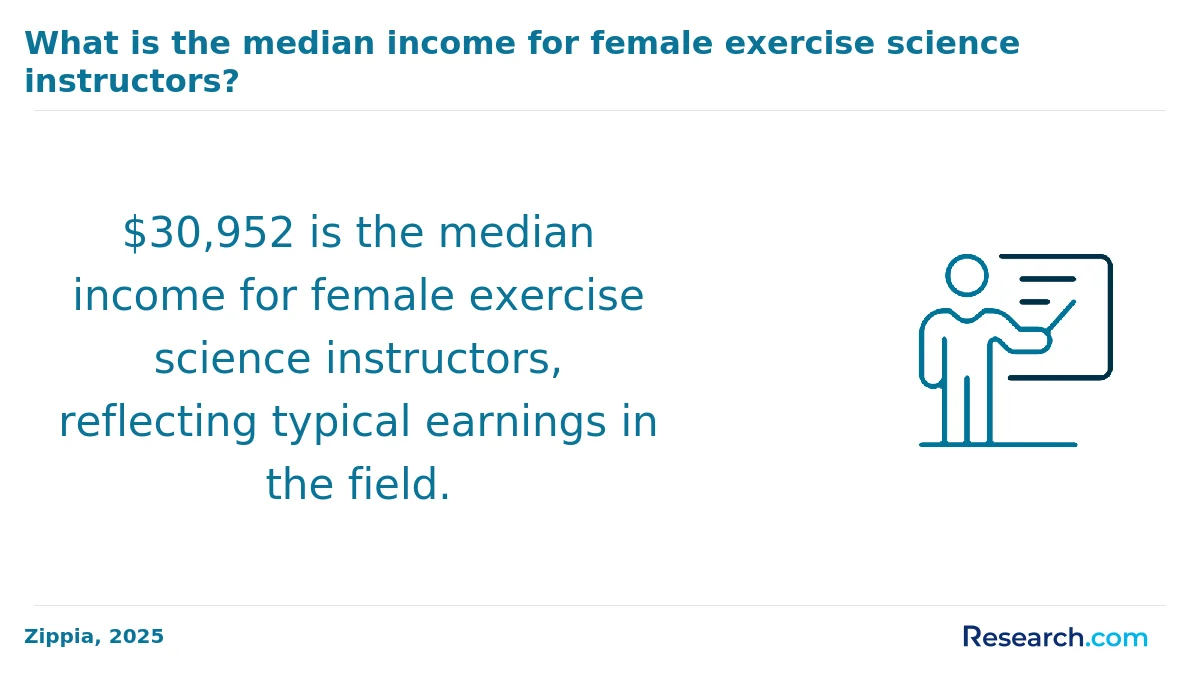
- Exercise science graduates in the South can expect competitive salaries, with fitness trainers and instructors earning around $20 per hour on average, reflecting steady demand in the growing health sector.
- A graduate from a popular Southern university might pursue careers such as physical therapy assistant, personal trainer, or wellness coach, all offering rewarding opportunities to help others improve their health.
- Completing an online exercise science degree offers flexibility and convenience, enabling students to balance work, family, and studies while gaining the same valuable knowledge as traditional programs.
- 2027 Fastest Online Exercise Science Degree Programs Ranking in the South
- What can I expect from online exercise science degree in the South?
- Where can I work with online exercise science degree in the South?
What can I expect from online exercise science degree in the South?
Students often assume that pursuing an online exercise science degree in the South comes with high tuition fees, yet many find the opposite to be true. Graduates from well-regarded Southern institutions frequently share how in-state tuition discounts at public universities make these programs surprisingly affordable. One graduate reflects on balancing work and study while benefiting from costs that were much lower than initially expected, easing the financial burden.
For example, universities in Texas and Florida offer competitive rates, sometimes nearly half the price of out-of-state or private alternatives. These savings allow students to focus more on mastering subjects like anatomy, kinesiology, and nutrition without overwhelming financial stress. Additionally, scholarships targeted at health science students further reduce expenses, adding hope and motivation.
Real-life alumni stories emphasize how flexible pricing combined with supportive financial aid reopened doors for many who believed online education in this field might be out of reach. This practical affordability challenges the myth that quality exercise science education must come at a steep price.
Where can I work with online exercise science degree in the South?
Graduates with an online exercise science degree in the South find themselves stepping into dynamic roles that challenge traditional boundaries. Rather than limiting themselves to gyms or clinics, many are thriving in outpatient rehabilitation centers across Texas and Georgia, collaborating with physical therapists to craft recovery plans that truly restore mobility. Imagine designing a program that helps a patient regain independence after surgery-this hands-on impact is what drives fulfillment.
Others working near universities known for strong exercise science programs, like those in Florida, embrace the energy of campus life as athletic trainers or strength coaches, fueling student-athletes' success with personalized training strategies. The South's booming health club scene also offers graduates exciting possibilities to innovate corporate wellness programs that transform everyday workspaces into hubs of vitality.
Graduates pursuing roles in public health agencies tackle pressing challenges like obesity and cardiovascular disease, creating community programs that resonate deeply with local populations. Meanwhile, entrepreneurial grads leverage expanding telehealth options to build personal training businesses that connect with clients beyond regional borders.
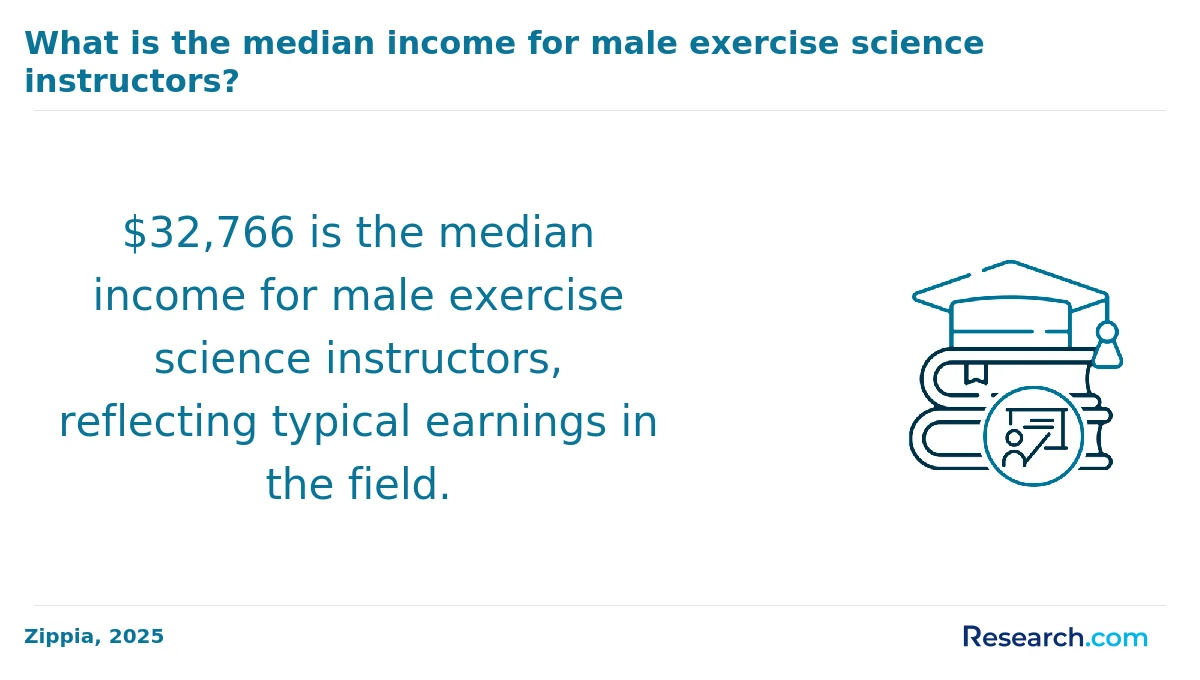
Graduates holding an online exercise science degree in the South often hear varying figures about potential earnings, but reality offers a clearer picture when you dig deeper. While exact salary data from national sources is limited, many Southern graduates report starting salaries around $40,000 to $48,000. For example, alumni from well-known programs at universities like the University of Florida or Texas A&M describe early career roles in fitness instruction or rehabilitation where these figures align closely with on-the-ground experience.
Experience transforms earnings significantly. It's common for those with certifications such as the Certified Strength and Conditioning Specialist (CSCS) or ACSM credentials-as seen in graduates from Louisiana State University's online programs-to boost their pay by 10%-20%. Mid-level professionals in larger Southern cities like Dallas or Miami often see salaries rise above $55,000, sometimes reaching $60,000 or more, especially when involved with major healthcare systems or collegiate sports teams.
This evolving landscape challenges the myth that online degrees are less valuable. Southern graduates share stories of steady wage growth and expanding roles in health and wellness fields, showing how an online exercise science degree equips them for meaningful, financially rewarding career paths in a region where demand for their skills continues to grow.
- Tuition for online exercise science degrees in the South typically ranges from $7,000 to $15,000 per year for in-state students.
- Employment in fitness, therapy, and wellness coaching is expected to grow by about 10% over the next decade.
- Entry-level salaries average between $35,000 and $45,000 per year, with experienced professionals earning $50,000 to $70,000 annually.
- Accreditation by bodies like CAAHEP is important for program quality and recognition.
- Graduates often qualify for certifications such as Certified Exercise Physiologist (CEP) and Certified Strength and Conditioning Specialist (CSCS).
Completing an online exercise science degree in the South often challenges the typical four-year narrative. Graduates from institutions like the University of North Carolina or Florida State University share stories of balancing work, family, and online classes, discovering that the journey can span anywhere from two to four years depending on their unique circumstances.
Many find accelerated options appealing, shaving years off their studies by leveraging prior credits or associate degrees earned elsewhere. This flexibility reflects real life-part-time learners juggle jobs and internships, choosing to extend their education beyond the traditional timeline without sacrificing quality.
Consider a student at Georgia Southern University who took advantage of cohort-based courses and transferred military training credits, graduating in just three years with a sense of accomplishment and renewed purpose.
Such experiences highlight that completion time isn't just a number-it's about tailoring the degree to fit personal goals and life demands within a Southern context where affordability and flexibility create real opportunities.
Online and on-campus exercise science degrees in the South differ most notably in how students engage with their studies. Imagine a graduate from Florida State University, balancing work and family, who finds online classes a lifesaver-offering flexibility to watch lectures at midnight or during lunch breaks. This contrasts with graduates from the University of North Carolina, who often cherish the in-person exchange of ideas and immediate access to campus labs and fitness centers, where hands-on practice sharpens their skills.
Yet, does this mean on-campus is objectively better? Not necessarily. While traditional students benefit from direct supervision during clinical practice, many online learners creatively connect with local facilities, overcoming geographical hurdles. Cost is another sharp divider-online programs in Southern states tend to trim expenses like commuting and housing, easing financial pressure without sacrificing accredited instruction recognized by bodies such as CAAHEP.
The choice often boils down to personal rhythms and resources rather than academic quality, driving a rich diversity of successful exercise science careers across the South.
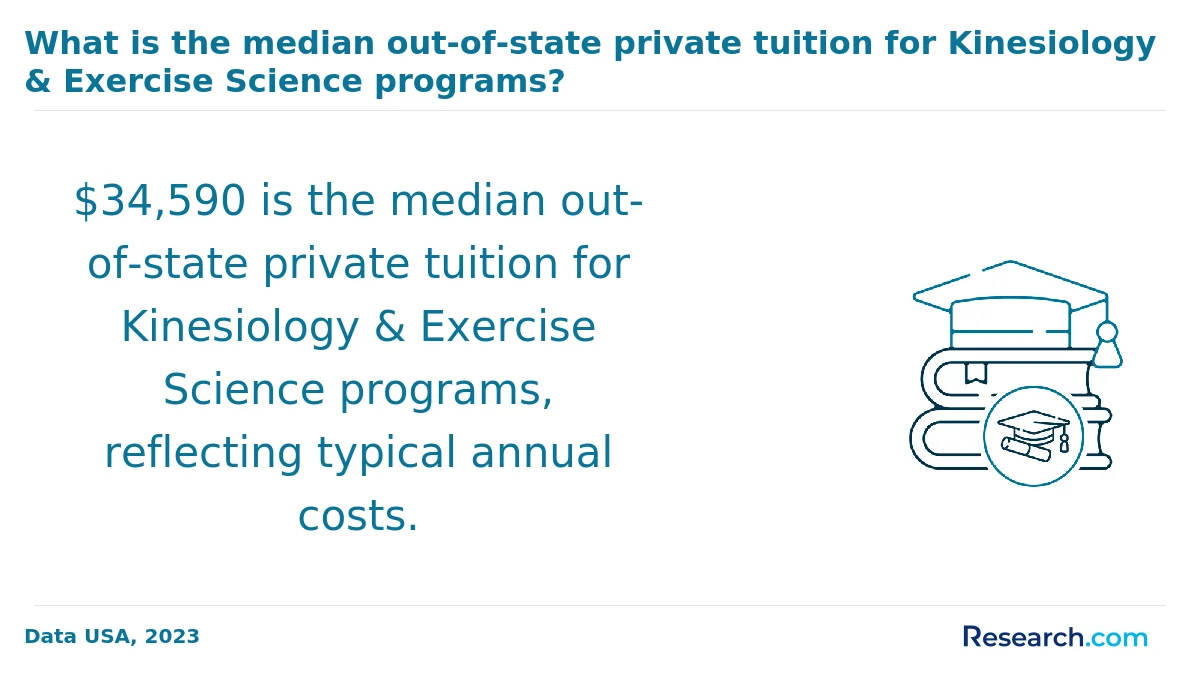
The average cost of an online exercise science degree in the South typically centers around $22,212, with in-state students often seeing lower total costs near $19,836. Graduates from popular Southern universities frequently reflect on how managing in-state tuition made their journey more affordable and less stressful, enabling them to focus on gaining practical skills rather than worrying about finances. However, the financial landscape can shift dramatically for out-of-state learners, where tuition may rise close to $35,795, underscoring the value of residency status in determining educational expenses.
Recognizing the average cost of online exercise science degree in the South means considering more than just tuition: additional expenses like textbooks, lab fees, and technology can increase yearly costs by $1,000 to $2,500. Many students express relief in discovering affordable online exercise science programs Southern US that combine quality education with manageable expenses, often paired with scholarships or military discounts to ease the burden. These options allow learners to deeply engage with their coursework without financial distractions.
Students from institutions known for strong online exercise science programs highlight how flexible payment plans and financial aid often make a significant difference. When exploring how to afford this degree, it helps to review program offerings and accreditation through resources such as the Southern Association of Colleges and Schools Commission on Colleges, ensuring well-informed choices. For those curious to find the best fit, exploring easy online kinesiology degree programs can be an accessible next step in their academic journey.
Students pursuing online exercise science degrees in the South often discover that financial aid is more accessible than they initially expected. Federal aid through FAFSA stands as a crucial lifeline, offering Pell Grants that can cover up to $7,395 annually without the burden of repayment. Many graduates from institutions like the University of Florida highlight how this grant lightened their financial load, making their aspirations feel genuinely achievable.
Beyond federal help, state-funded grants in places such as Georgia and Texas present tailored opportunities for in-state students. Imagine attending a state university and receiving an extra $3,000 to $5,000 annually just for pursuing health sciences-this can transform the entire educational journey from stressful to empowering.
Institutional scholarships at universities like UNC bring another layer of support, often designed specifically for exercise science learners. Those who've navigated these scholarships share stories of renewed confidence when merit or need-based aid allowed them to focus more on learning and less on loans.
Lastly, employer tuition assistance programs offer real-world financial relief for working students. Many balancing fitness careers or healthcare jobs in the South find it uplifting to receive company support, fueling their education and career growth simultaneously.
Professional certifications validate your expertise and increase credibility with employers.
- ACSM Certified Exercise Physiologist: Ideal for clinical settings and rehabilitation centers.
- NSCA Certified Strength and Conditioning Specialist (CSCS): Focuses on athletic performance and training.
- NASM Certified Personal Trainer (CPT): Emphasizes personalized program design for diverse clients.
State licensure requirements vary-research your state board for specific mandates. To broaden clinical opportunities, some graduates also pursue medical assistant certification, opening doors in hospitals and outpatient clinics.
Enrolling in an online exercise science degree in the South demands more than just ticking boxes-it requires a foundation that reflects your readiness to dive deeply into this dynamic field. Graduates from well-known Southern universities often recall the initial hurdle of meeting a 2.5 GPA minimum or higher, which challenged them to hone discipline early on. While some may see standardized tests like the SAT or ACT as outdated gatekeepers, institutions in states like Florida and Georgia still use these scores to gauge potential, proving that old standards can linger even amid newer test-optional trends.
Many students remember facing prerequisite courses in biology, chemistry, or anatomy as eye-opening moments, unlocking essential insights before progressing. For example, tackling these subjects beforehand simulates the rigor of understanding exercise physiology online, where virtual labs and interactive platforms demand sharp focus and reliable technology-a factor that Southern learners often overlook at their own peril.
What sets some apart is their proactive approach to technical readiness and compliance with background checks, especially for clinical practicum. Recognizing these hurdles as doorways rather than obstacles often fuels a rewarding journey in blending science with physical well-being.
After graduation, industry credentials validate your expertise and boost career prospects. Common certifications include:
- ACSM Certified Exercise Physiologist (EP-C)
- ACSM Registered Clinical Exercise Physiologist (RCEP)
- NSCA Certified Strength and Conditioning Specialist (CSCS)
- NASM Certified Personal Trainer (CPT)
Some roles also require state licensure or specialized clinical credentials. Graduates interested in allied health opportunities can explore medical assistant certification to expand their skill set.
Students enrolled in online exercise science degrees in the South quickly discover that the curriculum goes beyond textbook learning-it's about understanding the intricate dance of the human body. Graduates from well-known Southern universities often recall their deep dives into human anatomy and physiology, where they visualized muscles contracting during a workout or the cardiovascular system in motion during a run. These experiences bring scientific knowledge to life in vivid ways.
Courses in exercise physiology challenge students to think critically about how different types of physical activity influence health, sparking an appreciation for the body's adaptability. Kinesiology classes deepen this understanding by studying movement mechanics, which graduates found especially relevant when designing programs for diverse populations in local community centers they volunteered with.
Nutrition courses tailored to athletes proved eye-opening, connecting diet directly to performance and recovery. Others highlight biomechanics, sports psychology, and emergency care, helping students feel prepared for real-world challenges-from analyzing force impacts in sprinting to managing sudden injuries during fitness events in their home states.
Exploring online exercise science specializations in the South reveals programs far beyond the generic offerings one might expect. Graduates from popular Southern universities often share how diving into tracks like Sports Performance and Conditioning transformed their understanding of athletic training, sharpening skills to elevate real-world team dynamics. Meanwhile, Clinical Exercise Physiology beckons those intrigued by rehabilitative work, helping individuals manage chronic illnesses-a specialization deeply valued in regions with growing health challenges.
Strength and Conditioning and Wellness and Health Promotion stand out as favorites, where learners build tangible expertise, whether preparing corporate wellness initiatives or coaching youth sports teams. These choices reflect a broader trend among Southern students seeking practical applications in their communities. Rehabilitation Science, often linked with kinesiology and therapy, equips students with tools to impact recovery journeys profoundly-a common aspiration for online learners balancing studies with life.
Affordability and diverse paths position Southern region exercise science degree options as uniquely appealing. For insights on program quality and variety, potential students might explore online kinesiology programs, which highlight many of these compelling specializations.
Choosing the best online exercise science degree in the South means questioning the usual checklist. Accreditation is non-negotiable-graduates from well-known Southern universities often recall how CAAHEP or SACSCOC recognition opened doors in local job markets like Florida or Texas, where healthcare growth is booming. Cost, however, should not be your sole compass. Many affordable exercise science degrees southern US offer broad curricula that prepare students for certifications such as CSCS or NSCA personal trainer credentials, which proved invaluable to successful alumni juggling family and work alongside studies.
Beyond tuition, consider how program flexibility impacts your life. Graduates from top Southern schools praise asynchronous classes enabling them to retain jobs or train clients while advancing their degrees. Look for schools emphasizing practical, hands-on learning in biomechanics or kinesiology, often causing graduates to feel confident stepping into roles in rehabilitation or wellness sectors.
Finally, explore not only schools' stats but personal stories and outcomes; students from popular colleges in the South often highlight how robust graduation and job placement rates reflected their own seamless transition into careers. For informed choices, also visit resources like cheapest online masters in exercise science for deeper financial insights.
Graduates with an online exercise science degree from universities in the South often find themselves at the intersection of passion and opportunity. The path to becoming a certified personal trainer or fitness instructor is a popular first step, especially in states like Texas and Florida where the fitness industry is booming. Many graduates reflect on their excitement helping clients achieve transformative health goals, proving that these careers are far more than routine jobs.
Others embrace more specialized roles such as exercise physiologists, working in rehabilitation settings to design recovery programs for patients. This role, increasingly in demand in the South, lets professionals directly impact lives-an aspect that many graduates from schools in the region find deeply rewarding. The growing focus on health in Southern communities fuels these career options, illustrating how online exercise science careers in the South offer dynamic, real-world relevance.
Some graduates also thrive in sports performance coaching and athletic training, often securing certifications through reputable Southern colleges. They describe the intense satisfaction of enhancing athletic potential and conditioning elite athletes. Health promotion specialist and wellness coordinator jobs are expanding as corporations in the South prioritize well-being, highlighting diverse prospects beyond traditional fitness roles.
For students weighing the cost of their education, many programs offer affordable tuition, prompting comparisons with other fields. Those eager to explore options might find the cheapest sports management bachelor's degree online an intriguing alternative, blending management skills with exercise science knowledge.
The job outlook for exercise science graduates in the South defies simple expectations, as the region balances rapid growth in health and fitness with wider economic factors. Graduates from well-known universities in Texas and Florida find themselves stepping into expanding roles within rehabilitation clinics and sports performance departments, often describing their new jobs as both challenging and fulfilling. These Southern institutions emphasize practical skills, giving students real-world experience that employers value highly.
Many graduates note how Southern states' increasing investment in community health and senior fitness programs opens unique career pathways in public health, blending exercise science expertise with broader wellness goals. The job market for online exercise science degree career opportunities South is dynamic, with hospitals and wellness centers actively recruiting those with fresh knowledge and certifications. While salaries may sometimes trail national averages, graduates point out that lower living costs and strong community ties make these jobs attractive and sustainable.
For prospective students seeking affordable and reputable programs within this competitive landscape, exploring the cheapest physical education master's programs online can reveal pathways to success without excessive financial burden.
2027 Fastest Online Exercise Science Degree Programs Ranking in the South
Investing in your education is a significant decision that requires careful consideration, and the Research.com team recognizes the importance of providing reliable guidance. To support prospective students interested in online exercise science degrees in the South, we have developed the "2027 Fastest Online Exercise Science Degree Programs Ranking." Our team has dedicated extensive effort to ensure the ranking's quality, credibility, and accuracy through thorough research and analysis.
We utilized the following reputable data sources to create this comprehensive ranking:
By reviewing this ranking, readers will obtain valuable insights into the fastest online exercise science degree programs in the South, assisting them in making well-informed educational decisions. For further information about how this ranking was developed, please visit our Research.com methodology page.
# 1 position
Louisiana State University and Agricultural & Mechanical College
Master of Sport Management



# 17 position
Cameron University
Bachelor of Sports and Exercise Science


Frequently Asked Questions About exercise science
Online exercise science degree students in the South can maximize their learning by actively engaging with virtual labs and simulation software offered by their programs. Hands-on practice is critical in this field, and technologies such as video demonstrations and interactive modules help translate theoretical knowledge into practical skills. Students should also participate in online discussion forums and study groups to deepen understanding through peer interaction.
Utilizing regional internship opportunities is vital. Many Southern states, including Georgia and Texas, have strong healthcare and sports science industries that provide valuable real-world experience. According to the Bureau of Labor Statistics, employment for exercise physiologists is projected to grow 11% through 2032 in the Southern US, highlighting career potential.
Finally, students benefit by seeking programs accredited by the Commission on Accreditation of Allied Health Education Programs (CAAHEP) to ensure quality education aligned with industry standards.
The exercise science field is rapidly evolving, with several emerging niches gaining attention in the South. One growing area is sports performance analytics, where professionals use technology to enhance athlete training and recovery. This niche responds to the increasing investment in southern collegiate and professional sports teams.
Another promising specialty is geriatric fitness, reflecting the region's aging population. Programs now emphasize training tailored to older adults to promote mobility and reduce injury.
Additionally, rehabilitation technology integration, including wearable devices and tele-rehabilitation, is becoming popular in exercise science curricula across Southern universities.
These trends highlight the dynamic opportunities for students pursuing online degrees in the region.
After completing an online exercise science degree in the South, preparing for the job market involves several key steps. First, gaining relevant certifications, such as the Certified Strength and Conditioning Specialist (CSCS), can improve employability, as many employers prefer certified candidates. Networking within regional professional organizations like the Southeast American College of Sports Medicine chapter can open doors to job opportunities.
Internships and practical experiences, even if completed virtually, are essential to build hands-on skills. According to the Bureau of Labor Statistics, employment for exercise physiologists in the Southern US is projected to grow by 11% through 2031, indicating growing demand.
Lastly, tailoring resumes to highlight both academic achievements and practical experience is crucial in this competitive field.
Employers in the South value exercise science graduates who demonstrate strong analytical and practical skills. Graduates should excel in understanding human anatomy, physiology, and biomechanics to design effective fitness and rehabilitation programs. Communication skills are essential, as professionals often work with diverse clients and healthcare teams.
Additionally, proficiency with technology, such as fitness assessment tools and data analysis software, is increasingly important. According to the American College of Sports Medicine, 65% of Southern employers prioritize applied knowledge in exercise testing and prescription.
Knowledge of injury prevention and adapting programs for different populations also sets candidates apart in regional job markets.
Finding internships in the South for exercise science students often begins with contacting university career centers, which have partnerships with local health clubs, rehabilitation centers, and sports teams. Many Southern schools also list regional internship opportunities on their websites. According to the Bureau of Labor Statistics, Southern states like Texas and Florida have growing markets for exercise professionals, increasing internship availability.
Professional organizations such as the American College of Sports Medicine (ACSM) offer internship listings and networking events specific to the region. Additionally, reaching out directly to hospitals and fitness centers in metropolitan areas like Atlanta or Miami can lead to valuable hands-on experience.
Students should also consider virtual internships, which have expanded recently, providing flexible options that suit online degree timelines.
Obtaining an online exercise science degree in the Southern United States can significantly boost career mobility and advancement opportunities. The South is home to a growing health and wellness industry, with demand for qualified professionals expected to rise by 15% through 2030, according to the U.S. Bureau of Labor Statistics.
Online degrees from accredited Southern institutions allow students to gain relevant knowledge while maintaining flexibility, making it easier to enter or progress in fields such as physical therapy, sports medicine, and fitness training. Employers in states like Texas, Florida, and Georgia increasingly recognize these programs for their rigorous curriculum and practical application.
Graduates often qualify for certifications and advanced roles, which translate into higher salaries and leadership positions. Regional healthcare providers and fitness centers actively seek individuals with this specialized education, supporting career growth across the South.
Studying for an exercise science degree online in the South offers students a strong foundation for interdisciplinary careers in health, wellness, and rehabilitation. Southern universities often integrate coursework from kinesiology, nutrition, psychology, and biomechanics, reflecting the region's diverse health needs. According to the Southern Association of Colleges and Schools Commission on Colleges, many programs emphasize collaboration with fields like physical therapy and sports medicine, preparing graduates for roles requiring cross-disciplinary knowledge.
Additionally, the South's growing population and increasing rates of chronic diseases have led institutions to include public health components in their curricula. This equips students to work effectively in team environments and address complex health challenges. Such preparation enhances employability in settings ranging from clinical environments to wellness centers.
When choosing between a thesis and a non-thesis online exercise science degree in the South, students should consider their career goals and learning preferences. A thesis option typically involves original research and prepares students for doctoral programs or research positions. Non-thesis programs focus more on practical skills and coursework, ideal for those aiming at clinical or fitness careers.
Many Southern universities offer both pathways, but the thesis track can take longer due to research requirements. According to the National Center for Education Statistics, about 35% of exercise science graduate students in the South choose thesis programs. Understanding these differences helps students select what aligns best with their future plans.
Students located in the Southern United States who wish to study exercise science abroad typically face limited direct options due to geographic and accreditation differences. However, many universities in the South offer online degree programs with international partnerships or study-abroad components that allow students to gain global experience while completing a U.S.-accredited degree. According to the National Center for Education Statistics (NCES), approximately 10% of Southern exercise science students engage in short-term international study opportunities.
Many Southern institutions emphasize internships and practical experiences that can be completed overseas through established networks. This approach helps students develop intercultural competence without transferring to foreign universities. Schools often provide academic advising to help students navigate international credits and clinical placement requirements.
Students pursuing online exercise science degrees in the South have diverse part-time job options that enhance their education and experience. Common opportunities include working as fitness instructors or personal trainers, where applying exercise science principles daily reinforces learning. According to the U.S. Bureau of Labor Statistics, the Southern states report a growing demand for these roles, with employment in fitness-related jobs projected to grow by 11% through 2032.
Additionally, students can seek roles as rehabilitation aides in clinics or sports facilities, helping support patients' recovery and gaining practical skills. Working in university athletic departments as student assistants is also popular, providing exposure to sports science research and practice. These positions not only support coursework but improve graduate employability in the Southern job market.
Online exercise science students in the South benefit from several key networking opportunities that support their academic and professional growth. Many Southern universities offering online programs actively facilitate virtual networking events, connecting students with faculty, alumni, and local professionals. According to the Southern Association of Colleges and Schools, these events often include webinars, guest lectures, and career fairs focused on health and fitness industries.
Regional organizations like the Southern District of the American College of Sports Medicine provide student memberships, granting access to conferences and workshops. Additionally, partnerships between universities and local health centers enable online students to participate in internships and practicum experiences, which are valuable for building professional connections.
Alumni networks offer significant benefits to students pursuing online exercise science degrees in the South. These networks provide vital professional connections, which can lead to internships, job opportunities, and mentorship. According to the National Academy of Kinesiology, 70% of graduates in exercise science fields find employment through networking.
In the Southern states, where exercise science programs are growing, alumni often share region-specific insights on local health industries and fitness trends. This regional knowledge helps students tailor their careers to local demands.
Engagement in alumni networks also supports ongoing education and professional development, which are essential in this evolving field.
Customizing your online exercise science degree in the South allows you to align your education with your specific career goals. Many Southern universities offer elective courses or concentrations in areas like sports performance, rehabilitation, or health promotion. Choosing these options lets you focus on specialties that match your interests.
Some programs also provide opportunities for internships or practicum experiences with local healthcare or athletic organizations, which can build practical skills and networks. According to the Southern Association of Colleges and Schools, accredited programs often include tailored advising to support individual career paths.
Exploring certificates in related fields, such as nutrition or wellness coaching, can further enhance your degree's relevance to your goals.
Online exercise science students in the South face several common challenges. Limited local internship opportunities can be a significant hurdle, as practical experience is essential for degree completion. Many rural areas in the South lack access to specialized health and fitness facilities, reducing hands-on training options. According to the National Center for Education Statistics, about 40% of Southern college students report difficulty balancing coursework with family and work commitments, an issue amplified in demanding programs like exercise science.
Additionally, some students encounter inconsistent internet connectivity, particularly in rural Southern regions, affecting access to live lectures and resources. Finally, navigating state licensure requirements online can be complex, as these vary significantly across Southern states and impact career paths in exercise science.
With an online exercise science degree, you can pursue several professional certifications that improve career prospects in the South. Popular certifications include becoming a Certified Strength and Conditioning Specialist (CSCS) through the National Strength and Conditioning Association. This credential is highly respected in sports and fitness industries.
Another common option is the Certified Exercise Physiologist (CEP) offered by the American College of Sports Medicine (ACSM). This certification supports roles in clinical and wellness settings, aligning well with exercise science expertise.
For personal training careers, the ACSM Certified Personal Trainer or the National Academy of Sports Medicine (NASM) certification are widely accepted.
These certifications often require a bachelor's degree in exercise science or related field, which online programs from Southern universities can provide. According to the Southern Regional Education Board, the demand for exercise science professionals has grown by 12% over the past five years in this region.
When applying to an online exercise science program in the South, focus on presenting a clear, well-organized application. Highlight your academic achievements and relevant experience in health, fitness, or biology. Many Southern programs, including those accredited by the Commission on Accreditation of Allied Health Education Programs (CAAHEP), value hands-on experience documented even in virtual settings.
Include a compelling personal statement that explains your passion for exercise science and your goals within the Southern healthcare or fitness industries. Tailor your essay to reflect regional health concerns, such as high obesity rates in the South, citing sources like the CDC when possible.
Strong letters of recommendation from professionals familiar with your dedication to physical health can improve your chances. Be sure to meet all deadlines and submit transcripts promptly, as Southern schools report up to 20% higher application volumes for online programs.
The exercise science field is growing worldwide, reflecting a global interest in health and wellness. In the United States, especially in Southern states, the career outlook for exercise science professionals is very promising. According to the U.S. Bureau of Labor Statistics, employment of exercise physiologists is projected to grow 11% from 2022 to 2032, faster than the average for all occupations.
Internationally, exercise science careers vary widely, but the U.S. education system is highly regarded. Many South-based programs incorporate global best practices, preparing students for careers in diverse settings.
Research from the Southern Regional Education Board highlights a rise in online degree options in the South, making advanced education accessible for many.
Gaining practical experience while pursuing an online exercise science degree in the South is essential for career readiness. Many Southern universities incorporate internships and clinical placements as part of their curriculum. These opportunities often partner with local hospitals, fitness centers, and rehabilitation clinics, allowing students to fulfill hands-on requirements near their homes.
Additionally, students can engage in volunteer work or part-time roles in community health programs, which are prominent throughout Southern states. According to the Southern Association of Colleges and Schools Commission on Colleges (SACSCOC), experiential learning components are frequently mandated for degree completion in exercise science.
Virtual labs and simulation tools also supplement practical learning, especially when in-person options are limited. Combining these methods helps students build real-world skills while studying remotely.
Choosing the right concentration within an online exercise science degree in the South involves considering your career goals and the regional job market. Common concentrations include sports performance, clinical exercise physiology, and fitness management. According to the Southern Regional Education Board, healthcare and fitness industries in Southern states are growing 5% annually, increasing demand for specialized professionals.
Research programs accredited by the Commission on Accreditation of Allied Health Education Programs (CAAHEP) or the Commission on Accreditation in Physical Therapy Education (CAPTE) to ensure quality.
Look for concentrations offering hands-on experiences or internships, as Southern institutions often partner with nearby clinics and sports teams.
Review faculty expertise and alumni outcomes in your preferred concentration to gauge program effectiveness.
- Study Health & Exercise Science Abroad https://worldstrides.com/en-us/higher-ed/academics/health-exercise-science
- Sports and Exercise Science Personal Statement https://www.personalstatementservice.com/blog/examples/sports-and-exercise-science-personal-statement
- Exercise science: What exactly is it? https://www.scienceforsport.com/exercise-science/
- Beyond the Gym and the Field: Career Paths You Might Not Expect https://www.snu.edu/blog/beyond-the-gym-and-the-field-career-paths-you-might-not-expect
- Exercise and Sport Science (B.S.) - USC Upstate https://uscupstate.edu/programs/exercise-and-sport-science/
- Online Bachelor's in Exercise Science https://online.maryville.edu/online-bachelors-degrees/exercise-science/
- Top Trends in Exercise Science and How They Shape the Future of Wellness and Fitness https://experience.bastyr.edu/admissions-blog/top-trends-in-exercise-science
- Fitness Challenge Worksheet https://www.teacherspayteachers.com/browse/free
- My experience as a Sport & Exercise Science student https://wrexham.ac.uk/blog/posts/my-experience-as-a-sport-and-exercise-science-student/
- Sport and Exercise Science is at the heart of tackling global challenges https://www.physoc.org/blog/sport-and-exercise-science-is-at-the-heart-of-tackling-global-challenges/