2027 Most Affordable Online Master's in Exercise Science Degree Programs Ranking in the Northeast

Co-Founder and Chief Data Scientist
Are you considering advancing your career with an online master's degree in exercise science? This article introduces the 2027 Most Affordable Online Master's in Exercise Science Degree Programs Ranking in the Northeast, developed by the Research.com team of data scientists.
It's designed to help you make an informed decision by highlighting programs that balance quality and affordability. Earning this degree can open doors to rewarding opportunities in health, fitness, and rehabilitation.
Explore your options confidently and find a program that fits your goals and budget with ease.
Key benefits of getting online exercise science degree in the Northeast
- Exercise science degree graduates in the Northeast can expect competitive salaries, with fitness trainers and instructors earning around $20.85 per hour and physical therapist assistants making approximately $28.63 per hour on average.
- Graduates from well-known Northeast schools often pursue careers such as athletic training, physical therapy support, or wellness coaching, providing diverse job opportunities that match various interests and skills.
- Online exercise science degrees offer flexibility and convenience, allowing students to balance work or family while earning their degree, as experienced by graduates from reputable Northeast universities offering accredited online programs.
- 2027 Most Affordable Online Master's in Exercise Science Degree Programs Ranking in the Northeast
- What can I expect from online exercise science degree in the Northeast?
- Where can I work with online exercise science degree in the Northeast?
What can I expect from online exercise science degree in the Northeast?
Students pursuing online exercise science degrees in the Northeast often find the cost varies significantly depending on whether they attend public or private institutions. For example, graduates from state universities typically mention paying between $8,000 and $15,000 annually for in-state tuition, which feels manageable for many balancing work and study. Meanwhile, private colleges, where some graduates found smaller class sizes and more personalized mentorship, usually charge upwards of $20,000 annually. These investment levels often reflect the program's robust offerings, such as access to cutting-edge virtual labs and exclusive research opportunities.
Several graduates recall being pleasantly surprised by the financial aid packages and scholarships available specifically for exercise science fields in the region, which helped ease their financial burdens while they engaged in remote internships with local healthcare providers. This blend of affordability and practical experience often fills students with confidence about their future careers in the thriving Northeast health and fitness industry.
Looking ahead, as technology advances and demand grows, programs in places like New York and Massachusetts could evolve to include even more immersive simulations and AI-driven personalized learning, potentially influencing cost structures but also increasing value for students.
Where can I work with online exercise science degree in the Northeast?
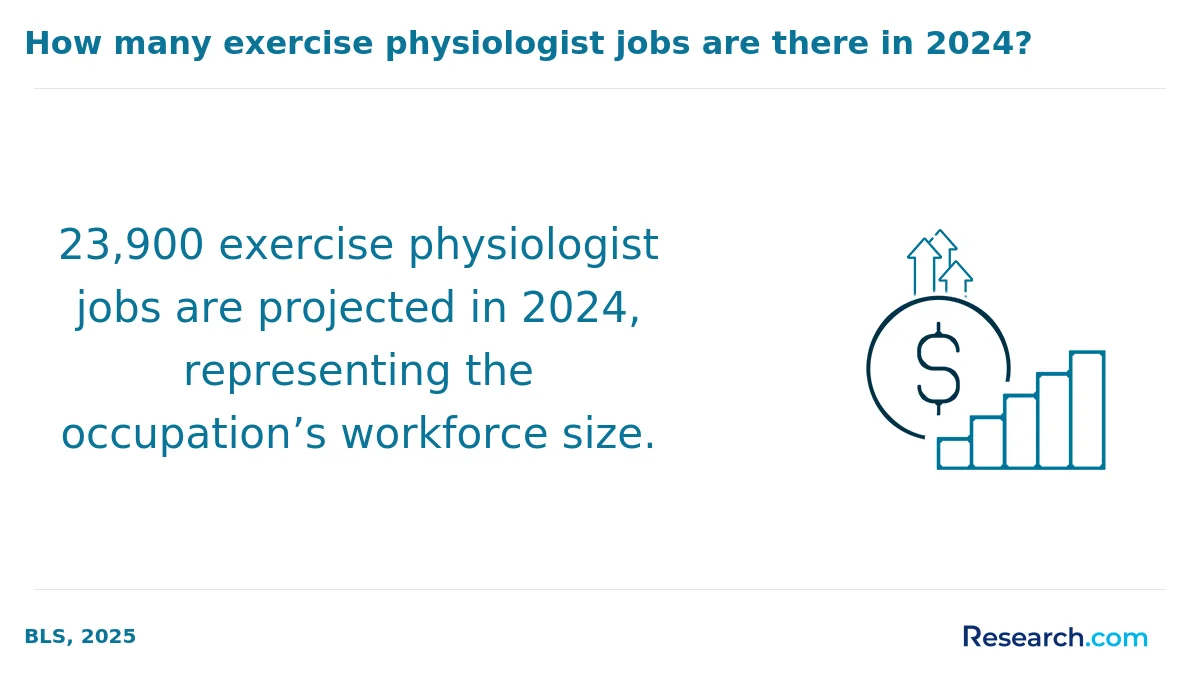
Graduates from online exercise science programs at well-known Northeast institutions often find fulfilling roles in healthcare settings such as hospitals and rehabilitation centers. Many recount designing customized recovery plans for patients overcoming surgery or chronic conditions, which brings a strong sense of purpose and community impact. The growing demand for exercise physiologists in states like New York and Massachusetts encourages graduates to pursue specialties in cardiac rehabilitation or elder fitness, often with attractive salaries.
The fitness industry offers dynamic career paths where graduates thrive as personal trainers or wellness coordinators in bustling urban areas like Boston and Philadelphia. Alumni from these programs share stories of helping clients achieve life-changing fitness goals, a rewarding experience that fuels their passion. With trends leaning toward preventive health, graduates are increasingly sought after to lead innovative corporate wellness initiatives.
Academic and public health opportunities are also expanding, with many graduates engaging in research or community health projects supported by universities and public health departments throughout the region. This diversity of roles ensures that exercise science graduates in the Northeast continue to influence health and wellness across various exciting professional landscapes.
Graduates from online exercise science programs in the Northeast often find encouraging salary prospects, with many starting roles aligning with general U.S. figures due to limited specific local data. Entry-level exercise physiologists typically earn between $45,000 and $65,000 annually, reflecting figures broadly reported for the region. For example, graduates from well-regarded institutions like Northeastern University or the University of Massachusetts often secure positions in hospitals or rehabilitation centers, experiencing firsthand the earning potential tied to these environments.
In vibrant metro areas such as Boston or New York City, professionals see growing demand for specialized skills, which can push salaries higher, especially for those with certifications like those from the National Strength and Conditioning Association. Graduates appreciate that with experience, their earnings can reach beyond $70,000, particularly when working in research or hospital settings.
Online learners often highlight the flexibility to gain certifications while balancing work, which enhances their career growth. As healthcare and wellness industries expand, graduates can anticipate not only steady income but also varied opportunities that reward advanced expertise and commitment.
- Online exercise science degrees in the Northeast typically cover human anatomy, kinesiology, physiology, and nutrition.
- The cost for a bachelor's degree usually ranges from $15,000 to $30,000, with public universities offering lower tuition for in-state students.
- Entry-level salaries for graduates are between $40,000 and $50,000 annually, increasing to $60,000-$75,000 with experience and certifications.
- The job market in this region is expected to grow by 10% through 2032, driven by demand for fitness trainers and physical therapist assistants.
- Many programs are accredited by CAAHEP, which supports eligibility for professional certifications or licenses after graduation.
Completing an online exercise science degree in the Northeast typically takes about four years for a bachelor's when attending full-time, with programs at schools like the University of Massachusetts Amherst aligning closely to this timeframe. Graduates often share how balancing coursework with life commitments felt manageable thanks to flexible scheduling and the availability of accelerated eight-week courses that many institutions now offer.
Master's programs tend to range from 18 months to three years, especially when pursued part-time. For example, students at the University of New Hampshire appreciate the pace that accommodates working professionals, allowing steady progress without overwhelming pressure. Many find that leveraging transfer credits and selecting programs with streamlined internship requirements significantly shortens their journey, boosting motivation and confidence.
Looking ahead, further innovations in online education may enhance this flexibility even more, empowering Northeast students to tailor their study pace while maintaining personal and professional balance-turning what once felt like a daunting timeline into an achievable, rewarding milestone.
Online exercise science degrees in the Northeast, offered by institutions like the University of Massachusetts and Northeastern University, provide students with a flexible learning environment ideal for balancing work and study. Graduates often share how virtual labs and simulations allowed them to experience core concepts anywhere, fostering a sense of autonomy and confidence in managing their time effectively.
In contrast, on-campus programs at places such as Boston University and CUNY Lehman College immerse students in hands-on experiences that online formats strive to replicate. Graduates often recall the energizing atmosphere of biomechanics labs and direct mentorship, which sharpened practical skills and expanded professional networks within vibrant campus communities.
Looking ahead, hybrid models may bridge these worlds by combining online flexibility with in-person practicums, especially important as some clinical certifications require physical presence. For Northeast students, choosing between formats means weighing personal rhythm against the unique value of face-to-face interactions that enrich learning and career readiness.
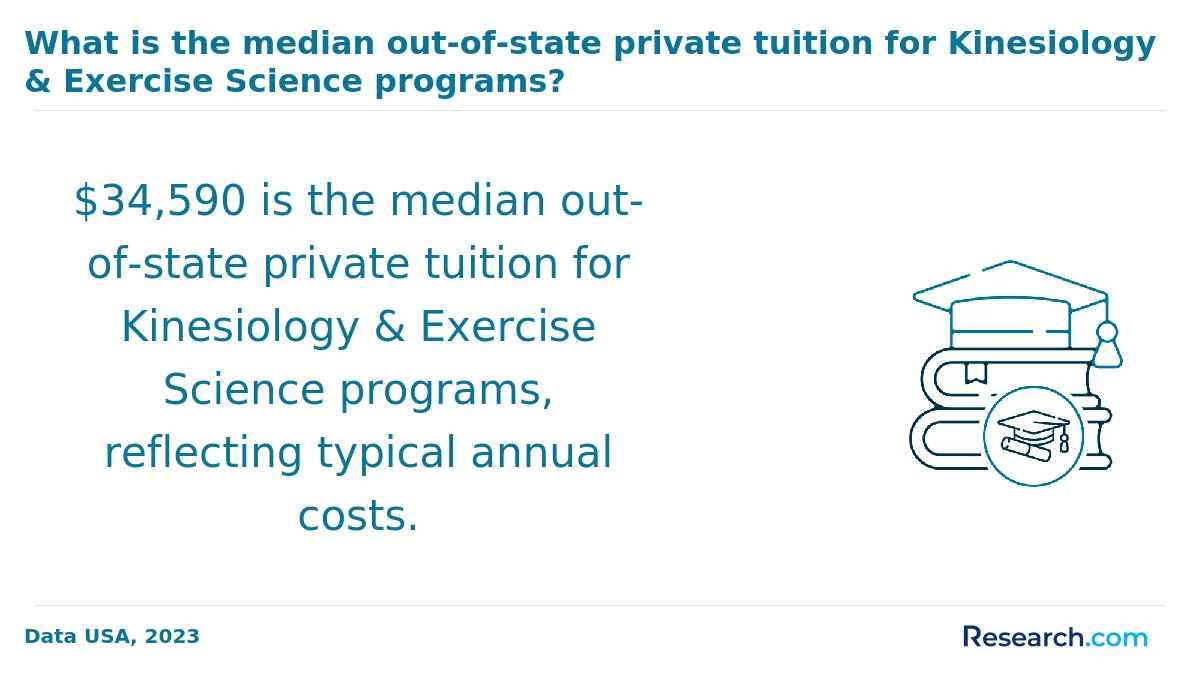
The average cost of an online exercise science degree in the Northeast typically centers around a median total of $25,935, with in-state students often paying closer to $16,353, while out-of-state learners might expect costs near $23,913. Graduates from well-known universities in this region frequently reflect on how the investment felt aligned with the comprehensive curriculum and access to expert faculty that online programs can offer. For example, students attending popular public institutions found in-state tuition rates manageable, typically priced per credit hour, which contributed to a steady but reasonable total tuition fee. This affordability makes public schools a strong option for those seeking affordable online exercise science master's programs northeast.
Many students appreciate programs that offer a balance between rigorous coursework and flexible online delivery, allowing them to juggle work and studies without compromising on quality. Graduates often recount the value of interactive virtual labs and practicums, which although sometimes requiring additional fees, enrich the learning experience by simulating real-world scenarios. The investment in these programs often translates into increased confidence and readiness to enter the health and fitness industry with strong foundational knowledge.
As tuition continues to vary, it's important to explore financial aid and scholarship opportunities that many Northeastern institutions provide, especially targeted at online learners. Budget-conscious prospective students may find it helpful to review the cheapest exercise science degree online programs for options that might reduce overall expenses while maintaining educational quality. Considering this, the average cost reflects not only tuition but also the added value of programs tailored to meet evolving industry needs.
Students pursuing an online exercise science degree in the Northeast often discover a variety of financial aid options that make their educational journey more affordable and hopeful. Graduates from well-known institutions like Northeastern University or the University of Massachusetts frequently share how federal loans, such as Direct Unsubsidized Loans, have eased their financial burden by offering up to $20,500 annually at competitive interest rates.
State-specific grants and scholarships can transform the affordability for in-state students in New York, Massachusetts, or Pennsylvania. For instance, a graduate at a Pennsylvania university found that a merit-based state scholarship significantly reduced tuition costs, allowing more focus on academic and career goals.
Many students cherish the opportunities presented by institutional assistantships, where research support or teaching roles come with tuition remission and stipends. This hands-on involvement not only funds their studies but also enriches their resumes. Professional organizations like the American College of Sports Medicine also inspire optimism by providing scholarships tailored for advanced degrees.
Looking ahead, online learners can expect more employer partnerships and innovative funding sources aimed specifically at healthcare and fitness professionals, reflecting the evolving landscape of financial aid in the Northeast.
Enrolling in an online exercise science degree in the Northeast increasingly hinges on a blend of traditional academic achievements and evolving prerequisites tailored to modern health demands. Graduates from institutions like the University of Massachusetts Amherst often recall needing solid foundational courses in biology and anatomy before diving into biomechanics and exercise physiology, reflecting a growing emphasis on interdisciplinary health knowledge.
Looking ahead, programs may expand prerequisites to include digital literacy and data analysis skills, preparing students to interpret wearable tech data or virtual fitness assessments. Many students from Temple University have shared how providing personal statements and letters of intent sparked a deeper, positive connection with admissions committees, showcasing their genuine motivation to contribute to the region's wellness growth.
Additionally, international learners typically submit TOEFL scores, but future trends might see more flexible language proficiency measures as programs become more globally accessible. Clinical background checks remain vital for hands-on internships, yet emerging virtual practicum models may redefine these requirements, making exercise science degrees in the Northeast even more attainable and dynamic.
Online exercise science degree programs in the Northeast typically include courses like exercise physiology, kinesiology, and biomechanics that provide students with a strong foundation in how the body moves and adapts to physical activity. Graduates from popular universities often recall how these classes helped them understand real-life training and rehabilitation scenarios, such as designing customized fitness plans for diverse clients.
Nutrition, anatomy, and motor learning courses deepen this knowledge, illustrating the vital connection between diet, musculoskeletal health, and skill acquisition. Students find this especially rewarding when applying their learning to community health projects or virtual fitness coaching offered through their programs.
Emerging trends suggest an increased emphasis on sports psychology, research methods, and health promotion, reflecting growing demands to support mental well-being and public health in dynamic environments. Northeastern graduates frequently express enthusiasm about hands-on clinical experiences gained via local healthcare partnerships, which solidify theory with practical skills.
As these programs evolve, future students can anticipate even more immersive, tech-driven coursework designed to prepare them for innovative careers in fitness, rehabilitation, and health promotion.
Online exercise science degrees in the Northeast commonly offer specializations such as Exercise Physiology, Sports Performance and Conditioning, Rehabilitation Sciences, and Clinical Exercise Science. Graduates from popular regional institutions often reflect on how their focus in Exercise Physiology prepared them for practical work in hospital-affiliated rehabilitation centers, enhancing both their confidence and clinical skills. With cities like Boston and New York hosting advanced healthcare facilities, students can envision engaging in cutting-edge research or community wellness initiatives that shape the future of exercise science.
Specializations in Sports Performance and Conditioning attract those eager to support athletes' development through tailored training programs, combining biomechanics with nutrition science. These programs resonate particularly well with prospective students exploring exercise science degree focus areas Northeast, as they align with the active lifestyles and competitive sports culture prevalent in this region.
Other emerging tracks such as Health and Wellness Coaching or Occupational Health reflect a growing corporate wellness trend. Northeast graduates often describe their experience as empowering, enabling them to influence workplace fitness culture. For those curious about program prerequisites, exploring kinesiology degree requirements can provide valuable guidance.
Choosing the best online exercise science degree programs Northeast requires you to consider how clearly a program integrates evolving technology and practical experience. Graduates from popular colleges in the Northeast often share how virtual labs and remote internships connected them directly with local health facilities, creating a seamless blend of theory and hands-on practice despite geographic constraints. This kind of immersive learning keeps students motivated and confident as they envision their careers unfolding.
Look for programs that embrace asynchronous coursework, allowing you to study on your personal schedule while balancing work or family commitments. Affordable exercise science master's degrees Northeast that emphasize solid student support bring a sense of belonging and reassurance, which graduates frequently mention as key to their success and retention.
With post-graduate pathways increasingly important, exploring programs that report strong career placement and certification exam pass rates can guide your choice. Some graduates highlight how data transparency helped them align their ambitions with programs promising future-ready skills and opportunities. To understand career potential in depth, consider reviewing the highest paying exercise science jobs that graduates are moving into.
Graduates with an online exercise science degree in the Northeast find growing opportunities as exercise physiologists and rehabilitation specialists within the region's thriving healthcare environment. Many alumni from well-known universities in Boston and New York describe how their coursework prepared them for roles supporting chronic disease recovery or designing preventative fitness programs. The rising demand for personalized health improvement fuels careers as health and wellness coaches or personal trainers, often in corporate or community wellness settings.
Strength and conditioning coaching remains a popular path, particularly tied to collegiate sports programs across Northeastern states, where graduates leverage specialized knowledge to enhance athletic performance. Others contribute as research assistants exploring innovative treatments in human movement, or join allied health roles like physical therapy assistants and occupational therapy aides.
Looking ahead, the diverse career landscape for online exercise science careers in the Northeast could expand further, blending technology and wellness trends. Some graduates also transition into related fields, tapping into emerging sports management jobs and salaries to broaden their impact and professional options.
The job market for graduates with online exercise science degrees in the Northeast is vibrant and expanding, driven by an aging population and increasing health awareness. Universities and colleges popular in the region offer flexible programs that prepare students for diverse careers, from clinical exercise specialists to wellness coordinators. Graduates report feeling optimistic about career prospects, often citing opportunities in sizable healthcare hubs like New York and Massachusetts. These states host large healthcare networks that actively seek professionals skilled in preventive healthcare and chronic disease management.
Students pursuing online exercise science careers in the Northeast benefit from programs aligned with certification standards, which helps them enter roles enhanced by telehealth and remote patient monitoring. Many alumni have shared how their education positioned them well for roles that blend fitness initiatives with technology. Additionally, those interested in advancing their knowledge often explore further credentials due to employer preferences for master's degrees or higher.
Exploring career options related to physical education teacher career paths complements many exercise science degrees, increasing versatility. Despite varying tuition costs, the long-term outlook suggests a rewarding return for students investing in these programs.
2027 Most Affordable Online Master's in Exercise Science Degree Programs Ranking in the Northeast
Investing in your education is a significant decision that can shape your future, and the Research.com team understands the importance of making informed choices. To assist prospective students in the Northeast, we have meticulously crafted the "2027 Most Affordable Online Master's in Exercise Science Degree Programs Ranking in the Northeast." Our commitment to quality, credibility, and accuracy is reflected in the extensive research and analysis conducted to compile this ranking.
We utilized the following reputable data sources to ensure a comprehensive evaluation of exercise science programs:
By exploring this ranking, readers will gain valuable insights into the most affordable and credible online master's programs in exercise science, empowering them to make well-informed decisions about their educational investments. For more details on how we created this ranking, please visit our Research.com methodology page.




Frequently Asked Questions About exercise science
Students pursuing online exercise science degrees in the Northeast can enhance their learning by engaging actively with virtual labs and simulation tools provided by their programs. These resources help bridge the gap between theory and practice, which is vital for exercise science careers. According to the National Strength and Conditioning Association, practical application improves retention by up to 70%.
Connecting with regional professional organizations, like the New England Chapter of the American College of Sports Medicine, also offers networking and internship opportunities. Furthermore, students should use state-specific health data from sources such as the Northeast Public Health Consortium to understand local fitness trends and health challenges.
Time management and regular communication with instructors strengthen comprehension and keep learners on track, essential for busy professionals balancing work and study.
The exercise science field is expanding with several emerging niches that appeal to students pursuing online degrees in the Northeast. One growing area is sports performance analytics, where professionals use data to enhance athlete training and recovery. Another important niche is clinical exercise physiology, focusing on managing chronic diseases through exercise. Additionally, occupational health and ergonomics are gaining traction, emphasizing injury prevention in workplace environments.
According to the National Center for Education Statistics, Northeast institutions have increased program offerings related to these specialties over the past five years. These niches reflect industry demand for specialized knowledge supporting health, wellness, and performance.
After completing an online exercise science degree in the Northeast, graduates should focus on gaining relevant experience to boost employability. Internships with local fitness centers or healthcare facilities provide practical skills and networking opportunities. Certification is another key step; credentials like the ACSM Certified Exercise Physiologist or NASM Certified Personal Trainer are widely recognized by employers. Regional job markets, such as Boston and New York, show strong demand for exercise science professionals, according to the U.S. Bureau of Labor Statistics. Additionally, joining professional organizations such as the Northeast Chapter of the American College of Sports Medicine can enhance career prospects through workshops and job boards.
Employers in the Northeast prioritize several key skills when hiring graduates with exercise science degrees. Strong knowledge of human anatomy and physiology remains essential, enabling graduates to design effective fitness and rehabilitation programs. Communication skills are also critical since professionals often work closely with clients and healthcare teams. According to the Bureau of Labor Statistics, collaboration and interpersonal abilities improve job prospects, especially in clinical or wellness settings.
Additionally, proficiency in data analysis and familiarity with exercise technology are increasingly valued. Programs accredited by the Commission on Accreditation of Allied Health Education Programs (CAAHEP) typically emphasize these skills. Understanding regional health trends, such as the rise in chronic conditions, helps graduates tailor approaches effectively in the Northeast market.
Finding internships in the Northeast for exercise science students involves leveraging regional resources and university partnerships. Many universities in the Northeast maintain strong connections with local hospitals, fitness centers, and rehabilitation clinics, which often offer internship opportunities. For example, institutions like Boston University and University of Pittsburgh have established programs linking students to healthcare facilities.
Students should also explore organizations like the American College of Sports Medicine (ACSM) Northeast chapter, which frequently posts internships and networking events. According to ACSM, over 40% of exercise science internships in the region are with clinical or sports performance settings.
Utilizing online platforms dedicated to healthcare internships, combined with faculty guidance, helps secure relevant placements. Early outreach and consistent networking increase chances of acceptance in competitive programs.
Obtaining an online exercise science degree can significantly enhance career mobility in the Northeast, where demand for health and fitness professionals is growing. According to the U.S. Bureau of Labor Statistics, the New England region is expected to see a 10% growth in related occupations through 2032, which is faster than the national average.
Online programs provide flexibility, allowing students to work while studying, strengthening their resumes and practical experience. Graduates often qualify for various certifications that boost job prospects in physical therapy, wellness coaching, and sports performance.
Employers in healthcare and fitness sectors in states like Massachusetts and New York increasingly value accredited online degrees, especially those recognized by the Commission on Accreditation of Allied Health Education Programs (CAAHEP). This recognition facilitates career advancement opportunities and higher earning potential.
Studying for an exercise science degree in the Northeast offers strong preparation for interdisciplinary roles due to the region's emphasis on integrating multiple health sciences. Many accredited programs incorporate coursework from physiology, nutrition, psychology, and biomechanics, equipping students to work collaboratively across healthcare fields.
The Northeast is home to numerous institutions recognized by the Commission on Accreditation of Allied Health Education Programs (CAAHEP), ensuring high educational standards. According to the National Center for Education Statistics, about 40% of US exercise science degrees awarded annually come from states like New York, Massachusetts, and Pennsylvania, reflecting robust academic offerings tailored to evolving industry demands.
Programs frequently include training in research methods and data analysis, fostering critical thinking skills valuable in interdisciplinary teams. Graduates often pursue roles in rehabilitation, wellness, and sports performance, requiring knowledge beyond traditional exercise science.
Choosing between a thesis and a non-thesis online exercise science degree in the Northeast depends on your career goals and learning preferences. Thesis programs require conducting original research, which can prepare students for doctoral studies or research-focused roles. Non-thesis options typically emphasize practical application and coursework, suiting those aiming for clinical or administrative positions.
The Northeast hosts several accredited universities offering both formats, with tuition varying by institution but often ranging from $15,000 to $30,000 annually. According to the National Center for Education Statistics, about 40% of exercise science master's students in this region opt for thesis tracks, reflecting interest in research careers.
Consider your time availability, financial resources, and professional aspirations when deciding between these two paths.
Students in the Northeast interested in studying exercise science abroad have limited direct options within U.S.-based online programs. Most accredited American universities offering online exercise science degrees focus on domestic coursework. However, some programs incorporate international case studies or global health perspectives to broaden understanding.
For actual study abroad opportunities, Northeastern students often engage in exchange programs or short-term residencies through their home institutions, rather than enrolling directly in foreign online degrees. According to the National Center for Education Statistics, less than 10% of online exercise science students report international study components.
Therefore, students should explore hybrid programs with global content or partner universities abroad while ensuring credits transfer efficiently within U.S. education standards.
Students pursuing online exercise science degrees in the Northeast can benefit from several part-time job opportunities that enhance their academic learning and professional skills. Popular roles include fitness trainer positions at local gyms or community centers, where hands-on experience with client assessment and program design is gained.
Additionally, internships or assistant roles in physical therapy clinics offer practical exposure to rehabilitation techniques. According to the Bureau of Labor Statistics, exercise trainers and group fitness instructors in the Northeast earn median hourly wages ranging from $18 to $25, providing both income and relevant fieldwork.
Campus wellness programs often hire student assistants to support health promotion activities, a convenient option for online learners. These jobs complement coursework by developing communication and leadership skills essential in exercise science careers.
Online exercise science students in the Northeast have multiple networking opportunities despite the remote nature of their studies. Many universities offer virtual career fairs and webinars connecting students with regional employers. Professional organizations such as the New England Chapter of the American College of Sports Medicine (ACSM) provide online events, workshops, and networking groups that are accessible to students across states like New York, Massachusetts, and Pennsylvania.
Additionally, students can join LinkedIn groups and local alumni associations, which often host meetups or mentorship programs virtually or in person. This regional focus helps students build valuable contacts in the Northeast fitness and health industries.
Alumni networks play a crucial role for students pursuing online exercise science degrees in the Northeast. These networks provide valuable connections to professionals working in regional healthcare, fitness, and research sectors. According to the National Strength and Conditioning Association, strong networking increases job placement rates by up to 30% in related fields.
Through alumni events, online forums, and mentorship programs, students gain insights into local industry trends and job opportunities. Many Northeast universities boast active alumni groups, which help in securing internships and career advice tailored to the region's growing demand for exercise science specialists.
Many online exercise science degree programs in the Northeast offer customizable options that allow students to tailor their studies toward specific career goals. For example, you can often select electives in areas like sports nutrition, clinical exercise physiology, or fitness management.
Additionally, some programs provide specialization tracks that align with certifications such as ACSM or NSCA, improving professional credentials and job prospects. Internships and practicum placements, sometimes arranged locally, help integrate practical experience.
According to the National Center for Education Statistics, institutions in the Northeast increasingly support flexible degree pathways so students can balance work and study while focusing on their desired industry segment.
Online exercise science students in the Northeast face several common challenges. Limited access to local internships or hands-on practicum experiences can hinder practical skill development, since exercise science often requires direct interaction with clients or lab environments.
Additionally, varying state regulations on professional certifications create confusion. For example, licensure requirements in states like New York and Massachusetts may differ, complicating career planning for students enrolled online across state lines.
Students also report balancing rigorous coursework with personal and professional responsibilities. According to a 2023 report by the National Society of Health and Physical Educators, nearly 60% of Northeast online learners juggle jobs and family alongside studies, affecting time management and course completion rates.
Finally, reliable internet access remains a concern for rural students in states such as Maine and Vermont, impacting access to synchronous lectures and digital resources fundamental to online programs.
With an online exercise science degree, graduates in the Northeast can pursue several well-recognized professional certifications. Popular options include the Certified Exercise Physiologist (EP-C) from the American College of Sports Medicine (ACSM) and the Certified Strength and Conditioning Specialist (CSCS) from the National Strength and Conditioning Association (NSCA). Both are highly regarded by employers in healthcare and fitness sectors across states like New York, Massachusetts, and Pennsylvania.
Additionally, many graduates seek the Certified Personal Trainer (CPT) credential, often offered by organizations such as ACSM or the National Academy of Sports Medicine (NASM). These certifications enhance job prospects and comply with regional accreditation standards.
According to the Bureau of Labor Statistics, jobs in this field are expected to grow by 11% through 2032, especially in urban Northeast areas where fitness and wellness industries continue expanding.
Writing a winning application for an online exercise science program in the Northeast begins with a clear, focused personal statement. Admissions committees value applicants who explain their motivation and career goals specifically related to exercise science.
Applicants should highlight relevant academic achievements, such as coursework in biology, physiology, or kinesiology, and any practical experience like internships or certifications.
It is important to research each program's unique strengths. Many Northeast programs, such as those in New York and Massachusetts, emphasize research and clinical practice, so tailoring your application to these aspects can improve your chances.
Additionally, strong letters of recommendation from science or health professionals enhance credibility.
Maintaining a competitive GPA, typically above 3.0, and meeting standardized test requirements where applicable supports a successful application according to data from the National Center for Education Statistics.
The global perspective on a career in exercise science highlights increasing demand for professionals who can address health, fitness, and rehabilitation needs. In the United States, particularly in the Northeast, job growth for exercise physiologists is expected to rise by 10% between 2022 and 2032, according to the U.S. Bureau of Labor Statistics.
Worldwide, exercise science careers focus on preventive health and chronic disease management. In the Northeast, institutions offering online exercise science degrees emphasize evidence-based practices to prepare graduates for this evolving landscape.
As health awareness grows globally, exercise science professionals are vital for developing programs that improve quality of life across populations.
Gaining practical experience while pursuing an online exercise science degree in the Northeast requires proactive planning. Many accredited programs integrate internships or practicum placements with local healthcare, fitness, or rehabilitation facilities. This hands-on experience is essential for developing skills in kinesiology, biomechanics, and clinical exercise testing.
Students can also seek volunteer opportunities or part-time roles at gyms, hospitals, or community health centers. The Northeast offers numerous sites known for health innovation, like Boston and Philadelphia, enhancing practical exposure.
According to the National Strength and Conditioning Association, 85% of exercise science graduates who completed internships secured employment within six months.
Choosing the right concentration within an online exercise science degree in the Northeast involves assessing your career goals and personal interests. Common specializations include kinesiology, sports psychology, or rehabilitation sciences. Data from the National Center for Education Statistics shows that programs in this region emphasize practical skills aligned with local healthcare and sports industries.
Consider local demand trends; for example, New York and Massachusetts have growing needs for rehabilitation specialists due to aging populations. Research program curricula carefully to ensure the concentration covers relevant certifications recognized by employers in the Northeast, such as NASM or ACSM. Also, evaluate faculty expertise and internship opportunities within nearby healthcare settings.
- Exercise Science Personal Statement https://www.bartleby.com/essay/Exercise-Science-Personal-Statement-C472C7B1E4BB40CB
- Exercise Science, BA https://www.nec.edu/programs/exercise-science-ba
- Beyond the Gym and the Field: Career Paths You Might Not Expect https://www.snu.edu/blog/beyond-the-gym-and-the-field-career-paths-you-might-not-expect
- Sports and Exercise Science Personal Statement https://www.personalstatementservice.com/blog/examples/sports-and-exercise-science-personal-statement
- Study Health & Exercise Science Abroad https://worldstrides.com/en-us/higher-ed/academics/health-exercise-science
- Shippensburg University - Why Exercise Science? https://www.ship.edu/academics/coehs/exercise_science/why_exercise_science/
- ESSA's career guide for Accredited Exercise Physiologists https://www.essa.org.au/Web/Web/Resources/Tools-and-templates/ESSA-AEP-Guide.aspx
- What does a career in Exercise Science look like? https://www.lmc.edu/about/news-center/articles/2025/what-does-a-career-in-exercise-science-look-like.htm
- Online Exercise Science Degrees: Top School Review https://www.edumed.org/online-schools/exercise-science-degrees/
- Exercise Science Degree Programs & Career Guide 2025 https://www.nutritioned.org/exercise-science-degree/