
2027 Most Valuable Online Engineering Degree Programs Ranking in the Northeast

Co-Founder and Chief Data Scientist
Choosing the right online engineering degree program can feel overwhelming, especially with so many options available in the Northeast. This article presents the 2027 Most Valuable Online Engineering Degree Programs Ranking in the Northeast, carefully crafted by the Research.com team of data scientists to guide your decision-making.
By exploring this ranking, you'll discover programs that combine quality education with strong career prospects. Earning an engineering degree opens doors to rewarding opportunities and personal growth, making it a valuable investment in your future.
Whether you're starting your journey or advancing your skills, this article is designed to support your goals with trusted, data-driven insights.
Key benefits of getting online engineering degree in the Northeast
- Engineering graduates in the Northeast can expect strong salaries, with mechanical engineers earning about $105,220 annually and electrical engineers making up to $117,680, offering great financial stability.
- Graduates from popular Northeastern universities often find diverse career paths, including civil, industrial, and mechanical engineering, providing exciting opportunities in various industries like construction and technology.
- Completing an engineering degree online at a reputable Northeast institution offers flexibility, allowing you to balance work and study while gaining valuable skills without relocating.
- 2027 Most Valuable Online Engineering Degree Programs Ranking in the Northeast
- What can I expect from online engineering degree in the Northeast?
- Where can I work with online engineering degree in the Northeast?
What can I expect from online engineering degree in the Northeast?
The average cost of an online engineering degree in the Northeast varies significantly, often ranging between $20,000 and $50,000 for full program completion, depending largely on the institution and specific engineering discipline. Graduates from well-regarded institutions in states like Massachusetts and New York frequently emphasize the value received for the tuition paid, noting the programs' rigorous content and strong industry connections, which justify the investment.
Many students appreciate the financial flexibility offered through employer tuition assistance and state-specific grants, which help mitigate overall costs. For instance, those studying at reputed universities report accessing such resources to balance work and study effectively without incurring overwhelming debt.
Online engineering degrees in the Northeast also benefit from competitive pricing strategies aimed at attracting non-traditional students, further enhancing accessibility. When considering tuition, prospective students should verify ABET accreditation to ensure the program meets professional licensure requirements, a common priority highlighted by recent graduates navigating career advancement.
Where can I work with online engineering degree in the Northeast?
Graduates with an online engineering degree in the Northeast often secure positions across diverse industries such as technology, advanced manufacturing, renewable energy, and consulting. For instance, those studying at prominent institutions like Northeastern University or Rensselaer Polytechnic Institute find employment in Boston's thriving tech sector, working with startups and established companies focused on software development, biomedical devices, or electrical engineering projects. Many graduates report active participation in projects involving systems design or cutting-edge hardware innovations, fostering a sense of accomplishment and career growth.
Others choose manufacturing hubs in Pennsylvania or upstate New York, joining firms that produce automotive components or medical equipment. These roles offer hands-on experience with industrial machinery and modern manufacturing technologies, often leading to leadership positions. Additionally, graduates drawn to renewable energy contribute to New York and New Jersey's expanding clean energy initiatives, engaging in impactful work on wind, solar, or energy efficiency projects that benefit their communities.
Consulting opportunities in cities like Philadelphia allow engineering alumni to influence large-scale infrastructure developments, making tangible improvements in urban environments. Online degree holders expressing enthusiasm emphasize how accessible programs in the Northeast enable them to enter these dynamic fields with competitive salaries and promising career trajectories.
Graduates holding online engineering degrees from respected institutions in the Northeast, such as those near Boston or New York, often find rewarding salary prospects. For example, mechanical engineers typically earn a mean annual wage around $105,220, while electrical engineers enjoy higher averages near $117,680. Civil engineers in the region can expect approximately $101,160 annually, reflecting the steady demand for infrastructure development in states like Massachusetts and New York.
These figures align with real experiences of graduates from prominent Northeastern colleges, who report entering the workforce with salaries ranging between $80,000 and $110,000 depending on their specialization and experience level. Industrial engineers also see competitive mean wages of about $103,150, driven by nearby manufacturing and technology hubs.
Many graduates appreciate the flexibility of online programs which allow them to gain credentials while working, quickly transitioning to roles with strong earning potential in the region's bustling engineering sectors.
- Online engineering bachelor's degrees in the Northeast cost between $30,000 and $60,000, with graduate programs averaging $20,000 to $40,000.
- ABET accreditation is important for program quality and is often required for licensure and employment.
- Entry-level engineers earn about $70,000 annually, rising to $100,000 after five or more years of experience.
- Job growth is expected in renewable energy and advanced manufacturing fields within the Northeast.
- Major cities like Boston, New York, and Philadelphia are key hubs for engineering jobs in research, design, and project management.
- Many programs prepare students for the Fundamentals of Engineering (FE) exam, the first step to becoming a licensed Professional Engineer.
Completing an online engineering degree in the Northeast generally ranges from two and a half to four years, depending on factors such as enrollment status and program flexibility. Graduates from well-known institutions like Northeastern University and Rensselaer Polytechnic Institute often highlight how accelerated programs enabled them to finish in as little as three years by taking additional credits during summer sessions or balancing part-time work alongside studies.
For full-time students pursuing a traditional bachelor's degree, the standard completion time is around four years. However, part-time options available at colleges such as the University of Massachusetts Lowell allow students to tailor their schedules, which may extend the duration but provide crucial flexibility for working professionals.
Master's-level engineering programs typically require one to two years full-time, with some students opting for a three-year part-time approach to manage career and family commitments. Many graduates appreciate these adaptive pathways, which accommodate their busy lives without compromising academic rigor.
Succeeding in an online engineering program requires proactive planning and resilience. Prospective students should consider strategies for effective time management, engaging virtual collaboration, and utilizing available academic resources to stay on track. One key tip is to establish a structured daily routine that accommodates study sessions, assignments, and interactive online lab work. Leveraging digital tools for organization and communication can help mitigate the potential isolation of remote learning while fostering a sense of community with peers and instructors. Another essential strategy is to actively seek support from career services and alumni networks. Many institutions offer mentoring programs, virtual workshops, and networking events that connect students with industry professionals. In fact, exploring opportunities such as those provided by a valuable engineering school in connecticut can offer additional guidance and industry insights, ensuring that your academic pursuits translate into successful career outcomes. Furthermore, it is beneficial to engage in continuous self-assessment by setting short-term goals and monitoring your progress against them. Embracing these challenges head-on and being adaptable to evolving industry trends will not only enhance your learning experience but also strengthen your professional credentials in a competitive job market.
On-campus engineering degrees in the Northeast offer immersive, hands-on experiences that many graduates value deeply. Attending institutions like MIT or Columbia University means access to advanced laboratories, workshops, and direct mentorship from faculty, fostering skills through face-to-face collaboration. Graduates often recall the immediate feedback during lab sessions and the vibrant campus networking that helped them build professional connections early on.
Conversely, online engineering programs provide a flexible alternative sought by working professionals or students balancing family commitments. These programs deliver lectures and coursework digitally, enabling study from anywhere-whether in rural Vermont or a busy New York neighborhood. Students appreciate the ability to engage in virtual labs and interactive forums, which replicate much of the in-class experience without commuting.
Tuition costs also differ: public on-campus programs typically exceed $12,000 annually for in-state students, while many online options offer pay-per-credit models that ease upfront financial pressure. However, online learners invest in reliable technology and internet access. Both pathways maintain ABET accreditation, assuring quality education tailored to varying lifestyles in the Northeast.
Choosing an accredited program safeguards your education and career prospects by ensuring rigorous standards and recognition by employers and licensing boards.
- ABET accreditation confirms that an engineering curriculum meets industry-defined outcomes and prepares graduates for professional practice.
- Regional accreditation (e.g., Middle States, NECHE) validates overall institutional quality and eligibility for federal financial aid.
- Specialized approvals (such as state engineering boards) can facilitate licensure and credential transfers.
Before applying, verify accreditation status on the ABET website or the institution’s official pages. Explore reputable options among online engineering schools to align quality with your goals.
The average cost of an online engineering degree in the Northeast is around $39,060 for the entire program, with both in-state and out-of-state students typically paying close to $46,230. These figures reflect the comprehensive tuition expenses required for completing such degrees, incorporating many popular institutions well-known for their rigorous engineering curricula. Graduates from universities in this region frequently highlight that the investment aligns with the quality and reputation of their education, particularly in fields with strong industry demand.
Many students pursuing online degrees in engineering from the Northeast experience the advantages of a well-structured program without additional costs related to housing or transportation, making the overall experience financially manageable despite tuition rates. For example, those enrolled in programs at prestigious schools such as Northeastern University or Rensselaer Polytechnic Institute often find the tuition fees correspond to the specialized knowledge and connections gained.
When considering northeast online engineering degree tuition fees, it is essential to recognize that fees may vary depending on the level of study, with graduate programs typically charging per credit hour. The financial load can be offset by scholarships, employer tuition assistance, and other financial aid opportunities frequently available at these institutions. Prospective students have found success by thoroughly researching institutional costs and resources to ensure value in their educational investment.
Students interested in regional education options might explore programs offered by a valuable engineering school in connecticut, which balances cost with industry relevance and job placement opportunities.

Graduates of online engineering programs in the Northeast often weigh total cost against future earnings to determine true value. On average, students incur $32,000 in debt for a bachelor’s degree but report mean starting salaries of $76,000, yielding a payback period of roughly 5 years. When factoring in mid-career salaries-Mechanical Engineers at $100,820 and Electrical Engineers at $114,050-the net present value (NPV) over a 20-year career can exceed $500,000, assuming a 3% discount rate. Beyond traditional engineering roles, many alumni pivot into high-growth fields such as software development and secure lucrative positions in computer coding jobs, which command average salaries above $95,000. This career flexibility shortens ROI timelines, as graduates who transition to tech often recoup tuition within 3–4 years. Key metrics to assess ROI: • Average Debt Load: $32,000 • Starting Salary: $76,000 (all disciplines combined) • Mid-Career Salary: $107,000 average • Payback Period: 4–6 years (varies by specialization) • 6-Month Employment Rate: 89% of graduates Additionally, comparing tuition against long-term earnings demonstrates that online delivery can reduce living expenses by 20%, further improving ROI. Prospective students should calculate estimated debt service ratios and consult net price calculators offered by institutions to project personalized ROI based on scholarship eligibility and living cost differentials.
Students pursuing online engineering degrees in the Northeast commonly rely on a mixture of federal, state, institutional, and employer financial aid to manage tuition costs. For instance, graduates from well-known programs at institutions such as Northeastern University or the University of Massachusetts often emphasize the vital role the Free Application for Federal Student Aid (FAFSA) played in unlocking access to federal grants like the Pell Grant, which can provide up to $7,395 annually to eligible low-income students. This grant significantly eased their tuition burden without the pressure of repayment.
State programs like New York's Tuition Assistance Program (TAP) and Massachusetts STEM scholarships offer meaningful support, especially for residents committed to engineering fields. Many online learners report how TAP's up to $5,000 yearly award was crucial in complementing their federal aid.
Additionally, institutional scholarships targeted specifically at engineering students or remote learners-offered by schools such as Rensselaer Polytechnic Institute and Worcester Polytechnic Institute-help mitigate expenses based on academic excellence or need.
Employer tuition reimbursement is another key resource, especially in industries like manufacturing and technology prevalent in the region, allowing working professionals to balance education and career growth effectively.
Accreditation by ABET validates program quality and qualifies graduates for the Fundamentals of Engineering (FE) exam. When evaluating programs, check that the curriculum meets your state’s requirements and consider resources like online engineering schools for accredited options.
- ABET accreditation ensures coursework aligns with industry and safety standards
- Passing the FE exam is the first step toward Professional Engineer (PE) licensure
- PE licensure requirements vary by state, typically including verified work experience and the Principles and Practice of Engineering (PE) exam
- Ongoing professional development and continuing education maintain licensure and demonstrate commitment to your field
To enroll in an online engineering degree program in the Northeast, students must first hold a high school diploma or equivalent, such as a GED, ensuring a solid foundation in math and science. Graduates from respected institutions in the region often share how proficiency in algebra, geometry, trigonometry, and calculus was essential for their acceptance, reflecting common prerequisites at universities like MIT or Northeastern University.
Many programs also seek familiarity with physics and chemistry, aligning with ABET accreditation standards that oversee engineering education quality across the Northeast. While some schools still request standardized test scores such as SAT or ACT, a growing number have adopted test-optional policies. Nonetheless, strong math and science scores can bolster applications, especially when competing for selective programs.
Applicants aiming for undergraduate admission typically need a GPA between 2.5 and 3.0. Graduate programs require a related bachelor's degree and often a 3.0 GPA or higher. Letters of recommendation and personal statements highlighting relevant experience are frequently requested, helping students convey their readiness and passion for engineering challenges.
Real-world experiences, such as internships or part-time work in engineering fields, though not mandatory, often strengthen applications and give students a competitive edge, as reported by graduates from top Northeast colleges. A reliable internet connection and suitable technology are crucial, considering the fully online learning environment.
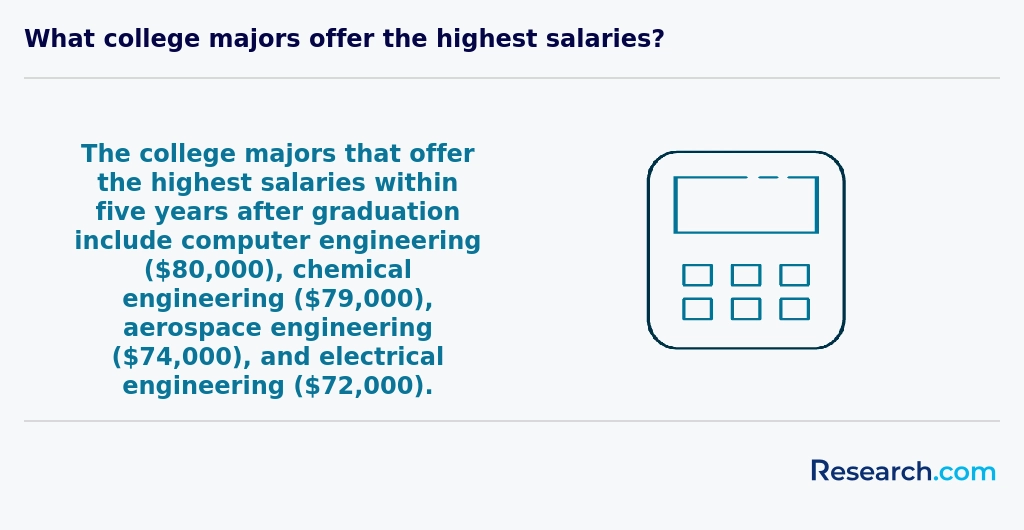
Succeeding in an online engineering program in the Northeast requires a strategic blend of discipline, resource utilization, and proactive engagement. First, establish a structured study schedule that mirrors a traditional classroom, blocking out regular time slots for lectures, lab simulations, and collaborative projects. Use digital tools like project management apps and calendar alerts to stay on track with deadlines and coursework. Create a dedicated, distraction-free workspace equipped with a reliable high-speed internet connection and engineering software (MATLAB, AutoCAD, SolidWorks) to replicate the on-campus lab experience. Regularly test hardware and platforms ahead of live sessions to prevent technical interruptions. Leverage university resources such as virtual tutoring, online libraries, and career services to deepen your understanding and prepare for job placement. Active participation in online discussion forums, study groups, and virtual networking events fosters community and can lead to mentorship opportunities. Seek out student chapters of professional societies (IEEE, ASME) to collaborate on real-world challenges and expand your professional network. Finally, balance academic goals with financial planning by exploring our Cheapest Online Engineering Degree Programs to ensure you choose a program that aligns with both your career ambitions and budget.
Online engineering degree programs in the Northeast commonly include foundational courses essential for building a strong technical base. These encompass calculus and advanced mathematics, physics and chemistry tailored to engineering principles, engineering mechanics such as statics and dynamics, and introductory programming and computer science courses. Students at institutions like Northeastern University and the University of Massachusetts often praise how these classes reflect practical applications they encounter in regional industries.
Specialized coursework varies by engineering discipline. For example, civil engineering students engage in structural analysis, environmental engineering, and fluid mechanics, preparing them for infrastructure projects common in cities like Boston and New York. Mechanical engineering pathways emphasize thermodynamics and materials science, while electrical engineering focuses on signal processing and control systems, directly linking to technologies developed in the Northeast's expanding tech sector.
Many learners appreciate project-based classes that simulate real-world problems, fostering skills applicable to local aerospace or biotech firms. These courses build confidence and readiness, enabling graduates from schools such as RPI to navigate complex team environments successfully.
Online engineering degree specializations in the Northeast reflect the region's versatile industrial landscape, offering students focused pathways in civil, electrical, mechanical, and computer engineering. Graduates of well-known institutions in states like New York and Massachusetts frequently highlight how civil engineering programs prepare them for critical urban infrastructure projects, while electrical engineering curricula cater to high-demand sectors such as power systems and telecommunications. These specializations align with robust employment opportunities reported by regional labor statistics.
Students pursuing mechanical engineering find tailored courses in robotics and thermal systems especially relevant for the Northeast's manufacturing hubs. Meanwhile, computer engineering offerings emphasize hardware design and cybersecurity, providing seamless transitions for working professionals upgrading their expertise. Many graduates appreciate how flexible online formats at Pennsylvania and New York universities enable balancing career and study. Emerging fields like biomedical engineering also attract interest due to the area's strong healthcare and biotech industries, where engineers apply their skills in medical device innovation.
Those exploring the best engineering majors for Northeast online programs often discover interdisciplinary opportunities that complement major tech trends. For students interested in advancing careers related to technology development, fields connected to computer coding jobs are particularly promising.
Selecting the best online engineering degree in the Northeast involves prioritizing accreditation, particularly ABET approval, which ensures graduates from institutions like well-regarded universities in Massachusetts or New York meet professional standards and remain eligible for licensure. Students who graduated from such programs often express confidence in their education's rigor and its alignment with local industry requirements.
Affordability and program flexibility also shape decisions. Many appreciate the competitive tuition rates offered by public universities in the region, making affordable online engineering programs Northeast a practical choice for balancing work and study commitments. Graduates typically highlight the value of asynchronous courses that fit their schedules without sacrificing quality.
Finally, prospective students should explore specialized disciplines and the institution's industry connections. Alumni from Pennsylvania colleges often remark on how strong ties with regional engineering firms led to rewarding internships. For comprehensive cost comparisons, prospective students can review the Cheapest Online Engineering Degree Programs to identify programs that combine these essential factors.
Graduates holding an online engineering degree in the Northeast find a wealth of promising career paths aligned with the region's unique industrial landscape. Many take positions in manufacturing and industrial design, especially in states like Pennsylvania and Massachusetts, where advanced manufacturing firms continue to grow. Others pursue opportunities in energy and environmental engineering, driven by New England's dedication to renewable energy and sustainability projects, reflecting a commitment to green innovation.
Engineering job opportunities Northeast region also encompass aerospace and defense sectors, with key employers such as Pratt & Whitney and Raytheon Technologies providing a stable environment for mechanical and electrical engineers. Additionally, the thriving tech hubs in Boston attract software and computer engineers to fast-paced careers in startups and established companies alike. Graduates from respected institutions such as Northeastern University or Rensselaer Polytechnic Institute often share experiences of navigating these dynamic industries while balancing online study demands.
For prospective students mindful of education costs, exploring best paying 6 month certificate programs online can complement an engineering degree, enhancing career flexibility and income potential.
The job market for graduates holding an online engineering degree in the Northeast is robust, supported by the region's rich industrial diversity and high demand for engineering expertise. Popular universities and colleges in the Northeast offering online programs equip students with relevant skills that align well with sectors such as aerospace, biomedical engineering, and infrastructure development. Graduates report positive experiences securing roles in metropolitan hubs like Boston and New York City, where companies actively seek engineers with ABET-accredited degrees.
Online engineering degree job prospects Northeast reflect steady job growth of about 5% projected through 2033, matching the national trend. Engineers in this region enjoy competitive median starting salaries around $70,000, which many first-time engineers find motivating as they enter fields like civil or electrical engineering. Accessible tuition costs ranging from $15,000 to $40,000 also encourage many working professionals to pursue degrees while balancing careers.
For those wondering what is the easiest degree to get in 2 years?, choosing an online engineering program in the Northeast offers a blend of academic rigor and flexibility that suits diverse learner profiles. Graduates consistently highlight that securing accredited credentials enhances their employment opportunities and career advancement prospects significantly.
Engineering careers growth Northeast region is fueled by established urban centers that present continual openings for qualified applicants. This environment fosters a positive outlook for current and prospective students ready to engage with evolving technologies and infrastructure projects within the region.
2027 Most Valuable Online Engineering Degree Programs Ranking in the Northeast
Investing in your education is a significant decision that can greatly influence your professional future, and the Research.com team is fully aware of the importance of making well-informed choices. To guide prospective students in the Northeast, we have carefully developed the "2027 Most Valuable Online Engineering Degree Programs Ranking in the Northeast." Our dedication to quality, credibility, and accuracy is demonstrated through rigorous analysis and comprehensive research.
We utilized the following reputable data sources to ensure a thorough evaluation of online engineering degree programs:
By reviewing this ranking, readers will gain valuable insights to confidently select the most beneficial online engineering degrees available in the Northeast, aligning with their career goals. For further information on how this ranking was created, please visit our Research.com methodology page.

# 2 position
Penn State University Park
Bachelor of Software Engineering


# 13 position
Penn State University Park
Master of Systems Engineering


Frequently Asked Questions About engineering
Online engineering degree students in the Northeast can maximize their learning by actively engaging with their virtual coursework and utilizing regional resources. Many accredited institutions in states like New York and Massachusetts offer interactive labs and project-based assignments that mirror in-person experiences, enhancing practical skills. According to the National Center for Education Statistics, nearly 40% of engineering undergraduates in the Northeast participate in internships, which remain essential for applying theory to real-world problems.
Students should seek local internships or co-op opportunities to complement their studies and build professional networks. Additionally, joining online student chapters of organizations like the American Society of Mechanical Engineers (ASME) or the Institute of Electrical and Electronics Engineers (IEEE) facilitates collaboration and exposure to industry trends.
Leveraging university career services and attending regional engineering conferences can also support career readiness. Staying disciplined with time management and consistently communicating with faculty helps ensure success in the demanding engineering curriculum.
The engineering field is rapidly evolving, creating new specialized areas that attract online students in the Northeast. One key emerging niche is renewable energy engineering, driven by regional investments in offshore wind and solar power projects. According to the U.S. Energy Information Administration, the Northeast plans significant growth in clean energy infrastructure, boosting demand for engineers skilled in this area.
Another specialty gaining traction is biomedical engineering, supported by the dense network of hospitals and biotech firms in cities like Boston and Philadelphia. This field focuses on developing medical devices and technologies.
Additionally, data engineering and artificial intelligence integration are becoming vital with the rise of smart manufacturing and infrastructure systems in the region. These niches offer promising career paths for online engineering degree students.
After completing an online engineering degree in the Northeast, preparing for the job market involves strategic planning and skill enhancement. According to the U.S. Bureau of Labor Statistics, the Northeast has a growing demand for engineers, especially in fields like civil, electrical, and computer engineering. Graduates should leverage internships and cooperative education opportunities often available through regional universities, which help build practical experience and local networks.
Building strong professional connections through platforms like LinkedIn and joining associations such as the National Society of Professional Engineers can increase job prospects. Additionally, obtaining relevant certifications or licenses, like the Principles and Practice of Engineering (PE) license, enhances credibility and employability in the region.
Employers in the Northeast highly value engineering graduates who demonstrate strong technical expertise and problem-solving abilities. According to the National Association of Colleges and Employers (NACE), key skills include proficiency in software tools like CAD and MATLAB, along with knowledge of emerging technologies such as automation and renewable energy systems.
Communication skills are also crucial, as engineers often work in multidisciplinary teams. A 2023 survey by the Massachusetts Technology Collaborative highlights that 68% of employers seek candidates with experience in project management and collaboration.
Additionally, adaptability and critical thinking are essential due to the rapid innovation within the region's tech and manufacturing sectors.
Finding internships in the Northeast for engineering students involves leveraging local academic and industry resources. Many universities in the region have strong ties with engineering firms, including those in New York, Massachusetts, and Pennsylvania. Utilizing university career services can connect students with internship listings tailored to engineering disciplines.
Additionally, online job portals like Handshake and LinkedIn feature countless internship opportunities concentrated in this region's tech and manufacturing sectors. The National Association of Colleges and Employers (NACE) reported in 2023 that nearly 60% of engineering internships occurred in states within the Northeast.
Networking is also vital. Attending virtual career fairs and joining regional professional groups such as the Northeast section of the American Society of Mechanical Engineers (ASME) can provide access to hidden internship roles and mentors.
Online engineering degrees in the Northeast significantly enhance career mobility and advancement opportunities. According to the U.S. Bureau of Labor Statistics, the region hosts over 250,000 engineering jobs, with strong demand for skilled professionals in sectors like aerospace, biotechnology, and energy.
Employers increasingly recognize accredited online degrees, allowing graduates to access roles across multiple states without relocating. This flexibility supports career progression by enabling professionals to balance work and education efficiently.
Additionally, many Northeast institutions offering online engineering programs maintain strong industry connections, providing networking and internship opportunities that lead to higher-paying positions. The average engineering salary in the Northeast exceeds the national average by nearly 10%, reflecting the region's competitive market and potential for advancement.
Studying for an engineering degree in the Northeast provides strong preparation for interdisciplinary roles by emphasizing collaboration across multiple fields. Many Northeastern universities integrate courses in data science, business, and environmental studies with traditional engineering curricula. This builds skills needed for complex problem-solving in real-world projects.
The region hosts leading engineering schools like those at MIT and Cornell, which are known for research that blends engineering with other disciplines such as biotechnology and urban planning. According to the National Science Foundation, over 30% of engineering graduates from Northeast institutions pursue interdisciplinary work.
Online programs also reflect this trend, offering flexible access to courses that encourage teamwork and innovation among students from diverse backgrounds. This approach aligns with employer demands, as 78% of engineering firms in the Northeast reported valuing interdisciplinary experience in 2023 (ACE Survey).
Choosing between a thesis and a non-thesis online engineering degree in the Northeast depends on your career goals and learning preferences. Thesis programs emphasize research, requiring students to complete a detailed project, which suits those aiming for roles in research, development, or pursuing a PhD.
Non-thesis programs focus on coursework and practical applications, ideal for professionals seeking to enhance skills and advance in industry without committing to research. According to the National Center for Education Statistics, over 60% of graduate engineering students in Northeast states opt for non-thesis tracks, reflecting a trend toward direct workplace applicability.
Consider your time availability, interest in independent study, and future plans when deciding between these paths.
Students in the Northeast interested in online engineering degrees have several pathways to study abroad while remaining enrolled in U.S. programs. Many accredited institutions in this region offer dual-degree arrangements or study-abroad options integrated with their online engineering curricula. For example, universities like Northeastern University and Rensselaer Polytechnic Institute provide partnerships with institutions overseas, enabling practical, sometimes hybrid experiences.
According to the American Society for Engineering Education, nearly 30% of Northeast engineering students participate in international programs. These opportunities are designed to complement online coursework with global exposure.
Such programs often include virtual international collaboration projects, internships, or short-term residencies, allowing students to meet global engineering challenges without lengthy relocation.
Part-time job opportunities in the Northeast that complement an engineering degree include roles such as laboratory technician, CAD drafter, and engineering intern. These positions provide practical experience and allow students to apply theoretical knowledge gained in online courses.
According to the U.S. Bureau of Labor Statistics, the Northeast has a high concentration of engineering firms, especially in states like Massachusetts, New York, and New Jersey, offering ample internship and part-time openings. Working part-time in local manufacturing plants or technology companies can help develop hands-on skills and build professional networks.
Additionally, universities in the region often partner with industries to promote cooperative education programs, which blend coursework with paid work experience, enhancing both learning and employability in competitive engineering fields.
Online engineering students in the Northeast benefit from robust networking opportunities supported by regional industry growth and academic collaborations. Many universities partner with local engineering firms and organizations such as the New York State Society of Professional Engineers, offering virtual events and mentorship programs.
Professional groups like the American Society of Mechanical Engineers (ASME) have active chapters in Northeast states, facilitating remote participation in workshops and conferences. According to the Bureau of Labor Statistics, the region had over 200,000 engineering jobs in 2023, highlighting a strong professional network for graduates.
Additionally, many schools provide online career fairs and alumni networks connecting students to employers in major hubs like Boston, New York City, and Philadelphia.
Alumni networks play a vital role for online engineering degree students in the Northeast by offering access to professional connections and career advice. These networks often include thousands of graduates working in key industries such as technology, manufacturing, and energy, which dominate the region's economy.
Studies from the National Survey of College Graduates show that 65% of engineering professionals in the Northeast found employment through networking. Active alumni groups provide mentorship, internship leads, and insights into regional job markets. For online students, these connections help bridge the gap between remote learning and in-person industry engagement.
Moreover, many Northeast institutions host events and online forums where alumni support current students, enhancing job placement rates and career advancement opportunities.
Customizing an online engineering degree in the Northeast allows students to align their studies with specific career goals. Many universities offer flexible curricula featuring elective courses, concentrations, or specializations such as civil, mechanical, or software engineering. This helps tailor technical skills to industry demands.
Students can also select internships or cooperative education options available through regional partnerships. For example, schools in states like Massachusetts and New York collaborate with leading tech and manufacturing companies to provide real-world experience.
Furthermore, some programs permit research projects or capstones addressing local engineering challenges, enhancing practical skills. According to the National Center for Education Statistics, over 70% of Northeast engineering students utilize such options to customize their degree.
Online engineering students in the Northeast face unique challenges. One key issue is limited access to on-campus labs and hands-on equipment, which are essential for engineering education. Many Northeastern universities offer virtual labs, but these can't fully replace physical experiments. According to a 2023 report from the National Center for Education Statistics, students in STEM fields often report difficulty gaining practical experience through remote learning.
Another challenge is balancing rigorous coursework with personal and professional responsibilities. The Northeast has one of the highest living costs in the US, which can increase stress for students studying while working.
Finally, some employers in the region still prefer traditional degrees, posing a hurdle for online graduates entering competitive engineering fields.
With an online engineering degree from a Northeast institution, graduates can pursue several respected professional certifications that enhance career prospects. The most recognized is the Professional Engineer (PE) license, which requires passing the Fundamentals of Engineering (FE) exam followed by relevant work experience, typically four years. Many Northeast states such as New York, Massachusetts, and Pennsylvania have streamlined processes for online degree holders.
Other valuable certifications include the Certified Manufacturing Engineer (CMfgE) and Project Management Professional (PMP), both applicable in various engineering sectors. According to the National Society of Professional Engineers, certified engineers often see up to 20% higher salaries in the Northeast region.
These credentials validate skills and increase competitiveness in industries like aerospace, civil infrastructure, and technology, all growing fields in the Northeast's economy.
Writing a winning application for an online engineering program in the Northeast begins with clearly demonstrating your technical proficiency and motivation. Admissions committees value applicants who show strong foundational knowledge in math and science, supported by relevant coursework or work experience.
Highlighting any hands-on projects or internships, especially those related to industries prevalent in the Northeast such as aerospace, telecommunications, or renewable energy, can strengthen your application. According to the National Science Foundation, Northeast states account for over 20% of engineering graduates nationally, reflecting a competitive environment.
Be sure to personalize your statement of purpose by explaining why you chose an online format and how the program aligns with your career goals. Including academic achievements and endorsements from professors or employers familiar with your engineering skills also improves your chances.
Engineering careers are increasingly seen as vital on a global scale, driven by rapid technological advances and the need for sustainable solutions. In the US, including the Northeast, engineering jobs are projected to grow by about 4% from 2022 to 2032, according to the Bureau of Labor Statistics. This steady growth reflects worldwide demand for skilled engineers in fields like renewable energy, robotics, and infrastructure.
The Northeast is a hub for innovation, hosting major research universities and firms focused on global challenges. Online engineering degrees from this region often emphasize international standards and collaboration, preparing graduates to work in diverse markets. Experts note such degrees enhance competitiveness in a global workforce while addressing regional economic needs.
Global engineering roles often require cross-cultural communication and adherence to international codes. US-based programs increasingly integrate these skills, benefiting students aiming to join global projects or multinational companies. This alignment ensures that engineers from the Northeast remain relevant worldwide.
Students pursuing online engineering degrees in the Northeast can gain practical experience through a variety of methods. Many accredited programs incorporate virtual labs and simulation software, allowing hands-on practice in areas like circuit design and programming. Internships remain a crucial option; according to the National Association of Colleges and Employers (NACE), over 60% of engineering students secure internships before graduation, which is also supported by numerous industries in the Northeast such as Boston's tech hubs and New York's manufacturing sectors.
Additionally, cooperative education (co-op) programs offered by some universities allow students to alternate between coursework and paid work terms, providing real-world experience while earning academic credit.
Engineering students often engage in local professional societies such as the American Society of Mechanical Engineers (ASME) Northeast section, where networking and project opportunities are available.
Choosing the right concentration within an online engineering degree program in the Northeast requires careful consideration of regional industry demands and personal interests. The Northeast is a hub for aerospace, biomedical, and environmental engineering, reflecting strong employment growth in these sectors according to the U.S. Bureau of Labor Statistics.
Students should investigate concentrations aligned with local job markets, ensuring better career prospects after graduation. For example, Massachusetts and New York have significant biomedical engineering firms, making related concentrations valuable.
Additionally, evaluating each program's curriculum for specialized courses and faculty expertise can help match your interests with quality education. Accreditation by ABET is also crucial to ensure your degree meets professional standards within the U.S.
See What Experts Have To Say About Studying Engineering
Read our interview with Engineering experts

Jasna Jankovic
Engineering Expert
Associate Professor
University of Connecticut

Joseph Reichenberger
Engineering Expert
Professor of Civil Engineering & Environmental Science
Loyola Marymount University


- How Do You Decide Which Engineering Career is Right for You? https://www.straighterline.com/blog/which-engineering-career-right-for-you
- New England Institute of Technology | NEIT https://www.neit.edu/
- Top 5 Demanding Engineering Fields in 2025: Future-Proof Your Career - MEC https://mailamengg.ac.in/top-5-demanding-engineering-fields-2025/
- Thinking of studying abroad as an engineering major https://talk.collegeconfidential.com/t/thinking-of-studying-abroad-as-an-engineering-major/1788476
- College of Engineering https://www.utoledo.edu/engineering/graduate-alumni-network-for-engineering-and-technology.html
- Guide to Engineering Internships https://www.internwise.co.uk/candidate-journey/industry-internships/guide-to-engineering-internships
- All STEM Placements/Internships | Gradcracker - Careers for STEM Students https://www.gradcracker.com/search/all-disciplines/engineering-work-placements-internships
- Thesis vs. Non-Thesis Master's Programs: Which is Right for You? https://potomac.edu/thesis-vs-non-thesis-masters/
- 2025 Best Online Engineering Degrees https://www.onlineu.com/degrees/engineering
- How to Study Abroad as an Engineering Major https://www.semesteratsea.org/study-abroad-engineering-major/


