
2027 Most Valuable Engineering Degree Programs Ranking in Nevada

Co-Founder and Chief Data Scientist
Choosing the right engineering degree program in Nevada is an exciting step toward a fulfilling career. This article introduces the 2027 Most Valuable Engineering Degree Programs Ranking in Nevada, created by the Research.com team of data scientists to guide students in making informed decisions.
By exploring this ranking, you'll discover which programs offer the best value, combining quality education with promising career opportunities. Whether you're passionate about innovation or problem-solving, an engineering degree can open doors to a rewarding future.
Take this opportunity to find the path that suits your goals and aspirations.
Key benefits of getting engineering degree in Nevada
- Salary for engineering degree graduates: Mechanical engineers in Nevada earn a mean annual wage of $105,220, while electrical engineers earn $117,680, reflecting strong financial rewards in the field.
- Career paths: Graduates from University of Nevada, Reno, pursue diverse roles from civil engineering projects to industrial systems, enabling exciting opportunities across various industries.
- Benefits of online degrees: Completing an engineering degree online at Nevada State College offers flexibility and saves commuting time, allowing students to balance work and study effectively.
- 2027 Most Valuable Engineering Degree Programs Ranking in Nevada
- What can I expect from engineering degree in Nevada?
- Where can I work with engineering degree in Nevada?
What can I expect from engineering degree in Nevada?
If you're thinking about getting an engineering degree in Nevada, one of the best parts is that the cost is pretty reasonable, especially if you're an in-state student. For example, at the University of Nevada, Reno, which is a popular choice, tuition tends to be more affordable compared to the national average. Graduates often mention how this makes it easier to focus on their studies without stressing too much about debt piling up.
Many students find that with in-state tuition and some scholarships, paying for an engineering degree feels doable. Plus, Nevada schools often team up with local companies to offer internships and co-op programs-so you can earn some money and get real-world experience while learning. That hands-on approach not only brings classroom theory to life but sometimes helps offset costs too, making the whole experience feel more manageable and rewarding.
Where can I work with engineering degree in Nevada?
If you're studying engineering at a college like the University of Nevada, Reno, you've got a ton of cool career paths waiting for you right here in Nevada. Graduates often land roles in mining, which is a huge deal since Nevada is the top gold producer in the U.S. Imagine working on mine design or figuring out safety measures for giant mining sites-that's real, hands-on experience you can get.
Others find their groove in manufacturing, helping improve production lines or working on automation in places making electronics or machinery. It's exciting to be part of the team that boosts efficiency and quality!
Plus, the aerospace and tech industries in Nevada are growing fast. Think about joining companies that design electrical systems or develop high-tech materials-engineers from Nevada universities are driving this innovation.
Renewable energy is another big player. Whether it's designing solar farms or geothermal plants, engineering grads are stepping up to build Nevada's clean energy future. It's nice knowing your work directly impacts the state's green goals and economy.
If you're thinking about an engineering degree in Nevada, you'll be happy to know the pay is pretty solid. Graduates from schools like the University of Nevada, Reno often land jobs starting around $60,000 to $75,000 a year, which is a great kickoff. With some experience, those numbers jump fast.
For example, mechanical engineers here pull in a mean annual wage of about $105,220, while electrical engineers are making even more-around $117,680 on average. Civil engineers also do well, earning about $101,160 per year. Industrial engineers, another popular path for grads, earn roughly $103,150 annually.
These salaries reflect Nevada's growing industries in places like Las Vegas and Reno where construction, manufacturing, and tech need skilled engineers. Many grads share how landing a role in these sectors quickly boosts their confidence, especially when they start seeing those paychecks and benefits like health insurance and retirement plans roll in.
It's encouraging to know that with some years of experience, the salary potential only gets better, making an engineering degree in Nevada a smart move financially and professionally.
- The average annual tuition for in-state engineering programs at public universities in Nevada is about $9,500, while private and out-of-state tuition can exceed $25,000.
- Early career salaries for engineering graduates in Nevada typically range from $65,000 to $75,000, with potential to exceed $100,000 after about ten years of experience.
- Nevada's industries such as renewable energy, mining, technology, and construction provide strong demand for engineers in fields like civil, electrical, mechanical, geological, and materials engineering.
- Engineering jobs in Nevada are projected to grow by approximately 10% through 2030, outpacing the national average.
- Engineers must obtain licensure from the Nevada State Board of Professional Engineers and Land Surveyors by passing the FE and PE exams and gaining work experience to work as Professional Engineers (PE).
If you're thinking about getting an engineering degree in Nevada, you'll usually finish it in about four years if you're studying full-time. Most students at places like the University of Nevada, Reno, follow this path pretty closely thanks to their solid ABET-accredited programs. These programs have a clear plan-around 120 to 130 credit hours-that fits nicely into a typical four-year schedule, so graduates often feel on track without too much stress.
That said, life happens! Some students work part-time, take internships, or even switch majors, which can stretch things out a bit. Others speed up their progress by taking summer classes. A few folks juggling co-ops or double majors might find themselves spending extra semesters, but many feel it's worth it because those experiences boost their resumes and confidence.
For those going beyond a bachelor's, a master's usually tacks on about two more years, depending on whether you're studying full or part-time. But overall, Nevada's engineering programs are designed to keep you moving forward while giving you the flexibility to make it your own journey.
The student experience is an essential part of your academic journey, as it not only enriches your personal growth but also prepares you for success in the engineering industry. In Nevada, many engineering programs are supported by modern labs, dedicated research centers, and vibrant student organizations that foster collaboration and innovation. Beyond classroom learning, students have the opportunity to engage in campus clubs, participate in engineering competitions, and attend career development workshops that enhance both technical skills and soft skills such as teamwork and leadership. Many prospective students also look at the affordability of these programs to ensure they can invest in both their education and campus life without compromising on quality. For instance, you can explore resources on the cheapest engineering programs in nevada that provide robust academic support alongside an active campus community. Ultimately, a well-rounded campus experience not only builds lasting professional connections but also plays a pivotal role in shaping a successful engineering career.
If you're wondering how online and on-campus engineering degrees stack up in Nevada, it really boils down to your lifestyle and what kind of college vibe you want. Online programs, like those offered by Nevada universities, are a dream for folks juggling work or family because you can watch lectures and submit assignments whenever it fits your schedule. Imagine finishing a tough coding project in your pajamas at midnight! But keep in mind, some hands-on lab work might mean occasional campus visits or virtual simulations, which can feel a bit different than the usual lab buzz.
On the flip side, students attending on-campus programs-say at the University of Nevada, Reno-get that classic college feel. They share labs, collaborate face-to-face, and build connections during coffee breaks in the engineering building. Graduates often mention that this kind of interaction helps them tackle tricky problems faster and makes networking a breeze, especially in Nevada's growing tech scene.
Tuition-wise, both online and on-campus options hover around $8,000 a year for in-state students, though online learners might save on commuting but pay some tech fees. In the end, it's about what fits your routine and how you learn best.
Engineering students in Nevada benefit immensely from robust internship and co-op programs that bridge classroom learning with real-world applications. Universities like the University of Nevada, Reno and Nevada State College maintain partnerships with industry leaders-such as Tesla’s Gigafactory, NV Energy, and local aerospace firms-to offer semester-long internships, paid co-ops, and summer research positions. These experiential learning opportunities not only sharpen technical skills in areas like CAD, systems optimization, and data analysis but also foster professional networks that can lead directly to full-time employment upon graduation. Many programs integrate mandatory capstone projects in collaboration with private and public sector sponsors. For example, civil engineering students have designed stormwater management systems alongside city planners in Las Vegas, while mechanical engineering majors have optimized manufacturing processes at regional facilities. Such hands-on experience enhances resumes and demonstrates to employers that graduates can deliver tangible results. Students exploring industrial engineering career paths particularly benefit from co-op rotations at logistics and mining companies in northern Nevada, where they apply lean principles to streamline operations and reduce costs. To maximize these opportunities, prospective students should engage early with campus career centers and attend industry networking events like the Nevada Engineering Expo. Preparing a strong portfolio-including academic projects, lab reports, and professional recommendations-will set candidates apart. Additionally, leveraging online platforms (e.g., Handshake, Indeed) and university alumni networks can reveal hidden internship openings. By proactively seeking out these experiential learning opportunities, Nevada engineering students can accelerate their professional growth and secure competitive positions in today’s dynamic job market.
Getting an engineering degree in Nevada usually costs much less if you're a resident, especially at public schools like the University of Nevada, Reno or UNLV. The average cost for an in-state student to complete their degree is around $9,663, which makes it pretty affordable compared to many other states. Many graduates from these schools say that, while tuition is manageable, budgeting for extra fees like lab equipment and textbooks is key since those can add up quickly.
For out-of-state students, the average cost jumps significantly-close to $42,667 total. That's a big difference but still aligns with what you might expect for private schools in Nevada, like Touro University Nevada, where tuition can exceed $30,000 annually. The extra cost can feel tough at first, but many students find scholarships and financial aid that help bring those numbers down, making the investment feel worthwhile.
When you consider the Nevada engineering degree tuition and fees, plus living expenses in cities like Reno or Las Vegas, it's a good idea to plan ahead and explore available financial resources. Nevada's system offers plenty of state grants and work-study options, especially focused on STEM fields, which really lightens the load. For anyone curious about the cheapest engineering programs in nevada, there are solid choices to fit different budgets.

Understanding the true value of an engineering degree goes beyond tuition figures and starting salaries; it’s crucial to analyze the payback period, net earnings differential, and long-term ROI. In Nevada, the average annual in-state tuition for an engineering bachelor’s is $12,500, while graduates command median salaries near $100,000. Assuming a four-year program and factoring in living expenses, most students recoup their educational investment within 4–6 years of full-time employment, a faster break-even than the national average of 7–9 years. Key drivers of strong ROI:
- Competitive Starting Salaries: With Mechanical Engineers earning $100,820 and Electrical Engineers at $114,050, Nevada graduates often see higher-than-average entry pay.
- Low Cost of Living Adjustments: Regions like Reno and Las Vegas offer housing costs 10–15% below national metros, improving disposable income during repayment.
- Career Growth Trajectory: Fields such as industrial engineering (projected 11.7% growth by 2032) and software development (25.7% growth) accelerate salary advancement, reducing effective payback time.
- Employer Partnerships: Universities in Nevada frequently collaborate with local energy and tech firms to provide paid internships, offsetting student debt early on. Comparative insight reveals Nevada’s ROI remains robust even when contrasted with other states’ affordable programs-see our Affordable Engineering Degree Programs Ranking in Kentucky for a benchmark of tuition versus earnings. Prospective students should model scenarios based on specialization, living choices, and graduate employment rates to quantify their personalized ROI and ensure a sound financial decision.
If you're planning to tackle an engineering degree in Nevada, financial aid can really lighten the load. Many students start with the FAFSA, which opens doors to federal grants like the Pell Grant-imagine getting up to $7,395 a year that you don't have to pay back. On top of that, the FSEOG helps those with serious financial need score extra grant money, which makes a big difference when tuition feels steep.
For loans, federal Direct Subsidized and Unsubsidized Loans usually have better interest rates and flexible repayment plans than private loans, so a lot of Nevada students find these easier to manage after graduation.
Plus, Nevada's Millennium Scholarship is a game changer for high school grads who keep up their GPA. Say goodbye to major tuition costs at schools like the University of Nevada, Reno-that scholarship can cover up to full tuition.
And don't forget merit scholarships! Universities like UNLV often hand out awards to engineering students who shine academically or come from underrepresented groups, which builds a real sense of community.
Many grads say that work-study gigs or assistantships not only help pay bills but also give hands-on engineering experience that makes landing a job after college way smoother.
If you're thinking about jumping into an engineering degree in Nevada, you'll want to have a solid background in math and science before applying. Most Nevada schools expect you to have finished high school with courses like algebra, geometry, trigonometry, and even some calculus under your belt. These classes really set you up for success because engineering is all about tackling complex problems using math.
Physics and chemistry are also big deals. Graduates from popular programs at universities like UNR or NSC often mention how their high school science classes gave them a head start in understanding tough engineering concepts. Plus, many programs look at your SAT or ACT scores, though some schools have made those optional lately. Still, a good score can definitely boost your chances.
Outside of grades, practical experience counts too. Internships, robotics clubs, or even personal projects show you're ready to think critically and solve problems-skills every engineer needs. And don't forget to check if the program's ABET-accredited. That's a big plus when you start job hunting!

When you dive into an engineering degree in Nevada, you'll start with solid basics like calculus, physics, and chemistry. These might sound tough, but they're super important since they lay the groundwork for the more exciting stuff later on. Most students at places like the University of Nevada, Reno, find these courses really help them understand how things work behind the scenes.
As you move forward, you'll take hands-on classes like statics and dynamics, thermodynamics, and electrical circuits. Imagine working through real problems in fluid mechanics or materials science, where you actually get to see how materials behave or how energy moves. Many grads say these classes make all the theory come alive.
On top of that, expect some computer programming tailored to engineering. It's like learning a new language, but one that helps you design and build cool projects. You'll also get plenty of teamwork in projects and labs, which many students love because it feels like solving puzzles with friends.
If you're eyeing an engineering degree in Nevada, you'll find plenty of specializations that really fit the state's vibe and job market. Popular choices include civil engineering, which is perfect if you like the idea of shaping roads and bridges around Reno or Las Vegas. Mechanical engineering grads often talk about how working with local aerospace or manufacturing companies made their studies feel super practical and exciting.
Electrical engineering is another hot spot, especially with Nevada's booming solar energy scene. Environmental engineering appeals to students who care about water conservation-a big deal here in the desert. Mining engineering is huge too, given Nevada's status as a top gold mining region; grads often share stories about applying their skills straight into mining safety and green practices.
Don't miss industrial engineering, either-many folks find a great fit here optimizing systems and logistics in places like Nevada State College. For a glimpse of career options, check out industrial engineering career paths. These choices show why top engineering programs Nevada specializations are so valued for local opportunities and hands-on learning.
When picking the best engineering degree in Nevada, think about what really excites you and matches local job chances. Graduates from popular schools like the University of Nevada, Reno often share how their electrical or civil engineering degrees led to roles in booming sectors like aerospace or renewable energy. It's smart to look for programs with ABET accreditation since that seal of approval makes a big difference when you're hunting for internships or a job in the area.
Many students find that attending a school with solid ties to Nevada's industries gives them a leg up. For instance, mechanical engineering students get hands-on experience through co-ops with mining companies or tech firms in Northern Nevada. Plus, tuition can vary a lot, so exploring top affordable engineering schools Nevada can help keep your budget in check without skipping quality education.
Don't forget to explore financial aid and scholarships-they can make a huge difference. And if you want to compare options, check out the Affordable Engineering Degree Programs Ranking in Kentucky for ideas on cost-effective choices that might inspire your picks here too.
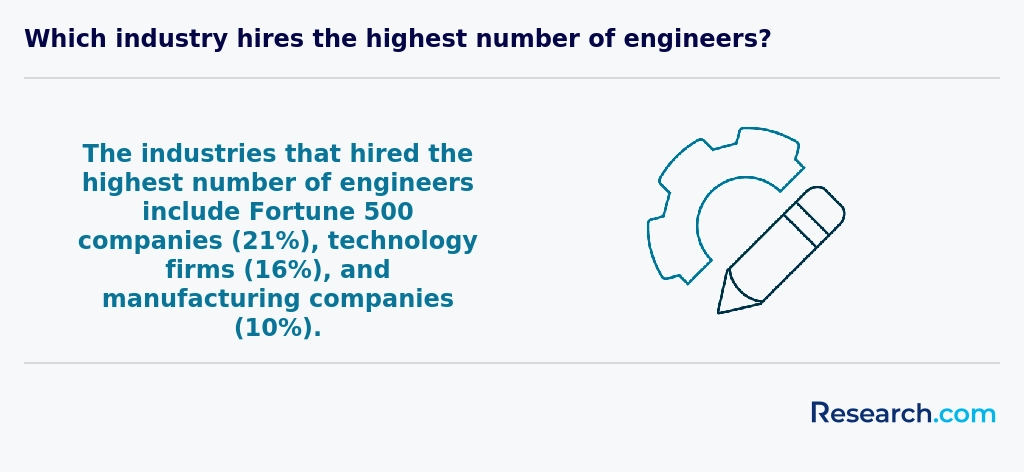
If you're thinking about jobs with engineering degree in Nevada, there's plenty to get excited about. Graduates from schools like the University of Nevada, Reno, often land roles in civil engineering, helping to shape the growing cities with projects like new roads and water systems. Mechanical engineering is another hot spot, especially with Nevada's push towards solar and geothermal energy-that's where many grads find rewarding opportunities. You'll also hear from electrical engineers working on smart grid technology or building electronics that power Nevada's booming tech scene.
Mining engineering is unique here too-since Nevada leads the nation in gold production, graduates get hands-on experience in resource extraction and environmental management. And with more companies focusing on sustainable projects and tech innovation, skills in software and systems engineering are becoming super valuable. Students at popular Nevada colleges say exploring a fast online bachelor's degree for working adults makes jumping into these diverse engineering career opportunities in Nevada even easier.
The engineering job outlook Nevada 2027 looks pretty bright, especially for those graduating from schools like the University of Nevada, Reno or Nevada State College. Graduates often talk about how the steady boom in construction and renewable energy projects around cities like Las Vegas means they land jobs quickly after finishing up. Imagine working on solar energy systems near the National Renewable Energy Laboratory or designing bridges to support rapidly growing urban areas-these are real opportunities happening right now.
Many grads share how the state's reasonable tuition costs made it easier for them to focus on their studies without drowning in debt. Plus, Nevada's mix of manufacturing and tech companies means mechanical and industrial engineers have plenty of paths to explore. Starting salaries in the $60,000 to $70,000 range feel rewarding, especially when you pair that with the local cost of living.
If you're wondering about other ways to boost your chances, some students recommend checking out easy certifications that pay well to complement their degrees for even stronger job prospects in the Nevada engineering degree employment opportunities scene.
2027 Most Valuable Engineering Degree Programs Ranking in Nevada
Investing in your education is a significant decision that can shape your future, and the Research.com team understands the importance of making informed choices. To assist prospective students in Nevada, we have meticulously crafted the "2027 Most Valuable Engineering Degree Programs Ranking in Nevada." Our commitment to quality, credibility, and accuracy is reflected in the extensive research and analysis conducted to compile this ranking.
We utilized the following reputable data sources to ensure a comprehensive evaluation of engineering degree programs:
By exploring this ranking, readers will gain valuable insights into the most valuable engineering degree programs available in Nevada, helping them make well-informed decisions about their educational pathways. For more details on our methodology, please visit our Research.com methodology page.


Frequently Asked Questions About engineering
Engineering degree students in Nevada can maximize their learning experience by engaging actively in hands-on projects offered by institutions such as the University of Nevada, Reno, and Nevada State College. Practical labs and internships are vital, as Nevada's growing tech and renewable energy sectors demand real-world skills. According to the Nevada System of Higher Education, students benefit significantly from cooperative education programs that combine classroom studies with paid work experience.
Joining engineering clubs and professional organizations like the Nevada Society of Professional Engineers can also enhance networking opportunities and skill development. Additionally, students should leverage online resources and local industry partnerships to stay updated on evolving technologies in areas like sustainable energy and manufacturing.
The engineering field in Nevada is expanding rapidly, with several emerging niches attracting attention. One growing area is renewable energy engineering, fueled by Nevada's abundance of solar and geothermal resources. According to the Nevada Governor's Office of Energy, solar energy jobs are expected to grow by over 15% through 2028, creating opportunities for engineers skilled in sustainable technologies.
Another niche is data and cybersecurity engineering, especially important as Nevada's tech sector grows. The state reported a 12% annual increase in cybersecurity roles, reflecting demand for protective infrastructure experts.
Additionally, biomedical engineering is advancing, supported by Nevada's investments in healthcare innovation and research partnerships.
Graduates with engineering degrees in Nevada can improve their job prospects by focusing on practical experience. Internships and cooperative education programs offered through Nevada universities, such as the University of Nevada, Reno, provide valuable hands-on learning and industry connections. According to the Bureau of Labor Statistics, Nevada's engineering employment is growing modestly, increasing the importance of networking and relevant experience.
Obtaining professional licensure, such as the Professional Engineer (PE) license, is another critical step. This certification enhances credibility and may be required for certain roles. Additionally, staying updated on emerging technologies, especially in renewable energy and aerospace sectors prominent in Nevada, can set candidates apart.
Participating in local engineering societies and job fairs in cities like Las Vegas and Reno also expands professional networks and exposes graduates to regional job opportunities.
Employers in Nevada highly value engineering graduates who demonstrate strong technical skills, including proficiency in computer-aided design (CAD) and data analysis. According to the Nevada Department of Employment, Innovation and Workforce Development, knowledge of software like MATLAB and AutoCAD is often requested in engineering job postings statewide.
Critical thinking and problem-solving abilities are essential, as Nevada's growing industries require engineers to develop efficient solutions to complex challenges. Communication skills, both written and verbal, stand out as key for collaborating with multidisciplinary teams and presenting findings clearly.
Experience with project management and familiarity with industry regulations are also important in sectors such as manufacturing, renewable energy, and aerospace, which are expanding in the region.
Finding internships in Nevada relevant to an engineering degree involves leveraging both university resources and local industry connections. Many Nevada universities, including the University of Nevada, Reno and University of Nevada, Las Vegas, offer dedicated career centers that connect engineering students with internship opportunities. These centers host job fairs, workshops, and maintain online portals tailored to engineering roles.
Nevada's growing tech and manufacturing sectors provide numerous internship openings. Companies in aerospace, renewable energy, and electronics are prominent. According to the Nevada Department of Employment, these industries saw a 5% employment growth in engineering-related fields in 2023.
Students should also network through professional organizations like the Nevada Society of Professional Engineers and use platforms such as Handshake. Additionally, reaching out directly to engineering firms in cities like Reno, Henderson, and Las Vegas can yield valuable leads.
Obtaining an engineering degree in Nevada significantly enhances career mobility and advancement opportunities. The state's growing sectors such as aerospace, renewable energy, and manufacturing actively seek qualified engineers, contributing to a competitive job market. According to the U.S. Bureau of Labor Statistics (2023), Nevada's engineering employment is projected to grow faster than the national average, reflecting rising demand for skilled professionals.
Engineers with degrees in Nevada can expect higher starting salaries compared to non-degree holders, with median wages surpassing $80,000 annually in many fields. Additionally, many Nevada companies prioritize degree holders for promotion and leadership roles, valuing their technical knowledge and problem-solving skills.
Moreover, an engineering degree often serves as a prerequisite for obtaining professional licensure in Nevada, a key step for career advancement in civil, mechanical, or electrical engineering domains. This credential unlocks opportunities for higher responsibility and consulting roles, further boosting career growth potential.
Engineering degree programs in Nevada are designed to equip students with interdisciplinary skills essential for today's complex job market. Schools like the University of Nevada, Reno, emphasize collaborative projects that combine principles from mechanical, electrical, and civil engineering. This approach nurtures problem-solving skills applicable across multiple sectors.
Nevada's strong ties to industries such as renewable energy, mining, and aerospace provide practical training opportunities. According to the Nevada Department of Employment, these sectors represent growing fields where interdisciplinary engineering knowledge is highly valued.
Moreover, curricula increasingly integrate courses in data analysis, environmental science, and computer programming. This integration prepares graduates to work effectively in teams with diverse expertise, meeting the demands of evolving engineering roles in Nevada and beyond.
Choosing between a thesis and a non-thesis engineering degree program in Nevada involves evaluating your career goals and academic interests. A thesis program generally requires original research and a formal written document, suitable for students aiming for doctoral studies or research-oriented careers.
Non-thesis programs focus more on coursework and practical skills, ideal for those pursuing immediate employment in Nevada's aerospace, renewable energy, or mining industries. According to the Nevada System of Higher Education, non-thesis options often have a higher percentage of working professionals enrolled.
Consider your preference for research versus hands-on learning. Also, thesis programs usually take longer to complete, which might impact your timeline and finances.
Students in Nevada interested in studying engineering abroad have several pathways through partnerships between local universities and international institutions. For example, the University of Nevada, Reno offers exchange programs with European and Asian universities that allow engineering students to spend a semester or a year overseas. These programs often include schools accredited by ABET, ensuring educational standards align with U.S. requirements.
Many Nevada students also take advantage of federal and state scholarships supporting study-abroad experiences focused on STEM fields. The National Science Foundation and Nevada System of Higher Education both offer grants specifically aimed at enabling engineering students to gain global experience.
Additionally, dual-degree options may be available, where students earn credits or diplomas from both a Nevada institution and an overseas university. This option boosts an engineer's international credentials and employability in a global market.
While precise national data on Nevada's engineering study-abroad rates is limited, national surveys show that about 10% of U.S. engineering undergraduates participate in international programs, reflecting growing interest in global engineering education.
Students pursuing engineering degrees in Nevada have several part-time job opportunities that can enhance their education. Positions such as engineering interns, lab assistants, and CAD technicians are common on-campus and off-campus options. These roles provide hands-on experience with tools and software essential in the engineering profession.
The Nevada Department of Employment, Training and Rehabilitation reports growth in sectors like manufacturing and construction, which rely heavily on engineering skills. This growth increases demand for part-time engineering-related roles.
Furthermore, companies in the Las Vegas and Reno areas often seek students for project-based work, allowing them to apply classroom knowledge in real-world settings while earning income.
Engineering students in Nevada have access to a variety of networking opportunities through university programs and local professional organizations. Schools like the University of Nevada, Reno, and Nevada State College host engineering clubs and career fairs that connect students with regional employers in industries such as mining, renewable energy, and technology.
Additionally, the Nevada Society of Professional Engineers (NSPE) offers student memberships, allowing aspiring engineers to attend conferences, workshops, and mentoring events. According to the NSPE, these gatherings help students build relationships with licensed professionals and gain insights into industry trends.
Students can also benefit from internships offered by Nevada-based companies, providing real-world experience and expanding professional contacts critical for future employment.
Alumni networks offer significant advantages to engineering degree students in Nevada by providing valuable professional connections. Graduates from Nevada universities often join local chapters that facilitate mentorship, internships, and job placement. According to the Nevada System of Higher Education, these networks help students access industry leaders from sectors such as aerospace, mining, and renewable energy, which are prominent in the state.
Networking through alumni events can lead to internships with companies like Tesla and Switch, enhancing practical experience. Furthermore, strong alumni ties can increase employment rates; a 2023 report found that 65% of Nevada engineering graduates secure jobs through such connections. These networks foster collaboration, career advice, and lifelong learning among students and professionals.
To customize an engineering degree program in Nevada, students can often select specialized tracks or concentrations within their chosen field, such as civil, mechanical, or electrical engineering. Many universities in Nevada, including the University of Nevada, Reno, offer flexible curriculums allowing students to tailor coursework to specific career goals.
Students may also pursue internships or cooperative education experiences with local industries like electronics, renewable energy, or aerospace, which are significant sectors in Nevada's economy, according to the Nevada Department of Employment, Training, and Rehabilitation.
Additionally, elective courses in emerging technologies such as artificial intelligence or sustainable engineering can help students acquire skills aligned with future job markets. Academic advisors and faculty often assist in designing a personalized academic plan that meets both educational and professional objectives.
Engineering students in Nevada face several common challenges throughout their academic journey. One major difficulty is balancing rigorous coursework with hands-on experience. Nevada's engineering programs require proficiency in math, science, and technology, which can be demanding for many students. According to the National Center for Education Statistics, retention rates for STEM majors, including engineering, are lower than average nationwide, reflecting these challenges.
Additionally, access to internships and practical training can be limited. While Nevada's growing tech and manufacturing sectors provide opportunities, competition remains high, especially in areas like Las Vegas and Reno. Engineering students must often navigate demanding schedules to gain relevant experience.
Financial burden is another significant issue. The College Board reports that average annual tuition and fees at Nevada public universities rank slightly above the national average, making affordability a concern for many prospective students.
With an engineering degree in Nevada, graduates can pursue several professional certifications to boost their careers. One of the most recognized credentials is the Professional Engineer (PE) license. This certification, regulated by the Nevada State Board of Professional Engineers and Land Surveyors, requires passing the Fundamentals of Engineering (FE) exam, gaining work experience, and succeeding in the PE exam.
Other valuable certifications include the Certified Manufacturing Engineer (CMfgE) and Project Management Professional (PMP), both enhancing skills in specialized fields. These certifications can increase job opportunities, as Nevada's engineering sector grows notably in industries like aerospace and renewable energy, according to the Nevada Department of Employment, Training and Rehabilitation.
Writing a winning application for an engineering program in Nevada starts with a strong academic record, especially in math and science courses. Universities like the University of Nevada, Reno report that admitted engineering students typically have a GPA above 3.5. Including high scores in standardized tests such as the SAT or ACT can also enhance your chances, although some schools have waived these requirements recently.
It is crucial to tailor your personal statement to highlight your interest in engineering fields relevant to Nevada's growing industries, such as renewable energy and mining technology. Demonstrating knowledge of local engineering challenges can make your application stand out.
Letters of recommendation from teachers or professionals familiar with your technical skills and work ethic are essential. Additionally, relevant extracurricular activities or internships, especially in Nevada-based companies, provide practical experience that admissions committees value.
Engineering careers are highly valued worldwide for their role in innovation and economic development. In the United States, including Nevada, engineers are part of a global workforce addressing challenges like infrastructure, technology, and sustainability.
According to the U.S. Bureau of Labor Statistics, engineering occupations are expected to grow 7% nationally from 2021 to 2031, reflecting steady demand. Nevada, with its expanding tech and manufacturing sectors, sees an increasing need for skilled engineers, particularly in civil, electrical, and mechanical fields.
Globally, engineering professionals collaborate across borders to solve complex problems, making international experience and cultural competence key assets. Many Nevada engineering programs emphasize preparing students for this interconnected environment by incorporating global standards and practices.
Students in Nevada benefit from affiliations with professional organizations like the National Society of Professional Engineers, which foster global networking and career opportunities.
Gaining practical experience while studying engineering in Nevada is essential for career readiness. Many Nevada universities, such as the University of Nevada, Reno, offer cooperative education (co-op) programs that integrate paid work experience with academic studies. According to the Nevada System of Higher Education, these co-op opportunities often partner students with local industries, including aerospace, renewable energy, and manufacturing sectors.
Internships are another valuable option. Nevada's thriving tech and engineering firms in Las Vegas and Reno frequently provide summer internships, allowing students to apply classroom knowledge in real-world settings. Additionally, engineering students can participate in research projects sponsored by the National Science Foundation or collaborate with state government initiatives focused on infrastructure development.
Engaging with student engineering organizations and competitions also enhances hands-on skills. Through these channels, students build teamwork, leadership, and technical expertise critical for post-graduate success.
Choosing the right concentration within an engineering degree program in Nevada begins with understanding local industry needs and personal interests. Nevada's economy strongly supports fields like mining, renewable energy, and civil infrastructure, influencing demand for specific engineering skills. For example, mining engineering remains significant due to Nevada's status as a top U.S. producer of gold and other minerals, according to the Nevada Mining Association.
Students should consider concentrations that align with job opportunities in the state. Civil, environmental, and electrical engineering often provide stable career paths linked to Nevada's infrastructure growth and energy initiatives, supported by data from the Nevada Department of Employment, Training and Rehabilitation.
Additionally, prospective students benefit from consulting program curricula and faculty expertise at local universities such as the University of Nevada, Reno. Evaluating internship and co-op options is crucial, as hands-on experience with Nevada companies enhances employability post-graduation.
- 2027 Most Valuable Engineering Degree Programs Ranking in California
- 2027 Most Valuable Engineering Degree Programs Ranking in Idaho
- 2027 Most Valuable Engineering Degree Programs Ranking in Arizona
- 2027 Most Valuable Engineering Degree Programs Ranking in Washington
- 2027 Most Valuable Engineering Degree Programs Ranking in Colorado
- 2027 Most Valuable Engineering Degree Programs Ranking in Minnesota
- 2027 Most Valuable Engineering Degree Programs Ranking in Iowa
- 2027 Most Valuable Engineering Degree Programs Ranking in Missouri
- 2027 Most Valuable Engineering Degree Programs Ranking in Arkansas
- 2027 Most Valuable Engineering Degree Programs Ranking in Louisiana
See What Experts Have To Say About Studying Engineering
Read our interview with Engineering experts

Jasna Jankovic
Engineering Expert
Associate Professor
University of Connecticut


Bohdan W. Oppenheim
Engineering Expert
Professor Emeritus of Healthcare Systems Engineering
Loyola Marymount University

- Breaking Into Engineering: First Job Tips | Intuitive https://careers.intuitive.com/en/employee-stories/career-growth-advice/breaking-into-engineering-tips-for-landing-your-first-job/
- Engineering Students' Challenges And Ways To Overcome Them - Bgi Bhopal https://bgibhopal.com/overcoming-challenges-as-an-engineering-student/
- Bachelor of Engineering – kierunki i perspektywy kariery https://educat.study/pl/bachelor-of-engineering/
- What To Look for When Getting an Engineering Job After College | H+M EPC https://www.hm-ec.com/blog-posts/what-to-look-for-when-getting-an-engineering-job-after-college-hm
- Arya College | Best B.Tech College in Jaipur, Rajasthan, India https://www.aryacollege.org/resources/common-challenges-faced-by-engineering-students/
- Online Engineering Schools in Nevada (NV) https://www.onlineengineeringprograms.com/usa/nevada
- Nevada Engineering Programs - Educating Engineers https://educatingengineers.com/states/nevada/
- engineering degree - Tłumaczenie po polsku - Słownik angielsko-polski Diki https://www.diki.pl/slownik-angielskiego
- Interdisciplinary Engineering Education: Difficult, but not Impossible https://engineeringedu.press/2020/02/16/interdisciplinary-engineering-education-difficult-but-not-impossible/
- Study Engineering Degree Careers and Salary in Europe in Europe - 2026 - StudyinEurope.eu https://www.studyineurope.eu/engineering/engineering-degree-careers-salary-europe/


