2027 Most Valuable Engineering Degree Programs Ranking in Moscow

Co-Founder and Chief Data Scientist
Choosing the right engineering degree program is an important step toward a successful future. This article introduces the 2027 Most Valuable Engineering Degree Programs Ranking in Moscow, carefully crafted by the Research.com team of data scientists.
By exploring this ranking, you'll gain clear insights into which engineering programs offer the best value and career prospects. Whether you're passionate about innovation or eager to build a stable career, this guide will help you make an informed choice.
Investing in an engineering degree can open doors to exciting opportunities and personal growth. Let's explore the top programs together.
Key benefits of getting engineering degree in Moscow
- Engineering graduates in Moscow can expect competitive salaries, with median annual wages such as $117,680 for Electrical Engineers and $105,220 for Mechanical Engineers, reflecting strong earning potential in the field.
- Career paths for engineering graduates from Moscow's top universities include roles in design, project management, and research in industries like energy, construction, and manufacturing, offering diverse opportunities to grow and innovate.
- Online engineering degrees provide flexibility and access to quality education from renowned Moscow institutions, allowing graduates to balance work and study while gaining skills that employers highly value.
- 2027 Most Valuable Engineering Degree Programs Ranking in Moscow
- What can I expect from engineering degree in Moscow?
- Where can I work with engineering degree in Moscow?
What can I expect from engineering degree in Moscow?
The average cost of an engineering degree in Moscow varies depending on the university and program level. For example, graduates from Bauman Moscow State Technical University recall that tuition for a Specialist or combined Bachelor's plus Master's track ranges roughly from 250,000 to 400,000 rubles per year. This is about $3,500 to $5,500 annually, a practical investment considering the rigorous curriculum and strong industry connections you gain.
At Moscow State University of Civil Engineering, some students report slightly lower tuition fees within that range, especially for programs focused on construction engineering. Costs can be somewhat higher for courses delivered in English or specialized masters' degrees.
Keep in mind additional expenses like textbooks, living costs, and internship-related travel if you want real-world experience. But many graduates appreciate that the city's industrial hubs offer paid internships, easing financial pressure while building networks.
Understanding these costs and planning accordingly helps you confidently pursue a quality engineering education with clear career benefits in Moscow's competitive market.
Where can I work with engineering degree in Moscow?
Graduates from Moscow's leading engineering schools often find diverse career opportunities across the city's booming industrial sectors. For example, a civil engineering graduate from Bauman Moscow State Technical University might quickly land a role managing large urban infrastructure projects, tapping into Moscow's ongoing modernization efforts.
Many engineering students at Moscow State University share stories of joining energy firms like Gazprom or Moscow United Energy Company, where they work on sustainable technology initiatives-jobs that combine practical engineering skills with a positive environmental impact. Mechanical and electrical engineers frequently find fulfilling positions in manufacturing or automotive plants, reflecting the Moscow region's significant industrial output.
Tech-focused graduates from institutions such as the Moscow Institute of Physics and Technology often join startups or established firms specializing in software, hardware, and network systems, gaining hands-on experience in cutting-edge projects. Practical internships through these universities also connect students with industry leaders, smoothing the transition into engineering roles across various sectors.
Opportunities also exist in academia and research, where engineering graduates apply their skills in innovative development programs. Overall, career paths in Moscow offer hands-on work with real-world impact, making the most of your engineering education.
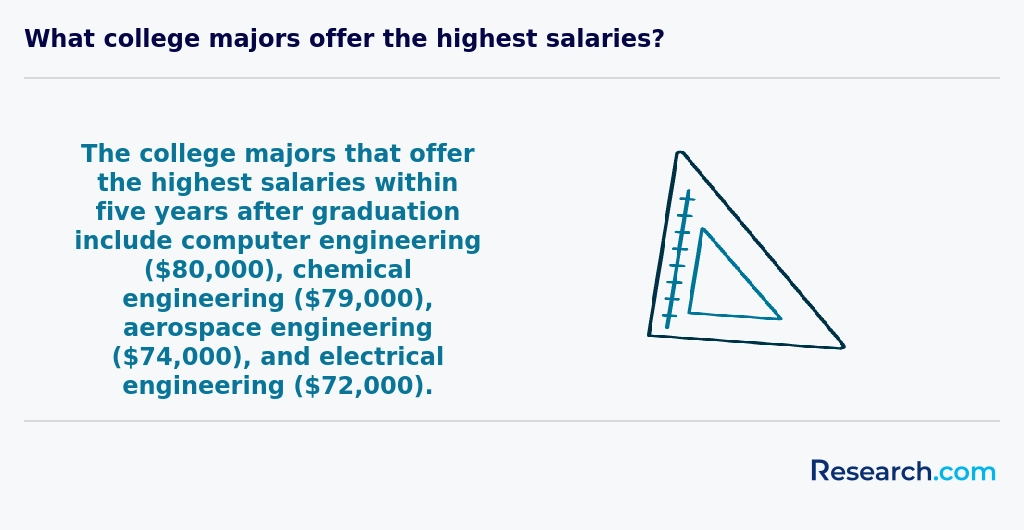
Graduates from Moscow's leading engineering schools like Moscow State Technical University and Bauman Moscow State Technical University typically start with salaries around 60,000 to 80,000 rubles monthly, roughly $800 to $1,100 USD. While entry-level pay is modest, specialization matters greatly for earnings growth. A graduate entering software or aerospace engineering in Moscow often sees faster salary increases, with mid-level positions offering upwards of 150,000 rubles per month, about $2,000 USD.
For those considering traditional fields such as mechanical or civil engineering, referencing U.S. salary data provides valuable perspective. Mechanical engineers in the U.S. earn a mean annual wage of $105,220, while civil engineers average $101,160 annually. Electrical engineers tend to earn even more, with a mean annual wage of $117,680. Industrial engineers make close to $103,150 per year. Moscow graduates connected with multinational firms can leverage these international salary benchmarks as motivation to upskill and pursue roles with higher compensation.
Engineers from Moscow benefit not only from competitive local wages but also from the global recognition of their degrees. This recognition can be a practical advantage when navigating career opportunities abroad or within Russia's growing tech and energy sectors. Graduates often share that building strong skills and networks during their studies transforms early modest salaries into rewarding income and career satisfaction.
- Tuition fees for engineering programs in Moscow range from 200,000 to 400,000 Russian rubles per year (about $2,500 to $5,000).
- Starting salaries for engineering graduates are about 45,000 to 60,000 rubles per month ($600 to $800) in the first years after graduation.
- Experienced engineers can earn over 100,000 rubles ($1,300) monthly, especially in software, telecommunications, and energy sectors.
- High demand for engineers exists in manufacturing, aerospace, automotive, IT, project management, and research and development.
- English-taught programs are limited, so proficiency in Russian is important for study and local job opportunities.
- Universities often partner with industry and government to offer internships and practical training for students.
In Moscow, completing an engineering degree typically takes about 5 years if you enroll in the specialist program, which effectively combines bachelor's and master's level studies into one continuous path. Graduates from well-known institutions like Bauman Moscow State Technical University often emphasize how this streamlined approach saved them time and provided a solid, practical education without needing to apply separately for a master's degree.
If you prefer, you could start with a 4-year bachelor's degree focused on core engineering skills. Many students at higher education centers such as Moscow State University choose this route to quickly enter the workforce or to keep options open for specialized master's studies later, which usually take an extra 2 years. Those who chose the bachelor-plus-master's pathway appreciate the clear division of learning phases, which allowed them to concentrate intensely on foundational knowledge first.
Overall, most students find that the program's practical training and project-based learning complement Moscow's rich engineering tradition, making the duration feel purposeful and rewarding rather than drawn-out.
Choosing between online and on-campus engineering degrees while in Moscow means weighing hands-on access against flexible schedules. Graduates from top Moscow technical colleges often recall how on-campus programs gave them valuable, face-to-face lab experiences that built real skills-crucial for mastering complex machinery. These programs also fostered spontaneous study groups and direct mentorship, which many found motivating and supportive.
In contrast, online programs offer Moscow-based students the convenience to study around work or family, but graduates advise preparing for self-discipline challenges. Some used virtual simulations to practice concepts but missed the tactile feel of physical labs. Coordinating live sessions across time zones sometimes delayed interactions with U.S. professors, making reliable internet essential.
Networking also differs: on-campus students easily connected with peers and potential employers in university events at places like Bauman Moscow State Technical University, while online learners had to be more proactive in virtual communities.
Ultimately, Moscow students must realistically assess their learning preferences, schedule flexibility, and how much hands-on experience they want to gain before deciding.
The average cost of an engineering degree in Moscow is approximately $40,743 in total, a figure that includes tuition and associated academic fees. This figure aligns closely with what international students often encounter when attending popular universities such as Bauman Moscow State Technical University or Moscow State University of Civil Engineering, two institutions renowned for their strong engineering programs. Graduates from these schools often share how manageable costs, when combined with local living expenses, make pursuing an engineering degree financially feasible in Moscow compared to many US options.
For a US-based student, understanding the average cost of engineering degrees in Moscow helps in planning a realistic budget. Many find tuition affordable relative to private US universities, which can exceed $40,000 per year alone. However, students do need to consider living costs - accommodation can range from $200 to $600 monthly depending on location and amenities. Additional expenses like health insurance, visa fees, and course-specific equipment also factor into total costs but are generally lower than those in major US cities.
Scholarships and financial aid at these Moscow institutions can significantly reduce expenses, making engineering degrees accessible. Graduates often recommend prospective students explore all funding opportunities and review official university tuition schedules carefully. Combining this with an awareness of living costs enables more accurate financial planning for an engineering degree tuition and fees Moscow 2027.
Finally, those interested in tailoring their education might consider exploring a computer science degree specialization or similar options, as these can sometimes offer different cost structures or additional scholarship possibilities, enhancing the overall value and experience.
As the engineering landscape evolves, students in Moscow, ID should prepare for emerging technologies and industry shifts that will define tomorrow’s workforce. Rapid advances in artificial intelligence (AI), the Internet of Things (IoT), and sustainable design are creating new roles and redefining traditional disciplines. For instance, AI-driven automation is transforming mechanical and electrical engineering workflows, while smart sensors and connected devices are driving growth in civil and environmental projects. Understanding these trends now will give graduates a competitive edge when exploring career options with an engineering degree. Key future trends to watch:
- AI and Machine Learning Integration: Engineers will increasingly design systems that learn and adapt, from predictive maintenance in manufacturing to autonomous vehicle control.
- Sustainable and Green Engineering: Demand for eco-friendly materials and carbon-neutral infrastructure is rising, opening roles in renewable energy, waste reduction, and life-cycle analysis.
- Digital Twins and Simulation: Virtual replicas of physical assets are becoming vital for testing and optimizing complex systems in aerospace, civil, and industrial engineering.
- Additive Manufacturing (3D Printing): Custom prototyping and lightweight structures are driving innovation in medical implants, automotive components, and consumer products.
- Cyber-Physical Security: As engineering systems become more connected, safeguarding critical infrastructure against cyber threats will be an essential specialization. By aligning your studies with these high-growth areas-through coursework, research projects, and local internships in Moscow’s tech and energy sectors-graduates can position themselves at the forefront of the next engineering revolution.
If you're pursuing an engineering degree in Moscow, start by exploring state scholarships awarded for strong academic results and passing entrance exams. Graduates from Bauman Moscow State Technical University often share how these scholarships covered much of their tuition, easing financial stress early on. Similarly, top schools like Moscow State University of Railway Engineering provide targeted scholarships designed specifically for engineering students, which can significantly reduce costs.
International students can also benefit from government-sponsored scholarships aimed at attracting global talent to Moscow's engineering programs. These opportunities, although competitive, open doors to high-quality education without the heavy financial burden.
Unlike many US students accustomed to federal loans, most Moscow-based engineering students rely less on loans and more on scholarships combined with personal or family resources. However, some Russian banks do offer favorable educational loans, which can be useful for managing long-term expenses if needed.
Work-study options and internships with Moscow's tech companies also add practical financial support. Former students emphasize that these roles not only supplement income but also provide valuable experience, making the financial journey both manageable and rewarding.
Moscow, ID engineering programs foster strong collaborations with local and national employers, ensuring students gain valuable hands-on experience before graduation. The University of Idaho’s College of Engineering partners with companies like Schweitzer Engineering Laboratories, Clearwater Analytics and Avista Utilities to offer semester-long co-op placements, paid internships and on-campus recruitment events. These opportunities allow students to apply classroom theory to real-world challenges, build industry connections and often transition seamlessly into full-time roles upon graduation. Washington State University’s Engineering Career Fairs attract more than 100 organizations annually, spanning sectors such as renewable energy, aerospace and software development. Through summer internships and project-based partnerships-like capstone collaborations with the Idaho National Laboratory-students develop specialized skills in areas ranging from robotics to environmental remediation. Alumni consistently report that these experiences enhance their resumes, expand their professional networks and boost their starting salaries. To maximize the return on investment, prospective students should evaluate the depth of each program’s employer network and the percentage of graduates securing internships. For insights into cost-effective engineering education pathways beyond Idaho, explore our Inexpensive Engineering Degree Programs Ranking in Rhode Island.
To enroll in an engineering degree in Moscow, you must first have completed secondary education equivalent to a U.S. high school diploma, with strong emphasis on math, physics, and chemistry. Graduates of specialized technical lyceums or gymnasiums, known for their rigorous science curriculum, often find this path smoother. For instance, many alumni from Moscow State Technical University recall how their solid foundation in physics exams significantly eased the admission process.
Proficiency in Russian is crucial since most programs are taught in the language. Many students share that passing Russian language proficiency tests or showing prior education in Russian helped them confidently manage coursework and participate in discussions.
Admissions heavily weigh entrance exam results, including the Unified State Exam (EGE) scores in math and physics. Successful applicants to top institutions like Bauman Moscow State Technical University highlight achieving high EGE marks as key to securing their spots.
Additional steps such as submitting recommendation letters and personal statements may be required, varying by university. Graduates often advise early preparation of these documents to stand out in competitive pools.
Beyond rigorous academics and promising career prospects, the overall campus experience plays a crucial role in shaping a well-rounded engineering education. Students in Moscow, ID, not only benefit from state-of-the-art laboratories and industry connections but also enjoy a vibrant community that supports networking, personal growth, and extracurricular engagement. Campus facilities such as modern residence halls, recreational centers, and diverse dining options create an environment where both academic and social lives flourish. Moreover, various student organizations, engineering clubs, and mentorship programs offer practical experience and leadership skills that further complement classroom learning. Active participation in these community-driven initiatives not only helps in building lasting professional relationships but also fosters a sense of belonging and pride in the institution. For prospective students searching for a valuable engineering school in idaho, considering the quality of student life is as important as academic excellence. Embracing a culture that balances hard work with opportunities to connect, learn from peers, and participate in campus events can be a determining factor in choosing the right program that leads to both academic success and a rewarding personal experience.
Engineering degrees in Moscow start with solid foundations in mathematics and physics, essential for any aspiring engineer. Graduates from top universities often recall tackling courses like calculus, linear algebra, and differential equations alongside physics labs, which set the stage for understanding complex engineering problems.
In the early semesters, expect hands-on study of materials science, statics, and mechanics of solids-these subjects help students grasp how different materials behave under stress. Electrical engineering tracks include circuit theory and electronics, while software-focused programs dive into programming and data structures, giving a practical edge aligned with Moscow's tech scene.
As you progress at institutions known for rigorous training, like Bauman Moscow State Technical University or Moscow State University of Civil Engineering, specialized courses appear. Think thermodynamics, fluid mechanics, control systems, and structural analysis paired with labs and real-world projects. Students often share satisfaction in mastering CAD and MATLAB, critical tools in modern engineering jobs.
Electives cover hot topics such as renewable energy, robotics, and telecommunications-fields booming in Moscow-allowing you to tailor your education to future career demands. This practical, stepwise curriculum is designed to boost confidence and readiness in a competitive engineering marketplace.
When exploring engineering specializations in Moscow universities, students commonly find programs in Civil Engineering, Mechanical Engineering, and Electrical Engineering at the core. For example, graduates from well-known Moscow technical colleges often share how Civil Engineering prepared them to work on real urban infrastructure projects, reflecting the city's rapid development. Mechanical and Electrical specializations attract students interested in automotive design or power systems, catering to industries active in Moscow's industrial landscape.
In addition, programs frequently offer Computer and Software Engineering, aligning with Moscow's growing IT sector. Students from top institutions report engaging coursework and practical labs that mirror current industry demands, making their skills highly marketable. Those keen on newer fields can also focus on specialized tracks like environmental, industrial, or robotics engineering, which address important trends such as sustainability and automation.
Considering the types of engineering degrees available in Moscow, international students appreciate the balance between quality education and affordability. Many find that studying here alongside Russian peers enhances their experience, while also benefiting from resources that address the cyber security degree importance in today's interconnected world.
Start by verifying the accreditation and international reputation of Moscow's universities, such as Bauman Moscow State Technical University or Moscow State University. Graduates from these institutions often share how their degrees opened doors worldwide, reflecting the value of choosing one of the best engineering degree programs Moscow offers. Look closely at the specialization areas-they cover mechanical, electrical, civil, and computer engineering, allowing you to match your interests with practical skills taught on campus.
Consider the cost differences; many students find affordable engineering colleges Moscow attractive since tuition ranges from $3,000 to $7,000 annually, significantly less than US rates. One graduate noted that this savings allowed them to focus more on learning and less on financial stress. Research programs delivered in English to ease your transition, and explore opportunities for internships or scholarships.
Additionally, learn about gaining relevant cyber security degree skills if that aligns with your goals, as practical experience is emphasized. This proactive approach helps ensure your investment in education yields both knowledge and career prospects.

Graduates from engineering programs at well-known Moscow universities often step directly into diverse roles that match the city's industrial and tech-driven economy. Many find work in mechanical, civil, and electrical engineering fields, supporting everything from metro expansions to telecommunications infrastructure. These roles offer a tangible connection to Moscow's growth, making their work feel impactful and rewarding.
Others leverage their degrees by moving into project management or R&D departments, especially within innovation hubs near major institutions. This practical combination of engineering knowledge and leadership is highly valued, creating steady job prospects for engineering graduates Moscow can rely on confidently.
Software engineering graduates frequently tap into IT sectors, benefiting from Moscow's expanding digital economy. Personal experiences of recent grads reveal how a strong program at a prestigious college not only opened doors to local industry but also to international firms, where salaries can be more competitive. For those uncertain about which path to pursue, exploring opportunities related to computer science job openings may provide a valuable foothold in this dynamic market.

Engineering job opportunities in Moscow are growing steadily, especially for graduates of popular universities like Bauman Moscow State Technical University and Moscow State University of Civil Engineering. Graduates often find entry-level positions in fields such as software, electrical, and mechanical engineering. Many report that gaining strong technical skills combined with practical internships opens doors to multinational companies based in the city, where involvement in global projects is common.
While starting salaries of 50,000 to 90,000 Russian rubles per month may seem modest compared to US figures, they tend to improve quickly as engineers gain experience and specialize. Graduates emphasize the importance of continuous skill development because some fields face high competition and saturation. Fluency in English and hands-on experience with international projects can create a significant advantage.
For those weighing the Moscow market against US options, the cost-efficiency of studying engineering here is notable; annual tuition often remains below $6,000 at state universities. Some graduates benefit from programs identified in the valuable engineering school in idaho as well, which reflects the growing international perspective students bring to their studies and careers in Moscow.
2027 Most Valuable Engineering Degree Programs Ranking in Moscow
Investing in your education is a significant decision that can shape your future, and the Research.com team understands the importance of making informed choices. To assist prospective students in Moscow, we have meticulously crafted the "2027 Most Valuable Engineering Degree Programs Ranking in Moscow." Our commitment to quality, credibility, and accuracy is reflected in the extensive research and analysis conducted to compile this ranking.
We utilized the following reputable data sources to ensure a comprehensive evaluation of engineering degree programs:
By exploring this ranking, readers will gain valuable insights into the most valuable engineering programs in Moscow, empowering them to make well-informed decisions about their educational and professional futures. For more details on our methodology, please visit our Research.com methodology page.

Frequently Asked Questions About engineering
Engineering students in Moscow can maximize their learning by engaging in both theoretical studies and practical experience. Participating in internships with Moscow's leading technology companies offers valuable real-world exposure. According to the Moscow State University data, 65% of engineering students who complete internships report higher employment rates after graduation.
Students should also take advantage of research opportunities at local universities such as Bauman Moscow State Technical University. Collaborative projects help develop problem-solving and teamwork skills important in engineering careers.
Joining student engineering clubs and attending industry conferences in Moscow fosters networking and knowledge exchange. Balancing coursework with hands-on projects strengthens understanding and application of engineering principles.
Emerging niches within the engineering field reflect rapid technological advancements and evolving industry demands. In Moscow, areas such as renewable energy engineering and smart infrastructure development are gaining significant attention. According to recent reports by the Russian Ministry of Science and Higher Education, the demand for engineers specializing in solar and wind power systems has grown by 15% annually over the past five years.
Another promising field is robotics and automation engineering, driven by Moscow's expanding manufacturing and technology sectors. Engineers skilled in artificial intelligence integration are especially sought after.
Additionally, biomedical engineering is developing rapidly in Moscow, supported by collaborations between universities and healthcare institutions, which enhances innovation in medical devices and diagnostics.
After completing an engineering degree in Moscow, preparing for the job market requires a strategic approach. Graduates should focus on building practical skills through internships and project-based experiences, which are highly valued by employers. According to the Higher School of Economics, over 60% of engineering students in Moscow secure internships before graduation, improving their employment prospects.
Networking is also crucial. Joining professional organizations like the Moscow Engineering Society can connect students with industry leaders and potential employers. Additionally, gaining proficiency in English and relevant software tools increases competitiveness.
Finally, staying informed about industry trends in Moscow's growing tech and manufacturing sectors helps tailor job applications effectively.
Employers in Moscow highly value engineering graduates who possess strong technical skills such as proficiency in computer-aided design (CAD), programming languages like Python or C++, and knowledge of automation technologies. According to the Moscow City Labor Market Report 2023, over 70% of engineering roles require experience with industry-standard software tools.
In addition to technical abilities, communication and teamwork skills are critical. Engineering projects often involve multidisciplinary collaboration, so clear communication is essential for success. The Higher School of Economics notes that nearly 65% of employers prioritize interpersonal skills alongside technical expertise.
Problem-solving and adaptability also rank among the top competencies. Engineers must navigate complex challenges and evolving technologies effectively. Moscow's engineering sector reports a 15% annual growth in demand for graduates who demonstrate innovative thinking and flexibility in their work approach.
Finding internships in Moscow relevant to an engineering degree involves several strategic steps. Many universities in Moscow, such as Bauman Moscow State Technical University, maintain partnerships with local industries, offering internship programs directly through their career centers. According to the QS Top Universities, engineering students in Moscow often secure internships in sectors like aerospace, automotive, and information technology.
Job portals like HeadHunter.ru and Superjob.ru list thousands of engineering internship opportunities in Moscow. Additionally, students can network through professional organizations such as the Russian Union of Engineers. English-language resources from US-based platforms may have fewer listings but can complement local searches.
It is advisable to prepare a targeted resume highlighting relevant engineering coursework and technical skills. Starting the search early, ideally six months before availability, significantly increases the chance of securing a quality internship. Some multinational companies in Moscow, including Siemens and Honeywell, offer internships specifically designed for engineering students, often incorporating international standards.
Obtaining an engineering degree significantly enhances career mobility and advancement prospects in Moscow's competitive job market. According to Moscow State University data, engineers with formal degrees enjoy an employment rate exceeding 85% within six months of graduation, demonstrating strong demand.
Such degrees often serve as prerequisites for higher-level roles, especially in sectors like aerospace, IT, and manufacturing, which are expanding rapidly in the region. Employers value the technical skills and problem-solving abilities developed through accredited programs.
Furthermore, holding an engineering degree allows professionals to pursue managerial and specialized technical positions, often accompanied by salary increases averaging 20% compared to non-degree holders, as reported by the Moscow Labor Market Study 2023.
Continued education opportunities, including certifications and graduate degrees, are also more accessible to those with a bachelor's or master's in engineering, further supporting long-term career growth.
Studying for an engineering degree in Moscow offers strong preparation for interdisciplinary roles through its comprehensive curriculum, which combines technical skills with exposure to diverse fields. Programs in institutions like Bauman Moscow State Technical University emphasize collaborative projects integrating mechanics, computer science, and management, reflecting the growing demand for versatile engineers.
According to the Russian Ministry of Education's 2023 report, nearly 65% of engineering graduates in Moscow engage in work requiring skills across multiple disciplines. This is supported by practical internships within the city's developing tech and industrial sectors.
Moreover, coursework often includes modules in economics, innovation, and communication, enhancing graduates' ability to work effectively in teams spanning various professional backgrounds.
Choosing between a thesis and a non-thesis engineering degree in Moscow depends on your career goals and academic interests. Thesis programs usually require significant research and culminate in a detailed paper, ideal for students aiming at PhD studies or research-oriented careers. Non-thesis options focus more on coursework and practical application, suitable for those seeking industry roles or professional advancement.
In Moscow, leading institutions like Bauman Moscow State Technical University offer both paths, with thesis students often engaging in cutting-edge projects related to Russia's aerospace and technology sectors. According to the 2023 QS World University Rankings, Moscow's engineering graduates with thesis experience tend to have more publication credits.
Consider your workload preference and long-term plans when deciding. Thesis programs typically demand 30-40% more research hours. Non-thesis programs may allow quicker entry into the workforce.
Students based in Moscow who wish to study engineering abroad often consider the United States due to its highly ranked engineering programs and research opportunities. American universities offer a wide range of engineering disciplines including mechanical, electrical, civil, and computer engineering. Many Moscow students apply to institutions that participate in exchange programs or offer scholarships specifically for international candidates.
According to the Institute of International Education, over 3,000 Russian students enrolled in U.S. engineering programs during the 2022-2023 academic year. Popular universities include MIT, Stanford, and Georgia Tech, known for their strong engineering faculties and industry connections.
Admissions typically require proof of English proficiency through TOEFL or IELTS scores and standardized tests like the SAT or GRE. Many U.S. schools also value applicants' technical experience and extracurricular achievements in STEM fields.
Students pursuing engineering degrees in Moscow can enhance their education through various part-time jobs that provide practical experience. Popular opportunities include internships at local technology firms, where students can apply theoretical knowledge to real-world projects. Engineering students often find roles in software development, CAD design, and technical support, which strengthen their technical skills.
According to the Moscow City Department of Education, approximately 35% of engineering students engage in part-time work related to their studies. Companies such as Kaspersky and Yandex offer internships that complement academic learning. These positions help build a professional network and improve employability after graduation.
Additionally, tutoring other students in math and physics remains a common part-time job. It reinforces foundational knowledge while developing communication skills essential for engineering careers.
Engineering students in Moscow benefit from a variety of networking opportunities that connect them with peers, academics, and industry professionals. Top institutions, including Moscow State Technical University, host regular career fairs where companies like Rosatom and Gazprom recruit interns and graduates. According to a 2023 report by the Russian Engineering Society, over 70% of engineering students in Moscow attend at least one professional event annually.
Students also join local chapters of international organizations such as IEEE and ASME, allowing them to engage in workshops and conferences. These events facilitate collaboration and knowledge sharing crucial for career development.
Additionally, many universities partner with multinational corporations, offering mentorship programs and industry projects. Such collaborations provide real-world experience and direct contact with potential employers. Access to these networks is integral for engineering students aiming to establish strong professional connections early in their careers.
Alumni networks offer significant advantages for engineering students in Moscow, connecting them with professionals who graduated from top US and Russian universities. These networks facilitate mentorship opportunities, allowing students to learn industry-relevant skills and gain insights into career paths. According to a 2023 report from QS, more than 60% of engineering graduates find their first job through alumni contacts.
In addition, alumni often provide access to exclusive internships and job openings in competitive Moscow engineering firms, bridging the gap between academic knowledge and practical experience. Networking events and online platforms foster collaborations, boosting students' chances of employment and research partnerships.
Overall, alumni networks support career development and professional growth, making them a valuable resource for engineering students in Moscow aiming to establish strong connections in both local and international engineering communities.
When pursuing an engineering degree in Moscow, customization is key to aligning education with career goals. Many Moscow universities offer flexible curricula that enable students to select specialized tracks such as mechanical, electrical, or software engineering. According to the Moscow State University Faculty of Engineering, up to 30% of coursework can be chosen by students to deepen expertise in areas like robotics or energy systems.
Internships and research projects provide practical experience tailored to individual interests. For instance, partnerships with Moscow-based tech firms allow students to work on real-world problems.
Additionally, elective courses in management or foreign languages can enhance career prospects in global markets.
Engineering students in Moscow often face several challenges similar to those in the US but with local nuances. One common difficulty is adapting to a highly theoretical curriculum, which some students find less practical compared to US engineering programs focused on hands-on learning. According to a 2023 report by the Russian Ministry of Education, nearly 35% of engineering students in Moscow express concerns about limited access to modern laboratory equipment. Language barriers can also affect international students, as many courses are primarily in Russian. Additionally, competitive admission and high academic standards make it demanding to maintain good grades over the course of study.
With an engineering degree, graduates can pursue several professional certifications that enhance their credentials and career prospects. In the US, the most recognized is the Professional Engineer (PE) license, which allows engineers to offer services directly to the public. To obtain it, candidates must pass the Fundamentals of Engineering (FE) exam, gain relevant work experience, and pass the PE exam.
Other valuable certifications include the Project Management Professional (PMP) for those interested in project leadership and the Certified Manufacturing Engineer (CMfgE) for specialization in manufacturing processes.
While Moscow-based engineering students focus on Russian standards, gaining US certifications can open international opportunities, especially since Moscow hosts many multinational companies. According to the National Society of Professional Engineers, licensed engineers often experience a 20% higher salary.
Applying for an engineering program in Moscow requires careful preparation, especially for US-based students. Begin by highlighting your academic achievements, including STEM-related coursework and any relevant projects or internships. Moscow's engineering programs often prioritize strong foundations in mathematics and physics, so include your standardized test scores if applicable.
Demonstrate language proficiency; many programs expect at least a B2 level in Russian or proficiency in English depending on the program. According to QS World University Rankings, Moscow has several top engineering schools that value clear, well-organized application essays explaining your motivations and career goals.
Include recommendation letters from teachers or employers familiar with your technical skills. Attention to detail and aligning your goals with the program's strengths improves your chances significantly.
The global outlook on an engineering career remains strong, with engineering professions in high demand worldwide. In the United States, the Bureau of Labor Statistics (BLS) projects a 6% growth in employment for engineers from 2022 to 2032, reflecting steady opportunities. For students in Moscow considering U.S.-linked engineering pathways, this trend indicates potential for international work and collaboration.
Engineering degrees from Moscow universities often emphasize practical skills aligned with global standards, enabling graduates to compete in international markets. According to QS World University Rankings 2024, some Moscow institutions rank among the top 200 globally for engineering, attracting partnerships with American firms.
Salary prospects in the U.S. for engineers are competitive, with a median annual wage around $85,000, which is a motivating factor for those pursuing an international engineering career. Additionally, engineering expertise opens doors in technology, infrastructure, and innovation sectors worldwide.
Gaining practical experience while studying for an engineering degree in Moscow involves several opportunities that complement academic learning. Many universities in Moscow collaborate with local industries, offering internships and cooperative education programs. These internships allow students to apply theoretical knowledge in real-world settings, often in leading sectors like aerospace, automotive, and energy.
Students can also participate in research projects alongside faculty members. Moscow State University and Bauman Moscow State Technical University, for instance, are known for strong engineering research initiatives supported by government and private funding.
Additionally, engineering students may join student clubs and technical societies that organize workshops, competitions, and project-based learning activities. These experiences help build practical skills valued by employers, as reported by the Moscow Department of Education's recent survey on graduate employment.
Choosing the right concentration within an engineering degree program in Moscow involves considering personal interests and market demands. Most universities in Moscow offer specializations such as mechanical, electrical, civil, and software engineering. According to a 2023 report by the Russian Ministry of Science and Higher Education, software engineering and automation are among the fastest-growing fields in the region.
Prospective students should also evaluate career opportunities in Moscow's industrial and technology sectors, which are strong in aerospace, IT, and energy. Reviewing program curricula and internships offered by institutions like Bauman Moscow State Technical University can provide practical insights. Additionally, students should seek concentrations aligned with emerging technologies to enhance employability in the evolving engineering landscape.
- 2027 Most Valuable Engineering Degree Programs Ranking in Seattle
- 2027 Most Valuable Engineering Degree Programs Ranking in Portland
- 2027 Most Valuable Engineering Degree Programs Ranking in Davis
- 2027 Most Valuable Engineering Degree Programs Ranking in Berkeley
- 2027 Most Valuable Engineering Degree Programs Ranking in San Francisco
- 2027 Most Valuable Engineering Degree Programs Ranking in Santa Cruz
- 2027 Most Valuable Engineering Degree Programs Ranking in Denver
- 2027 Most Valuable Engineering Degree Programs Ranking in Colorado Springs
- 2027 Most Valuable Engineering Degree Programs Ranking in Santa Barbara
- 2027 Most Valuable Engineering Degree Programs Ranking in Los Angeles
See What Experts Have To Say About Studying Engineering
Read our interview with Engineering experts

Jasna Jankovic
Engineering Expert
Associate Professor
University of Connecticut


Bohdan W. Oppenheim
Engineering Expert
Professor Emeritus of Healthcare Systems Engineering
Loyola Marymount University

- Study Engineering Abroad: Top Colleges, Costs, & Careers https://www.aeccglobal.com/study-abroad/courses/engineering
- Moscow Aviation Institute: Your Future Begins https://en.mai.ru/admission/
- Networking for engineers: your questions answered https://targetjobs.co.uk/careers-advice/engineering/networking-engineers-your-questions-answered
- graduate employment https://studyinrussia.ru/en/university-show/228/employment
- Engineering Educational and Career Goals: 6 Reasons Why Continuing Your Engineering Education Advances Your Career https://www.pdh-pro.com/pe-resources/engineering-educational-and-career-goals-6-reasons-why-continuing-your-engineering-education-advances-your-career/
- Interdisciplinary Engineering Education: Difficult, but not Impossible https://engineeringedu.press/2020/02/16/interdisciplinary-engineering-education-difficult-but-not-impossible/
- Thesis vs. Non-Thesis Master's Programs: Which is Right for You? https://potomac.edu/thesis-vs-non-thesis-masters/
- Eastern European University Association https://www.eeua.ru/news/detail_layout/350
- Scholarship Opportunities for International Students in Russia | Eligibility criteria https://recas.ru/scholarship-opportunities-for-international-students-in-russia-eligibility-criteria/
- How important is College Alumni Networks https://talk.collegeconfidential.com/t/how-important-is-college-alumni-networks/1964579