
2027 Most Popular Engineering Degree Programs Ranking in Idaho

Co-Founder and Chief Data Scientist
Choosing the right engineering degree program is a big step toward a rewarding career in Idaho. This article introduces the 2027 Most Popular Engineering Degree Programs Ranking in Idaho, created by the Research.com team of data scientists to guide you in making an informed decision.
By exploring this ranking, you'll discover the programs that stand out for their quality and opportunities. An engineering degree opens doors to innovation, stability, and growth, making it a smart choice for your future.
Let's explore the best paths to your success together.
Key benefits of getting engineering degree in Idaho
- Engineering graduates in Idaho can expect strong earning potential, with Mechanical Engineers averaging $105,220 annually and Electrical Engineers earning around $117,680, ensuring a rewarding financial future.
- Graduates from Idaho State University's engineering programs find diverse career paths, including roles in manufacturing, construction, and technology sectors, which bring exciting opportunities for growth and innovation.
- Completing an engineering degree online through institutions like Boise State University offers flexibility and convenience, allowing students to balance work and study while gaining the same valuable skills as traditional programs.
- 2027 Most Popular Engineering Degree Programs Ranking in Idaho
- What can I expect from engineering degree in Idaho?
- Where can I work with engineering degree in Idaho?
What can I expect from engineering degree in Idaho?
The average cost of earning an engineering degree in Idaho varies depending on the institution and residency status, but students can generally expect affordability compared to national averages. For example, at Idaho State University and Boise State University-two leading engineering schools-annual tuition for in-state residents typically ranges between $7,000 and $9,000. Graduates often describe the cost as manageable, especially when balanced with local opportunities for part-time work or paid internships integrated into their programs.
Many engineering students benefit from state scholarships and financial aid programs designed to reduce the burden of tuition and related expenses. A typical student attending Boise State recalls how co-op positions with nearby technology firms not only offered invaluable hands-on experience but also helped offset costs through stipends, proving that practical engagement can align well with financial feasibility.
Out-of-state students face higher tuition rates, sometimes two to three times the in-state amount, but the quality of accredited programs and access to industry connections remain compelling draws. Overall, Idaho's engineering degrees are noted for combining quality education with relative cost-effectiveness, supported by state initiatives that ease financial strain while fostering career readiness.
Where can I work with engineering degree in Idaho?
Graduates with engineering degrees from institutions such as Boise State University and the University of Idaho find a wealth of employment opportunities across Idaho's diverse economic landscape. Many begin their careers in manufacturing hubs, designing electronic components or food production machinery, where their skills directly impact product innovation. Others thrive in aerospace firms like Mercury Systems or HP Inc., applying mechanical, electrical, or systems engineering expertise to cutting-edge projects supporting both defense and commercial sectors.
Renewable energy is an exciting area for recent graduates, especially those focusing on environmental or civil engineering. These engineers contribute to solar, wind, and hydroelectric projects that shape Idaho's sustainable future, reflecting the state's commitment to clean energy. Civil and structural engineers often experience rewarding roles on infrastructure projects, working on bridges, roads, and urban developments, which steadily grow alongside Idaho's expanding communities.
Technology graduates benefit from Boise's rising status as a tech hub, landing roles in software and electrical engineering that foster innovation in a vibrant, supportive environment. Many also pursue careers at the Idaho National Laboratory, engaging in pioneering nuclear and mechanical research that combines practical application with scientific discovery. These pathways illustrate the tangible, fulfilling career realities Idaho engineering graduates embrace.
Graduates with an engineering degree from institutions such as Boise State University or the University of Idaho can anticipate attractive earning potential within the state. Mechanical engineers typically earn around $105,220 annually, reflecting Idaho's strong manufacturing sector. Electrical engineers enjoy even higher wages, with an average of $117,680 per year, often benefiting from growth in electronics and energy industries.
Civil engineers in Idaho earn approximately $101,160 annually, supported by ongoing infrastructure projects. Industrial engineers also secure competitive salaries, averaging $103,150 yearly, due to the state's emphasis on process optimization and efficiency. These figures align well with graduates' expectations, especially for those eager to contribute to Idaho's expanding technology and manufacturing environments.
Entry-level engineers can start with salaries in the range of $65,000 to $75,000, gradually increasing with experience. Many alumni from Idaho's engineering programs report feeling confident and motivated by these opportunities, especially given the state's relatively low cost of living, which amplifies their salary's value in practical terms.
- Public universities like Boise State University and the University of Idaho offer engineering degrees in civil, mechanical, electrical, and computer disciplines.
- In-state tuition and fees at these public universities typically range from $7,000 to $9,000 per year, making Idaho more affordable than the national average.
- Starting salaries for entry-level engineers in Idaho are between $60,000 and $70,000 annually, with mid-career engineers earning $85,000 to $95,000 on average.
- The demand for engineers is growing due to expanding technology, manufacturing, infrastructure, aerospace, and advanced technology industries.
- Professional engineering licensure through NCEES can improve job prospects and allows for easier work mobility across states.
- Engineering programs emphasize hands-on learning and internships, supported by partnerships with local companies to help students transition to the workforce.
In Idaho, completing a bachelor's degree in engineering typically takes four years, mirroring the standard duration across the United States. Students at well-known institutions like Boise State University or the University of Idaho usually follow an eight-semester, full-time curriculum designed to be manageable and paced for steady progress.
Graduates often reflect on a structured yet rewarding journey involving rigorous coursework in mathematics, physics, and specialized engineering subjects. The blend of lectures, laboratory sessions, and design projects provides hands-on experience that builds confidence and practical skills, making the learning process engaging and fulfilling.
For those balancing work or family commitments, part-time study or cooperative education programs (co-ops) offer flexibility, allowing students to gain paid work experience alongside academics, though this often extends the time to graduation by a semester or two. Such options highlight Idaho's commitment to accommodating diverse student needs without compromising educational quality.
Many students also benefit from Idaho's community colleges, where earning transfer credits or utilizing Advanced Placement exams can shorten the path to degree completion, creating an encouraging pathway toward graduation.
Investing in an engineering degree is a significant financial commitment, and evaluating the return on investment (ROI) can help you make informed decisions. In Idaho, the average total cost of a bachelor’s engineering program-including tuition, fees, and living expenses-is approximately $80,000 for in-state students. Given the mean starting salary of $100,000 for mechanical and electrical engineers, graduates can expect to recover their educational investment within 1 to 2 years of full-time employment. On average, Idaho engineering graduates carry about $30,000 in student loan debt. With typical monthly payments of $300–$350, the debt-to-income ratio remains favorable compared to other regions. Factoring in an average annual salary growth of 3–5%, most graduates reach a break-even point-and begin realizing net financial gains-by their third year in the workforce. When comparing on-campus and online program costs, online degrees often reduce living expenses and eliminate relocation fees, accelerating ROI. However, on-campus students benefit from hands-on labs and networking opportunities that can translate into higher initial salaries. Prospective students should weigh these factors to optimize both educational experience and financial outcomes. For those seeking even lower tuition benchmarks, explore our Low Cost Engineering Degree Programs Ranking in New Mexico to compare affordability and ROI across state lines. By analyzing average debt loads, salary trajectories, and program delivery methods, you can strategically select an engineering degree path in Idaho that maximizes both career satisfaction and long-term financial return.
On-campus engineering degrees in Idaho, such as those offered by Boise State University, provide students with hands-on learning in labs and workshops, fostering direct collaboration with faculty and peers. Graduates often describe the value of interacting face-to-face, which enhances teamwork skills and builds strong local professional networks through campus events and industry connections.
In contrast, online programs cater to working professionals or those who cannot relocate, offering flexible schedules and virtual labs to mimic practical experiences. While online students appreciate the ability to balance studies with other commitments, they often express challenges in accessing physical equipment and personalized mentorship compared to on-campus counterparts.
The financial aspect is also notable; many Idaho public institutions provide comparable tuition for both formats, but online students may save on housing and commuting costs. Prospective students should consider their preferred learning style and career goals when choosing between the immersive campus environment and the adaptable nature of online engineering education in Idaho.
The average cost of an engineering degree in Idaho varies significantly based on residency status and institution type. For in-state students attending public universities such as Boise State University or the University of Idaho, the median in-state total cost typically hovers around $9,048. This figure encompasses tuition, fees, and essential academic materials, reflecting a relatively affordable path compared to national averages.
Out-of-state students face substantially higher expenses, with median total costs reaching approximately $40,743, reflecting tuition rates nearly four times higher than those for Idaho residents. Graduates from these universities often highlight the financial relief that comes with being an in-state student, which reinforces why understanding Idaho engineering degree tuition and fees is crucial for prospective students.
Many students share stories of balancing academic rigor with part-time work and scholarships, leveraging Idaho's various financial aid opportunities to ease the monetary burden. Living costs tend to be moderate, enabling many engineering students to thrive without excessive financial stress. Idaho's public universities maintain a strong reputation for producing competent graduates while keeping costs manageable.
For those exploring options, identifying an affordable engineering school in idaho can be a strategic step toward managing expenses without sacrificing education quality. This approach makes the pursuit of an engineering degree attainable and rewarding for many residents and newcomers alike.
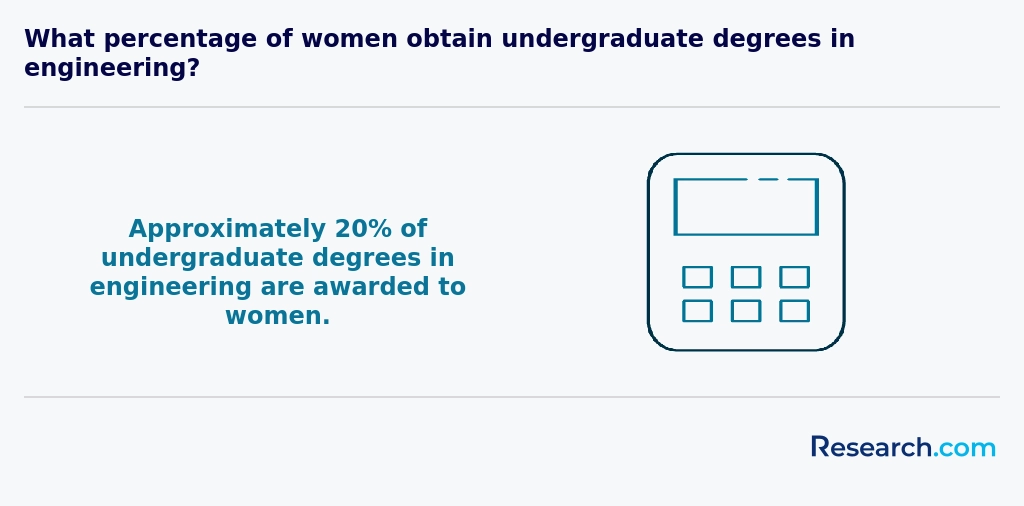
Engineering students in Idaho benefit from a variety of financial aid options that make pursuing a degree more manageable. Federal aid, including Pell Grants and subsidized Direct Loans, remains a foundational support, with Pell Grants covering up to $7,395 annually for eligible students. This assistance can significantly ease the financial burden for those attending public universities in Idaho.
State-level scholarships, such as the Idaho Opportunity Scholarship, offer up to $3,500 per year, rewarding academic merit and financial need. Engineering students at Boise State University and the University of Idaho often leverage these awards, supplemented by merit-based scholarships from their institutions. Many graduates share how these funds, based on leadership and academic excellence, helped them focus on studies without constant financial stress.
Work-study programs provide hands-on experience aligned with students' engineering fields while supplementing their income. Additionally, private scholarships offered by organizations like IEEE and ASCE further enable students to reduce expenses, creating a supportive financial environment for Idaho's aspiring engineers.
Data engineering has emerged as one of the fastest-growing fields within engineering degree programs, combining software development, database architecture, and large-scale data processing to support data-driven decision making. In Idaho, universities are expanding offerings in data engineering to meet the skyrocketing demand for professionals who can build and maintain robust data pipelines, manage cloud-based storage solutions, and optimize analytics workflows. Students pursuing a data engineering track can expect coursework in database management systems, ETL (extract, transform, load) processes, distributed computing frameworks such as Hadoop and Spark, and cloud platforms like AWS or Azure. Hands-on projects may include designing data warehouses for local businesses, developing real-time data streaming applications, and collaborating on cross-disciplinary research with computer science and business students. These experiences not only sharpen technical skills but also cultivate critical problem-solving abilities sought by employers. Career paths for data engineers in Idaho span roles in tech startups, healthcare analytics, fintech, and government agencies. Entry-level positions often start around $80,000–$100,000 annually, climbing significantly with experience in big-data technologies. Prospective students should also consider investment factors: for a detailed breakdown of educational expenses, see how much does it cost to become a data engineer, which outlines tuition, certification, and training costs alongside projected salary ranges. When evaluating Idaho institutions, look for programs that offer specialized labs, partnerships with industry leaders, and internship pipelines in data analytics. Collaborations with local tech firms in Boise and Coeur d’Alene provide practical learning environments, ensuring graduates are workplace-ready. By choosing a data engineering specialization, students position themselves at the intersection of engineering and data science-fields poised for robust growth in the coming decade.
Applicants pursuing engineering degrees in Idaho must demonstrate strong preparation in core subjects, particularly mathematics and science. Graduates from Boise State University, a prominent engineering school in the state, often recall the importance of completing high school courses in algebra, geometry, calculus, physics, and chemistry to succeed in admissions.
Many programs recommend or require advanced courses such as AP or IB classes in math and science to strengthen applications. Some Idaho institutions maintain a minimum GPA criterion, generally around 2.75 to 3.0, reflecting the academic rigor expected of incoming students.
Standardized tests like the SAT or ACT may be optional at schools like Boise State, but competitive scores can still highlight a student's analytical abilities. Additionally, letters of recommendation and personal statements showcasing participation in activities like robotics clubs or science fairs are commonly requested to demonstrate genuine interest and commitment.
Cost considerations and the potential for lab fees also influence enrollment decisions, making early financial planning essential. These prerequisites ensure students are well-equipped to thrive in demanding engineering programs across Idaho.
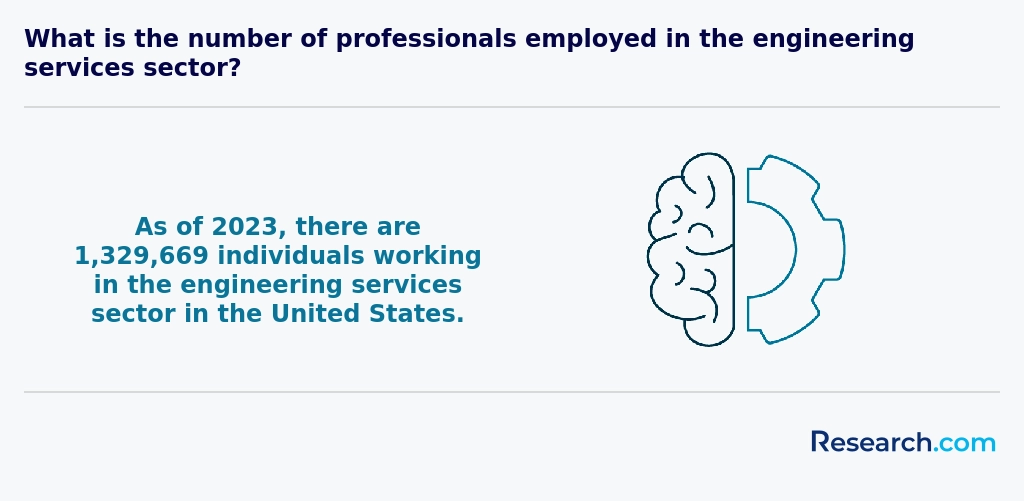
Engineering degrees in Idaho, particularly at institutions like Idaho State University and the University of Idaho, feature a carefully structured curriculum that balances foundational knowledge with practical skills. Early coursework immerses students in essential subjects such as calculus, differential equations, and physics, equipping them with the mathematical and scientific tools necessary for engineering problem-solving.
Students often find the hands-on approach to learning rewarding, as they apply theories from classes like mechanics and thermodynamics to real-world challenges. For example, graduates recall how early exposure to computer programming helped them develop software solutions for engineering tasks, enhancing their technical confidence.
As studies progress, programs become tailored to the chosen engineering discipline. Upper-division courses cover statics, dynamics, electrical circuits, materials science, fluid mechanics, and heat transfer, offering both depth and variety. Graduates often highlight how projects at these stages, such as designing mechanical structures or electrical systems, foster teamwork and project management skills highly valued by Idaho's growing tech and engineering sectors.
Engineering degree specializations in Idaho cover a wide range of fields reflecting both established and innovative disciplines. Students at Boise State University or the University of Idaho frequently pursue concentrations like Civil Engineering, which focuses on infrastructure and public works-key areas given Idaho's ongoing development. Mechanical Engineering remains popular due to the state's strong aerospace and manufacturing sectors, offering students hands-on experience designing mechanical systems.
Electrical and Computer Engineering are also prominent, aligning with Idaho's growing technology industry. Graduates often find these specializations exciting as they integrate electronics, communications, and computing in practical projects. Environmental Engineering is another significant focus, addressing sustainability challenges tied to Idaho's natural resources and mining activities, resonating deeply with students who value environmental stewardship.
Many students appreciate the hands-on opportunities provided by these Idaho engineering program concentration options, which create career-ready skills through industry partnerships. For those researching their future, understanding how much does it cost to become a data engineer can be a helpful part of planning within these specializations.
Choosing the best engineering degree in Idaho requires careful consideration of both academic and practical factors. Graduates from Boise State University often cite the benefit of engaging directly with faculty in smaller classes, which enhances learning in hands-on areas like civil and mechanical engineering. Aligning your interests with Idaho's prominent industries-such as manufacturing or infrastructure-can lead to meaningful career opportunities. Most reputable programs at the University of Idaho and elsewhere are ABET-accredited, ensuring quality education that supports professional licensure. Affordability is another decisive element; Idaho's in-state tuition averages around $8,800 annually, making it a competitive choice. Students appreciate programs that offer financial aid and scholarships to ease costs, and those seeking affordable options might explore the Low Cost Engineering Degree Programs Ranking in New Mexico for additional guidance. Assess programs for strong internships or cooperative education ties, as these practical experiences boost graduate confidence in entering the steadily growing Idaho engineering job market with a median salary near $85,000.
Consider also the support services like tutoring and career counseling available at engineering colleges in Idaho, which many graduates find invaluable for balancing coursework and professional development. By reflecting on these factors, prospective students can identify affordable engineering colleges Idaho that not only fit their budget but also cultivate fulfilling careers.

Graduates with an engineering degree in Idaho find diverse career paths tailored to the state's evolving industries. Popular choices include civil engineering, where alumni contribute to infrastructure projects such as bridges and roads, directly impacting local communities. Mechanical engineering graduates often thrive in manufacturing and aerospace sectors, particularly around Boise, which hosts numerous advanced manufacturing firms. Electrical engineering presents promising roles in renewable energy and automation, aligning with Idaho's growing solar and wind initiatives. Software engineering is another expanding field, favored by graduates due to the rise of data centers and cybersecurity jobs in the region. Environmental engineering also attracts those wanting to focus on sustainability and natural resource management in Idaho's unique landscapes.
Students from leading Idaho institutions report satisfaction with practical training that prepares them for these varied jobs for engineering graduates in Idaho. Many undergraduates also pursue accelerated online bachelor's degree for working adults options, enabling balance between education and work. The combination of affordable tuition and strong local demand creates an inviting environment for those pursuing engineering career opportunities in Idaho.
The engineering job opportunities in Idaho are steadily expanding, driven by key sectors such as semiconductor manufacturing, renewable energy, and infrastructure development. Graduates from institutions like Boise State University and the University of Idaho find themselves well-positioned to enter a job market supported by companies like Micron Technology and various renewable energy projects. Many recent graduates share positive experiences regarding access to cooperative education and internships, which provide practical skills that employers highly value. This approach enhances their employability right after graduation.
Idaho's market outlook for engineering graduates is promising, particularly in electrical, mechanical, and civil engineering disciplines. Salaries, while generally below national averages, are competitive when adjusted for the state's lower cost of living, averaging between $75,000 and $85,000. Students also benefit from affordable tuition fees at public universities, making local engineering degrees a financially smart choice. Those exploring advanced studies might consider easy masters degrees available in the state to further boost career prospects.
2027 Most Popular Engineering Degree Programs Ranking in Idaho
Investing in your education is a significant decision that can shape your future, and the Research.com team understands the importance of making informed choices. To assist prospective students in Idaho, we have meticulously crafted the "2027 Most Popular Engineering Degree Programs Ranking in Idaho." Our commitment to quality, credibility, and accuracy is reflected in the extensive research and analysis conducted to compile this ranking.
We utilized the following reputable data sources to ensure a comprehensive evaluation of engineering degree programs:
By exploring this ranking, readers will gain valuable insights into the most popular engineering degree programs available in Idaho, helping them make well-informed decisions about their educational and professional paths. For more details on our methodology, please visit our Research.com methodology page.


# 9 position
Idaho State University
Bachelor of Science in Mechanical Engineering

# 10 position
Idaho State University
Master of Science in Civil Engineering
Frequently Asked Questions About engineering
Engineering degree students in Idaho can maximize their learning experience by engaging deeply with both academic and practical opportunities. Idaho's universities often emphasize hands-on experience through labs, internships, and cooperative education partnerships.
Participating in internships with local industries, especially in aerospace, technology, and manufacturing sectors, helps students apply classroom theory to real-world problems. According to the Idaho State Board of Education, internships increase employment prospects by over 20%.
Students should also join engineering clubs and participate in competitions, which encourage teamwork and innovation. Additionally, Idaho students benefit from research programs funded by organizations like the National Science Foundation, which support cutting-edge projects at universities.
Utilizing campus resources such as tutoring centers and seeking mentorship from faculty enhances understanding of complex subjects. Engaging with professional networks like the Idaho Society of Professional Engineers also aids career development.
Emerging niches within the engineering field in Idaho reflect broader national trends toward sustainability and technology. Renewable energy engineering, focusing on wind and solar power, is growing rapidly due to Idaho's investment in clean energy projects. According to the Idaho Department of Labor, employment in this sector has increased by 12% over the past five years.
Another fast-developing niche is biomedical engineering, supported by Idaho's expanding healthcare technology sector, particularly in Boise. This field combines engineering principles with medical sciences to develop advanced healthcare solutions.
Moreover, software and data engineering are vital areas driven by Idaho's growing technology companies. These niches offer strong job prospects and align with national efforts to integrate artificial intelligence and automation in various industries.
After completing an engineering degree in Idaho, preparing for the job market involves practical experience and networking. Internships and cooperative education programs offered by Idaho universities, such as Boise State University, provide critical industry exposure. These opportunities allow students to apply classroom knowledge to real-world engineering challenges.
Certifications like the Fundamentals of Engineering (FE) exam are essential first steps toward becoming a licensed Professional Engineer (PE) in Idaho. According to the Idaho Department of Labor, the state's engineering sector is projected to grow 8% by 2030, particularly in manufacturing and renewable energy industries.
Building relationships through local engineering societies, like the Idaho Society of Professional Engineers, helps graduates connect with employers and stay informed on job openings.
Employers in Idaho highly value engineering graduates who demonstrate strong analytical and problem-solving abilities. According to the Idaho Department of Labor, critical thinking skills rank among the top competencies sought by local industries, especially in fields like aerospace and manufacturing.
Technical proficiency in areas such as computer-aided design (CAD), programming, and data analysis is also essential. Graduates familiar with software like MATLAB and SolidWorks tend to have better job prospects.
Communication skills are crucial, as engineers often work in teams and must convey complex ideas clearly. Leadership and project management experience further enhance a candidate's attractiveness in Idaho's competitive engineering market.
Finding engineering internships in Idaho requires a focused approach. Start by exploring career services at local universities such as Boise State University and the University of Idaho, which maintain partnerships with regional employers. These offices often list internships relevant to engineering fields.
Students can also search job platforms like Handshake and the Idaho Department of Labor's website, which frequently advertise internships specific to Idaho's engineering sector. The state's growing technology and manufacturing industries offer various opportunities, especially in aerospace and civil engineering.
Networking through professional organizations like the Idaho Society of Professional Engineers helps students connect with industry professionals and discover internship openings.
According to the National Association of Colleges and Employers, over 60% of engineering students gain internships before graduation, boosting job prospects significantly.
Obtaining an engineering degree in Idaho significantly enhances career mobility and advancement prospects. According to the Idaho Department of Labor, the state's engineering sector is projected to grow by approximately 7% through 2030, creating new job opportunities. Graduates with engineering credentials often qualify for specialized roles in industries like aerospace, manufacturing, and technology, which dominate Idaho's economy.
Theoretical knowledge combined with practical skills gained through accredited programs enables graduates to advance into management or research positions faster. Professional licensure, such as the PE (Professional Engineer) certification, which many Idaho engineers pursue, further improves career trajectory by validating expertise and opening doors to higher salaries.
Networking opportunities and statewide internships contribute to solid local connections, crucial for career progress given Idaho's close-knit engineering community. Additionally, wages for Idaho engineers tend to be above the state average, underlining the financial benefits of holding an engineering degree.
Studying for an engineering degree in Idaho equips students with strong technical skills alongside a broad interdisciplinary approach. Many programs, such as those at Boise State University and the University of Idaho, emphasize collaboration across fields like computer science, environmental science, and business, reflecting industry demands. According to the National Center for Education Statistics, Idaho engineering graduates often engage in projects requiring cross-disciplinary problem-solving. This training prepares students for roles that blend engineering expertise with teamwork, communication, and project management. Idaho's growing tech and energy sectors further encourage applied learning in varied environments, fostering versatile skill sets.
When choosing between a thesis and a non-thesis engineering degree program in Idaho, consider your career goals and learning preferences. Thesis programs require original research and a written dissertation, which is ideal if you plan to pursue a PhD or work in research-intensive roles. Non-thesis options focus more on coursework and practical skills, suited for directly entering the workforce or advancing in engineering management.
Idaho's universities like Boise State and the University of Idaho offer both formats, reflecting national trends where roughly 40% of engineering graduate students choose thesis routes, according to the National Science Foundation. Costs and time requirements also differ, with thesis programs generally taking longer and demanding more faculty mentorship.
Consult academic advisors at Idaho institutions to understand specific requirements and opportunities for internships or industry partnerships tied to each program type.
Students based in Idaho who want to study engineering abroad have several pathways through U.S. universities with established exchange programs. Schools like Boise State University and the University of Idaho often partner with international institutions in Europe and Asia, allowing students to spend a semester or year overseas while earning credits toward their degree. According to the Institute of International Education, about 10% of U.S. engineering students participate in study abroad programs, providing valuable global experience.
Idaho engineering students can also apply to scholarships such as the Gilman Scholarship, which supports undergraduates in U.S. institutions engaging in overseas study. These opportunities help students gain exposure to advanced engineering practices and diverse cultures, enhancing their education without losing progress toward their Idaho-accredited degrees.
Part-time job opportunities in Idaho that complement engineering degree education often involve roles in manufacturing, technology, and research sectors. Given Idaho's growing tech industry, especially in Boise, students can find internships or assistant positions in companies focusing on semiconductor manufacturing and software development. According to the Idaho Department of Labor, technology-related jobs in the state are expected to grow 7% over the next decade.
Additionally, engineering students benefit from working as lab assistants or technical support in university research projects, gaining practical experience in fields like electrical or mechanical engineering. Some students also find part-time roles in local construction and energy firms, connecting academic theories with real-world applications.
Engineering students in Idaho have several opportunities to build professional networks throughout their studies. Universities like Boise State and the University of Idaho host career fairs and engineering expos, attracting local companies and industries. These events allow students to meet potential employers and engage with practicing engineers.
Idaho's engineering community is supported by regional chapters of national organizations such as the American Society of Civil Engineers (ASCE) and the Institute of Electrical and Electronics Engineers (IEEE). These chapters offer workshops, seminars, and networking events specifically for students. Participation can enhance one's professional connections and industry knowledge.
Additionally, Idaho's growing technology and manufacturing sectors provide internships and cooperative education programs, which are valuable for hands-on experience and networking. According to Idaho Department of Labor, the state's engineering job market is expected to grow by 9% through 2030, further encouraging student engagement with local employers.
Alumni networks play a crucial role in supporting engineering students in Idaho by offering valuable connections within the local and national industry. These networks often provide mentorship opportunities, helping students navigate career decisions and internship searches. The University of Idaho reports that over 70% of engineering graduates find jobs through alumni referrals or networking events. Employers in Idaho's growing tech and manufacturing sectors frequently collaborate with alumni groups to recruit qualified candidates. Additionally, alumni organize workshops and seminars that keep students updated on industry trends and skills, enhancing their readiness for employment in fields such as civil, electrical, and mechanical engineering.
Customizing an engineering degree program in Idaho involves selecting specializations and electives aligned with your career goals. Most Idaho universities offering engineering, such as Boise State University and the University of Idaho, provide options in fields like civil, mechanical, electrical, and computer engineering. Students can choose minors, certificates, or dual degrees to enhance expertise in specific areas.
Internships and co-op programs in Idaho industries, including technology and manufacturing sectors, give practical experience that tailors education to real-world demands. Advisors at these schools guide students to select courses based on local job market data from sources like the Idaho Department of Labor.
Additionally, engaging in undergraduate research projects helps deepen knowledge in specialized topics. This flexibility enables graduates to meet evolving professional requirements within Idaho's engineering workforce.
Engineering students in Idaho often face several challenges throughout their academic journey. One common difficulty is access to specialized resources and laboratories, which can be limited at some institutions compared to larger universities in other states. This affects hands-on learning opportunities essential for engineering disciplines.
Financial barriers also impact many Idaho students. According to the National Center for Education Statistics, engineering tuition and fees in Idaho public colleges average around $8,000 per year, creating affordability concerns for some.
Additionally, balancing rigorous coursework with internships can be challenging. Idaho's smaller industrial base means fewer local engineering internship options, requiring students to seek experiences out of state or remotely.
With an engineering degree in Idaho, graduates can pursue several valuable professional certifications to boost their careers. The most recognized is the Professional Engineer (PE) license, which requires passing the Fundamentals of Engineering (FE) exam, gaining relevant work experience, and then passing the PE exam. This license allows engineers to officially sign off on projects and improves job prospects in Idaho.
Other certifications include the Certified Manufacturing Engineer (CMfgE) and the Project Management Professional (PMP), widely respected in various engineering fields. According to the Idaho Department of Labor, certified engineers in the state tend to command higher salaries and enjoy greater career advancement.
These credentials help demonstrate expertise, commitment, and professionalism in Idaho's competitive engineering job market.
Applying for an engineering degree program in Idaho requires careful preparation to stand out. First, maintain a strong academic record, especially in math and science courses, as these are critical for engineering admissions. According to the Idaho State Board of Education, competitive applicants often have GPAs above 3.5.
Standardized test scores, such as the SAT or ACT, may still be considered by some Idaho institutions, despite test-optional trends. Aim for math scores in the 75th percentile or higher to increase your chances.
Additionally, highlight relevant extracurricular activities, internships, or projects that demonstrate your engineering interest and skills. Boise State University and the University of Idaho emphasize hands-on experience in their admissions criteria.
Strong letters of recommendation from STEM teachers can further support your application. Finally, write a clear and focused personal statement explaining your motivation for studying engineering in Idaho, reflecting knowledge of local industry opportunities such as aerospace and technology sectors.
Engineering careers in the United States, including Idaho, enjoy strong global recognition due to the country's advanced technological sector and robust education system. According to the National Science Foundation, U.S. engineering graduates are highly sought after worldwide for their practical skills and innovation capabilities. In Idaho, institutions like Boise State University offer programs aligned with global standards, preparing students for international engineering challenges.
The demand for engineers remains high globally, with the U.S. Bureau of Labor Statistics projecting a 6% job growth for engineers nationwide by 2031. Idaho's growing technology and manufacturing sectors contribute notably to this trend, offering graduates numerous opportunities. This global perspective encourages Idaho students to pursue engineering degrees with confidence that their skills will be valued both domestically and abroad.
Students pursuing an engineering degree in Idaho can gain practical experience through internships and cooperative education programs offered by many universities. For example, Idaho State University and the University of Idaho connect students with local industries in sectors such as aerospace, energy, and manufacturing.
Idaho also boasts a growing technology and engineering job market, providing ample externship opportunities. According to the Idaho Department of Labor, engineering-related jobs in the state increased by over 10% between 2018 and 2023, which benefits students seeking hands-on work experience.
Additionally, engineering students can participate in research projects facilitated by their institutions, gaining valuable skills while contributing to local innovation efforts.
Choosing the right concentration within an engineering degree program in Idaho begins with understanding your interests and career goals. Idaho offers popular concentrations such as civil, mechanical, and electrical engineering, each serving different industries statewide. For example, civil engineers are in demand due to Idaho's growing infrastructure projects, supported by data from the Idaho Department of Labor.
Students should also consider job market trends in Idaho. According to the U.S. Bureau of Labor Statistics, engineers in Idaho earn a median annual wage of around $85,000, varying by specialization.
Exploring hands-on opportunities through internships at Idaho companies helps clarify practical fit.
- 2027 Most Popular Engineering Degree Programs Ranking in Montana
- 2027 Most Popular Engineering Degree Programs Ranking in Washington
- 2027 Most Popular Engineering Degree Programs Ranking in Nevada
- 2027 Most Popular Engineering Degree Programs Ranking in California
- 2027 Most Popular Engineering Degree Programs Ranking in Colorado
- 2027 Most Popular Engineering Degree Programs Ranking in Arizona
- 2027 Most Popular Engineering Degree Programs Ranking in Kansas
- 2027 Most Popular Engineering Degree Programs Ranking in Minnesota
- 2027 Most Popular Engineering Degree Programs Ranking in Iowa
- 2027 Most Popular Engineering Degree Programs Ranking in Arkansas
See What Experts Have To Say About Studying Engineering
Read our interview with Engineering experts


Joseph Reichenberger
Engineering Expert
Professor of Civil Engineering & Environmental Science
Loyola Marymount University

Jasna Jankovic
Engineering Expert
Associate Professor
University of Connecticut

- How Do You Decide Which Engineering Career is Right for You? https://www.straighterline.com/blog/which-engineering-career-right-for-you
- Thesis vs. Non-Thesis Master's Programs: Which is Right for You? https://potomac.edu/thesis-vs-non-thesis-masters/
- College of Engineering | University of Idaho https://www.uidaho.edu/engineering
- Bachelor of Engineering – kierunki i perspektywy kariery https://educat.study/pl/bachelor-of-engineering/
- Executive Search and Outplacement Services for the Engineering, Architecture, Construction, and Manufacturing Industries https://www.davron.net/stand-out-niche-engineering-job-market/
- Engineering Students' Challenges And Ways To Overcome Them - Bgi Bhopal https://bgibhopal.com/overcoming-challenges-as-an-engineering-student/
- Breaking Into Engineering: First Job Tips | Intuitive https://careers.intuitive.com/en/employee-stories/career-growth-advice/breaking-into-engineering-tips-for-landing-your-first-job/
- Student blog: Networking tips for engineering students https://asu-london.ac.uk/news/student-blog-networking-tips-for-engineering-students/
- The Rise of the Niche Engineer https://www.sterling-engineering.com/niche-engineer/
- Julie Mowatt https://www.nspe.org/career-growth/pe-magazine/may-2019/survey-provides-global-perspective-engineering


