
2027 Most Affordable Online Master's in Engineering Degree Programs Ranking in California

Co-Founder and Chief Data Scientist
Choosing the right online master's program in engineering can be overwhelming, especially when affordability is a top priority. This article presents the 2027 Most Affordable Online Master's in Engineering Degree Programs Ranking in California, developed by the Research.com team of data scientists to guide you through the options.
By exploring this ranking, you'll gain insight into quality programs that fit your budget and goals. Earning an engineering degree can open doors to exciting career opportunities and personal growth. Let's help you make an informed decision for a brighter future.
Key benefits of getting online engineering degree in California
- Engineering graduates in California can expect competitive salaries, with roles like Project Engineers earning around $137,750 annually and Biomedical Engineers about $106,700, highlighting strong financial rewards.
- Graduates from universities such as UC Berkeley often find diverse career paths in research, product development, and control systems, offering exciting opportunities to innovate and grow.
- Online engineering degrees, like those from Stanford Online, provide flexible schedules and lower commute stress, making it easier to balance work, life, and education successfully.
- 2027 Most Affordable Online Master's in Engineering Degree Programs Ranking in California
- What can I expect from online engineering degree in California?
- Where can I work with online engineering degree in California?
What can I expect from online engineering degree in California?
The average cost of an online engineering degree in California typically ranges between $10,000 and $30,000 for a master's program, especially at public universities where in-state tuition offers significant savings. Graduates from institutions like California State University and University of California campuses often recall balancing work and study while appreciating how affordable tuition allowed them to invest in advanced software tools and certification courses that boosted their careers.
Private universities, while more expensive, bring the advantage of extensive networking opportunities and personalized career services, which several alumni credit for landing roles in Silicon Valley or aerospace firms. Many found that employer tuition assistance programs helped ease the financial burden, enabling a focus on mastering emerging technologies like AI-driven systems design.
Future trends suggest growing financial flexibility, with schools potentially offering modular pricing or subscription models for up-to-date, bite-sized coursework-ideal for California's working professionals. This evolving approach could make online engineering degrees even more accessible and tailored to fast-paced industry changes, further energizing students pursuing engineering careers in the state.
Where can I work with online engineering degree in California?
Graduates with online engineering degrees from institutions like UCLA and Caltech find themselves stepping into a vibrant job market across California's cutting-edge industries. Many secure roles with tech giants in Silicon Valley or innovate in aerospace hubs around Los Angeles, thriving in electrical, software, and mechanical engineering fields. One graduate shared how flexible online coursework allowed them to start as a project manager at a renewable energy company while completing their degree, proving the practical advantage of remote learning.
Emerging trends suggest an increasing shift toward remote engineering positions, enabling graduates to consult for multiple firms without geographic limits. For example, a Cal Poly Pomona alumna leveraged her online degree to join a biotech startup in San Diego while working remotely, embracing California's expanding telework culture. Licensing as a Professional Engineer further unlocks career paths in infrastructure and consulting, connecting grads to impactful projects that shape the state's future.
The dynamic blend of established urban centers and innovative startups ensures that graduates feel confident, motivated, and ready to contribute to California's economy, benefiting from high median wages and strong job growth projections.
Graduates with an online engineering degree from California institutions like UC Berkeley or Cal Poly San Luis Obispo often see promising earning potential as they enter the workforce. For example, research engineers typically earn around $120,630 annually, a figure that reflects California's thriving innovation hubs. Project engineers can expect even higher salaries, averaging about $137,750, especially in fast-paced industries such as aerospace or tech startups within Silicon Valley.
A product development engineer might start with salaries close to $110,430, while control systems engineers often make approximately $118,350. Biomedical engineering graduates tend to earn about $106,700, benefiting from California's strong biotechnology sector.
Many online graduates share how their skills, honed through accredited online programs, open doors to exciting roles despite remote study formats. By combining their theoretical knowledge with hands-on projects, they gradually move from $70,000 entry-level roles into six-figure positions.
With experience and specialization, these professionals anticipate growth into rewarding leadership or niche technical roles, propelled by California's expanding industries in renewable energy and semiconductors.
- Tuition for online engineering master's programs in California ranges from $15,000 to $40,000, with public universities generally offering more affordable options.
- The average starting salary for engineering graduates in California is around $75,000 within two years of graduation.
- Accreditation by ABET is common for reputable online engineering degrees, ensuring national standards for licensure and employment.
- Many programs feature partnerships with industries like aerospace, renewable energy, and biotechnology, offering internships and job placements.
- Online engineering programs often provide asynchronous classes and virtual labs to accommodate working professionals.
- Engineering jobs in California are expected to grow by about 8% over the next decade, faster than the national average.
Completing an online engineering degree in California often takes around four years for bachelor's students studying full-time, a timeline many graduates from the California State University system find both challenging and rewarding. These students appreciate the flexibility that online formats provide, allowing them to juggle work or family while steadily progressing toward their degree.
For master's students, particularly those enrolled at institutions like the University of Southern California, programs frequently stretch from 1.5 to 3 years. Graduates often share how being able to study part-time made their ambitious career transitions possible, whether balancing a job or personal commitments. The option to accelerate coursework or enroll in summer sessions brings a sense of control and optimism about swiftly achieving goals.
Looking ahead, evolving online platforms may further optimize completion times, especially for California students managing busy lives. As programs integrate adaptive learning and increased course availability, future graduates could find themselves completing degrees faster without sacrificing depth or quality.
As the engineering landscape in California continues to evolve, staying ahead of emerging trends can give online master’s students a competitive edge. From the rapid growth of artificial intelligence (AI) to the integration of sustainable design practices, several key developments are shaping the future of engineering careers. 1. Artificial Intelligence and Machine Learning AI-driven solutions are transforming industries from autonomous vehicles to smart infrastructure. Engineers with expertise in AI algorithms and data analytics will find abundant opportunities in sectors like robotics and cloud computing. Familiarity with open-source frameworks and hands-on projects in machine learning can significantly enhance employability. 2. Renewable Energy and Sustainable Systems California’s commitment to carbon neutrality is driving innovation in solar, wind, and battery technologies. Graduates specializing in energy systems design are in high demand for roles in grid optimization and sustainable materials research. Collaboration with startups and public agencies offers pathways to lead large-scale decarbonization projects. 3. Biomedical and Biotechnology Engineering Interdisciplinary approaches are opening doors between engineering and life sciences. For instance, biomedical engineers are developing advanced medical devices and biocompatible materials. Many graduates leverage their skills to explore biotechnology jobs, where engineering principles support breakthroughs in genomics, drug delivery, and tissue engineering. 4. Cybersecurity and Digital Infrastructure As critical systems become more connected, safeguarding networks and embedded systems is paramount. Online engineering graduates can specialize in cybersecurity protocols, encryption technologies, and risk assessment, supporting industries from healthcare to aerospace in defending against cyber threats. 5. Additive Manufacturing and Advanced Materials 3D printing and novel composite materials are revolutionizing prototyping and production. Engineers versed in additive manufacturing processes are sought after for roles in aerospace component design, custom medical implants, and sustainable packaging. By aligning online master’s coursework with these future-focused specializations, students position themselves for leadership roles in California’s dynamic engineering ecosystem. Engaging in virtual labs, industry partnerships, and continuous upskilling will ensure that graduates remain at the forefront of innovation.
Online and on-campus engineering degrees in California mainly differ in how students engage with their education. Graduates from the University of California campuses often recall the flexibility online programs provide-allowing them to balance demanding jobs or family life while advancing their careers. These programs use video lectures and virtual labs, but some lab work might still require local visits, blending convenience with hands-on experience.
Meanwhile, graduates from California State Universities cherish the immersive, face-to-face interactions-collaborating in state-of-the-art labs near Silicon Valley and attending networking events that directly connect them to internships. The dynamic environment amplifies motivation and creates a vibrant campus community.
Both approaches meet ABET standards, assuring quality, but the personal experience changes. Imagine a working engineer taking evening online classes while another spends days in bustling campus labs. As technology evolves, hybrid models could emerge, providing on-campus resources paired with remote learning, perfectly suited to California's diverse student needs and fast-paced tech industry.
The average cost of an online engineering degree in California typically centers around $35,600, reflecting the costs quoted by graduates from well-known institutions such as those in the California State University system and other prominent public universities. This figure offers a realistic benchmark for prospective students considering an affordable online master's in engineering California, especially when weighing the investment against the value of a degree from a respected local university.
Graduates often share how balancing tuition with living expenses is made manageable by the state's competitive pricing for online STEM education. Many have found that the cost breaks down into per-unit fees, technology charges, and materials, all of which contribute to the overall tuition but remain reasonable compared to private institutions. For example, students at UC campuses might experience slight variations in fee structures, yet still benefit from the accessibility of quality programs.
Success stories frequently mention how financial aid programs and scholarships tailored for engineering students have alleviated concerns about total costs, enabling focus on coursework and career growth. As more colleges adapt flexible online formats, these programs may become even more accessible, ensuring that engineering aspirants in California can pursue their degrees without the burden of exorbitant expenses.
Those looking for detailed comparisons can explore the cheapest engineering programs in california to identify pathways that align with both academic goals and budget constraints.

Accreditation ensures your online master’s in engineering meets rigorous academic and industry standards, protecting your investment and career prospects.
- ABET accreditation confirms the curriculum aligns with professional engineering requirements.
- Regional accreditation guarantees institution-wide academic quality and federal aid eligibility.
- Licensure eligibility: accredited programs support preparation for the Professional Engineer (PE) exam.
- Employer recognition: top California firms and public agencies prefer graduates from accredited schools.
When researching an engineering degree online, verify accreditation status on both the institution’s site and the ABET directory.
Many online engineering students in California find federal financial aid to be a lifeline, especially through FAFSA, which unlocks Pell Grants and low-interest federal loans. Graduates from well-known California State University programs often recount how Pell Grants, offering up to $7,395 annually, eased the burden without repayment worries, enabling them to focus fully on their studies.
State-specific aid like the Cal Grant also plays a crucial role, though eligibility varies. Some engineering students at University of California campuses share stories of receiving Cal Grant B or C awards that helped cover living expenses and specialized training costs, making a tangible impact on their ability to continue education without financial stress.
Scholarships and assistantships offered by engineering departments at schools like Stanford or UCLA show promising trends, involving tuition waivers plus stipends for research support. This hands-on involvement sparks both financial relief and a sense of professional growth.
Looking forward, emerging collaborations between employers and universities hint at expanding tuition reimbursement programs tailored for online engineering learners, blending work and study seamlessly. With professional organizations like ASCE and SWE also providing targeted grants, the future holds a hopeful and supportive financial landscape for California's online engineering students.
When choosing an affordable online engineering master’s in California, accreditation and program quality ensure your credential is recognized by employers and licensing boards. Evaluate each program by:
- ABET accreditation: validates curriculum rigor, faculty expertise, and lab standards
- Faculty credentials: instructors with relevant PhDs, industry experience, and active research portfolios
- Support services: career counseling, tutoring, virtual labs and networking events that boost student success
- Outcome metrics: graduation rates, job placement percentages and alumni testimonials that reflect real-world impact
To compare accredited, low-cost engineering degree online options, prioritize programs that balance affordability with rigorous standards and robust student support.
To enroll in an online engineering degree program in California, most students find they need a bachelor's degree in engineering or a closely related field. Graduates from institutions like Cal Poly or UC Berkeley often mention how their strong undergraduate foundation made tackling advanced coursework feel achievable and rewarding. Official transcripts showcasing a minimum GPA around 3.0 are typically required, reflecting readiness for graduate studies in core areas like physics and mathematics.
While some programs still request GRE scores, many schools in California waive this if the applicant has several years of engineering experience, which adds real-world insight to their studies. For example, software engineers transitioning to online master's programs often share how their hands-on experience enriched their understanding during complex projects.
Proficiency in English and solid computer skills are also essential, ensuring clear communication and smooth navigation of digital platforms. Students appreciate how these prerequisites prepare them to confidently engage with peers and instructors across schools such as UCLA and Stanford. Reliable internet access remains a must, making it seamless to learn remotely while balancing professional and personal life.
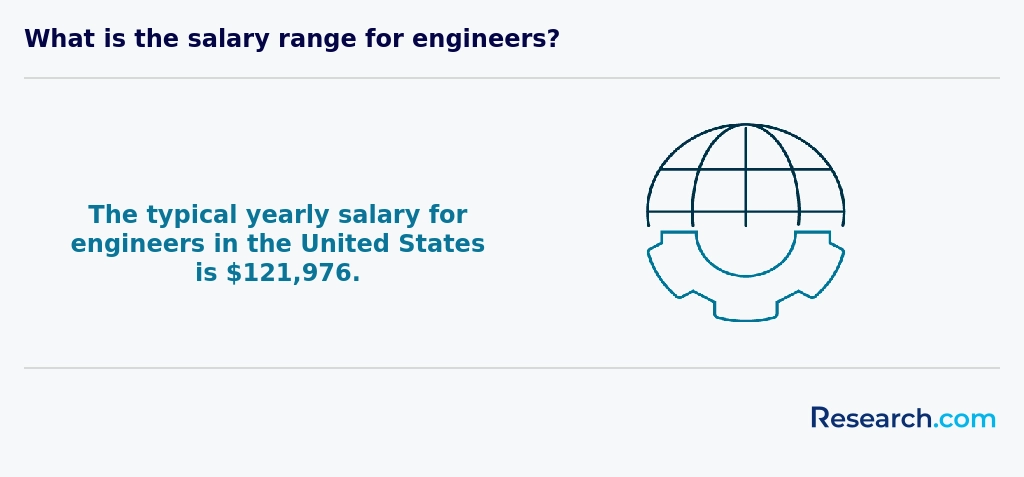
Calculating the ROI for an online master’s in engineering involves comparing total program costs against expected salary gains and career advancement over time. In California, the average total cost of an online engineering master’s is approximately $62,842, while graduates report entry-level salaries ranging from $70,000 to $90,000. Based on these figures, most students recoup their tuition investment within 2–3 years of full-time employment. Beyond salary, factors such as promotions and specialized certifications further enhance ROI. Alumni frequently cite accelerated career growth-moving from engineer to project manager within 3–5 years-which can boost annual compensation by 20–30%. When assessing long-term returns, consider: • Payback Period: At a median starting salary of $80,000 and a net annual gain of $17,158 after taxes and living expenses, a $62,842 investment pays off in roughly 3.5 years. • Lifetime Earnings: Engineers with a master’s degree in California can expect lifetime earnings increases of $500,000–$700,000 compared to those holding only a bachelor’s degree. • Career Mobility: Advanced credentials open doors to leadership roles in aerospace, renewable energy, and technology, often commanding six-figure salaries within five years. For those evaluating affordability alongside quality, our Low Cost Engineering Degree Programs Ranking in Detroit, MI offers additional context, highlighting how cost structures and salary outcomes compare across different regions. By weighing tuition against tangible career benefits, prospective students can make data-driven decisions that maximize both their financial and professional returns.
Online engineering degrees in California typically feature courses that blend fundamental theories with cutting-edge applications, preparing students for dynamic careers. Graduates from well-known universities like Cal State and UC campuses often recall mastering mathematical foundations such as calculus, differential equations, and physics-tailored for virtual labs that still feel hands-on through interactive simulations.
Core subjects like statics, thermodynamics, and fluid mechanics are presented with real-world relevance, often using case studies rooted in California's aerospace and renewable energy sectors. Many students find courses on electrical circuits and materials science exciting, especially when paired with projects simulating smart grid technologies or sustainable building materials.
Specialized electives reflecting California's tech-driven economy, such as software systems programming or structural analysis, empower learners to tackle contemporary challenges. One common experience is applying Python or MATLAB in coursework that mirrors current industry demands, giving students confidence to innovate in areas like AI or clean tech-fields thriving statewide.
Online engineering degree specializations California students pursue are evolving alongside the state's tech-driven economy. Graduates from popular institutions frequently choose concentrations like software engineering, reflecting Silicon Valley's dominance, or environmental engineering, addressing California's pressing sustainability goals. Many report excitement about applying concepts such as sustainable design and water resource management directly to projects impacting their local communities.
Others gravitate toward electrical or mechanical engineering, with hands-on coursework that mirrors the demands of aerospace and renewable energy sectors. Flexible online programs at well-known California colleges allow working professionals to balance careers and study, fueling enthusiasm as they envision advancing in burgeoning fields. The availability of California affordable engineering master's concentrations encourages many to specialize deeply without financial strain, further broadening their future career prospects.
Students also recognize the benefits of combining technical mastery with emerging interdisciplinary skills, helping them navigate complex systems in defense or automotive industries. For those curious about unique paths, programs often highlight connections to biotechnology jobs, signaling expanding opportunities beyond traditional engineering routes.
Choosing the best online engineering degree in California involves evaluating programs that balance academic rigor with real-world relevance. Graduates from well-known Californian institutions often highlight the value of ABET accreditation, which guarantees their education aligns with industry standards, boosting confidence when entering the competitive California job market. Many students pursuing the top online master's in engineering programs California find it essential to select courses focused on cutting-edge fields like aerospace or environmental engineering, reflecting the state's evolving economy.
Flexibility is a decisive factor for those balancing work and study. Students appreciate programs offering asynchronous classes, allowing them to engage at their own pace without sacrificing professional responsibilities. Popular colleges often integrate strong faculty expertise and immersive student support, which graduates say creates a more enriching and less isolating online experience.
Considering affordability is critical too; some online programs offer discounted tuition for residents, a significant advantage given California's higher living costs. For a guide on budgeting your options, you might explore Low Cost Engineering Degree Programs Ranking in Detroit, MI to see how value assessments can inform your choice while focusing on the best affordable online engineering degrees California.
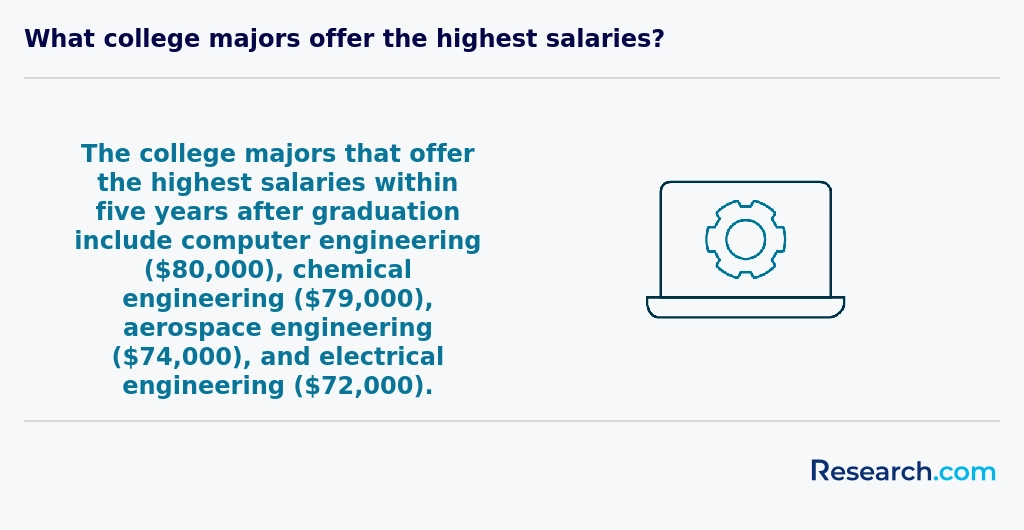
Graduates with online engineering degrees from institutions popular in California, such as those in the UC system or Cal Poly, increasingly pursue dynamic career paths that reflect the state's diverse demand. For example, civil engineering roles are expanding as graduates contribute to innovative infrastructure projects designed to withstand earthquakes while improving urban transit. Others enter electrical engineering within Silicon Valley's fast-evolving tech companies, where their skills support telecommunications and renewable energy advances.
Mechanical engineers often find exciting opportunities in California's aerospace or automotive sectors, working on robotics and sustainable vehicle design. Software engineering graduates shape the future of AI and cloud computing, blending traditional engineering knowledge with software development. Environmental engineers are becoming vital players in California's efforts to combat climate change through water quality improvement and green construction.
Online engineering degree jobs in California increasingly benefit from flexible learning that fits working professionals' busy lifestyles. Many students appreciate affordable, quality options like the top 6 month associate degree online programs that prepare them for these careers while balancing life commitments.
The job market for online engineering degree graduates in California is increasingly promising, fueled by a flourishing technology sector and robust demand for skilled professionals. Graduates from universities like UC Berkeley or Cal Poly San Luis Obispo often find themselves well-positioned for rewarding roles in Silicon Valley's competitive environment. Many report excitement about the flexibility of online programs allowing them to balance work while building expertise, leading to opportunities in software and electrical engineering fields.
California's growing focus on green energy and aerospace industries also expands the horizons for those with an online engineering degree. Graduates commonly note how their hands-on projects and industry connections via their programs help bridge the gap to tangible job prospects. Considering the evolving landscape, exploring options at open admission colleges online could offer even more accessible pathways for students needing flexibility.
With California engineering degree employment outlook remaining strong, especially in high-paying metropolitan areas, online graduates are encouraged to leverage internships and networking to maximize their potential in this dynamic market.
2027 Most Affordable Online Master's in Engineering Degree Programs Ranking in California
Investing in your education is a significant decision that can shape your future, and the Research.com team understands the importance of making informed choices. To assist prospective students interested in pursuing an online master's degree in engineering in California, we have meticulously crafted the "2027 Most Affordable Online Master's in Engineering Degree Programs Ranking in California." Our commitment to quality, credibility, and accuracy is reflected in the extensive research and analysis conducted to compile this ranking.
We utilized the following reputable data sources to ensure a comprehensive evaluation of engineering programs:
By exploring this ranking, readers will gain valuable insights into the most affordable and credible online master's engineering programs in California, empowering them to make well-informed decisions about their educational investment. For more details on our methodology, please visit our Research.com methodology page.


Frequently Asked Questions About engineering
Online engineering degree students in California can maximize their learning experience by actively engaging with course materials and participating in virtual labs and simulations offered by many programs. California is home to numerous accredited institutions, and choosing a program recognized by ABET ensures rigorous curriculum standards. Students should also take advantage of networking opportunities through online forums and local engineering societies such as the California Society of Professional Engineers. According to the National Science Foundation, California ranks first in engineering job creation, so staying connected with local industry trends enhances career readiness. Time management and consistent communication with faculty further boost academic success.
The engineering field is evolving rapidly, with several emerging niches gaining attention in California's higher education landscape. Areas such as renewable energy engineering are expanding due to the state's aggressive clean energy goals, supported by agencies like the California Energy Commission. Another growing niche is biomedical engineering, driven by Silicon Valley's medical device innovation. Additionally, artificial intelligence and machine learning integration into engineering systems are creating new career opportunities. Environmental engineering remains crucial as California focuses on water management and sustainability challenges. These niches reflect market demands, making online engineering degrees in California increasingly relevant for professionals targeting future-focused industries.
After completing an online engineering degree in California, preparing for the job market involves multiple strategic steps. Building a strong professional network is crucial, as California's engineering sector is highly competitive, especially in technology hubs like Silicon Valley and Los Angeles. Engaging with local industry groups and attending virtual career fairs can increase visibility.
Internships or cooperative education programs, even post-graduation, provide valuable experience recognized by California employers. According to the California Employment Development Department, demand for engineers in fields like civil, electrical, and software engineering is expected to grow by over 10% by 2030.
Additionally, obtaining professional licensure such as the PE (Professional Engineer) credential enhances credibility and job prospects in California's regulated engineering fields. Familiarity with California-specific regulations and sustainability standards is also encouraged.
Employers in California's engineering sector prioritize a blend of technical expertise and soft skills for graduates of online engineering degree programs. Strong knowledge of software tools like AutoCAD, MATLAB, and Python is essential, as these are widely used in California's tech-driven industries, including aerospace and renewable energy.
Critical thinking and problem-solving abilities rank highly, with 82% of California engineers citing these as crucial in recent surveys by the National Society of Professional Engineers. Communication skills are also vital, enabling engineers to collaborate effectively within diverse teams.
Additionally, familiarity with project management and sustainability practices increasingly influences hiring decisions, reflecting California's emphasis on innovation and environmental responsibility.
Finding internships in California for engineering students requires strategic effort. Begin by utilizing your university's career services, which often maintain partnerships with local engineering firms and tech companies. California hosts major hubs like Silicon Valley and Los Angeles, home to thousands of engineering jobs and internships; the California Employment Development Department estimated over 176,000 engineering positions statewide in 2023.
Online job platforms focused on internships, such as Handshake and Internships.com, allow filtering by location and engineering discipline. Networking through professional organizations like the Society of Women Engineers (SWE) or the American Society of Civil Engineers (ASCE) is another effective approach.
Additionally, check corporate websites of large California-based companies-such as Tesla, Qualcomm, and Google-for dedicated internship programs tailored to engineering students. Applying early and customizing your resume to each internship's requirements improves your chances significantly.
An online engineering degree in California can significantly enhance career mobility and advancement opportunities. The state's technology and manufacturing sectors employ over 1.4 million workers, with a strong demand for skilled engineers, according to the California Employment Development Department.
Graduates with an online engineering degree benefit from flexible learning schedules while gaining credentials recognized by employers statewide. Accredited programs align with California's professional engineering licensing requirements, which can accelerate the path to becoming a licensed Professional Engineer (PE).
Additionally, online degrees often include current industry-relevant skills in areas like renewable energy and software engineering, fields growing rapidly in California.
Employers increasingly value advanced degrees for leadership and specialized roles, with a 15% higher median salary reported for engineers holding master's degrees in the state, per the U.S. Bureau of Labor Statistics.
Studying for an engineering degree online in California equips students with skills that cross disciplinary boundaries, which is essential in today's complex job market. California's engineering programs often integrate coursework in technology, business, and environmental sciences. This interdisciplinary approach reflects the state's diverse industries, from Silicon Valley tech firms to renewable energy companies.
The University of California system and California State Universities emphasize collaborative projects, encouraging students to solve real-world problems with teams from varied backgrounds. According to the National Science Foundation, California ranks first in the U.S. for engineering doctorates awarded, highlighting its robust STEM education environment.
Online formats also foster adaptability, as remote students must manage technology and communication tools effectively. These experiences prepare graduates for multidisciplinary roles needing technical expertise alongside leadership and innovation skills.
Choosing between a thesis and a non-thesis engineering degree program in California depends largely on your career goals. Thesis programs focus on research, requiring students to complete original projects. This is ideal if you plan to pursue a PhD or work in R&D roles. According to the National Center for Education Statistics, about 30% of engineering master's students in California opt for thesis tracks.
Non-thesis programs emphasize coursework and practical skills. These are often preferred by professionals seeking advancement in industry roles. They typically require additional classes or a final project instead of a thesis.
Cost, time commitment, and program flexibility also differ. Thesis options may take longer but offer deeper specialization. Non-thesis programs can be completed faster, suiting working engineers balancing study with employment. Understanding these factors helps you select the best fit for your professional path.
Students based in California who wish to study engineering abroad have several viable options, primarily through partnerships between California universities and international institutions. Many California universities, including the University of California system, offer exchange programs or dual degree options allowing students to gain international experience without leaving their home state for extended periods.
For fully online alternatives, students can enroll in accredited international engineering programs that offer remote learning. The WES 2023 report highlights that nearly 15% of Californian engineering students seek international qualifications to enhance their resumes.
California students should verify program accreditation through ABET or comparable bodies abroad to ensure credits are transferable and relevant for US employment.
Part-time job opportunities in California can effectively complement an online engineering degree by providing practical experience alongside academic studies. Roles such as engineering interns, CAD technicians, and lab assistants are common options. These jobs often involve tasks that align with coursework, helping students apply theoretical knowledge in real-world settings.
California hosts a large technology sector, including companies in Silicon Valley and aerospace hubs, which offer numerous entry-level positions. According to the California Employment Development Department, engineering technician roles grew by 5% from 2020 to 2023, underscoring job availability.
Many students also engage in part-time positions in research labs at universities or with firms specializing in renewable energy and infrastructure. These roles provide valuable networking and skill development opportunities relevant to engineering careers.
Online engineering students in California have access to numerous networking opportunities that help bridge the gap between virtual learning and professional connections. Many universities offer virtual career fairs, webinars, and alumni networking events tailored specifically for engineering disciplines.
California's strong engineering sector-home to Silicon Valley and numerous tech hubs-fosters active professional organizations such as the IEEE and the Society of Women Engineers, which often hold virtual meetings and local events accessible to online students. According to the California Employment Development Department, the engineering workforce in California grew by 5% from 2020 to 2023, indicating robust industry engagement.
Additionally, students can leverage online platforms linked to their universities, such as LinkedIn groups and dedicated discussion forums, to interact with peers and industry leaders. These resources support career development despite geographical barriers.
Alumni networks play a crucial role for students pursuing online engineering degrees in California. They offer vital opportunities for mentorship, connecting current students with graduates who have experience in California's dynamic engineering job market. According to the National Association of Colleges and Employers (NACE), 65% of job seekers find employment through networking, highlighting the importance of these connections.
Additionally, alumni networks help students access exclusive job postings and internships from California-based tech companies, which are essential in a state that employs over 1.7 million engineers, as reported by the U.S. Bureau of Labor Statistics. These networks also foster a sense of community despite the online learning format, providing peer support and professional development resources tailored to California's evolving engineering sectors.
Customizing an online engineering degree in California involves selecting specialized tracks or concentrations that align with your specific career goals. Many accredited California institutions offer options such as civil, mechanical, electrical, or software engineering, allowing students to focus on their areas of interest. Additionally, online programs often provide flexibility in course selection and elective credits.
Students can tailor their learning experience by choosing projects, research topics, or internships relevant to California's tech and manufacturing industries, which employ over 800,000 engineers (U.S. Bureau of Labor Statistics, 2023). This practical focus enhances job readiness.
Advisors usually assist in mapping academic paths to match industry certification requirements or future career transitions.
Online engineering students in California often face challenges related to staying engaged and managing time effectively. Engineering courses typically demand hands-on experience and collaboration, which can be difficult to replicate in virtual settings. According to the California Community Colleges Chancellor's Office, nearly 40% of online students report difficulties with practical lab components.
Access to reliable high-speed internet is another common issue, especially in rural areas where connectivity may lag behind urban centers. Additionally, networking opportunities with peers and industry professionals can be limited, affecting career development.
Financial concerns also arise, as some students struggle to balance tuition costs with work and family obligations, despite California's diverse range of affordable programs.
With an online engineering degree, professionals in California can pursue various certifications to advance their careers. A primary certification is the Professional Engineer (PE) license, which requires passing the Fundamentals of Engineering (FE) exam and five years of relevant work experience. The PE license is highly valued in California's engineering job market, especially for civil, electrical, and mechanical engineers.
Other certifications include the Certified Manufacturing Engineer (CMfgE) and Project Management Professional (PMP), which enhance specialization and leadership skills.
According to the National Society of Professional Engineers, California tops the U.S. in new PE licenses granted annually.
Applying for an online engineering program in California requires careful preparation to stand out. First, focus on a clear, tailored personal statement that highlights your passion for engineering and how the specific online program aligns with your career goals. California employers highly value practical experience, so emphasize relevant internships, projects, or work history in engineering fields.
Strong academic records are essential. According to the California State University system, an average GPA of 3.0 or higher improves admission chances for engineering master's programs. Include official transcripts and standardized test scores if required.
Letters of recommendation should come from professionals familiar with your technical skills and academic potential. Highlight any connection to California's engineering industries, such as aerospace or tech.
Engineering careers have a broad global appeal due to rapid technological progress and infrastructure demands worldwide. In the US, especially California, engineers are crucial for innovation in sectors such as aerospace, software, and renewable energy. According to the California Employment Development Department, engineering jobs in the state are projected to grow by 8% from 2022 to 2032, faster than the national average.
Internationally, engineering skills are highly transferable, allowing professionals to work across borders. This creates strong global networks and collaborative projects, increasing demand for engineers with diverse technical and cultural knowledge. Online engineering degrees in California often emphasize these global industry trends to prepare students for worldwide opportunities.
Gaining practical experience while studying for an online engineering degree in California is essential for career readiness. Many programs encourage internships or cooperative education (co-op) placements, which can often be completed with local engineering firms or tech companies. California's Silicon Valley and aerospace industries offer abundant opportunities for hands-on learning.
Students can also participate in virtual labs and simulation software integrated into their curriculum. According to the California Workforce Development Board, nearly 73% of engineering graduates engage in internships to boost employability. Additionally, professional engineering societies in California often provide networking events, workshops, and mentoring programs accessible to online students.
Choosing the right concentration within an online engineering degree in California begins with evaluating your career goals and interests. California leads in fields like electrical, software, and civil engineering due to its booming tech and infrastructure sectors, which may influence demand for specialized skills. According to the California Labor Market Information, software engineers earn a median annual salary of over $120,000, indicating strong opportunities in that area.
Consider program accreditation, such as ABET accreditation, to ensure your degree holds value with employers. Additionally, review faculty expertise and available research opportunities, as California schools often align concentrations with regional industry needs.
Networking potential and internship availability in your chosen concentration can also shape your decision, especially in a state with tech hubs like Silicon Valley. Finally, verify if the program offers flexibility to switch concentrations if your interests evolve during study.
- 2027 Most Affordable Online Master's in Engineering Degree Programs Ranking in Arizona
- 2027 Most Affordable Online Master's in Engineering Degree Programs Ranking in New Mexico
- 2027 Most Affordable Online Master's in Engineering Degree Programs Ranking in Colorado
- 2027 Most Affordable Online Master's in Engineering Degree Programs Ranking in Texas
- 2027 Most Affordable Online Master's in Engineering Degree Programs Ranking in Kansas
- 2027 Most Affordable Online Master's in Engineering Degree Programs Ranking in Missouri
- 2027 Most Affordable Online Master's in Engineering Degree Programs Ranking in Wisconsin
- 2027 Most Affordable Online Master's in Engineering Degree Programs Ranking in Illinois
- 2027 Most Affordable Online Master's in Engineering Degree Programs Ranking in Michigan
- 2027 Most Affordable Online Master's in Engineering Degree Programs Ranking in Alabama
See What Experts Have To Say About Studying Engineering
Read our interview with Engineering experts

Jasna Jankovic
Engineering Expert
Associate Professor
University of Connecticut

Bohdan W. Oppenheim
Engineering Expert
Professor Emeritus of Healthcare Systems Engineering
Loyola Marymount University


- New Ranking: The Best Alumni Networks https://poetsandquantsforundergrads.com/rankings/the-best-alumni-networks/
- Thesis vs. Non-Thesis Master's Programs: Which is Right for You? https://potomac.edu/thesis-vs-non-thesis-masters/
- Thinking of studying abroad as an engineering major https://talk.collegeconfidential.com/t/thinking-of-studying-abroad-as-an-engineering-major/1788476
- Which engineering employers offer summer internships or industrial placements? https://targetjobs.co.uk/careers-advice/engineering/which-engineering-employers-offer-summer-internships-or-industrial-placements
- Breaking Into Engineering: First Job Tips | Intuitive https://careers.intuitive.com/en/employee-stories/career-growth-advice/breaking-into-engineering-tips-for-landing-your-first-job/
- Online Programs Search https://amspub.abet.org/aps/online-search
- Arya College | Best B.Tech College in Jaipur, Rajasthan, India https://www.aryacollege.org/resources/common-challenges-faced-by-engineering-students/
- How Do You Decide Which Engineering Career is Right for You? https://www.straighterline.com/blog/which-engineering-career-right-for-you
- 6+ Engineering Cover Letter Examples (with In-Depth Guidance) https://www.tealhq.com/cover-letter-examples/engineering
- Top 25 Low-Cost Online Colleges in California https://www.greatvaluecolleges.net/california/cheapest-online-colleges/


