
2027 Most Affordable Online Bachelor's in Engineering Degree Programs Ranking in the Northeast

Co-Founder and Chief Data Scientist
Choosing the right engineering degree program can shape your future, especially when balancing affordability and quality. This article introduces the 2027 Most Affordable Online Bachelor's in Engineering Degree Programs Ranking in the Northeast, created by the Research.com team of data scientists to guide you through the best value options available.
Finding an online program that fits your budget while delivering a solid education is essential. Exploring these rankings can help you make an informed decision and take confident steps toward a rewarding engineering career.
Key benefits of getting online engineering degree in the Northeast
- Mechanical engineers in the Northeast can expect a mean annual wage of about $105,220, while electrical engineers earn around $117,680, highlighting strong salary potential for online engineering degree graduates.
- A graduate from a well-known Northeastern university often finds career paths in fields like civil, industrial, or mechanical engineering, allowing for diverse and exciting opportunities in construction, manufacturing, and technology.
- Completing an online engineering degree from a respected school in the Northeast offers flexibility and saves commuting time, making it easier to balance studies with work or family commitments while gaining the same valuable skills as traditional programs.
- 2027 Most Affordable Online Bachelor's in Engineering Degree Programs Ranking in the Northeast
- What can I expect from online engineering degree in the Northeast?
- Where can I work with online engineering degree in the Northeast?
What can I expect from online engineering degree in the Northeast?
Many graduates from renowned Northeastern universities, such as those at large public institutions, reflect on the affordability of their online engineering degrees with appreciation. The average annual in-state tuition for these programs typically ranges from $8,000 to $15,000, making them a financially reasonable choice compared to private alternatives.
These costs often align well with the flexible study schedules students need when balancing jobs or family, easing financial stress. For example, a graduate juggling a full-time position shared how the manageable tuition allowed them to pursue their degree without overwhelming debt, enabling steady career advancement.
Students at public colleges find this price range particularly valuable given the quality of education-often identical to on-campus programs-and the ABET accreditation that Northeastern engineering degrees maintain. This combination of cost-effectiveness and rigor helps students invest wisely in their futures, confident they are earning a credential respected by local employers in thriving hubs like Boston and Philadelphia.
Where can I work with online engineering degree in the Northeast?
Graduates with online engineering degrees from respected institutions in the Northeast often find themselves welcomed into vibrant career landscapes spanning technology, manufacturing, and infrastructure. Picture a graduate from a Boston-area university stepping into a mechanical engineering role at a renewable energy firm, energized by contributing directly to Massachusetts' clean energy goals. Others pursue civil engineering positions supporting urban growth projects in cities like New York or Philadelphia, where infrastructure modernization is a daily challenge.
Many online graduates share how their degrees unlocked doors to tech hubs in Cambridge or New York City, joining software engineering teams or developing cutting-edge systems. The regional tech sector's steady growth makes such roles both exciting and stable. Those focusing on electrical or computer engineering report engaging careers in product design and data analysis, thriving on dynamic problem-solving.
Success stories often mention securing Professional Engineer (PE) licensure, a credential that significantly broadens opportunities across public and private projects. This licensure, combined with an online degree, empowers graduates to build fulfilling, impactful careers throughout the Northeast's rich industrial and research environments.
Graduates with an online engineering degree from institutions like Northeastern University or Rensselaer Polytechnic Institute often find themselves stepping into careers with strong earning potential in the Northeast. For example, mechanical engineers average about $105,220 annually, a figure that reflects steady demand in manufacturing hubs around Boston and Albany. Electrical engineers can anticipate even higher salaries, with average earnings near $117,680, especially when working in tech-focused sectors common in New York City and Philadelphia.
Those who choose civil engineering usually see average salaries around $101,160, a rewarding career path given the region's continual infrastructure development. Industrial engineers earn close to $103,150 on average, benefiting from the region's diverse industries. Many graduates share how practical internships during their online programs helped them negotiate starting salaries in these higher ranges, reinforcing that combining education with real-world experience is key to maximizing income opportunities.
- In-state tuition for online engineering bachelor's degrees in the Northeast ranges from $16,000 to $22,000 per year, with out-of-state rates often exceeding $30,000 annually.
- Entry-level engineers with a bachelor's degree in the region earn between $65,000 and $75,000 annually, with experienced engineers making over $100,000 per year.
- Engineering job growth in Northeast cities like Boston, New York, and Philadelphia is projected at around 8% through 2030, reflecting strong demand in manufacturing, technology, aerospace, and energy sectors.
- Many online engineering programs in the Northeast are ABET-accredited, which is important for licensure and employment.
- Online degree formats support working professionals, but some hands-on labs or internships may require occasional campus visits or local arrangements.
Completing an online engineering degree in the Northeast generally takes about four years for full-time students, much like the traditional programs at well-known institutions such as Northeastern University or Rensselaer Polytechnic Institute. Graduates often reflect on balancing their coursework with personal commitments, appreciating the structured pace that allows deep understanding without overwhelming pressure.
Some students who work full-time have extended their studies to five years or more, finding that this flexibility makes it possible to maintain steady progress without sacrificing job responsibilities. Many recall how schools like the University of Massachusetts system offered part-time options that enabled them to manage both work and school effectively.
Others have embraced accelerated pathways, attending summer sessions or heavier course loads to graduate in as little as three years. While challenging, these programs reward those with strong discipline and time management, often leading to a gratifying sense of accomplishment earlier than expected.
Transfer credits also play a significant role; graduates who came from community colleges in New York or New Jersey found their journey shortened by previously earned credits, highlighting the benefits of the region's articulation agreements and collaborative educational networks.
Graduates from well-known Northeast engineering schools often note that the core difference between online and on-campus programs lies in the learning environment. For instance, students attending a prestigious college in the Boston area cherish the hands-on labs and immediate faculty connections that shape their practical skills and networking opportunities. In contrast, their peers enrolled in online programs at leading universities appreciate the flexibility to juggle work or family while accessing the same accredited curriculum through virtual lectures and remote labs.
A typical scenario involves an online engineering student in upstate New York attending asynchronous classes after daytime work, leveraging virtual simulations for lab work instead of physically visiting campus facilities. Meanwhile, on-campus students at a New Jersey university benefit from spontaneous study groups and local industry internships, driving rich, in-person engagement.
Cost and time also weigh differently; online formats can lower expenses tied to commuting and housing but might stretch graduation timelines due to self-paced schedules. These distinctions underscore how students in the Northeast tailor their paths based on lifestyle, learning style, and career ambitions.
The average cost of earning an online engineering degree in the Northeast typically centers around $43,920, reflecting a median figure that balances the range between in-state and out-of-state tuition. Many graduates from well-regarded institutions in this region have found this investment worthwhile, appreciating the flexibility of online study combined with the rigorous coursework offered by schools known for strong engineering programs. For example, students balancing full-time jobs while attending an affordable online bachelor's engineering program Northeast have reported feeling empowered to pursue their degrees without relocating or sacrificing income.
Public universities in the Northeast often provide more competitive tuition rates, especially beneficial for those qualified for in-state tuition, which generally averages around $35,160. This makes the pursuit of an engineering degree accessible to a wider array of learners without compromising quality. Meanwhile, graduates from private colleges frequently highlight the value of smaller class sizes and focused support, despite costs reaching toward the higher end of the spectrum.
Beyond tuition, it is essential to consider additional expenses such as technology fees, textbooks, and materials needed for engineering coursework, which can often add several thousand dollars to total costs. Many students also discover that financial aid options, scholarships, and employer tuition reimbursement help make these costs manageable. According to the U.S. Department of Education, about 85% of undergraduates receive financial assistance, a fact that can provide reassurance and motivation.
By considering these factors, those exploring an engineering degree can align their expectations and budgets effectively. It is also insightful to explore career outcomes, as graduates often find rewarding opportunities justifying their investment. For insights on career value, consider reviewing studies like those on the highest paid master's degrees, which further illustrate the financial potential of an engineering career.
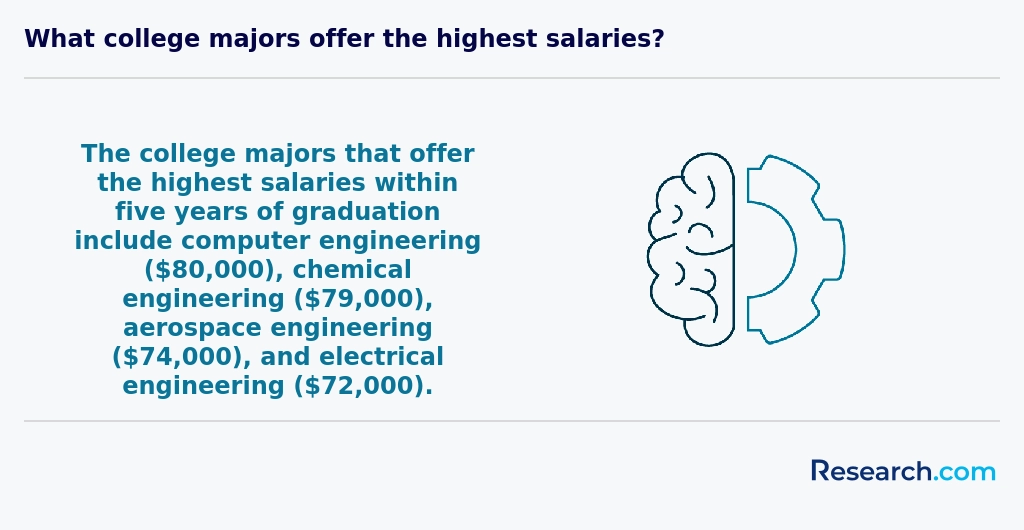
Many students pursuing an online engineering degree in the Northeast find that federal financial aid forms the backbone of their funding strategy. Graduates from institutions like Northeastern University and Rensselaer Polytechnic Institute often recall how Pell Grants and federal student loans helped ease the immediate financial burden, allowing them to focus on mastering complex concepts instead of worrying about tuition. This aid typically supports over half of all undergraduates nationwide, making it a reliable starting point.
State-specific grants also play a vital role. For instance, residents attending online programs through New York's esteemed engineering colleges benefit from the Tuition Assistance Program (TAP), which directly reduces tuition costs. Similarly, Massachusetts and Pennsylvania offer grants that many engineering students from local schools tap into, lessening the weight of expensive tuition.
Scholarships are frequently game-changers, especially those from professional engineering societies or universities that recognize academic excellence. Graduates often mention how awards from groups like the Society of Women Engineers boosted their confidence and financial stability while juggling their coursework.
Employer tuition assistance is another often overlooked resource. Working professionals studying part-time at institutions such as Worcester Polytechnic Institute have shared how corporate reimbursement programs turned their ambitions into achievable goals without massive debt. Furthermore, loan forgiveness programs tied to public service careers lend a hopeful pathway for those aiming to serve communities through engineering.
Enrolling in an online engineering degree in the Northeast often demands more than just a high school diploma; a strong background in math and science is essential. Graduates from well-known institutions like Northeastern University and Rensselaer Polytechnic Institute recall how completing courses in algebra, trigonometry, and physics laid the foundation they needed to grasp complex engineering concepts later on. This preparation fosters both confidence and competence when tackling advanced subjects such as calculus and thermodynamics.
Transfer students emphasize the importance of submitting transcripts that showcase college-level math and physics coursework, often meeting a minimum GPA requirement around 2.5 to 3.0. Many remember how these prerequisites helped streamline their transition and maintain academic rigor. Some programs may also ask for standardized test results like the SAT or ACT, although this is becoming less common.
Technical readiness is another vital aspect. Former students advise ensuring your computer and internet setup can support specialized software and virtual labs, a reality especially true for online studies in engineering. This foresight not only smooths the learning experience but adds peace of mind during demanding semesters.

Online engineering degree programs in the Northeast commonly begin with foundational courses in mathematics and basic sciences, reflecting what many graduates recall as both challenging and rewarding. Calculus, differential equations, physics, and chemistry form the core of this essential first-year experience at well-regarded institutions like those in Boston and Philadelphia. These courses don't just teach theory; they sharpen the analytical mindset needed to solve real engineering problems.
As students progress, they encounter specialized subjects such as statics and dynamics, thermodynamics, and materials science, which graduates often describe as pivotal in understanding the physical world. For example, learning fluid mechanics at a New England college helped many grasp how forces affect structures, a knowledge easily applied during internships or personal projects.
Electrical circuits and programming courses introduce critical technical skills demanded across many engineering disciplines, resonating deeply with students venturing into software development or electrical engineering. Many Northeast online programs emphasize practical design projects and virtual labs, enabling hands-on learning experiences that alumni fondly associate with their success navigating engineering challenges remotely.
The landscape of online engineering degree specializations in the Northeast is impressively diverse, catering to a wide array of interests and career paths. Graduates from institutions like the New Jersey Institute of Technology often reflect on how specializations such as civil engineering, mechanical engineering, and electrical engineering provided them with practical skills directly applicable to the region's infrastructure projects and technology-driven industries. These traditional disciplines remain foundational yet are complemented by interdisciplinary fields like biomedical and aerospace engineering, available at research-focused universities known across the Northeast.
Another graduate's experience highlights how programs that emphasize computer engineering and environmental engineering address current challenges, from hardware innovation to sustainable resource management. The flexibility of these programs allows students balancing work and study to advance efficiently. For those exploring options, comparing engineering bachelor programs Northeast specializations is crucial, especially considering some schools accelerate credit for professional experience. For affordable pathways, one might explore resources like cheapest associate degree online, which can be a stepping stone into these specialized fields.
Choosing the best online engineering degree in the Northeast means prioritizing accredited programs that align with your career goals. Graduates from schools like Worcester Polytechnic Institute often praise the hands-on virtual labs and interactive tools that bring the material to life, even remotely. Many find that programs with strong ties to local industries and alumni networks, such as those in New Jersey or Massachusetts, open doors to meaningful internships and job placements in civil or electrical engineering.
Cost plays a vital role as well. Several students have discovered that comparing tuition rates per credit and factoring in financial aid opportunities helps manage expenses effectively. For those seeking an affordable online engineering degree Northeast programs rooted in public universities offer competitive rates, but it's wise to explore additional funding sources. This approach resembles the strategic planning graduates used to balance rigorous coursework and work commitments.
Flexibility also matters greatly. Some programs require synchronous sessions, which might conflict with busy schedules, while others offer asynchronous options that allow self-paced study. Reflecting on these experiences offers a practical perspective, especially when combined with research into graduation outcomes and student satisfaction. For an in-depth understanding of cost-effective pathways, consider exploring the cheapest online doctoral programs as a helpful parallel in online degree affordability.
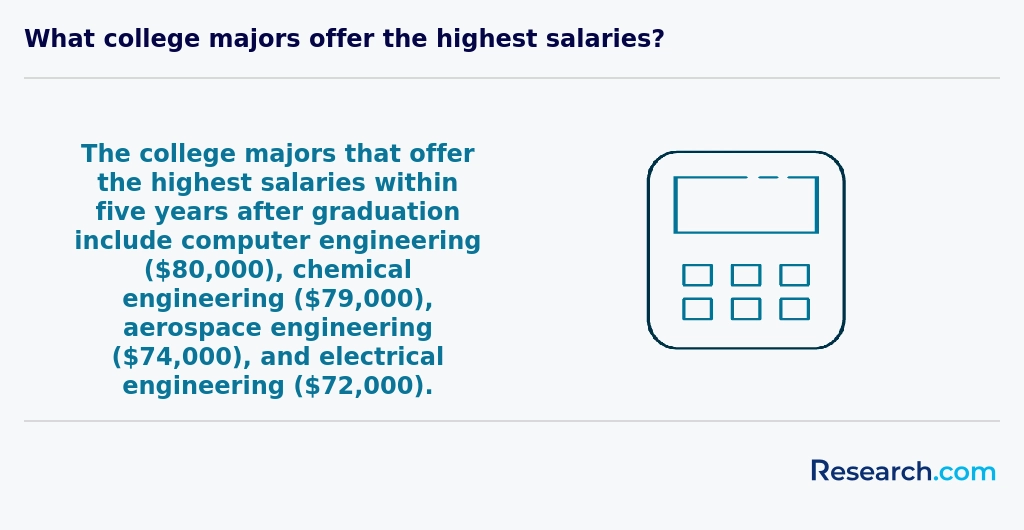
Graduates of online engineering degree programs in the Northeast often find themselves navigating diverse and fulfilling career paths. Many alumni from well-regarded regional institutions share how their degrees opened doors in civil engineering, contributing to large infrastructure projects like urban transit expansions around New York or sustainable bridge redesigns in Pennsylvania. Others have thrived in mechanical engineering roles within New Jersey's manufacturing sector, refining machinery that powers local industries.
Electrical engineering graduates commonly describe engaging challenges in the expanding energy and telecommunications fields, supporting smart grid upgrades and cutting-edge electronics development. Software engineering roles attract a wave of enthusiastic professionals eager to join Massachusetts' vibrant tech startup scene, creating innovative applications that shape daily life. Meanwhile, biomedical engineering has become a compelling direction, especially given the biotech surge centered in Massachusetts.
Those considering these options should weigh cost against opportunity thoughtfully. Many find regional public schools offer competitive tuition, and for a deeper dive into affordable options, it's helpful to explore resources on the cheapest online masters. Understanding the spectrum of engineering job opportunities in Northeast contexts enriches decision-making and fuels optimistic, purpose-driven career planning.
The job market for individuals with online engineering degrees in the Northeast is notably strong and offers a range of promising opportunities. Graduates from institutions like those around Boston and Philadelphia often share experiences of seamless transitions into roles with leading technology companies and infrastructure firms. Such online engineering jobs in the Northeast benefit from proximity to major urban centers where demand is consistently high across multiple fields including software, civil, and environmental engineering.
Many graduates reflect on how their online credentials, especially from ABET-accredited programs, have been respected by employers, enhancing employment prospects Northeast-wide. They find themselves well-positioned to contribute to innovation in sustainability projects or automation in manufacturing, while balancing continued professional development without relocating. For working engineers considering advanced degrees, programs offering a phd without dissertation open further doors without the time-intensive demands traditionally expected.
2027 Most Affordable Online Bachelor's in Engineering Degree Programs Ranking in the Northeast
Investing in your education is a significant decision that can shape your future, and the Research.com team understands the importance of making informed choices. To assist prospective students in the Northeast, we have meticulously compiled the "2027 Most Affordable Online Bachelor's in Engineering Degree Programs Ranking in the Northeast." Our commitment to quality, credibility, and accuracy is reflected in the thorough research and analysis behind this ranking.
We utilized the following reputable data sources to ensure a comprehensive evaluation of affordable online engineering programs:
By exploring this ranking, readers will gain valuable insights into affordable and quality online engineering degree options in the Northeast, allowing them to make well-informed educational decisions. For more details on our methodology, please visit our Research.com methodology page.
# 1 position
Penn State University Park
Bachelor of Software Engineering


# 3 position
Berkeley College-New York
Bachelor of Business Data Science


Frequently Asked Questions About engineering
Online engineering degree students in the Northeast can maximize their learning by actively engaging with virtual labs and simulation tools commonly provided in accredited programs. According to the New England Board of Higher Education, over 70% of online engineering courses integrate interactive components to enhance comprehension.
Networking with peers and faculty through school-sponsored online forums and local engineering chapters such as the American Society of Civil Engineers (ASCE) Northeast groups provides valuable professional connections.
Additionally, students should leverage internships offered by regional industries in technology hubs like Boston and New York City to gain practical experience complementing their coursework. These strategies collectively improve understanding and future employability in a competitive field.
The engineering field is rapidly evolving, with emerging niches gaining prominence in the Northeast. Notably, renewable energy engineering is expanding due to increased regional investment in offshore wind projects, especially in states like New York and Massachusetts. According to the U.S. Bureau of Labor Statistics, jobs in renewable energy are expected to grow by over 10% nationally by 2030.
Another growing area is biomedical engineering, driven by strong healthcare and biotech sectors in the Northeast corridor. Universities in this region often collaborate with local medical centers, offering online degrees focused on medical device innovation and bioinformatics.
Cybersecurity engineering is also gaining traction, as industries demand more specialists to protect infrastructure. The National Initiative for Cybersecurity Education highlights the Northeast as a hub with a rising number of online engineering programs specializing in this area.
Graduates with online engineering degrees in the Northeast can enhance their job prospects by gaining relevant experience through internships or cooperative education programs. Many regional employers prefer candidates with practical skills and familiarity with industry-standard software and tools. According to the National Association of Colleges and Employers (NACE), 65% of Northeast engineering firms value internship experience as a key hiring factor.
Networking is crucial; joining professional organizations such as the Massachusetts Society of Professional Engineers (MSPE) or the New York State Society of Professional Engineers (NYSSPE) helps build connections. Additionally, earning certifications like the Fundamentals of Engineering (FE) exam improves credibility and job market readiness.
Staying updated on regional job trends via resources like the U.S. Bureau of Labor Statistics supports strategic job searching in the Northeast's competitive engineering labor market.
Employers in the Northeast seek engineering graduates with strong technical skills, particularly in software proficiency, data analysis, and systems design. According to the National Association of Colleges and Employers (NACE), 85% of engineering employers prioritize problem-solving abilities and critical thinking.
Communication skills are also essential. Employers value engineers who can effectively collaborate across multidisciplinary teams and explain complex ideas clearly. The Bureau of Labor Statistics highlights that these soft skills often distinguish candidates in the competitive Northeast job market.
Additionally, familiarity with emerging technologies like artificial intelligence and renewable energy systems is increasingly important in this region. Online programs that emphasize practical applications help students build these competencies.
Finding internships in the Northeast relevant to an engineering degree involves leveraging both online resources and local industry connections. Many universities in this region have partnerships with engineering firms, offering internship placements directly to their online students. Websites such as Handshake and the National Society of Professional Engineers (NSPE) provide internship listings tailored to engineering roles in states like New York, Massachusetts, and Pennsylvania.
Additionally, the Northeast houses key industries including aerospace, biotechnology, and civil engineering, where companies like Raytheon and Pfizer regularly recruit interns. Networking through virtual career fairs and professional organizations such as the American Society of Mechanical Engineers (ASME) can increase opportunities. The Bureau of Labor Statistics notes that engineering employment in this region grew steadily by 3% annually, supporting internship availability.
An online engineering degree can significantly enhance career mobility and advancement for professionals in the Northeast. According to the U.S. Bureau of Labor Statistics, engineering jobs in states like New York, Massachusetts, and Pennsylvania are expected to grow by 7% through 2031, driven by demand in technology and infrastructure sectors.
Graduates with accredited online degrees gain flexibility to balance work while upgrading skills, a crucial factor for mid-career advancement in competitive markets such as Boston and Philadelphia. Employers in this region increasingly recognize reputable online degrees from accredited institutions, valuing practical skills and updated knowledge.
Moreover, an online degree can open doors to leadership roles and salary increases, often exceeding the regional average engineering salary of about $90,000 annually, according to the National Society of Professional Engineers. Career changers and those seeking promotions find online programs align well with industry needs in the Northeast's diverse engineering fields.
Studying for an engineering degree online in the Northeast equips students for interdisciplinary roles by integrating diverse fields such as computer science, business, and environmental studies. Many regional programs emphasize collaboration through project-based learning, aligning with the Northeast's innovation-driven economy.
According to the National Science Foundation, Northeastern states produce 20% of the nation's engineering graduates, reflecting strong investment in interdisciplinary education. Online programs often include courses in data analytics, sustainability, and communication, preparing graduates to work across sectors.
Moreover, partnerships with local industries enable practical experience that spans multiple disciplines, essential for addressing complex engineering challenges.
Choosing between a thesis and a non-thesis engineering degree program in the Northeast depends on your career goals and learning preferences. Thesis programs emphasize research and are suitable if you plan to pursue graduate school or a research-focused job. According to the National Science Foundation, Northeastern universities consistently support strong engineering research initiatives, which can enhance your learning experience.
Non-thesis options typically focus on practical skills and coursework, appealing to those seeking immediate industry employment. The U.S. Bureau of Labor Statistics reports that many engineering roles in the Northeast value hands-on experience, which these programs often emphasize.
Consider your time commitment, as thesis paths usually require more time for research and writing. Speak to academic advisors at Northeastern schools to evaluate which option aligns with your professional aspirations and lifestyle.
Students in the Northeast interested in studying engineering abroad through online degree programs often face limited direct options, as most international institutions do not offer fully online accredited engineering degrees accessible to U.S. residents. Instead, many students choose to enroll in Northeast-based universities that have formal exchange agreements or dual-degree partnerships with foreign schools. These programs allow partial overseas study combined with online coursework.
The Northeast features multiple research-intensive universities-such as those in the Big Ten Academic Alliance and the Ivy League-that provide opportunities for global collaboration, often supplemented by remote instruction. According to the National Center for Education Statistics, about 12% of engineering undergraduates in the Northeast participate in study abroad or international internships, usually coordinated by their home institution.
For fully online engineering degrees, students commonly turn to accredited institutions in the region offering remote coursework with applied global projects. This hybrid approach integrates international standards into U.S.-accredited programs, meeting the demands of both domestic licensure and global engineering markets.
Part-time job opportunities in the Northeast that complement engineering degrees often focus on internships and cooperative education programs. Many universities partner with local companies, providing roles in fields such as manufacturing, software development, and civil engineering. According to the National Association of Colleges and Employers, about 60% of engineering students secure internships during their studies, boosting practical skills and employability.
Additionally, roles like engineering technician or CAD drafter are common, allowing students to apply theoretical knowledge. The Northeast's strong presence of aerospace, biotechnology, and energy firms offers diverse work options. These jobs also accommodate flexible schedules, fitting well with the demands of online engineering programs.
Online engineering students in the Northeast benefit from a variety of networking opportunities despite the virtual format. Many universities in this region, such as those in New York and Massachusetts, offer virtual career fairs, industry webinars, and alumni networking platforms specifically for remote learners. According to the National Society of Professional Engineers, Northeast states account for over 20% of U.S. engineering jobs, making networking regionally critical.
Professional organizations like the New England Water Environment Association and local ASME chapters provide online events and forums. These help students connect with practicing engineers and potential employers.
Additionally, partnerships between universities and tech firms in hubs like Boston and Philadelphia often facilitate internships and mentoring programs accessible to online students.
Alumni networks play a crucial role for online engineering degree students in the Northeast by providing valuable career connections. Graduates of engineering programs in this region often join active networks that include professionals working in top industries such as aerospace, biotechnology, and information technology, sectors prominent in states like Massachusetts and New York.
These networks offer mentoring opportunities, internships, and job referrals, which research shows can increase employment rates among recent graduates by up to 20%. For online students, staying connected through regional alumni groups helps bridge the gap between virtual learning and local job markets.
Additionally, many Northeast schools hold alumni events and workshops that support professional development. According to the National Association of Colleges and Employers, employers in the engineering fields prioritize candidates who have strong professional networks, which alumni communities facilitate effectively.
Customizing an online engineering degree in the Northeast allows students to align education with specific career goals. Many universities offer flexible electives and specialization tracks in fields like electrical, mechanical, or civil engineering. For instance, institutions accredited by ABET ensure that programs meet high industry standards, critical for licensure and career advancement.
Students can often choose courses related to emerging technologies, such as renewable energy or data analytics, reflecting the region's growing industries. Additionally, participating in virtual internships or cooperative education programs within local companies enhances practical experience.
Consulting academic advisors helps tailor coursework while balancing professional commitments. According to the National Center for Education Statistics, 72% of engineering students in the Northeast opt for programs blending theory with applied skills, optimizing job readiness.
Online engineering students in the Northeast often face challenges related to balancing rigorous coursework with full-time employment. According to the National Center for Education Statistics, nearly 60% of online students work while studying, making time management critical. Technical demands are another hurdle; engineering programs require hands-on labs and teamwork, which can be difficult to replicate virtually. Connectivity issues also affect some students, especially in rural areas of New York and Pennsylvania, impacting access to simulations and collaborative platforms. Furthermore, fewer networking opportunities in online formats can limit professional growth compared to traditional programs, as noted by the American Society for Engineering Education.
With an online engineering degree, graduates in the Northeast can pursue several respected professional certifications to enhance their careers. One widely recognized certification is the Fundamentals of Engineering (FE) exam, which is the first step toward becoming a licensed Professional Engineer (PE). Passing the FE exam is essential in most states, including those in the Northeast.
The PE license, granted after gaining work experience and passing the PE exam, is highly valued in industries such as civil, mechanical, and electrical engineering. According to the National Society of Professional Engineers, licensed engineers often see salary increases of 10-20% compared to non-licensed peers.
Other certifications include the Project Management Professional (PMP) and Six Sigma certifications, which are considered valuable in engineering management roles. Notably, institutions like the New York State Education Department provide detailed guidance on licensure requirements specific to the region.
To write a winning application for an online engineering program in the Northeast, start by clearly presenting your academic qualifications and relevant experience. Admissions committees value applicants with strong math and science backgrounds, often measured by GPA and coursework rigor. Highlight any technical skills or certifications, such as CAD or programming languages, which demonstrate your practical knowledge.
Personalize your statement of purpose to reflect your interest in engineering and the specific benefits of the Northeast's educational community, which hosts top-ranked universities like RPI and Clarkson University. Use precise and professional language to outline your career goals.
Include letters of recommendation from professors or employers familiar with your engineering potential. According to U.S. News, Northeast engineering schools uphold competitive standards, so meeting application deadlines is critical.
Engineering careers hold significant global importance due to rapid technological growth and infrastructure development. Graduates with engineering degrees from Northeast U.S. institutions benefit from the region's strong ties to industries like aerospace, biotechnology, and renewable energy. According to the U.S. Bureau of Labor Statistics, the Northeast has seen a 5% increase in engineering job opportunities over the past five years, reflecting steady demand.
Globally, engineering skills are highly transferable, allowing U.S.-educated professionals to work internationally. Many online programs in the Northeast emphasize curricula aligned with global standards, such as ABET accreditation, ensuring graduates meet worldwide industry expectations.
Moreover, engineering fields like software, environmental, and mechanical engineering play vital roles in addressing global challenges, including climate change and urbanization, enhancing the career's relevance and outlook.
Gaining practical experience while pursuing an online engineering degree in the Northeast is crucial for career readiness. Many accredited programs partner with local industries to offer virtual internships and co-op opportunities. According to the National Society of Professional Engineers, states like New York, Massachusetts, and Pennsylvania host significant engineering firms eager to collaborate with universities.
Students can also engage in project-based coursework simulating real-world problems. Institutions often provide access to remote labs and software engineering tools. Additionally, joining regional engineering societies such as the American Society of Civil Engineers' Northeastern sections helps build networks and find hands-on workshops.
This practical exposure complements online theory, enhancing skills critical to engineering roles in the region's competitive job market.
Choosing the right concentration within an online engineering degree in the Northeast begins with understanding your career goals and regional industry demands. The Northeast is home to strong sectors like aerospace, biotechnology, and renewable energy, which influence degree specialization options at universities such as Northeastern University and Rensselaer Polytechnic Institute.
Review the latest employment data from the U.S. Bureau of Labor Statistics, which highlights that mechanical, electrical, and civil engineering remain among the fastest-growing fields in the region. These concentrations typically offer more job openings locally.
Additionally, consider program accreditation, such as ABET, which ensures educational quality and may impact licensure. Research faculty expertise and partnerships with local industries, as these can provide networking and internship opportunities that benefit your future career.
See What Experts Have To Say About Studying Engineering
Read our interview with Engineering experts

Bohdan W. Oppenheim
Engineering Expert
Professor Emeritus of Healthcare Systems Engineering
Loyola Marymount University

Jasna Jankovic
Engineering Expert
Associate Professor
University of Connecticut


- Networking for engineers: your questions answered https://targetjobs.co.uk/careers-advice/engineering/networking-engineers-your-questions-answered
- Engineering Study Abroad Programs | Go Overseas https://www.gooverseas.com/study-abroad/engineering
- How to Study Abroad as an Engineering Major https://www.semesteratsea.org/study-abroad-engineering-major/
- Thinking of studying abroad as an engineering major https://talk.collegeconfidential.com/t/thinking-of-studying-abroad-as-an-engineering-major/1788476
- The engineering career mobility report: Who gets promoted? https://www.signalfire.com/blog/engineering-career-trends-pt1
- Challenges, difficulties and barriers for engineering higher education https://www.jotse.org/index.php/jotse/article/view/1696/645
- Online Degree vs. Traditional: Choosing the Right Path https://beal.edu/online-degree-vs-traditional/
- How Long is a Master's in Engineering (MS, MEng) Program? https://www.onlineengineeringprograms.com/faq/how-long-to-earn-masters-in-engineering
- Engineering Internships: Find 1037 Engineering Intern Jobs https://internshala.com/internships/engineering-internship/
- Graduate Engineering Schools That Award Financial Aid to International Students | WorldTrips Travel Insurance https://www.worldtrips.com/resources/graduate-engineering-financial-aid-to-international-students


