2027 Most Affordable Engineering Degree Programs Ranking in Waco

Co-Founder and Chief Data Scientist
Are you considering an engineering degree in Waco but unsure where to start? Our article presents the 2027 Most Affordable Engineering Degree Programs Ranking in Waco, crafted by the Research.com team of data scientists to guide you in making a well-informed decision.
Exploring this ranking helps you discover quality programs that fit your budget, making your educational journey both smart and accessible.
Getting an engineering degree can open doors to exciting career opportunities and personal growth-this article is here to support you every step of the way.
Key benefits of getting engineering degree in Waco
- Engineering graduates in Waco can expect competitive salaries, such as a mechanical engineer earning around $105,220 annually and an electrical engineer making approximately $117,680 per year, ensuring strong financial stability.
- A graduate from a local university in Waco may pursue diverse careers, including civil, industrial, or electrical engineering, opening doors to exciting projects and steady growth in various industries.
- Completing an engineering degree online offers flexibility and convenience, allowing graduates from Waco to balance work and studies while gaining skills that employers highly value, just like traditional degree holders.
- 2027 Most Affordable Engineering Degree Programs Ranking in Waco
- What can I expect from engineering degree in Waco?
- Where can I work with engineering degree in Waco?
What can I expect from engineering degree in Waco?
The average annual cost of pursuing an engineering degree in Waco, Texas, at Baylor University is approximately $50,000 for tuition and fees. This figure reflects a significant investment, yet many graduates express confidence that the quality of education and access to research opportunities justify the expense. For instance, students often mention how hands-on projects and small class sizes enhance their learning experience, making each dollar spent feel worthwhile.
Financial aid options and scholarships are commonly utilized to mitigate costs, which helps many students manage the financial burden. Some graduates recall balancing aid and part-time work to cover expenses while fully engaging in laboratory and design courses.
For those seeking lower tuition, nearby public Texas universities offer engineering programs at reduced rates, though they may require commuting or relocation, which presents additional logistical challenges. Engineering students in Waco generally find that the investment at Baylor aligns with strong career prospects given the local industry demand and projected 6% employment growth in Texas engineering jobs through 2032.
Where can I work with engineering degree in Waco?
Engineering graduates in Waco find robust career opportunities across manufacturing, aerospace, construction, and healthcare sectors. Major employers like L3Harris Technologies and Texas Instruments actively recruit electrical, aerospace, and mechanical engineers, offering dynamic roles that leverage technical expertise and innovation. Graduates from Baylor University often highlight hands-on experiences with local companies, gaining practical insight into process optimization and systems engineering.
Manufacturing firms such as Great Western Manufacturing employ engineers for quality control and equipment maintenance, supported by a metropolitan manufacturing workforce expected to sustain steady growth according to U.S. Bureau of Labor Statistics data. Civil and structural engineers benefit from Waco's expanding infrastructure projects stimulated by regional development initiatives, with competitive median wages exceeding state averages.
Biomedical engineers also contribute in local healthcare settings like Baylor Scott & White Medical Center, working on advanced medical devices and healthcare technology integration. Many Waco engineering graduates engage in research collaborations through Baylor University, connecting academic innovation with startup ventures, enriching their career pathways and professional networks in the region.
Graduates holding engineering degrees in Waco can anticipate competitive earnings that reflect both regional demand and their chosen discipline. Entry-level salaries typically start around $65,000 to $75,000, in line with figures reported from local employers and graduates of Baylor University and McLennan Community College's transfer programs.
According to U.S. Bureau of Labor Statistics data, mechanical engineers in Texas earn a mean annual wage of approximately $105,220, while civil engineers earn around $101,160. Electrical engineers lead with a mean salary of $117,680, demonstrating strong earning potential especially for graduates in Waco's growing manufacturing and energy sectors.
Graduates often share that practical internships and networking opportunities through Baylor's engineering department enhance their ability to negotiate salaries that exceed initial offers. Mid-career professionals typically see salaries rise to between $85,000 and $95,000 in mechanical and civil fields, with electrical engineers frequently surpassing $100,000 annually.
Ultimately, Waco engineering degree holders benefit not only from rising wages but also from lower living costs compared to larger Texas metros, improving their real income and quality of life as they advance professionally.
- Engineering programs in Waco, including those at Baylor University, are accredited by ABET, ensuring they meet national education standards.
- Annual tuition for engineering degrees ranges from about $10,000 to $40,000, with public schools generally offering lower costs for Texas residents.
- Entry-level engineers in Waco earn an average salary of around $65,000, while experienced engineers can make approximately $90,000 or more.
- The local job market is growing, with opportunities in manufacturing, aerospace, energy, construction, and automation industries.
- Obtaining a Professional Engineer (PE) license in Texas can enhance job prospects and increase earning potential.
- Living costs in Waco are relatively low compared to larger cities, which can help reduce expenses during engineering studies.
Completing an engineering degree in Waco typically requires about four years of full-time study, consistent with the national standard for a Bachelor of Science in Engineering. Students at Baylor University, a leading institution in Waco, often follow a structured curriculum combining essential courses in mathematics, physics, and chemistry with specialized engineering classes and hands-on laboratory work. Graduates frequently recall balancing rigorous coursework with internships, which can extend their studies but enhance real-world skills and job readiness.
Those aiming to graduate sooner might take advantage of summer sessions or heavier course loads, accelerating their progress. Conversely, students managing part-time enrollment or dual degrees often experience longer timelines, reflecting flexible approaches to education. For example, some students embrace co-op programs, gaining practical experience while navigating a more extended schedule.
Additionally, pursuing a master's degree in engineering in Waco generally adds another two years, focusing on advanced research beneficial for specialized careers. This timeline allows students to build strong technical expertise and take advantage of Baylor's engineering resources for a rewarding academic journey.
Online and on-campus engineering degrees in Waco offer distinct experiences tailored to different student needs. Graduates from Baylor University's on-campus engineering program often recall hands-on lab sessions and collaborative projects that sharpen practical skills, supported by direct faculty interaction. These immersive settings foster strong peer connections and access to campus resources like tutoring centers and engineering clubs, elements many students find motivating and engaging.
In contrast, online programs provide flexibility valued by working professionals or those balancing family responsibilities in Waco. Coursework accessed anytime over the internet allows students to study without commuting or relocating, which can reduce overall costs by up to 20%, according to the National Center for Education Statistics. Tuition for online degrees typically aligns more closely with public university rates, easing financial burdens compared to private on-campus fees that may exceed $40,000 annually.
- Both formats maintain ABET accreditation, ensuring equal recognition of degrees earned in Waco's engineering fields.
- On-campus students benefit from easier access to internships and local engineering job networks, which boost career readiness.
- Online students succeed by proactively seeking similar hands-on opportunities, leveraging flexible schedules to balance learning and real-world experience.
Prospective students can benefit from actionable tips that help them navigate the complexities of choosing the right engineering program in Waco, TX. Start by researching each institution's campus culture, faculty expertise, and hands-on opportunities, and consider reaching out to current students or alumni for insider perspectives. Focus on practical elements like internship placements, research opportunities, and industry partnerships, which often serve as gateways to career advancement. Additionally, compare program benefits and costs side-by-side with other available options-for instance, checking out affordable engineering schools in texas can reveal programs that deliver quality education without breaking the bank. Finally, map out your long-term career goals and weigh each option’s potential for providing a robust professional network, ensuring that the choices you make today set you up for success tomorrow.
The average cost of earning an engineering degree in Waco typically centers around Baylor University, the city's primary institution for such programs. Graduates often report that the total expense for completing a four-year engineering degree approaches $74,000, reflecting the private university's tuition and fees. This cost includes tuition but may not fully cover additional living or material expenses. For many local students, attending Baylor means investing in a prestigious program with comprehensive resources, which often justifies the higher price by enhancing their career readiness.
For those exploring affordable engineering programs Waco Texas residents also have access to public universities such as Texas State Technical College or nearby Texas A&M campuses. These institutions offer significantly lower tuition, with typical total costs closer to $58,000 for in-state students over four years. Graduates from these schools often emphasize the balance they achieved between cost and quality education, helping them graduate with manageable debt while still gaining valuable hands-on experience.
Living expenses in Waco also factor notably into the overall budget, with annual costs averaging between $9,000 and $11,000. Many students report that budgeting carefully and securing merit-based scholarships or financial aid made pursuing an engineering degree more accessible. Understanding these costs is essential, especially since many future engineers also consider the computer science degree return on investment when deciding on their educational path.
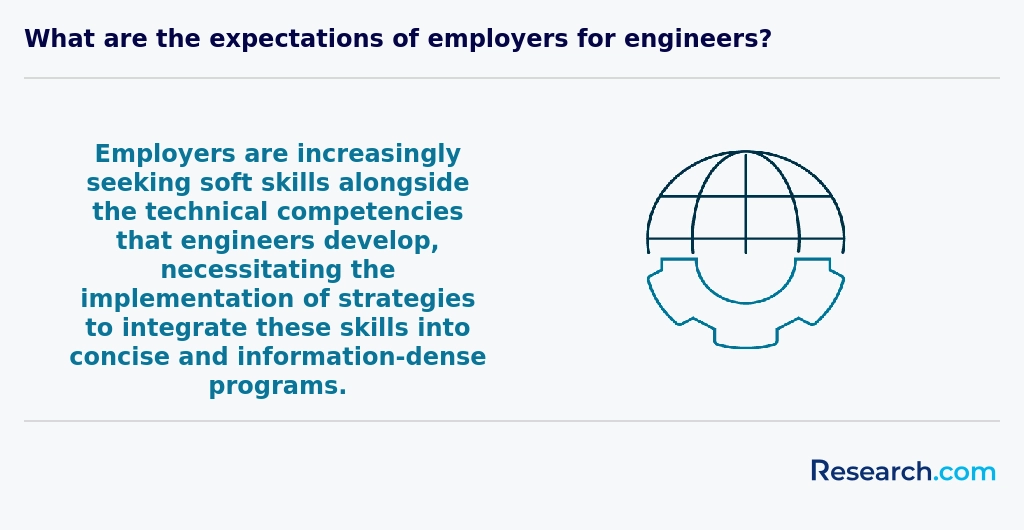
Internship and co-op programs offer hands-on experience that can accelerate career readiness for engineering students in Waco, TX. Local universities like Baylor University and Texas State Technical College partner with regional employers-including manufacturing firms, utility providers, and design consultancies-to place students in roles where they contribute to real projects under professional mentorship. Key benefits include:
- Real-World Skill Development: Interns tackle tasks such as CAD modeling, circuit testing, and process optimization, translating classroom theory into practical solutions.
- Networking and Mentorship: Co-op rotations often last a semester or more, allowing students to build lasting relationships with industry engineers who can provide guidance and job referrals.
- Competitive Edge: Graduates with documented internship experience are more likely to receive job offers upon graduation and report starting salaries up to 15% higher than peers without such experience.
- Flexible Scheduling: Many programs accommodate both full-time and part-time students, enabling those balancing work or family commitments to gain experience without delaying graduation. Sample Opportunities in Waco, TX: • Baylor Engineering Co-op Program: 6-month rotations with local aerospace and biotech firms. • TSTC Industry Internship: Semester-long placements in manufacturing and renewable energy companies. • McLennan Community College Lab Assistantships: On-campus research support positions that develop laboratory and technical writing skills. To explore similar affordable programs with robust internship and co-op partnerships, see our Inexpensive Engineering Degree Programs Ranking in Riverside, CA. Engaging in these experiential learning opportunities helps Waco students build competitive portfolios, refine career interests, and secure employment even before graduation.
Students pursuing engineering degrees in Waco can access multiple financial aid sources that significantly reduce the cost of education. Federal aid, such as Pell Grants and Federal Supplemental Educational Opportunity Grants (FSEOG), plays a crucial role by offering need-based funds that do not require repayment. For example, engineering graduates from Baylor University recall how Pell Grants eased their financial stress during challenging semesters.
State support is also vital for Texas residents, with programs like the Texas Educational Opportunity Grant (TEOG) providing substantial assistance to those demonstrating financial need. Baylor University's participation in these programs ensures that local students benefit directly, allowing them to focus more on their studies than financial worries.
Institutional scholarships at Baylor and McLennan Community College reward academic merit and leadership, often covering partial to full tuition. Graduates frequently highlight the relief these scholarships provide, enabling concentration on demanding engineering curricula.
Additionally, private scholarships from organizations such as the Society of Women Engineers (SWE) help underrepresented groups, while work-study and assistantships offer hands-on experience that offsets tuition costs.
Engineering programs in Waco, such as those at Baylor University and McLennan Community College, require a solid academic foundation in math and science. Graduates recall how mastering subjects like Algebra II, Geometry, Pre-Calculus, and Physics was critical; these courses ensure readiness for demanding engineering curricula. A minimum grade of C or better is typically expected to demonstrate competency.
Standardized test scores also play a key role. For instance, Baylor emphasizes SAT or ACT results, with a combined SAT score near 1200 or an ACT composite score around 25 significantly enhancing admissions prospects. Students often feel reassured when meeting these benchmarks, knowing it reflects their preparedness.
Complementing transcripts, applicants must submit letters of recommendation and personal essays that communicate their passion and goals in engineering. Those transferring from other colleges share that completing prerequisite technical courses eased their transition and boosted confidence.
Additionally, some programs include placement exams or orientation sessions designed to familiarize new students with engineering demands, helping them start their degree journey with clarity and motivation.

Choosing an ABET-accredited engineering program is essential for ensuring your degree meets rigorous academic and professional standards. Accreditation not only guarantees that coursework aligns with industry expectations but also qualifies graduates to sit for the Fundamentals of Engineering (FE) exam, the first step toward becoming a licensed Professional Engineer (PE). In Texas, passing the FE exam typically awards you the Engineer-in-Training (EIT) designation, which, combined with four years of supervised work experience, makes you eligible for the PE exam required for state licensure. After earning your EIT status, it’s important to document your engineering experience under the supervision of licensed professionals. Many Waco institutions partner with local industries to facilitate internships and co-op programs, helping you build a record of projects that demonstrate technical competence and ethical practice. Once you meet the experience requirement, you can apply to the Texas Board of Professional Engineers and Land Surveyors to schedule the PE exam in your chosen discipline-civil, mechanical, electrical, or another specialization. Achieving PE licensure enhances your credibility with employers, increases your earning potential, and allows you to sign off on engineering plans and projects. For those seeking advanced credentials, pursuing a master’s degree can deepen technical expertise and leadership skills. Consider programs like the best online software engineering master to prepare for emerging roles in software-driven industries and to stay competitive in a rapidly evolving job market. Maintaining licensure requires continuing education and adherence to a professional code of ethics. Many local universities and professional societies in Waco offer workshops, seminars, and webinars on topics such as structural safety, renewable energy systems, and data security. By staying active in professional organizations and accumulating Professional Development Hours (PDHs), you ensure your skills remain current and your PE license stays in good standing.
Engineering degree programs in Waco typically include a combination of foundational and specialized courses that prepare students for real-world challenges. Graduates from well-known local institutions report that their first semesters were heavily focused on core subjects like calculus, physics, and chemistry, laying essential groundwork for deeper engineering studies.
As students advance, courses diversify based on their chosen discipline, such as civil, mechanical, electrical, or computer engineering. Common classes include statics and dynamics, where students analyze forces on stationary and moving bodies, and thermodynamics, which connects energy concepts to practical mechanical systems. Other frequently taken courses are circuits and electronics, materials science, fluid mechanics, and engineering design paired with project management.
Students often highlight hands-on labs and collaborative projects as especially rewarding, providing opportunities to work with industry-standard software like CAD and MATLAB. This immersive approach at Waco universities encourages practical problem-solving, boosting confidence and readiness for technical careers in local manufacturing and technology sectors.
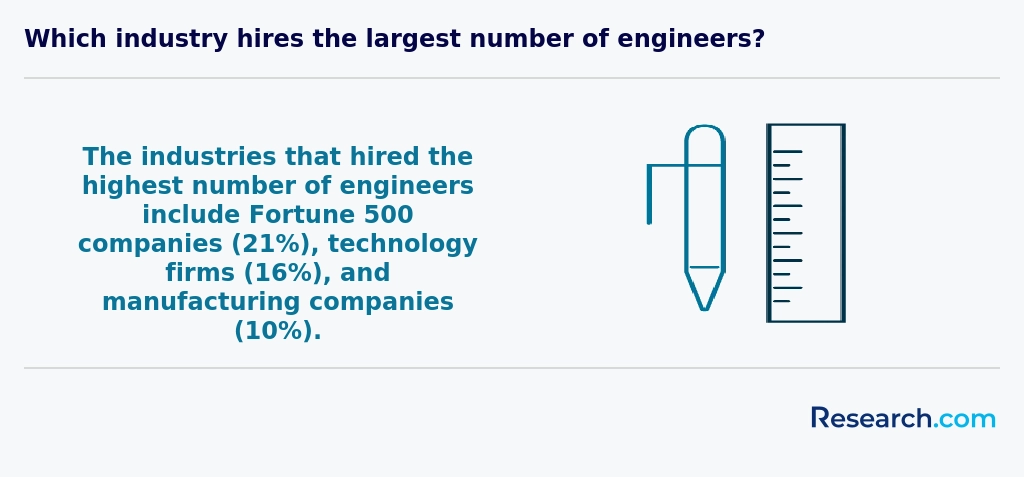
Engineering degree specializations in Waco typically include Civil Engineering, Mechanical Engineering, Electrical Engineering, Computer Engineering, and Environmental Engineering. Each specialization addresses key regional demands; for example, civil engineering focuses on infrastructure and urban planning amid Texas's construction growth. Mechanical engineering graduates often find opportunities connected to local manufacturing, while electrical and computer engineering align with the state's robust energy and tech sectors.
Waco engineering programs and career options are shaped by Baylor University's ABET-accredited curriculum, ensuring students are job-ready. Graduates report feeling confident entering competitive markets, especially in electrical and computer engineering, where starting salaries tend to be higher. Environmental engineering also gains attention for those motivated by sustainability challenges in Texas's diverse ecosystems.
Students in Waco frequently evaluate these specializations against data on career earnings and labor market trends. For broader insight into career value and labor market alignment, consider exploring the most valuable bachelor's degree fields, which helps frame decisions within powerful economic contexts.
Choosing the best affordable engineering degrees in Waco requires careful evaluation of program accreditation, specialization, and cost. Graduates from Baylor University highlight the value of ABET-accredited programs, which ensure quality education and enhance career opportunities. Waco's popular engineering paths often focus on mechanical, electrical, or industrial engineering, aligning well with local industry demands such as manufacturing and healthcare technology. Costs vary significantly; public institutions offer more affordable tuition compared to Baylor's private fees exceeding $45,000 annually, while McLennan Community College provides a budget-friendly route under $5,000 per year.
Students also emphasize the importance of strong industry connections and internships available through Baylor's partnerships with local employers, which provide hands-on experience and improve job placement rates. Additionally, financial aid and scholarships play a critical role in affordability. Prospective students should consider these factors alongside class size and faculty expertise to find a fit tailored to their goals. For a balanced view, consider researching the engineering degree disadvantages carefully before deciding on a program in Waco by visiting engineering degree disadvantages.
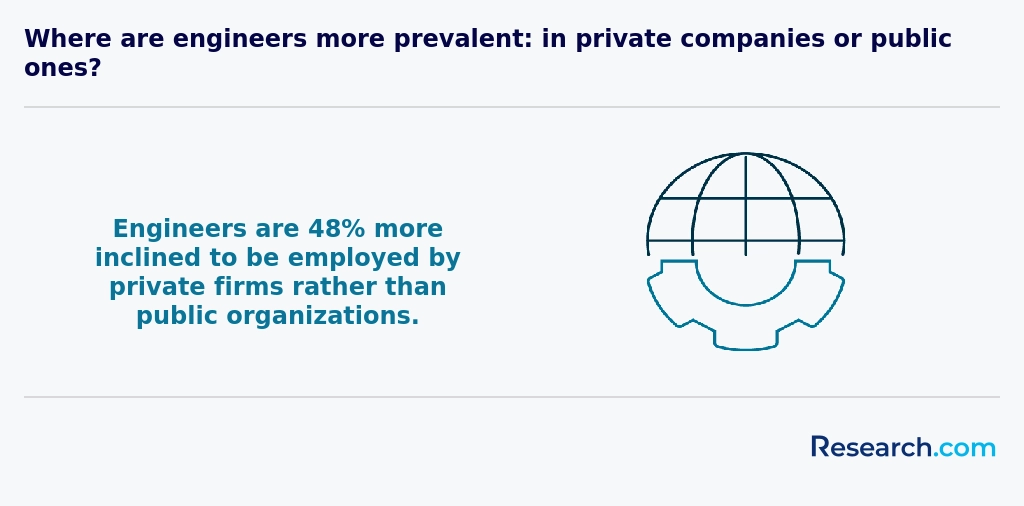
Engineering career opportunities in Waco span multiple sectors, leveraging the city's strategic location and industrial base. Graduates from Baylor University and McLennan Community College often pursue roles in civil engineering, working on infrastructure projects like roads and bridges vital to central Texas. Mechanical engineering graduates typically engage with the manufacturing industry, maintaining and designing machinery for Waco's strong industrial firms. Electrical engineers support growing technology and energy businesses, including emerging renewable energy efforts in the region. Environmental engineering paths focus on sustainable projects aligned with Waco's investments in green infrastructure.
Job prospects for engineering graduates in Waco extend beyond technical roles to fields such as project management, quality assurance, and technical sales, enabling graduates to apply their expertise without continuous design work. Many local students enhance their employability through internships and cooperative education opportunities offered by regional institutions. Graduates benefit from the area's proximity to larger metropolitan hubs, broadening career possibilities. Those interested in expanding their skills might also consider an online BSc in computer science to complement their engineering background.

The engineering job market in Waco is notably influenced by its diverse industrial and technological sectors, offering strong employment prospects for graduates. Local employers often seek skills in automation, manufacturing, and construction engineering, aligning well with Waco's growing industrial landscape. Graduates from institutions like Baylor University and Texas State Technical College frequently share positive outcomes, finding roles in regional plants and infrastructure projects that reflect steady demand.
Waco engineering degree employment outlook remains promising due to the city's proximity to major tech hubs such as Austin and Dallas, which expands opportunities for graduates willing to explore nearby markets. Starting salaries generally range from $60,000 to $75,000, competitive within the state and supported by affordable tuition costs under $15,000 per year at local public universities.
Students pursuing an engineering education in Waco benefit from strong connections to the workforce and affordable pathways compared to national averages, making it an attractive option to develop expertise and enter a market with solid growth. For those exploring the best options, Waco offers a strategic balance between cost and opportunity, highlighted by many graduates who rank engineering among the top-earning potential bachelor's degrees.
2027 Most Affordable Engineering Degree Programs Ranking in Waco
Investing in your education is a significant decision that can profoundly impact your future, and the Research.com team is fully aware of the importance of making well-informed choices. To support prospective students in Waco, we have carefully developed the "2027 Most Affordable Engineering Degree Programs Ranking in Waco." Our dedication to quality, credibility, and accuracy is demonstrated through thorough research and analysis to ensure a reliable ranking.
We utilized the following reputable data sources to create this comprehensive evaluation of engineering degree programs:
By consulting this ranking, readers will gain valuable insights into the most cost-effective engineering programs in Waco, enabling them to make confident and strategic decisions about their education. For further details on how this ranking was created, please visit our Research.com methodology page.

Frequently Asked Questions About engineering
Engineering students in Waco can maximize their learning by engaging deeply with hands-on projects and internships. Baylor University, a prominent institution in Waco, offers engineering programs that emphasize practical experience through laboratory work and collaboration with local industries.
Joining student organizations like the Society of Women Engineers or the American Society of Mechanical Engineers can expand professional networks and provide peer support. Additionally, students should utilize campus resources such as tutoring centers and career services to enhance academic performance and job placement.
According to the Texas Workforce Commission, internships in engineering fields around Waco have grown by 12% over recent years, highlighting opportunities for real-world experience that are vital for career success.
The engineering field in Waco is evolving with several emerging niches gaining traction among students and professionals. One significant area is sustainable engineering, focusing on renewable energy solutions and green building technologies, driven by Texas's expanding commitment to clean energy. Another growing niche is biomedical engineering, supported by Waco's healthcare industry and proximity to research institutions. Data engineering and artificial intelligence integration are also becoming crucial as local industries adopt advanced analytics. According to the U.S. Bureau of Labor Statistics, jobs in these sectors are expected to grow faster than average through 2030, highlighting strong career prospects for specialized engineering graduates in Waco.
Preparing for the job market after earning an engineering degree in Waco involves combining technical skills with practical experience. Engaging in internships or cooperative education programs offered by local employers helps build connections and real-world knowledge. Texas A&M University has partnerships with Waco industries, aiding students in gaining valuable hands-on experience.
Familiarity with industry-standard software and emerging technologies is crucial. Additionally, strong communication and teamwork skills improve employability in engineering roles. According to the U.S. Bureau of Labor Statistics, Texas is expected to grow engineering jobs by 6% through 2032, particularly in manufacturing and aerospace sectors around Waco.
Networking through local engineering societies and attending job fairs in the Waco area can also expand opportunities. Finally, obtaining professional certifications like the Fundamentals of Engineering (FE) exam enhances credibility and chances for advancement.
Employers in Waco highly value engineering graduates who combine technical expertise with strong problem-solving abilities. In particular, skills in computer-aided design (CAD), data analysis, and proficiency with industry-standard software are essential. According to the Texas Workforce Commission, employers also prioritize graduates who demonstrate effective communication skills and teamwork, crucial for collaborative projects common in Waco's growing engineering sectors.
Adaptability and continuous learning stand out as key traits, reflecting the fast-evolving technology landscape. Practical experience through internships or co-op programs significantly boosts employability. Local employers often seek candidates familiar with sustainable design and manufacturing processes, aligning with regional industry trends.
Finding internships in Waco related to engineering degrees involves leveraging local university resources and industry connections. Texas State Technical College and Baylor University both offer career centers that frequently connect students with internships in engineering fields. These centers often host job fairs and maintain online portals updated with opportunities.
Waco's industrial base includes sectors such as manufacturing, energy, and construction, which are relevant for engineering students. Companies like L3Harris Technologies and General Tire have facilities in the area, offering potential internship roles.
Additionally, students should explore regional workforce development programs and local engineering societies like ASME's Waco chapter for networking and internship leads. Employers in Waco increasingly seek interns with practical experience, so early application is advised.
Obtaining an engineering degree in Waco significantly enhances career mobility and advancement opportunities. Employers in the Waco area and throughout Texas highly value candidates with engineering credentials due to the region's growing technology and manufacturing sectors. Data from the U.S. Bureau of Labor Statistics highlights that engineers in Texas earn median annual wages above the national average, reflecting strong demand.
Graduates with engineering degrees can expect faster career progression, often moving from entry-level roles to managerial positions within five to seven years. Local industries such as aerospace and energy frequently recruit from Waco's engineering programs, facilitating networking and internships that boost employability.
Moreover, professional licensure, like the PE (Professional Engineer) license, further enhances advancement prospects by affirming expertise and commitment. According to Texas Workforce Commission reports, engineering occupations in Central Texas are projected to grow 8% through 2030, underscoring long-term job security for degree holders.
Studying for an engineering degree in Waco equips students with skills that extend beyond traditional engineering disciplines. Many local programs emphasize interdisciplinary approaches, integrating coursework in business, computer science, and environmental studies. This blend reflects Waco's growing industries, including manufacturing and technology, where collaboration across fields is essential.
Faculty members often have diverse professional backgrounds, which supports a curriculum designed to foster problem-solving from multiple perspectives. According to Bureau of Labor Statistics data, graduates with interdisciplinary skills have a higher employment rate in Texas, with Waco's proximity to major hubs enhancing internship and job opportunities.
Students also benefit from partnerships between universities and local companies, providing practical experience in team-based projects that mirror real-world challenges.
Choosing between a thesis and a non-thesis engineering degree program in Waco depends on your career goals and learning preferences. Thesis programs typically require original research, ideal for those considering doctoral studies or careers in research and development. Completing a thesis often involves 6 to 12 months of dedicated work and close faculty mentorship.
Non-thesis options usually focus on coursework and practical projects, appealing to professionals aiming for industry positions or management roles. These programs might require additional credit hours but allow faster completion.
In Waco, institutions like Baylor University emphasize practical engineering skills, often reflected in non-thesis tracks, while Texas State Technical College offers more applied studies.
According to the 2023 Waco Education Report, about 60% of engineering graduates in the city opt for non-thesis paths, valuing quicker entry into the workforce.
Students based in Waco interested in studying engineering abroad have several avenues to explore through partnerships and study abroad programs offered by Baylor University, the region's main higher education institution. Baylor's engineering students can participate in exchange programs and faculty-led trips in countries such as Germany and Japan, which are global leaders in engineering development.
Additionally, Waco students can leverage statewide initiatives like those by the Texas Higher Education Coordinating Board, supporting study abroad opportunities in STEM fields. These programs often include internships or cooperative education components that enhance practical engineering experience.
While direct options within Waco for studying engineering abroad are limited, students often work with university advisors to tailor international study plans aligned with accredited U.S. degrees.
Students pursuing engineering degrees in Waco have several part-time job options that complement their academic studies. Local industries, including manufacturing firms and tech companies, often hire interns or assistants for roles in CAD drafting, quality control, and data analysis. Baylor University and local community colleges also offer research assistant positions related to engineering projects, providing hands-on experience.
The U.S. Bureau of Labor Statistics cites internships and co-op positions in engineering as critical for skill development. Waco's growing manufacturing sector, which employs around 7,000 workers, regularly seeks part-time technical staff. This real-world exposure helps engineering students build practical skills aligned with their coursework.
Engineering students in Waco benefit from multiple networking opportunities through institutions like Baylor University and McLennan Community College. Baylor's School of Engineering and Computer Science hosts regular events, workshops, and career fairs, connecting students with local and national employers. According to Baylor's 2023 career services report, over 70% of engineering students secured internships via on-campus recruiting.
Additionally, Waco offers access to professional organizations such as the Texas Society of Professional Engineers, which holds meetings and seminars nearby. These gatherings enable students to meet practicing engineers, fostering mentorship and job leads.
Local industry partnerships in sectors like manufacturing and technology also enhance networking, with companies frequently collaborating on student projects and internships.
Alumni networks play a significant role in supporting engineering degree students in Waco by connecting them with graduates who have firsthand industry experience. These networks often offer mentorship programs that help current students navigate academic challenges and career planning effectively.
Waco-based universities such as Baylor University maintain active engineering alumni communities that regularly host networking events. According to Baylor's Career Center, over 70% of engineering students who engage with alumni networks secure internships or job placements within six months of graduation.
Additionally, alumni connections provide valuable insights into local job markets and trends in engineering fields common in Waco, like manufacturing and biotechnology. This guidance can be crucial for students aiming to enter competitive sectors while studying in the region.
Engineering degree programs in Waco offer several ways to tailor your education to fit specific career goals. Students can select specialized tracks or concentrations, such as mechanical, electrical, or civil engineering. Many institutions in the area provide elective courses that reflect local industry needs, allowing customization based on personal interests.
Additionally, cooperative education (co-op) and internship opportunities with Waco-based companies help integrate practical experience into academic studies. According to the U.S. Bureau of Labor Statistics, internships increase employability by 15% in engineering fields.
Students may also engage in research projects or work with faculty on innovative technologies prevalent in central Texas, further shaping their expertise. Academic advising and career counseling services play a key role in helping students choose these options wisely.
Engineering students in Waco often face significant challenges related to the rigorous academic demands of their programs. Core subjects such as calculus, physics, and computer programming require strong problem-solving skills and time management. According to the Texas Engineering Education Consortium, nearly 30% of engineering students nationwide struggle with maintaining a balanced workload, which is reflected locally.
Access to internships and hands-on experiences can also be limited in Waco compared to larger metropolitan areas, impacting practical skill development. Additionally, financial pressures are common, as engineering programs may require costly textbooks, software, and materials. Support services exist but may be underutilized by students facing these hurdles.
With an engineering degree in Waco, graduates can pursue several professional certifications to enhance their career prospects. One of the most recognized is the Professional Engineer (PE) license, which requires passing the Fundamentals of Engineering (FE) exam, gaining relevant work experience, and passing the PE exam. The Texas Board of Professional Engineers oversees licensing in Waco and statewide.
Other valuable certifications include the Project Management Professional (PMP), which is widely respected for engineers managing complex projects. Additionally, certifications like Certified Manufacturing Engineer (CMfgE) or Certified Quality Engineer (CQE) offered by the American Society for Quality can be beneficial.
According to the Texas Workforce Commission, Waco's engineering sector is growing, increasing demand for certified professionals.
Writing a winning application for an engineering program in Waco requires careful preparation and clear presentation of your qualifications. Start by highlighting your strong foundation in math and science, crucial for engineering fields. Many Texas institutions, including those in Waco, emphasize a competitive GPA, typically above 3.0, and relevant coursework, such as calculus and physics.
Standardized test scores like the SAT or ACT sometimes remain important, so check each program's specific requirements. A well-crafted personal statement explaining your passion for engineering and career goals can set you apart. Additionally, obtaining strong letters of recommendation from teachers or professionals familiar with your skills supports your application.
Research specific engineering programs in Waco, such as those at Baylor University, to tailor your application. According to the Texas Higher Education Coordinating Board, engineering graduates in Texas see higher-than-average employment rates, making it essential to demonstrate both academic aptitude and motivation.
Engineering careers are valued worldwide for their role in advancing technology, infrastructure, and industry. In the U.S., including Waco, engineering degrees provide strong foundations for global competitiveness. According to the U.S. Bureau of Labor Statistics, employment for engineers is projected to grow by 4% from 2021 to 2031, reflecting steady demand.
Waco's growing manufacturing and technology sectors offer engineers expanding local opportunities, supporting global economic ties. Institutions like Baylor University and Texas State Technical College in Waco equip students with skills applicable worldwide, emphasizing innovation and sustainability.
Global perspectives highlight that engineers must adapt to diverse markets and emerging technologies, making degrees in Waco relevant for international careers.
Gaining practical experience while studying for an engineering degree in Waco is vital for career readiness. Many students participate in cooperative education (co-op) programs or internships offered through local universities such as Baylor University. These opportunities allow students to work with regional engineering firms, gaining hands-on skills alongside academic studies.
Additionally, Waco's growing manufacturing sector and technology companies provide part-time jobs and project collaborations. Students can also engage in research projects under faculty supervision, often funded by grants from organizations like the National Science Foundation.
Joining engineering student organizations and attending local workshops enhances practical knowledge and builds professional networks within the Waco engineering community.
Choosing the right concentration within an engineering degree program in Waco involves understanding both your interests and the local industry demands. Waco offers several engineering specializations such as mechanical, electrical, and civil engineering, with programs available at institutions like Baylor University and McLennan Community College. According to the Bureau of Labor Statistics, demand for mechanical and civil engineers in Texas is expected to grow by approximately 8% over the next decade, reflecting strong job prospects.
Students should consider their strengths in math and science, along with job placement rates and internship opportunities during study. Community partnerships, especially with Waco's manufacturing and construction sectors, can influence available concentrations and future employment.
- 2027 Most Affordable Engineering Degree Programs Ranking in Houston
- 2027 Most Affordable Engineering Degree Programs Ranking in San Antonio
- 2027 Most Affordable Engineering Degree Programs Ranking in Fayetteville
- 2027 Most Affordable Engineering Degree Programs Ranking in Baton Rouge
- 2027 Most Affordable Engineering Degree Programs Ranking in New Orleans
- 2027 Most Affordable Engineering Degree Programs Ranking in Saint Louis
- 2027 Most Affordable Engineering Degree Programs Ranking in Colorado Springs
- 2027 Most Affordable Engineering Degree Programs Ranking in Nashville
- 2027 Most Affordable Engineering Degree Programs Ranking in Denver
- 2027 Most Affordable Engineering Degree Programs Ranking in Golden
See What Experts Have To Say About Studying Engineering
Read our interview with Engineering experts

Jasna Jankovic
Engineering Expert
Associate Professor
University of Connecticut

Bohdan W. Oppenheim
Engineering Expert
Professor Emeritus of Healthcare Systems Engineering
Loyola Marymount University

Joseph Reichenberger
Engineering Expert
Professor of Civil Engineering & Environmental Science
Loyola Marymount University

- Innovations in Education | Wacoan® | Waco’s Magazine https://www.wacoan.com/innovations-in-education/
- Engineering Design Challenges There are 80 items. https://clearinghouse.starnetlibraries.org/138-engineering-design-challenges
- Looking for a New Job in Waco, TX? https://jobs.meridiantechnologies.net/jb/Entry-Level-Manufacturing-Engineer-Jobs-in-Waco-Texas/13759768
- targetjobs https://targetjobs.co.uk/careers-advice/engineering/what-can-i-do-engineering-degree
- Study Engineering Degree Careers and Salary in Europe in Europe - 2026 - StudyinEurope.eu https://www.studyineurope.eu/engineering/engineering-degree-careers-salary-europe/
- Engineering Study Abroad Programs | Go Overseas https://www.gooverseas.com/study-abroad/engineering
- Top 12 Engineering Career Paths https://www.worldscholarsacademy.com/post/top-12-engineering-career-paths
- Breaking Into Engineering: First Job Tips | Intuitive https://careers.intuitive.com/en/employee-stories/career-growth-advice/breaking-into-engineering-tips-for-landing-your-first-job/
- Study Engineering Abroad https://yocket.com/blog/study-engineering-abroad
- Engineering & Manufacturing - TSTC https://www.tstc.edu/industry/engineering-manufacturing/