
2027 Most Affordable Engineering Degree Programs Ranking in Colorado Springs

Co-Founder and Chief Data Scientist
Choosing the right engineering degree program in Colorado Springs can be overwhelming. To make this easier, a 2027 Most Affordable Engineering Degree Programs Ranking in Colorado Springs was created by the Research.com team of data scientists.
This ranking helps you find quality programs that fit your budget without sacrificing education. An engineering degree opens many doors, offering exciting career opportunities and personal growth.
Reading this article will guide you in making an informed decision, giving confidence as you plan your future in engineering.
Key benefits of getting engineering degree in Colorado Springs
- Engineering graduates in Colorado Springs can expect competitive salaries, such as Mechanical Engineers earning around $105,220 annually and Electrical Engineers about $117,680, providing strong financial stability and opportunities for growth.
- Career paths are diverse; for example, graduates from the University of Colorado Colorado Springs often find roles in civil, industrial, or electrical engineering, offering dynamic and fulfilling work environments tailored to many interests.
- Online engineering degrees from institutions like the University of Colorado Colorado Springs offer flexibility, allowing students to balance work and study while gaining valuable skills, making it easier to achieve career goals without relocating.
- 2027 Most Affordable Engineering Degree Programs Ranking in Colorado Springs
- What can I expect from engineering degree in Colorado Springs?
- Where can I work with engineering degree in Colorado Springs?
What can I expect from engineering degree in Colorado Springs?
The average cost of an engineering degree in Colorado Springs is notably affordable, especially at public institutions like the University of Colorado Colorado Springs (UCCS). For the 2023-2024 academic year, in-state undergraduate tuition is approximately $11,500 per year. Graduates often recall how this reasonable cost allowed them to focus more on gaining practical skills through internships and research rather than worrying about overwhelming debt.
Many students take advantage of financial aid, scholarships, and assistantships offered by schools like UCCS to reduce their expenses further. This financial support creates opportunities to engage deeply with hands-on projects and industry collaborations without significant monetary stress.
Graduates frequently share how this balance between cost and quality education enabled them to build strong connections with local companies in aerospace and defense sectors. This real-world experience often leads directly to job offers, making the investment worthwhile and encouraging for new students.
Where can I work with engineering degree in Colorado Springs?
Graduates with engineering degrees from institutions like the University of Colorado Colorado Springs often find rich employment opportunities across local industries. Many secure roles at Lockheed Martin, where they contribute to aerospace projects, working on advanced defense systems, which offers a practical application of their studies and fuels career growth.
Others join telecommunications firms such as Verizon or Comcast, engaging in network infrastructure maintenance-roles that build on their technical training and provide steady career paths. Civil engineers benefit from the city's growing infrastructure needs, collaborating on projects that improve local communities, which often brings a strong sense of accomplishment.
Engineering graduates with software or electrical focuses tap into Colorado Springs' emerging tech startup scene, gaining hands-on experience in development or data analysis. Working in such dynamic environments offers excitement and direct impact on innovative products.
Additionally, those interested in environmental and energy sectors can pursue sustainable projects supported by local organizations, aligning their careers with Colorado's commitment to green technology. Research roles connected to the United States Air Force Academy also welcome graduates aiming to advance defense technologies, often starting with entry-level R&D positions that value fresh perspectives.
Graduates with engineering degrees in Colorado Springs can expect competitive salaries that reflect the region's industrial strengths. Mechanical engineers typically earn around $105,220 annually, while civil engineers make about $101,160 on average. Electrical engineers tend to earn even more, with mean annual wages near $117,680, highlighting the demand for their skills in local technology and energy sectors.
Students from institutions such as the University of Colorado Colorado Springs often find that internships with aerospace or defense contractors help boost their earning potential after graduation. Many report landing entry-level roles paying between $60,000 and $70,000, gradually increasing as they gain experience.
Those focusing on practical, hands-on projects during their academic programs, complemented by certifications, often accelerate their career growth. Mid-career engineers in Colorado Springs commonly earn between $90,000 and $110,000, with senior professionals exceeding that, especially in aerospace-related roles tied to the local Air Force presence.
By actively engaging with university career services and local employers, graduates can navigate the strong job market here to secure rewarding engineering positions that offer both financial stability and professional satisfaction.
- The average cost for an undergraduate engineering degree in Colorado Springs ranges from $25,000 to $40,000 for in-state students, with out-of-state tuition often exceeding $40,000.
- Engineering graduates in Colorado Springs typically earn about $65,000 per year shortly after graduation, with experienced engineers making over $90,000 annually.
- The engineering job market in Colorado Springs is growing at a rate of approximately 7% over the next decade, which is higher than the national average.
- Both bachelor's and master's engineering programs are available, many offering hands-on learning and internships with ABET accreditation.
- Colorado Springs has a moderate cost of living, which can help students manage education and living expenses more easily.
Completing an engineering degree in Colorado Springs typically takes about four years for full-time students attending institutions like the University of Colorado Colorado Springs (UCCS). Graduates often share that following a structured plan of 120 to 130 credit hours, combining general education and core engineering courses, helps keep them on track.
Many students find success by taking advantage of summer sessions or dual-credit courses earned in high school to accelerate their timeline. For example, some graduates report finishing slightly earlier by carefully balancing coursework and summer classes.
Part-time students or those participating in co-op programs may take longer, often five years, but they gain valuable hands-on experience that makes job hunting easier after graduation. Students juggling finances often choose part-time enrollment, stretching their degree time but easing economic pressure.
Overall, engineering students in Colorado Springs find that clear planning, leveraging university resources, and engaging in practical internships contribute to a rewarding and timely degree completion experience.
Investing in an engineering education in Colorado Springs goes beyond tuition-it’s about how quickly graduates can recoup their costs through competitive salaries and career advancement. The average in-state tuition for a bachelor’s in engineering here hovers around $25,000 per year, while graduates report starting salaries ranging from $90,000 to $115,000. At these rates, most students break even on tuition within three to four years of full-time employment, a payback period that compares favorably to national averages. Beyond salary, factors such as scholarship awards, internship stipends, and work-study earnings can shorten this horizon. For example, students who secure UCCS’s Dean’s Scholarship or Colorado Work-Study placements often see their effective cost of attendance drop by up to 30%, accelerating return on investment. Similarly, hands-on co-op programs and industry partnerships translate into higher starting offers-many graduates report 10–15% above the regional median when entering roles in aerospace, renewable energy, or advanced manufacturing. When evaluating ROI, consider not only direct financial returns but also long-term career growth. Mechanical engineers in Colorado Springs experience an average salary increase of 5% per year over their first five years, driven by licensure and specialized certifications. Electrical engineers specializing in renewable energy see even steeper growth curves, thanks to booming demand for sustainable infrastructure. Prospective students seeking alternative models of affordability and flexibility can also explore the Most Affordable Online Engineering Degree Programs Ranking in Grand Forks, ND, which highlights programs offering competitive ROI through lower tuition rates and accelerated pathways. By analyzing both costs and projected earnings, aspiring engineers can make data-driven decisions that maximize the value of their degree.
Online and on-campus engineering degrees in Colorado Springs differ mainly in delivery and student experience. Graduates from the University of Colorado Colorado Springs (UCCS) often value the hands-on learning they gained through direct access to campus labs and face-to-face collaboration with professors and peers. This traditional setting fosters deeper connections and easier participation in internships with local tech companies, which enhances job prospects in the area's growing engineering sector.
Conversely, graduates who pursued an online Bachelor of Science in Engineering Management through Colorado Technical University appreciate the flexibility it provided. Balancing work and family commitments, they could study without relocating or commuting. Their experience mirrors the on-campus curriculum closely, ensuring quality education. However, securing practical internships required more proactive effort and networking outside the program.
Ultimately, students should assess whether in-person resources or scheduling flexibility aligns better with their lifestyle, leveraging Colorado Springs' unique opportunities accordingly.
The average engineering degree cost in Colorado Springs is notably affordable compared to national levels, especially for in-state students. Typical tuition and fees at public schools like the University of Colorado Colorado Springs (UCCS) hover around $10,149 for residents, making the total cost for the degree more manageable. Graduates often mention how this affordability allowed them to focus more on their studies and gain practical experience without overwhelming debt.
Out-of-state students face higher tuition but many find that scholarships and financial aid programs at UCCS and other local institutions help reduce expenses. These options are crucial for those aiming to minimize the total cost of engineering degree in Colorado Springs. Private colleges, while more expensive, also provide aid packages that can make engineering education attainable.
Additional expenses beyond tuition-such as textbooks averaging $1,200 annually, housing costs between $10,000 and $12,000, and technology fees-should be planned for carefully. Students who budget thoughtfully and take advantage of work-study opportunities often report feeling empowered and prepared for a smooth transition post-graduation.
Many engineering students leverage local resources and programs dedicated to STEM fields to offset costs. For example, participation in computer science internships related to engineering can also help cover living expenses and provide valuable career experience, making the financial aspect less daunting and the overall experience rewarding.

Engineering education goes beyond the classroom, and in Colorado Springs, students enjoy a vibrant campus environment that complements academic rigor with extensive support services and extracurricular opportunities. Prospective students benefit from state-of-the-art labs, innovative maker spaces, active engineering clubs, and dedicated career centers that facilitate networking and professional development. Campus resources such as tutoring centers, study groups, and mentorship programs help build a strong community, enabling students to balance challenging coursework with personal growth. Many institutions proudly showcase internship and co-op programs that provide real-world experience and often lead to rewarding job placements after graduation. For additional insights into cost-effective academic options, consider exploring the most affordable engineering programs in colorado that not only deliver quality education but also a well-rounded student life experience. This holistic approach to education ensures that students develop both technical skills and the soft skills necessary to succeed in a competitive job market.
Engineering students in Colorado Springs can access multiple financial aid options to ease the costs of their degree. Many start by completing the FAFSA to qualify for federal support like the Pell Grant, which can provide up to $7,395 annually based on financial need. These funds often serve as a lifeline, helping students cover essential expenses without excessive loans.
State programs, such as the Colorado Opportunity Scholarship Initiative (COSI), offer targeted grants for local STEM students, including those at the University of Colorado Colorado Springs (UCCS). Graduates often recall how these scholarships made a tangible difference, reducing financial stress and allowing more focus on studies and projects.
Institutional scholarships at UCCS and other local colleges reward merit, giving engineering students additional relief. Alongside this, many find paid work-study roles or assistantships within their departments, which not only provide income but also valuable professional experience that enhances their resumes.
Private scholarships from local organizations and engineering societies further support students, making an engineering degree in Colorado Springs more affordable and achievable.
Investing in an affordable engineering degree in Colorado Springs often yields strong returns, as graduates can recoup their educational costs within a few years of entering the workforce. With average tuition and fees ranging from $10,000 to $20,000 per year at public institutions, and average starting salaries around $70,000–$80,000 nationally (and a local mean of $91,010), students can expect a payback period of approximately 3–4 years. Factoring in living expenses, textbooks, and supplies, graduates typically break even faster when they secure paid internships or work-study positions during their studies. Moreover, licensure (PE) and professional certifications can accelerate salary growth, often boosting earnings by 10–20% within the first five years of practice. Beyond salary, non-monetary benefits such as access to cutting-edge labs, strong alumni networks, and industry partnerships further enhance ROI. For instance, programs at the Colorado School of Mines and UCCS frequently collaborate with local aerospace and renewable energy firms, providing students with real-world project experience that bolsters both resumes and professional confidence. Graduates who leverage these connections report faster promotions and leadership opportunities, translating academic investments into career momentum. To maximize ROI, students should also explore institutional scholarships, federal grants, and state stipends, which can reduce upfront costs and shorten the overall payback period. For those considering a pivot into high-growth tech roles post-graduation, understanding best practices for career transitions is essential. Explore this guide on how to become a software engineer with no experience to learn strategies for securing lucrative positions that further amplify your engineering degree’s value.
To enroll in an engineering degree program in Colorado Springs, you must have completed a high school diploma or its equivalent. Graduates often recall how strong skills in key subjects like Algebra, Geometry, and Calculus made a real difference in their readiness. Universities such as the University of Colorado Colorado Springs (UCCS) expect students to demonstrate solid foundations in mathematics, physics, and chemistry to handle the technical coursework ahead.
Maintaining a GPA around 3.0 or higher is common among successful applicants. Many students share that focusing early on STEM subjects in high school gave them confidence during college-level projects and labs. Even though some schools have become test-optional, high SAT or ACT math scores still provide a competitive edge. For example, aiming for SAT math scores above the 60th percentile at UCCS can increase your chances significantly.
Practical experience through internships, robotics clubs, or advanced placement courses is another frequently recommended step. Students who participate in these activities say it helped clarify career goals and made their applications stand out. Additionally, submitting strong personal statements and recommendation letters highlights your passion and commitment to engineering in Colorado Springs.

Engineering degree programs in Colorado Springs include a core set of courses designed to build strong technical foundations. Graduates from local universities often highlight courses like Calculus and Differential Equations, which equip them to solve real engineering challenges, such as optimizing structural supports or electrical circuit designs. Physics classes cover mechanics and electromagnetism, essential for understanding forces in aerospace projects popular in the area.
Hands-on subjects like Statics and Dynamics, Materials Science, and Electrical Circuits are frequently cited by students as turning points for connecting theory with practical application. For instance, working through Electrical Circuits labs at a Colorado Springs college helps students visualize how energy moves through devices they use daily.
Many students appreciate courses like Engineering Design and Graphics and Computer Programming because these skills directly translate to industry software and simulations they'll use in aerospace or defense roles. Specialized courses in Fluid Mechanics or Control Systems also prepare students for local employer demands in advanced engineering fields.
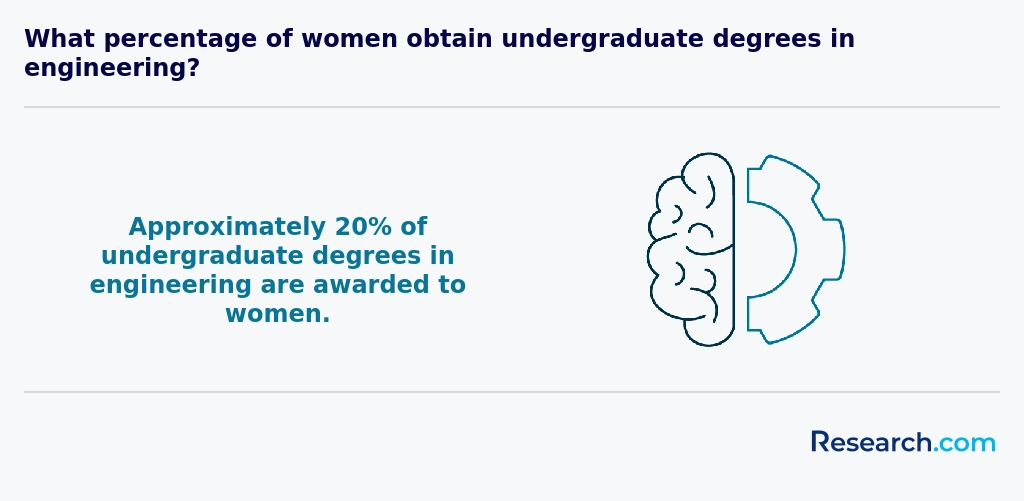
Engineering degree specializations Colorado Springs students can pursue often align with the city's dynamic industries. Graduates from local institutions frequently highlight Mechanical Engineering for its hands-on work with aerospace and energy companies, a sector thriving in this region. Civil Engineering also draws many students focused on sustainable infrastructure development amid Colorado's growth, blending theory with real-world projects in urban planning.
Electrical Engineering is popular due to opportunities with military and tech firms nearby. Students praise the practical experience gained in power systems and telecommunications labs at Colorado Springs colleges. Computer Engineering and Software Engineering are rapidly growing fields, attracting those interested in programming and hardware design, fitting perfectly with the expanding tech sector. Some even explore options beyond traditional paths, such as a video game design degree alongside core engineering studies, enhancing their versatility. This practical approach helps students engage actively with local businesses.
Popular programs emphasize internships and industry partnerships, offering a balanced blend of knowledge and experience. For Colorado students prioritizing Colorado Springs affordable engineering programs, these specializations offer varied paths shaped by strong local demand and innovation.
Start by pinpointing which engineering discipline excites you most-mechanical, electrical, civil, or aerospace are strong choices in Colorado Springs. Graduates often share how aerospace engineering connects them deeply to the city's defense and military industries, making their studies feel relevant and motivating. Verify that your chosen program is ABET-accredited, as this ensures quality education and boosts your employability after graduation.
Cost is key; public universities here typically charge $10,000 to $15,000 annually for residents, but exploring financial aid or scholarships can make a big difference. Students often recommend checking out the most affordable engineering programs in colorado to find solid options without breaking the bank. Practical experience matters too-seek programs offering internships or partnerships with local tech firms and military contractors to build your resume while you study.
Consider talking to faculty and current students at institutions like the University of Colorado Colorado Springs to get a real feel for campus life and support. Graduates highlight how accessible professors and hands-on projects here created an encouraging environment that propelled their success. Keeping graduation rates and alumni outcomes in mind helps you choose a program with proven results.

Graduates of engineering degrees in Colorado Springs have access to diverse engineering career opportunities in Colorado Springs that align with local industries. Popular paths include aerospace engineering with firms near the United States Air Force Academy and NORAD, civil engineering supporting infrastructure expansion in El Paso County, and mechanical or electrical engineering roles in manufacturing and technology companies. Many graduates from universities like the University of Colorado Colorado Springs find rewarding roles by leveraging regional demand.
Some graduates report success entering emerging sectors such as environmental and software engineering, where they work on sustainable projects or cybersecurity for defense technology. For those unsure how to enter software roles, community colleges in the area offer practical courses and continuing education. Exploring resources on how to become a software engineer with no experience can provide clear steps to break into this growing field.
Many students highlight the benefits of interdisciplinary teamwork and project-based learning, which prepare them to adapt and advance confidently in a competitive market. Pursuing a degree locally allows direct engagement with employers and hands-on opportunities that shape strong career foundations in engineering. These personalized experiences underscore that jobs with engineering degree in Colorado Springs are attainable and fulfilling.
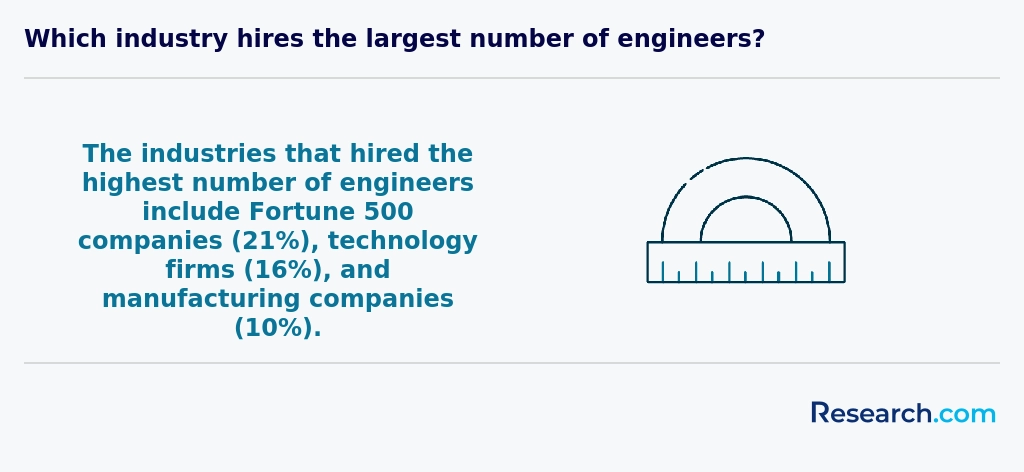
The engineering job outlook in Colorado Springs is strong, driven by a local economy that supports aerospace, defense, civil infrastructure, and renewable energy sectors. Graduates from institutions like the University of Colorado Colorado Springs often find positions with leading companies such as Lockheed Martin and Boeing, where demand for skilled engineers continues to grow. Employment opportunities for engineers in Colorado Springs benefit from the area's proximity to military bases and the U.S. Air Force Academy, which fuels steady hiring in defense-related engineering roles.
Civil engineering graduates frequently land roles linked to urban expansion and public infrastructure projects, taking advantage of the city's investment in roads and water systems. Many local engineers pursue Professional Engineer (PE) licensure to enhance their credentials, improving long-term career growth and salary prospects.
If you are considering the cost of studying engineering locally, check out the Most Affordable Online Engineering Degree Programs Ranking in Grand Forks, ND to explore cost-effective education paths while living in Colorado Springs.
2027 Most Affordable Engineering Degree Programs Ranking in Colorado Springs
Investing in your education is a significant decision that can shape your future, and the Research.com team understands the importance of making informed choices. To assist prospective students in Colorado Springs, we have meticulously crafted the "2027 Most Affordable Engineering Degree Programs Ranking in Colorado Springs." Our commitment to quality, credibility, and accuracy is reflected in the extensive research and analysis conducted to compile this ranking.
We utilized the following reputable data sources to ensure a comprehensive evaluation of engineering programs:
By exploring this ranking, readers will gain valuable insights into the most affordable engineering degree programs available in Colorado Springs, enabling informed decisions about their educational investments. For more details on our rigorous methodology, please visit our Research.com methodology page.

# 4 position
Colorado Technical University-Colorado Springs
Bachelor of Science in Computer Engineering

Frequently Asked Questions About engineering
Engineering students in Colorado Springs can maximize their learning by combining strong academic focus with practical experience. Many local institutions, such as the University of Colorado Colorado Springs (UCCS), offer cooperative education programs and internships that connect students to aerospace and defense industries prominent in the region. According to the Bureau of Labor Statistics, Colorado Springs hosts numerous engineering firms, providing valuable local opportunities for hands-on learning.
Students should also engage in on-campus engineering clubs and competitions to develop teamwork and problem-solving skills. Leveraging resources like career services and faculty mentorship enhances understanding and career prospects.
Engineering degrees in Colorado Springs are increasingly focusing on emerging niches driven by regional industry demands and national trends. One growing area is aerospace engineering, bolstered by the city's proximity to military installations and aerospace companies. According to the U.S. Bureau of Labor Statistics, aerospace engineers in Colorado Springs have a median annual wage above the national average, reflecting strong local opportunities.
Another expanding field is renewable energy engineering, especially solar and wind technologies, which align with Colorado's commitment to sustainable energy. Additionally, fields like cybersecurity engineering are gaining traction due to the city's growing tech sector and military defense presence.
Data from the Colorado Department of Labor and Employment shows a 10% projected growth for these sectors through 2030, highlighting promising career paths for new engineers in the area.
After earning an engineering degree in Colorado Springs, preparing for the job market involves strategic steps tailored to the local industry. Colorado Springs hosts a growing aerospace and defense sector, with companies like Lockheed Martin and Raytheon Technologies, offering numerous engineering opportunities. Graduates should consider gaining relevant internship experience during studies to strengthen their resumes, as 72% of Colorado engineering employers prefer candidates with practical experience, according to the Colorado Department of Labor.
Networking through local professional organizations, such as the Colorado Springs Engineers Council, can connect graduates with mentors and job openings. Additionally, pursuing certifications aligned with their engineering discipline, like the Fundamentals of Engineering (FE) exam, enhances employment prospects.
Employers in Colorado Springs highly value engineering graduates who demonstrate strong technical skills, including proficiency in computer-aided design (CAD) software, programming languages, and data analysis. According to data from the Colorado Workforce Development Council, 68% of engineering employers prioritize practical experience with industry-standard tools.
Beyond technical abilities, problem-solving and critical thinking are essential. Engineering roles often demand innovative solutions to complex challenges, especially within Colorado Springs' growing aerospace and defense sectors. Communication skills also rank highly, with 54% of employers seeking engineers capable of clear teamwork and project coordination.
Familiarity with local industry regulations and sustainable design principles is increasingly important, reflecting state-wide pushes for environmentally responsible engineering solutions.
Finding internships in Colorado Springs relevant to an engineering degree involves leveraging local industry connections and university resources. Colorado Springs hosts several engineering employers in aerospace, defense, and technology, including Lockheed Martin and Raytheon, which often offer internships. According to the Colorado Springs Economic Development Corporation, nearly 10% of the regional workforce is employed in engineering and technical sectors, creating substantial opportunities for students.
Students should utilize career services at institutions like the University of Colorado Colorado Springs, which maintains partnerships with local companies. Attending job fairs, networking events, and joining engineering student organizations can also increase internship prospects. Additionally, online platforms focused on the U.S. job market such as Handshake often list Colorado Springs engineering internships.
An engineering degree in Colorado Springs significantly enhances career mobility and advancement opportunities. The city hosts a strong aerospace and defense industry presence, with companies like Lockheed Martin and Northrop Grumman driving demand for skilled engineers. According to the U.S. Bureau of Labor Statistics, engineers in Colorado Springs earn a median annual wage about 10% higher than the national average, reflecting local industry strength.
Graduates often find diverse roles, ranging from mechanical and electrical engineering to software development. Holding an accredited degree, such as ABET certification, is crucial for career progression and licensure.
Networking within regional professional organizations further supports advancement by connecting engineers to local projects and leadership roles.
Studying for an engineering degree in Colorado Springs equips students with skills that span multiple disciplines, preparing them for the increasing demand for interdisciplinary roles. Many local programs emphasize collaboration across fields such as mechanical, electrical, and civil engineering to address complex problems. According to the Colorado Springs Economic Development Corporation, employers in the area seek graduates who can integrate technology, design, and project management.
Students also benefit from opportunities to engage with nearby military and aerospace industries, gaining exposure to real-world applications that cross traditional engineering boundaries. Universities often include coursework in computer science and business, enhancing adaptability.
This multidisciplinary focus reflects national trends that emphasize teamwork and versatility in engineering careers.
Choosing between a thesis and a non-thesis engineering degree program in Colorado Springs depends largely on your career goals and learning preferences. Thesis programs require original research, which can be ideal if you plan to pursue a PhD or work in research-intensive roles. These programs typically demand more time and a strong commitment to scholarly work.
Non-thesis options emphasize coursework and practical skills, appealing to professionals aiming for industry jobs or management positions. They often allow completion in less time, making them suitable for those balancing work and study.
Colorado Springs, with its growing tech and aerospace sectors, offers both paths through institutions like the University of Colorado Colorado Springs. Reviewing program details and outcomes is essential before deciding.
Students based in Colorado Springs looking to study engineering abroad have several pathways through their local institutions. The University of Colorado Colorado Springs (UCCS) offers partnerships with international universities that enable students to participate in exchange programs or dual-degree arrangements. Such programs provide valuable global exposure while earning credits toward their engineering degree. Additionally, Colorado Springs students can explore study-abroad opportunities through broader statewide initiatives supported by the Colorado Department of Higher Education.
These programs often focus on engineering fields such as civil, mechanical, and electrical engineering, aligning with curricular standards accredited by ABET. Financial aid and scholarships are sometimes available to assist with overseas study costs. Students are advised to consult with academic advisors early to plan these international experiences efficiently.
Students pursuing engineering degrees in Colorado Springs have access to various part-time job opportunities that complement their education. Many local technology firms and defense contractors, such as Lockheed Martin and Northrop Grumman, often seek interns and part-time assistants with technical skills. These positions provide hands-on experience in fields like aerospace, mechanical, and electrical engineering.
Additionally, Colorado Springs hosts several manufacturing companies and startups where students can apply problem-solving and CAD modeling skills. According to the U.S. Bureau of Labor Statistics, engineering-related employment in the Colorado Springs metropolitan area grew by approximately 6% over the past five years, indicating expanding opportunities.
On-campus research assistant roles also serve as valuable options, helping students engage directly with engineering projects and faculty, enriching their practical knowledge while managing academic responsibilities.
Engineering students in Colorado Springs have numerous opportunities to expand their professional networks. The region hosts active chapters of organizations like the Colorado Springs chapter of the American Society of Civil Engineers (ASCE) and the Rocky Mountain section of the Society of Women Engineers (SWE). These groups provide access to local professionals through meetings, workshops, and internships.
Local universities collaborate with industries in aerospace, defense, and technology sectors, which offer students internships and career fairs. For example, the Colorado Springs Aerospace Coalition connects students with leading employers. According to the Colorado Workforce Development Council, nearly 4,000 engineering jobs were added in the region between 2018 and 2023.
Alumni networks provide valuable support to engineering students in Colorado Springs by offering mentorship and career guidance. Many local engineering firms collaborate with universities, enabling alumni to connect current students with internships and job opportunities. According to the Colorado Springs Chamber & EDC, networking through alumni significantly improves employment chances for graduates in the city's growing aerospace and defense sectors.
Active alumni networks also facilitate professional development events, workshops, and guest lectures, enriching the academic experience. Students benefit from established connections that help them understand industry demands and local market trends. In a competitive field like engineering, these relationships can be crucial for early career success.
Customizing an engineering degree program in Colorado Springs allows students to align their education with specific career goals. Many local universities, such as the University of Colorado Colorado Springs (UCCS), offer flexible curriculums with various concentrations including mechanical, electrical, and civil engineering. Students can choose elective courses that emphasize emerging fields like renewable energy or cybersecurity.
Additionally, programs often provide opportunities for internships and cooperative education experiences with prominent local employers like Lockheed Martin, enhancing practical skills and professional networking.
Faculty advisors assist students in selecting specialized tracks, certificates, or minors to deepen expertise. This tailored approach helps match academic achievements with industry demands and personal interests.
Engineering students in Colorado Springs often face a rigorous curriculum that demands strong math and science skills. Many report challenges balancing coursework with internships or part-time jobs, which are common in this region due to its vibrant defense and aerospace industries. According to the Colorado Department of Higher Education, students may also struggle with access to affordable textbooks and resources, impacting their study efficiency. Additionally, time management is a frequent issue, as demanding lab work and project deadlines coincide with preparing for industry certifications. Peer collaboration and networking are vital but can be limited by large class sizes at public universities.
With an engineering degree in Colorado Springs, graduates can pursue several professional certifications that enhance career prospects. The most recognized is the Professional Engineer (PE) license, which requires passing the Fundamentals of Engineering (FE) exam followed by relevant work experience and the PE exam. This certification is crucial for engineers aiming to take on leadership roles or provide public engineering services.
Other valuable certifications include the Certified Manufacturing Engineer (CMfgE) and Project Management Professional (PMP), which are applicable across various engineering fields. These credentials often lead to higher salaries and better job stability.
Colorado Springs employers value certifications; according to the Colorado Department of Labor, engineers with PE licenses earn approximately 20% more on average.
Applying for an engineering program in Colorado Springs requires a clear and well-structured approach. Start by researching the specific programs offered by local institutions such as the University of Colorado Colorado Springs (UCCS), which offers ABET-accredited engineering degrees. Highlight your academic achievements, especially in math and science courses, as UCCS values strong STEM backgrounds.
Include a compelling personal statement that explains your passion for engineering, your career goals, and why Colorado Springs' programs align with your interests. Applicants should also submit solid letters of recommendation, preferably from teachers or professionals familiar with your engineering potential.
Standardized test scores can still play a role; check each program's requirements, as some may require the SAT or ACT. Lastly, demonstrating involvement in engineering-related extracurriculars or internships can strengthen your application by showcasing practical experience.
Engineering careers are recognized worldwide for their strong impact on technology, infrastructure, and innovation. In the United States, including Colorado Springs, engineering professions are highly valued due to their contribution to economic growth and national security, particularly in aerospace and defense sectors. According to the U.S. Bureau of Labor Statistics (2023), employment for engineers is expected to grow by about 7% from 2021 to 2031, reflecting steady demand.
Globally, engineers are essential in addressing challenges like climate change and sustainable development. Many U.S. programs emphasize international standards and cross-border collaboration, preparing graduates for global careers. Colorado Springs benefits from military and tech industries that offer unique opportunities for engineers to work on cutting-edge projects.
Gaining practical experience while studying engineering in Colorado Springs is essential for career readiness. Many local institutions offer internship opportunities with regional aerospace and technology companies, such as Lockheed Martin and Boeing, which have significant operations in the area. According to the Colorado Department of Higher Education, about 65% of engineering students in Colorado Springs participate in internships or cooperative education programs before graduation.
Students can also engage in hands-on projects through university labs and student organizations focused on robotics and engineering competitions. Additionally, attending career fairs hosted by schools like the University of Colorado Colorado Springs connects students directly to local employers. These experiences enhance resumes and build professional networks critical for job placement in engineering fields.
Choosing the right concentration within an engineering degree program in Colorado Springs depends on your interests and local industry demands. The Colorado Springs area is notable for aerospace, defense, and technology sectors, which often value mechanical, electrical, and computer engineering skills.
Look into programs at institutions like the University of Colorado Colorado Springs (UCCS), which offers specialized tracks aligned with these industries. Reviewing regional employment data from the Colorado Department of Labor & Employment can help identify high-demand fields.
Consider your career goals, the faculty expertise at your chosen school, and internship opportunities available locally. Hands-on experience in Colorado Springs can be crucial for job placement after graduation.
- 2027 Most Affordable Engineering Degree Programs Ranking in Denver
- 2027 Most Affordable Engineering Degree Programs Ranking in Golden
- 2027 Most Affordable Engineering Degree Programs Ranking in Boulder
- 2027 Most Affordable Engineering Degree Programs Ranking in Fort Collins
- 2027 Most Affordable Engineering Degree Programs Ranking in Fayetteville
- 2027 Most Affordable Engineering Degree Programs Ranking in Riverside
- 2027 Most Affordable Engineering Degree Programs Ranking in Minneapolis
- 2027 Most Affordable Engineering Degree Programs Ranking in San Antonio
- 2027 Most Affordable Engineering Degree Programs Ranking in Claremont
- 2027 Most Affordable Engineering Degree Programs Ranking in Saint Louis
See What Experts Have To Say About Studying Engineering
Read our interview with Engineering experts


Bohdan W. Oppenheim
Engineering Expert
Professor Emeritus of Healthcare Systems Engineering
Loyola Marymount University

Joseph Reichenberger
Engineering Expert
Professor of Civil Engineering & Environmental Science
Loyola Marymount University

- The Rise of the Niche Engineer https://www.sterling-engineering.com/niche-engineer/
- Study Engineering Abroad https://yocket.com/blog/study-engineering-abroad
- Julie Mowatt https://www.nspe.org/career-growth/pe-magazine/may-2019/survey-provides-global-perspective-engineering
- Engineering Standards and References https://coloradosprings.gov/public-works/page/engineering-standards-and-references
- Colorado Schools with Online Engineering Degree Programs https://www.onlineengineeringprograms.com/usa/colorado
- Engineering Programs in Colorado - Western Colorado University https://western.edu/newsroom/engineering-programs-colorado-areas-of-study/
- Pikes Peak State College, PPSC https://www.pikespeak.edu/programs/engineering/index.php
- Study Engineering Abroad: Top Colleges, Costs, & Careers https://www.aeccglobal.com/study-abroad/courses/engineering
- Thesis vs. Non-Thesis Master's Programs: Which is Right for You? https://potomac.edu/thesis-vs-non-thesis-masters/
- 4 Strategies for engineering students to gain quality, hands-on experience https://starfishmedical.com/resource/gain-quality-hands-on-experience/


