
2027 Most Affordable Online Engineering Degree Programs Ranking in the West

Co-Founder and Chief Data Scientist
Choosing the right online engineering degree can shape your future in the most rewarding ways. This article introduces the 2027 Most Affordable Online Engineering Degree Programs Ranking in the West, thoughtfully created by the Research.com team of data scientists. It's designed to help you navigate options with clear, data-driven insights.
By exploring this ranking, you'll discover affordable programs that fit your goals and budget. Pursuing an engineering degree opens doors to exciting careers, and this guide makes finding the right path easier and smarter. Take confidence in making informed choices for your education journey.
Key benefits of getting online engineering degree in the West
- Graduates with an engineering degree can expect strong earnings, with Mechanical Engineers earning about $105,220 annually and Electrical Engineers around $117,680, offering financial confidence and career stability.
- Engineering degree holders from universities like Stanford often explore diverse career paths, including civil, industrial, and electrical engineering, opening doors to innovative industries and leadership roles.
- Completing an engineering degree online from institutions such as Arizona State University provides flexibility and accessibility, allowing students to balance work and life while gaining quality education that employers value.
- 2027 Most Affordable Online Engineering Degree Programs Ranking in the West
- What can I expect from online engineering degree in the West?
- Where can I work with online engineering degree in the West?
What can I expect from online engineering degree in the West?
The average cost of an online engineering degree in the Western United States can vary significantly depending on the institution type and residency status. Public universities, such as those in California or Washington, often provide more affordable tuition, especially for in-state students, with rates sometimes half or less than those at private colleges. Graduates from these programs often appreciate the financial relief and flexibility, which allows them to balance work and study without incurring excessive debt.
That said, some private institutions, while pricier, offer specialized programs and strong industry connections that some students find worth the investment. Alumni frequently mention feeling well-prepared for the workforce despite the higher price, attributing this to the robust curriculum and access to cutting-edge resources.
Most Western programs try to ease financial burdens through scholarships, veteran benefits, and financial aid-factors many students rely on. A student balancing family responsibilities shared that these options made earning an accredited degree from a prominent state university feel achievable without sacrificing stability.
Where can I work with online engineering degree in the West?
Graduates with online engineering degrees from universities in the Western U.S., such as those offered by Oregon State University or Arizona State University, often find themselves employed in dynamic and diverse environments. Many work in major tech hubs like Silicon Valley or Seattle, where electrical and software engineers contribute to cutting-edge projects at startups and established companies alike. For example, software engineers may help develop innovative applications that improve daily life, while civil engineers might engage in city planning or infrastructure projects to support growing urban areas.
While some graduates join government agencies or consulting firms focused on transportation or utilities, others pursue opportunities in renewable energy companies expanding solar and wind power initiatives across the region. Those with degrees accredited by ABET often appreciate the credibility that eases the path to licensure, unlocking roles with higher responsibility and salary.
That said, success may hinge on one's flexibility and willingness to continuously learn, as employers in the West value adaptability alongside formal education. Graduates report a sense of pride and motivation when their online degree enables them to secure rewarding positions aligned with regional growth sectors.
Graduates with an online engineering degree in the Western U.S. can anticipate competitive salaries that reflect regional industry demands and cost of living. For instance, mechanical engineers in states like California and Oregon typically earn a mean annual wage of about $105,220, while electrical engineers can expect higher earnings around $117,680, according to BLS data. Civil engineers, also common among online degree holders, earn approximately $101,160 per year.
Many graduates from well-known West Coast universities find that combining an online degree with internships leads to starting salaries near $65,000 to $75,000, growing to six figures as they gain experience. This aligns with what engineers report in Silicon Valley and Seattle, where tech-heavy markets boost compensation, especially for electrical and mechanical engineers.
Graduates from popular online programs at regional universities share positive experiences, noting that their degrees open doors to roles with strong upward mobility and financial rewards. The ability to earn while studying remotely makes these outcomes even more meaningful for students balancing work and family commitments in the West.
- The cost of an online engineering bachelor's degree in the Western US ranges from $15,000 to $40,000, varying by institution and credit load.
- Engineering jobs in the West are expected to grow by about 7% over the next decade, slightly above the national average.
- Entry-level engineers usually earn between $65,000 and $75,000 annually, with mid-career salaries exceeding $100,000.
- ABET accreditation is important for program quality and employer acceptance in engineering careers.
- Online degrees often include virtual labs, internships, and industry partnerships to provide practical experience and meet professional standards.
Completing an online engineering degree in the Western United States generally takes about four years for full-time students, aligning with programs at institutions like the University of Washington or California Polytechnic State University. Graduates often note that this timeframe feels achievable, especially when balancing online coursework with life and work commitments. However, many part-time students at these schools extend their studies to five or six years, reflecting the reality of juggling jobs alongside demanding engineering curricula.
The flexibility of online programs allows students at schools such as Oregon State University to tailor their pace. Some find motivation to accelerate by taking additional credits, while others appreciate the option to slow down without penalty. Graduates mention that transfer credits or bridge programs offered can shorten their journey, making the experience feel personalized and manageable.
Master's degrees typically require around two years, with some able to finish in one through intensive study, a path found rewarding by those eager to advance quickly. These timelines highlight differing student needs and institutional policies across the West.
Accreditation is the cornerstone of quality assurance for online engineering degree programs in the West, signaling to students, employers, and licensing boards that a curriculum meets rigorous academic and professional standards. The most widely recognized accreditation for engineering programs is offered by ABET (Accreditation Board for Engineering and Technology), which evaluates factors such as faculty credentials, curriculum content, laboratory resources, and continuous improvement processes. Regional accreditation bodies-such as WASC Senior College and University Commission (WSCUC) for California institutions-further validate institutional quality, enabling smooth credit transfers and eligibility for federal financial aid. When researching programs, verify ABET and regional accreditation through official directories and university websites. Accreditation not only impacts eligibility for professional licensure (e.g., Professional Engineer exams) but also influences employer recognition and graduate school admission. Prospective students should also explore regional affordability and quality comparisons, such as the Most Affordable Engineering Degree Programs Ranking in Riverside, CA, to identify programs that balance cost-effectiveness with accredited excellence. Maintaining accreditation requires programs to undergo periodic reviews, submit self-study reports, and demonstrate outcomes assessment-ensuring curricula evolve alongside industry innovations. By prioritizing accredited programs, students safeguard their investment, maximize post-graduate opportunities, and join a network of institutions committed to continuous improvement and academic integrity.
On-campus engineering degrees in the Western United States provide students with rich in-person experiences-thinking of graduates from schools like the University of Washington who praise direct faculty access, hands-on labs, and vibrant peer collaboration. This immersive environment often sparks enthusiasm and a strong sense of community, especially through engineering clubs and job fairs that help with internships and career placement.
Conversely, online programs-such as those offered at California State University-offer flexibility that particularly resonates with students balancing work or family. These graduates appreciate asynchronous lectures and virtual labs that allow studying on their own schedule, though they note fewer opportunities for spontaneous networking or face-to-face mentorship.
Cost-wise, online degrees can reduce housing and commuting expenses, but tuition remains comparable to on-campus rates, typically around $7,000 to $10,000 annually for in-state students. Both formats maintain ABET accreditation, ensuring respected credentials, yet the choice depends on whether students value structured campus interaction or adaptable learning tailored to personal commitments.
Prospective learners comparing affordable engineering degrees online succeed by implementing these strategies:
- Establish a consistent study schedule, blocking out time for lectures, assignments and virtual labs
- Set up a dedicated workspace free from distractions, with reliable internet and necessary software
- Engage actively in online discussions and group projects to build a peer support network
- Schedule regular check-ins with instructors and academic advisors to stay on track
- Leverage university resources-tutoring centers, library databases and tech support-to reinforce learning
- Prioritize time management by using planners or digital tools to balance coursework, work and personal commitments
- Practice hands-on skills through simulations or at-home projects to complement theoretical lessons
The average cost of an online engineering degree in the West typically centers around $26,820 total, which accounts for the full program rather than just annual tuition. Students attending public universities in states like California, Oregon, and Washington often find more affordable options, with median costs closer to $23,925 for both in-state and out-of-state learners. This affordability makes these institutions appealing for those seeking quality education without excessive debt burdens.
Graduates from well-known public institutions such as Oregon State University frequently share positive experiences about balancing affordability with reputable curricula. These programs often include technology fees and course materials within a reasonable price range, helping students maintain a practical budget. However, private universities in the West can significantly surpass these costs, sometimes charging double or more, which highlights the importance of carefully comparing tuition and total program expenses.
Many prospective students look specifically for affordable online engineering programs Western US to ensure their choice aligns with financial capabilities and career goals. The flexibility of online formats combined with relatively moderate costs encourages diverse student backgrounds to pursue engineering degrees without relocating. It's equally valuable to explore dedicated financial aid or scholarships tailored for online engineering students.
For those curious about the most valuable engineering programs in California, exploring options can be both exciting and overwhelming. Institutions like California State University campuses offer competitive prices and strong industry connections to support graduates in thriving careers. Interested students may want to review rankings of valuable engineering programs in california to identify the best fit for their ambitions and budgets.

Ensuring that your online engineering program holds recognized accreditation is essential for academic credibility, credit transferability, and professional licensure. The two primary types of accreditation to look for are: • ABET Accreditation: – ABET (Accreditation Board for Engineering and Technology) is the gold standard for engineering, applied science, computing, and technology programs. – Graduates from ABET-accredited programs are eligible to sit for Fundamentals of Engineering (FE) and Professional Engineer (PE) exams, a critical step toward licensure. • Regional vs. National Accreditation: – Regional accreditation (e.g., WASC in the West) often carries higher prestige and easier credit transfer between institutions. – National accreditation can be program-specific but may limit transfer options; always verify with prospective employers and graduate programs. Key quality indicators beyond formal accreditation include: • Curriculum Standards: Compare course outlines against industry benchmarks-does the program integrate emerging topics like additive manufacturing, IoT-enabled systems, or sustainable design? • Faculty Credentials: Look for instructors with professional engineering experience or active research profiles; faculty bios should list peer-reviewed publications or industry patents. • Technology and Lab Access: High-quality programs provide virtual labs, simulation tools, and partnerships with local engineering firms for hands-on capstone projects. • Student Outcomes: Investigate graduation rates, job placement statistics, and average starting salaries; transparent reporting signals institutional commitment to your success. For learners seeking rapid skill acquisition or supplemental training, pairing an accredited degree with a best rated coding bootcamp can enhance your software proficiency and employability in interdisciplinary roles. By prioritizing accreditation and quality standards, you ensure your online engineering education delivers both immediate credibility and long-term career value.
Online engineering students in the West often rely on a mix of financial aid options to make their education more affordable. Federal aid through FAFSA remains central, offering the possibility of Pell Grants that can relieve significant cost burdens without adding debt. For many, this aid feels like a crucial lifeline in managing the above-average tuition fees typical of public universities in states like California and Oregon.
State-specific grants also make a tangible difference. Graduates from universities such as Arizona State University frequently mention receiving scholarships targeted at in-state residents pursuing STEM fields, which ease financial stress and foster a sense of support from their communities.
Institutional scholarships based on merit or diverse representation provide additional relief, especially for underrepresented minority students studying engineering online at places like the University of Colorado Boulder. These awards often spark motivation and pride, reinforcing students' belief in their potential.
Many students juggling work appreciate employer tuition reimbursement programs, particularly in tech and green energy sectors prominent in the West. This connection between industry and education creates a hopeful outlook for balancing career and studies while minimizing out-of-pocket expenses.
Finally, private scholarships from groups like the Society of Women Engineers deliver both funding and a community of encouragement. While financial aid isn't uniform or guaranteed, these varied resources combined often transform the daunting cost of online engineering degrees in the West into an achievable goal.
Embarking on an online engineering degree journey requires proactive planning and a commitment to continuous learning. To excel, students should develop a well-structured schedule that balances coursework, virtual lab sessions, and networking opportunities. Utilizing digital tools like interactive learning platforms and collaboration software can enhance understanding and facilitate group projects. Engaging with online forums and university-sponsored webinars is equally important-this not only builds a supportive community but also opens the door to mentorship and industry insights. Additionally, prospective students are encouraged to explore resources such as valuable engineering programs in california to gain a deeper perspective on what to expect and how to maximize their educational experience. By adopting disciplined study habits, seeking feedback from instructors, and actively participating in virtual networking events, students can build a robust foundation that translates to real-world success in their engineering careers.
To enroll in an online engineering degree in the Western United States, most programs expect students to have a high school diploma or equivalent, complemented by a solid foundation in key math and science courses like algebra, trigonometry, and physics. Graduates from well-known universities in the West often share how these prerequisites helped them transition smoothly to college-level engineering challenges despite the distance learning format.
While some institutions have moved to test-optional admissions-especially after the pandemic-strong academic transcripts with a GPA around 2.5 to 3.0 remain important. For instance, applicants to public universities in California or Washington have noted that showing proficiency in STEM courses bolstered their applications and confidence entering rigorous online coursework.
Many programs also require prerequisite college courses for transfers or returning students, such as calculus or introductory engineering classes. One graduate from a prominent Oregon engineering school recalled how completing these courses in advance helped ease their workload and connect better with peers during virtual labs.
Access to reliable technology is frequently cited by students as a game-changer, with many schools specifying necessary software and hardware to fully engage in hands-on projects remotely. This practical readiness, paired with financial clarity about tuition costs that range widely across Western institutions, shapes the overall preparedness of aspiring online engineering students.

Success in online engineering programs hinges on reliable technology and intuitive platforms. Ensure you have:
- A desktop or laptop with a quad-core processor, 8 GB RAM (16 GB recommended), and 500 GB storage
- High-speed internet (minimum 25 Mbps download/upload) to support video lectures, virtual labs, and collaboration
- Essential software such as CAD (AutoCAD, SolidWorks), MATLAB or Python IDEs, and office suites
- Access to the program’s LMS (Canvas or Blackboard) for submitting assignments, viewing syllabi, and tracking grades
- Virtual lab tools and simulation software (e.g., LabVIEW, ANSYS) provided by your institution
- Collaboration platforms (Zoom, Microsoft Teams) and digital library access for research
Most programs integrate these components seamlessly, offering tutorials and 24/7 tech support. For a broader list of affordable options, check our guide to engineering degrees online.
Online engineering degree programs in the Western United States typically begin with foundational courses in mathematics and science, such as calculus, differential equations, physics, and chemistry. Graduates from popular institutions like Arizona State University often reflect on how mastering these basics early on was challenging but essential, shaping their problem-solving skills in real-world engineering scenarios.
Core engineering topics usually follow, including statics and dynamics, thermodynamics, materials science, fluid mechanics, and electrical circuits. Students at universities such as the University of Washington report that engaging with computer-aided design (CAD) tools allowed them to bridge theory with hands-on projects, deepening their understanding of mechanical and structural concepts.
Specialization is another key element, with courses tailored to specific fields. For example, in civil engineering, students study construction management and geotechnical engineering, while those in electrical engineering focus on digital and control systems. These focused courses relate directly to industry demands in the West's diverse engineering sectors.
Many students appreciate the inclusion of engineering ethics and project management, which helps them navigate professional challenges and teamwork in virtual environments. Realistic capstone projects often simulate workplace problems, making graduates feel well-prepared and confident to enter the engineering workforce.
Students pursuing the best online engineering specializations in the West often find options such as mechanical, electrical, computer, and civil engineering readily available. Graduates from prominent universities in California or Washington frequently share how mechanical engineering directly connected them to roles in aerospace or automotive industries, reflecting regional economic strengths. Meanwhile, electrical engineering is appealing for its ties to Silicon Valley's tech landscape, with subfields like control systems and microelectronics drawing enthusiastic learners.
However, it is important to consider that each specialization comes with distinct challenges and industry demands. For example, while computer engineering integrates software and hardware skills highly sought after by the booming tech sector, it may not suit those looking for roles in traditional civil infrastructure projects. Affordability also plays a key role; many students weigh affordable engineering degree specializations western US offers, balancing costs with potential job market returns. Some graduates recommend exploring options beyond university-for instance, combining degrees with a best rated coding bootcamp for enhanced software skills.
Choosing an online engineering degree in the West involves weighing accreditation, cost, and flexibility carefully. Graduates from well-known public universities in California and Washington often emphasize the value of ABET accreditation, which not only ensures quality but also opens doors for licensure and competitive employment. However, some students found that lower tuition alone didn't guarantee affordability once additional fees such as technology charges and course materials were included. Those balancing full-time jobs appreciated programs offering asynchronous classes, a feature common at regional institutions, enabling them to study around work hours without feeling overwhelmed.
Curriculum depth also varies; graduates from programs focusing on core areas like mechanical or civil engineering found their specialized skills highly marketable in the West's growing tech and infrastructure sectors. Yet, it's wise to research how well a program supports internships or industry connections, as some students reported better job outcomes when such opportunities were strong. For those seeking guidance, robust student support services proved invaluable in navigating the challenges of online learning.
For prospective students seeking affordable online engineering degrees West, resources like the Most Affordable Engineering Degree Programs Ranking in Riverside, CA offer helpful cost comparisons to inform decisions.
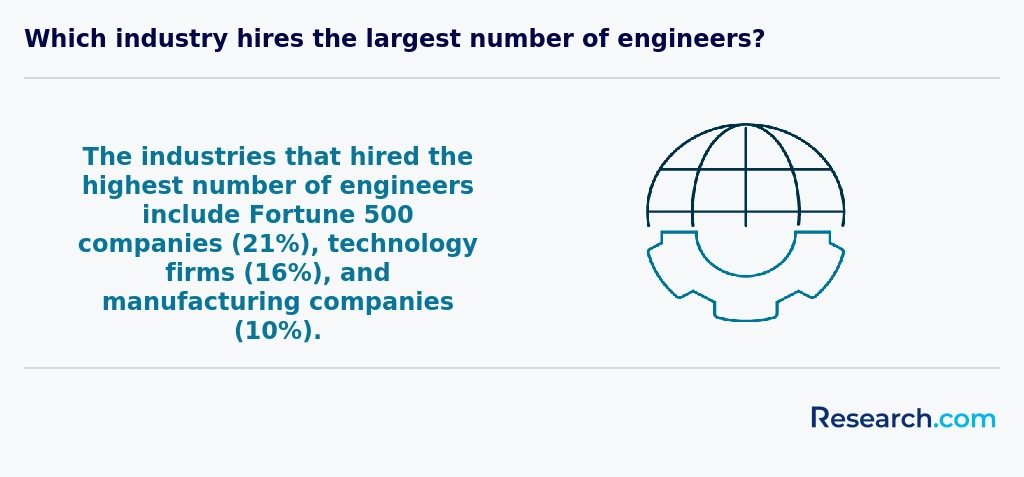
Graduates holding an online engineering degree in the West find career paths spanning diverse fields, from civil and mechanical to software and environmental engineering. Those from institutions like Arizona State University and University of Washington often engage in projects shaping infrastructure, renewable energy, or cutting-edge technology. Some graduates enjoy the dynamic challenge of designing machinery or contributing to aerospace innovations near Seattle, while others work on sustainability efforts crucial to the region's ecological balance. Despite the variety, it's important to recognize that local job markets can fluctuate, and the specific industry demand may vary by state or metropolitan area.
Many online students appreciate how practical coursework and flexible scheduling prepare them for roles in California's Silicon Valley or Oregon's manufacturing hubs. These career opportunities with West online engineering degrees often incorporate hybrid work models, providing both remote flexibility and hands-on site involvement. Graduates report satisfaction from entering fields with steady growth prospects; however, they also note the necessity of professional licensure and ongoing skill development to maintain competitive advantage.
For those weighing options, exploring a fast track college degree can accelerate entry into these sectors. Overall, online engineering degree jobs in the West offer a promising balance of innovation, financial stability, and community impact, making them appealing to motivated students seeking both career growth and meaningful work.
The job market for online engineering degree jobs in the Western US remains dynamic but requires careful navigation. Graduates from well-known institutions like the University of California system or Arizona State University often find themselves balancing the advantages of flexibility with employer skepticism toward online degrees. However, in tech hubs such as Silicon Valley, many employers increasingly value practical skills and adaptability-qualities often honed by online students managing work and study simultaneously.
West region engineering career opportunities online span software development, renewable energy, and aerospace, reflecting the diverse economy of the area. Graduates can build rewarding careers by supplementing their credentials with internships or certifications, which many report as crucial for standing out. For those curious about educational options, researching the easiest phd programs to get into may reveal accessible paths to advanced qualifications.
2027 Most Affordable Online Engineering Degree Programs Ranking in the West
Investing in your education is a significant decision that can shape your future, and the Research.com team understands the importance of making informed choices. To assist prospective students seeking affordable online engineering degrees in the West, we have carefully developed the "2027 Most Affordable Online Engineering Degree Programs Ranking in the West." Our dedication to quality, credibility, and accuracy is demonstrated through rigorous research and analysis undertaken in creating this ranking.
We utilized the following reputable data sources to ensure a comprehensive evaluation of the programs:
By exploring this ranking, readers will gain valuable insights into affordable, high-quality online engineering degree options, empowering them to make well-informed decisions about their educational investments. For more information on how this ranking was developed, please visit our Research.com methodology page.


# 5 position
Western Governors University
Bachelor of Software Engineering

# 6 position
Western Governors University
Master of Software Engineering - AI Engineering

# 8 position
Arizona State University Campus Immersion
Master of Engineering - Quality, Reliability and Statistical Engineering








Frequently Asked Questions About engineering
Students pursuing online engineering degrees in the Western US can enhance their learning by actively engaging in virtual labs and industry projects. According to the National Center for Education Statistics, Western states like California and Washington offer numerous accredited online programs that include hands-on components. Participating in online study groups and leveraging university career services also improves practical skills and networking opportunities. Time management is crucial; students should set regular study schedules to balance work, family, and education effectively. Additionally, accessing professional engineering organizations such as the Western Students Section of ASEE can provide mentorship and further learning resources.
Emerging niches within the engineering field increasingly reflect technological advancements and societal needs. In the Western US, fields such as renewable energy engineering are expanding rapidly, driven by state policies favoring clean power. According to the U.S. Bureau of Labor Statistics, employment in environmental engineering is projected to grow 8% from 2021 to 2031.
Other growing areas include biomedical engineering, where innovations in medical devices and healthcare technology create high demand for skilled professionals. Additionally, the rise of autonomous systems and artificial intelligence integrates with traditional mechanical and electrical engineering, opening new career paths.
Cybersecurity engineering is another vital niche, especially with increasing digital threats. Universities in the West are responding by offering specialized online degrees to meet this demand, ensuring graduates are equipped with relevant skills.
Graduates with online engineering degrees in the West should focus on building practical skills valued by employers. According to the National Society of Professional Engineers, employers seek proficiency in software tools like MATLAB and CAD. Internships or cooperative education programs, often available through online universities, provide critical hands-on experience.
Networking is essential; joining professional organizations such as the American Society of Mechanical Engineers can increase job opportunities. Additionally, earning industry certifications like the Fundamentals of Engineering (FE) exam boosts credibility.
Lastly, soft skills like communication and teamwork are crucial, as noted by the U.S. Bureau of Labor Statistics, which highlights growth in engineering roles requiring interdisciplinary collaboration.
Employers in the Western United States highly value a blend of technical expertise and soft skills in engineering graduates. According to the National Association of Colleges and Employers (NACE), critical thinking and problem-solving are top priorities, with over 80% of employers seeking these abilities. Proficiency in computer-aided design (CAD) software, programming languages like Python or MATLAB, and data analysis tools is increasingly important due to advancing technology.
Communication skills also rank highly, especially the ability to explain complex concepts clearly to diverse teams. As the West hosts many tech hubs, adaptability and teamwork are essential for thriving in dynamic project environments. Practical experience gained through internships or co-op programs significantly boosts employability in the region.
Finding internships relevant to an engineering degree in the Western US involves strategic planning and resource use. Start by exploring university career centers, as many online engineering programs based in the West maintain connections with local industries for internship placement. According to the National Association of Colleges and Employers (NACE), 60% of engineering students secure internships through campus recruitment efforts.
Online students should also leverage professional networks like LinkedIn and join engineering societies such as the American Society of Civil Engineers (ASCE) or the Society of Women Engineers (SWE). These organizations frequently offer job boards and networking events specific to the Western region.
Regional tech hubs in California, Washington, and Colorado host many engineering firms seeking interns. Utilizing local job portals and contacting company HR offices directly can increase chances of securing a position. The Bureau of Labor Statistics reports that California employs approximately 400,000 engineers, highlighting strong local demand.
Online engineering degrees in the Western United States are increasingly recognized by employers, aiding career mobility and advancement. According to the National Center for Education Statistics, over 25% of engineering students in the West now enroll in fully online or hybrid programs, reflecting growing acceptance.
Graduates with online engineering credentials often see comparable job placement rates to traditional students, with opportunities spanning fields like civil, mechanical, and software engineering. Companies such as Boeing and Intel value accredited online degrees, especially from institutions regionally recognized in the West.
Furthermore, online degrees provide flexibility for working professionals to upskill, leading to promotions or shifts into leadership roles. The U.S. Bureau of Labor Statistics projects a 4% growth in engineering jobs on the West Coast through 2030, supporting sustained demand for qualified candidates.
Engineering degrees offered online by Western U.S. institutions emphasize interdisciplinary skills essential for modern careers. Programs often integrate coursework from computer science, business, and environmental studies to prepare students for complex problem-solving.
According to the National Science Foundation, over 40% of engineering roles in the U.S. require collaboration across disciplines, highlighting the value of this approach. Western universities like Stanford and UC Berkeley structure their curricula to foster teamwork, communication, and systems thinking.
Online formats also encourage interaction through virtual labs and group projects, replicating real-world environments. These experiences help graduates adapt to diverse teams and industries, making them well-equipped for interdisciplinary engineering challenges.
Choosing between a thesis and a non-thesis engineering degree program mainly depends on your career goals and learning preferences. A thesis program involves conducting original research, which can be beneficial if you plan to pursue a PhD or work in research and development. Non-thesis programs typically emphasize coursework and practical skills, catering to professionals aiming for industry roles.
In the Western US, many accredited universities offer flexible online options. According to data from the Western Association of Schools and Colleges, about 60% of online engineering master's students opt for non-thesis tracks, valuing immediate applicability over research.
Costs and time commitments also differ; thesis programs often require more time for research but may open doors to specialized fields. Understanding these factors helps align your education with your professional path.
Students in the Western United States seeking to study engineering abroad have several online options available through accredited American universities. Many institutions offer fully online bachelor's and master's degrees in engineering fields, allowing students to earn internationally recognized qualifications without leaving their homes. According to the National Center for Education Statistics, over 20% of engineering students in the West engage in some form of online learning. These programs often include flexible scheduling and access to expert faculty, which suits working professionals and recent graduates alike. Popular engineering disciplines online include civil, mechanical, electrical, and computer engineering.
Some universities also partner with foreign institutions to provide dual degrees or specialized international curricula. Such collaborations expose Western students to global engineering standards and expand their career opportunities.
Students pursuing online engineering degrees in the Western US can benefit from various part-time jobs that enhance both their learning and resumes. Common roles include internships and assistantships at local engineering firms, tech startups, or university labs. These opportunities often provide hands-on experience with software tools and project coordination, directly complementing academic studies.
Additionally, positions like CAD drafting, quality control technician, or IT support can build practical skills in design and analysis. According to the National Association of Colleges and Employers, over 60% of engineering students in California reported internships or relevant part-time roles during their studies in 2023.
Such jobs not only support financial needs but also strengthen employment prospects post-graduation.
Online engineering students in the Western US have growing access to valuable networking opportunities, despite the remote format. Many universities provide virtual career fairs, webinars, and alumni mixers that connect students with professionals and peers. For example, institutions like Oregon State and Arizona State offer dedicated online platforms to foster interaction.
Professional organizations such as the IEEE and Society of Women Engineers also host regional online events and chapters, helping students build local and national networks. According to a 2023 report by the National Association of Colleges and Employers, 68% of engineering graduates secure jobs through networking, showing its importance.
Additionally, internship and co-op programs affiliated with online degrees often include local industry connections in tech hubs like Silicon Valley and Seattle.
Alumni networks are valuable resources for students pursuing online engineering degrees in the Western United States. These networks offer access to experienced professionals who can provide career advice, mentorship, and job referrals. According to the National Association of Colleges and Employers (NACE), 85% of engineering graduates find employment through networking.
Additionally, alumni often share industry insights and emerging trends, helping students stay current in fast-evolving engineering fields such as renewable energy and aerospace, sectors prominent in the West.
Many Western universities maintain active alumni platforms, which facilitate virtual events and connect online students with peers and employers.
Customizing an online engineering degree program in the West allows students to align their education with specific career goals. Many Western universities offer diverse specializations such as civil, electrical, mechanical, and computer engineering. Students can choose electives focusing on emerging fields like renewable energy or cybersecurity.
Advising services help tailor course loads and project work to industry needs. According to the Western Interstate Commission for Higher Education (WICHE), institutions in the West increasingly provide flexible schedules, allowing working professionals to balance studies and careers.
Additionally, online internships and capstone projects offered by some programs provide practical experience valued by employers. This flexibility ensures students graduate with relevant skills for regional job markets, especially in tech hubs like California and Washington.
Online engineering students in the Western US face unique challenges compared to traditional campus learners. A key issue is access to hands-on laboratory experience, which is essential for engineering disciplines. Many programs try to address this with virtual labs, but these cannot fully replicate physical equipment use, potentially impacting skill development.
Additionally, engineering students often report difficulties balancing demanding coursework with work and family obligations. According to a 2023 report by the National Center for Education Statistics, nearly 40% of online engineering students in the West juggle employment alongside studies.
Technical issues, such as unreliable internet connections in rural areas, also hinder consistent participation. Furthermore, students may experience feelings of isolation without regular face-to-face interaction with peers and instructors, affecting motivation and academic support.
Lastly, the rigorous math and science requirements can be more challenging to master remotely without immediate access to tutoring or study groups typically available on campus.
Graduates with an online engineering degree in the Western United States can pursue several key professional certifications to advance their careers. The most recognized credential is the Professional Engineer (PE) license, which requires passing the Fundamentals of Engineering (FE) exam, acquiring relevant work experience, and passing the PE exam. According to the National Society of Professional Engineers, holding a PE license can increase salary potential by up to 20%.
The Certified Engineering Technician (CET) credential is another option, particularly in states like California and Washington. This certification validates technical skills and practical experience in specialized engineering fields.
Certifications such as Project Management Professional (PMP) are also popular among engineers seeking leadership roles. PMP certification emphasizes management skills applicable across engineering disciplines.
To write a winning application for an online engineering program in the West, start by highlighting your academic background in math and science, as these subjects are foundational in engineering education. Accreditation matters: target programs accredited by ABET, which signals quality and acceptance by employers. Ensure your personal statement clearly explains your motivation for pursuing engineering and why online study suits your needs.
Include specific examples of problem-solving skills or relevant projects to demonstrate practical aptitude. Recent data from the Western Interstate Commission for Higher Education shows that technical skills and clear career goals improve admission chances. Finally, secure strong letters of recommendation from professionals or professors familiar with your abilities.
The engineering profession holds a strong global reputation, particularly in Western countries where innovation and technology drive economic growth. In the United States, engineering remains one of the most in-demand and well-compensated fields. According to the U.S. Bureau of Labor Statistics, employment in engineering occupations is projected to grow by 4% from 2022 to 2032, reflecting steady demand for skilled professionals.
Engineering graduates from Western institutions are valued worldwide because of rigorous academic standards and practical, hands-on training. This international recognition opens opportunities to work in diverse sectors such as aerospace, renewable energy, and information technology.
Additionally, many online engineering degree programs in the West align with accreditation standards set by ABET, ensuring global acceptance of these qualifications. This fosters mobility for engineers seeking careers beyond U.S. borders while benefiting from flexible learning options at home.
Gaining practical experience while pursuing an online engineering degree in the West is achievable through several avenues. Many accredited programs incorporate virtual labs and simulation software, allowing students to develop hands-on skills remotely. According to the National Society of Professional Engineers, 70% of Western engineering students engage in internships or cooperative education (co-op) during their studies.
Students should seek internships with local engineering firms or technology companies, which are prevalent in Western states like California, Washington, and Colorado. Additionally, some programs partner with industry to offer project-based learning, enabling students to work on real-world engineering problems. Professional organizations such as IEEE and ASME also provide valuable networking and mentorship opportunities relevant to practical experience.
Choosing the right concentration in an online engineering degree program in the West begins by assessing your career goals and interests. Popular specializations include civil, mechanical, electrical, and software engineering, each aligning with distinct job markets in states like California, Washington, and Texas.
According to the U.S. Bureau of Labor Statistics, software engineering jobs in the West are expected to grow by 22% from 2020 to 2030, indicating strong demand. Civil engineering, tied to growing infrastructure projects in cities such as Los Angeles and Seattle, also offers robust opportunities.
Accreditation by ABET ensures program quality and can impact your licensure and employment prospects. Researching faculty expertise and local industry connections at Western institutions can guide your decision to a concentration that best suits regional demand.
See What Experts Have To Say About Studying Engineering
Read our interview with Engineering experts

Joseph Reichenberger
Engineering Expert
Professor of Civil Engineering & Environmental Science
Loyola Marymount University

Jasna Jankovic
Engineering Expert
Associate Professor
University of Connecticut


- Know more about thesis vs non- thesis: what is the difference? https://studyfans.com/en/blogs/816
- 4 Strategies for engineering students to gain quality, hands-on experience https://starfishmedical.com/resource/gain-quality-hands-on-experience/
- Popular Types of Engineer Careers https://typesofengineeringdegrees.org/engineer-careers/
- The engineering career mobility report: Who gets promoted? https://www.signalfire.com/blog/engineering-career-trends-pt1
- Networking for engineers: your questions answered https://targetjobs.co.uk/careers-advice/engineering/networking-engineers-your-questions-answered
- Guide to Types of Engineering Programs and Careers https://www.ycp.edu/news/types-of-engineering-degree-programs
- Online Engineering Schools in Wisconsin (WI) https://www.onlineengineeringprograms.com/usa/wisconsin
- Challenges, difficulties and barriers for engineering higher education https://www.jotse.org/index.php/jotse/article/view/1696/645
- Undergraduate Online Financial Aid | Bushnell University https://www.bushnell.edu/financial-aid/undergraduate-online/
- Catalog 2026-2027 https://www.westvalley.edu/catalog/programs/engineering-associate-in-science-degree.html


