
2027 Most Affordable Engineering Degree Programs Ranking in New Orleans

Co-Founder and Chief Data Scientist
Choosing the right engineering degree program can feel overwhelming, especially when budget matters. This article introduces the 2027 Most Affordable Engineering Degree Programs Ranking in New Orleans, created by the Research.com team of data scientists to guide you toward smart choices.
By exploring this ranking, you'll discover programs that balance quality education with affordability, helping you invest in your future without unnecessary stress.
Engineering is a rewarding path full of opportunities, and this article aims to make your decision easier and more confident.
Key benefits of getting engineering degree in New Orleans
- Engineering degree graduates in New Orleans can expect strong earning potential, with Mechanical Engineers earning around $105,220, Electrical Engineers about $117,680, and Civil Engineers approximately $101,160 annually.
- Career paths include roles in design, development, and project management across industries like energy, construction, and manufacturing, as seen in graduates from Tulane University leveraging local and national opportunities.
- Obtaining an engineering degree online from institutions like the University of New Orleans offers flexible scheduling and accessibility, allowing students to balance work and study while gaining valuable skills without relocating.
- 2027 Most Affordable Engineering Degree Programs Ranking in New Orleans
- What can I expect from engineering degree in New Orleans?
- Where can I work with engineering degree in New Orleans?
What can I expect from engineering degree in New Orleans?
Engineering students in New Orleans often share how the cost of their degree feels like a real investment in an exciting future. For example, those studying at the University of New Orleans usually face an average annual resident tuition of about $9,000, making it a practical choice for many locals. In contrast, graduates from Tulane University describe their experience with a higher private tuition that can exceed $60,000 per year, reflecting access to extensive resources and specialized opportunities.
While this difference in cost might seem daunting at first, many students highlight how scholarships and financial aid tailored for engineering programs help ease the burden. The mix of affordable public options and prestigious private programs opens doors for a wide range of passion-driven learners eager to dive into hands-on projects and thriving industry connections unique to New Orleans.
The excitement of learning alongside engineers tackling real challenges in petrochemical plants or environmental restoration projects makes every dollar spent feel worthwhile and full of promise.
Where can I work with engineering degree in New Orleans?
Graduates from engineering programs at renowned New Orleans institutions find themselves diving into dynamic career paths that truly resonate with the city's energy. Imagine collaborating on offshore drilling projects for major oil and gas companies like Chevron or Shell, where mechanical and chemical engineers tackle real-world challenges in safety and environmental care. It's an adventurous gateway into a sector that pays well and shapes vital infrastructure.
Others engage with the bustling Port of New Orleans, applying civil and electrical engineering skills to enhance shipping logistics and harbor systems. It's a hands-on experience that transforms theoretical knowledge into tangible improvements in a global trade hub. Engineering students also embrace thrilling roles in renewable energy, contributing to solar and wind power initiatives that push the city toward a sustainable future.
Graduates often share excitement about working alongside urban planners and the U.S. Army Corps of Engineers on flood control and rebuilding projects, crafting resilient communities. Meanwhile, the buzzing tech and manufacturing scenes welcome electrical and computer engineers ready to innovate in product development and software solutions, turning curiosity into career adventure.
Graduates from New Orleans' engineering programs often find themselves sparked by the excitement of competitive salaries that reflect both regional appeal and national trends. Imagine a freshly minted mechanical engineer stepping out from Tulane University or the University of New Orleans, anticipating a mean annual wage near $105,220. That's a strong start, especially when paired with the vibrant local industries like maritime and aerospace, which fuel steady job openings.
Electrical engineers in the area bask in even brighter prospects, with average earnings around $117,680 annually-enough to inspire dreams of adventurous projects in energy or tech sectors. Civil engineers, essential to New Orleans' ongoing infrastructure growth and coastal resilience, typically earn about $101,160, fueling a rewarding career contributing to their hometown's future.
These numbers are more than just figures; they represent the possibilities unfolding for local graduates ready to dive into dynamic careers. Entry-level roles start around the mid-$60,000s, climbing quickly with experience and certifications, transforming early excitement into tangible momentum and pride.
- Public engineering programs in New Orleans cost between $8,000 and $12,000 per year for in-state students, while private schools charge $20,000 to $30,000 annually.
- Additional expenses such as fees, books, and supplies add to the total cost of attendance.
- Entry-level engineers in New Orleans earn around $60,000 to $70,000 per year, with mid-career salaries ranging from $80,000 to $100,000.
- The city's economy provides job opportunities in aerospace, petrochemicals, manufacturing, and technology sectors, with growing demand in coastal and environmental engineering.
- Internship and co-op chances are available locally, offering valuable work experience and networking for students.
- The relatively low cost of living in New Orleans makes studying and working there more affordable compared to larger cities.
In New Orleans, diving into an engineering degree typically means embracing about four years of full-time study-just like many energetic graduates from the University of New Orleans and Tulane University have experienced. Imagine mapping out your college journey with core classes and electives, feeling the excitement as you check off each engineering milestone along the way.
Some students take a slightly longer path, weaving internships or co-op programs into their studies, gaining hands-on experience while extending their adventure by a semester or two. Others speed up their journey, loading summer courses or leveraging transfer credits from community colleges to reach the finish line faster, turning their dream degree into reality in less than four years.
Local trends mirror the national vibe, with most engineering hopefuls wrapping up within four to five years, energized by their progress and the vibrant campus life. For many, every extra moment adds invaluable skills and confidence, making the engineering journey in New Orleans not just a degree, but a lifelong treasure.
Navigating the path to becoming a licensed Professional Engineer (PE) in Louisiana adds credibility and expands career opportunities for graduates of New Orleans engineering programs. Accreditation by the Accreditation Board for Engineering and Technology (ABET) is the first step-ensure your degree program holds ABET accreditation to qualify for licensure. The process typically involves: • Fundamentals of Engineering (FE) Exam: Taken soon after graduation, passing this exam grants the Engineer-in-Training (EIT) designation. • Experience Requirement: Accumulate at least four years of supervised engineering experience under a licensed PE. Keep detailed records of project work and responsibilities to satisfy state board reviews. • Principles and Practice of Engineering (PE) Exam: After meeting experience requirements, candidates sit for the PE exam in their discipline (civil, mechanical, electrical, etc.). Passing this exam confers full PE licensure. Maintaining your PE license requires continuing education: Louisiana requires 15 Professional Development Hours (PDHs) annually, including ethics, safety, and technical updates. Many graduates find that early engagement in internships and co-op programs accelerates both learning and documentation of supervised experience. For students exploring emerging tech roles, such as cloud engineering, you can learn how many years to become a cloud engineer, which may differ from the traditional PE timeline. Understanding licensure and certification not only boosts your professional standing but also ensures compliance with regulations governing public safety and design standards in fields like infrastructure development, environmental engineering, and beyond.
Choosing between online and on-campus engineering degrees in New Orleans sparks a world of distinct experiences. Imagine a graduate from Louisiana State University sharing how hands-on lab work in well-equipped classrooms transformed abstract theories into tangible projects-wiring circuits or testing materials right where innovation happens. In contrast, an online student balances lectures and assignments amid daily life, enjoying the freedom to study from a favorite coffee shop while managing work or family obligations.
On-campus programs offer a vibrant community feel, with local industry connections in petrochemical or aerospace sectors ready to fuel internships and career fairs. Graduates often remember the buzz of networking events on the University of New Orleans campus, creating bonds that launch careers. Meanwhile, online learners appreciate the cost savings and flexible schedules but rely more on virtual resources to catch up on that crucial networking.
The choice hinges on personal rhythm-whether you crave tactile, on-site collaboration or prefer the adventurous flexibility of digital classrooms, both paths in New Orleans open doors to engineering futures filled with promise.
New Orleans offers a vibrant campus life that goes beyond the classroom, providing engineering students with an environment rich in cultural diversity, networking opportunities, and personal growth. Students frequently highlight how campus organizations, study groups, and industry events create a strong sense of community, making the transition to college life smoother and more engaging. In addition to academic rigor, universities in the area boast state-of-the-art facilities, recreational spaces, and immersive cultural programs that reflect the unique heritage of New Orleans. For example, many prospective students discover that enrolling at an affordable engineering school in louisiana not only offers quality education but also opens the door to enriching extracurricular experiences that enhance both professional and personal development. Engaging campus tours, mentorship programs, and alumni networking events further contribute to a supportive environment where students can explore their interests and establish lasting connections. This well-rounded approach helps students thrive academically while enjoying the lively, creative atmosphere that only New Orleans can provide.
Curious about the average cost of an engineering degree in New Orleans? On average, students pursuing this path can expect the total cost to hover around $57,000, with in-state students typically paying closer to $39,000. These numbers capture the full experience - from tuition to fees and living expenses - bringing to life what graduates often describe as a rewarding investment in their future.
At popular institutions like Tulane University and the University of New Orleans (UNO), the financial journey varies widely, reflecting the mix of private and public tuition rates in the city. Graduates from UNO often recall balancing their budgets carefully while enjoying a strong sense of community and affordable living. Those from Tulane, meanwhile, describe the higher tuition as a challenge met with access to extensive resources and networking opportunities that enrich their time on campus.
Many students find excitement in navigating these costs, learning to optimize their budget amid the vibrant New Orleans lifestyle. With a bit of adventurous spirit, they explore scholarships, grants, and financial aid options that light up the path ahead. For those seeking more details on budget-friendly options, exploring options at the affordable engineering school in louisiana can reveal surprising possibilities for lowering expenses without compromising education quality.
Deciding on engineering programs tuition New Orleans-wide isn't just about numbers; it's about the experience and the opportunities that come with investing in one's education in this unique city, where culture, innovation, and affordability intersect beautifully.

When comparing the cost of an engineering degree in New Orleans with other states, Louisiana offers a competitive tuition landscape that often undercuts national averages. In New Orleans, in-state tuition typically ranges from $10,000 to $30,000 per year, whereas out-of-state students pay up to $40,000. By contrast, states like California and New York can exceed $60,000 annually. For a deeper look at similarly budget-friendly programs, see our Inexpensive Engineering Degree Programs Ranking in West Virginia, where many institutions keep costs under $15,000 per year even for out-of-state enrollees. Beyond tuition, additional fees and living expenses in New Orleans remain below the national median, thanks to affordable housing and strong public transit. Combined with generous financial aid-where nearly 81% of students receive assistance-Louisiana’s engineering graduates often graduate with less debt. When you factor in competitive starting salaries (Mechanical Engineers average $100,820 and Electrical Engineers $114,050), the return on investment in Louisiana becomes even more compelling. This statewide affordability, coupled with rich cultural experiences and robust internship pipelines, solidifies New Orleans as a top choice for cost-conscious engineering students.
Engineering students in New Orleans discover a treasure trove of financial aid options that transform dreams into reality. Many graduates from Tulane and the University of New Orleans have eagerly completed the FAFSA, unlocking federal grants like Pell Grants, which can cover up to $7,395 annually-imagine the relief of seeing those tuition bills shrink! Beyond federal help, Louisiana's own GO Grant offers need-based support tailored for public college attendees, carving out a crucial path for those committed to building the city's future through engineering.
Merit-based scholarships add another exciting layer. Students often share stories of how academic achievements or leadership in STEM unlocked awards at their schools, while groups like the American Society of Civil Engineers and the Society of Women Engineers open exclusive doors to financial rewards that bolster ambition and confidence.
Work-study programs offer hands-on experience paired with a paycheck, turning campus jobs into springboards for careers. Loans remain an option too, but smart borrowers weigh their future $65,000 starting salaries in New Orleans engineering roles before taking the plunge. Plus, local companies sometimes sponsor students in exchange for internships-proving that your education here can be a thrilling adventure supported by a community rooting for your success.
Obtaining professional certifications and licensure is a critical step in validating your expertise and enhancing the credibility of your engineering degree in New Orleans, LA. Most engineers begin with the Fundamentals of Engineering (FE) exam, typically taken during the final year of a bachelor’s program. Passing the FE grants you the Engineer-in-Training (EIT) designation, which, after accruing four years of supervised work experience, qualifies you to sit for the Professional Engineer (PE) exam. Achieving PE licensure not only unlocks higher salary potential-often 10–20% above non-licensed peers-but also empowers you to sign off on projects and offer services directly to the public. Beyond the PE, industry-specific certifications can set you apart in today’s competitive job market. Civil engineers may pursue certifications in Structural Engineering (SE) or the American Institute of Steel Construction (AISC), while mechanical engineers benefit from credentials like the Certified Energy Manager (CEM). Electrical engineers often obtain the National Institute for Certification in Engineering Technologies (NICET) certification for power systems or fire protection. Software and computer engineers can leverage vendor-neutral certificates such as the IEEE Computer Society’s Certified Software Development Professional (CSDP). For engineers looking to expand into cloud computing-a rapidly growing interdisciplinary field-industry-recognized credentials are invaluable. Major cloud platforms like AWS, Microsoft Azure, and Google Cloud offer tiered certifications that validate your ability to design, deploy, and manage scalable cloud solutions. Many professionals researching how many years to become a cloud engineer find that combining a solid engineering foundation with specialized cloud certifications accelerates career advancement and opens doors to high-demand roles. Finally, maintaining your credentials requires ongoing professional development. Continuing Education Units (CEUs), technical workshops, and membership in organizations such as the National Society of Professional Engineers (NSPE) or the American Society of Civil Engineers (ASCE) ensure you stay current with evolving codes, standards, and technologies. By strategically earning and renewing these certifications, you not only boost your resume but also contribute to the safety, innovation, and sustainability of engineering projects in New Orleans and beyond.
Diving into an engineering degree in New Orleans means embarking on an exciting journey of discovery, but first, there are some key gateways to unlock. Graduates from local institutions like the University of New Orleans recall the thrill of proving their math and science chops-think algebra, calculus, physics, and chemistry-before stepping into those challenging classrooms. Many found that excelling in Advanced Placement or IB courses gave them a confident edge, making those first college days feel more like an adventure than a challenge.
Standardized tests like the SAT or ACT still play a role, especially at well-regarded schools such as Tulane University, where a solid composite score opens doors to dynamic engineering communities. Personal statements and recommendation letters tell your unique story and passion for problem-solving, turning you from just an applicant into a future engineer destined to innovate.
Tuition ranges from around $8,000 to $30,000 yearly, depending on residency and school choice, a price many local grads found worthwhile for the vibrant education and opportunities here. Preparation includes readiness for placement exams in math and maintaining at least a 2.5 GPA, setting the stage for success in New Orleans' engineering programs.

Engineering students in New Orleans dive straight into a dynamic mix of courses that spark curiosity and hands-on learning. At places like the University of New Orleans, graduates recall starting with solid foundations-mathematics classes like calculus and linear algebra that unlock the secrets behind complex problems, alongside physics courses focused on mechanics and electromagnetism, which bring real-world forces to life.
Once these basics are mastered, explorers in engineering navigate deeper into exciting subjects that embody the city's unique spirit. Picture tackling fluid mechanics or thermodynamics, where understanding energy flow and heat transforms your view of everyday phenomena-from the Mississippi River's currents to local industrial processes. Many find themselves energized by courses in materials science and electrical circuits, essential for crafting innovations that could impact New Orleans' infrastructure or growing energy sectors.
These courses aren't just theory. Students relish hands-on labs-think computer-aided design sessions or experimenting with microcontrollers-bridging the gap between textbook and toolbox. This adventure in engineering education truly equips you to shape the future of a vibrant, energy-rich city.
Exploring engineering degree specializations in New Orleans reveals a vibrant mix tailored to the city's unique environment and economy. Civil Engineering captures the imagination of many students, uncovering real challenges like flood control and urban resilience-a perfect fit for those drawn to hands-on problem solving at local universities. Mechanical Engineering energizes another group of graduates who thrive designing mechanical systems that support New Orleans' manufacturing and energy sectors, blending creativity with practical impact.
Students often dive into Electrical Engineering, excited by prospects in power generation and communications, fields vital to the city's energy infrastructure. The types of engineering programs New Orleans offers don't stop there; from Environmental Engineering tackling sustainability to Petroleum Engineering aligned with the oil industry, opportunities encourage diverse passions.
Graduates passionate about technology increasingly gravitate toward Computer Engineering and Software Engineering, where they gain skills applicable to impressive system designs and coding projects. Curious learners can also discover how many years to become a cloud engineer, bridging traditional study with emerging tech fields in thrilling, career-launching ways.
Diving into the journey of choosing the best affordable engineering degrees New Orleans has to offer means immersing yourself in what truly excites you. Graduates from the University of New Orleans often share how selecting disciplines like civil or mechanical engineering aligned with the city's booming infrastructure and energy industries made their studies feel alive and relevant. Imagine learning in ABET-accredited programs where your classes closely connect to local projects, making every lecture not just theory but a step toward real-world impact.
Cost plays a big role too. Many students relish discovering that in-state tuition here is notably affordable compared to national averages, and exploring options like the Inexpensive Engineering Degree Programs Ranking in West Virginia can spark ideas about balancing quality and budgeting. Conversations with current students highlight how faculty engagement and internships with New Orleans' strong industrial sectors transform learning into exciting opportunities, turning curiosity into career-ready skills.
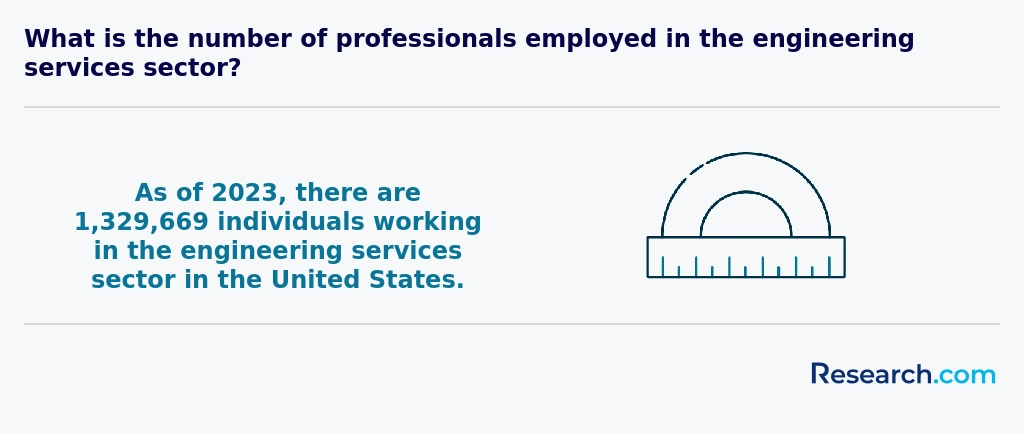
Engineering graduates in New Orleans find themselves at an exciting crossroads, where diverse career paths unfold thanks to the city's vibrant economy. Civil engineers, attracted by the ongoing urban revitalization and hurricane preparedness projects, often land roles that directly impact local communities. Mechanical and electrical engineers thrive in energy sectors and manufacturing hubs that power the region, reflecting real-world opportunities for those stepping out from popular universities like the University of New Orleans.
For those curious about emerging trends, software engineering and data analysis are gaining momentum, especially as startups carve out their space in the city. Exploring these paths feels like entering a dynamic playground where innovation meets tradition, perfectly suited for anyone seeking engineering career opportunities in New Orleans. Graduates often recall hands-on projects and internships that connect classroom knowledge to the city's unique industrial blend.
Environmental and marine engineering roles offer adventurous options, tied to coastal restoration and the bustling port activity. Some even turn to petroleum engineering, drawn by the proximity to the Gulf of Mexico's oil resources. Students eager to jumpstart their careers might also discover quick 6 month certifications that lead to high paying jobs complement traditional degrees, accelerating their journey in jobs with engineering degree New Orleans.
The job market for engineering degree holders in New Orleans buzzes with opportunity, fueled by the city's diverse industries like aerospace, energy, and infrastructure. Graduates from local universities often find themselves drawn into hands-on roles supporting coastal restoration or advancing manufacturing technologies. Many reflect on energized internships that connected classroom theory with real-world challenges, giving them confidence as they launch careers. With a strong demand for expertise in mechanical and civil projects, the region offers promising openings that attract both fresh and experienced engineers eager to make an impact.
Exploring engineering jobs in New Orleans reveals a landscape where skilled professionals enjoy salaries typically ranging from $60,000 for entry-level positions to over $100,000 in specialized fields. The blend of competitive wages and a supportive job market encourages students to pursue engineering degrees locally without the heavy financial burden found in other cities. Those curious about affordable education pathways might also explore the top degree programs for seniors online, perfect for expanding skills while staying connected to the local economy.
New Orleans engineering degree employment outlook is bright thanks to collaborative programs linking universities with industry players. Cooperative education efforts, internships, and strong ties to regional sectors like offshore energy empower graduates with hands-on experience, making every engineering job feel like an exciting chapter in a dynamic career journey.
2027 Most Affordable Engineering Degree Programs Ranking in New Orleans
Investing in your education is a significant decision that requires careful consideration, and the Research.com team recognizes the importance of providing reliable information to support this process. To help prospective students explore affordable engineering degree options in New Orleans, we have meticulously developed the "2027 Most Affordable Engineering Degree Programs Ranking in New Orleans." Our dedication to quality, credibility, and accuracy is demonstrated by the comprehensive research and analysis undertaken to create this ranking.
We utilized the following reputable data sources to ensure a thorough evaluation of engineering programs:
By reviewing this ranking, readers will gain valuable insights into affordable engineering education options tailored for New Orleans, empowering them to make informed decisions that align with their academic and financial goals. For more information about our ranking methodology, please visit our Research.com methodology page.


Frequently Asked Questions About engineering
Engineering degree students in New Orleans can maximize their learning by engaging deeply with local industry opportunities. The city's engineering sector, including aerospace, petrochemical, and civil infrastructure, provides valuable internships and cooperative education programs. Participating in these practical experiences helps students apply theoretical knowledge while building professional networks.
Students should also take advantage of New Orleans' emphasis on sustainable engineering and environmental challenges, areas prioritized by institutions like Tulane University and the University of New Orleans. Research shows that hands-on projects improve understanding and employability in these fields.
Networking with local engineering societies and attending city-hosted technical seminars further enhances skills and exposes students to current industry trends. Overall, combining classroom study with real-world engagement is essential for success in New Orleans' engineering landscape.
Engineering in New Orleans is evolving with several emerging niches that reflect both technological advances and regional industry needs. One notable area is coastal and environmental engineering, driven by the city's unique geography and challenges related to flooding and climate resilience. Universities such as Tulane offer specialized programs addressing these issues.
Another growing sector is renewable energy engineering, where local efforts focus on sustainable power sources like solar and wind. The U.S. Energy Information Administration highlights a steady job growth projected nationwide, and New Orleans benefits from regional investments in green infrastructure.
Additionally, data engineering and software-related fields are expanding, supported by the city's growing tech startups and digital economy initiatives. These niches present promising opportunities for students aiming to align their education with future job markets.
Graduates with engineering degrees in New Orleans should start preparing for the job market by gaining hands-on experience through internships or cooperative education programs. Local employers often look for candidates familiar with the region's energy, manufacturing, and maritime industries.
Networking is essential; professional organizations such as the New Orleans chapter of the American Society of Civil Engineers provide access to mentors and job leads. According to the Louisiana Workforce Commission, engineering fields in New Orleans are expected to grow steadily, with demand for skills in environmental and electrical engineering on the rise.
Additionally, updating technical skills by earning certifications in software such as AutoCAD or MATLAB can enhance employability. Finally, career services at universities often offer resume workshops and interview preparation tailored to the local job market.
Employers in New Orleans highly value engineering graduates who demonstrate strong problem-solving skills, as these help in addressing complex technical challenges in industries like petrochemical, aerospace, and civil infrastructure. According to the New Orleans Regional Business Alliance, teamwork and communication are also critical, with 68% of engineering employers citing these as top attributes.
Proficiency in software tools such as AutoCAD, MATLAB, and solid grounding in data analysis is increasingly important due to the region's investment in digital engineering solutions. Additionally, adaptability and continuous learning are essential, reflecting rapid technological advancements in the local energy and manufacturing sectors.
Understanding of sustainability and environmental regulations is a plus, aligning with Louisiana's growing focus on resilient infrastructure and coastal restoration projects. Practical internship experience within New Orleans or the Gulf Coast area is often preferred, enhancing graduates' readiness for the local job market.
Finding internships in New Orleans relevant to an engineering degree involves leveraging local universities, industry connections, and online resources. Tulane University and the University of New Orleans have engineering programs with career centers that list internships. According to the Louisiana Workforce Commission, sectors such as petrochemical, aerospace, and civil infrastructure dominate the region, providing many internship opportunities.
Students should explore employer websites like Entergy New Orleans and Shell. Additionally, platforms like Handshake and the National Society of Professional Engineers' local chapters post engineering-specific internships. Networking through local engineering societies and attending career fairs in New Orleans can significantly improve chances of securing relevant positions.
An engineering degree significantly enhances career mobility and advancement opportunities in New Orleans. The city's growing infrastructure and energy sectors create a strong demand for skilled engineers. According to the U.S. Bureau of Labor Statistics (BLS), employment of engineers in Louisiana is projected to grow by 7% from 2021 to 2031, close to the national average.
Graduates with engineering credentials often access higher starting salaries. The average annual wage for engineers in New Orleans is around $85,000, offering a competitive advantage over many other fields. Holding a degree also improves eligibility for professional certifications, which can accelerate promotions.
Networking through local professional organizations, such as the New Orleans Branch of the American Society of Civil Engineers, is facilitated by academic credentials and supports career progression. Overall, engineering degrees provide essential leverage in this regional job market.
Studying for an engineering degree in New Orleans offers unique preparation for interdisciplinary roles due to the city's strong emphasis on collaboration across diverse fields. Many local universities, including Tulane and the University of New Orleans, integrate courses that combine engineering with environmental science, business, and urban planning, reflecting the city's dynamic economy and cultural landscape.
New Orleans' location near critical infrastructure like ports and energy sectors encourages practical, hands-on learning experiences. According to the National Science Foundation, over 30% of engineering graduates in Louisiana participate in cooperative education or internships, fostering skills in teamwork and project management.
This exposure equips students to work effectively in multidisciplinary teams, making them valuable in industries requiring broad technical and soft skills.
Choosing between a thesis and a non-thesis engineering degree in New Orleans depends on your career goals and learning preferences. Thesis programs focus on research and involve writing a detailed project, which is ideal if you plan to pursue a PhD or work in research-heavy roles. Non-thesis options primarily emphasize coursework and practical skills, suitable for those aiming to enter the industry quickly.
Universities in New Orleans, like Tulane and the University of New Orleans, offer both options. According to the National Center for Education Statistics, around 60% of local engineering students opt for non-thesis tracks, reflecting strong industry demand.
Consider the time commitment: thesis programs typically take longer due to research requirements. Employer preferences in New Orleans often lean toward non-thesis degrees for applied engineering positions.
Students in New Orleans seeking to study engineering abroad have several pathways through their local universities. Tulane University and the University of New Orleans both offer faculty-led study abroad programs that include engineering-focused courses in countries such as Germany and Japan. These programs provide hands-on experience and insight into global engineering practices.
Additionally, these institutions partner with international universities, allowing students to spend a semester or year overseas while earning credits toward their degree. According to the Institute of International Education, engineering students in New Orleans make up a growing share of participants in such programs, reflecting increasing demand for global exposure in the STEM fields.
Moreover, students can explore exchange programs supported by U.S. Department of Education grants that reduce tuition costs for study abroad. These options broaden the academic and cultural perspectives essential for future engineers in a globalized economy.
New Orleans offers several part-time job opportunities that can enhance an engineering degree education. Many students find roles in local manufacturing firms, which provide hands-on experience with industrial processes and machinery. According to the U.S. Bureau of Labor Statistics, technical internships and assistant positions in engineering firms increase job readiness significantly.
Additionally, tech startups in the New Orleans area often seek part-time software developers or CAD technicians, helping students develop valuable digital skills. The Port of New Orleans also offers internships and part-time jobs related to civil and environmental engineering, giving practical experience in infrastructure and logistics.
These positions support engineering students by bridging classroom theory with real-world applications, improving employability upon graduation.
Engineering students in New Orleans have access to diverse networking opportunities that can enhance their academic and professional growth. Local universities like Tulane and the University of New Orleans frequently host career fairs, workshops, and engineering-specific events that connect students with industry professionals.
The New Orleans Technology Center and organizations such as the Louisiana Engineering Society offer student memberships and events tailored to engineering disciplines. These platforms encourage networking through seminars, mentorship programs, and internships, providing valuable industry insights.
Additionally, New Orleans' growing infrastructure and energy sectors present opportunities for hands-on experience. According to the Bureau of Labor Statistics, engineering employment in the region is projected to grow steadily, underscoring the importance of building local professional connections early.
Alumni networks play a crucial role in supporting engineering degree students in New Orleans. Graduates from local institutions such as Tulane University and the University of New Orleans often engage with current students through mentorship programs, career workshops, and networking events. These connections can lead to internships and job opportunities within the city's growing engineering sectors like oil and gas, aerospace, and civil infrastructure.
According to the Louisiana Board of Regents, over 60% of engineering graduates in the state find employment within one year, often aided by alumni referrals. Moreover, these networks provide access to industry insights, helping students stay updated with regional engineering trends and technologies.
Customizing an engineering degree in New Orleans often begins with selecting a relevant specialization such as civil, electrical, or mechanical engineering, reflecting your specific career goals. Many local universities offer electives and concentration tracks allowing tailored learning experiences. For example, Tulane University provides options in environmental engineering, which is significant given New Orleans' unique infrastructure needs.
Additionally, internships and cooperative education programs with local industry players like aerospace firms or energy companies enhance practical skills. Engaging in research projects during your studies is another powerful way to focus on areas like renewable energy or coastal resilience.
Advisors typically help students create personalized study plans aligning course choices with workforce demands and technological trends.
Engineering students in New Orleans often face several common challenges related to academic rigor and local economic factors. The demanding coursework, which includes advanced math, physics, and design, requires significant time and effort. Many students report difficulties balancing lab work with internships and part-time jobs. According to data from the National Center for Education Statistics, retention rates in engineering programs nationwide hover around 60%, reflecting the challenging nature of these degrees.
Additionally, New Orleans students may deal with limited local internship opportunities compared to larger tech hubs, impacting practical experience. Financial pressures also influence student success, as the city's median household income is below the national average, making affordability a concern for many engineering students.
Graduates with an engineering degree in New Orleans can pursue various professional certifications to enhance their careers. The most recognized certification is the Professional Engineer (PE) license, which requires passing the Fundamentals of Engineering (FE) exam, gaining relevant work experience, and successfully completing the PE exam. This credential is valued nationwide and especially relevant in Louisiana's infrastructure and manufacturing sectors.
Other certifications include Certified Manufacturing Engineer (CMfgE) and Project Management Professional (PMP), which can broaden career paths in engineering management and production.
Locally, organizations like the Louisiana Engineering Society provide resources and support for certification preparation and continuing education.
To write a winning application for an engineering program in New Orleans, start by emphasizing your strong background in math and science. Local universities, such as Tulane and the University of New Orleans, value applicants with a minimum GPA of 3.0 in STEM subjects. Highlight any relevant projects, internships, or competition experience related to engineering.
Use your personal statement to clearly express your passion for engineering and how studying in New Orleans aligns with your career goals. Mention interest in regional industries like petrochemical, aerospace, or civil infrastructure, which are prominent employers in the area.
Be sure to secure strong letters of recommendation from teachers or mentors who can attest to your technical skills and work ethic. Finally, early submission improves your chances due to competitive admissions.
Engineering careers hold a strong global reputation for offering diverse opportunities and stable employment. In the United States, and particularly in New Orleans, the demand for engineers remains high due to the city's focus on industries like petrochemicals, aerospace, and civil infrastructure. According to the U.S. Bureau of Labor Statistics, engineering jobs are projected to grow about 4% nationally through 2031, reflecting steady global needs.
Graduates with engineering degrees from New Orleans universities benefit from localized expertise in areas such as coastal engineering and environmental sustainability, vital for the Gulf Coast region. The global perspective values engineers who can adapt their skills to international challenges, including climate change and urban development.
Engineering education in New Orleans integrates practical experience with a global outlook, preparing students to work in multinational teams or advance innovative technologies worldwide. This combination enhances the career prospects of graduates both locally and abroad.
Gaining practical experience while studying engineering in New Orleans is essential for career readiness. Many local universities, such as Tulane University and the University of New Orleans, offer cooperative education (co-op) programs and internships that allow students to work with regional industries.
New Orleans has a growing engineering job market, especially in oil and gas, civil infrastructure, and environmental sectors, providing rich opportunities for student internships. According to the Louisiana Workforce Commission, internships in these fields have increased by 12% over recent years.
Additionally, students can participate in engineering clubs, research projects, and community service initiatives to build hands-on skills. Networking events and career fairs hosted by local institutions connect students with employers actively recruiting engineering talent.
Such experiences help enhance resumes and ensure graduates meet industry expectations upon entering the workforce.
Choosing the right concentration within an engineering degree program in New Orleans begins with understanding the city's key industries. New Orleans has strong sectors in environmental engineering, civil infrastructure, and petrochemical industries, which influence local demand for specific skills.
Students should research university offerings, such as Tulane University's civil and environmental engineering programs or the University of New Orleans' focus on coastal and water resource engineering. Aligning your interest with regional job markets increases employment chances after graduation.
Consider internship opportunities with local companies, as gaining real-world experience in New Orleans can clarify which concentration fits best.
Review recent data from the Bureau of Labor Statistics and local workforce reports for engineering salary ranges and employment trends in New Orleans to help inform your decision.
- 2027 Most Affordable Engineering Degree Programs Ranking in Baton Rouge
- 2027 Most Affordable Engineering Degree Programs Ranking in Houston
- 2027 Most Affordable Engineering Degree Programs Ranking in Tallahassee
- 2027 Most Affordable Engineering Degree Programs Ranking in Atlanta
- 2027 Most Affordable Engineering Degree Programs Ranking in Nashville
- 2027 Most Affordable Engineering Degree Programs Ranking in Fayetteville
- 2027 Most Affordable Engineering Degree Programs Ranking in San Antonio
- 2027 Most Affordable Engineering Degree Programs Ranking in Daytona Beach
- 2027 Most Affordable Engineering Degree Programs Ranking in Saint Louis
- 2027 Most Affordable Engineering Degree Programs Ranking in Dayton
See What Experts Have To Say About Studying Engineering
Read our interview with Engineering experts


Jasna Jankovic
Engineering Expert
Associate Professor
University of Connecticut

Bohdan W. Oppenheim
Engineering Expert
Professor Emeritus of Healthcare Systems Engineering
Loyola Marymount University

- School of Science and Engineering https://sse.tulane.edu/
- University of New Orleans: Admission 2025-26, Rankings, Fees & Acceptance Rate at UNO https://yocket.com/universities/university-of-new-orleans-2828
- 6+ Engineering Cover Letter Examples (with In-Depth Guidance) https://www.tealhq.com/cover-letter-examples/engineering
- Engineering Internships: Find 1037 Engineering Intern Jobs https://internshala.com/internships/engineering-internship/
- Study Engineering Degree Careers and Salary in Europe in Europe - 2026 - StudyinEurope.eu https://www.studyineurope.eu/engineering/engineering-degree-careers-salary-europe/
- engineering degree - Tłumaczenie po polsku - Słownik angielsko-polski Diki https://www.diki.pl/slownik-angielskiego
- job https://careers.actalentservices.com/ca/fr/job/JP-005239156/Entry-Level-Engineer
- Breaking Into Engineering: First Job Tips | Intuitive https://careers.intuitive.com/en/employee-stories/career-growth-advice/breaking-into-engineering-tips-for-landing-your-first-job/
- Engineering Schools in New Orleans, LA | Online & On-Campus https://myengineeringdegree.com/states/louisiana/new-orleans/
- WHAT EMPLOYERS ARE LOOKING FOR – Career Connections Center | Milwaukee School of Engineering https://www.msoecareerconnections.com/channels/what-employers-are-looking-for/


