2027 Fastest Online Master's in Engineering Degree Programs Ranking in the USA

Co-Founder and Chief Data Scientist
Pursuing an online master's in engineering can open doors to exciting career opportunities in a rapidly evolving field. Choosing the right program matters, especially when time and quality are important to you.
This article presents the 2027 Fastest Online Master's in Engineering Degree Programs Ranking in the USA, developed by the Research.com team of data scientists. It's designed to help you identify programs that combine speed with quality.
By exploring this ranking, you'll make an informed choice that supports your goals and future success in engineering.
Key benefits of getting online engineering degree in America
- Engineering degree graduates in the US can earn competitive salaries, such as $137,750 annually for Project Engineers and $120,630 for Research Engineers, highlighting the financial benefits of these careers.
- Graduates from universities like Texas A&M often find diverse career paths in fields like biomedical, control systems, or product development engineering, offering exciting opportunities across industries.
- Online engineering degrees from institutions like Arizona State University provide flexibility and save commuting time, making it easier to balance work and study while earning a respected qualification.
- 2027 Fastest Online Master's in Engineering Degree Programs Ranking in the USA
- What can I expect from online engineering degree in America?
- Where can I work with online engineering degree in America?
What can I expect from online engineering degree in America?
The average cost of an online engineering degree in America usually falls between $20,000 and $50,000 for a master's program. For many students, this price tag feels worth it, especially when considering the flexibility these programs offer. Imagine working full-time while catching up on classes from universities like Arizona State or Purdue - the convenience alone brings a solid peace of mind. Graduates often talk about how being able to learn on their own schedule helped them juggle busy lives without sacrificing career progress.
Some students share how financial aid, scholarships, or employer tuition assistance made these programs even more affordable, making the investment feel less overwhelming. Plus, since many programs are accredited by ABET, employers respect the degree, which adds confidence that the cost will pay off long-term. It's like paying for a solid toolkit meant to build a stronger career without uprooting your life or breaking the bank.
Where can I work with online engineering degree in America?
If you're wondering where you can work with an online engineering degree in America, the options are pretty exciting. Graduates from respected schools like Arizona State University or the University of Florida often jump straight into roles in civil engineering, helping design roads and bridges that you actually drive on every day. Imagine seeing a project you helped plan come to life!
Mechanical engineering grads find themselves working on cool stuff like automotive designs or aerospace components. One recent graduate landed a gig at a local aerospace startup in Seattle, working on drone technology-talk about cutting-edge!
Electrical engineers with online degrees aren't left out either. They often get hired by companies in telecom or power generation, where they might design circuits that power your smartphone or improve the energy grid. Many grads love how practical their skills are in these fields.
Plus, don't overlook government agencies like NASA or the Department of Defense-online engineering grads from top programs get to work on research projects that literally push the boundaries of technology. This flexibility and real-world impact make online engineering degrees from U.S. colleges a great choice.
If you're wondering how much you can make with an online engineering degree in America, the numbers look pretty solid. Graduates from schools like Georgia Tech or University of Illinois often find themselves landing roles such as Project Engineer, where the mean annual wage is around $137,750. That's a strong starting point for anyone diving into the field.
Other popular positions include Research Engineer, with an average salary of about $120,630, or Control Systems Engineer, making close to $118,350 a year. Even Biomedical Engineers, often coming from programs at universities like Johns Hopkins or Stanford, pull in mean wages around $106,700, which is nothing to sneeze at.
What makes this exciting is that these figures reflect real potential for online graduates too-these employers focus on skills and credentials rather than how you earned your degree. Many who studied engineering online feel confident stepping into professional roles and earning competitive salaries comparable to on-campus grads.
- Online engineering degrees in the U.S. typically cost between $40,000 and $120,000 for bachelor's programs, and $20,000 to $70,000 for master's programs.
- Bachelor's and master's degrees are often accredited by ABET, ensuring quality education and employer recognition.
- The median annual wage for engineers was about $83,000 in 2023, with starting salaries usually ranging from $65,000 to $75,000.
- Engineering job growth is projected at around 6% from 2022 to 2032, which is faster than the average for all professions.
- Many online programs offer flexible, asynchronous courses, but some require local labs or internships for certain specialties.
If you're wondering how long it takes to finish an online engineering degree in America, it typically runs about four to five years for full-time students, just like the on-campus programs at places like Purdue or the University of Illinois. Many grads say this matches their expectations perfectly, letting them dive deep into their major without rushing.
For those juggling jobs or family, studying part-time stretches the journey to six years or more. A lot of online students at schools like Arizona State University appreciate this flexibility because it fits into their busy lives.
Master's degrees in engineering usually take anywhere from one to three years. Some masters grads from universities like Stanford talk about how they sped through in a year by taking heavier course loads and staying motivated, though it definitely required a lot of focus.
Lots of online engineering students enjoy tailoring their pace to their lives, balancing full-time work with classes, making the whole experience feel manageable and rewarding.
Applying to competitive online master’s in engineering programs in America requires early planning and strategic positioning to highlight your strengths. Start by mapping out each program’s application deadlines, prerequisites, and required materials-transcripts, test scores (GRE, if required), and official recommendation letters. Identify mentors or supervisors who can attest to your technical skills and problem-solving abilities, and request their endorsements at least eight weeks before submission deadlines. Craft a compelling personal statement that weaves together your academic achievements, professional experience, and long-term goals. Highlight any capstone projects or internships where you drove measurable impact-such as optimizing a process that saved costs or writing code that improved system performance. If you’re exploring interdisciplinary areas like biotechnology, be sure to demonstrate your research into the field by linking to authoritative resources, for instance, our overview on what is biotechnology and its intersections with engineering innovation. Maintain a clear application timeline by creating a checklist for each requirement and setting internal deadlines at least two weeks ahead of official dates. Regularly review your materials for consistency-ensure your resume, personal statement, and letters of recommendation all reinforce your narrative as a driven, qualified candidate for an accelerated online engineering master’s program.
If you're weighing online versus on-campus engineering degrees in the U.S., there are some clear differences that students often notice. On-campus programs, like those at big-name schools such as MIT or Georgia Tech, usually mean hands-on lab work, face-to-face time with professors, and group projects that build connections you can't get online. Graduates often talk about how those in-person experiences gave them real confidence tinkering with actual machines and collaborating in a buzzing campus environment.
On the flip side, online engineering degrees from schools like Arizona State or Purdue offer more flexibility, which is a huge win if you're juggling a job or live far from a campus. Many grads say the virtual labs and remote-access tools really help bridge the gap, even if it's not quite the same as being there in person. Plus, online paths can trim extra costs like commuting or housing-making engineering more accessible for a lot of folks.
One thing students appreciate regardless of format is ABET accreditation, which keeps your degree solid and respected nationwide.
Accreditation confirms that a program meets industry standards and is recognized by employers and licensing boards. Key accreditation types include:
- ABET accreditation: guarantees curriculum quality; selecting ABET-accredited online engineering degrees ensures employers and licensing boards recognize your credential.
- Regional accreditation: validates overall institutional quality, enables credit transfer, and qualifies you for federal financial aid.
- Institutional accreditation: indicates a school’s commitment to academic policies, faculty qualifications, and continuous improvement.
Verifying accreditation early helps you choose a program that supports licensure, job prospects, and long-term career growth.
If you're wondering about the average cost of an online engineering degree in America, it varies but tends to hover around $27,700 total for many students. For example, in-state students at popular public universities often see total expenses closer to $22,380, which feels pretty reasonable when you consider the quality of education they receive. Graduates from these programs often share how flexible schedules and lower costs helped them focus on what matters without piling up debt.
Out-of-state students usually face higher total costs, around $27,159, which can seem daunting but still competitive compared to some private options. Private colleges known for strong engineering departments might charge more upfront, sometimes between $30,000 and $50,000 per year, yet many students find scholarships or financial aid that make these manageable. These students often report a great return on investment thanks to excellent networking opportunities and innovative online resources.
Many folks searching for the total expenses for online engineering master's in the USA find the cost ranges quite wide. It really depends on credit hours and the program's length, but the median figures give a good sense of what to expect. If you're curious about the best schools for engineering, recent grads often recommend checking out resources like the best engineering schools to find programs that fit your budget and goals.
Accreditation verifies that an online engineering master’s program meets rigorous industry and academic benchmarks, ensuring recognition by employers and licensing boards.
- ABET accreditation confirms curriculum aligns with professional standards in fields such as mechanical and electrical engineering.
- Regional accreditation validates institutional quality, covering factors like faculty credentials and student support.
- Recognized accreditation impacts eligibility for professional licensure exams (e.g., PE) and graduate certifications.
Before applying, always verify a program’s approvals and consider cost-effective, accredited options by visiting our guide to online engineering degrees.
If you're thinking about an online engineering degree in America, there's a good chance you'll find plenty of financial aid to help ease the cost. Lots of students from popular schools like Georgia Tech or Purdue have found federal aid super helpful-just filling out the FAFSA gets you started. Many grab Pell Grants if they qualify, which is awesome because that money doesn't have to be paid back.
Graduate students often turn to federal loans like Direct Unsubsidized Loans or Grad PLUS Loans, which tend to have lower interest rates than private loans. Some grads from Arizona State University shared how these loans made their academic journey manageable without breaking the bank.
Besides federal help, many universities toss in scholarships or grants designed just for engineering students, especially for those studying online. Some schools even team up with engineering companies to offer scholarships that really lighten out-of-pocket expenses.
Don't forget employer tuition assistance either-many working engineers, especially at big tech firms, score this benefit and keep earning while learning. Plus, veterans often tap into the GI Bill to cover tuition, making education more affordable across the board.
Finally, scholarships from groups like the Society of Women Engineers are goldmines for cash and encouragement, helping students feel supported while chasing their dreams.
When evaluating an online master’s in engineering, understanding the return on investment (ROI) is critical. By comparing total program costs-tuition, fees, and materials-with post-graduation salary growth, prospective students can gauge how quickly their degree will pay for itself. On average, a fast‐track online engineering master’s program costs between $20,000 and $40,000, while graduates often see a 20–30% salary increase within two years of completion. Key factors influencing ROI: • Total Cost of Attendance: Includes all tuition and mandatory fees. For more affordable options, explore our Affordable Online Master's in Engineering Degree Programs Ranking in the South. • Salary Uplift: Graduates report starting salaries rising from $75,000 to $95,000, with mid-career earnings exceeding $120,000 in high-demand specializations like software and electrical engineering. • Payback Period: Calculated by dividing total degree cost by annual salary gain. For example, a $30,000 program paired with a $15,000 salary boost equates to a two-year payback. • Opportunity Cost: Factor in potential earnings lost while studying. Accelerated programs that finish in 12–18 months minimize income disruption. By carefully weighing these components-tuition versus salary growth, accelerated timelines, and affordable program options-students can choose an online engineering master’s that not only advances their expertise but also delivers measurable financial returns.
If you're thinking about enrolling in an online engineering degree in America, you'll want to have some basics covered first. Most programs expect you to have a high school diploma if you're going for an undergrad degree, while master's programs usually want a bachelor's in engineering or something close. Graduates from schools like Georgia Tech or Purdue often share how having solid math, physics, and chemistry foundations really helped them breeze through the tougher courses online.
Standardized tests like the SAT or ACT aren't always required now, thanks to many schools shifting to test-optional policies. Still, some competitive programs may ask for them or specific coursework, so it's good to check early.
For master's applicants, GRE scores might be needed, but since COVID, many schools have relaxed this rule. A couple of graduates mention how having internships or hands-on engineering experience made their applications stand out, showing they were ready to tackle real-world problems.
You'll also likely need a reliable computer and internet. Imagine jumping into a virtual lab or coding session at a place like the University of Illinois Urbana-Champaign-having tech sorted makes all the difference in staying on track and enjoying the experience.
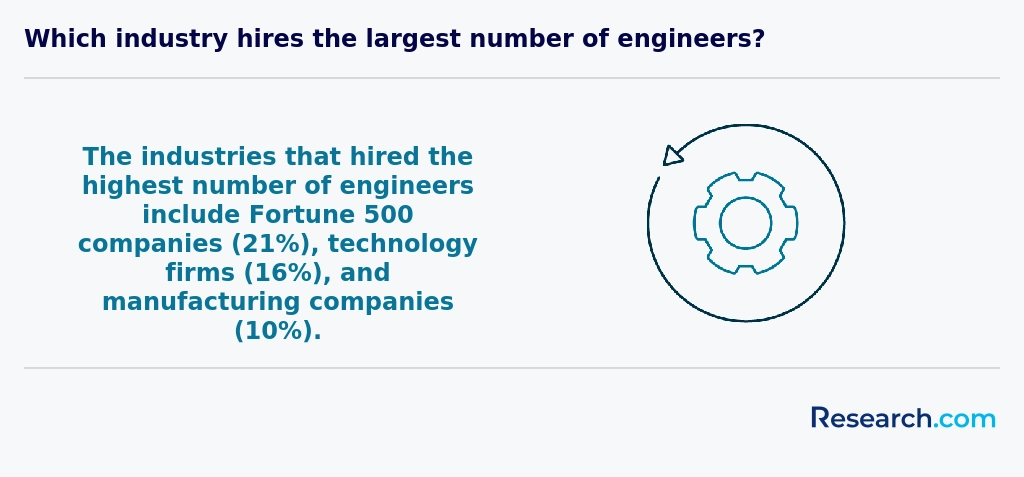
One of the most important aspects often overlooked in online engineering programs is the strength of career services and industry partnerships that bridge academic learning with practical, real-world experience. Programs that offer dedicated career counseling, recruiter fairs, internship placements, and alumni mentorship can significantly enhance job placement rates and ensure students remain competitive in a rapidly evolving engineering job market. By investing in these support structures, universities empower students to refine their professional networks, gain exposure to cutting-edge technology trends, and secure employment opportunities immediately after graduation. Many prospective students consider rankings when evaluating these critical elements; for example, checking out the best engineering schools can provide additional insights into which institutions excel in offering robust career support and strong industry connections. Incorporating detailed information about career services and successful industry collaborations not only boosts the overall credibility of online programs but also equips students with the necessary tools to navigate the competitive engineering landscape with confidence.
Online engineering degrees in America typically pack in courses that are both practical and theoretical, just like what you'd get if you studied on campus at top schools like Georgia Tech or Purdue. You'll dive into classics like Calculus and Differential Equations, which might sound tough but are actually super helpful when you realize they explain exactly how bridges hold up or how circuits work.
Then there's Physics, where you get to explore everything from mechanics to electromagnetism-think about understanding how your smartphone or a drone really operates. Statics and Dynamics come next, helping you grasp how forces act on everything from stationary buildings to moving vehicles, which a lot of grads find fascinating because it ties theory directly to stuff they see every day.
After that, core classes like Materials Science and Electrical Circuits teach you about the building blocks engineers use, whether that's metals for cars or systems inside computers. Plus, you often have specialized courses tailored to your focus-civil, mechanical, or computer engineering-which means you get to work on projects like creating sustainable buildings or coding embedded systems.
What's cool about many online programs is the design and project-based courses, like Capstone Projects or CAD, where you actually apply your skills. Graduates often say these feel like real engineering gigs, giving you confidence before you even step into the workforce.
If you're checking out online engineering degree specializations USA programs, you'll see there's a bunch of cool options to pick from. Graduates from popular colleges in America often rave about diving into civil engineering, where you get to design bridges or green buildings, or mechanical engineering, which lets you tinker with machines and engines. Electrical and computer engineering are huge too, especially for students who love tech and want to work on everything from power systems to computer hardware and software integration.
Some students find themselves drawn to emerging fields like biomedical engineering-combining medical science with engineering to create health tech innovations. Others love aerospace engineering, imagining themselves contributing to the next generation of aircraft or spacecraft. Industrial and environmental engineering also attract those who want to make systems more efficient or tackle pollution challenges. A bunch of folks from top U.S. schools appreciate how these online degrees let them explore areas like software engineering while balancing life.
Want an example? Graduates often highlight how courses connect to real world stuff, unlike dry theory. Plus, if you're curious about what is biotechnology, many programs touch on that too, blending biology with engineering for exciting careers.
Picking the best online engineering degree programs USA can feel like a maze, but a good starting point is checking for ABET accreditation. Graduates from well-known colleges often mention how important it was to ensure their program met industry standards-this means better job prospects after finishing.
Think about what kind of engineering excites you the most-mechanical, software, civil? One grad from a top American university loved how her program included lots of hands-on projects and lab work, which made her feel confident stepping into her first job. Plus, programs that let you study on your own time with asynchronous classes really help if you're juggling work and life.
Cost is always on the mind, right? Many online degrees range from $15,000 to $40,000, but some schools offer deals like in-state tuition no matter where you live. If you want more budget tips, check out this Affordable Online Master's in Engineering Degree Programs Ranking in the South. It helped a friend find a quality program without breaking the bank.
Finally, it's smart to pick a school with great career services and strong networking opportunities. Many grads say these connections helped them land internships and jobs faster, making the whole effort totally worth it!
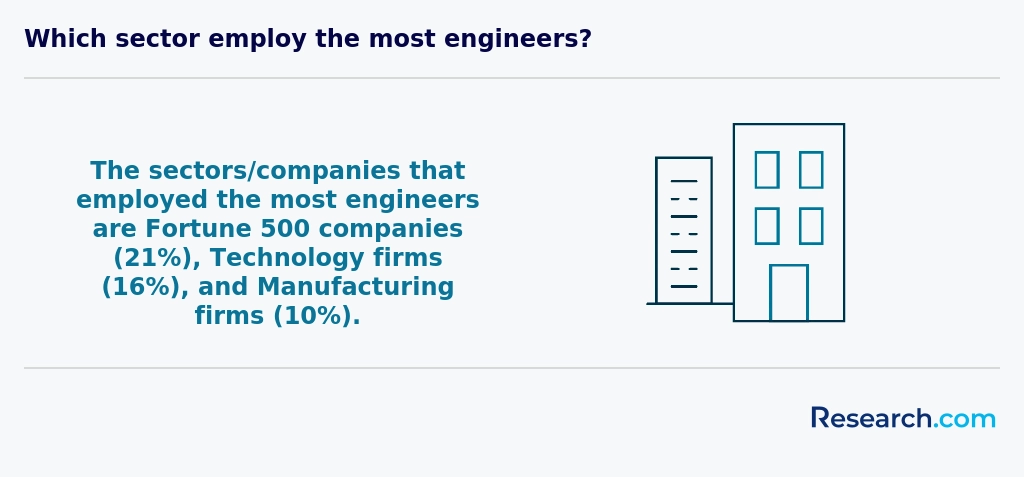
If you're thinking about what career paths are available for an online engineering degree in America, the options are pretty exciting and varied. Graduates from well-known universities like Georgia Tech or Purdue often land jobs as mechanical engineers, designing cool machines or automotive parts that you see every day. Others find their groove as civil engineers, helping plan and build vital infrastructure like bridges and highways. Electrical engineers are another popular pick, working on everything from power grids to the latest tech gadgets.
Software engineering roles are also booming, especially with the blend of programming and engineering principles you get from an online engineering degree career options USA provide. Many grads from places like Arizona State University have told me how their online experience opened doors to tech startups and large firms alike.
One standout thing about studying engineering in America is how some programs focus on sustainability, leading graduates to jobs as environmental engineers tackling real-world issues like waste and pollution. And if you want to see all this flexibility for yourself, you might want to check out the top degree programs for older adults online-they show how accessible and adaptable these degrees have become.
Industries like aerospace and industrial manufacturing are buzzing with job openings too, making engineering jobs with online master's degree America a smart bet for career growth and satisfaction.
The online engineering job market USA is looking strong, and graduates from well-known schools like Georgia Tech or Purdue are landing jobs at top companies even without stepping foot on campus. Employers are warming up to online degrees, especially those accredited by ABET, so you won't feel held back compared to traditional grads. Many students have shared that their degree from an online program helped open doors in tech hubs, where software, hardware, and cybersecurity roles are booming.
Engineering degree employment prospects America-wide also shine in fields like civil and mechanical engineering, with opportunities from construction firms to manufacturing plants. Many grads have found the salary potential encouraging, especially since engineers in places like San Francisco and New York earn some of the nation's highest wages. Plus, choosing an online program from a respected university can keep costs manageable, which makes the overall investment worthwhile.
If you want to explore more about careers with strong pay, check out this list of college majors that pay well to see how engineering stacks up.
2027 Fastest Online Master's in Engineering Degree Programs Ranking in the USA
Investing in your education is a significant decision that can shape your future, and the Research.com team understands the importance of making informed choices. To assist prospective students in selecting fast and reputable online master's programs in engineering, we have meticulously developed the "2027 Fastest Online Master's in Engineering Degree Programs Ranking in the USA." Our dedication to quality, credibility, and accuracy is demonstrated through thorough research and rigorous analysis.
We utilized the following reputable data sources to ensure a comprehensive evaluation of engineering programs:
By exploring this ranking, readers will obtain valuable insights into the fastest and highest-quality online engineering master's programs, enabling them to make well-informed decisions tailored to their career aspirations. For more details on how this ranking was created, please visit our Research.com methodology page.




# 9 position
University of Maryland-College Park
Master of Technology Entrepreneurship and Corporate Innovation, Online


# 12 position
Louisiana State University and Agricultural & Mechanical College
Master of Civil Engineering


Frequently Asked Questions About engineering
Online engineering degree students in America can maximize their learning by actively engaging with course materials and professors. The Accreditation Board for Engineering and Technology (ABET) accredits many respected online programs, ensuring quality education aligned with industry standards. Students should utilize virtual labs and simulation software to gain practical skills, as hands-on experience is crucial in engineering fields.
Participating in online discussion groups and study sessions helps build professional networks and deepen understanding. According to the National Science Foundation, engineering remains one of the fastest-growing fields in the U.S., making internships and cooperative education vital for career readiness. Seeking out such opportunities through university partnerships can enhance learning outcomes significantly.
The engineering landscape in the United States is evolving with new specializations gaining significant attention. Emerging niches include renewable energy engineering, which addresses the growing demand for sustainable power sources, such as solar and wind. According to the U.S. Bureau of Labor Statistics, jobs in this field are expected to grow by 11% from 2022 to 2032, faster than the average for all occupations.
Another rising area is biomedical engineering, focused on developing medical devices and technologies to improve healthcare outcomes. The National Science Foundation reports that biomedical engineering programs are among the fastest-growing in U.S. graduate schools.
Additionally, software engineering and artificial intelligence are increasingly integrated with traditional engineering fields, reflecting the push towards automation and smart systems in manufacturing and infrastructure.
Preparing for the job market after completing an online engineering degree in America involves strategic planning and skill development. Graduates should focus on building practical experience through internships or cooperative education programs, which 60% of employers in engineering fields value highly according to the National Association of Colleges and Employers (NACE).
Networking is essential. Joining professional organizations like the American Society of Mechanical Engineers (ASME) or the Institute of Electrical and Electronics Engineers (IEEE) can provide valuable connections and job leads.
Additionally, obtaining relevant certifications such as the Fundamentals of Engineering (FE) exam can significantly enhance employability. The U.S. Bureau of Labor Statistics reports that engineers with licensure often earn higher salaries and have more job opportunities.
Developing soft skills, including communication and teamwork, also improves job prospects. Many engineering roles require collaboration across disciplines and with clients, making these skills critical.
Employers in America highly value a combination of technical and soft skills in graduates with online engineering degrees. According to the National Association of Colleges and Employers (NACE), strong problem-solving abilities remain critical, as 84% of employers prioritize this skill. Proficiency in computer-aided design (CAD) and programming languages such as Python or MATLAB is increasingly sought after in fields like mechanical and electrical engineering.
Communication skills are vital too; 76% of employers emphasize teamwork and clear technical writing. Additionally, Project Management Institute data shows that understanding project lifecycle and teamwork boosts employability. Adaptability and a willingness to learn new technologies also rank in the top skill sets for engineering graduates entering the U.S. job market.
Finding internships in America relevant to an engineering degree requires targeted strategies. Start by exploring your university's career services, which often list partnerships with engineering firms. Many accredited online engineering programs maintain relationships with industry employers, providing internship opportunities to students.
Use specialized platforms like EngineeringCareers.org and the National Society of Professional Engineers (NSPE) job board. These sites frequently post internships tailored to various engineering disciplines. According to the National Association of Colleges and Employers, about 65% of engineering students secure internships before graduation, a key step for job placement.
Networking plays a crucial role. Join engineering student chapters of professional organizations such as the American Society of Mechanical Engineers or IEEE. Attending virtual career fairs and webinars can connect you directly with employers looking for engineering interns nationwide.
In the United States, earning an online engineering degree can significantly enhance career mobility and advancement. According to the National Science Foundation, engineers with a master's degree often see higher employment rates and earn 20% more on average than those with only a bachelor's degree. Online programs provide flexibility, allowing professionals to upskill without leaving their jobs. This flexibility helps individuals transition into specialized roles, such as systems engineering or data analysis, which are in high demand. Employers increasingly recognize reputable online degrees from accredited institutions, making graduates competitive for promotions and managerial positions in engineering fields.
Studying for an engineering degree in America equips students with a foundation that spans multiple disciplines. Accredited programs, often following ABET standards, incorporate coursework in mathematics, science, and technology alongside communication and project management skills. This blend prepares graduates to work effectively in interdisciplinary teams. According to the National Science Foundation, 70% of engineering jobs require collaboration across different fields.
Many online programs emphasize real-world applications and problem-solving, enabling students to integrate knowledge from areas like computer science, business, and environmental studies. This approach fosters versatility, critical in today's evolving job market where engineers must adapt to complex projects involving diverse expertise.
Choosing between a thesis and a non-thesis online engineering degree in America depends on your career goals and learning preferences. Thesis programs emphasize research, requiring students to complete an original project, which can be ideal for those considering a PhD or roles in R&D. According to the National Science Foundation, about 20% of engineering master's students pursue thesis options.
Non-thesis programs, more common in professional engineering fields, focus on coursework and practical skills. They suit students aiming to enter or advance in industry without research responsibilities. The American Society for Engineering Education notes that non-thesis paths often offer shorter completion times, sometimes under two years.
Consider how much time you can commit, and whether you prefer applied learning or research emphasis. Accreditation by ABET ensures program quality regardless of track chosen.
Students in America seeking to study engineering abroad have several options, including enrolling in joint degree programs offered by U.S. and foreign universities. These programs often allow students to complete portions of their coursework online or on campus internationally. According to the Institute of International Education (IIE), about 6% of U.S. engineering students participate in study abroad experiences, highlighting growing interest.
Another route is through accredited foreign universities offering fully online engineering degrees accessible to American students. However, ensuring program accreditation by organizations like ABET is essential for degree recognition in the U.S.
Many U.S. institutions also have partnerships enabling credits transfer for international study, providing flexibility and global exposure without losing progress toward the American degree.
Financial aid and scholarship opportunities specifically targeting international engineering study are available but remain competitive.
Students pursuing online engineering degrees in America often seek part-time jobs that enhance their skills and complement their studies. Common roles include internships with engineering firms, CAD drafting, and technical support positions, which provide practical experience alongside academic learning.
According to the National Association of Colleges and Employers (NACE), 60% of engineering students hold internships or cooperative education roles before graduation, boosting employability.
Additionally, tutoring in math or physics remains a popular option, helping students reinforce core concepts while earning income.
Many universities also partner with local businesses to offer research assistant roles, allowing students to apply theoretical knowledge to real-world projects.
Networking opportunities for online engineering students in America have expanded significantly due to digital platforms and professional organizations. Many universities offering online engineering degrees provide virtual networking events, career fairs, and alumni groups, enabling students to connect with peers and industry professionals.
Engineering bodies like the American Society of Civil Engineers (ASCE) and the Institute of Electrical and Electronics Engineers (IEEE) offer online chapters and webinars. These allow students to engage with experts and stay updated on industry trends across the US.
According to the National Society of Professional Engineers, over 50% of engineers find jobs through networking, highlighting its importance. Online platforms such as LinkedIn also play a critical role by connecting students to thousands of engineering professionals nationally.
Alumni networks play a crucial role for students pursuing online engineering degrees in America. These networks offer valuable connections with experienced professionals, which can lead to internships and job opportunities in a competitive engineering job market. According to the National Society of Professional Engineers, 70% of engineers find their jobs through networking.
Being part of an active alumni community also provides access to mentorship, helping students navigate career growth and industry trends. Many U.S. universities with accredited online engineering programs foster strong alumni groups, enhancing student engagement beyond online coursework.
Additionally, alumni networks often host webinars, workshops, and local meetups, which strengthen professional relationships. This ongoing support is especially vital for online students who may lack traditional campus interactions.
In America, online engineering degree programs offer flexibility to shape your education according to your career goals. Many universities allow students to choose specialized tracks such as civil, electrical, mechanical, or software engineering. This helps focus your studies on industry-relevant skills.
Additionally, elective courses and project options enable practical learning aligned with your interests. Institutions like ABET-accredited programs ensure quality education recognized by employers.
Some schools also offer internships or industry partnerships, integrating real-world experience into online curricula. According to the National Science Foundation, engineering graduates with targeted expertise are more likely to see higher employment rates, making customization important for career advancement.
Online engineering students in America often face challenges related to hands-on experience. Engineering programs traditionally rely on labs and physical projects, which can be difficult to replicate virtually. A 2022 report by the American Society for Engineering Education noted that 68% of students felt remote labs limited their practical skills development.
Another common challenge is the demanding nature of engineering coursework paired with time management struggles. Many online learners juggle full-time jobs and family responsibilities, making it harder to keep pace with complex subjects like thermodynamics or circuits.
Technical difficulties also impact students; reliable internet and access to specialized software are essential but not always available. According to EDUCAUSE's 2023 survey, 29% of online STEM students reported connectivity issues affecting their studies.
Graduates with an online engineering degree in the United States can pursue a variety of professional certifications to enhance their careers. One of the most recognized is the Professional Engineer (PE) license, which requires passing the Fundamentals of Engineering (FE) exam, gaining relevant work experience, and then passing the PE exam. According to the National Society of Professional Engineers, nearly 90,000 engineers held PE licenses as of 2023.
Other valuable certifications include Certified Manufacturing Engineer (CMfgE) and Project Management Professional (PMP), which are respected in engineering and management roles. Additionally, certifications like the Certified Energy Manager (CEM) appeal to engineers focusing on sustainability and energy efficiency. These certifications can increase job prospects and earning potential.
Crafting a strong application for an online engineering program in America requires clear focus on academic credentials and relevant experience. Admissions committees typically look for a bachelor's degree in engineering or a related field with a minimum GPA of 3.0, as reported by the National Center for Education Statistics (NCES, 2023).
Highlighting practical experience, such as internships or projects, strengthens your profile. Many programs value applicants who demonstrate problem-solving skills and familiarity with software tools commonly used in engineering.
Strong letters of recommendation from professors or employers who know your technical capabilities are essential. Additionally, a concise, well-written statement of purpose outlining your career goals and reasons for choosing an online format can make your application stand out.
Standardized test requirements vary, but many institutions waive GRE scores, especially for experienced professionals. Always check specific program requirements before applying.
Engineering remains a globally respected profession, valued for its role in innovation and infrastructure development. In the United States, the demand for skilled engineers continues to grow, with the Bureau of Labor Statistics projecting a 7% employment increase from 2021 to 2031. This growth reflects the expanding technology and manufacturing sectors. Globally, engineering careers are seen as pathways to high earning potential and job stability, especially in fields like software, civil, and electrical engineering.
American engineering degrees, including online options, are widely recognized and respected internationally. Graduates often find opportunities in multinational corporations and government agencies. According to the National Science Foundation, U.S. engineering programs produce about 150,000 bachelor's degrees annually, contributing significantly to the global talent pool.
International students increasingly seek U.S.-based engineering education for its practical focus and research-driven approach. Online master's programs offer flexible access to this expertise, appealing to working professionals worldwide. This trend supports the U.S.'s position as a leader in engineering education and innovation on the global stage.
Gaining practical experience during an online engineering degree in America is essential for career readiness. Many programs require or encourage internships, which offer real-world exposure and networking opportunities. The National Association of Colleges and Employers (NACE) reported that 60% of engineering students who complete internships receive job offers before graduation.
Another option is participating in virtual labs and simulations that replicate engineering tasks. Universities like Purdue and Arizona State provide these in their online curricula, ensuring hands-on learning despite physical distance. Additionally, project-based courses allow students to practice design and problem-solving skills actively.
Joining professional societies such as the American Society of Mechanical Engineers (ASME) can connect students to mentorship programs and competitions, enhancing practical knowledge while studying remotely.
Choosing the right concentration within an online engineering degree program in America involves aligning your interests, career goals, and job market demand. Popular concentrations include civil, mechanical, electrical, and software engineering, each offering different career paths and salary potentials. According to the U.S. Bureau of Labor Statistics, software engineers had a median annual wage of $120,730 in 2023, reflecting strong industry demand.
Consider your background and skills. If you enjoy coding and technology, software engineering may suit you, while those interested in infrastructure might prefer civil engineering. Research the school's accreditation and course offerings carefully, as ABET accreditation ensures program quality and industry recognition.
Additionally, explore career services and networking opportunities the program provides, which can impact your job placement after graduation.
See What Experts Have To Say About Studying Engineering
Read our interview with Engineering experts

Bohdan W. Oppenheim
Engineering Expert
Professor Emeritus of Healthcare Systems Engineering
Loyola Marymount University


Jasna Jankovic
Engineering Expert
Associate Professor
University of Connecticut

- Challenges, difficulties and barriers for engineering higher education https://www.jotse.org/index.php/jotse/article/view/1696/645
- The Rise of the Niche Engineer https://www.sterling-engineering.com/niche-engineer/
- Guide to Engineering Internships https://www.internwise.co.uk/candidate-journey/industry-internships/guide-to-engineering-internships
- Executive Search and Outplacement Services for the Engineering, Architecture, Construction, and Manufacturing Industries https://www.davron.net/stand-out-niche-engineering-job-market/
- Know more about thesis vs non- thesis: what is the difference? https://studyfans.com/en/blogs/816
- 2025 Best Online Engineering Degrees https://www.onlineu.com/degrees/engineering
- targetjobs https://targetjobs.co.uk/careers-advice/engineering/what-skills-do-engineering-employers-look
- Online Degree vs. Traditional: Choosing the Right Path https://beal.edu/online-degree-vs-traditional/
- Interdisciplinary Engineering Education: Difficult, but not Impossible https://engineeringedu.press/2020/02/16/interdisciplinary-engineering-education-difficult-but-not-impossible/
- Online Degree vs. Traditional | University of Arkansas Grantham https://www.uagrantham.edu/blog/pros-cons-online-degree-vs-traditional-university/