2027 Best Engineering Degree Programs Ranking in Houston

Co-Founder and Chief Data Scientist
Choosing the right engineering degree program is a big step toward a successful future. In this article, we present the 2027 Best Engineering Degree Programs Ranking in Houston, created by the Research.com team of data scientists. This ranking is designed to help you make an informed decision by highlighting top programs in the area.
Reading this guide will give you valuable insights into which programs offer strong opportunities and quality education. Pursuing an engineering degree opens doors to exciting careers and personal growth, making it well worth your time and effort.
Key benefits of getting engineering degree in Houston
- Salary for engineering graduates: Mechanical engineers in Houston earn an average of $105,220 annually, while electrical engineers make about $117,680, showing strong earning potential right after graduation.
- Career paths: Graduates from the University of Houston often find diverse opportunities in mechanical, electrical, or civil engineering roles, working in industries like energy, construction, and manufacturing.
- Benefits of online degrees: Earning an online engineering degree from Texas Tech University at Houston provides flexibility to balance work and study, making it easier to gain practical experience while advancing your education.
- 2027 Best Engineering Degree Programs Ranking in Houston
- What can I expect from engineering degree in Houston?
- Where can I work with engineering degree in Houston?
What can I expect from engineering degree in Houston?
The average cost of earning an engineering degree in Houston can vary depending on the institution, but practical experience from recent graduates shows a typical range between $8,000 to $12,000 per year for in-state tuition. For example, students at the University of Houston often find that tuition and fees align with this range, especially when combined with scholarships or work-study programs connected to local industries.
Texas Southern University offers a slightly more affordable path for many students, with some graduates sharing how their financial planning included part-time internships at nearby energy companies, which helped offset living expenses. These internship opportunities are valuable since Houston's strong ties to oil, aerospace, and biomedical fields create real-world experience that complements classroom learning.
Many engineering students budget not only for tuition but also for books, lab fees, and occasional travel to internships or conferences. Planning a yearly budget around $12,000 to $15,000 in total educational expenses is common. Those who target petroleum or biomedical engineering degrees benefit from programs that actively support paid internships, reducing financial stress while gaining industry exposure.
Where can I work with engineering degree in Houston?
Graduates with engineering degrees from Houston institutions like the University of Houston often jump straight into the city's thriving energy sector. Many find roles designing and maintaining systems for oil and gas companies headquartered locally, gaining hands-on experience that aligns perfectly with their studies. This practical exposure boosts confidence and career momentum early on.
Others leverage internships with construction and infrastructure firms to secure civil engineering positions, helping shape Houston's expanding urban landscape. Working on real projects from planning stages to site supervision offers graduates a rewarding sense of accomplishment and direct impact.
Biomedical and industrial engineering graduates tap into Houston's large healthcare industry, collaborating with medical device manufacturers to innovate technologies that improve patient care. Such roles provide a meaningful, dynamic work environment that many find deeply satisfying.
Those with aerospace interests benefit from proximity to NASA's Johnson Space Center, gaining opportunities to contribute to cutting-edge research and development. This unique setting helps graduates build specialized expertise while inspiring pride in their work.
Finally, environmental and technology engineering students find diverse options-from sustainability projects to software startups-allowing them to apply skills in real-world contexts that match their career goals and values.
Graduates with an engineering degree from Houston's top schools often find strong earning potential right after graduation. For instance, mechanical engineers typically start with salaries near $80,000 but can quickly progress to a mean annual wage of about $105,220, according to the U.S. Bureau of Labor Statistics. Electrical engineers in Houston benefit even more, with mean wages reaching around $117,680 annually, reflecting the city's growing technology sector.
Civil engineering graduates, supported by continuous urban development, earn a mean annual income near $101,160. This is slightly above the national average and shows solid demand across infrastructure projects in Houston. Industrial engineers also see competitive salaries, around $103,150 per year, thanks to Houston's manufacturing and logistics industries.
Many recent graduates from Houston's universities report that gaining internships and professional certifications quickly ramps up their earnings. Starting in the $65,000 to $75,000 range, they find that gaining experience and specialization can lead to six-figure salaries by mid-career.
Focus on building practical skills and networking while studying in Houston-this approach helps translate your degree into rewarding employment opportunities and exceeding the average salary benchmarks set by local industry leaders.
- In-state tuition at public universities in Houston ranges from $10,000 to $15,000 per year, while out-of-state tuition can exceed $25,000 annually.
- Additional costs include books, fees, and living expenses, which should be considered in the total education investment.
- Entry-level engineering salaries in Houston typically range from $65,000 to $75,000 per year, depending on discipline and employer.
- Experienced engineers with five to ten years of experience can earn between $90,000 and $120,000 annually.
- Houston's engineering job market is strong, especially in petroleum, civil, and aerospace engineering, with growing demand in sustainable energy sectors.
Completing an engineering degree in Houston usually takes about four years of full-time study if you follow the standard path. Graduates from schools like the University of Houston or Rice University often describe their schedules packed with general education, math, and specialized engineering courses, rounding it off with a senior design project that feels rewarding and practical.
If you join co-op programs or internships integrated into your curriculum, expect this timeline to stretch to around four and a half to five years. Many students find this extension worthwhile since it provides valuable hands-on experience and makes the eventual job search easier and more exciting.
For those aiming even higher, pursuing a master's degree in engineering in Houston typically adds another one to two years, while doctoral studies demand four to six more years of focused research. Balancing work and classes, some students take longer, but many enjoy the flexibility this offers.
Accelerated options through summer courses can shorten your journey to three years-ideal if you're eager to dive into Houston's growing engineering job market quickly.
Houston’s engineering programs offer structured internships and co-op experiences that connect students directly with leading employers. Key opportunities include:
- NASA’s Johnson Space Center internships in aerospace research and systems engineering.
- Energy-sector co-ops at Shell, Chevron, and Baker Hughes for exposure to petroleum and mechanical engineering.
- Civil infrastructure placements with HNTB and Langan on major transportation and urban development projects.
- Summer research roles at the University of Houston’s Energy Research Park working on renewable and energy-efficient systems.
- Industry-sponsored capstone projects through the Society of Women Engineers and local professional chapters.
These hands-on experiences sharpen technical skills, foster professional networks, and often lead to full-time job offers. For added flexibility, consider exploring online engineering schools to complement your on-campus training.
Choosing between online and on-campus engineering degrees in Houston means weighing hands-on experience against flexibility. Graduates from the University of Houston and Rice University often recall how on-campus access to labs and workshops boosted their confidence in practical skills, especially in mechanical or electrical engineering. Walking into a physical lab to test circuits or use specialized equipment helped turn theory into action, creating a sense of accomplishment.
On the other hand, online students appreciate the flexibility to study around jobs or family commitments. Houston-based learners who juggle busy schedules find online programs adaptable, using virtual labs and simulations to mimic real-world applications. However, they sometimes mention feeling less connected, needing to proactively hunt for local internships or networking opportunities without the easy access on-campus programs provide.
Cost-wise, on-campus tuition at Houston schools is about $13,000 yearly for in-state students, while online options may offer slight savings but include tech expenses and occasional travel. Understanding your personal learning style and lifestyle is key to choosing the right path.
Houston's engineering schools collaborate with top-tier industry and research centers to provide hands-on learning and clear career pathways.
- Shell, Chevron, and Baker Hughes partnerships offer paid internships in petroleum and chemical engineering.
- NASA’s Johnson Space Center co-ops immerse students in aerospace research and systems development.
- HNTB and Langan projects enable civil engineering students to work on bridge design and urban resilience.
- Research labs at Rice University and the University of Houston focus on energy innovation and sustainability challenges.
These collaborations not only bolster your resume but often lead to full-time job offers. For learners needing more flexibility, consider accredited online engineering schools that maintain strong industry ties and virtual internship placements.
The average cost of an engineering degree in Houston varies significantly depending on where you study and your residency status. For in-state students attending public universities like the University of Houston, total costs generally hover around $9,700. This figure often covers tuition and mandatory fees but excludes living expenses and supplies. Graduates frequently share how affordable public education in Houston gave them the freedom to focus on demanding coursework without excessive financial strain, nurturing positive feelings of accomplishment.
Out-of-state students can expect costs closer to $41,800, which reflects higher tuition at public institutions plus living costs. Private universities, such as Rice University, can push total expenses well beyond this, with tuition alone reaching nearly $60,000 annually. Yet, many students find that generous financial aid and scholarships soften this impact, transforming what initially seems intimidating into an attainable goal.
Beyond tuition, it's practical to budget for fees like labs and student services, often ranging between $1,000 and $2,000 yearly, plus approximately $1,200 for books and supplies. Living costs in Houston also add to the overall expenses but vary widely depending on personal circumstances.
When evaluating your options for an engineering degree tuition and expenses Houston students balance ambition with planning. For those looking to lower costs without sacrificing quality, exploring the cheapest online engineering programs in texas can be a valuable step toward a smart investment in your future.
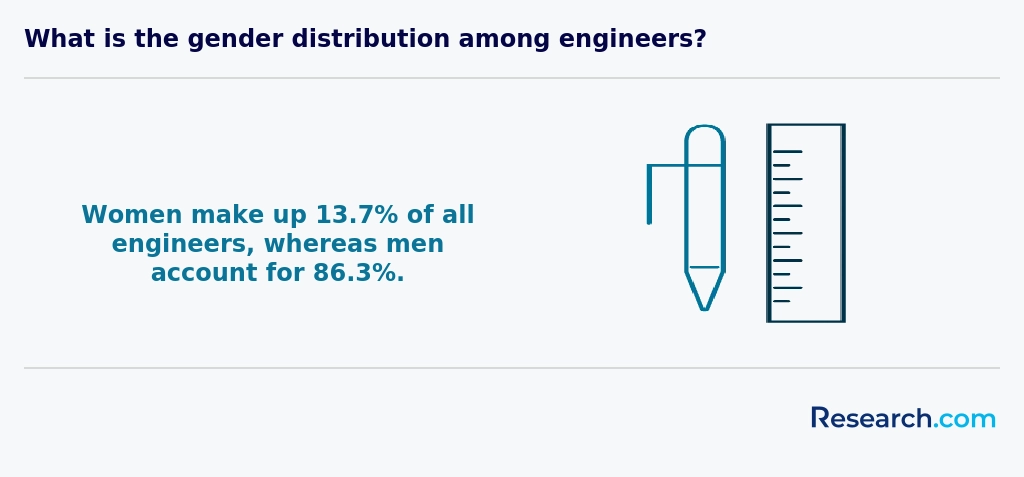
Houston’s engineering programs stand out for their distinguished faculty and cutting-edge research initiatives that drive innovation across disciplines. Professors at institutions like the University of Houston and Rice University bring decades of industry and academic experience, leading projects in renewable energy, advanced materials, and autonomous systems. Their published work in top-tier journals and frequent collaborations with NASA’s Johnson Space Center and the Texas Medical Center ensures that students learn from active, world-class researchers. Many programs also offer summer research fellowships and assistantships, allowing undergraduates to co-author papers and present at national conferences. State-of-the-art facilities further enhance these opportunities. The Energy Research Park at UH houses multidisciplinary labs focused on solar, wind, and battery technologies, while Rice University’s Oshman Engineering Design Kitchen provides prototyping tools-from 3D printers to CNC machines-for projects in robotics and biomedical devices. Collaborative centers like the Texas Center for Superconductivity encourage students to explore novel materials with potential applications in quantum computing and power grids. Through semester-long capstone projects, students receive hands-on mentorship from faculty and industry partners, honing both technical expertise and professional communication skills. To gauge affordability alongside innovation, prospective students can compare cost-effective options in our Cheapest Engineering Degree Programs Ranking in Riverside, CA. By balancing rigorous research experiences with practical considerations, Houston’s engineering schools ensure graduates are not only knowledgeable but also prepared to lead transformative projects in an ever-evolving global landscape.
Engineering students in Houston often rely on a combination of federal aid, university scholarships, and work-study programs to manage tuition costs. For example, many graduates from the University of Houston benefited from Pell Grants accessed via FAFSA, which offer awards up to $7,395 for those with financial need. This grant is especially helpful in reducing the $10,000-$15,000 annual tuition typical at public Texas institutions.
Scholarships provided by Rice University's engineering department also helped past students cover partial or full tuition, though these are highly competitive and require early application. Many students felt encouraged and motivated when they secured such awards, which eased their financial stress significantly.
Work-study opportunities on campus are another practical option. Several engineering students shared how working part-time in labs or community service roles gave them real-world engineering experience while helping pay expenses.
Additionally, Houston's energy sector companies sometimes offer tuition assistance to employees pursuing engineering degrees, proving to be a valuable resource for those juggling work and studies.
While academic excellence remains at the heart of engineering programs in Houston, the overall student experience-including campus life, mentorship opportunities, and access to cutting-edge resources-plays a crucial role in shaping a well-rounded professional. Students often benefit from vibrant residential communities, engaging clubs, and dedicated career centers that not only foster academic growth but also encourage leadership and innovation beyond the classroom. Through active participation in student organizations, engineering competitions, and research initiatives, learners build strong professional networks that pave the way for real-world success. For those balancing life with studies, exploring options like the cheapest online engineering programs in texas can provide flexible learning environments without sacrificing quality educational experiences. These support systems and extracurricular opportunities contribute to higher retention rates and greater career satisfaction, making an engineering degree not only an academic achievement but also a transformative life experience.
To enroll in an engineering degree program in Houston, you must first complete strong foundational coursework in high school, especially in math and science. Graduates from local universities like the University of Houston and Rice University recall how mastering Algebra I and II, Geometry, and at least one advanced math course like Trigonometry or Pre-Calculus was crucial. Some even recommend taking Calculus if possible, as it better prepares you for the demanding workload.
Physics and Chemistry classes are equally important, building practical skills that engineering students rely on daily. Achieving a competitive GPA-generally around 3.0 or higher, especially in these STEM subjects-helps meet the standards set by Houston's top schools.
Standardized test scores such as SAT or ACT may be required, but some Houston schools now use test-optional policies. When submitting scores, aim for around a 1200 SAT or 25 ACT to strengthen your chances. Practical steps like joining engineering clubs or gaining related extracurricular experiences also boost your application and demonstrate genuine interest.

When evaluating the return on investment for an engineering degree in Houston, it’s important to benchmark salaries against adjacent technology fields. Mechanical and civil engineers in Houston earn mean annual wages of $100,820 and $97,380 respectively, while electrical and industrial engineers command around $114,050 and $98,560. Yet, software engineering and data science roles-driven by Houston’s growing tech ecosystem-often offer starting salaries that rival or exceed traditional engineering disciplines. For instance, entry-level software engineers in Houston can expect salaries in the range of $85,000–$95,000, with rapid growth potential as they gain experience in high-demand areas such as cloud computing and cybersecurity. Data scientists may start around $90,000 and quickly progress into six-figure roles. In contrast, specialized engineering tracks like petroleum and biomedical engineering can surpass these figures but often require niche expertise or advanced degrees. To gauge where engineering stands within the broader tech landscape, compare these figures with other roles featured in our comprehensive analysis of the highest-paying jobs in IT and technology and it career salary. This context helps prospective students understand not only immediate compensation but also long-term earning trajectories across diverse STEM pathways. By aligning your specialization choice with both passion and market demand, you can maximize your earning potential and career satisfaction in Houston’s competitive job market.
Engineering degree programs in Houston typically start with core courses like mathematics, physics, and chemistry, providing a solid foundation in key scientific principles. Graduates from popular schools such as the University of Houston describe how mastering advanced calculus, differential equations, and linear algebra early on helped them confidently tackle real-world engineering problems.
Specialized courses often follow, including statics and dynamics to understand forces and motion, thermodynamics for energy transfer, and fluid mechanics for handling liquids and gases-skills vital in Houston's energy and aerospace sectors. Many also praise hands-on classes in materials science and electrical circuits that made abstract concepts tangible.
- Computer programming, essential for simulations and design
- Engineering design and project management, which prepare students for workplace challenges
Petroleum engineering courses highlight drilling technology and reservoir management, reflecting Houston's energy industry demands. Graduates often recall internships alongside seasoned professionals that directly connected classroom learning to Houston's bustling oil and gas environment, boosting their confidence and career readiness.
Houston engineering programs with specializations offer practical paths aligned with the city's key industries. Common choices include Civil Engineering, essential for designing infrastructure in Houston's expanding urban areas. Mechanical Engineering suits those drawn to aerospace or manufacturing, both prominent sectors here. Graduates from the University of Houston often highlight hands-on projects that mirror real-world aerospace challenges, making their learning highly applicable.
Petroleum Engineering remains a top pick due to Houston's role as an energy hub, while Chemical Engineering prepares students for oil refining and materials science careers. Electrical Engineering appeals to those interested in telecommunications and technology companies growing in the area. Biomedical Engineering is also strong, thanks to Houston's medical research institutions where students collaborate on healthcare innovations.
For those weighing options, environmental engineering offers a chance to work on sustainability. Former students consistently report that specializing in these fields leads to rewarding internships and job placements. To explore related career opportunities, consider how the technology and it career salary data can inform your decision.
Overall, pursuing engineering degree specializations in Houston means engaging with programs that reflect local economic strengths and offer a solid foundation for diverse industries.
Start by identifying which engineering field excites you most and aligns with Houston's job market. Graduates of petroleum and electrical engineering at institutions like the University of Houston often highlight how their choice connected them directly to Houston's oil and energy sector, fueling rewarding careers. Exploring emerging areas such as renewable energy also makes practical sense given the city's evolving industry landscape. Focus on programs accredited by ABET to assure credibility and quality-this is crucial for your degree's value in the job market.
Cost is another key factor. Many students find the affordable engineering degrees in Houston beneficial; public universities charge approximately $10,000 to $25,000 yearly for residents, while private options may be above $35,000. Remember to account for all expenses, including fees and books. Some graduates recommend reviewing rankings like the Cheapest Engineering Degree Programs Ranking in Riverside, CA for ideas on managing costs while maintaining quality education.
Look for schools that prioritize industry connections. Students from Houston's colleges often land internships with local energy companies, thanks to strong university-industry partnerships. These real-world experiences boost confidence and networking opportunities. Smaller class sizes and professors active in research can also impact your learning positively, providing mentorship and personalized guidance throughout your studies.
Engineering graduates in Houston find diverse career paths aligned with the city's industrial strengths. Petroleum engineering remains a top choice due to Houston's energy sector, with many grads joining companies in drilling or reservoir management roles. Civil engineers often secure positions in infrastructure projects, contributing to flood control and highway expansions that directly shape the community's growth. For those interested in manufacturing or aerospace, mechanical and electrical engineering offer opportunities working on automation, robotics, or power systems, especially near NASA's Johnson Space Center.
Biomedical engineering graduates benefit from Houston's Texas Medical Center, applying their skills in medical device development and healthcare innovation. Many students from local universities report gaining confidence and industry connections through internships, which improve job prospects significantly. In a competitive environment, practical experience is key, and exploring programs like those offering a fastest associate degree online can accelerate entry into these roles. Considering engineering career opportunities in Houston means focusing on sectors thriving locally, where demand and starting salaries are strong for motivated graduates.
Jobs for engineering graduates in Houston span energy, infrastructure, technology, and healthcare, each offering solid financial and professional growth prospects.
Engineering graduates in Houston face a strong job market supported by the city's dominant energy and infrastructure sectors. Graduates from well-known institutions like the University of Houston often find opportunities in petroleum and chemical engineering roles, where median salaries can reach around $150,000 annually. This reflects Houston's strategic importance in oil and gas, drawing engineers into projects that span exploration, refining, and infrastructure maintenance-areas needing specialized skills and hands-on experience.
Beyond the energy focus, environmental and biomedical engineering graduates benefit from Houston's growing commitment to renewable energies and healthcare technology. Many report rewarding careers developing medical devices or assisting with urban sustainability projects, especially near hubs like the Texas Medical Center. Those navigating engineering job opportunities in Houston appreciate how the region blends traditional industries with emerging tech fields.
For prospective students balancing education costs, Texas public universities offer affordable pathways, while private colleges demand higher tuition. Recent graduates often find starting salaries between $70,000 and $90,000, making the investment worth considering. To explore programs suited to diverse goals, check out best online degrees for seniors that align with Houston's market needs.
2027 Best Engineering Degree Programs Ranking in Houston
Investing in your education is a significant decision that can profoundly impact your future, and the Research.com team fully recognizes the importance of making well-informed choices. To support prospective engineering students in Houston, we have meticulously developed the "2027 Best Engineering Degree Programs Ranking in Houston." Our dedication to quality, credibility, and accuracy is demonstrated through comprehensive research and careful analysis behind this ranking.
We utilized the following reputable data sources to ensure a thorough evaluation of engineering degree programs:
By consulting this ranking, readers will gain valuable insights into Houston's top engineering programs, enabling them to make confident decisions about their academic and professional futures. For more details about our process, please visit our Research.com methodology page.


Frequently Asked Questions About engineering
Engineering students in Houston can maximize their learning experience by engaging actively with local industry opportunities. Houston hosts more than 5,000 energy companies and a growing tech sector, providing ample internships and co-op positions. Participation in these programs offers real-world applications of classroom theory.
Students should also join professional organizations such as the Houston Section of the American Society of Civil Engineers or the Society of Women Engineers. These groups offer networking events, workshops, and mentoring that enhance skills and career readiness.
Additionally, leveraging resources at Houston's top universities-like research centers and labs-helps students gain hands-on experience with advanced technologies.
The engineering field in Houston is rapidly evolving, with several emerging niches gaining attention from universities and industries alike. One notable area is renewable energy engineering, driven by Houston's shift towards sustainable oil and gas solutions. According to the U.S. Bureau of Labor Statistics, jobs in this sector are projected to grow by over 20% nationally by 2030.
Another growing niche is biomedical engineering. Houston's renowned Texas Medical Center fuels demand for engineers specializing in medical devices and bioinformatics.
Additionally, aerospace engineering is expanding, supported by nearby NASA facilities and private space companies.
Data engineering also stands out, as Houston tech firms increasingly rely on big data and AI integration.
Preparing for the job market after completing an engineering degree in Houston requires strategic planning. Houston is home to a robust energy sector and growing technology industries, offering diverse career opportunities for engineers.
Students should seek internships or cooperative education programs during their studies, which 60% of local engineering graduates report as critical for securing employment, according to the Houston Workforce Investment statistics (2023). Networking through professional organizations like the Society of Petroleum Engineers or local engineering societies also opens doors.
Developing strong technical skills alongside soft skills such as communication and teamwork is essential. Many Houston employers emphasize these abilities in job listings.
Employers in Houston's engineering sector prioritize a blend of technical expertise and soft skills when hiring graduates. Proficiency in computer-aided design (CAD) software, such as AutoCAD and SolidWorks, remains fundamental. According to the Greater Houston Partnership, effective problem-solving and critical thinking are key attributes sought among entry-level engineers.
Given Houston's strong energy and aerospace industries, knowledge of industry-specific standards and regulations is highly valued. Communication skills, including the ability to collaborate across multidisciplinary teams, rank high in employer surveys from the Texas Workforce Commission. Additionally, adaptability and continuous learning are crucial due to rapid technological advances.
Practical experience through internships and co-op programs enhances employability, with the National Association of Colleges and Employers reporting a 20% higher job placement rate for candidates with relevant work experience in Houston engineering fields.
Finding internships in Houston for engineering students involves leveraging local resources and industry connections. Houston hosts a large concentration of energy, aerospace, and manufacturing companies, including ExxonMobil and NASA's Johnson Space Center, offering numerous internship opportunities. Students can begin by visiting their university's career services, which often partner with these firms to provide exclusive listings.
The Texas Workforce Commission reports that internships in Houston's engineering sector have increased by 8% annually, reflecting the city's growing demand for skilled engineers. Using platforms like Handshake, LinkedIn, and local job boards tailored to Houston can help identify openings. Additionally, professional organizations such as the Houston Society of Professional Engineers provide networking events aimed at internships.
It is essential to prepare a strong resume and attend career fairs typically hosted by universities like the University of Houston or Rice University. These fairs connect students directly with employers seeking engineering interns. Furthermore, considering paid internships can enhance both experience and financial stability during studies.
An engineering degree significantly enhances career mobility and advancement opportunities in Houston's dynamic job market. According to the U.S. Bureau of Labor Statistics, Houston's strong energy, aerospace, and manufacturing sectors create consistent demand for skilled engineers. Earning an engineering degree from a Texas-accredited institution often leads to higher starting salaries and faster promotion rates compared to non-degree holders in related technical fields.
Professional credentials, such as the Fundamentals of Engineering (FE) exam and subsequent Professional Engineer (PE) licensure, further boost career prospects. These certifications are valued by Houston employers and can qualify graduates for leadership roles.
Census data shows engineers in Houston experience a 10-15% higher mid-career salary than peers without formal engineering education, illustrating the degree's impact on upward mobility.
Studying for an engineering degree in Houston offers strong preparation for interdisciplinary roles due to the city's diverse economy and extensive industry partnerships. Houston is home to major sectors such as energy, aerospace, healthcare, and manufacturing, allowing students to collaborate across fields.
Many engineering programs in Houston emphasize hands-on learning and teamwork, integrating subjects like computer science, business, and environmental studies. According to the American Society for Engineering Education, approximately 60% of Houston's engineering graduates participate in internships or co-op programs that cross industry boundaries.
This exposure enhances adaptability and problem-solving skills essential for interdisciplinary careers in the evolving U.S. job market.
When choosing between a thesis and a non-thesis engineering degree program in Houston, students should consider their career goals and learning preferences. Thesis programs often require original research, ideal for those aiming to pursue a PhD or roles in research and development. Non-thesis options focus more on coursework and practical knowledge, fitting students targeting industry positions or professional engineering roles.
Houston hosts top engineering schools such as the University of Houston, where about 30% of graduate engineering students opt for the thesis track, reflecting interest in research careers (UH Office of Institutional Research, 2023). Understanding the curriculum and time commitment-thesis programs typically take longer-is crucial.
Students in Houston seeking to study engineering abroad have several pathways through local universities and national exchange programs. The University of Houston and Rice University, both prominent in engineering education, offer study-abroad options through partnerships with institutions in Europe and Asia.
Engineering students can participate in semester-long programs or summer internships abroad, often with credit transfer to their Houston degrees. According to the Institute of International Education's 2022 Open Doors Report, STEM fields, including engineering, accounted for nearly 31% of U.S. students studying abroad.
Houston's strong ties to the energy and aerospace industries encourage exchange with countries such as Germany, Japan, and the Netherlands, where engineering innovation is prominent.
These programs enhance global exposure and technical expertise, critical for today's competitive engineering job market.
Part-time job opportunities in Houston that complement engineering degree education are diverse and practical. Many students find internships or cooperative education positions with companies in Houston's energy sector, which is the second-largest in the U.S. according to the Greater Houston Partnership. These roles often involve entry-level engineering tasks, providing hands-on experience vital for career development.
Additionally, roles in technical support or lab assistant positions at local universities and research institutions allow students to apply theoretical knowledge. Houston's growing tech startups also offer part-time positions in software engineering and data analysis, aligning with modern engineering disciplines.
According to the U.S. Bureau of Labor Statistics, engineering-related part-time jobs in Houston can pay between $15 to $25 per hour, helping students financially while gaining relevant experience.
Houston offers diverse networking opportunities for engineering students, due to its status as a leading hub for industries like energy, aerospace, and biomedical engineering. Universities such as the University of Houston and Rice University host career fairs, guest lectures, and engineering clubs that connect students with local companies.
The Greater Houston Partnership reports that Houston's engineering sector employs over 70,000 professionals, creating a vast network for internships and mentoring. Additionally, the Houston Society of Professional Engineers provides events and workshops tailored to students, helping build industry connections early.
Students also benefit from participation in organizations like the American Society of Mechanical Engineers (ASME) Houston section and networking events hosted by STEM-focused nonprofits in the city.
Alumni networks play a crucial role for engineering degree students in Houston by providing valuable professional connections. Graduates from local schools, such as the University of Houston and Rice University, often maintain active networks that facilitate mentorship and job placement.
These networks can open doors to internships and full-time positions in Houston's robust engineering sector, which includes energy, aerospace, and technology industries. According to the Greater Houston Partnership, the region employs over 210,000 engineers, making local connections highly beneficial.
Moreover, alumni events often feature workshops and seminars that help students build skills and stay updated on industry trends. Peer support from alumni enhances academic and career success for current engineering students.
Customizing an engineering degree program in Houston to fit your career goals involves selecting a school that offers flexible curriculum options and relevant specializations. Many Houston universities provide elective courses and concentrations in fields like petroleum, aerospace, civil, and electrical engineering, aligning with the city's strong energy and technology sectors. Universities such as Rice University and the University of Houston allow students to tailor their studies through joint degrees, minors, or industry partnerships.
Internship opportunities with Houston's extensive engineering firms further enhance practical skills and resume building. According to the Texas Workforce Commission, Houston's engineering jobs have grown by over 10% in recent years, emphasizing the value of career-focused education.
Engineering students in Houston often face demanding academic workloads, balancing rigorous coursework with hands-on lab projects. Many report challenges in mastering complex subjects such as thermodynamics and circuit design, which require both theoretical understanding and practical application. According to the Texas Higher Education Coordinating Board, about 35% of engineering students in Texas struggle with maintaining high GPA standards, reflecting the program's intensity.
Additionally, financial pressures weigh heavily, as tuition and living costs in Houston continue to rise. Students must often juggle part-time jobs alongside studies, which can impact academic focus. Furthermore, competition for internships in Houston's robust energy and technology sectors is intense, creating added stress.
Language barriers and limited access to mentoring are also common challenges for the city's diverse student population, as noted by local academic support centers.
With an engineering degree in Houston, graduates can pursue several professional certifications that enhance career prospects. One of the most recognized is the Professional Engineer (PE) license, which requires passing the Fundamentals of Engineering (FE) exam, gaining relevant work experience, and passing the PE exam. The Texas Board of Professional Engineers oversees this process.
Other valuable certifications include the Project Management Professional (PMP), useful for engineers managing projects, and the Certified Manufacturing Engineer (CMfgE) offered by the Society of Manufacturing Engineers. Houston's strong energy and aerospace sectors often require these credentials.
According to the National Society of Professional Engineers, Houston ranks high in licensed engineers, reflecting demand for certified professionals in the region.
Applying for an engineering program in Houston requires a clear demonstration of your academic strengths and practical experience. Houston hosts several reputable institutions like the University of Houston and Rice University, both known for strong engineering faculties. Admissions committees often look for solid math and science grades, high standardized test scores, and relevant extracurricular activities.
Additionally, Houston's engineering programs emphasize innovation linked to the energy sector, healthcare, and aerospace, so showcasing any related projects or internships can enhance your application. According to U.S. News & World Report, Houston engineering graduates see strong employment in oil and gas industries, reflecting regional demand.
Include compelling personal statements that reflect your motivation and understanding of challenges in engineering fields. Letters of recommendation from teachers or professionals familiar with your technical abilities are also crucial for a competitive edge.
The global perspective on an engineering career highlights its vital role in innovation and economic development. In the United States, and particularly in Houston, engineering remains a highly respected and well-paid profession. According to the U.S. Bureau of Labor Statistics, employment for engineers is projected to grow by 6% from 2021 to 2031, faster than the average for all occupations.
Houston is a key hub for energy, aerospace, and biomedical engineering, attracting global companies and fostering international collaboration. Engineers trained here often work on projects with worldwide impact, from sustainable energy solutions to space exploration.
Many Texas universities, such as the University of Houston, offer programs that emphasize global engineering standards and certifications, preparing students for international careers.
Gaining practical experience while studying engineering in Houston can significantly enhance your skills and employability. Many universities in Houston, such as the University of Houston and Rice University, offer cooperative education (co-op) and internship programs. These opportunities allow students to work with local industries in energy, aerospace, and manufacturing sectors-key industries in Houston's economy.
The Texas Workforce Commission reports that Houston hosts over 1,200 engineering firms, providing ample internship placements. Students can also engage in research projects facilitated by university labs and local engineering companies, bridging theoretical knowledge with real-world application.
Professional organizations like the Houston Society of Professional Engineers often connect students with mentoring, workshops, and networking events, essential for career development. Participating in these experiences while studying helps build a strong resume and professional network in Houston's competitive engineering market.
Choosing the right concentration within an engineering degree program in Houston involves evaluating your interests, career goals, and the regional job market. Houston is a hub for petroleum, aerospace, and biomedical industries, making concentrations like petroleum, mechanical, and biomedical engineering particularly relevant. According to the U.S. Bureau of Labor Statistics, petroleum engineering jobs in Texas are projected to grow faster than the national average through 2031.
Consider internships and industry connections offered by local universities to gain practical experience. Research university program rankings, faculty expertise, and available lab facilities. The choice should also align with your strengths in math, science, and problem-solving skills.
- 2027 Best Engineering Degree Programs Ranking in San Antonio
- 2027 Best Engineering Degree Programs Ranking in Baton Rouge
- 2027 Best Engineering Degree Programs Ranking in New Orleans
- 2027 Best Engineering Degree Programs Ranking in Fayetteville
- 2027 Best Engineering Degree Programs Ranking in Tuscaloosa
- 2027 Best Engineering Degree Programs Ranking in Birmingham
- 2027 Best Engineering Degree Programs Ranking in Auburn
- 2027 Best Engineering Degree Programs Ranking in Huntsville
- 2027 Best Engineering Degree Programs Ranking in Tallahassee
- 2027 Best Engineering Degree Programs Ranking in Nashville
See What Experts Have To Say About Studying Engineering
Read our interview with Engineering experts


Joseph Reichenberger
Engineering Expert
Professor of Civil Engineering & Environmental Science
Loyola Marymount University

Bohdan W. Oppenheim
Engineering Expert
Professor Emeritus of Healthcare Systems Engineering
Loyola Marymount University

- How to Study Abroad as an Engineering Major https://www.semesteratsea.org/study-abroad-engineering-major/
- How long does it take to get an Engineering Degree? - The Study Abroad Portal https://thestudyabroadportal.com/studyabroadblog/how-long-does-it-take-to-get-an-engineering-degree/
- Thesis vs. Non-Thesis Master's Programs: Which is Right for You? https://potomac.edu/thesis-vs-non-thesis-masters/
- Engineering Study Abroad Programs | Go Overseas https://www.gooverseas.com/study-abroad/engineering
- Challenges, difficulties and barriers for engineering higher education https://www.jotse.org/index.php/jotse/article/view/1696/645
- 4 Strategies for engineering students to gain quality, hands-on experience https://starfishmedical.com/resource/gain-quality-hands-on-experience/
- Executive Search and Outplacement Services for the Engineering, Architecture, Construction, and Manufacturing Industries https://www.davron.net/stand-out-niche-engineering-job-market/
- Engineering Education | Role of Interdisciplinary Studies in Modern Engineering https://www.thestudentpocketguide.com/2024/07/student-life/education-career/engineering-education-interdisciplinary-studies-modern-engineering/
- Top 5 Demanding Engineering Fields in 2025: Future-Proof Your Career - MEC https://mailamengg.ac.in/top-5-demanding-engineering-fields-2025/
- 6+ Engineering Cover Letter Examples (with In-Depth Guidance) https://www.tealhq.com/cover-letter-examples/engineering