
2027 Most Valuable Online Education Degree Programs Ranking in Maryland

Co-Founder and Chief Data Scientist
Choosing the right education degree program can shape your future in meaningful ways. For students in Maryland, finding valuable options that offer both quality and career potential is essential.
This article features the 2027 Most Valuable Online Education Degree Programs Ranking in Maryland, developed by the Research.com team of data scientists. Their analysis helps you make an informed choice about which programs stand out in 2027.
Explore this guide to discover programs that match your goals and increase your confidence in investing in your education journey.
Key benefits of getting online education degree in Maryland
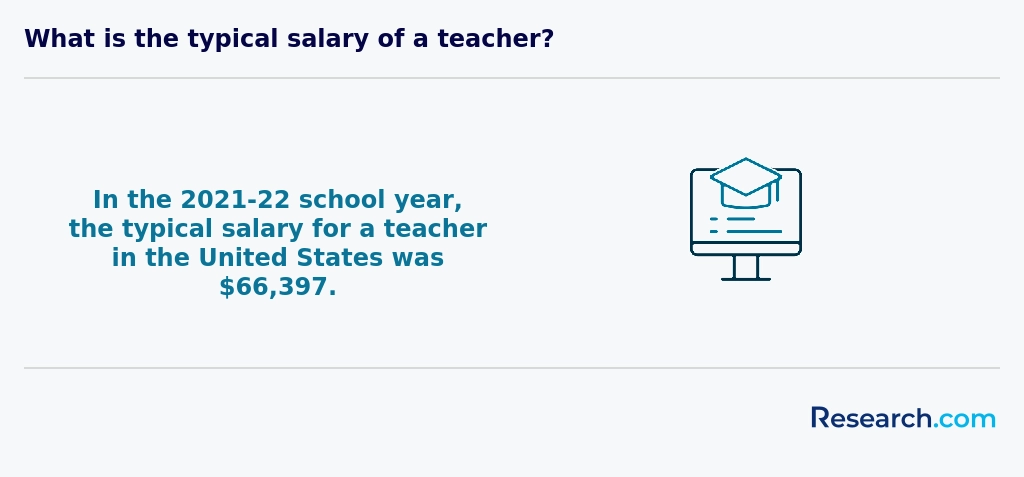
- Education degree graduates can expect competitive salaries, such as elementary school teachers earning around $70,740 and special education teachers about $76,000 annually, providing financial stability and rewarding career options.
- Graduates from Maryland universities often pursue diverse paths including teaching, instructional design, or early childhood education, allowing for flexible and fulfilling careers in various educational settings.
- Obtaining an education degree online offers the convenience to balance work and study, with graduates from Maryland's online programs reporting greater flexibility and accessibility without compromising quality or recognition.
- 2027 Most Valuable Online Education Degree Programs Ranking in Maryland
- What can I expect from online education degree in Maryland?
- Where can I work with online education degree in Maryland?
What can I expect from online education degree in Maryland?
The average cost of an online education degree in Maryland varies depending on the institution, but students generally find in-state tuition to be more affordable than out-of-state rates. For example, graduates from the University of Maryland Global Campus (UMGC) often highlight that the competitive tuition pricing, combined with flexible payment options, made pursuing their Bachelor's or Master's degrees manageable alongside work and family commitments. Towson University and Johns Hopkins University, known for their robust online education programs, tend to have slightly higher tuition but offer extensive student support services that graduates praise for enhancing their learning experience.
Many Maryland students access state financial aid and federal resources, which significantly reduce the overall cost burden. Additionally, education professionals employed locally can benefit from programs like the Teacher Incumbent Worker Program, which subsidizes advanced degree costs while they continue working. This financial accessibility, paired with the ability to study asynchronously and maintain personal responsibilities, helps make online education degrees in Maryland both economically and practically viable for a wide range of learners.
Where can I work with online education degree in Maryland?
Graduates with an online education degree in Maryland frequently find rewarding employment within the state's public school system, particularly in high-demand areas such as special education, STEM, and early childhood education. Many who studied through reputable institutions like Towson University or the University of Maryland have successfully secured teaching positions by meeting state licensure requirements, enjoying stable careers while positively impacting local communities.
Beyond classroom roles, graduates often advance to positions like school administration, curriculum coordination, or instructional design, especially in districts embracing Maryland's evolving digital learning landscape. These roles allow for creative contributions to educational innovation, drawing on skills developed during online courses at colleges like Frostburg State University.
Maryland's higher education sector also offers opportunities, with alumni commonly working as academic advisors or educational technologists at community colleges or universities. Additionally, many find fulfilling careers in nonprofits or corporate training, where they design and implement educational programs tailored to workforce development, expanding their influence beyond traditional classrooms.
Graduates holding an online education degree in Maryland often secure rewarding salaries that reflect the state's strong support for educators. For example, elementary school teachers earn an average of $70,740 annually, a figure that aligns with Maryland's competitive education market. Many graduates from institutions such as Towson University and University of Maryland Baltimore County find this salary encouraging as they start their teaching careers.
Special education teachers command even higher wages, with mean annual earnings of $76,000. This reflects the specialized skills and training required, offering graduates a gratifying career path and financial stability within Maryland's public schools.
Additionally, instruction designers tend to earn around $77,200 yearly, an appealing option for graduates who enjoy curriculum development and educational technology roles. Graduates appreciate the flexibility and upward mobility these salaries represent as they develop professionally.
English as a Second Language (ESL) teachers make about $65,430 annually in Maryland, supporting a diverse student body. Early childhood educators, with salaries near $41,410, often view these roles as fulfilling stepping stones toward advanced educational positions.
- Online education degrees in Maryland allow students to earn bachelor's or master's degrees fully online, meeting state certification requirements.
- Tuition typically ranges from $8,000 to $20,000 per year for in-state students, with public universities generally cheaper than private ones.
- The average starting salary for education graduates is around $45,000 per year, with mid-career teachers earning about $62,000 annually on average.
- Maryland's education job market is expected to grow 5% to 7% over the next decade due to retirements and increasing student populations.
- State certification requires completing an accredited program and passing exams; many online programs are designed to meet these requirements.
Completing an online education degree in Maryland varies by the program level and student circumstances. Associate degrees typically require about two years of full-time study, aligning with many Maryland community colleges' offerings. Graduates often share a sense of accomplishment early on as they build foundational skills quickly, enabling entry into educational roles or seamless transfer to four-year institutions.
Bachelor's degrees generally take around four years for full-time students, although accelerated options at institutions like Towson University can reduce this to three years or less. Many students balancing work and study appreciate how flexible scheduling allows them to progress steadily without overwhelming their personal lives.
Graduate programs such as the Master of Education (M.Ed.) often complete in 1.5 to 2 years full-time, with some students finishing within a year by leveraging prior coursework or intensive terms. Universities like the University of Maryland offer tailored online formats that resonate well with working professionals eager to advance their careers efficiently.
Ensuring your online education degree is properly accredited and state-certified guarantees quality, transferability and eligibility for licensure in Maryland.
- Regional Accreditation: Look for programs approved by Middle States Commission on Higher Education (MSCHE) or other U.S. Department of Education–recognized bodies to secure federal aid and credit transfer.
- Programmatic Accreditation: Degrees accredited by the Council for the Accreditation of Educator Preparation (CAEP) or National Council for Accreditation of Teacher Education (NCATE) meet rigorous teacher-prep standards.
- Maryland State Approval: Confirm each program is recognized by the Maryland State Department of Education to streamline certification and satisfy Praxis exam prerequisites.
For those comparing credit transfer or advanced standing, accredited masters degree online programs often align seamlessly with state certification requirements.
In Maryland, online education degree programs offer students flexibility to balance study with work or family commitments, making them ideal for non-traditional learners. Graduates from online programs at institutions like Towson University often highlight the convenience of engaging with coursework remotely, allowing them to tailor their study schedules around their personal lives. This format leverages digital platforms for lectures, discussions, and group projects, relying heavily on student self-discipline and time management.
Conversely, on-campus education degrees at schools such as the University of Maryland provide immersive experiences with face-to-face interactions and immediate access to campus resources like libraries, labs, and peer collaboration. Students in these programs frequently describe the energizing environment of being physically present, which fosters spontaneous discussions and supportive relationships with professors and classmates.
While tuition costs for both formats are comparable, online students often appreciate savings from reduced commuting and housing expenses. However, they must factor in reliable internet and technology needs. Both pathways fulfill Maryland's certification standards, ensuring graduates are equally prepared for teacher licensure and professional success.
Earning an online education degree in Maryland is a pivotal step, but obtaining state licensure ensures you are fully qualified to teach in Maryland’s public schools. Maryland’s State Department of Education (MSDE) requires candidates to complete an approved educator preparation program, pass the necessary assessments, and fulfill specific experience requirements: 1. Approved Preparation Program • Enroll in a program accredited by the Maryland State Department of Education and a recognized regional or national agency. • Ensure your online coursework includes field experiences-such as supervised teaching practicums or student teaching-to meet MSDE’s clinical practice standards. 2. Assessment Requirements • Praxis Core Academic Skills for Educators: Demonstrates proficiency in reading, writing and mathematics. • Praxis II Subject Assessments or edTPA: Validates content knowledge and teaching skills in your chosen specialization (e.g., Elementary Education, Special Education). • For candidates without a bachelor’s degree in education, a content test in your subject area is required. 3. Application for Certification • Residency I Certificate: Issued after completing your approved program and passing required assessments. Valid for five years and nonrenewable. • Residency II Certificate: Requires two years of successful teaching under mentorship and completion of induction goals. Renewable every five years. • Professional Standard Certificate: Awarded after earning a master’s degree or higher in education, passing any additional required assessments, and demonstrating satisfactory teaching performance. 4. Continuing Professional Development • Maryland mandates 180 Professional Development Hours (PDHs) every five years to maintain your certification. • PDHs can include workshops, conferences, graduate coursework or approved online training modules. By understanding and completing these steps, you’ll not only meet state licensure requirements but also enhance your marketability and instructional effectiveness. For additional insights on affordable graduate options that can further support your certification journey, explore our Inexpensive Online Master’s in Education Degree Programs Ranking in Michigan.
The average cost of pursuing an online education degree in Maryland typically centers around $23,724, with in-state students benefiting from a lower median total cost of approximately $21,816. This makes obtaining a teaching or educational leadership degree more accessible for Maryland residents, especially through well-regarded institutions like the University of Maryland Global Campus, where many graduates have praised the affordability combined with the quality of online instruction.
Out-of-state students face higher tuition, with median costs reaching $32,940, yet several have found that the flexibility of online programs helps offset these expenses by allowing them to maintain employment while studying. The average cost of online education degree Maryland programs often includes technology and course fees, but these are frequently balanced by savings on housing and transportation compared to on-campus alternatives.
Many education students attest that financial aid, scholarships, and employer tuition reimbursement programs significantly reduce the net expenses. Prospective learners evaluating their options might explore affordable education schools in Maryland to find programs that align with their financial and academic goals. The median figures reflect a state-wide trend, emphasizing that quality online education is attainable without incurring excessive debt.
When evaluating online education programs in Maryland, one crucial factor to consider is affordability. The cost of tuition, fees, and living expenses can significantly impact a student's decision. To find the most affordable options, prospective students can explore affordable education schools in Maryland, which offer quality education at lower costs. By comparing these options, students can make informed decisions that align with their financial situation and career goals, ultimately leading to a more sustainable and successful educational journey.
Students pursuing online education degrees in Maryland often find significant financial relief through a variety of aid programs tailored to their unique needs. Graduates from institutions like Towson University and the University of Maryland, Baltimore County frequently report how federal aid, such as the Free Application for Federal Student Aid (FAFSA), opened doors to Pell Grants and Stafford Loans that made their studies financially feasible.
State-specific grants administered by the Maryland Higher Education Commission (MHEC), including the Educational Assistance Grant (EAG), have been instrumental for many undergraduates managing tuition costs. For those focused on teaching careers, the TEACH Grant provides up to $4,000 annually, which past students have credited with easing the pressure of balancing work and study commitments.
Institutional scholarships available at Maryland public universities often reward merit and dedication to education majors, further lessening financial strain. Additionally, working adults benefit from employer tuition assistance programs, a vital resource allowing them to advance their careers without overwhelming debt.
Enrolling in an online education degree program in Maryland requires meeting clear academic and regulatory prerequisites set by accredited institutions. For undergraduates, a high school diploma or GED is essential, alongside submission of official transcripts showcasing academic readiness. Many schools like Towson University or the University of Maryland emphasize these documents to ensure applicants are well-prepared, though some have adopted test-optional policies, reducing barriers for students who may feel anxious about standardized tests.
Graduate applicants must hold a bachelor's degree, ideally in education or a related field, with transcripts reflecting a GPA often near 3.0. Many graduates recall how this prerequisite helped them confidently transition to advanced coursework, feeling fully equipped after proving their academic diligence at institutions such as Johns Hopkins University.
- Additional requirements include letters of recommendation, a personal statement highlighting career ambitions, relevant work or volunteer experience in education, and passing background checks for practicum participation
Maryland's Department of Education further shapes admissions by requiring proficiency exams and licensure preparations, instilling confidence in candidates progressing toward teaching certification. Prospective students often express relief knowing that meeting these standards paves the way for rewarding careers in education across the state.
While Maryland offers a range of high-quality online education degrees, students looking to maximize affordability may benefit from comparing tuition benchmarks with neighboring states. For instance, Michigan’s public universities often feature lower per-credit costs and robust support services, making them a competitive alternative for cost-conscious learners. To explore these opportunities, consider our detailed Inexpensive Online Master's in Education Degree Programs Ranking in Michigan, which highlights institutions that balance affordability with academic rigor. By examining Michigan’s tuition rates alongside Maryland’s average in-state costs-approximately $14,851 per year-prospective students can gauge potential savings of up to 20–30%. Many Michigan programs also provide generous scholarship packages and accelerated tracks, enabling completion in one year or less. This comparative approach ensures that your decision accounts for both short-term expenses and long-term return on investment across state lines. Ultimately, broadening your search beyond Maryland can uncover hidden gems that align with your budget and career goals. Whether you prioritize flexible scheduling, specialized certifications, or lower overall debt, a side-by-side review of state rankings empowers you to choose the online education program that delivers maximum value and professional growth.
Online education degree programs in Maryland typically include foundational courses such as Foundations of Education, Educational Psychology, and Instructional Technology. Graduates from well-known institutions like Towson University and University of Maryland often recall how these courses helped them understand student learning processes and effectively incorporate technology into lesson plans.
Students also engage in practical courses including Classroom Management and Curriculum Design and Assessment, which prepare them for real-world teaching challenges. These classes frequently involve scenario-based assignments simulating diverse classroom environments, reflecting the rich, hands-on training valued by educators in Maryland.
Specialized coursework in areas such as Special Education or grade-level focused classes enables students to tailor their paths according to certification goals. Many online education learners report that practicum or student teaching experiences greatly boost their confidence by providing supervised, real classroom involvement, often arranged through partnerships between universities like Frostburg State and local school districts.
This comprehensive curriculum ensures Maryland's online education graduates are well-equipped to meet state certification requirements and thrive in dynamic educational settings.
Online education degrees in Maryland typically offer a range of specializations tailored to meet diverse career goals. Graduates from prominent universities in the state often choose areas such as Curriculum and Instruction, where they learn to develop innovative teaching strategies that enhance student engagement across various subjects. Others opt for Special Education, gaining the skills necessary to support learners with unique needs in inclusive classroom environments. These Maryland online education programs specialties provide practical knowledge that students praise for its direct impact on improving educational outcomes.
Leadership-minded students often pursue Educational Leadership and Administration, preparing for roles as principals or district administrators with training in policy and organizational management. Early Childhood Education remains a valued specialization, addressing developmental milestones for young learners in ways graduates find immediately applicable in local school settings.
Secondary Education programs enable future educators to focus on specific content areas aligned with Maryland's certification processes, while emerging tracks in educational technology equip teachers with digital tools for modern classrooms. Many Maryland students highlight the accessibility and affordability of these programs, such as those listed in the Inexpensive Online Master's in Education Degree Programs Ranking in Michigan, which inspire confidence in pursuing their teaching careers online.
Choosing the best online education degree programs Maryland involves evaluating several critical factors. Graduates from institutions like the University of Maryland Global Campus often emphasize the importance of accreditation, particularly from bodies recognized by the Maryland State Department of Education, as this ensures eligibility for teacher certification and enhances job prospects. Affordability plays a significant role; many find that understanding tuition costs and financial aid options allows them to manage expenses effectively without compromising quality.
Program flexibility is another key consideration. Online learners value asynchronous classes that fit around their work and family lives, a feature commonly offered by popular Maryland colleges. Curriculum alignment with career goals-such as specializing in early childhood or special education-helps students stay motivated and confident in their future roles.
Prospective students seeking affordable options can explore resources like the Inexpensive Online Master's in Education Degree Programs Ranking in Michigan for comparative insights. Ultimately, selecting a program that combines quality, affordability, and flexibility ensures a rewarding educational experience and prepares graduates to meet Maryland's growing demand for skilled educators.
Graduates holding an online education degree in Maryland find diverse and rewarding career paths across the state's robust education sector. Many become classroom teachers in elementary, middle, or high schools, benefiting from Maryland's average teacher salary of approximately $70,000, which exceeds national averages. Others pursue specialized roles such as special education instructors, providing critical support for students with unique learning needs. Instructional coordinators who innovate curriculum and integrate educational technology also represent a key career path within Maryland's schools and districts.
Beyond K-12, numerous graduates secure positions in higher education institutions, including roles as academic advisors, admissions counselors, or online program coordinators at prominent Maryland universities. These roles are increasingly accessible due to the expansion of digital learning environments. Graduates from popular institutions report a genuine sense of fulfillment and professional growth, with many emphasizing how Maryland's educational landscape fosters opportunities in both traditional and emerging education fields. For additional insights on pursuing the shortest degree with highest pay, prospective students can explore targeted options to accelerate their careers.
The demand for education professionals remains strong, reflecting promising job opportunities with this online education degree careers Maryland students seek to enter. Many find that Maryland's comprehensive teacher loan forgiveness programs and grants enhance their ability to commit to these meaningful professions.
The job market for online education degree graduates in Maryland remains robust, driven by strong demand for qualified educators across the state's diverse school districts. Graduates from well-known institutions often report positive outcomes, securing positions in special education, STEM, and early childhood education-fields identified as priorities by the Maryland State Department of Education. These roles include not only classroom teaching but also curriculum development and educational administration, allowing for varied career pathways.
Many Maryland online education degree employment opportunities emerge due to the state's commitment to improving public education, making graduates from programs at popular universities well-prepared and competitive. Alumni frequently highlight the flexibility of online degrees, which enables working professionals to advance without pausing their careers. Salaries for roles such as K-12 teachers, averaging around $63,000 annually, and instructional coordinators near $68,000, reflect the rewarding nature of these positions.
Students pursuing an education degree in Maryland often explore pathways supported by certification programs that address local district needs, enhancing their job prospects. For a broader perspective on financial outcomes, individuals can review top earning bachelor degrees in education and related fields.
2027 Most Valuable Online Education Degree Programs Ranking in Maryland
Investing in your education is a significant decision that can shape your future, and the Research.com team understands the importance of making informed choices. To assist prospective students in Maryland, we have meticulously crafted the "2027 Most Valuable Online Education Degree Programs Ranking in Maryland." Our commitment to quality, credibility, and accuracy is reflected in the extensive research and analysis conducted to compile this ranking.
We utilized the following reputable data sources to ensure a comprehensive evaluation of education programs:
By exploring this ranking, readers will gain valuable insights into the most valuable online education degree programs available in Maryland, empowering them to make well-informed decisions regarding their educational pursuits. For more details on our methodology, please visit our Research.com methodology page.
# 1 position
University of Maryland-Baltimore County
Master of Teaching English to Speakers of Other Languages (TESOL)


# 3 position
University of Maryland Global Campus
Master of Distance Education and E-learning

Frequently Asked Questions About education
Students pursuing online education degrees in Maryland can enhance their learning by actively engaging with their course materials and instructors. Maryland's higher education system supports online learners through resources like virtual tutoring and academic advising. According to the Maryland Higher Education Commission, 65% of online students utilize these services to improve outcomes.
Time management is critical; students should create consistent study schedules to balance coursework with other responsibilities. Participating in online discussion boards and group projects helps build a community and deepen understanding.
Additionally, Maryland students benefit from internship opportunities and partnerships between local school districts and universities, providing practical experience. Staying informed about state-specific education policies also strengthens professional readiness in Maryland's job market.
Emerging niches within the education field reflect evolving societal needs and technological advancements. In Maryland, online degrees focusing on educational technology are gaining momentum, driven by a 15% projected growth in demand for tech-savvy educators through 2030, according to the Maryland Department of Labor. Specializations in special education, particularly for students with autism spectrum disorders and other learning differences, are also expanding due to increased awareness and inclusive education policies.
Additionally, bilingual education is a growing focus, as Maryland's diverse population calls for teachers skilled in English learners' instruction. Another promising area is educational leadership programs preparing administrators for digital transformation challenges in schools. These areas represent practical paths for students seeking relevant roles in Maryland's education landscape.
After earning an online education degree in Maryland, preparing for the job market involves several strategic steps. Start by exploring opportunities within Maryland's public school system, which employs over 75,000 educators, according to the Maryland State Department of Education (MSDE). Networking is vital; joining professional organizations like the Maryland State Education Association can connect you with potential employers.
Enhance your resume with relevant certifications recognized in Maryland, such as state teaching licenses or specialized endorsements. Participating in local job fairs or virtual career events focused on Maryland educators can also increase your chances. Finally, consider gaining classroom experience through substitute teaching or internships to strengthen practical skills employers seek.
Employers in Maryland seeking graduates with education degrees prioritize both strong instructional skills and adaptability. According to the Maryland State Department of Education, effective communication and classroom management are fundamental skills for new teachers. Graduates must also demonstrate proficiency in using technology to support diverse learning styles, especially as online and hybrid teaching models expand.
Collaboration and cultural competence are equally important. Maryland's diverse student population requires educators who can engage with students from various backgrounds and foster inclusive environments. Critical thinking and problem-solving abilities are valued as well, enabling teachers to tailor lessons and address student needs creatively and efficiently.
Data from the National Center for Education Statistics highlights that Maryland employers also look for continuous professional development commitment. Education graduates who actively pursue updated certifications or training stand out in the competitive job market.
Finding internships in Maryland relevant to an education degree requires careful planning and utilization of local resources. Many Maryland universities, including the University of Maryland system, offer partnerships with public schools and educational organizations to help students secure internships.
Students should explore state resources such as the Maryland State Department of Education's internship listings, which connect candidates with placements in various school districts. Additionally, platforms like Handshake provide access to education-related internships specific to Maryland.
Networking through local education conferences, joining professional organizations like the Maryland State Education Association, and contacting school districts directly can increase internship opportunities. According to Maryland Higher Education Commission data, approximately 40% of education students secure internships through such institutional collaborations each year.
In Maryland, earning an online education degree significantly improves career mobility and advancement opportunities for educators. According to the Maryland Higher Education Commission, teachers with advanced degrees, including those obtained online, often qualify for higher salary scales and leadership roles within school districts. Many school systems in Maryland prioritize candidates with accredited graduate education credentials for administrative positions such as principals or curriculum specialists.
The flexibility of online programs allows working professionals to continue employment while upgrading their qualifications, which is crucial in competitive job markets. Additionally, Maryland's growing emphasis on specialized certifications in areas like STEM education or special education enhances prospects for career growth.
Statewide data from the U.S. Bureau of Labor Statistics shows that education professionals holding master's degrees earn on average 20% more than those with only a bachelor's degree. This wage premium supports the value of online education degrees in Maryland's public and private education sectors.
Studying for an education degree in Maryland equips students with skills applicable across multiple disciplines. Maryland's online programs emphasize collaboration, technology integration, and educational psychology, which are crucial in diverse professional environments. According to the Maryland Higher Education Commission, about 70% of education graduates engage in dual roles such as curriculum design and community outreach.
Courses often include training in communication, leadership, and data analysis, preparing students to work effectively beyond traditional teaching roles. Additionally, the state's focus on inclusive education and special needs prepares graduates for work in varied settings like healthcare, social services, or corporate training.
Maryland's education degrees offer practical experience and interdisciplinary frameworks, enabling graduates to adapt to evolving career demands.
When choosing between a thesis and a non-thesis education degree program in Maryland, consider your career goals and time commitment. Thesis programs generally require original research and suit students aiming for doctoral studies or research roles. Non-thesis options focus on practical skills and may be better for educators seeking administrative or classroom advancement.
Maryland universities such as Towson and UMBC offer both formats online, reflecting local demand for flexible learning. According to the Maryland Higher Education Commission, about 40% of graduate education students opt for thesis tracks statewide, often linked to research-intensive careers.
Cost and duration also differ, with thesis programs sometimes extending time to graduation. Evaluate these factors alongside your educational objectives before deciding.
Students based in Maryland seeking to study education abroad have multiple pathways through U.S. colleges offering online degrees with international components. Many Maryland institutions partner with global universities, allowing learners to complete coursework remotely while gaining credits recognized globally.
The Maryland Higher Education Commission reports that about 15% of in-state online education students engage in study-abroad related programs, indicating growing interest. Popular options include virtual exchange programs and international internships embedded within online education degrees.
Additionally, accreditation by the Council for Higher Education Accreditation (CHEA) ensures these degrees are respected abroad. Maryland students can thus pursue global perspectives in education without leaving the state physically.
In Maryland, part-time job opportunities that complement an online education degree focus mainly on roles within education support and childcare. Positions such as teacher assistants, substitute teachers, and tutors are common and provide practical experiences to enhance learning. According to the Maryland Occupational Outlook by the Department of Labor, employment for teacher assistants is projected to grow by 7% from 2020 to 2030, reflecting steady demand.
Additionally, working in after-school programs or educational nonprofits can build relevant skills. These roles encourage the application of classroom theory to real-world situations, an asset for future educators. Many institutions in Maryland actively seek part-time staff with education backgrounds.
Online education students in Maryland have access to a variety of networking opportunities that can enhance their academic and professional growth. Many universities, like the University of Maryland Global Campus, offer virtual events, discussion forums, and alumni networks tailored specifically for online learners. These platforms encourage engagement among peers, faculty, and industry professionals.
Additionally, Maryland supports frequent statewide conferences and workshops in education fields, often open to online students. Professional organizations such as the Maryland State Education Association provide further networking venues. According to the National Center for Education Statistics, Maryland ranks highly in online degree enrollment, reflecting a robust community of remote learners. These connections are vital for career development in the education sector.
Alumni networks provide valuable support for online education degree students in Maryland by fostering professional connections. Graduates can access mentorship opportunities, career advice, and job leads through these established communities. According to Maryland's Department of Labor, networking is a key factor in nearly 70% of new job placements statewide.
Maryland's strong emphasis on higher education means alumni groups often collaborate with local schools and employers to organize events and workshops. Online students gain the advantage of connecting despite geographic barriers, enhancing their chances of employment after graduation.
These networks also facilitate skill development by sharing industry insights relevant to Maryland's education sector, helping students stay current and competitive in the workforce.
Maryland offers flexible online education degree programs that allow students to tailor their studies to specific career goals. Many institutions provide a variety of specializations, such as curriculum design, special education, and educational leadership. Students can often choose electives aligned with their interests or intended career paths.
Advisors at Maryland universities frequently assist students in selecting courses that match certification requirements or advanced career roles. Some programs also offer practicum or internship options to gain real-world experience while studying remotely.
According to the Maryland Higher Education Commission, online education programs in the state emphasize both theoretical knowledge and practical skills, supporting career advancement within diverse educational settings.
Students pursuing online education degrees in Maryland often face several common challenges. One significant issue is balancing coursework with personal and professional responsibilities, especially since many online learners are working adults. According to the Maryland Higher Education Commission, about 40% of online students report difficulty managing time effectively. Technical difficulties also pose challenges, including inconsistent internet access in rural areas of Maryland where reliable broadband is limited.
Another concern is the lack of direct interaction with instructors and peers, which can affect motivation and the depth of learning. Additionally, navigating financial aid for online programs can be complex, as there are differences in state and federal funding eligibility.
With an online education degree in Maryland, you can pursue several professional certifications to advance your career in teaching and education administration. Most notably, obtaining a Maryland State Department of Education (MSDE) teaching certificate is common for online graduates seeking K-12 teaching roles.
Additionally, certifications such as the National Board Certification offer advanced recognition and can improve job prospects and salaries. Maryland educators may also pursue specialized certificates including Reading Specialist or Educational Leadership credentials.
According to MSDE data, over 50% of Maryland teachers hold at least one professional certification, underscoring the importance of credentials in the state's education system.
These certifications usually require a combination of coursework, testing, and supervised experience, and many can be prepared for through accredited online education degree programs.
Writing a winning application for an online education program in Maryland requires clear focus and preparation. First, research accredited institutions recognized by the Maryland Higher Education Commission to ensure your degree holds value. Include a compelling personal statement that highlights your passion for teaching and experience working with diverse learners. Maryland, with over 20 universities offering online education degrees, values applicants who demonstrate both academic readiness and commitment to local educational improvement.
Be sure to submit all required documents, such as transcripts and letters of recommendation, on time. According to Maryland's public universities, around 75% of successful applicants emphasize clear career goals tied to their studies. Highlighting your understanding of Maryland's school systems and showing how you plan to contribute can strengthen your application.
Globally, education careers are increasingly valued for their impact on social and economic development. In the United States, including Maryland, education professionals are seen as essential to preparing future generations for a competitive global economy. According to the Maryland State Department of Education, the demand for qualified educators is expected to grow by 8% from 2022 to 2032, reflecting national trends.
International perspectives highlight the importance of cultural competence and adaptability in teaching careers. U.S. education degrees, especially online programs available in Maryland, often emphasize these skills to prepare educators for diverse classrooms. Furthermore, Maryland institutions align their curricula with national standards, ensuring graduates are competitive worldwide.
Maryland's investment in online education expands access, allowing students to gain credentials recognized both locally and abroad. This trend supports the global mobility of education professionals, promoting international collaboration and knowledge exchange.
Gaining practical experience while pursuing an online education degree in Maryland is essential for career readiness. Many Maryland institutions incorporate practicum or student teaching components within their online programs. These experiences occur in local schools, allowing students to apply theory in real classroom settings.
Maryland's public school system, one of the top-ranked nationally, often partners with universities to provide placement opportunities. Students can also seek internships or volunteer roles through the Maryland State Department of Education, which supports hands-on learning initiatives.
Additionally, some programs offer virtual simulations to develop classroom management and instructional skills when in-person options are limited. According to the Maryland Higher Education Commission, combining field experiences with coursework improves job placement rates for education graduates in the state.
Choosing the right concentration within an online education degree program in Maryland depends on your career goals and interests. Maryland offers a range of concentrations such as Educational Leadership, Special Education, and Curriculum Development, reflecting regional workforce needs reported by the Maryland Higher Education Commission.
Consider your long-term objectives: if you aim to become a school administrator, Educational Leadership is a strong option. For those passionate about supporting diverse learners, Special Education is highly valued. Programs aligned with the Maryland Teacher Advancement Program (TAP) may provide better job placement rates, as TAP focuses on teacher quality improvement statewide.
Review program accreditation and faculty expertise, ensuring the concentration aligns with state certification requirements. Statistics from the Maryland State Department of Education emphasize specialized skills as key to employment growth in the state's education sector.
- 2027 Most Valuable Online Education Degree Programs Ranking in Pennsylvania
- 2027 Most Valuable Online Education Degree Programs Ranking in New Jersey
- 2027 Most Valuable Online Education Degree Programs Ranking in New York
- 2027 Most Valuable Online Education Degree Programs Ranking in Ohio
- 2027 Most Valuable Online Education Degree Programs Ranking in North Carolina
- 2027 Most Valuable Online Education Degree Programs Ranking in Kentucky
- 2027 Most Valuable Online Education Degree Programs Ranking in South Carolina
- 2027 Most Valuable Online Education Degree Programs Ranking in Massachusetts
- 2027 Most Valuable Online Education Degree Programs Ranking in Indiana
- 2027 Most Valuable Online Education Degree Programs Ranking in Georgia
See What Experts Have To Say About Studying Education
Read our interview with Education experts

Alan J. Singer
Education Expert
Professor of Teaching, Learning and Technology
Hofstra University

Nooshan Ashtari
Education Expert
Professor & Book Author
University of Southern California

- Navigating Challenges In Education, Learning & Development - those who can https://www.thosewhocan.org/navigating-challenges-in-education-learning-and-development/
- Education Cover Letter: 6 Steps to Write a Job-Winning One [+Example & Template] | Cake https://www.cake.me/resources/cover-letter/education-cover-letter
- Online Colleges in Maryland | The Best Online Schools in MD https://www.onlinecolleges.net/maryland/
- International teaching and education jobs https://www.tes.com/jobs/search/international
- How to Gain Real-World Experience While Studying Online | American National University https://an.edu/how-to-gain-real-world-experience-while-studying-online/
- Know more about thesis vs non- thesis: what is the difference? https://studyfans.com/en/blogs/816
- Education Study Abroad Programs | Go Overseas https://www.gooverseas.com/study-abroad/education
- Globeducate Career Site https://globeducate.schoolrecruiter.com/
- Education Technology Trends to Watch in 2065: 10 Innovations Shaping the Future of Learning https://www.digitallearninginstitute.com/blog/education-technology-trends-to-watch-in-2026
- Online Colleges in Maryland https://www.onlineschools.org/guides/maryland/


