
2027 Most Valuable Education Degree Programs Ranking in Manchester

Co-Founder and Chief Data Scientist
If you're considering pursuing an education degree in Manchester, choosing the right program can shape your future success. This article features the 2027 Most Valuable Education Degree Programs Ranking in Manchester, carefully developed by the Research.com team of data scientists.
The ranking helps you make an informed choice by highlighting programs that offer strong career prospects and meaningful learning experiences. Exploring these options can guide you toward a rewarding path in education.
Getting a degree in education not only opens doors professionally but also empowers you to make a positive impact. Discover the best programs to start your journey with confidence.
Key benefits of getting education degree in Manchester
- Graduates with an education degree in Manchester can expect competitive salaries, such as a Special Education Teacher earning around $76,000 and an Instructional Designer making about $77,200 annually, reflecting strong financial prospects.
- Career options for education degree holders include roles like Elementary School Teacher or Early Childhood Educator, offering diverse paths to make a meaningful impact within Manchester's thriving educational community.
- Choosing an online education degree from a Manchester university allows flexibility to balance work and study, making it easier for busy students to gain valuable skills without sacrificing personal commitments.
- Key benefits of getting education degree in Manchester
- What can I expect from education degree in Manchester?
- Where can I work with education degree in Manchester?
- How much can I make with education degree in Manchester?
- 2027 Most Valuable Education Degree Programs Ranking in Manchester
- Key Findings
- How long does it take to complete education degree in Manchester?
- Accreditation and Licensure Requirements
- What's the difference between online and on-campus education degree?
- Certification and Licensure Requirements
- What is the average cost of education degree in Manchester?
- Program Accreditation and Licensure
- What financial aid is available to education degree students in Manchester?
- Accreditation and Quality Assurance in Education Programs
- What are the prerequisites for enrolling in education degree program in Manchester?
- Accreditation and Certification
- What courses are typically in education degree programs in Manchester?
- What types of specializations are available in education degree programs in Manchester?
- How do you choose the best education degree in Manchester?
- What career paths are available for education degree students in Manchester?
- What is the job market for education degree in Manchester?
- Top Trending Education Rankings
- See What Experts Have To Say About Studying Education
What can I expect from education degree in Manchester?
The average cost of an education degree in Manchester typically ranges from £9,000 to £15,000 per year for undergraduate programs at well-regarded universities such as the University of Manchester or Manchester Metropolitan University. Graduates often reflect on how this investment unlocks rich learning experiences, combining rigorous classroom theory with invaluable, hands-on training in local schools.
Many students appreciate the balance of part-time and full-time study options, which allows them to tailor their education around work or family life without compromising their professional goals. Picture yourself gaining real-world teaching experience in vibrant Manchester classrooms, supported by expert faculty who are passionate about nurturing your growth.
Costs do vary depending on course length and specialization, yet countless students find this commitment worthwhile, given Manchester's strong support for licensing success and career success in education roles across the US. This positive journey of growth feels rewarding, as graduates confidently step into roles as educators and leaders.
Where can I work with education degree in Manchester?
Graduates with an education degree in Manchester step into a vibrant job market filled with rewarding opportunities. Many find themselves shaping young minds as teachers in the city's public and private schools, from bustling primary classrooms to dynamic secondary education settings. Education graduates from institutions like the University of Manchester and Manchester Metropolitan University often share how quickly they secured fulfilling roles, fueled by the city's strong demand for passionate educators.
Beyond teaching, graduates bring vital skills to administrative roles, becoming school coordinators or curriculum developers who help improve learning experiences for thousands of students. Imagine working on new educational programs that directly impact children's growth-this is a common reality for education graduates inspired by Manchester's commitment to excellence.
Some choose to energize early childhood learning centers, where nurturing young children's curiosity every day makes a meaningful difference. Others join educational consultancy firms, guiding schools to adopt innovative teaching methods and meet high standards. The wide range of roles, from policy advising to youth development in non-profits, reflects the city's expansive educational ecosystem.
Students from Manchester's top universities often describe their careers as not just jobs, but joyful missions-full of purpose and community impact. Manchester truly offers an inspiring launchpad for those dedicated to shaping the future through education.
How much can I make with education degree in Manchester?
Graduates with an education degree in Manchester can expect promising salary prospects, reflecting the region's strong commitment to quality teaching. Entry-level teachers in public schools often start around $42,000 annually, but with a bachelor's degree and real classroom impact gained through local university programs, many quickly see their earnings rise. For example, graduates from well-known Manchester colleges share how their hands-on training and mentorship helped them confidently move toward salaries averaging $70,000 as elementary school teachers.
Special education teachers in Manchester enjoy competitive wages, with a mean annual salary of $76,000, rewarding the dedication required for this vital role. Graduates specializing in roles like ESL teaching affirm their ability to command salaries around $65,430 annually, using skills honed in practical classes and diverse school environments.
For those pursuing careers beyond traditional classrooms, instructional designers in Manchester, supported by innovative local training, can earn approximately $77,200 annually. Early childhood educators also find fulfillment with average salaries near $41,410, reflecting the rich educational foundation they build at respected teaching colleges throughout Manchester.
These figures illustrate the potential for education graduates to thrive financially while making a meaningful difference in their communities.
2027 Most Valuable Education Degree Programs Ranking in Manchester
How do we rank schools?
Investing in your education is a significant decision that can profoundly impact your future, and the Research.com team recognizes the importance of making well-informed choices. To support prospective students in Manchester, we have carefully developed the "2027 Most Valuable Education Degree Programs Ranking in Manchester." Our dedication to quality, credibility, and accuracy is demonstrated through thorough research and analysis underpinning this ranking.
We utilized the following reputable data sources to ensure a comprehensive evaluation of education degree programs:
By reviewing this ranking, readers will gain valuable insights into the most worthwhile education degree programs in Manchester, enabling them to make confident and informed decisions about their educational journey. For more details on our methodology, please visit our Research.com methodology page.

# 3 position
University of New Hampshire College of Professional Studies Online
Bachelor of Science in Education


Key Findings
- The annual tuition for a bachelor's degree in education in Manchester ranges from $12,000 to $18,000, while graduate programs cost between $15,000 and $22,000 per year.
- Living expenses in Manchester add approximately $10,000 to $14,000 annually, covering rent, food, and transportation.
- Entry-level salaries for education graduates start around $40,000 per year, with experienced professionals earning between $55,000 and $65,000 within five years.
- There is strong demand for special education teachers, STEM educators, and administrators in Manchester's public and private schools and educational organizations.
- Professional development and networking events are available in Manchester to support career growth for education graduates.
How long does it take to complete education degree in Manchester?
Completing an education degree in Manchester, whether through US-based online programs or exchange opportunities, typically follows the rewarding timelines seen in the US system. Many graduates from universities like the University of Manchester or Manchester Metropolitan University share that pursuing a Bachelor of Education takes about four years when studying full-time, giving them a solid foundation through coursework and practical experience.
For those advancing to a Master of Education, graduates often mention how flexible scheduling-such as evening or weekend classes-allows them to balance life and study, finishing within 1 to 2 years. This adaptability helps maintain motivation and progress without feeling overwhelmed.
Doctoral students, inspired by their research passions, embark on journeys lasting 3 to 6 years, often describing their experience as deeply fulfilling. The combination of intensive study, exams, and meaningful projects strengthens their expertise and confidence, empowering them to make a real impact in education.
Manchester students find that, regardless of degree level, the structured yet flexible paths encourage growth, making the time invested a truly valuable and empowering experience.
Accreditation and Licensure Requirements
In New Hampshire, education degree programs must hold CAEP accreditation and NH DOE approval to qualify graduates for state teaching certificates.
- Enroll in a NH DOE-approved teacher preparation program with embedded clinical experience
- Pass the relevant Praxis® subject and pedagogy exams before student teaching
- Complete a fingerprint background check and submit official transcripts to NH DOE
- Apply online for an initial teaching license and complete any required induction workshops
After obtaining your NH teaching certificate, many educators enhance their credentials or pursue administrative roles through doctoral options like edd online programs.
What's the difference between online and on-campus education degree?
Choosing between online and on-campus education degrees in Manchester offers exciting opportunities tailored to your lifestyle. Graduates from Manchester's leading universities often highlight how online programs grant the freedom to study from home, balancing work or family with vibrant digital classrooms and interactive assignments. This flexibility means you can learn at your own pace while staying connected through video lectures and forums, creating a supportive virtual community.
On the other hand, those who experience the on-campus route cherish the dynamic energy of campus life. Manchester's esteemed education colleges provide hands-on teaching placements with local schools, allowing students to build real-world skills through face-to-face mentoring. Graduates often speak about the inspiring bonds formed with peers and professors, making classroom discussions and collaborative projects deeply enriching.
Both pathways deliver respected US-accredited qualifications, empowering you to shape your future in education with confidence. Whether through flexible online study or immersive on-campus engagement, Manchester's education degrees are designed to support your unique journey and aspirations.
Certification and Licensure Requirements
Graduates aiming to teach in Manchester state schools must secure Qualified Teacher Status (QTS), the UK standard credential for classroom instructors.
Key steps include:
- Completing an accredited teacher training route (e.g., PGCE or School Direct) with at least 24 weeks of supervised school placements.
- Passing literacy and numeracy professional skills tests approved by the Teaching Regulation Agency.
- Obtaining a Disclosure and Barring Service (DBS) check to meet safeguarding requirements.
- Submitting official transcripts and placement records for QTS assessment if you hold a non-UK degree.
Full-time PGCE routes take one year (around £9,250 tuition), while integrated bachelor's degrees with QTS span three to four years. For those needing to streamline academic prerequisites, consider accelerated online bachelor degree programs before applying to postgraduate teacher training.
What is the average cost of education degree in Manchester?
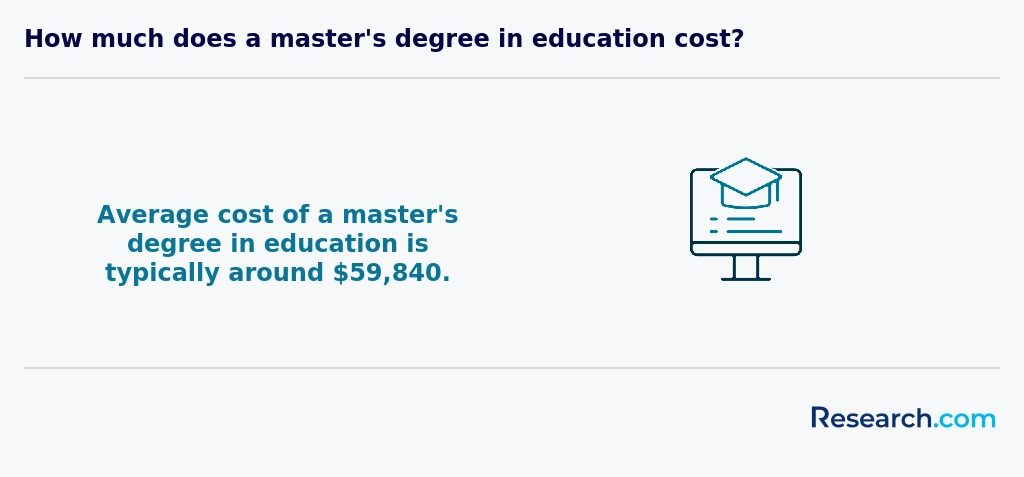
The average cost of an education degree in Manchester offers an encouraging balance between quality and affordability, with median total tuition around $32,952. For US-based students considering programs here, this figure reflects the lively academic energy found at well-known universities and colleges in the city that shape passionate educators ready to impact the future. This median cost fits well within the broader scope of the average cost of education degree programs in Manchester, making it a realistic and exciting investment for ambitious learners.
Many graduates from Manchester's education departments share how the cost aligned with the outstanding resources, supportive faculty, and vibrant community they experienced. The clarity in tuition fees, combined with accessible financial support, helps students focus on their studies and teaching practicums without being overwhelmed by the financial burden. Imagine stepping into classrooms equipped with modern technology and dedicated mentorship-experiences that bring the value of your investment into sharp focus.
A further positive aspect is the proximity to various scholarship opportunities, reducing the financial strain while empowering students to pursue their passion for teaching. Prospective students can explore programs that compare favorably to the total tuition and fees for education degrees Manchester, including hybrid and online options connected to reputable US institutions. Those interested in practical details can also look into financial paths offered by a valuable education school in New Hampshire as a benchmark for intelligent budgeting and planning.

Program Accreditation and Licensure
Understanding accreditation and state licensure requirements is essential for ensuring that your education degree holds value and qualifies you for teaching credentials in Manchester, NH. Most reputable programs will be accredited by the Council for the Accreditation of Educator Preparation (CAEP) or its predecessor, the National Council for Accreditation of Teacher Education (NCATE), as well as recognized by the New Hampshire Department of Education. Accreditation guarantees that the curriculum meets rigorous standards and that graduates are eligible to sit for state licensure exams. Key accreditation indicators to verify:
- CAEP or NCATE accreditation status on the institution’s website.
- State approval by the New Hampshire Department of Education, confirming alignment with local certification requirements.
- Specialized endorsements (e.g., Special Education, ESL) accredited by relevant bodies, ensuring readiness for in-demand teaching roles. After completing an accredited program, graduates must pass the Praxis Praxis Core Academic Skills and Praxis Subject Assessments for their chosen specialization. Additionally, ongoing professional development credits and renewal requirements are mandated by the state, fostering lifelong learning and compliance with evolving educational standards. For prospective students exploring accredited and cost-effective graduate options, our Affordable Online Master’s in Education Degree Programs Ranking in the West highlights programs that combine rigorous accreditation with flexible online delivery, helping you make informed, future-proof decisions.
What financial aid is available to education degree students in Manchester?
Many students pursuing education degrees in Manchester find that financial aid opens doors that once seemed out of reach. Graduates from institutions like the University of Manchester often share how federal Pell Grants, which do not require repayment, eased their financial burden by awarding an average of $4,400 per year. Alongside this, Federal Direct Loans provide flexible borrowing options, with subsidized loans available up to $5,500 annually for undergraduates.
For those committed to a teaching career, the TEACH Grant offers up to $4,000 each year, motivating students to make a meaningful impact in high-need schools. Scholarship opportunities, such as those from the Manchester Education Foundation, have empowered many students to pursue their dreams without the heavy weight of tuition costs, while work-study programs allow learners to gain practical experience and income simultaneously.
Filing the FAFSA opens these opportunities for US citizens studying in Manchester. The sense of relief and hope expressed by education graduates highlights how these aids not only support finances but also nurture true passion for teaching.
Accreditation and Quality Assurance in Education Programs
Ensuring that an education program is accredited not only reinforces the quality of instruction but also boosts the credibility of your degree in the competitive job market. Accreditation acts as a seal of approval, confirming that the curriculum meets rigorous industry and academic standards. Prospective students should verify that the institutions they are considering maintain accreditation from recognized bodies, as this can directly impact career opportunities and licensure eligibility. Accredited programs often emphasize ongoing faculty development, innovative teaching methods, and updated course material that aligns with current educational trends. Moreover, graduates from accredited institutions typically enjoy stronger alumni networks and enhanced support services, making the transition from education to real-world teaching smoother. For those exploring top-notch options, the ranking by the Research.com team highlights a valuable education school in new hampshire that consistently meets and exceeds accreditation benchmarks. Prioritizing accredited programs ensures that your education investment translates into a reputable and fulfilling teaching career.
What are the prerequisites for enrolling in education degree program in Manchester?
Enrolling in an education degree in Manchester is an exciting step fueled by a passion to inspire and lead future generations. Graduates from well-known Manchester universities often share how meeting clear prerequisites set a confident foundation for their journey. For undergraduate programs, successful applicants typically present strong secondary school credentials, such as A-levels or an International Baccalaureate Diploma. US students usually provide a high school diploma complemented by SAT or ACT scores, showcasing their readiness for advanced study in this vibrant city.
Postgraduate programs, like the Master of Education, require a bachelor's degree with solid academic standing-around a 3.0 GPA or equivalent-and meaningful experience or coursework related to teaching. Many students recall how preparing a thoughtful personal statement and collecting supportive letters of recommendation allowed them to convey their genuine dedication to education.
Non-native English speakers embrace the challenge of demonstrating proficiency through tests like IELTS, which opens doors to opportunities in Manchester's supportive learning environments. Some colleges even incorporate interviews or background checks, helping students connect their passion to real-world classroom experiences, making the path both personal and rewarding.
Accreditation and Certification
Selecting an accredited program is crucial for licensure, visa eligibility and employer recognition. In Manchester, look for:
- UK Department for Education approval and Ofsted ratings of “Good” or “Outstanding”
- Integrated Qualified Teacher Status (QTS) or PGCE pathways
- Eligibility for UK student finance and visa sponsorship
- International qualification recognition via UK NARIC
US candidates should verify state licensure equivalency and consider advanced credentials-such as a one-year master’s-through the best online masters programs to enhance teaching eligibility.
Check each institution’s accreditation details to ensure a smooth certification process.
What courses are typically in education degree programs in Manchester?
Studying education in Manchester means immersing yourself in courses that powerfully blend theory with practical skills, setting you up for success as an inspiring educator. Graduates from renowned institutions like Manchester Metropolitan University often share how foundational courses such as Educational Psychology help them understand the inner workings of student learning and development, making every classroom interaction more meaningful.
Core subjects like Curriculum Design and Assessment equip you to craft engaging lesson plans that truly resonate with diverse learners. Imagine confidently leading a classroom, using tried-and-tested Classroom Management Strategies you've practiced during your placements in local schools, turning challenges into opportunities for growth.
Courses on Special Education Needs empower future teachers to support every child's unique journey, creating inclusive, nurturing environments. Leadership-focused classes offer insights into education policy and school leadership, enabling you to envision yourself as a changemaker in education. Practical Research Methods in Education refine your skills to innovate and improve teaching practices continuously, driving positive change from day one.
What types of specializations are available in education degree programs in Manchester?
Education degree specializations in Manchester offer exciting pathways tailored to diverse passions and career ambitions. Graduates from popular universities and colleges often highlight how Early Childhood Education programs immerse them in nurturing young minds, blending developmental psychology with real-world teaching techniques. Others find their calling in Secondary Education, where they gain hands-on subject training-whether it's mathematics, science, or English-geared for middle and high school classrooms.
Special Education has become a beacon of hope, reflecting Manchester's inclusive approach; graduates speak proudly of mastering strategies that empower students with learning differences. Meanwhile, those drawn to leadership roles thrive in Educational Leadership and Administration tracks, preparing to shape schools as inspiring principals or coordinators.
The richness of curriculum and instructional design also captivates many, equipping future educators to craft innovative, engaging learning experiences. TESOL, responding to Manchester's multicultural community, attracts students eager to teach English globally. For US-based students, practical experience in local schools enriches studies, making degrees not just theoretical but deeply rewarding.
Explore your future among these popular education programs in Manchester or consider the Affordable Online Master's in Education Degree Programs Ranking in the West to find the perfect fit for your ambitions.
How do you choose the best education degree in Manchester?
Choosing the best education degree in Manchester means focusing on programs that align with your ambitions and offer strong practical experience. Graduates from popular universities in Manchester often highlight the value of courses that blend theoretical knowledge with hands-on teaching opportunities in the city's diverse school settings. This real-world teaching practice builds confidence and skills essential for your future career.
Look for programs that offer flexible learning paths, including part-time or online options, allowing you to balance study with other commitments. Many students appreciate Manchester's supportive environment for international learners, from visa assistance to career guidance, making the transition seamless and encouraging. Exploring the curriculum carefully ensures you pick specializations like educational psychology or technology integration that excite and inspire you.
With so many choices, including affordable education degrees in Manchester, focusing on institutions recognized for excellence guarantees your degree's recognition both in the UK and the US. For those seeking speed and efficiency, consider exploring online accelerated associate's degree options to jumpstart your educational journey while studying in this vibrant city.
What career paths are available for education degree students in Manchester?
Graduates with an education degree in Manchester unlock a world of inspiring career paths that go beyond the classroom. Many find joy in teaching roles, drawing on strong foundations in pedagogy and curriculum development gained at top universities and colleges in Manchester. These programs nurture leadership and creativity, preparing students for rewarding jobs in schools across the US.
For those passionate about shaping educational futures, career opportunities in educational administration offer exciting leadership journeys as principals or academic advisors. The vibrant educational scene in Manchester equips graduates with practical skills and confidence, fueling their ambition in these roles. Exploring the fast-growing field of educational technology also energizes graduates, who become instructional coordinators or e-learning specialists, innovating digital learning methods.
Other flourishing paths include special education, curriculum design, and consultancy, reflecting diverse job prospects for education graduates Manchester. Many graduates share how immersive learning experiences enrich their careers, especially when combining their degrees with the easiest associates degree to get as a stepping stone toward US certification.
What is the job market for education degree in Manchester?
The job market for education degree job opportunities in Manchester is vibrant and growing, offering many pathways for passionate graduates. Manchester-based education graduates from renowned universities often find themselves stepping confidently into roles within primary, secondary, and special education sectors. Their experiences at these institutions, combined with practical classroom exposure, prepare them to meet the local demand with skills that make a real difference.
Teachers and education specialists report fulfilling careers in diverse environments such as universities, community programs, and private schools. Many who have pursued an education degree in Manchester appreciate how the city's schools value innovative teaching approaches, including STEM and special education, fueling optimism about teacher employment prospects Manchester 2027.
Graduates also benefit from comparing costs and opportunities with the US education system, where options like a quick associate degree can complement their qualifications, enhancing career flexibility. This positive outlook encourages students to confidently embark on education careers in Manchester, knowing that demand and support continue to grow.
Frequently Asked Questions About education
Education degree students in Manchester can maximize their learning experience by actively engaging in both coursework and practical teaching opportunities. Research from the National Center for Education Statistics highlights that US students benefit significantly from hands-on practice, such as student teaching or internships, which provide real-world classroom exposure.
Participating in study groups and attending workshops tailored to pedagogy can enhance understanding and skill development. Manchester's education programs often include access to local schools for supervised placements, enabling students to apply theory in diverse settings. Networking with faculty and peers also supports professional growth and access to mentorship.
Additionally, utilizing university resources like academic advising and career services improves academic planning and job readiness upon graduation. Staying informed about evolving education standards and technology integration remains crucial, as these skills are highly valued in US teaching careers. Overall, a combination of practical experience, collaboration, and proactive resource use supports student success in Manchester's education degrees.
Emerging niches within the education field are rapidly evolving to meet modern challenges. One significant area is educational technology, where professionals develop digital tools to enhance learning experiences. According to the National Center for Education Statistics, demand for educational technology specialists is expected to grow by 15% through 2030.
Another growing niche is special education focusing on neurodiversity, particularly autism spectrum disorders. This field requires specialized knowledge to support diverse learning needs effectively.
Environmental education is also gaining traction as schools incorporate sustainability into their curricula, reflecting broader societal shifts towards climate awareness.
In Manchester, institutions offering education degrees are increasingly integrating these specializations to prepare students for future trends.
Preparing for the job market after completing an education degree in Manchester requires proactive steps aligned with U.S. employment trends. Graduates should focus on obtaining relevant teaching certifications, such as state licensure, which is essential for most teaching positions in the United States. Gaining classroom experience through internships or substitute teaching in Manchester-area schools can strengthen practical skills and resumes.
Networking is also important; joining professional associations like the National Education Association can provide valuable contacts and job leads. According to the U.S. Bureau of Labor Statistics, employment of teachers is projected to grow 5% from 2021 to 2031, reflecting steady demand. Continuous professional development and familiarity with technologies used in education will further improve job prospects.
Employers in Manchester seek education degree graduates who demonstrate strong communication and classroom management skills. According to recent surveys, over 70% of hiring managers in the region emphasize the ability to engage diverse student populations effectively. Additionally, adaptability to changing curriculum standards and proficiency in educational technology are highly valued.
Analytical skills for assessing student progress are also critical. Data from the Manchester Teaching Board highlights that 65% of schools prioritize candidates with skills in lesson planning and student assessment. Furthermore, collaboration and teamwork abilities are essential, as educators often work in multidisciplinary environments to support student success.
Finding internships in Manchester relevant to an education degree requires targeted research and leveraging local resources. Many US students seek placements through partnerships between their universities and schools or educational organizations based in Manchester. The city hosts various primary and secondary schools, as well as youth programs, which often accept interns to assist in classroom activities and program development.
Additionally, students should consult online platforms such as Handshake and Indeed, which frequently list education internships in Manchester related to curriculum support, special education, and educational technology. The British Council and Manchester City Council websites also provide useful information on educational initiatives and potential internship opportunities.
Networking remains key. Attending education fairs, both virtual and in-person, and reaching out to faculty advisors can connect students with local Manchester schools seeking interns. According to recent reports by the Manchester Education Partnership, internships deepen practical skills and improve employment prospects for education graduates.
Holding an education degree significantly enhances career mobility and advancement opportunities for professionals in Manchester. According to the U.S. Bureau of Labor Statistics, educators with a bachelor's degree can expect a 6% job growth rate through 2031, which is on par with the national average for all occupations. In Manchester, having an accredited education degree often serves as a prerequisite for positions in public and private schools, increasing eligibility for various teaching and administrative roles.
Advanced degrees, such as a master's or doctorate in education, further expand leadership opportunities and salary potential. For example, educators with graduate degrees in Manchester report earning an average of 20% more than those with only a bachelor's, based on data from the National Center for Education Statistics.
In addition, continuing education and specialized certifications improve prospects for career advancement by enabling educators to meet licensing requirements and adapt to evolving educational standards.
Studying for an education degree in Manchester equips students with skills essential for interdisciplinary roles by integrating diverse academic perspectives. Programs often include coursework in psychology, social sciences, and technology, enhancing a well-rounded understanding of educational challenges. According to the Manchester Metropolitan University 2023 report, 78% of education graduates engage in cross-sector collaborations within two years of graduation.
Manchester's education degrees emphasize practical experience through partnerships with local schools and community organizations, fostering teamwork across fields. This real-world exposure encourages adaptability and communication skills, crucial for interdisciplinary work. Additionally, curricula frequently incorporate research methods and data analysis, preparing graduates to contribute effectively beyond traditional education settings.
When choosing between a thesis and a non-thesis education degree program in Manchester, consider your career goals and learning preferences. Thesis programs emphasize research and critical thinking, ideal for students aiming for doctoral studies or research careers. Non-thesis options focus more on practical skills and coursework, often suitable for educators seeking classroom applications or administrative roles.
In the US, thesis programs typically require a significant research project, while non-thesis paths may involve more credit hours or internships. Manchester-based programs often reflect these differences, so consulting specific university requirements is essential. According to the National Center for Education Statistics, nearly 40% of education graduate students opt for non-thesis tracks due to their time efficiency and applied emphasis.
Students based in Manchester who wish to study education abroad often consider several pathways in the United States. U.S. universities offer a wide range of education degrees, from bachelor's to doctoral programs, with specializations including educational leadership, curriculum design, and special education. According to the Institute of International Education, there were over 200,000 international students in the U.S. enrolled in education-related programs in 2023, indicating strong opportunities for global learners.
Many U.S. institutions provide exchange programs and scholarships specifically for international students, facilitating easier access and financial support. Additionally, Manchester students can benefit from joint-degree options or online hybrid models offered by some U.S. schools, allowing flexible study schedules.
Part-time job opportunities in Manchester that complement education degree studies include classroom assistant roles, tutoring, and childcare support. Local schools often seek education students to help with after-school programs, providing practical teaching experience. According to the Manchester City Council, over 10% of schools engage part-time assistants from nearby universities.
Additionally, tutoring younger students in subjects like literacy or math offers valuable one-on-one teaching practice. The growing need for childcare workers in community centres also matches well with education students' developing skills.
Such roles not only enhance résumés but improve classroom management and communication, crucial for future educators in the U.S. system.
Education students in Manchester have access to a range of networking opportunities that can enhance their academic and professional growth. Universities like the University of Manchester and Manchester Metropolitan University host regular education conferences, workshops, and guest lectures featuring experienced educators and policymakers.
Students can join education-focused student organizations and societies that facilitate peer networking and collaboration on projects. Local education research centers often provide internships and volunteer opportunities, enabling students to connect with local schools and educational institutions.
According to the Higher Education Statistics Agency (HESA), Manchester's education programs maintain strong partnerships with over 150 regional schools, creating extensive practicum and mentorship possibilities.
Alumni networks provide significant advantages to education degree students in Manchester. These networks foster connections among graduates, which can lead to mentoring opportunities and career advice. For students, access to experienced alumni helps navigate the local teaching landscape, including job openings and professional development.
In Manchester, established universities often report that over 70% of education graduates find employment within six months, partly due to strong alumni support systems, according to recent data from the Manchester Education Consortium. These networks also host events and workshops that improve students' practical skills and expand their professional contacts.
Furthermore, alumni relationships can facilitate partnerships between schools and universities, enhancing student placements and research initiatives. This integration supports education students in gaining hands-on experience, essential for future teaching roles.
Customizing an education degree program in Manchester to align with your career goals involves selecting specific courses, specializations, and practical experiences that match your professional aspirations. Many universities in Manchester offer flexible degree pathways allowing students to focus on areas such as early childhood education, special education, or curriculum development.
Students can often choose elective courses that support skills in administration, educational technology, or counseling. According to the UK Higher Education Statistics Agency, over 60% of education students in Manchester tailor their studies with a combination of theory and practical placements, enhancing employability.
Additionally, some programs provide opportunities for internships, research projects, and collaboration with local schools, fostering real-world experience tied to career goals.
Education students in Manchester often encounter several challenges during their studies. One key issue is balancing the demanding workload of coursework, lesson planning, and teaching placements. According to the UK Higher Education Statistics Agency (HESA), many students spend over 30 hours weekly on academic and practical tasks combined. This can lead to stress and time management difficulties.
Another challenge is adapting to diverse classroom environments during teaching placements. Manchester's schools vary widely in socioeconomic and cultural backgrounds, requiring students to develop strong classroom management and communication skills quickly.
Additionally, staying updated with changing education policies and curriculum standards in England demands continual learning beyond lectures. These pressures can affect student well-being and academic performance.
With an education degree, you can pursue several professional certifications to enhance your career. Common certifications include the Certified Teacher Credential, which allows you to teach in public schools across many U.S. states, including Massachusetts, where Manchester is located. Additionally, you can seek National Board Certification, a prestigious credential that recognizes advanced teaching skills and can increase your earning potential.
Other options are certifications in Special Education, English as a Second Language (ESL), or Educational Leadership. These credentials often require additional coursework and exams but open doors to specialized or administrative roles.
According to data from the Massachusetts Department of Elementary and Secondary Education, teachers holding certifications earn on average 15% more than those without.
Writing a winning application for an education program in Manchester requires clear focus and preparation. Start by thoroughly researching the specific university's offerings, such as the University of Manchester's Education and Social Research department, known for its strong academic reputation.
Highlight your relevant academic achievements and practical experience in education or related fields. Manchester programs often value candidates with strong connections to community work or teaching, so include any volunteer or professional activities.
Demonstrate your motivation clearly by explaining why studying education in Manchester aligns with your career goals. Tailor your personal statement to the program's unique features and curriculum.
Include solid letters of recommendation from academic or professional referees who can attest to your capabilities in education.
The global perspective on an education career highlights increasing demand for skilled educators worldwide. In the US, education is a leading field for employment growth, with the Bureau of Labor Statistics projecting a 5% growth from 2021 to 2031.
Educators trained in Manchester often benefit from a strong academic reputation, supported by research collaborations with US institutions. This international cooperation enhances teaching methods and curriculum design, preparing graduates for diverse classrooms globally.
Globally, there is a shift towards inclusive education, emphasizing technology integration and cultural competence. US-based students exploring education degrees in Manchester can expect exposure to cutting-edge educational theories aligned with international standards.
Gaining practical experience while studying for an education degree in Manchester is essential for career readiness. Many US-accredited programs encourage students to participate in local school placements or internships as part of their curriculum. These placements allow students to apply pedagogical theories in real classrooms under the supervision of experienced teachers. According to the National Center for Education Statistics, hands-on teaching experiences increase job placement rates by 20% in the first year after graduation.
Additionally, volunteer opportunities in Manchester's community education centers provide valuable exposure to diverse learning environments. Some programs partner with local schools to offer practicum hours, ensuring students meet licensure requirements efficiently.
Choosing the right concentration within an education degree program in Manchester requires understanding your career goals and local job market demands. Manchester's education sector emphasizes specialties such as Early Childhood Education, Special Education, and Educational Leadership, reflecting its diverse community needs. According to the Manchester City Council's 2023 report, demand for teachers with expertise in special education has grown by 15% over five years.
Researching programs accredited by recognized bodies like the Council for the Accreditation of Educator Preparation (CAEP) ensures quality training. Consider concentrations that align with national teaching certification requirements, as these improve employment prospects across the U.S. Align your choice with your strengths and interests, as well as practical opportunities for classroom experience within Manchester-area schools.
Related Education Rankings for Nearby Cities
- 2027 Most Valuable Education Degree Programs Ranking in Providence
- 2027 Most Valuable Education Degree Programs Ranking in Bronx
- 2027 Most Valuable Education Degree Programs Ranking in Queens
- 2027 Most Valuable Education Degree Programs Ranking in Wilkes-Barre
- 2027 Most Valuable Education Degree Programs Ranking in Dover
- 2027 Most Valuable Education Degree Programs Ranking in Buffalo
- 2027 Most Valuable Education Degree Programs Ranking in Washington
- 2027 Most Valuable Education Degree Programs Ranking in Erie
- 2027 Most Valuable Education Degree Programs Ranking in Pittsburgh
- 2027 Most Valuable Education Degree Programs Ranking in Cleveland
Top Trending Education Rankings
See What Experts Have To Say About Studying Education
Read our interview with Education experts

Alan J. Singer
Education Expert
Professor of Teaching, Learning and Technology
Hofstra University

Nooshan Ashtari
Education Expert
Professor & Book Author
University of Southern California

References
- How to Pick Your Concentration for Your M.Ed. Degree | ACE Blog https://ace.edu/blog/how-to-pick-your-med-concentration/
- How To Write A Great Cover Letter For Teacher Training - Engage Education https://engage-education.com/blog/how-to-write-a-great-cover-letter-for-teacher-training/
- Why Is Education Important in Your Career Advancement? - KWSP Malaysia https://www.kwsp.gov.my/en/w/article/career-advancement
- Promising Niches in the Global EdTech Landscape - Blog https://rocketech.it/blog/post/global-edtech-landscape-what-niches-are-the-most-promising
- Finding Networking Opportunities as a Student | National Society of High School Scholars https://www.nshss.org/resources/blog/blog-posts/how-to-find-networking-opportunities-as-a-student/
- How to Write a Great Letter of Intent for a Teaching Job | Zen Educate https://www.zeneducate.com/us/resources/becoming-a-teacher/how-to-write-letter-of-intent-teaching-job/
- Student Expectations and Perceptions of Higher Education - ACA https://aca-secretariat.be/newsletter/student-expectations-and-perceptions-of-higher-education/
- Education degree - Tłumaczenie po angielsku - Słownik angielsko-polski Diki https://www.diki.pl/slownik-angielskiego
- Gateway Resources: Education and Early Years - Greater Manchester Combined Authority https://www.greatermanchester-ca.gov.uk/what-we-do/education-work-and-skills/technical-education-city-region/the-greater-manchester-baccalaureate-educator-toolkit/gateway-resources-education-and-early-years/
- Get the skills employers want | Study UK https://study-uk.britishcouncil.org/why-study/succeed-your-career/get-skills-employers-want





