2027 Is an Online BS in Business Administration the Right Next Step for Category Management Assistants?
Audited and Verified:
Our Editorial and Data Verification Process
Research.com uses government datasets, official education statistics and primary institutional information to support its career and degree guides. Our review process checks factual accuracy, occupational definitions, source dates and the requirements associated with the credentials discussed.
How This Article Was Fact-Checked
Our editorial team verifies salary estimates, employment projections, education requirements and program information against original data providers and official organizations. Salary figures are checked against the relevant occupational definitions and reporting periods. Information about licensure, accreditation and required in-person training is reviewed separately.
Fact-checked and verified on:

Co-Founder and Chief Data Scientist
Category management assistants already work close to decisions about products, pricing, promotions, and suppliers. Moving from supporting those decisions to making recommendations usually requires stronger analytical skills and evidence of business judgment - not simply a new credential. An online BS in Business Administration could help you build both while you keep working, but a supply chain degree or targeted training may be more direct. This guide shows how to judge the degree against your next role, available study time, remaining credits, and likely costs so you can choose a practical next step.
Key Things You Should Know
- An online BS in Business Administration is most useful when your target roles expect a bachelor's degree and your current work gives you opportunities to apply analytics, finance, and supplier-management skills.
- For a specialized purchasing or supply chain goal, compare the business degree with a more focused program before enrolling; neither route substitutes for demonstrated category experience.
- The U.S. Bureau of Labor Statistics projects 18% employment growth for logisticians from 2025 to 2035, but that related occupation is not a forecast for category management assistant jobs or degree-holder outcomes.
Is an online BS in Business Administration right for category management assistants?
It can be a good next step if you want to move from maintaining product information and reports toward interpreting category performance, supporting negotiations, or recommending assortment and pricing changes. Category management varies by employer: in retail it often centers on merchandise and shopper demand, while in procurement it may center on spending with a group of suppliers. Start by identifying which version of the role you want.
A business administration degree provides a broad foundation in accounting, marketing, operations, and decision-making. Its value rises when you can connect that foundation to work you already do - for example, explaining why a promotion changed sales but not necessarily profit. Before choosing a school, compare the curriculum and required activities, not just its place in online business school comparisons across the United States.
The degree may be unnecessary if your employer advances assistants based primarily on category results and offers the training you need. It may also be too broad if the next job explicitly calls for deeper merchandising analytics or procurement expertise. Ask your manager or examine several target job postings: Is a bachelor's required, preferred, or absent? Which decisions would you need to own to qualify?
What can category management assistants do with a business administration degree?
With relevant experience, graduates may compete for category analyst, merchandising analyst, assistant buyer, purchasing specialist, or supplier-support roles. Those jobs are not interchangeable. A category analyst may evaluate sales, margin, and assortment; a buyer may handle purchasing decisions; a procurement specialist may assess supplier terms and organizational spending. A category manager generally has greater decision authority and is usually expected to show results in the relevant industry.
Use your current position to build evidence for the next role: a clearly explained spreadsheet analysis, a documented process improvement, or a presentation that separates observed results from your recommendations. Obtain permission before using company data in coursework or a portfolio. If your work and target jobs focus on sourcing, inventory, or distribution rather than retail merchandising, compare the BS with economical study options for supply chain careers.
What degree does a category management assistant need to advance?
There is no universal degree requirement for category management advancement. Employers set their own hiring criteria, and experience with the relevant products, suppliers, systems, and decisions can matter as much as the degree title. A BS in Business Administration and a BBA can both provide broad business preparation, but their required courses differ by school.
The most useful comparison is between the work you want and the additional preparation each route provides. This table summarizes the trade-offs without assuming that any credential guarantees promotion.
| Path | Best fit | Main limitation to check |
| BS in Business Administration or BBA | Broad movement among category analysis, operations, and commercial roles | May offer limited category-specific analytics or procurement coursework |
| Supply chain or marketing bachelor's | A clearly defined procurement or retail merchandising direction | Specialized requirements may add courses or affect transfer-credit applicability |
| Targeted courses or employer training | A specific skill gap when a degree is not needed for advancement | May not satisfy an employer's bachelor's requirement |
If your longer-term goal is supervising people rather than owning a product category, undergraduate leadership programs with shorter timelines offer another comparison. Check whether their operations and analytical content matches the jobs you actually want; leadership coursework alone does not confer managerial experience.
Online study can let you remain employed and apply course concepts at work. Campus study may offer easier access to in-person recruiting, faculty, and collaborative activities. Neither format is automatically more flexible: online courses can require live meetings, fixed exam windows, group presentations, or an internship.
For a category management assistant, the decisive question is whether classes fit around reporting cycles, promotional launches, and supplier deadlines. Ask for sample course schedules and assessment policies, including proctoring, time zones, required visits, and accessibility support. If price is also a deciding factor, compare the complete requirements of online business programs for cost-conscious students rather than assuming an online format has lower total costs.
Look for accounting and managerial finance to understand margin and costs; statistics and business analytics to interpret sales patterns; marketing research to assess customers; and operations or supply chain courses to examine inventory and suppliers. Spreadsheet modeling is especially useful when an assignment requires you to explain assumptions, not just produce a chart.
Check the depth behind course names. An introductory operations class is different from a sequence covering sourcing, forecasting, and supplier performance. An official concentration may offer that depth, but an elective does not automatically create a concentration. If your target work is primarily coordinating complex initiatives rather than managing categories, compare the actual curriculum with accredited project management programs with low tuition; the lower-priced option is not necessarily the better preparation for purchasing or merchandising decisions.
A useful applied assignment might compare assortment options using authorized, anonymized data or public examples. It should distinguish sales from profit and describe what the data cannot establish. Do not submit supplier terms, customer records, or internal forecasts without employer permission.
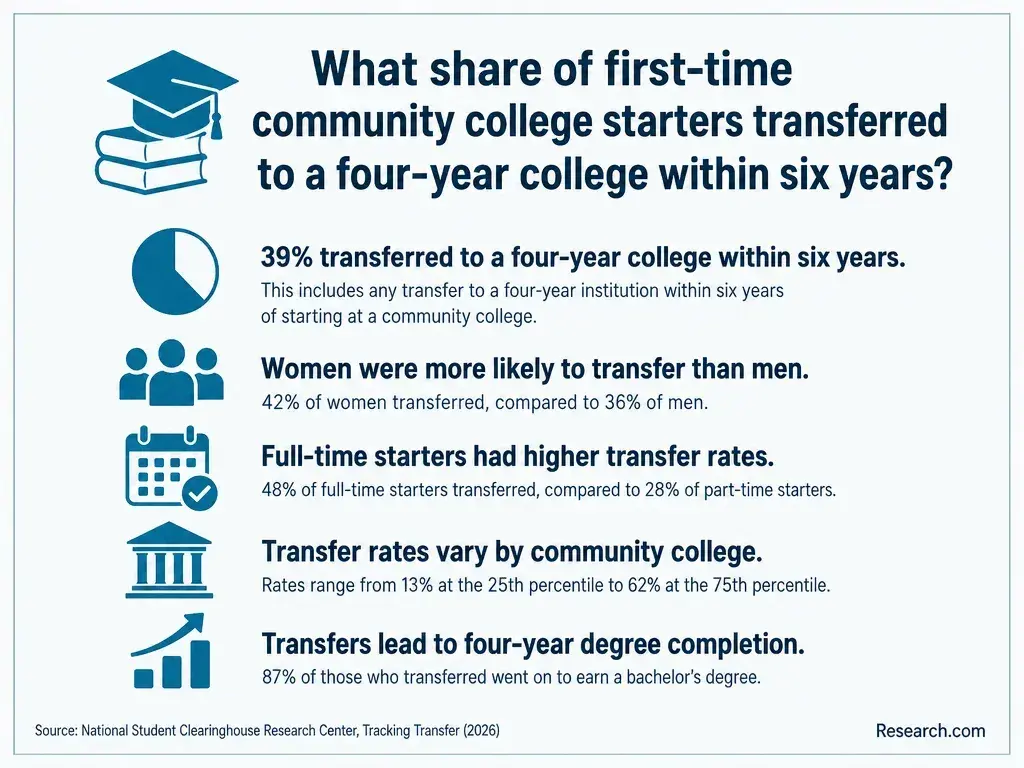
Requirements vary by institution and by whether you apply as a first-year or transfer student. Schools may request secondary-school or college transcripts, set academic-standing rules, and require mathematics or other introductory courses before particular business classes. Admission to the university does not necessarily mean admission to the business major or acceptance of every previous course toward graduation.
If you have prior college credit, request an official evaluation showing what applies to general education, the business core, electives, and any concentration. Ask separately about prerequisite sequencing and residency requirements. This comparison matters even if you are considering a different major: schools offering a route to finish project management studies with transferred college credits may apply the same previous courses differently from a business administration program. Only the receiving institution can confirm your degree audit.
Many U.S. bachelor's programs are designed around approximately 120 semester credits, but your remaining requirements - not the advertised program length - determine your timeline. Accepted credits may count only as electives, and required courses may run in a sequence that prevents faster completion. Part-time enrollment can make study manageable alongside work but extends the calendar time.
Ask an adviser for a term-by-term plan based on your official credit evaluation, course availability, and realistic weekly study capacity. Compare that plan with flexible fast-track routes in business education only after checking live attendance, group work, and course load. A shorter calendar schedule does not mean fewer assignments or a lower bill.
No reliable total applies to every category management assistant. The amount depends on the school's tuition structure, required credits after evaluation, fees, materials, and how long you remain enrolled. Compare written estimates for the same remaining degree requirements; a low advertised tuition rate can be misleading if additional courses are needed.
Before committing, get an itemized estimate that covers tuition, technology or proctoring charges, books and software, and any required travel. Ask whether employer education assistance is available, when reimbursement is paid, and what grades or continued employment it requires. Then compare business administration degrees for limited tuition budgets against your actual out-of-pocket cost and any borrowing, not sticker price alone.
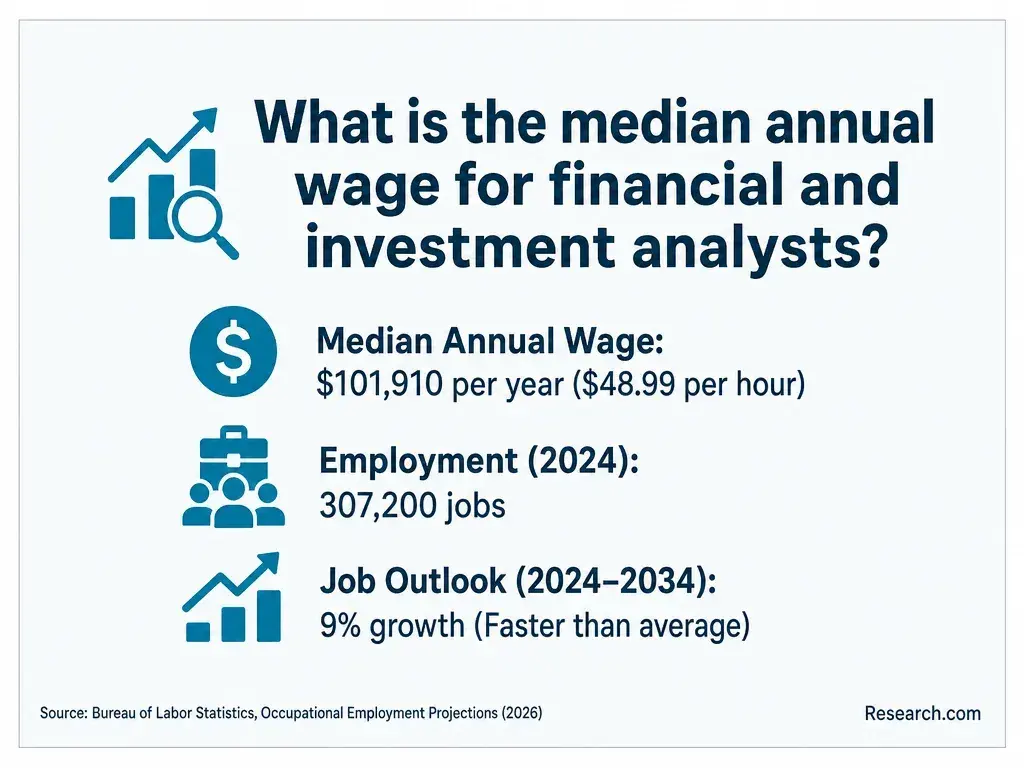
The U.S. Bureau of Labor Statistics does not publish a single occupation-wide wage specifically for category managers or their assistants. Related occupations can provide context, but not a prediction of your post-graduation pay. For example, the BLS reports a May 2025 median annual wage of $82,320 for logisticians. That figure covers workers across experience levels and industries in a supply-chain occupation; it is not an entry-level category management salary.
For a meaningful pay comparison, look at postings for your intended title, industry, and location, and note whether they require category ownership, analytical tools, or supplier negotiation experience. If graduating sooner would let you apply for bachelor's-required roles earlier, a national comparison of accelerated business bachelor's schools can help you examine timelines. Do not count a future raise as certain when weighing a faster program against its cost and workload.
How do accreditation and certifications affect category management careers?
Check recognized institutional accreditation first, particularly if you expect to seek federal financial aid or transfer credits later. Business-school accreditation from AACSB, ACBSP, or IACBE is a separate question: verify the accreditor's scope and whether it covers the school and program you are considering. Neither form of accreditation promises a category management job.
Professional certifications are also separate from academic degrees. A purchasing, supply chain, or analytics credential may be useful if target employers request it, but check the issuing organization's eligibility rules, exams, experience requirements, and costs before enrolling. Do not confuse a business concentration with certification. Likewise, if you intend to leave category work for a people-focused role, explore human resources education and career options on their own terms rather than assuming a general business degree or category experience meets HR credential requirements.
Other Things You Should Know About Business Administration
No. Buyers typically focus on purchasing goods, while category roles may also evaluate assortment, customer demand, pricing, and performance across a product group. Duties overlap and titles vary by employer.
Check target job postings and the systems your employer uses. Strong spreadsheet skills and the ability to explain a sound analysis are a practical starting point; software familiarity alone does not demonstrate decision-making ability.
Usually, you can discuss your responsibilities and methods without disclosing confidential prices, supplier terms, customer information, or unpublished results. Follow your employer's confidentiality rules and use approved, non-sensitive examples.
Some analytical and supplier-communication skills transfer, but the decisions differ. Retail employers may prioritize assortment and shopper behavior; procurement employers may prioritize sourcing and spend management. Show evidence that matches the setting you want to enter.
- Choosing a School | Federal Student Aid https://studentaid.gov/resources/prepare-for-college/students/choosing-schools
- General Schedule Qualification Policies | U.S. Office of Personnel Management https://www.opm.gov/policy-data-oversight/classification-qualifications/general-schedule-qualification-policies/
- Commercial Manager - Civil Service Jobs - GOV. UK https://www.civilservicejobs.service.gov.uk/csr/jobs.cgi
- DAPIP | Homepage - Office of Postsecondary Education (OPE) https://ope.ed.gov/dapip/
- Choosing the Right Format for Your Supply Chain Degree | University of the Cumberlands https://www.ucumberlands.edu/blog/online-vs-on-campus-choose-your-supply-chain-degree-format
- Business Administration Bachelor's Degree Online | The Pennsylvania Institute of Technology https://www.pit.edu/programs/b-s-business-administration/
- What Can You Do With a Business Administration Degree? | snhu.edu https://www.snhu.edu/about-us/newsroom/business/what-can-you-do-with-a-business-administration-degree
- College Credit for Work and Life Experience | Purdue Global https://www.purdueglobal.edu/transfer-students/work-life-experience/
- Can I Earn an Online Degree While Working Full Time? | Claremont Lincoln https://claremontlincoln.edu/news-blog/online-degree-work-full-time/
- Online College That Accepts Max Transfer Credits | Franklin University https://www.franklin.edu/transferring-credit