
2027 Most Popular Education Degree Programs Ranking in the Northeast

Co-Founder and Chief Data Scientist
Choosing the right education degree program can shape your future and open doors to rewarding careers. If you're a student in the Northeast, finding programs that align with your goals is essential.
This article features the 2027 Most Popular Education Degree Programs Ranking in the Northeast, developed by the Research.com team of data scientists. It offers clear, data-driven insights to help you make an informed decision about which programs stand out.
Exploring these options can inspire confidence and excitement about pursuing a degree in education, setting you up for success.
Key benefits of getting education degree in the Northeast
- Salary for education degree graduates: Graduates can expect rewarding salaries, such as $76,000 annually for Special Education Teachers and $77,200 for Instructional Designers, reflecting strong earning potential in the Northeast.
- Career paths: A graduate from a top Northeast university might find diverse opportunities including teaching, curriculum design, or administration, allowing for exciting and fulfilling professional growth.
- Online degree benefits: Earning an education degree online from a well-regarded Northeast school offers flexible scheduling and accessibility, enabling students to balance work and life while advancing their careers confidently.
- 2027 Most Popular Education Degree Programs Ranking in the Northeast
- What can I expect from education degree in the Northeast?
- Where can I work with education degree in the Northeast?
What can I expect from education degree in the Northeast?
If you're aiming for an education degree in the Northeast, be ready to invest a bit more in tuition compared to other regions. On average, public universities here charge about $10,500 a year for in-state students. That might sound like a lot, but think about attending a well-known place like the University of Massachusetts or SUNY, where students often feel that the hands-on teaching experiences and strong local connections make it totally worth it.
Graduates from these schools often share how those student teaching placements in nearby schools gave them real confidence stepping into the classroom. Private colleges, like Columbia Teachers College or Harvard Graduate School of Education, tend to cost quite a bit more, but their grads say the research opportunities and career networking open doors that feel priceless.
Also, many students find scholarships and financial aid that specifically help education majors, especially if you plan to teach in underserved communities. That support can really ease the financial load and make pursuing your passion feel a lot more doable.
Where can I work with education degree in the Northeast?
If you're thinking about where an education degree from the Northeast can take you, the options are pretty exciting. Many grads find themselves teaching in public or private schools across busy cities like Boston or Philly, where the demand for qualified educators is strong. Imagine starting out in a local elementary school with a supportive community around you-that's a common story for many who trained at schools like Boston College or Temple University.
Others dive into leadership roles, such as becoming principals or curriculum planners, especially if they tapped into the leadership programs offered nearby. It's encouraging to know that universities in the area have strong networks that help graduates secure these kinds of positions.
Then, there are grads passionate about special education or counseling, roles that are growing fast in places like New Jersey and Connecticut. For example, some alumni working in urban school districts share how rewarding it is to help kids with diverse needs thrive.
Plus, higher education jobs and roles in education policy-working for non-profits or government agencies-are popular too. The Northeast really supports a variety of career paths, making it a great place to start your education journey.
If you're graduating with an education degree in the Northeast, you can expect decent earning potential depending on your specific role. For example, elementary school teachers typically pull in around $70,740 annually, which is pretty solid considering the cost of living here. Special education teachers often do even better-averaging about $76,000 a year. That's encouraging for many grads coming out of well-known programs at places like Boston College or the University of Massachusetts.
Teaching English as a Second Language (ESL) is another path, bringing in roughly $65,430 yearly, with an hourly rate over $31, which some find perfect for balancing part-time work or further study. Early childhood educators make less, near $41,410, but gaining experience here can open doors to other roles.
If you're eyeing something a bit different, like instructional design, you might find yourself earning about $77,200 a year. Graduates from schools like Teachers College at Columbia University often mention how this role combines creativity with education, making it a rewarding alternative.
Overall, the Northeast offers strong salaries for education grads, and many find their degrees open doors in urban hubs like New York City and Boston, where opportunities and pay tend to be higher.
- Tuition for public universities in the Northeast ranges from $15,000 to $30,000 per year for in-state students, while private schools often exceed $40,000 annually.
- Starting salaries for education graduates typically range from $45,000 to $55,000 per year, depending on degree level and certification.
- Experienced educators in urban districts or specialized roles earn between $65,000 and $80,000 annually.
- Employment growth is strong in New York, Massachusetts, and New Jersey, especially in STEM, bilingual, and special education fields.
- Certification requires passing state exams and completing supervised teaching experiences, with requirements varying by state.
If you're aiming for an education degree in the Northeast, expect to spend about four years if you're going full-time for a bachelor's. Many grads from places like the University of Massachusetts share how juggling 120 to 130 credit hours felt intense but rewarding, especially with student teaching woven in. For those continuing on to a master's, it usually takes another one to two years, though part-timers at schools like Boston University sometimes stretch it to three years or more while balancing work and family.
Doctoral programs, like PhDs or EdDs, are a longer ride-typically four to six years, including dissertation research. Graduates often talk about the challenge but also the excitement of research opportunities in top Northeast universities.
Part-time learners make up a big chunk in the region, so if you're one of them, be ready for extended timelines but also the flexibility to fit school around your life. Many appreciate that option, especially when balancing other responsibilities.
When evaluating education degree programs in the Northeast, understanding the return on investment (ROI) is essential for making a financially sound decision. On average, graduates with a bachelor’s degree in education see a salary increase of 15–20% compared to entry‐level roles, recouping tuition costs within 5–7 years. Those who pursue a master’s degree typically invest an additional $25,000–$45,000 in tuition but can expect a median salary boost of $10,000–$15,000 annually, shortening the payback period to 3–5 years. To maximize ROI:
- Compare Total Cost of Attendance (TCA) against average starting salaries in your target district. Public in‐state programs, with an average TCA of $27,146, often yield faster break‐even points than private colleges at $58,628.
- Factor in scholarships, grants, and loan forgiveness programs for educators in high‐need areas. For example, the TEACH Grant can eliminate up to $4,000 per year in tuition costs.
- Explore online master’s options in lower‐cost states. If you’re open to pursuing an out‐of‐region program, our data team recommends reviewing the Most Affordable Online Master's in Education Degree Programs Ranking in Colorado, which highlights institutions where tuition rates average 25% below the national mean without compromising accreditation. Finally, consider long‐term career trajectories-roles in instructional design, educational leadership, and policy often command salaries 10–30% higher than classroom teaching, further enhancing the ROI of advanced education credentials.
Choosing between online and on-campus education degrees in the Northeast really comes down to how you like to learn and what fits your life best. Imagine attending a place like Boston College or the University of Connecticut, where on-campus means being part of a vibrant community-chatting with professors after class, joining student clubs, or using campus libraries. Graduates often talk about how those face-to-face connections made their experience richer and helped them build lasting networks.
On the flip side, online programs from schools like Drexel or Northeastern offer flexibility that's perfect if you're juggling work or family. Picture finishing assignments late at night after putting the kids to bed, or catching lectures during your commute. Many online programs include virtual discussions and sometimes even local internships, so you still get hands-on experience without the daily campus hustle.
Costs can vary too-on-campus at public schools might run $10,000-$15,000 a year for in-state students, while online tuition often charges by the credit, around $300-$600. Whatever route you take, both paths aim to prep you well for a teaching career in the Northeast.
Choosing a program approved by your state’s department of education and regionally accredited ensures you meet licensure criteria.
- Accredited by agencies such as the New England Commission of Higher Education (NECHE) or Middle States Commission on Higher Education (MSCHE)
- Completes state-approved teacher preparation, including supervised student teaching
- Passes required exams (Praxis Core, Praxis II or state-specific assessments)
- Submits certification application and background check to your state board
Graduating from an approved program guarantees eligibility for initial licensure and smooths the path to advanced credentials. For flexible options that meet these standards, explore easy online degrees that carry full accreditation.
When it comes to the average cost of an education degree in the Northeast, you're looking at a median total expense of around $53,302. That might feel like a big number at first, but it's pretty typical given the mix of public and private universities packed into this region. For example, graduates coming out of well-known public schools like those in Massachusetts or New York often report in-state costs closer to $38,233, which makes the dream of getting a degree more accessible if you're a resident. Out-of-state students tend to pay the median total amount, reflecting higher tuition but also reflecting the quality and reputation of these programs.
Many Northeast education grads say that the investment feels worth it, especially at schools with strong connections for future teaching jobs. These universities often provide scholarships and aid specifically for education majors, which can ease the financial load. Plus, beyond just tuition, some students add in costs like textbooks and practicum placement fees - so budgeting ahead is key.
For those who want something quicker or more flexible, plenty look into options like the fastest online education program in Pennsylvania. It's a popular route for people balancing work and family, and it tends to be lighter on the wallet, too. Overall, the average cost of education degree Northeast programs varies, but plenty of grads find it's an investment that opens doors and creates long-term value.

One crucial area that further enriches the decision-making process for prospective education students is the robust network of student support services and active alumni connections. Institutions in the Northeast not only focus on delivering top-tier academic curricula but also invest in comprehensive support systems that include academic advising, career counseling, mentorship programs, and mental health services. These resources help students navigate academic challenges, build confidence, and transition smoothly into their professional lives. Furthermore, well-established alumni networks offer invaluable opportunities for current students to connect with successful graduates, gain career insights, and secure professional mentorship. Many institutions host regular networking events, alumni panels, and online community forums that foster long-term relationships and facilitate knowledge exchange. For instance, graduates often emphasize how these connections played a pivotal role in their career advancement and personal growth. Alumni frequently return to their alma maters to share experiences and offer guidance, creating a dynamic cycle of support that benefits new students. Initiatives like these also help prospective students explore advanced studies; interested individuals can view a list of the best online doctorate in higher education programs to further pursue their professional aspirations in education. By prioritizing student support services and nurturing active alumni networks, education programs in the Northeast create a learning environment that extends well beyond the classroom, equipping students with the tools and connections they need for lifelong success.
If you're aiming for an education degree in the Northeast, there's a bunch of financial aid options that can really ease the cost. Federal Pell Grants are a favorite among undergrads since they don't require repayment and are based on financial need. Graduate students often tap into Federal Direct Unsubsidized Loans, borrowing up to $20,500 a year to cover expenses. Some grads have even scored TEACH Grants that offer up to $4,000 annually-perfect if you plan to teach in high-need areas, something quite common in parts of New York or Massachusetts.
Many state programs, like New York's TAP, provide income-based grants that help cut down tuition for public colleges. Students from popular schools like Boston University often benefit from institutional scholarships; some have shared how scholarships up to $15,000 made their study years so much less stressful financially.
Plus, lots of folks appreciate the Public Service Loan Forgiveness program, which can wipe out loans after ten years of teaching in public or nonprofit schools-huge peace of mind for those committed to education careers here. And don't forget the work-study gigs, which help many pay bills while gaining valuable classroom experience.
to pursue an education degree can be a strategic decision for those looking to advance their careers quickly. By choosing a program that offers flexibility and accelerated learning, students can position themselves for success in a competitive job market. For individuals interested in maximizing their time and resources, researching options like the fastest online education program in Pennsylvania can provide valuable insights into the most efficient pathways to achieving their educational and professional goals.
If you're thinking about enrolling in an education degree program in the Northeast, the first thing you'll need is a high school diploma or GED. That's the basic starting line for most schools like those in New York or Massachusetts. A lot of students recall having to send in their SAT or ACT scores, though some colleges now have test-optional policies, making the process a bit less stressful. It's always smart to double-check each college's rules before applying to feel confident you've got it covered.
Applicants often mention how important having a solid GPA, around 3.0 or higher, really helps. Plus, schools usually like seeing you've taken courses in English, math, and social sciences since these set the foundation for teaching. Many grads from popular education programs recall writing personal essays where they shared their passion for helping kids learn-these essays give admissions a peek into who you are beyond grades.
Letters of recommendation are another big part of the package. Think of them as your cheerleaders vouching for your communication skills and dedication. For grad programs, expect to have a bachelor's, often in education or something related, and sometimes some real-world teaching experience, which adds great value and boosts your confidence heading into the program.

Ensuring your education degree comes from a rigorously accredited institution and meets state certification standards is critical for teaching licensure and employment. In the Northeast, most reputable programs hold Council for the Accreditation of Educator Preparation (CAEP) or state-specific approvals, which signal adherence to quality benchmarks in curriculum, faculty expertise, and clinical practice. Graduates must also navigate each state’s Department of Education requirements-often including a combination of pedagogy coursework, supervised student‐teaching hours, background checks, and passing scores on standardized exams such as the Praxis or edTPA. For example, Massachusetts candidates complete a Sequence of Competencies and a mentor-supported internship, while New York applicants follow the CSTPR (Comprehensive Statewide Teacher Preparation Review) and the edTPA portfolio assessment. Connecticut requires an approved educator preparation program plus the Connecticut Educator Certification Assessment. Familiarizing yourself early with your target state’s licensure roadmap can streamline your transition from student to certified teacher and avoid delays in classroom placement. If you’re planning to extend your credentials with a master’s degree, cost can be a deciding factor. Many candidates explore online pathways that maintain accreditation while offering flexible schedules. For insights on budget-minded graduate options, see our Most Affordable Online Master's in Education Degree Programs Ranking in Colorado, which demonstrates how accredited online degrees can align with both financial and licensure goals.
If you're diving into an education degree in the Northeast, expect to jump right into courses like Educational Psychology, where you get to understand how kids really tick and learn. Many grads from top schools around here say this helped them connect with students in a way that felt natural and meaningful. Then there's Curriculum Design and Instruction, which breaks down the art of building lesson plans that actually engage different age groups-super useful when you're prepping for your first classroom. Classroom Management is another big one; imagine learning smart, flexible strategies to keep your class running smoothly even on the busiest days.
Other courses like Assessment and Evaluation teach you how to measure student progress without stress, while Special Education classes open your eyes to working with diverse learners. At popular Northeast colleges, students often share stories about how Educational Technology courses made them excited to bring digital tools into real classrooms, which feels pretty futuristic and rewarding!
Plus, courses like Foundations of Education help you see the bigger picture-why schools work the way they do and how your role fits in. For example, grads from schools in New York and Massachusetts mention bilingual education classes are a game-changer, reflecting the region's cultural mix, which feels super relevant. All these classes combined make the journey through your education degree feel practical, inspiring, and totally worth it.
If you're looking into education degree specializations in the Northeast, you'll find a great range tailored to different interests and career goals. Many graduates from popular universities here talk about how Elementary Education really sets them up with strong, hands-on skills for teaching K-6 kids, which is super rewarding. Others dive into Secondary Education, focusing on subjects like Math or English-perfect if you love teaching teens and want to specialize. There's also a rising interest in Special Education, especially since so many schools in the Northeast prioritize inclusive classrooms. Early Childhood Education is big too, helping students get ready to teach the littlest learners, which is huge in this region.
Another popular choice is Educational Leadership, great for those aiming to make a bigger impact as principals or admins. And with the Northeast's diverse communities, TESOL is a top pick for teachers passionate about helping English learners. Some grads even explore school counseling or psychology, blending education with student mental health support.
With the demand for tech-savvy teachers growing, many schools now offer tracks like Educational Technology, helping grads stay ahead of the curve. For more advanced options, check out the list of the best online doctorate in higher education programs that Northeastern students are loving.
Popular education majors Northeast region students choose often align with what local schools need, so you'll graduate ready to make a real difference.
Picking the best education degree in the Northeast comes down to knowing what fits your goals and lifestyle. Many graduates from well-known schools here say that finding a program with solid accreditation makes a huge difference because it ensures your degree will open doors in local schools. Plus, programs in the Northeast often vary a lot in cost, so looking into affordable education degrees in Northeast public universities versus pricier private colleges can really help you manage tuition without stress.
Flexibility is another biggie. A lot of students juggling work and family appreciate programs offering part-time or online classes, especially with hybrid options popping up at popular Northeast colleges. These formats give you freedom while still connecting you to hands-on experiences. And if you want the best bang for your buck, it's smart to check out rankings like the Most Affordable Online Master's in Education Degree Programs Ranking in Colorado for ideas on quality and costs.
Lastly, consider the program's ties to local schools. Graduates often rave about how real-world internships and strong local networks boosted their job prospects, which is huge because teacher demand is growing fast around here. So, weigh all these factors, and you'll find the best education degree programs Northeast that truly suit your path.
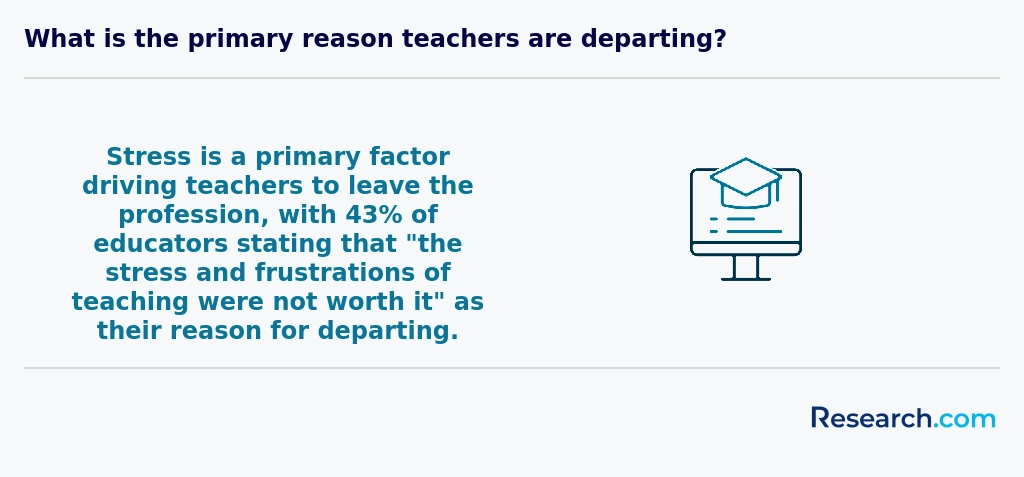
If you're wondering what career paths are available for education degree graduates in the Northeast, there's actually a lot of cool options beyond just teaching. Many grads from popular universities around here jump right into K-12 teaching roles in elementary or high schools, especially since states like New York and Massachusetts really need teachers for science or special education. It's nice to hear stories from grads who found their passion working directly with students in classrooms, feeling the satisfaction of making a difference every day.
Others take a detour into administration, becoming school principals or curriculum developers. Those roles usually come after some years teaching, but they offer a chance to shape education at a bigger level-and salaries tend to be higher. Plus, if you're more into supporting students emotionally, educational counseling and special ed services are growing fields, with many grads sharing how rewarding it is to help students overcome challenges. Education degree jobs in the Northeast also include roles in higher education administration or corporate training, giving you plenty to choose from.
For students balancing work and study, some cast a glance at a bachelor's degree fast track to get started sooner. Overall, these career opportunities for education graduates Northeast make the region a great place to launch your education journey.
If you're wondering about the education degree job outlook Northeast, things look pretty promising. Graduates from schools like Boston University or the University of Pennsylvania often find plenty of openings in both public and private schools across cities like Boston and Philadelphia. Many new teachers talk about feeling energized by the demand, especially in STEM subjects and special education, where schools are really eager to hire specially certified educators.
It's not just K-12 schools-higher education roles are also expanding, with more spots for academic advisors and counselors as college enrollment goes up. Many graduates appreciate the vibrant education community and competitive salaries, which often hover around $74,000 annually in the region, plus benefits that make a real difference.
For those thinking about studying education here, keep in mind costs can be higher than elsewhere. Public universities charge between $10,000 and $22,000 for in-state tuition, and private schools can be $40,000 or more. Still, with financial aid and loan forgiveness programs, getting your degree isn't out of reach. You might also want to check out some of the easiest online bachelor degrees if flexibility is key for you in this journey.
2027 Most Popular Education Degree Programs Ranking in the Northeast
Investing in your education is a significant decision that can shape your future, and the Research.com team recognizes the importance of making well-informed choices. To support prospective students in the Northeast, we have carefully developed the "2027 Most Popular Education Degree Programs Ranking in the Northeast." Our dedication to quality, credibility, and accuracy is demonstrated through rigorous research and thorough analysis conducted to produce this ranking.
We utilized the following reputable data sources to ensure a comprehensive evaluation of education degree programs:
By examining this ranking, readers will gain valuable insights into the most popular education degree programs in the Northeast, aiding them in making smarter educational decisions tailored to their goals. For a detailed explanation of our process, please visit our Research.com methodology page.

# 4 position
Pennsylvania State University-Main Campus
Bachelor of Science in Education

# 5 position
Pennsylvania State University-Main Campus
Master of Education (MEd)
# 6 position
Pennsylvania State University-Main Campus
Doctor of Education


# 16 position
Columbia University in the City of New York
Doctor of Education in Curriculum and Teaching


Frequently Asked Questions About education
Education degree students in the Northeast can maximize their learning by engaging deeply with both academic coursework and practical experiences. Many universities in this region, such as those in New York and Massachusetts, offer strong partnerships with local K-12 schools, providing students with hands-on teaching opportunities early in their programs. According to the National Center for Education Statistics (NCES), over 60% of education majors in the Northeast participate in these practicum experiences, which enhance classroom skills and professional readiness.
Additionally, students should take advantage of regional educational conferences and workshops to stay current on teaching strategies and policy developments. Networking with local educators and joining professional organizations like the Northeast Educational Research Association can further enrich their academic journey.
Access to diverse student populations in urban and suburban districts also helps learners develop cultural competence, a critical skill for modern educators. By combining theory with real-world application and community involvement, education degree candidates in the Northeast can strengthen their expertise effectively.
The education field in the Northeast is evolving with new, specialized niches emerging to meet modern demands. One key area is educational technology integration, where professionals develop and implement digital tools for learning. According to a 2023 report from the Northeast Education Research Consortium, roles in this niche have grown by 12% over the past five years.
Another growing area is bilingual and multicultural education, driven by increasing diversity in the region's schools. The National Center for Education Statistics notes that over 20% of students in Northeastern states speak a language other than English at home.
Special education with a focus on inclusive practices is also expanding, emphasizing support for students with diverse learning needs.
Preparing for the job market after earning an education degree in the Northeast involves a combination of practical experience, networking, and certification. Many states in this region require specific teaching licenses, so graduates should be familiar with these credentials early on. For instance, New York and Massachusetts have rigorous certification processes overseen by their Departments of Education.
Gaining student-teaching experience during your program is crucial. According to the National Center for Education Statistics, over 80% of education graduates in the Northeast complete internships or residencies, which improve employment prospects.
Networking through local education associations and attending regional job fairs can also increase chances of employment in public and private schools.
Employers in the Northeast prioritize several key skills when hiring education degree graduates. Strong communication abilities are essential, as teachers must effectively engage with students, parents, and colleagues. Critical thinking and problem-solving skills also rank highly, enabling educators to create adaptive lesson plans and address diverse classroom challenges.
According to a 2023 report from the National Center for Education Statistics, nearly 80% of school districts in the Northeast emphasize classroom management skills as a top hiring criterion. Additionally, proficiency in technology integration is increasingly important, reflecting the growing use of digital tools in education.
Collaboration skills and cultural competence are critical too, given the region's diverse student populations. Overall, a well-rounded skill set tailored to real-world classroom demands boosts employment prospects across the Northeast.
Finding internships in the Northeast for education degree students involves leveraging local resources and university career centers. Many universities, like Boston University and New York University, have partnerships with regional schools and educational organizations to provide hands-on internship opportunities.
Additionally, government programs often support internships in the public education sector. According to the National Center for Education Statistics, the Northeast region has one of the highest concentrations of public school districts, increasing potential placement sites.
Students should also explore professional networks and state education departments for listings. Online platforms dedicated to education careers can supplement this process, offering structured internships tailored to education majors.
In the Northeast, obtaining an education degree significantly enhances career mobility and advancement opportunities. According to the National Center for Education Statistics (NCES), states like New York and Massachusetts have some of the highest concentrations of educators holding advanced degrees.
Higher qualifications often correlate with better job prospects and salary increases. For example, teachers with a master's degree in education in this region typically earn 10-20% more than those with only a bachelor's degree, based on Bureau of Labor Statistics data.
Moreover, an education degree opens doors to leadership roles such as instructional coordinators, school administrators, or curriculum developers. Many school districts in the Northeast prioritize candidates with specialized certifications, which require relevant degrees for eligibility.
Overall, pursuing an education degree in the Northeast can provide measurable benefits in terms of career growth within the region's competitive educational landscape.
Studying for an education degree in the Northeast offers unique advantages for preparing students for interdisciplinary roles. Institutions in this region often emphasize collaboration across fields such as psychology, social work, and technology, allowing graduates to approach education challenges holistically.
According to the National Center for Education Statistics (NCES), many Northeast universities integrate coursework that combines pedagogy with areas like data analysis and counseling. This trend reflects the growing demand for educators skilled in multiple disciplines to address diverse learner needs.
Furthermore, partnerships between schools and community organizations in states like New York and Massachusetts provide practical experiences that foster cross-sector skills. These opportunities equip students with adaptability and problem-solving abilities relevant beyond traditional teaching roles.
Choosing between a thesis and a non-thesis education degree program in the Northeast depends on your career goals and learning preferences. Thesis programs often suit students aiming for research roles or doctoral studies, offering the chance to conduct original research. According to the National Center for Education Statistics, about 40% of graduate students in education in the Northeast enroll in thesis programs, reflecting a strong emphasis on scholarly inquiry.
Non-thesis programs tend to focus on practical skills with coursework and internships, appealing to those targeting immediate employment in teaching or administration. These programs usually demand less time to complete, making them attractive for working professionals.
Regional universities such as Harvard and Columbia offer both pathways, each with distinct curriculum structures. Researching specific program requirements and career outcomes in Northeast institutions can guide your choice effectively.
Students based in the Northeast interested in studying education abroad have several pathways through U.S. institutions offering international-focused programs. Many universities in the region, such as New York University and Boston College, provide study abroad options or dual-degree opportunities with partner schools worldwide. These programs often cover global education trends, intercultural teaching methods, and language immersion.
According to the Institute of International Education, over 20% of U.S. study abroad participants come from northeastern states, reflecting strong regional interest. Additionally, some graduate schools incorporate international practicum experiences to enhance cross-cultural competencies in education.
Financial aid and scholarships specifically for education majors studying abroad are increasingly available, easing access for students across the Northeast.
Part-time job opportunities that complement education degrees in the Northeast often align closely with the region's robust K-12 and higher education systems. Roles such as teacher's assistants, tutors, and after-school program coordinators are prevalent, especially in states like New York and Massachusetts, where education funding remains among the highest nationally according to the National Center for Education Statistics (NCES).
These positions allow students to gain practical classroom experience while pursuing their degrees. Additionally, many colleges offer research assistant roles focused on educational methods, benefiting those interested in pedagogy or policy.
Jobs within educational nonprofits and community centers also provide valuable exposure to diverse learning environments and serve approximately 1.5 million children in the Northeast.
Education students in the Northeast benefit from robust networking opportunities due to the region's dense concentration of colleges and school districts. Many universities host education-focused career fairs and workshops, connecting students with local educators, administrators, and policy makers. Organizations like the New England Educational Research Organization offer conferences where students can present research and meet professionals. According to the National Center for Education Statistics, Northeastern states enroll over 1.5 million students in higher education, supporting active alumni networks. Furthermore, partnerships between universities and nearby schools provide mentorship and practicum placements, helping students build valuable connections early in their careers.
Alumni networks offer substantial benefits to education degree students in the Northeast by providing access to professional connections, mentorship, and job opportunities. Many Northeastern institutions have active alumni groups that facilitate networking events, internships, and workshops, helping students transition from academia to careers in education. According to the National Center for Education Statistics, around 30% of graduates find employment through alumni referrals, highlighting the network's impact.
Additionally, alumni often share valuable insights about regional job markets in states like New York, Massachusetts, and Pennsylvania, where demand for qualified educators remains high. These connections can be crucial for securing positions in competitive school districts.
Finally, engagement with alumni networks enhances students' professional development by fostering long-term relationships that support ongoing career growth and collaboration.
Customizing an education degree program in the Northeast allows students to align their studies with specific career goals. Many universities offer concentrations or specializations, such as special education, curriculum development, or educational technology. This flexibility helps students gain skills relevant to their desired job roles.
Additionally, numerous institutions in the region provide opportunities for internships and partnerships with local schools, giving practical experience. According to the National Center for Education Statistics, over 40% of Northeast education programs include fieldwork components, enhancing career readiness.
Students can also choose part-time or online options, common among Northeast schools, to balance work and study while tailoring coursework. Consulting academic advisors is key to selecting classes and certifications that meet licensure requirements for specific states.
Education students in the Northeast face several notable challenges during their degree programs. One major issue is the high cost of tuition, with many institutions in states like New York and Massachusetts ranking among the most expensive nationwide, often exceeding $30,000 annually for public universities (College Board, 2023). This financial burden can increase student loan debt significantly.
Additionally, the region's dense urban centers require future teachers to develop skills for diverse and often economically disadvantaged student populations, adding complexity to their training. Many students also report difficulties securing quality field placements due to competition.
Furthermore, navigating certification requirements varies by state, complicating the process for some education majors.
With an education degree in the Northeast, you can pursue a variety of professional certifications to enhance your career prospects. Common certifications include state teaching licenses, which are required for K-12 teachers and vary by state, such as the New York State Initial Certificate or Massachusetts Initial License.
Additionally, many educators pursue National Board Certification, a respected credential that demonstrates advanced teaching skills. According to the National Board for Professional Teaching Standards, about 3,600 educators in Northeastern states have achieved this certification.
Other options include certifications in special education, ESL (English as a Second Language), and administration, which can lead to roles such as school counselors or principals. These certifications often require additional coursework and passing state exams.
Writing a winning application for an education program in the Northeast requires clear focus and preparation. Start by researching the specific program's requirements and values, as many schools in states like New York, Massachusetts, and Pennsylvania prioritize candidates with practical classroom experience or volunteer work. According to the National Center for Education Statistics, the Northeast hosts numerous accredited institutions offering graduate-level education degrees, increasing competition.
Emphasize your motivation and relevant skills in a compelling personal statement. Highlight any involvement in local education initiatives and your understanding of diverse student populations common in the region. Include strong letters of recommendation from educators familiar with your teaching potential. Finally, proofread carefully to ensure your application is professional and error-free.
Education careers in the United States, particularly in the Northeast, are increasingly viewed through a global lens. According to the National Center for Education Statistics (NCES), about 20% of public school educators in the Northeast hold advanced degrees, reflecting a commitment to high professional standards that align with international practices.
Globally, the role of educators is shifting to focus on cross-cultural skills, digital literacy, and inclusivity, trends echoed in many Northeast education programs. Institutions like Teachers College, Columbia University, incorporate global education frameworks to prepare students for diverse classrooms.
Moreover, Northeast states often participate in exchanges and collaborations that emphasize international benchmarking in curriculum and teaching quality, helping graduates compete worldwide.
Gaining practical experience while pursuing an education degree in the Northeast is essential for success in teaching careers. Many universities in this region, such as those in New York and Massachusetts, offer comprehensive student-teaching programs embedded within their curricula. According to the National Center for Education Statistics, approximately 85% of Northeast education programs require at least one semester of supervised classroom experience.
Additionally, partnerships between schools and universities allow students to engage in internships, tutoring, and classroom assistance. These opportunities enable hands-on learning, classroom management practice, and direct mentorship from experienced educators. Regional education job markets highly value this practical exposure during degree completion.
Some institutions also provide community-based service learning projects, which broaden teaching skills while addressing local education needs. Students should seek programs emphasizing field-based experiences for effective professional development.
Choosing the right concentration within an education degree program in the Northeast begins with understanding your career goals. Common concentrations include early childhood, special education, secondary education, and educational leadership. Each offers pathways to different teaching licenses recognized by state education departments in the region.
Research shows that Northeast states like New York and Massachusetts require specific certifications linked to concentrations, making it vital to align studies with licensure needs (U.S. Department of Education, 2023). Additionally, demand for special education teachers is growing by 10% annually in the Northeast according to the Bureau of Labor Statistics.
Consider local school district needs and employment trends when selecting a focus. Many universities provide resources such as academic advising to help students tailor their program to market demands and personal strengths.
See What Experts Have To Say About Studying Education
Read our interview with Education experts

Alan J. Singer
Education Expert
Professor of Teaching, Learning and Technology
Hofstra University


- Great Teaching Colleges in the Northeast https://www.collegexpress.com/interests/education/articles/becoming-teacher/colleges-great-teaching-programs-east/
- Why Is Education Important in Your Career Advancement? - KWSP Malaysia https://www.kwsp.gov.my/en/w/article/career-advancement
- Networking Tips and Advice for Students https://schoolshouldbe.com/post/networking-tips-and-advice-for-students/
- The Pros and Cons of Online Learning vs. Traditional Education https://www.sophia.org/blog/higher-education/pros-cons-online-learning-vs-traditional-education/
- Education Degree Programs at MCLA https://mcla.edu/academics/academic-departments/education/
- What else can I do with an education or teaching degree? https://targetjobs.co.uk/careers-advice/career-ideas/what-else-can-i-do-education-or-teaching-degree
- Admissions & Financial Aid - Massachusetts Association of Community Colleges https://masscc.org/financial-aid-resources/
- Education Cover Letter: 6 Steps to Write a Job-Winning One [+Example & Template] | Cake https://www.cake.me/resources/cover-letter/education-cover-letter
- The Shift From Traditional Education to Online Learning • Oxford Learning College https://www.oxfordcollege.ac/news/the-shift-from-traditional-education-to-online-learning/
- 18 Highest Paying Jobs With an Education Degree (not teaching) | Devlin Peck https://www.devlinpeck.com/content/jobs-with-an-education-degree


