
2027 Most Affordable Education Degree Programs Ranking in the West

Co-Founder and Chief Data Scientist
Choosing the right education degree can shape your future and open doors to rewarding careers. For students in the West, finding an affordable program is a smart way to invest in your goals without overwhelming debt.
This article presents the 2027 Most Affordable Education Degree Programs Ranking in the West, created by the Research.com team of data scientists. It is designed to help you make informed decisions by highlighting cost-effective and quality programs you should consider.
Explore with confidence and take a positive step toward achieving your educational aspirations.
Key benefits of getting education degree in the West
- Graduates with an education degree can earn competitive salaries, such as Elementary School Teachers with a mean annual wage of $70,740 and Instructional Designers earning around $77,200 per year, reflecting strong financial potential.
- Education degree holders from universities like the University of California have diverse career paths, including roles as Special Education Teachers or ESL Teachers, offering meaningful work with average pay up to $76,000 annually.
- Completing an education degree online from a recognized institution allows flexible scheduling and can save commuting time, helping graduates balance studies with personal commitments effectively.
- Key benefits of getting education degree in the West
- What can I expect from education degree in the West?
- Where can I work with education degree in the West?
- How much can I make with education degree in the West?
- 2027 Most Affordable Education Degree Programs Ranking in the West
- Key Findings
- How long does it take to complete education degree in the West?
- Optimizing Your Education Degree Path in the West with Flexible Options
- What's the difference between online and on-campus education degree?
- Accreditation and Certification Requirements
- What is the average cost of education degree in the West?
- Accreditation and State Licensure Requirements
- What financial aid is available to education degree students in the West?
- Advancing Your Career with Doctorate Programs in Education
- What are the prerequisites for enrolling in education degree program in the West?
- Accreditation and State Licensure for Education Graduates in the West
- What courses are typically in education degree programs in the West?
- What types of specializations are available in education degree programs in the West?
- How do you choose the best education degree in the West?
- What career paths are available for education degree students in the West?
- What is the job market for education degree in the West?
- Top Trending Education Rankings
- See What Experts Have To Say About Studying Education
What can I expect from education degree in the West?
The average cost of an education degree in the Western United States varies significantly, often shaped by the type of institution and residency status. Graduates from state universities like those in California or Washington frequently benefit from in-state tuition, which can make earning a Bachelor of Arts or Science in Education more affordable, sometimes in the range of $5,000 to $15,000 per year. This affordability, combined with scholarships and federal aid, creates a feasible path for many aspiring educators.
Community college pathways, popular among students starting their journey in education, offer an even more wallet-friendly option before transferring to a four-year program. Graduates recall how this approach eased financial pressure while still delivering strong practical training, which made the long study hours feel worthwhile.
Conversely, private institutions in the West may demand tens of thousands annually, yet graduates often express how the intensive mentorship and networking opportunities there justify the investment. The conversation around cost is not merely about dollars but about the value of the learning experience and future career prospects.
Where can I work with education degree in the West?
Graduates with education degrees from institutions like the University of California or the University of Washington often imagine themselves stepping into lively classrooms as K-12 teachers, shaping young minds in public or private schools across the West. This is a real and fulfilling path-about 70% of new teachers in California start here, immersing themselves in communities eager for passionate educators. Yet, the journey doesn't end there.
Many find themselves drawn to leadership roles, becoming principals or curriculum coordinators in schools experiencing rapid growth in Colorado or Nevada. Picture someone guiding a school's vision, inspired by data showing a 6% job increase nationwide in these roles.
Others pursue early childhood education, managing preschool programs for families needing support in Washington State, where demand is high and salaries range from $35,000 to $50,000. This work builds crucial foundations for children's futures while fostering rewarding daily connections.
Beyond schools, some graduates leverage their degrees as educational consultants or nonprofit advocates in California and Oregon, advancing literacy and youth programs-turning passion into a force for systemic change.
How much can I make with education degree in the West?
Graduates with education degrees in the Western United States often find themselves entering a rewarding career that offers both purpose and competitive earnings. For example, a recent graduate from a well-known California university, after earning a bachelor's in education, might start as an elementary school teacher with an average salary around $70,740 annually. Those who specialize, like special education teachers, often command higher salaries, averaging about $76,000 per year. This can translate to a tangible step up in financial stability, inspiring many graduates to persevere through the challenges of the program.
Graduates who pursue ESL teaching roles in vibrant, diverse communities across Washington or Oregon could anticipate salaries near $65,430, with hourly pay around $31.46-ideal for those passionate about supporting immigrant students. Early childhood educators, frequently the first educators for many children, earn an average of $41,410, reflecting meaningful but modest beginnings.
Instructional designers, often emerging from advanced programs at Western colleges, have the potential to earn around $77,200, combining creativity with technology to reshape learning environments. These figures highlight that, while salaries vary, a career grounded in education in the West can be both fulfilling and financially viable, enriching countless communities along the way.
2027 Most Affordable Education Degree Programs Ranking in the West
How do we rank schools?
Investing in your education is a significant decision that can greatly influence your future, and the Research.com team recognizes the importance of making well-informed choices. To support prospective students in the Western region, we have carefully developed the "2027 Most Affordable Education Degree Programs Ranking in the West." Our dedication to quality, credibility, and accuracy is demonstrated through thorough research and detailed analysis carried out during the ranking process.
We utilized the following reputable data sources to ensure a comprehensive evaluation of affordable education degree programs:
By consulting this ranking, readers will gain valuable insights into cost-effective education degree options in the West, enabling informed decisions that align with their academic and financial goals. For more information about how this ranking was created, please visit our Research.com methodology page.


# 5 position
University of the People
Master of Education


# 7 position
Dine College
Bachelor of Arts in Education

# 8 position
Stone Child College
Bachelor of Science in Education


# 11 position
Navajo Technical University
Bachelor of Science in Early Childhood and Multicultural Education

# 12 position
Aspen University
Doctor of Education

# 13 position
Aspen University
Bachelor of Science in Education
# 14 position
Aspen University
Master of Education
# 15 position
Western Governors University
Master of Science in Education

# 16 position
Western Governors University
Bachelor of Science in Education
# 17 position
University of Phoenix-Arizona
Master of Arts in Education

# 18 position
University of Phoenix-Arizona
Bachelor of Science in Elementary Education
# 19 position
University of Phoenix-Arizona
Doctor of Education
# 20 position
Salish Kootenai College
Master of Education in Curriculum & Instruction

Key Findings
- The cost of a bachelor's degree in education at public universities in the Western US ranges from $30,000 to $50,000 for in-state students, with out-of-state tuition 30% to 50% higher.
- Master's degree programs in education typically cost between $12,000 and $30,000 per year.
- Starting salaries for education graduates in the West range from $45,000 to $55,000, with mid-career salaries averaging $65,000 to $75,000 annually.
- Specializations like special education, STEM, and bilingual instruction are in high demand and often come with additional incentives and higher salaries.
- Accreditation by CAEP or regional bodies is important for meeting state licensure requirements and entering teaching positions more easily.
How long does it take to complete education degree in the West?
Completing an education degree in the West typically takes more time than many initially expect. At universities like the University of Washington or UCLA, graduates often share that while a Bachelor of Arts or Science in Education is designed as a four-year journey, real life frequently extends this timeframe to about 4.5 years or more due to part-time attendance, work commitments, or rich field experiences. This extension feels rewarding rather than burdensome, as it offers a deeper, more practical grasp of teaching challenges.
Graduate students, pursuing a Master of Education at institutions such as Stanford or the University of Oregon, find themselves balancing part-time study with demanding jobs, extending their programs from one year to sometimes two or three. This flexible pacing, while slower, allows for meaningful growth and specialization.
Doctoral candidates embarking on Ph.D. or Ed.D. journeys in the West embrace a multi-year commitment-often between three and seven years-marked by intense research and discovery, a path that nurtures passion and intellectual fulfillment beyond conventional expectations.
Optimizing Your Education Degree Path in the West with Flexible Options
To navigate the complexities of pursuing an education degree in the West, it's essential to maximize your options, especially when considering flexibility and affordability. For students who prefer a more accelerated pace, exploring the fastest online education degree in Colorado can provide valuable insights into programs that balance speed with academic rigor. This approach allows prospective students to weigh the benefits of quick completion against the need for comprehensive learning experiences. By doing so, they can make informed decisions that align with their career goals and personal circumstances, ultimately enhancing their employability and readiness for the dynamic educational landscape in the West.
What's the difference between online and on-campus education degree?
Choosing between online and on-campus education degrees in the West often hinges on lifestyle and learning preferences rather than just curriculum. Graduates from universities like the University of Washington share how online programs offered them the freedom to balance work and family, attending lectures from home without losing momentum in their careers. This flexibility transforms the learning experience, yet it demands personal discipline and tech-savviness to engage fully through digital platforms.
Conversely, graduates from traditional programs at institutions like California State University cherish the immersive campus environment. They emphasize the value of real-time discussions, spontaneous study groups, and hands-on teaching practica in nearby schools-experiences that online formats struggle to replicate authentically. The tactile nature of on-campus learning often fosters a passionate connection to the teaching profession that extends beyond academics.
Cost variations also shape decisions. Online students might save 15-25% in tuition as noted by WICHE, but some on-campus learners find the direct community interaction and immediate campus resources worth the premium. Reflection on these contrasts reveals that the difference is less about degree quality and more about how students envision their educational journey and personal growth in the West.
Accreditation and Certification Requirements
Ensuring your chosen education program is properly accredited and aligned with state teacher certification standards is essential for both immediate licensure and long-term career mobility. Most reputable programs in the West hold regional accreditation from bodies such as the WASC Senior College and University Commission (WSCUC) or the Northwest Commission on Colleges and Universities (NWCCU), as well as programmatic accreditation from the Council for the Accreditation of Educator Preparation (CAEP). These credentials verify that curricula meet rigorous quality benchmarks and often satisfy the prerequisite coursework for state licensure exams. Before applying, check that your institution’s curriculum covers content knowledge requirements, supervised student teaching hours, and exam preparation (e.g., Praxis Core or state-specific assessments). Accreditation status can typically be confirmed via the U.S. Department of Education’s database or the institution’s website. If you plan to teach across state lines, look for programs with reciprocal licensure agreements or additional endorsements (such as TESOL or special education) to streamline multi-state certification. For those seeking flexible pathways, many online master’s programs also hold CAEP accreditation and meet certification criteria. Prospective students who wish to compare costs and accreditation details should review our Most Affordable Online Master’s in Education Degree Programs Ranking in Arizona, which highlights programs that combine affordability with recognized accreditation. Always confirm with your state board of education that the program’s graduate outcomes align with the latest certification requirements, ensuring you graduate ready to lead in today’s diverse classrooms.
What is the average cost of education degree in the West?
The average cost of an education degree in the West challenges expectations with considerable variability based on residency and institution type. While the median total cost hovers around $45,534, in-state students benefit greatly from lower expenses, often paying approximately $12,397. Graduates from public universities in the region often recall the relief of manageable tuition that made pursuing their teaching careers feel attainable despite financial hurdles.
Examples from popular institutions such as the California State University system reveal a more optimistic picture when factoring in scholarships and grants, which reduce net costs significantly for many education majors. It's not unusual for students committed to teaching in high-need areas to receive tuition waivers that ease the economic burden and make these degrees more affordable. This evolving landscape invites prospective students to reconsider traditional assumptions about the average cost of education degree programs in the West.
Beyond tuition, many graduates describe the impact of ancillary expenses like books, supplies, and living costs, which add layers to the education journey but also enrich the experience through practicum and student teaching opportunities. These real-life engagements often extend study time but deepen professional readiness and emotional fulfillment.
For students weighing their options, exploring financial aid inspired numerous stories of overcoming obstacles. One particularly hopeful pathway lies in identifying programs such as those that offer the fastest online education degree in Colorado, where flexibility and cost-efficiency combine to create accessible routes to certification.
Embracing these factors helps clarify the affordable education degrees total cost Western US students can realistically expect while reminding them that the investment is not merely financial but profoundly transformational.
Accreditation and State Licensure Requirements
Before enrolling in any Education degree program in the West, it’s crucial to verify both institutional accreditation and state-specific licensure pathways. Regional accreditation-such as from the Western Association of Schools and Colleges (WASC)-ensures that your degree meets rigorous academic standards and is recognized by employers and certification bodies. Additionally, each state has its own teaching license requirements: • California (CA): Candidates must complete an accredited teacher preparation program approved by the California Commission on Teacher Credentialing (CTC), pass the CBEST (Basic Skills) and CSET (Subject Matter) exams, and fulfill a 2-year induction period. • Washington (WA): Prospective teachers must graduate from an approved program, pass the WEST-E exam in their endorsement area, and complete a mentoring plan through the Office of Superintendent of Public Instruction (OSPI). • Oregon (OR): Applicants need a TSPC-approved degree, successful completion of PRAXIS II, and a supervised teaching internship, after which they apply for a Standard Teaching License from the Teacher Standards and Practices Commission. • Arizona (AZ): Aspiring educators must earn a degree from an accredited institution, complete a state-approved preparation program, and pass the A.R.E. (Arizona Educator Evaluations) exams. For those exploring advanced pathways, consider our Most Affordable Online Master’s in Education Degree Programs Ranking in Arizona to find programs that seamlessly integrate licensure support and cost-effective tuition. Understanding these accreditation and licensure benchmarks not only streamlines your path to the classroom but also bolsters your career mobility across Western states. Always confirm that your chosen program explicitly lists state approval and offers exam-prep resources to maximize your likelihood of successful certification.
What financial aid is available to education degree students in the West?
Students pursuing education degrees in the West often navigate a maze of financial aid options that can transform the affordability of their studies. At renowned institutions like the University of California or the University of Washington, graduates recall how the TEACH Grant was a game changer-providing up to $4,000 annually in exchange for a commitment to teach in high-need areas, turning idealism into tangible support. Many also rely on the Pell Grant, which offers up to $7,395 yearly to students facing financial challenges, removing some of the burden without adding debt.
State programs, such as California's Cal Grant or the College Bound Scholarship in Washington, feel like lifelines, rewarding both residency and merit, supporting dreams grounded in the realities of tuition costs that can double for out-of-state learners. Financial struggles become manageable when campuses match these with scholarships and assistantships, anchored in academic excellence or community dedication.
Federal Direct Student Loans, work-study opportunities, and loan forgiveness through programs like PSLF also provide crucial pathways to reduce long-term financial stress, allowing future educators to focus on their passion rather than just bills.
Advancing Your Career with Doctorate Programs in Education
For educators seeking elevated career trajectories, pursuing a doctoral degree in education represents a strategic investment in long-term professional success. A doctorate not only deepens expertise in research, policy analysis, and advanced pedagogical practices but also positions graduates to assume leadership roles in academic institutions, school systems, and education-related organizations. Doctoral candidates benefit from engaging in rigorous research projects, collaborative initiatives, and evidence-based strategies that can transform educational practices. Furthermore, many institutions now offer flexible online doctorate options designed to accommodate full-time professionals, blending advanced theory with practical application. Prospective students can explore rankings of the best online doctorate in higher education programs to find programs that align with their career goals and schedule. By leveraging these advanced opportunities, educators can not only expand their influence in the field but also contribute innovative perspectives that drive educational reform and excellence.
What are the prerequisites for enrolling in education degree program in the West?
Enrolling in an education degree program in the Western United States demands more than just meeting baseline academic requirements-it calls for a genuine commitment demonstrated through several meaningful prerequisites. Graduates from well-known public universities often recall how their competitive high school GPA, typically between 2.5 and 3.0, opened doors, but it was their personal statements that truly set them apart, reflecting passion and purpose. Many found that submitting letters of recommendation capturing their dedication made the difference, especially when pursuing graduate degrees requiring a minimum 3.0 GPA.
Beyond academics, the necessity of background checks highlights a heavier responsibility: protecting children's trust. This often surprises newcomers, but graduates appreciate how this step reinforces the honor in becoming an educator.
Volunteer experiences, such as tutoring or classroom assisting at regional colleges, are frequently cited as transformative, helping students connect theory with real-world impact. These prerequisites in the West shape educators ready to inspire and adapt in dynamic schools.

Accreditation and State Licensure for Education Graduates in the West
Obtaining a degree from an accredited institution is the cornerstone of qualifying for teacher licensure and ensuring smooth transferability of credits across Western states. Regional accreditation bodies such as the Western Association of Schools and Colleges (WASC) evaluate the rigor and quality of education programs, providing assurance to employers and licensure boards that graduates meet established standards. When selecting a program, verify that it holds both institutional accreditation and specialized accreditation from the Council for the Accreditation of Educator Preparation (CAEP), as this dual recognition is often required for state certification. State licensure requirements vary across the West, with common elements including completion of approved coursework, supervised student teaching hours, and successful performance on content and pedagogy examinations such as the California Basic Educational Skills Test (CBEST) or the Arizona Educator Proficiency Assessments (AEPA). For example, California candidates must complete 600 hours of fieldwork plus an approved teacher preparation program, while Arizona mandates a minimum of 30 credit hours in a teacher preparation curriculum coupled with passing scores on both the AEPA content exam and the AEPA professional knowledge exam. Understanding these nuances early can help aspiring educators tailor their program choices to meet specific state benchmarks. For graduate students seeking flexibility without compromising accreditation standards, our Most Affordable Online Master's in Education Degree Programs Ranking in Arizona showcases fully accredited online pathways recognized by Arizona’s Department of Education and approved for teacher certification. These programs integrate digital practicums and virtual mentorship, ensuring that remote learners complete the requisite supervised teaching experiences. By prioritizing accredited programs aligned with state licensure guidelines and preparing for standardized assessments well in advance, education graduates in the West can streamline their path to certification, secure competitive teaching positions, and confidently support diverse learner populations across the region.
What courses are typically in education degree programs in the West?
Education degree programs in the West challenge students to rethink what teaching truly means, starting with core courses like Educational Psychology, where graduates from universities such as the University of Washington often reflect on how understanding cognitive development reshaped their classroom approaches. Curriculum Development courses push students to craft lesson plans that resonate with varied learner backgrounds, a skill deeply valued by those studying at institutions like UCLA.
Instructional Strategies and Classroom Management are more than theory; they become lived experiences as students share stories of managing dynamic classrooms during their internships, often facilitated by schools like Stanford. These courses teach adaptability and creativity, essential for today's diverse Western classrooms.
Assessment and Evaluation classes encourage future educators at places like the University of Oregon to critique traditional testing practices and explore fairer measures of student success. Many also embrace courses in educational technology and inclusion, vital in regions rich with multicultural populations, where graduates express pride in fostering equity for all learners.
What types of specializations are available in education degree programs in the West?
In the Western United States, education degrees offer a rich variety of specializations that challenge the notion of a one-size-fits-all path in teaching. Graduates from popular universities often share how Elementary and Secondary Education tracks ignite their passion for shaping young minds, whether nurturing curious kindergartners or inspiring high schoolers in specific subjects like math or English. These degrees are more than academic exercises-they actively prepare students for the realities of dynamic classrooms across the West, where diverse student populations demand adaptive teaching strategies.
The emphasis on affordable education degree specializations in the West is evident among students who choose special education to support those with unique learning challenges. These educators highlight the fulfillment found in creating personalized instruction plans, reflecting a growing statewide need. Others pursue Educational Leadership, stepping into principal or administrator roles, feeling empowered to influence entire schools from places like Oregon or Washington's top programs.
Many also explore curriculum design, early childhood education, and TESOL, each offering a distinct way to impact the future of learning. For those balancing career growth with flexibility, it's worth reviewing the rankings of the best online doctorate in higher education programs, which accommodate evolving schedules without sacrificing quality.
How do you choose the best education degree in the West?
Choosing the best affordable education degrees West requires more than simply picking a well-known school. Graduates from universities like the University of Washington or California State University often reflect on how accreditation by bodies like WASC shaped their confidence in program quality, which proved invaluable during licensure exams. Many recall the personal relief of accessing robust financial aid packages-without which their educational journeys would have felt daunting and inaccessible.
Curriculum alignment is also key. Graduates from programs in Oregon emphasize how specializing in educational leadership or special education matched their passion and unlocked career satisfaction. Recognizing that tuition at private institutions can soar near $35,000 versus $9,500 at some public colleges, mindful students often find themselves evaluating cost alongside program reputation. Those balancing work and studies praise flexible online or hybrid options, which create space for real life while advancing goals.
For those looking specifically to stretch their budget, the Most Affordable Online Master's in Education Degree Programs Ranking in Arizona offers valuable direction. Such resources empower students to make decisions grounded in real financial and career impacts rather than hype.
What career paths are available for education degree students in the West?
Graduates with an education degree in the West often find themselves navigating a diverse landscape of career paths beyond the traditional classroom. Many secure roles as certified teachers in high-demand subjects like STEM or bilingual education, especially in states such as California and Washington where shortages persist. Others, having studied at renowned institutions in the region, pursue educational administration careers in major districts like Los Angeles Unified, shaping policies and school cultures through leadership roles.
Exploring beyond typical teaching jobs reveals exciting opportunities in curriculum design and educational technology-fields requiring creative problem-solving and tech proficiency. Graduates from universities known for their education programs often feel fulfilled contributing to innovative e-learning platforms or district-wide curriculum improvements. The breadth of teaching and education jobs in Western states encourages graduates to consider these less conventional but impactful roles.
For those drawn to higher education or non-school education sectors, positions such as academic advisors or community education coordinators offer meaningful impact at state universities or nonprofits. Considering the cost of education, prospective students may want to explore options like the Most Affordable Online Master's in Education Degree Programs Ranking in Arizona to balance ambition with affordability.
What is the job market for education degree in the West?
The education degree job outlook West is shaped by unique regional dynamics that often challenge the assumptions of steady employment. Graduates from institutions like the University of Washington or Stanford University find themselves navigating a landscape where urban centers such as San Francisco and smaller rural communities present very different realities. Many education students report excitement about working in diverse classrooms enriched by bilingual and special education needs, which heightens demand beyond traditional teaching roles. This diversity invites educators to become more adaptable and innovative.
Teaching careers employment opportunities West are also influenced by state-level initiatives. For example, California's loan forgiveness programs and salary supplements encourage graduates to stay in the region despite high living costs. Those completing programs at universities like UCLA often explore administrative or counseling roles, recognizing that the career path extends well beyond the classroom. Prospective students might consider how a one year online masters can boost their qualifications and open doors to such advances.
Frequently Asked Questions About education
Education degree students in the Western United States can maximize their learning experience by actively engaging in both academic and practical opportunities. Research from the National Center for Education Statistics (NCES) shows that students who participate in internships or student teaching placements typically outperform peers in understanding real-world classroom dynamics. Additionally, leveraging campus resources such as tutoring centers, study groups, and faculty office hours can enhance comprehension of complex education theories and methods.
West Coast institutions, including public universities, often emphasize bilingual education and culturally responsive teaching, reflecting regional demographics. Students should seek programs aligned with these strengths to prepare for diverse classrooms. Furthermore, universities accredited by the Council for the Accreditation of Educator Preparation (CAEP) generally provide higher-quality training, which benefits graduate employability. Staying informed about state certification requirements and continuously practicing reflective teaching can also increase success during and after the degree program.
Emerging niches within the education field in the Western US reflect a growing demand for specialized skills. One notable area is educational technology, driven by the rise in digital learning platforms. According to the Western Interstate Commission for Higher Education (WICHE), enrollment in education technology-related programs has increased by over 20% in recent years.
Another growing niche is bilingual and multicultural education, addressing the needs of diverse student populations, especially in states like California and Washington. Programs focusing on special education and mental health support are also expanding rapidly due to heightened awareness of student well-being.
Finally, leadership and administration tracks are gaining interest as school districts seek qualified professionals to navigate evolving educational policies and equity issues.
To prepare for the job market after completing an education degree in the Western US, graduates should focus on gaining practical experience through student teaching and internships. According to the National Center for Education Statistics, 80% of education graduates in the West secure jobs within six months when they have relevant classroom experience.
Networking is also essential. Joining local teaching associations or attending regional job fairs can connect candidates with potential employers. Additionally, maintaining relevant certifications, such as state teaching licenses, is critical for employment.
Continuing professional development through workshops and online courses can enhance employability in a competitive market.
Employers in the Western United States prioritize several key skills in graduates with education degrees. Strong communication abilities are essential, enabling future educators to effectively engage with students, parents, and colleagues. According to the National Center for Education Statistics (NCES), over 80% of K-12 schools in the West emphasize classroom management as a critical skill for new teachers.
Critical thinking and problem-solving skills also rank highly, helping educators adapt to diverse learning needs and challenges. Additionally, technological proficiency is increasingly important, especially given the integration of digital tools in modern classrooms reported by the Western Interstate Commission for Higher Education.
Finally, cultural competency stands out as a vital skill because of the West's diverse student populations, where inclusivity promotes better educational outcomes.
Finding internships relevant to an education degree in the Western US involves several strategic steps. Many universities in states like California, Oregon, and Washington partner with local school districts to offer pre-service internships as part of their education programs. According to the National Center for Education Statistics, over 85% of education students in the West participate in practical experiences during their studies.
Students should begin by consulting their college's career services and education department advisors who maintain listings of district partnerships. Additionally, websites such as Handshake and state education department portals often advertise internship openings specifically for education majors.
Networking with local educators and attending education fairs can also expand internship opportunities. Finally, students must ensure internships meet state certification requirements, as Western states often require a minimum number of practicum hours for teacher licensure.
An education degree in the Western United States significantly enhances career mobility and advancement opportunities. According to the National Center for Education Statistics (NCES, 2023), educators with at least a bachelor's degree often experience faster job placement and higher earning potential compared to those without formal credentials. Additionally, advanced degrees such as a master's or doctorate can open doors to leadership roles, including administration and specialized instruction.
The U.S. Bureau of Labor Statistics indicates employment growth for education professionals in the West is projected at 5% through 2031, exceeding the national average. This trend reflects expanding school districts and the need for qualified teachers and education specialists.
Moreover, many states in the West require licensure that mandates a degree from an accredited program, making such qualifications essential for career progression. Thus, a formal education degree is a critical asset for upward mobility in the region's competitive job market.
Studying for an education degree in the Western United States often emphasizes interdisciplinary training, equipping students with skills beyond traditional teaching. Programs integrate knowledge from psychology, technology, sociology, and communication to address diverse learning environments. According to the Western Interstate Commission for Higher Education (WICHE), nearly 65% of education graduates engage in interdisciplinary coursework to better prepare for evolving educational roles.
Many Western universities encourage collaboration with other departments, such as special education or educational technology. This approach prepares students to work in varied settings, including policy development, counseling, and administration. It reflects the growing demand for educators who can adapt and innovate across multiple fields.
When deciding between a thesis and a non-thesis education degree in the Western U.S., students should consider their career goals and time commitment. Thesis programs require original research and a formal dissertation, ideal for those planning to pursue a doctorate or academic roles. Non-thesis options often emphasize coursework and practical experience, appealing to professionals aiming for administrative or teaching positions.
Typically, thesis degrees take longer-about two to three years-while non-thesis degrees may be completed in 18 to 24 months. According to the National Center for Education Statistics, nearly 40% of master's education students in the West select non-thesis tracks, reflecting a preference for flexibility and workforce readiness.
Financial considerations also matter; thesis programs might afford research assistantships, reducing costs. However, for many, non-thesis programs offer quicker access to employment without the need for intensive research. Prospective students should weigh these factors carefully in relation to their professional ambitions.
Students based in the Western United States seeking education degrees abroad often consider programs in Canada and Mexico, both offering quality and accessible options. Canadian universities, such as the University of British Columbia and Simon Fraser University, provide education degrees recognized for strong research and teaching credentials. Tuition for international students tends to range from $20,000 to $40,000 CAD annually, according to Universities Canada.
In Mexico, institutions like the National Autonomous University of Mexico (UNAM) offer reputable education programs at lower costs for Western students, with tuition fees typically falling below $5,000 USD per year. Studying abroad also provides opportunities to experience diverse teaching methodologies and bilingual education settings, enhancing future career prospects in the US.
Students pursuing education degrees in the Western United States often seek part-time jobs that enhance both their skills and resumes. Common roles include teacher's aides, tutoring positions, and childcare assistants. These jobs provide hands-on experience with children and classroom management, crucial skills for future educators.
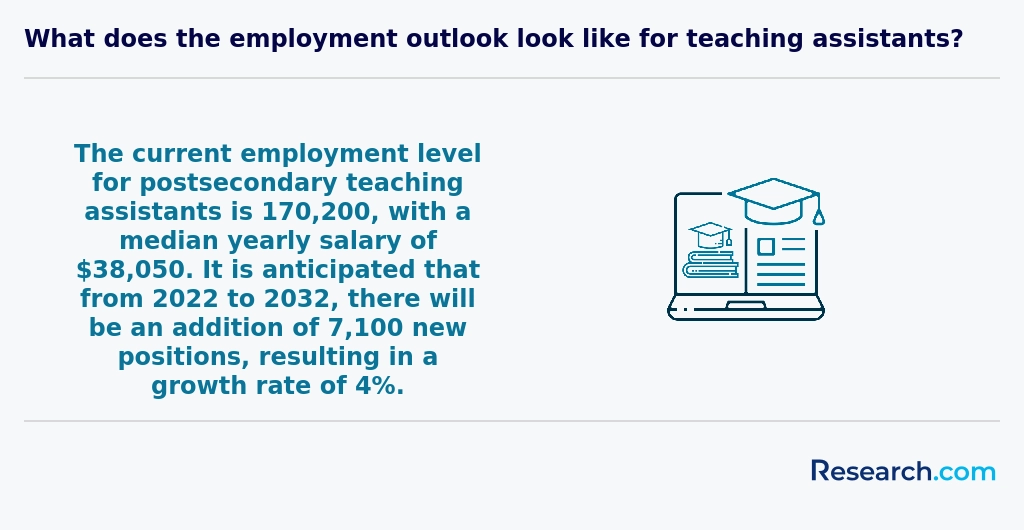
According to the U.S. Bureau of Labor Statistics, teacher assistant roles in Western states like California and Washington are expected to grow by about 8% from 2022 to 2032, reflecting ongoing demand.
Campus-based positions such as peer mentors or student instructors also offer opportunities to develop instructional skills while balancing study commitments.
Additionally, many students find part-time work in after-school programs or educational nonprofits, aligning with career goals while earning income during their studies.
Education students in the Western United States benefit from several robust networking opportunities crucial for career growth. Universities often host education-specific job fairs and networking events, connecting students with school districts and educational organizations. For example, the California Teachers Association and Washington Education Association organize annual conferences attracting thousands of educators, fostering valuable professional relationships.
Many Western schools also encourage students to join specialized student organizations like the Future Educators Association, which offers workshops, mentorship, and community outreach programs. Additionally, local and state education departments frequently provide internship placements and student teaching experiences, further expanding professional networks.
According to a 2023 report by the National Center for Education Statistics, over 70% of education graduates in the West secured jobs through contacts made during their studies, highlighting the importance of these networking channels.
Alumni networks play a crucial role for education degree students in the Western U.S. by providing valuable career support and connections. According to the National Center for Education Statistics, nearly 85% of graduates find job opportunities through personal or professional networks.
These networks help students access job openings in K-12 schools, educational nonprofits, and administration roles, which are often not publicly advertised. Alumni also offer mentorship, sharing insights on career paths and teaching strategies tailored to the Western education system.
Additionally, events and workshops organized by alumni groups enhance professional development and lifelong learning, improving employment outcomes and salary prospects for education graduates.
Customizing an education degree program in the Western United States allows students to align their studies with career ambitions. Many universities offer flexible curricula where students can select specializations such as special education, curriculum development, or educational technology. According to the Western Interstate Commission for Higher Education (WICHE), over 70% of education programs in this region provide elective courses tailored to emerging fields.
Students often combine core education theories with applied practices through internships or practicum experiences. This hands-on approach strengthens skills relevant to specific roles like teaching, administration, or counseling. Additionally, some institutions enable students to pursue dual degrees or add endorsements, increasing job market competitiveness.
Financial aid and advising services help learners map degree plans strategically, optimizing time and resources to meet professional goals efficiently.
Education students in the Western United States often face financial challenges. According to the Western Interstate Commission for Higher Education (WICHE), tuition and fees continue to rise faster than inflation, making affordability a major concern. Many students balance part-time jobs alongside demanding coursework to cover living expenses.
Another typical challenge is access to quality fieldwork placements. Limited availability of local schools for student teaching creates competition, sometimes forcing travel to distant districts. This adds time and cost burdens.
Students also report difficulty managing the workload, which includes not only academic study but also practicum hours and preparation for state certification exams. The combination can be stressful, impacting mental health.
Finally, adapting to new education technologies and digital learning platforms adds technical demands that some students find hard to navigate without proper support.
With an education degree in the West, many professionals pursue certifications to enhance their careers. Common options include obtaining a teaching credential, which is essential for public school teaching in states such as California, Oregon, and Washington. According to the California Commission on Teacher Credentialing, over 70,000 teaching credentials were issued between 2021 and 2023.
Other certifications include administrative credentials for school leadership roles, like principal or superintendent certification. These typically require a master's degree plus passing state exams.
Special education certification is another popular route, qualifying educators to teach students with disabilities. Additionally, many pursue National Board Certification, a voluntary advanced credential recognized across the US.
When applying to education degree programs in the Western US, a clear and focused personal statement is crucial. Admissions committees look for candidates who demonstrate a genuine passion for teaching and a strong understanding of educational challenges. Highlight relevant experiences, such as volunteering, tutoring, or internships, to showcase commitment.
Include specific goals that align with the program's strengths. According to the Western Interstate Commission for Higher Education (WICHE), well-crafted applications often emphasize leadership potential and cultural awareness, essential traits for educators today.
Ensure all academic records are accurate and submit strong letters of recommendation from professors or employers familiar with your skills. Meeting deadlines and following application instructions thoroughly are equally important to a competitive submission.
The global perspective on an education career highlights its growing importance amid evolving social and technological landscapes. In the West, especially the United States, education degrees remain highly valued for those seeking roles in teaching, administration, and policy. According to the National Center for Education Statistics (NCES), nearly 1.5 million students were enrolled in education programs at U.S. colleges in 2022, reflecting steady demand.
Internationally, educators trained in Western institutions are often recognized for strong pedagogical foundations. However, global trends emphasize adaptability, cultural competence, and digital literacy as essential skills. The U.S. Department of Labor projects a 5% growth for kindergarten and elementary school teachers through 2031, indicating sustained career opportunities.
Additionally, Western education degrees often align with licensure requirements, enabling graduates to work both locally and globally. The increasing focus on inclusive education and technology integration suggests that education professionals will play critical roles worldwide.
Gaining practical experience while pursuing an education degree in the Western United States is essential for career readiness. Many universities incorporate student teaching or practicum placements as required components of their programs. According to the California Commission on Teacher Credentialing, students typically complete between 12 to 16 weeks of supervised classroom experience during their studies.
In addition, internships with local schools and educational organizations provide opportunities to apply theory in real settings. Western states often partner with K-12 schools to support hands-on learning. Volunteering and assistant roles in afterschool programs can further complement formal experiences. Accessing these opportunities helps students build professional networks and develop classroom management skills before graduation.
Choosing the right concentration within an education degree program in the Western US involves assessing your career goals and the local job market. Common concentrations include elementary education, special education, and educational leadership. According to the California Postsecondary Education Commission, special education programs remain in high demand due to statewide teacher shortages.
Research regional employment trends via state labor departments to identify needs in K-12 schools or higher education. Consider program accreditation and how well it prepares students for California's or Washington's teaching credential requirements. Many Western universities provide flexible pathways aligned with state standards, which is vital for licensure.
Evaluate your personal interests, whether working with young children, supporting students with disabilities, or managing educational institutions. Taking advantage of faculty expertise and available internships can also clarify the best specialization for your goals.
Top Trending Education Rankings
See What Experts Have To Say About Studying Education
Read our interview with Education experts


Nooshan Ashtari
Education Expert
Professor & Book Author
University of Southern California

References
- What else can I do with an education or teaching degree? https://targetjobs.co.uk/careers-advice/career-ideas/what-else-can-i-do-education-or-teaching-degree
- Where Do College Degrees Still Matter in a “Skills-First” Job Market? - Indeed Hiring Lab https://www.hiringlab.org/2026/01/28/where-do-college-degrees-still-matter-in-a-skills-first-job-market/
- Teacher Certification & Licensure https://www.teachingdegrees.com/certification
- 10 Reasons Why Education Helps to Advance Your Career https://insight.edu.au/blog/career-advancement-through-education/
- Study Education & Teaching at university: All you need to know https://www.study.eu/article/study-education-and-teaching
- Colleges That Offer Complete Financial Aid https://www.collegeessayguy.com/blog/colleges-that-offer-complete-financial-aid
- Teacher Career Pathways: K-12 vs. Higher Education - Graduate Programs for Educators https://www.graduateprogram.org/blog/teacher-career-pathways-k-12-vs-higher-education/
- Working in Ed Tech: How to Identify Your Niche and Build Relevant Skills https://www.highfivepartners.com/blog/working-in-ed-tech-how-to-identify-your-niche-and-build-relevant-skills
- Cost of College by Country [2025]: Average Tuition Fees https://educationdata.org/average-cost-of-college-by-country
- Finding Networking Opportunities as a Student | National Society of High School Scholars https://www.nshss.org/resources/blog/blog-posts/how-to-find-networking-opportunities-as-a-student/


