
2027 Most Popular Education Degree Programs Ranking in Jersey City

Co-Founder and Chief Data Scientist
Choosing the right education degree program can shape a fulfilling and impactful career. For students in Jersey City, this decision is easier with reliable, up-to-date insights.
This article features the 2027 Most Popular Education Degree Programs Ranking in Jersey City, created by the Research.com team of data scientists. Their thorough analysis provides a clear view of which programs stand out in today's market.
By exploring this ranking, you'll gain valuable information to help pick a program that fits your goals and passions. Pursuing an education degree opens doors to rewarding opportunities that make a real difference.
Key benefits of getting education degree in Jersey City
- Graduates with an education degree in Jersey City can expect competitive salaries, such as $76,000 for Special Education Teachers and $77,200 for Instructional Designers, making it a rewarding career choice.
- Career paths vary widely, from becoming an Early Childhood Educator to an ESL Teacher, offering diverse opportunities tailored to your passions and skills.
- Obtaining an education degree online from a local university provides flexibility and convenience, allowing you to balance studies with work or family commitments without sacrificing quality.
- 2027 Most Popular Education Degree Programs Ranking in Jersey City
- What can I expect from education degree in Jersey City?
- Where can I work with education degree in Jersey City?
What can I expect from education degree in Jersey City?
Paying for an education degree in Jersey City typically feels like unlocking a door rather than hitting a wall-costs generally hover between $10,000 and $20,000 per year at public institutions for in-state students. Imagine a graduate from New Jersey City University juggling coursework and student teaching placements while accessing federal aid and state grants tailored just for future educators. This financial support turns daunting tuition figures into manageable stepping stones.
These students often share how the investment feels worth every penny when they land teaching roles in vibrant Jersey City classrooms soon after graduation. The blend of theory, state-aligned standards, and hands-on experience feels like a carefully crafted recipe for success, especially when partnered with scholarships designed to ease the burden.
Visualize yourself walking through the doors of NJCU, confident in the knowledge that the numbers aren't just tuition fees-they're passes to mentor-guided fieldwork, real-world classroom challenges, and ultimately, a fulfilling career in education within your own community.
Where can I work with education degree in Jersey City?
Graduates with an education degree in Jersey City often find themselves stepping into bustling classrooms within the Jersey City Public Schools, where over 29,000 eager minds await guidance. Imagine standing in a vibrant elementary school in the city, shaping young futures in STEM or nurturing bilingual learners, roles that are always in demand according to the New Jersey Department of Education. Many alumni from Hudson County Community College or New Jersey City University share stories of landing specialized teaching jobs in charter or Montessori schools, where creativity and tailored curricula fuel their passion.
Others dive into early childhood education, joining daycare centers or preschool programs filled with laughter and discovery, perfectly timed with Jersey City's growing young population. Community organizations like the YMCA provide a different rhythm-graduates run after-school programs and mentor youths, weaving education into the city's urban tapestry. For those craving a twist on teaching, positions as school counselors or instructional coaches offer new challenges, often unlocked through advanced certifications inspired by college experiences. The proximity to NYC also means tech-savvy grads peek beyond classrooms, working with education policy groups or ed-tech startups bridging Jersey City to the wider metropolis.
Graduates from education programs in Jersey City find themselves stepping into a world where salary figures dance in encouraging rhythms. Imagine finishing your degree at a local institution and landing a spot as an elementary school teacher earning around $70,740 a year - a solid foundation for a fresh start in the urban education landscape.
Special education teachers here don't just teach; they pioneer and earn accordingly, boasting average salaries near $76,000, reflecting their extra skills and dedication in classrooms where every lesson can change a life. Early childhood educators, a crucial part of the Jersey City framework, earn about $41,410, a number that grows with experience and passion.
If you're tempted by the creativity of curriculum design or instructional roles, expect to earn around $77,200 annually, a figure that rewards your behind-the-scenes magic in shaping future minds. ESL teachers, integral in diverse Jersey City schools, average $65,430, blending communication skills with cultural empathy.
Your dreams align beautifully with these figures, where nearby universities and colleges nurture your growth and reflect this earning potential, making your education degree not just a certificate, but a passport to rewarding opportunities amid the city's vibrant energy.
- Tuition for education bachelor's degrees in Jersey City typically ranges from $15,000 to $25,000 per year for in-state students.
- Starting salaries for education graduates in Jersey City are around $50,000 annually, with potential growth to $65,000-$70,000 after 5 to 10 years.
- The local job market is strong, especially in early childhood, special education, and STEM teaching roles across public, charter, and private schools.
- Many programs include pathways to state teacher certification and offer supervised student-teaching opportunities within the community.
- Advanced degrees and continuing education options are available, which can improve career prospects and salary potential.
- Financial aid opportunities are important to consider, as they can greatly impact the overall cost of education degrees.
Picture yourself walking through the bustling halls of New Jersey City University, juggling late-night study sessions and excited chatter about upcoming student teaching assignments. Here, earning a bachelor's degree in education typically stretches across four full-time years, weaving together foundational courses and hands-on classroom experiences that ignite your passion for teaching.
Some graduates recall balancing part-time classes alongside their day jobs, stretching their journey past the standard timeline but embracing every challenge with determination. For those hungry to dive deeper, a master's degree adds another one to two years, often blending into busy lives through accelerated or part-time formats tailored by local schools.
Venturing into a doctorate, like an EdD or PhD, opens a longer, winding path of three to six years. It's a marathon of research, dissertations, and discovery that only the most committed education adventurers embark on.
Local nuances matter, too: the New Jersey Department of Education requires significant fieldwork-over 600 supervised hours-which colors your semesters with real-world classrooms, not just textbooks.
In order to teach in Jersey City’s public schools, candidates must obtain certification through the New Jersey Department of Education. First, aspiring teachers complete an approved educator preparation program at an accredited institution, meeting coursework and supervised practicum requirements. Next, applicants must pass the Praxis Core Academic Skills for Educators exams (reading, writing and mathematics) and the Praxis Subject Assessments or edTPA portfolio, as specified by their certification area. A criminal background check and fingerprinting through the NJDOE are mandatory before entering the classroom. Once all requirements are met, candidates apply for a Standard Instructional Certificate, valid for five years, and then apply for the Permanent Certificate after three years of successful teaching and continuing education credits. Alternative routes-such as the Provisional Certificate for career changers with a bachelor’s degree-require completion of an alternate route program and passing the same certification examinations. To reduce tuition costs while meeting program requirements, prospective educators may review our Most Affordable Online Education Degree Programs Ranking in the South, which highlights accredited online pathways offering flexible scheduling and lower fees. Continuous professional development, including workshops, in-service training, and graduate coursework, is essential for recertification and leadership endorsements in areas such as administration or special education.
Graduate students at New Jersey City University often describe on-campus education degrees as vibrant ecosystems bustling with the energy of real-time interactions. Picture sitting in a sunlit classroom, exchanging ideas with peers or gaining hands-on experience at a nearby school-these are the moments that spark confidence and deep connection. Saint Peter's University students treasure the access to libraries and labs where the tactile sense of learning amplifies theory into practice.
Conversely, online education students in Jersey City embrace a world untethered by geography or schedules, juggling family life or full-time jobs while progressing through asynchronous video lessons and virtual discussions. Imagine finishing an assignment from your cozy living room or tuning into a lecture during a lunch break; flexibility turns what once seemed impossible into achievable milestones.
Both paths carry a distinct rhythm-on-campus pulses with immediacy and community, while online flows with adaptable freedom. Yet, whether it's the lively campus vibe or the personalized pace of remote study, Jersey City students find their unique way to teaching success.
. Pursuing a career in education can be a highly rewarding experience, offering a sense of personal fulfillment and the opportunity to make a positive impact on future generations. For those interested in exploring the most popular education degree options, visiting our page on most popular education degree can provide valuable insights into the diverse range of programs available. Many education graduates find that their careers are not only personally satisfying but also financially rewarding, with median salaries ranging from $38,640 for early childhood educators to $73,080 for instructional designers. The journey to becoming an educator involves more than just academic preparation; it requires a deep passion for teaching and a commitment to inspiring young minds. As the educational landscape continues to evolve, the demand for skilled and dedicated educators remains high, making a career in education a stable and meaningful choice for those who are passionate about making a difference.
The average cost of pursuing an education degree in Jersey City weaves together the fabric of real student experiences with the financial reality of today's academic institutions. In this bustling urban landscape, graduates who studied at New Jersey City University or nearby Hudson County Community College often reflect on tuition burdens around $42,552 for in-state students and about $51,052 for those coming from out-of-state, giving a clearer picture beyond just yearly fees. This median total cost covers the rich journey through classrooms, lesson plans, and student teaching adventures that shape Jersey City education students' futures.
Imagine a student strolling through NJCU's campus, balancing part-time jobs and coursework, comforted by community college credits that cushioned their wallet early on. These costs aren't just numbers-they represent late nights preparing lessons, excitement after acing certification exams, and the hopeful feeling after receiving financial aid packages. And for many, the allure of private local schools, though pricier-ranging up to $45,000 annually-feels like an investment in their dream career.
The total tuition and fees for education degree Jersey City residents face might initially seem daunting, but it's a path peppered with scholarships and support. Those seeking a detailed guide on the most reputation and accessible programs can explore the most popular education degree options, helping anchor their aspirations amidst cost considerations and local opportunities.

When evaluating an education degree in Jersey City, prospective students must consider the balance between tuition costs and long-term earning potential. With average annual tuition ranging from $9,750 at public institutions to $38,421 at private colleges, the payback period can vary significantly based on career path. For example, early childhood educators earning a mean salary of $38,640 may recoup their investment in roughly one to two years if they choose an in-state public program, whereas instructional designers with a $73,080 mean wage often see faster returns, especially when leveraging specialized certifications. A cost-benefit analysis shows that graduates entering high-demand roles-such as ESL teaching and instructional design-can expect a shorter ROI timeline, often between 1.5 and 3 years. Conversely, those pursuing advanced administrative positions or educational consulting may face longer payback periods of 3 to 5 years, depending on initial salary offers and regional demand. When planning finances, it’s crucial to factor in living expenses, loan interest rates, and potential salary growth over time. For students seeking cost‐effective alternatives without compromising academic quality, our Most Affordable Online Education Degree Programs Ranking in the South highlights programs with lower tuition, flexible formats, and strong support services. By comparing these options against local offerings, candidates can optimize their investment and accelerate their career advancement. Ultimately, understanding ROI empowers future educators to choose programs that align with both their financial goals and professional aspirations. A transparent assessment of tuition, earning forecasts, and scholarship opportunities will ensure that an education degree in Jersey City becomes a strategic, value-driven decision.
Imagine starting your journey toward an education degree in Jersey City with the Federal Pell Grant cushioning your dreams-awarding up to $7,395 annually without needing to pay it back. Many graduates from New Jersey City University have breathed easier knowing this federal lifeline helped them focus on lesson plans rather than loan payments. FAFSA unlocks this door, connecting you to grants, loans, and even work-study gigs peppered across campuses.
Walking the halls of Saint Peter's University, some education students feel the steady support of the New Jersey Tuition Aid Grant (TAG), which adapts to their financial picture like a custom-made scholarship, easing the cost burden year after year. It's like a silent partner cheering them on as they prep to inspire the next classroom.
Additionally, institutional scholarships and local employer tuition reimbursements in Jersey City provide vibrant pathways where education majors can weave their passion into practical support, turning ambition into opportunity in real time.
Education graduates in Jersey City have a wealth of career paths they can explore beyond traditional classroom teaching. Many alumni have successfully transitioned into roles such as curriculum developers, instructional coordinators, educational consultants, and even leadership positions in school administration. These diverse pathways underscore the importance of continuous professional growth and skill refinement. A significant number of graduates also leverage their education background to branch into emerging fields such as educational technology and library science. For instance, some professionals complement their teaching expertise by pursuing further studies in library science, enhancing their ability to manage educational resources and information systems. For those interested in expanding their interdisciplinary skills, you might explore our list of affordable online library science masters degrees-an excellent resource to help diversify your career opportunities. Successful career stories often highlight key factors such as continued education, networking, and practical experience. Embracing mentorship programs and professional development workshops can further help graduates navigate the evolving job market and secure roles that align with their passions. Whether aiming for a classroom role or seeking a position in educational leadership, understanding the variety of career options available enriches your decision-making process and sets the stage for long-term success.
Dreaming of an education degree in Jersey City? It all begins with that trusty high school diploma or GED-the golden ticket that once held by many hopeful graduates from Newark or Jersey City State, sparked their journey into classrooms filled with eager minds. The bar generally sits around a steady 2.5 GPA, but institutions like New Jersey City University often see applicants shining through glowing recommendation letters and heartfelt personal statements, revealing their passion through stories of mentoring younger siblings or volunteering in vibrant community centers.
Test scores like the SAT or ACT still matter for some, though many schools now embrace a test-optional vibe, letting your real-life dedication take center stage. If you're aiming higher, say for a Master of Education at Montclair State University, expect to bring a bachelor's degree in hand, a solid 3.0 GPA, and maybe even a GRE score, all paired with professional experiences that dance vividly in interview rooms.
In Jersey City, prerequisites aren't just about paperwork-they're a mosaic of your commitment, dreams, and a glimpse of the inspiring teacher you're destined to become.
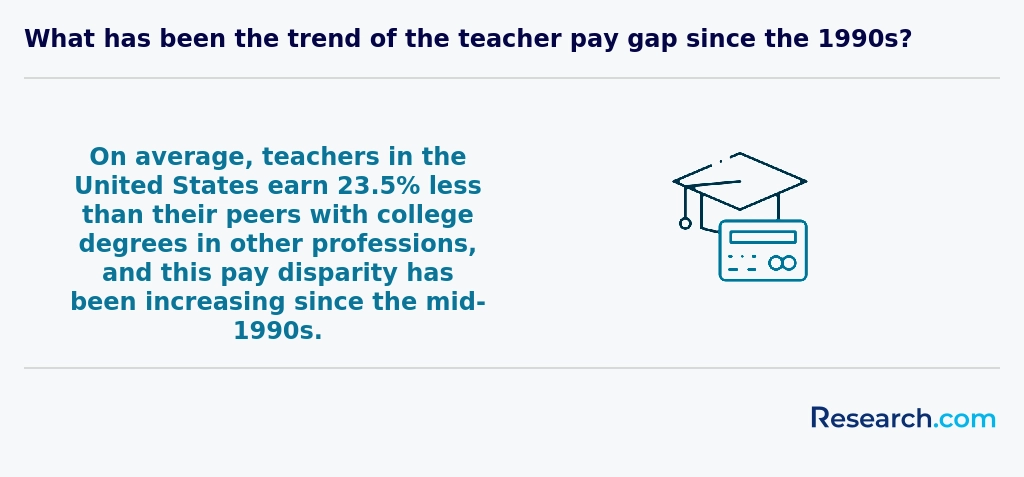
Investing in an Education degree is not only about passion-it’s about measurable returns. On average, graduates from Jersey City institutions carry $30,000–$35,000 in student loan debt. With early childhood educators earning around $38,640 annually and instructional designers making up to $73,080, most students recoup their investment within 5–7 years of entering the workforce. Factoring in additional income from master’s degrees-where salaries can increase by 20%–30%-the payback period shortens significantly. To maximize ROI, consider program formats and tuition costs. For instance, online programs often charge 15%–25% less per credit hour than on-campus equivalents, while offering the same accreditation standards. Prospective students should compare net costs by subtracting average financial aid awards (up to $9,000 per year) from gross tuition. A tool like the Most Affordable Online Education Degree Programs Ranking in the South can help identify budget-friendly options without sacrificing quality. Beyond salary metrics, intangible benefits-such as alumni networking, professional development workshops, and mentorship opportunities-also contribute to long-term career growth. Graduates often report receiving promotions within three years, thanks to specialized skills acquired during student teaching and coursework in curriculum design. By aligning program costs, expected salaries, and career goals, students can ensure their Education degree delivers both personal fulfillment and a strong financial return.
Imagine diving into a vibrant classroom at New Jersey City University where you unravel the mysteries of Educational Psychology, discovering how young minds tick and bloom. Graduates often recall moments when theory met reality-like crafting lesson plans that click because of courses in Curriculum Development. These aren't dry lectures; they're lively workshops molding future urban educators ready to meet Jersey City's rich cultural tapestry.
Instructional Technology courses transform laptops and smartboards into magic wands that captivate diverse learners, while Classroom Management classes teach the art of fostering harmony amid the hustle of a busy city school. Many students share how their Assessment and Evaluation training gave them the confidence to use data wisely, ensuring every student's progress sings a unique success story.
Jersey City education degrees blend these core pillars with specialized insights into urban diversity and inclusive teaching, preparing grads to embrace and uplift every child they encounter in the city's dynamic public schools.
Diving into education degree specializations in Jersey City feels like unlocking a treasure chest of learning directions, each tailored to shape diverse classroom heroes. Graduates from local institutions often share how Elementary Education prepared them with a toolkit of patience and creativity, ready to inspire eager minds from kindergarten to fifth grade. Imagine walking the halls of New Jersey City University, where these hands-on skills bloom in vibrant classrooms.
For those drawn to teenage minds, Secondary Education opens doors to becoming a math or science mentor, responding to the rising demand for STEM teachers highlighted by the New Jersey Department of Education. A graduate recalled the thrill of applying real-world STEM teaching strategies in local Jersey City schools, blending theory and dynamic practice seamlessly.
Special education, another jewel in Jersey City education degree concentration options, invites future educators to become champions for students with unique needs. The meaningful connections formed through student teaching here underscore why 15% of New Jersey's student population thrives thanks to these specialists. Some graduates took this passion further, exploring leadership roles to shape entire schools, supported by programs in Educational Leadership.
Many turn their love for early learning into careers focused on children from birth to age eight, embracing Early Childhood Education to nurture foundations for lifelong growth. Financially savvy students choose programs mindful of tuition costs, often exploring a list of affordable online library science masters degrees to combine interests in education and information sciences.
Choosing from the best education degree programs Jersey City has to offer means stepping into a vibrant, real-world classroom before you even graduate. Picture graduating from New Jersey City University, stepping into a nearby diverse school district, where the colorful bustle of students mirrors your own journey. It's not just about theory; your degree becomes a passport to hands-on experiences that shape your teaching style and confidence.
Affordability often whispers in the ears of hopeful students navigating tuition labyrinths. Graduates frequently recall juggling work and studies, grateful for affordable education degrees in Jersey City that don't demand sacrificing their dreams. Local universities strike a balance between cost and quality, making these programs an attractive launchpad rather than a financial weight.
If flexibility is your north star, many programs cater to working students with adaptable schedules and solid support networks. Before you commit, check out resources focused on education majors such as scholarships or tutoring. To explore more about accessible options, see the Most Affordable Online Education Degree Programs Ranking in the South for innovative pathways into teaching careers.
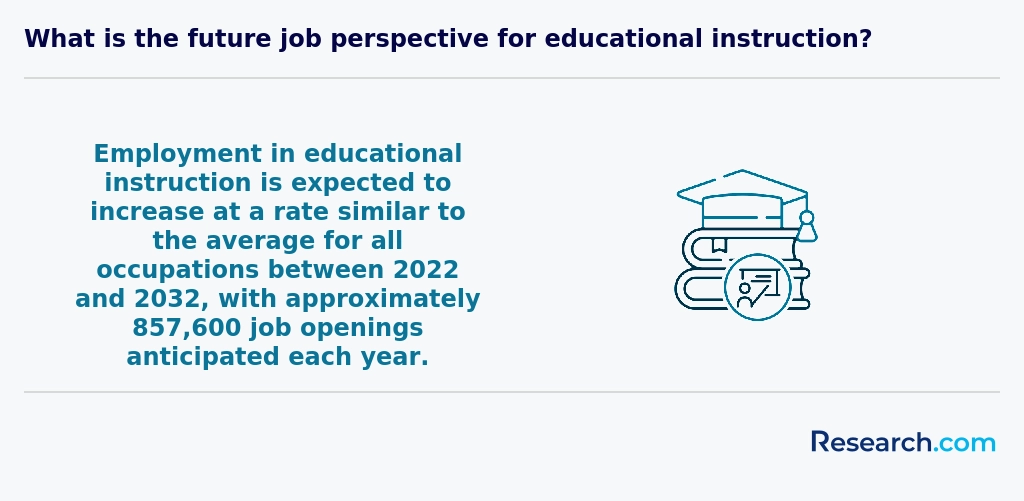
Graduates with an education degree in Jersey City find themselves stepping into a vibrant, ever-evolving landscape of careers where passion meets purpose. Imagine starting as a classroom teacher in Jersey City Public Schools, shaping young minds with the same energy that echoes through Hudson County Community College's lively campus halls. But the journey doesn't stop there; many graduates evolve into special education teachers, embracing the rewarding challenge of tailoring lessons to diverse learning needs.
Others channel their skills into guiding futures as school counselors, often fueled by advanced studies at institutions like Saint Peter's University. The city's education scene also welcomes instructional coordinators who design dynamic curricula that resonate in classrooms, or education administrators at New Jersey City University, skillfully balancing leadership within bustling urban schools. For those inspired by community impact, roles as adult education instructors or leaders in local programs offer fulfilling paths. When exploring options, students sometimes discover surprisingly flexible choices among easy bachelor degrees, keeping their dreams within reach amid Jersey City's supportive educational ecosystem emphasizing education career opportunities in Jersey City.
Every step is a chance to join a network relentlessly advocating for growth, innovation, and meaningful change-the heartbeat of jobs with education degree in Jersey City.
The job market for education degree job opportunities Jersey City offers a vibrant stage where passion meets purpose. Graduates from local universities often find themselves stepping into classrooms within Jersey City Public Schools, energized by the city's dedication to expanding early childhood education and inclusive special education programs. One graduate recalls the thrill of joining a bustling elementary school where the demand for math and science teachers is ever-present, reflecting the city's commitment to strengthening core academic foundations.
Jersey City's tightly knit educational community buzzes with opportunities not only in teaching but also in educational administration. Schools here eagerly seek fresh talent to support evolving mandates and diversity initiatives. This steady demand brings hopeful anticipation, making an education degree from a Jersey City institution a gateway to meaningful and rewarding careers. For those concerned about cost, exploring affordable masters degrees can ease the financial path toward such fulfilling roles.
Looking at the Jersey City teaching career outlook, many graduates share stories of smooth transitions from campus to classroom, driven by steady employment growth and competitive salaries starting around $53,000. This blend of opportunity and community energy transforms education degrees in Jersey City into investments that resonate far beyond the diploma.
2027 Most Popular Education Degree Programs Ranking in Jersey City
Investing in your education is a significant decision that can shape your future, and the Research.com team understands the importance of making informed choices. To assist prospective students in Jersey City, we have meticulously crafted the "2027 Most Popular Education Degree Programs Ranking in Jersey City." Our commitment to quality, credibility, and accuracy is reflected in the extensive research and analysis conducted to compile this ranking.
We utilized the following reputable data sources to ensure a comprehensive evaluation of education degree programs:
By exploring this ranking, readers will gain valuable insights into the most popular education degree programs in Jersey City, helping them make informed decisions about their academic and career paths. For more details on our methodology, please visit our Research.com methodology page.


Frequently Asked Questions About education
Education degree students in Jersey City can maximize their learning experience by taking advantage of local resources and practical opportunities. Engaging with the diverse community through field placements in nearby public and private schools enriches understanding of varied student needs. Jersey City, with over 30 public schools, provides numerous options for hands-on teaching experience, which is critical to professional growth. Additionally, students should utilize academic support services offered by institutions accredited by the Middle States Commission on Higher Education, ensuring a quality curriculum aligned with national teaching standards. Networking with local educators and participating in workshops further enhances skill development and career readiness.
Emerging niches within the education field in Jersey City reflect broader national trends shaped by technology and diversity needs. One rapidly growing area is educational technology, which integrates digital tools and platforms to enhance learning experiences. According to the National Center for Education Statistics, jobs in this field are expected to grow by 15% through 2030.
Another important niche is special education, especially focused on inclusive teaching strategies for diverse learners. Jersey City's schools emphasize bilingual education, creating demand for educators skilled in dual language immersion. Career opportunities also arise in educational leadership with an emphasis on equity and community engagement. These areas offer promising paths for prospective education students in Jersey City.
Preparing for the job market after completing an education degree in Jersey City involves several important steps. Graduates should first pursue New Jersey teacher certification, which requires passing the Praxis exams and completing background checks. According to the New Jersey Department of Education, having this certification significantly improves employment prospects in local public schools.
Building professional experience through student teaching or internships arranged by Jersey City colleges is essential. Networking with local school districts, such as Jersey City Public Schools-which serves over 30,000 students-can open opportunities for entry-level teaching positions.
Additionally, staying informed about market demands, such as the increasing need for special education teachers, can help graduates target their job search more effectively.
Employers in Jersey City highly value education degree graduates who demonstrate strong communication and classroom management skills. According to local school district reports, nearly 85% of hiring managers prioritize candidates capable of adapting lessons to diverse student needs. Proficiency in educational technology is also essential, with a growing number of schools integrating digital tools into curricula.
Analytical and critical thinking abilities help graduates assess and improve teaching strategies effectively. Additionally, collaborative skills are important as educators often work in teams to develop school programs. Understanding New Jersey state education standards and policies further strengthens a candidate's prospects in the competitive Jersey City job market.
Finding internships in Jersey City for education degree students involves leveraging local school districts, universities, and community organizations. The Jersey City Public Schools system often partners with nearby colleges for student teaching opportunities, which are essential for hands-on experience. Institutions like New Jersey City University offer internship placements as part of their education programs, providing connections to local elementary and secondary schools.
The Hudson County area is active in educational initiatives, with over 30 public and private schools that frequently accept interns. Online platforms such as Handshake and local career centers also list internship openings specifically for education majors. Early engagement and networking within these resources increase chances of securing valuable placements.
Obtaining an education degree in Jersey City significantly enhances career mobility and advancement opportunities, particularly within the city's diverse and growing school systems. According to the New Jersey Department of Education, educators with advanced degrees or certifications often qualify for higher salary tiers and leadership roles such as department heads or curriculum specialists.
Jersey City's public schools increasingly prioritize candidates with formal education credentials due to state licensing requirements and federal funding incentives. An education degree provides foundational knowledge and teaching skills that are essential for adapting to diverse classroom settings common in the city's urban environment.
Furthermore, graduates with education degrees can pursue positions beyond traditional teaching, including administrative roles and educational policy. These roles typically require advanced education and professional experience, showcasing the degree's role in supporting career growth. National studies by the Bureau of Labor Statistics indicate that educators holding bachelor's or higher degrees experience lower unemployment rates and higher job stability, a trend reflected locally in Jersey City's education sector.
Studying for an education degree in Jersey City offers unique preparation for interdisciplinary roles by combining diverse academic subjects with hands-on teaching experience. Local universities emphasize collaboration between education, psychology, and technology, equipping students to work effectively across fields. For example, programs often include coursework in child development, communication, and digital literacy, reflecting the needs of modern classrooms.
Jersey City's diverse population allows education students to gain real-world experience in multicultural environments, an important skill in interdisciplinary work. According to the New Jersey Department of Education, nearly 50% of educators in the region hold credentials that support cross-disciplinary roles.
This practical and theoretical mix ensures graduates are prepared to adapt and lead in various educational settings.
Choosing between a thesis and a non-thesis education degree program in Jersey City depends largely on your career goals and learning preferences. Thesis programs generally require original research and are suited for students aiming for academic or research careers. Non-thesis programs focus more on practical skills and coursework, ideal for those seeking immediate employment or career advancement in educational settings.
According to data from the National Center for Education Statistics, many New Jersey universities offer both options to accommodate diverse student needs. Thesis tracks often demand more time and a strong commitment to research methodologies, while non-thesis programs may be completed faster.
Jersey City students should also consider faculty expertise and available resources when deciding. Local institutions sometimes provide specific support for thesis projects, which can enhance research quality. Understanding these factors helps make an informed choice aligned with your professional ambitions.
Students in Jersey City interested in studying education abroad have several options through partnerships with U.S. institutions. Many local universities, including New Jersey City University, offer study abroad programs enabling education majors to gain international experience while earning credits. These programs often focus on comparative education, teaching methodologies, and cultural immersion.
Additionally, students can participate in exchange programs with universities in countries such as the United Kingdom, Australia, and Spain. These countries are popular destinations for education degrees due to their strong teacher training frameworks.
Financial aid and scholarships are often available, helping Jersey City students manage costs associated with overseas study.
Part-time job opportunities in Jersey City that complement education degree studies are diverse and practical for gaining relevant experience. Many education students find roles as teacher aides or paraprofessionals in local schools, which helps develop classroom management and instructional skills. According to the New Jersey Department of Education, over 80 public schools operate within Hudson County, offering ample positions for support staff.
Additionally, tutoring services are in demand, especially for K-12 students, providing hands-on experience with lesson planning and student assessment. Community centers and after-school programs also hire part-time education assistants, allowing students to engage with children in informal learning environments.
These roles not only enhance résumés but also offer networking opportunities with district educators, an asset for future certification and employment.
Education students in Jersey City have access to multiple networking opportunities due to the city's proximity to New York City and its active academic community. Institutions like New Jersey City University offer events, workshops, and career fairs specifically for education majors, connecting students with local school districts and educational organizations.
The local education sector frequently hosts conferences and seminars where students can meet experienced educators and administrators. According to NCES data, Jersey City schools employ over 5,000 teachers, making it a substantial local network for internships and mentorships.
Additionally, professional groups such as the Jersey City Education Association organize meetings that promote collaboration and career growth for students seeking teaching roles in the region.
Alumni networks provide significant benefits to education degree students in Jersey City by fostering connections with experienced professionals in the field. These networks often offer mentorship programs, career guidance, and exclusive job opportunities within local school districts and educational institutions.
According to the National Association of Colleges and Employers, graduates who engage with alumni networks report a 25% higher rate of early career employment success. In Jersey City, where education-focused workplaces range from public schools to community programs, these relationships help students navigate the local job market effectively.
Furthermore, alumni often contribute to professional development workshops and networking events, enhancing students' skills and expanding their practical knowledge. This peer support system plays a crucial role in building confidence and securing employment after graduation.
Customizing your education degree program in Jersey City involves selecting concentrations, electives, and practical experiences that align with your career goals. Many local institutions, such as New Jersey City University, offer flexible curricula allowing you to focus on areas like special education, educational leadership, or curriculum development.
Internship opportunities within Jersey City schools enable real-world experience, critical for roles in teaching or administration. According to the National Center for Education Statistics, programs in New Jersey emphasize hands-on training and personalized advising, which helps tailor your studies.
Additionally, some programs offer evening or online classes to accommodate working professionals seeking advancement without interrupting their careers.
Education students in Jersey City often face challenges related to balancing coursework with fieldwork requirements. Many programs mandate extensive clinical experiences in local schools, which can be difficult to schedule alongside classes. According to the New Jersey Department of Education, about 40% of candidates report time management as a significant hurdle.
Another common issue is navigating state certification exams. Passing the Praxis tests is necessary to become licensed teachers in New Jersey, and students frequently require additional preparation due to the exams' rigor. Data from the National Center for Education Statistics indicates that the pass rate for first-time test takers in New Jersey hovers around 75%, demanding sustained effort by candidates.
Finally, financial constraints represent a notable barrier. Jersey City has a diverse population with many students relying on financial aid, yet rising tuition and living costs can strain budgets. The Urban Institute reports that over 50% of students at public institutions in the area qualify for Pell Grants, highlighting economic challenges faced within the education student community.
With an education degree, professionals in Jersey City can pursue several valuable certifications that enhance their career prospects. One common path is obtaining a state teaching certification through the New Jersey Department of Education, which is essential for K-12 classroom teaching.
Other popular certifications include the Certified Teacher Leader credential, available to experienced educators seeking leadership roles. Additionally, professionals can pursue specialized certifications such as the Reading Specialist or English as a Second Language (ESL) endorsements.
National certifications like the National Board for Professional Teaching Standards (NBPTS) can further validate expertise. According to New Jersey education reports, certified teachers often experience higher employment rates and salary benefits in the region.
Writing a winning application for an education program in Jersey City requires focus on key components. Start with a clear personal statement explaining your passion for teaching and your career goals. Highlight any relevant experience, including volunteer work or internships within local schools. Admissions committees in New Jersey often value community engagement and practical knowledge.
Include strong academic records-many programs look for at least a 3.0 GPA. Jersey City applicants should emphasize understanding of urban education challenges, as local programs often address these specifically. According to the New Jersey Department of Education, programs in the state prioritize cultural competency and classroom management skills.
Letters of recommendation are essential. Choose references who can attest to your dedication and suitability for the education field. Also, ensure you meet any state-specific certification requirements if your goal is to become a licensed teacher in New Jersey.
Globally, careers in education are recognized for their critical role in shaping societies and fostering growth. In the United States, including Jersey City, education professionals are in steady demand due to ongoing efforts to improve learning outcomes and equity. According to the U.S. Bureau of Labor Statistics, employment of teachers is projected to grow 5% from 2021 to 2031, reflecting consistent need.
Internationally, education careers emphasize cultural awareness and adaptability, skills increasingly valuable in diverse urban settings like Jersey City. Higher education institutions there often integrate global perspectives into their programs, preparing graduates to meet local and international challenges.
For students pursuing education degrees in Jersey City, understanding global trends enhances their ability to contribute effectively in various educational environments. This broad perspective is essential for careers in teaching, administration, and educational policy.
Gaining practical experience while studying for an education degree in Jersey City is critical for career readiness. Many local colleges and universities partner with nearby public and charter schools, offering student teaching placements and internships. These opportunities allow students to work directly with experienced educators in diverse classrooms.
Additionally, Jersey City benefits from initiatives supported by the New Jersey Department of Education, promoting hands-on training through supervised field experiences. According to the New Jersey Higher Education Student Assistance Authority, over 70% of education students in the metropolitan area complete their clinical hours locally, enhancing their practical skills.
Volunteering in after-school programs or tutoring centers in Jersey City further complements formal practicum requirements and deepens community engagement.
Choosing the right concentration within an education degree in Jersey City depends largely on your career goals and interests. Popular concentrations include early childhood education, special education, and educational leadership. According to the New Jersey Department of Education, demand for special education teachers in Jersey City is projected to grow by 8% over the next decade.
Additionally, consider the programs offered by local institutions such as New Jersey City University, known for robust teacher preparation tracks. Understanding the specific needs of Jersey City's diverse student population can also guide your choice.
Research local job markets and licensing requirements to align your concentration with professional opportunities.
- 2027 Most Popular Education Degree Programs Ranking in Philadelphia
- 2027 Most Popular Education Degree Programs Ranking in Wilkes-Barre
- 2027 Most Popular Education Degree Programs Ranking in Springfield
- 2027 Most Popular Education Degree Programs Ranking in Dover
- 2027 Most Popular Education Degree Programs Ranking in Providence
- 2027 Most Popular Education Degree Programs Ranking in Worcester
- 2027 Most Popular Education Degree Programs Ranking in Baltimore
- 2027 Most Popular Education Degree Programs Ranking in Cambridge
- 2027 Most Popular Education Degree Programs Ranking in Washington
- 2027 Most Popular Education Degree Programs Ranking in Pittsburgh
See What Experts Have To Say About Studying Education
Read our interview with Education experts

Alan J. Singer
Education Expert
Professor of Teaching, Learning and Technology
Hofstra University

Nooshan Ashtari
Education Expert
Professor & Book Author
University of Southern California

- Teacher of Global Perspectives (IGCSE) https://www.scie.com.cn/jobs-global-perspectives/
- Education Study Abroad Programs | Go Overseas https://www.gooverseas.com/study-abroad/education
- Is a thesis always mandatory in a master's degree program? - EFMU: The Euler-Franeker Memorial University and Institute https://euler.euclid.int/is-a-thesis-always-mandatory-in-masters-degree-program/
- Online Learning vs Traditional Learning Comparison https://advantagesschool.com/online-learning-vs-traditional-learning/
- How to Build Work Experience While Studying - EN Global Education Ltd https://englobaleducation.co.uk/how-to-build-work-experience-while-studying/
- Can Higher Education Improve Long-Term Career Success https://studysphereadvisors.com/how-higher-education-influences-long-term-career-growth/
- Promising Niches in the Global EdTech Landscape - Blog https://rocketech.it/blog/post/global-edtech-landscape-what-niches-are-the-most-promising
- How To Write A Great Cover Letter For Teacher Training - Engage Education https://engage-education.com/blog/how-to-write-a-great-cover-letter-for-teacher-training/
- Secondary Education-Teacher Certification, M.A.T. https://catalog.njcu.edu/graduate/education/elementary-secondary/secondary-education-teacher-certification-mat/
- Our Cause - Jersey City Public Schools Foundation https://jcpublicschoolsfoundation.org/our-cause/


