
2027 Most Affordable Online Master's in Education Degree Programs Ranking in Oregon

Co-Founder and Chief Data Scientist
Choosing the right online master's in education program can feel overwhelming, especially with so many options available in Oregon. This article introduces the 2027 Most Affordable Online Master's in Education Degree Programs Ranking in Oregon, created by the Research.com team of data scientists. It's designed to help you make an informed decision about which programs truly stand out in affordability and quality.
By exploring this ranking, you'll discover accessible and valuable pathways to advance your career. Earning your education degree can open doors and bring rewarding opportunities, making the journey worthwhile.
Key benefits of getting online education degree in Oregon
- Education degree graduates in Oregon can expect strong salaries, such as Education Managers earning around $129,330 annually and Curriculum Specialists around $77,200, highlighting attractive financial rewards.
- Graduates often pursue careers in teaching, program management, or consulting, with many finding success after attending well-known Oregon institutions like Portland State University.
- Online education degrees offer flexible scheduling and accessibility, allowing students to balance work and study while benefiting from the same quality education as traditional programs, as seen in graduates from Oregon State University's online offerings.
- 2027 Most Affordable Online Master's in Education Degree Programs Ranking in Oregon
- What can I expect from online education degree in Oregon?
- Where can I work with online education degree in Oregon?
What can I expect from online education degree in Oregon?
The average annual in-state tuition for online education master's degrees in Oregon ranges from approximately $8,000 to $15,000, making these programs relatively affordable compared to private options. Graduates from institutions like Oregon State University Ecampus frequently remark on the value of their investment, noting how the competitive pricing enabled them to pursue advanced qualifications without excessive financial strain. These affordable tuition rates support working professionals who balance jobs and family responsibilities while advancing their careers.
Students appreciate that universities such as Southern Oregon University offer quality curricula that meet state licensure requirements, ensuring their coursework is recognized for teaching or administrative roles. For example, a graduate might complete practicum hours locally, combining theory with hands-on experience in their own community, which enhances learning relevance and job readiness.
The combination of solid academic standards, practical training, and manageable cost creates a positive, motivating environment. Many students feel empowered by the accessibility of these programs, which open doors to career advancement in Oregon's steadily growing education sector.
Where can I work with online education degree in Oregon?
Graduates with an online education degree in Oregon frequently secure positions as public school teachers, a sector employing over 35,000 licensed educators statewide as of 2023. Many find rewarding roles in districts that actively recruit candidates from accredited online programs aligned with Oregon's licensure standards.
Some alumni transition into administrative roles such as instructional coordinators or school principals, responding to a projected 6% growth in education administration jobs by 2030, according to the Oregon Bureau of Labor and Industries. This reflects the state's investment in educational leadership at both K-12 and postsecondary levels.
Higher education also attracts graduates from institutions like Portland State University and the University of Oregon, where many work as academic advisors or faculty members. These universities recognize regionally accredited online degrees, offering graduates credible pathways to fulfilling careers.
Beyond traditional schools, education graduates find exciting opportunities with educational technology firms and nonprofits focused on literacy and youth. Graduates often express enthusiasm about contributing to innovative, hybrid learning environments shaping Oregon's education landscape.
Graduates with an online education degree in Oregon can expect competitive salaries reflecting their level of education and professional role. For example, a graduate working as a Curriculum Specialist-an accessible career path after completing education programs at institutions like Oregon State University-can anticipate a mean annual wage around $77,200 according to U.S. Bureau of Labor Statistics (BLS) data.
Those advancing into managerial roles see higher compensation. An Education Program Manager in Oregon earns a mean salary near $104,920, while Education Managers reach even higher, with an average annual wage of approximately $129,330. These figures align with the experiences of graduates who have leveraged their degrees for leadership roles within district education offices or college administration.
Higher education professor roles also offer solid earnings, with a mean annual wage of $96,570. Graduates pursuing faculty positions at universities such as Portland State University report rewarding career growth, blending their passion for teaching with strong financial stability.
Overall, earning an online education degree in Oregon opens doors to a variety of roles where individuals can expect salaries ranging from the mid-$70,000s to over $120,000, fostering confidence and a positive outlook on their professional future.
- Tuition for online education master's degrees in Oregon public universities ranges from $25,000 to $35,000, with private schools sometimes charging over $40,000.
- Oregon residents usually pay less than out-of-state students for online programs.
- Starting salaries for education professionals in Oregon average between $45,000 and $55,000 per year, increasing to $60,000-$80,000 with experience.
- Education jobs in Oregon are expected to grow by about 4% through 2030, fueled by rising student enrollment and demand for qualified educators.
- Many online programs meet Oregon Teacher Standards and Practices Commission requirements, aiding graduates in obtaining state educator licenses.
- Oregon institutions offer advanced digital learning platforms that support flexible online study, especially benefiting students in remote or underserved areas.
Completing an online education degree in Oregon typically takes between 1.5 and 3 years, depending on factors such as enrollment status and program structure. Graduates from institutions like Oregon State University and the University of Oregon often share experiences of finishing the degree in about two years when enrolled full-time. This duration aligns with the national average and matches the expectations set by Oregon's public universities.
Some students opt for part-time study to balance work and family, extending their timeline up to three years or longer. These flexible options provide relief for those juggling multiple responsibilities, making the process feel achievable rather than overwhelming. Meanwhile, accelerated tracks are available at some universities, allowing highly motivated students to finish in as little as 12 to 18 months by taking heavier course loads each term.
Students appreciate that programs offering asynchronous classes and summer courses enable timely progress. Positive graduates often mention that thoughtful planning and utilizing available summer terms helped them complete their degrees efficiently while maintaining job commitments.
On-campus education degree programs in Oregon, such as those at the University of Oregon, require students to attend classes in person, offering face-to-face interaction with professors and peers. Graduates recall the energizing experience of real-time discussions and easy access to campus resources, which fosters a strong sense of community and networking opportunities. In contrast, online programs-like the master's degrees offered by Oregon State University-allow students to study flexibly from home, balancing coursework with jobs or family obligations. Online learners appreciate being able to access lectures anytime, which reduces the stress of rigid schedules.
Cost differences are subtle; both formats often carry similar tuition fees, averaging about $11,000 annually for Oregon residents. However, online students save on commuting and housing expenses. Both pathways maintain regional accreditation, ensuring employer recognition. Field experiences, essential for education degrees, are coordinated locally for online students, making practical training feasible despite distance.
The average cost of an online education degree in Oregon reflects a balance between accessibility and quality, with a median total cost around $18,800. Public universities such as Oregon State University and the University of Oregon offer some of the more affordable online master's in education programs Oregon residents value, with in-state tuition rates generally near $17,680. These programs typically require between 30 and 45 credit hours, translating into a manageable tuition range that helps many graduates feel confident about their investment in education.
Graduates from these institutions often highlight the positive impact of Oregon's in-state tuition rates combined with flexible online delivery, which allows them to balance work, family, and study commitments. While private institutions might charge upwards of $35,000 for a similar degree, many students report obtaining merit-based scholarships that ease their financial burden, making higher education more attainable.
Students consider not only tuition but also modest additional fees and necessary expenses like technology and course materials, which together amount to a few hundred to a couple thousand dollars on top of tuition. The overall package offers value, especially when factoring in reduced commuting costs and time savings.
Prospective students should also explore other educational pathways, including careers you can purse via trade schools, to find options best aligned with their career goals and budget constraints.

Students pursuing online education degrees in Oregon access a variety of financial aid sources to manage costs, which average between $15,000 and $30,000 annually nationwide. Federal aid, primarily through FAFSA, remains a cornerstone-enabling eligibility for Pell Grants, which many Oregon residents receive based on financial need without repayment obligations.
State-level support includes the Oregon Opportunity Grant, Oregon's largest need-based award, which some education students leverage to reduce tuition costs at institutions like Oregon State University and the University of Oregon. Graduates recall these grants easing their financial burdens significantly, allowing them to focus on coursework rather than debt.
Institutional scholarships targeting education majors, especially those enrolled online, provide vital supplemental aid. Additionally, teacher-specific scholarships and loan forgiveness programs reward commitments to underserved or rural Oregon districts, enhancing both access and motivation.
- Federal Direct Loans with low-interest rates and flexible repayment
- Employer tuition reimbursement programs supporting current Oregon educators
- Private scholarships from organizations such as the Oregon Teachers Association
These combined options create a financial framework that many online education students find empowering and practical as they advance their careers.
Enrolling in an online education degree program in Oregon generally requires a bachelor's degree from an accredited institution, ensuring you meet a foundational academic standard. Graduates from Oregon State University and University of Oregon report that submitting official transcripts confirming undergraduate completion is a straightforward yet essential step.
A minimum GPA of around 3.0 on a 4.0 scale is typically expected, aligning with the competitive standards of Oregon's public universities. Students often feel encouraged by this benchmark, knowing it reflects their consistent academic effort.
While GRE scores are less commonly requested, some programs may ask for them unless you have relevant professional experience, which can waive this requirement. Many applicants find their practical experience in education fields valued, easing admission processes.
Additional prerequisites include letters of recommendation from professors or supervisors, a compelling personal statement sharing career goals, proof of Oregon residency for in-state tuition benefits, and occasionally background checks linked to practicum work. Navigating these steps with clarity has helped past students feel confident and prepared.
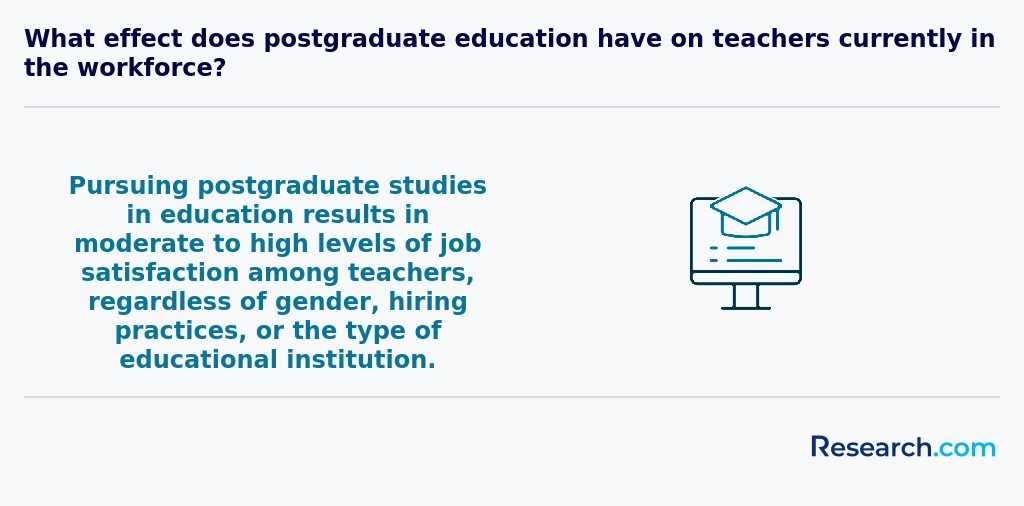
Online education degree programs in Oregon typically include core courses designed to build strong teaching foundations. Graduates from popular institutions such as Portland State University and Oregon State University often describe their curriculum as a blend of theory and practical skills. Key courses include Educational Psychology, which helps students understand how children learn and develop-essential for adapting lessons to diverse learners.
Curriculum Design and Instruction courses teach how to create engaging lesson plans tailored to different educational settings. State-of-the-art digital tools are integrated in Educational Technology classes, reflecting the shift to online learning platforms. Classroom Management coursework prepares candidates to foster positive, focused classroom environments, a critical skill praised by alumni.
Assessment and Evaluation courses equip students to measure learning outcomes effectively, while Special Education Foundations emphasize inclusive practices for learners with diverse needs. These elements are aligned with Oregon's Teacher Standards and Practices Commission (TSPC) requirements.
Many students appreciate the balance of foundational theory and hands-on virtual internships, which enhance confidence and readiness for real-world teaching challenges in Oregon schools.
Online education degree specializations Oregon programs typically include Curriculum and Instruction, Special Education, Educational Leadership, Reading and Literacy, and School Counseling. Graduates from institutions such as Portland State University and the University of Oregon often highlight how these specializations equip them with practical skills tailored for real classroom challenges, from designing engaging curricula to supporting students with disabilities. For instance, students focusing on Educational Leadership report feeling prepared to take on administrative roles like principals or district supervisors in Oregon's public schools.
Many students appreciate the flexibility of online programs that allow working educators in cities like Eugene to advance without interruption. Specializations like Reading and Literacy offer valuable expertise for teachers aiming to enhance student outcomes in early childhood settings, while School Counseling tracks prepare students for licensure and roles supporting student well-being.
Emerging focuses include English as a Second Language and technology integration, reflecting Oregon's diverse student population and evolving classroom demands. Those exploring options might also consider career pathways linked to trade school jobs that pay well, which provide alternative routes in education and training sectors.
Choosing the best online education degree in Oregon involves assessing accreditation, cost, and flexibility carefully. Graduates from Oregon State University often praise its CAEP-accredited programs for meeting rigorous standards while offering affordable tuition compared to private institutions. Typically, in-state tuition aligns with the national average of $11,000 to $13,000 per year for public graduate programs, making cost-efficient options accessible. Many students appreciate programs that balance asynchronous learning with strong academic support, allowing them to manage work and family life effectively. Curriculum relevance is vital; for example, educational leadership or instructional design tracks resonate with those aiming to advance their career in schools or districts. Reviews from Oregon graduates highlight the importance of programs connected to the Oregon Teacher Standards and Practices Commission for ensuring smooth certification pathways. To explore a wider array of choices, prospects can consult resources listing the best online trade schools, which often include options for education degrees. Considering these factors will guide you to the best online education degree programs Oregon offers.
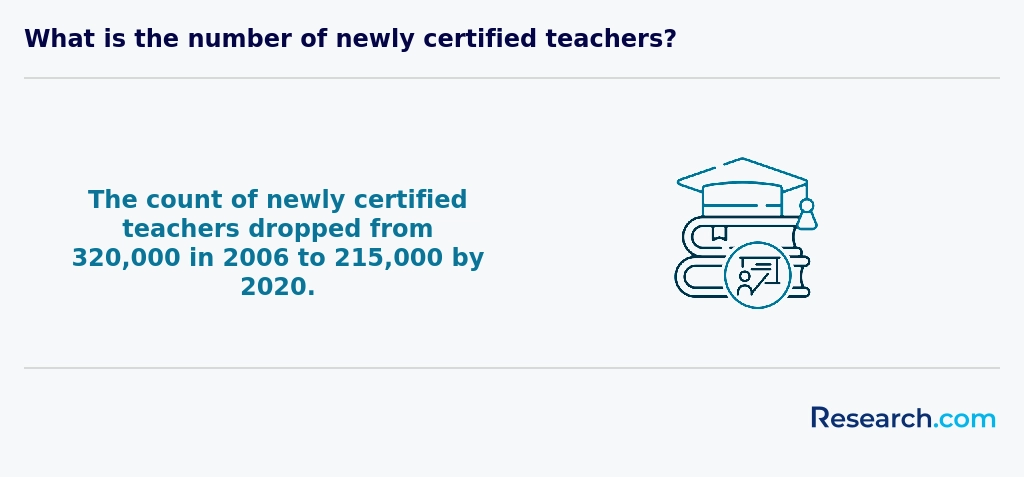
Graduates holding an online education degree in Oregon often pursue diverse career paths within the state's education sector. Many secure teaching jobs with Oregon online education degree credentials, working in K-12 public or private schools, where state licensure by the Teacher Standards and Practices Commission ensures recognized qualifications. These educators report satisfaction from impacting student growth, with a median salary near $61,000 as of 2023.
Beyond teaching, alumni from popular Oregon institutions find roles as school principals, instructional coordinators, or educational administrators, often leveraging master's programs available online in the state. These leadership positions offer salaries ranging from $70,000 to over $100,000 annually. Graduates share how combining work and study in programs at local colleges provides flexibility to advance into these roles without career disruption.
Other career options include educational technology specialists who implement digital learning tools, a growing area fueled by remote education demands. Additional pathways include becoming homeschool consultants or instructional coaches, tailoring curricula or coaching teachers to enhance classroom outcomes. Many find these roles rewarding, combining passion with steady growth projections.
Working professionals in Oregon benefit from relatively affordable online education degrees, often costing less than $20,000 for master's programs. This cost-effectiveness, along with flexible schedules, attracts diverse learners. Students often explore certifications that pay well to complement their degrees and boost career prospects in educational fields.
The job market for graduates with an online education degree in Oregon remains promising, supported by a steady demand for qualified educators in both urban and rural areas. Employment for kindergarten and elementary school teachers is expected to grow by 5.9% from 2022 to 2032, outpacing the national average. Graduates from Oregon universities offering online master's programs often find rewarding careers in schools, benefiting from a median salary of about $66,000 in 2023, which is notably higher than the national median for these roles.
Many online education graduates from well-regarded Oregon institutions appreciate the flexibility of their programs, allowing them to balance work, study, and family life. These programs equip students for diverse roles beyond K-12 teaching, including curriculum development and educational technology. The state's teacher shortage especially in underserved communities further expands employment opportunities, while initiatives and incentives encourage graduates to remain and contribute locally.
Prospective students should consider programs from nationally accredited online colleges, recognized for quality and flexibility. These programs provide essential skills, helping graduates thrive in Oregon's evolving education sector and meet growing needs for innovative, tech-savvy educators.
2027 Most Affordable Online Master's in Education Degree Programs Ranking in Oregon
Investing in your education is a significant decision that can shape your future, and the Research.com team understands the importance of making informed choices. To assist prospective students in Oregon, we have meticulously developed the "2027 Most Affordable Online Master's in Education Degree Programs Ranking in Oregon." Our commitment to quality, credibility, and accuracy is demonstrated through thorough research and detailed analysis.
We utilized the following reputable data sources to ensure a comprehensive evaluation of programs:
By exploring this ranking, readers will gain valuable insights into the most affordable and credible online master's in education programs in Oregon to support their academic and professional goals. For more details on how this ranking was created, please visit our Research.com methodology page.


Frequently Asked Questions About education
Students pursuing online education degrees in Oregon can enhance their learning by actively engaging with course materials and participating in virtual discussions. Studies show that interaction with instructors and peers improves retention and comprehension.
Oregon's public universities often provide access to academic advisors and online tutoring services, which students should utilize to stay on track. Additionally, setting a dedicated study schedule helps manage time effectively, crucial when balancing work and education.
Using Oregon-specific resources, such as the Oregon Teacher Standards and Practices Commission website, can provide insights into licensure requirements and local educational standards. This targeted preparation strengthens both academic and professional outcomes.
Finally, completing courses accredited by recognized bodies, like the Northwest Commission on Colleges and Universities, ensures credentials are respected across Oregon's education system.
Emerging niches within the education field reflect evolving societal needs and technological advances. In Oregon, online education degrees increasingly focus on areas like special education, educational technology, and bilingual education. The demand for special education teachers is growing, fueled by rising awareness and federal mandates supporting inclusive classrooms.
Educational technology specialists are another key niche, tasked with integrating digital tools into learning environments-Oregon's K-12 schools report increased technology use, highlighting this trend.
Bilingual education also plays a critical role due to Oregon's diverse population, particularly in Spanish-speaking communities, creating a need for educators skilled in dual-language instruction.
These areas offer promising career opportunities aligned with current educational priorities in the state.
Preparing for the job market after completing an online education degree in Oregon involves strategic planning and local market awareness. According to the Oregon Employment Department, the state expects a 5.4% growth in education jobs through 2030, especially in K-12 teaching and educational administration. Graduates should pursue state licensure or certification relevant to their specialty, as Oregon requires specific credentials for public school positions.
Networking is crucial; joining professional organizations like the Oregon Education Association can provide valuable connections. Building a strong digital portfolio showcasing student teaching and practicum experiences enhances job prospects. Additionally, staying informed about Oregon's education policies helps graduates align skills with employer expectations.
Employers in Oregon prioritize several key skills when hiring education degree graduates. Strong communication abilities are essential, as educators must clearly convey information and engage with diverse student populations. According to the Oregon Department of Education, adaptability and classroom management are also critical due to varying student needs and educational environments.
Technology proficiency is increasingly valued, especially in online or blended learning settings common in Oregon schools. Data from the Oregon Employment Department highlights that problem-solving skills and cultural competency are vital for fostering inclusive classrooms.
These skills help graduates meet Oregon's evolving educational standards and support student success effectively.
Finding internships in Oregon related to an education degree involves leveraging local resources and university partnerships. Many Oregon universities offering online education programs collaborate with nearby school districts to provide student-teaching placements and internships. According to the Oregon Department of Education, over 200 public school districts provide opportunities for aspiring educators to gain practical experience.
Students should contact their program's internship coordinator early to access exclusive placement listings. Utilizing the Oregon Employment Department's Workforce Services can also help identify education-related internships statewide.
Professional organizations like the Oregon Educators Association provide networking events and job boards tailored to education students seeking internships.
Online education degrees in Oregon offer significant benefits for career mobility and advancement. According to the Oregon Employment Department, educators with a master's degree tend to have higher earning potential and more promotion opportunities compared to those with only a bachelor's. Online programs provide flexible access to advanced credentials, enabling working professionals to enhance their qualifications without relocating.
Additionally, Oregon's licensing and certification standards recognize many online degrees, which can streamline the process of career progression within public schools and educational institutions. The Oregon Teacher Standards and Practices Commission (TSPC) supports accredited online degrees for educator licensure, further supporting career growth.
Many professionals use online master's degrees to specialize in high-demand areas such as special education or administration, increasing their eligibility for leadership roles. Data from the National Center for Education Statistics confirms that teachers with advanced degrees in Oregon experience lower unemployment rates, underscoring the value of online education degrees in improving job stability and advancement.
Studying for an education degree in Oregon online equips students with skills tailored for interdisciplinary roles in diverse settings. Oregon's programs emphasize collaboration across subjects such as psychology, technology, and social sciences, reflecting the state's approach to holistic education. The Oregon Department of Education promotes frameworks fostering critical thinking and adaptability, essential for working in varied educational environments.
Many Oregon universities incorporate practical experience and research methods that bridge education with other fields. For example, students learn to apply educational theories alongside digital tools, preparing them for roles in curriculum design, administration, or community engagement.
According to recent data from the Oregon Office of Educational Policy and Research, over 60% of education graduates report working in positions requiring cross-disciplinary knowledge. This statistic highlights the state's commitment to preparing well-rounded professionals ready for versatile careers.
When choosing between a thesis and a non-thesis education degree program in Oregon, consider your career goals and learning preferences. Thesis programs typically require original research and are ideal for students aiming for doctoral studies or academic careers. Non-thesis options focus more on practical application and coursework, suited for educators seeking leadership roles or licensure advancement.
Data from the Oregon State Board of Higher Education indicates that about 40% of Master's students in education opt for thesis tracks, reflecting a research-oriented path. Meanwhile, 60% choose non-thesis programs for faster completion and direct professional application. Online programs in Oregon often clarify these distinctions clearly on their websites, helping students make informed decisions based on their future plans.
Students based in Oregon seeking education degrees abroad often explore online programs offered by accredited U.S. institutions with global reach. Many universities provide fully online master's degrees in education, allowing Oregon residents to gain international perspectives without leaving home. According to the Oregon Higher Education Coordinating Commission, nearly 20% of graduate students in the state enroll in online courses, reflecting growing flexibility.
Some universities offer study abroad partnerships, enabling students to combine online coursework with short-term international residencies. Options include programs affiliated with universities accredited by the Council for Higher Education Accreditation (CHEA), ensuring recognized credentials. For Oregon students, financial aid and in-state tuition benefits may still apply to select online education programs with global components.
Students pursuing online education degrees in Oregon can enhance their learning by taking part-time jobs closely related to the education sector. One common opportunity is working as a teacher's aide or paraprofessional, roles that support classroom instruction and student engagement. According to Oregon Department of Education data, these roles often provide valuable hands-on experience while accommodating flexible schedules.
Other relevant positions include tutoring, especially in subjects like reading and math, which are in high demand statewide. Additionally, substitute teaching offers practical exposure to diverse classroom environments and helps build professional networks.
Libraries and community centers also hire education students for youth programming and literacy support, allowing students to develop organizational skills and educational program design experience.
Online education students in Oregon have access to a variety of networking opportunities despite the remote nature of their studies. Many public universities, such as Oregon State University and the University of Oregon, offer virtual events and discussion forums where students connect with peers and faculty. Professional organizations, including the Oregon Education Association, provide membership benefits like workshops and conferences tailored for educators, which are valuable for online learners seeking local contacts.
Statewide initiatives promote collaboration through online platforms and regional meetups, helping students build professional networks. According to the Oregon University System, nearly 40% of online students participate in some form of extracurricular or professional networking activity annually, which is vital for career growth in education fields.
Alumni networks play a significant role in supporting online education degree students in Oregon. These networks provide access to professional connections, career advice, and job opportunities, which are especially valuable for remote learners. According to the Oregon Higher Education Coordinating Commission, active alumni groups contribute to higher employment rates among graduates by facilitating mentorships and internships.
For online students, engaging with alumni helps overcome the isolation often felt in virtual programs. They gain insights into local education trends and district hiring practices unique to Oregon. Furthermore, many universities offer alumni-exclusive events and webinars, enhancing ongoing professional development.
In Oregon, graduates from institutions such as Portland State University often report that their alumni network helped them secure competitive roles in school districts across the state. This demonstrates the tangible benefits these connections provide beyond the classroom experience.
Customizing an online education degree program in Oregon allows students to align their studies with specific career goals. Many Oregon universities offer concentrations or electives in areas such as curriculum development, educational leadership, or special education. Choosing these options helps tailor the degree to roles like administrator, counselor, or specialized teacher. Additionally, programs often provide flexible schedules and practicum opportunities within Oregon schools, giving practical experience relevant to local education systems.
According to Oregon's Higher Education Coordinating Commission, over 60% of graduate students in education select online formats for their flexibility. Consulting academic advisors early ensures course selection matches licensing or certification requirements specific to Oregon careers.
Online education students in Oregon often face challenges related to technology access and digital literacy. Despite increased internet availability, rural areas in Oregon still experience connectivity issues, which can hinder consistent participation in online courses. According to the Oregon Office of Rural Health, about 14% of rural households lack reliable broadband.
Time management also proves difficult for online learners balancing work, family, and studies. Without the structure of in-person classes, staying motivated and organized requires strong self-discipline. Additionally, students report feeling isolated due to limited peer interaction and networking opportunities compared to traditional programs.
Finally, navigating financial aid and understanding accreditation remains a concern, making careful research essential before enrollment.
With an online education degree in Oregon, you can pursue several professional certifications to enhance your career prospects. One common option is obtaining teacher licensure through the Oregon Teacher Standards and Practices Commission (TSPC), which requires passing state-approved exams and completing specific training.
Additionally, educators might pursue National Board Certification, recognized nationwide and valued by many Oregon districts, which demonstrates advanced teaching skills. Specializations such as Reading Specialist or Special Education licenses are also accessible with the right coursework and credentials.
For administrative roles, a Principal or Administrator License is available after completing an approved program and relevant experience. These certifications align well with online education degrees and support career advancement within Oregon schools.
To write a winning application for an online education program in Oregon, start by thoroughly researching the specific requirements of the university or college. Many Oregon schools, including Oregon State University and University of Oregon, value clear, concise personal statements explaining your motivation and career goals. Highlight your previous academic achievements and relevant teaching or educational experience.
Provide strong letters of recommendation from professionals familiar with your skills. Oregon's online programs often require official transcripts showing a competitive GPA, typically above 3.0. Follow all application instructions carefully, and meet deadlines set by the institution. Proofread your application to ensure it is free from errors.
Global perspectives on an education career highlight the growing importance of skilled educators in shaping future generations worldwide. In the U.S., including Oregon, teaching remains a respected and essential profession with consistent demand, especially as online education expands.
According to the Oregon Employment Department, education jobs are projected to grow by 5% from 2022 to 2032. This reflects a broader global trend emphasizing lifelong learning and technology integration in classrooms.
Internationally, education careers focus increasingly on cultural competence and digital literacy, skills emphasized in many U.S. online education degree programs. Oregon's universities offer programs that incorporate these global competencies to prepare educators for diverse environments.
Understanding these perspectives helps Oregon students approach education careers with a knowledgeable and adaptable mindset.
Students pursuing an online education degree in Oregon can gain practical experience through various state-approved internships and practicum placements. Many Oregon universities collaborate with local school districts to provide hands-on teaching opportunities that satisfy licensure requirements. According to the Oregon Department of Education, these placements often take place in diverse educational settings, allowing students to apply theoretical knowledge in real classrooms.
Online programs may also encourage virtual teaching assistantships or remote collaboration on educational projects. Additionally, students can participate in community outreach initiatives or tutoring programs to build relevant skills while studying. These practical experiences enhance employability after graduation.
Choosing the right concentration within an online education degree program in Oregon requires careful consideration of your career goals and the needs of the state's educational system. Oregon places a strong emphasis on Special Education and STEM teaching due to local workforce demands, as reported by the Oregon Department of Education.
Research current job trends and licensing requirements specific to Oregon. For example, concentrations in Curriculum and Instruction or Educational Leadership can open paths to roles in school administration or curriculum design.
Evaluate program flexibility and accreditation, ensuring they meet standards set by the Oregon Teacher Standards and Practices Commission (TSPC). Additionally, consider programs offering practicum experiences or partnerships with Oregon schools for practical training.
Understanding these factors helps select a concentration aligned with Oregon's educational priorities and your professional development.
- 2027 Most Affordable Online Master's in Education Degree Programs Ranking in Washington
- 2027 Most Affordable Online Master's in Education Degree Programs Ranking in California
- 2027 Most Affordable Online Master's in Education Degree Programs Ranking in Idaho
- 2027 Most Affordable Online Master's in Education Degree Programs Ranking in Arizona
- 2027 Most Affordable Online Master's in Education Degree Programs Ranking in Colorado
- 2027 Most Affordable Online Master's in Education Degree Programs Ranking in New Mexico
- 2027 Most Affordable Online Master's in Education Degree Programs Ranking in South Dakota
- 2027 Most Affordable Online Master's in Education Degree Programs Ranking in North Dakota
- 2027 Most Affordable Online Master's in Education Degree Programs Ranking in Nebraska
- 2027 Most Affordable Online Master's in Education Degree Programs Ranking in Kansas
See What Experts Have To Say About Studying Education
Read our interview with Education experts


Alan J. Singer
Education Expert
Professor of Teaching, Learning and Technology
Hofstra University

- Undergraduate Online Financial Aid | Bushnell University https://www.bushnell.edu/financial-aid/undergraduate-online/
- Putting theory into practice: The value of an interdisciplinary approach to teaching https://my.chartered.college/impact_article/putting-theory-into-practice-the-value-of-an-interdisciplinary-approach-to-teaching/
- Promising Niches in the Global EdTech Landscape - Blog https://rocketech.it/blog/post/global-edtech-landscape-what-niches-are-the-most-promising
- Online Education Degree Programs | University of Phoenix https://www.phoenix.edu/online-education-degrees.html
- Postsecondary Success https://educationnorthwest.org/areas-of-work/postsecondary-success
- What Employers Actually Want From Graduates https://bodyswaps.co/resources/blog/what-employers-actually-want-from-graduates
- Working in Ed Tech: How to Identify Your Niche and Build Relevant Skills https://www.highfivepartners.com/blog/working-in-ed-tech-how-to-identify-your-niche-and-build-relevant-skills
- Many students enrolled in Oregon colleges and universities still choosing online classes https://www.opb.org/article/2025/09/19/think-out-loud-oregon-students-colleges-online-classes/
- International teaching and education jobs https://www.tes.com/jobs/search/international
- Online Degree vs. Traditional | University of Arkansas Grantham https://www.uagrantham.edu/blog/pros-cons-online-degree-vs-traditional-university/


