2027 Most Affordable Education Degree Programs Ranking in Saint Cloud

Co-Founder and Chief Data Scientist
Exploring education degree programs in Saint Cloud can feel overwhelming. To make this easier, our article highlights the 2027 Most Affordable Education Degree Programs Ranking in Saint Cloud. Created by the Research.com team of data scientists, this ranking helps you identify quality programs that fit your budget.
Choosing the right education degree is an important step toward a rewarding career. By reading this article, you'll gain valuable insights to make an informed decision with confidence.
Embrace the journey to becoming an educator and discover affordable opportunities near you.
Key benefits of getting education degree in Saint Cloud
- Graduates with an education degree in Saint Cloud can expect competitive salaries, such as $76,000 for special education teachers and $77,200 for instructional designers, offering strong financial stability.
- Career paths are diverse, including roles like elementary school teacher, ESL teacher, and early childhood educator, allowing education graduates from local universities to find fulfilling work in various settings.
- Online education degrees offer flexibility and convenience, enabling graduates like those from Saint Cloud State University to balance work and studies while gaining valuable skills for a rewarding career.
- 2027 Most Affordable Education Degree Programs Ranking in Saint Cloud
- What can I expect from education degree in Saint Cloud?
- Where can I work with education degree in Saint Cloud?
What can I expect from education degree in Saint Cloud?
The average cost of pursuing an education degree in Saint Cloud is notably reasonable, especially when you consider opportunities like those at Saint Cloud State University (SCSU). Many graduates recall feeling relieved by the affordable tuition, which for the 2023-2024 academic year stands at about $10,000 annually for in-state undergraduates. This modest cost allows students to focus more on learning and gaining essential classroom experience rather than worrying about overwhelming debt.
One common experience shared by education students is the availability of scholarships and grants tailored to education majors, making the journey more accessible. Imagine stepping into local schools for hands-on teaching practice, knowing that your financial burden is manageable thanks to these supports. This balance of affordability and quality training empowers students to confidently prepare for Minnesota's teacher certification exams and future employment within nearby districts.
Where can I work with education degree in Saint Cloud?
Graduates with education degrees from Saint Cloud State University often find rewarding careers teaching in School District 742, where there's a high demand for passionate educators in special education, STEM, and English language arts. Imagine starting your day in a vibrant classroom, shaping the minds of over 9,000 students in the community. Many alumni have shared how working in smaller private and charter schools nearby allowed them to build close-knit relationships with students, fostering stronger learning environments.
For those drawn to early childhood education, local preschools and childcare centers like the YWCA of St. Cloud offer fulfilling roles where your formal training truly matters. Graduates appreciate the opportunity to impact young learners' foundational years, knowing their credentials open doors to leadership roles.
Beyond classrooms, education grads often secure positions at Saint Cloud's higher education institutions, taking on essential support roles that connect K-12 outreach with college programs. Others embark on careers in curriculum development, educational technology, or leading community workshops, proving the versatility of an education degree in Saint Cloud's thriving educational landscape.
Graduates with education degrees in Saint Cloud can expect a rewarding salary that reflects their dedication and skill. For example, a recent educator from a well-known Saint Cloud university shared how starting as an elementary school teacher with a mean annual wage of about $70,740 allowed them to quickly feel valued in their community. Special education teachers, who bring vital expertise and compassion, often earn even more, with mean annual wages around $76,000.
Another path graduates explore is instructional design, a role blending creativity and training expertise, where salaries reach approximately $77,200 annually. This demonstrates the diverse opportunities available to education degree holders beyond traditional classroom teaching.
Early childhood educators in Saint Cloud, crucial to shaping young minds, earn about $41,410 per year, reflecting meaningful entry points into education careers. Graduates often find encouragement knowing that many local schools and districts offer progressive pay scales that reward further education and experience.
These earnings are more than numbers-they represent a lifetime of impact and growth, supported by solid benefits and retirement plans available in the area. Saint Cloud's supportive education environment makes pursuing this degree a wise and inspiring investment in your future.
- The average in-state tuition for a bachelor's degree in education in Saint Cloud ranges from $10,000 to $15,000 per year.
- Out-of-state tuition is significantly higher, making residency status important for overall cost.
- Starting salaries for education graduates in Saint Cloud begin around $42,000 annually, rising to about $55,000 with experience.
- Teaching demand is strong, especially for special education, math, and science positions in local school districts.
- Licensure requires completing an accredited program, student teaching, passing state exams, and ongoing professional development.
- Alternative licensure pathways exist for those with bachelor's degrees in other fields to enter education careers.
Completing an education degree in Saint Cloud is a journey filled with growth and opportunity, typically spanning from about two to six years depending on your path. Many graduates from Saint Cloud State University, a leading choice for education degrees here, find that a full-time bachelor's takes around four years, mirroring the national standard. For example, some quickly immerse themselves in their studies, motivated by a clear vision of becoming impactful educators.
If you're aiming higher with a master's degree, expect about 1.5 to 2 years full-time, or up to three years if balancing work alongside classes part-time. Graduates often appreciate programs with specialized focuses like curriculum development or educational leadership, which help shape their career with real-world skills. Doctoral candidates dedicate 3 to 6 years, engaging deeply in research and dissertation work, often juggling studies with family and jobs in flexible formats offered locally.
Think of it like climbing your own staircase: each step-full-time effort, part-time persistence, transfer credits or accelerated programs-can speed your ascent. Graduates in Saint Cloud consistently share how understanding these dynamics helped them stay motivated and plan effectively for their future in education.
The education landscape is rapidly evolving, and staying ahead of emerging trends is crucial for prospective students in Saint Cloud, MN. Today’s educators are witnessing groundbreaking changes fueled by advancements in digital learning tools, evolving teaching methodologies, and policy reforms that promote innovative learning environments. These shifts have not only redefined classroom dynamics through blended learning models and adaptive assessments but also expanded career opportunities beyond traditional K-12 teaching roles. For example, many graduates are now exploring roles in digital curriculum development and educational technology, where they can leverage new software and data-driven insights to enhance student engagement and learning outcomes. As institutions continue to integrate technology, flexible learning formats such as online and hybrid courses are becoming more prevalent, making it easier for students to balance their studies with professional and personal commitments. Prospective students are encouraged to explore updated resources and stay informed about these trends to make decisions that align with future market demands. Check out our comprehensive guide on most affordable education programs in minnesota to learn more about how affordability and future-readiness go hand in hand. Understanding these emerging trends can empower prospective educators to not only select the best program for their ambitions but also to prepare for a dynamic and fulfilling career in education.
Choosing between an online and an on-campus education degree in Saint Cloud often comes down to how you want to experience your learning journey. Graduates from St. Cloud State University often share how the on-campus experience enriched their studies, thanks to face-to-face interactions with professors and hands-on training in local schools. Being able to visit campus libraries and participate in live student teaching placements creates a vibrant, supportive environment that many find inspiring and motivating.
On the other hand, online programs offer remarkable flexibility, allowing you to balance coursework with work or family life. Many online students around Saint Cloud appreciate being able to attend virtual lectures and complete assignments on their own schedule without the commute. This flexibility can be a game-changer for adults who want to advance their education without putting their responsibilities on hold.
While on-campus tuition in Minnesota usually averages around $10,000 a year, remember that living costs add up. Online degrees might help ease those extra expenses, though tuition varies by program. Both options maintain strong accreditation, so you're building a credible foundation to pursue your teaching career.
The average cost of earning an education degree in Saint Cloud typically centers around $10,245 for in-state students, making it an attainable goal for those committed to shaping future generations. Graduates from Saint Cloud's well-regarded institutions often recall managing tuition that balanced affordability with quality instruction, empowering them to pursue their passion without overwhelming debt. This aligns with the broader trend of Saint Cloud affordable education degree tuition fees, which remain below many national averages, especially for public universities.
Out-of-state students, while facing higher tuition, benefit from comprehensive financial aid and scholarship opportunities that many education graduates have leveraged. Living expenses here are generally reasonable compared to larger cities, allowing students to focus more on their studies and community involvement. To truly understand how these costs translate into real-life scenarios, consider those who have completed their education degrees locally and successfully transitioned into teaching careers, often noting that the manageable expenses were a key factor in their academic journey.
If you're exploring your path toward becoming an educator, it's helpful to review the detailed career information offered through trusted sources like https://research.com/careers/education-careers. This resource complements your knowledge about the average cost of education degree programs in Saint Cloud and provides guidance on pathways that match both your ambitions and financial planning.
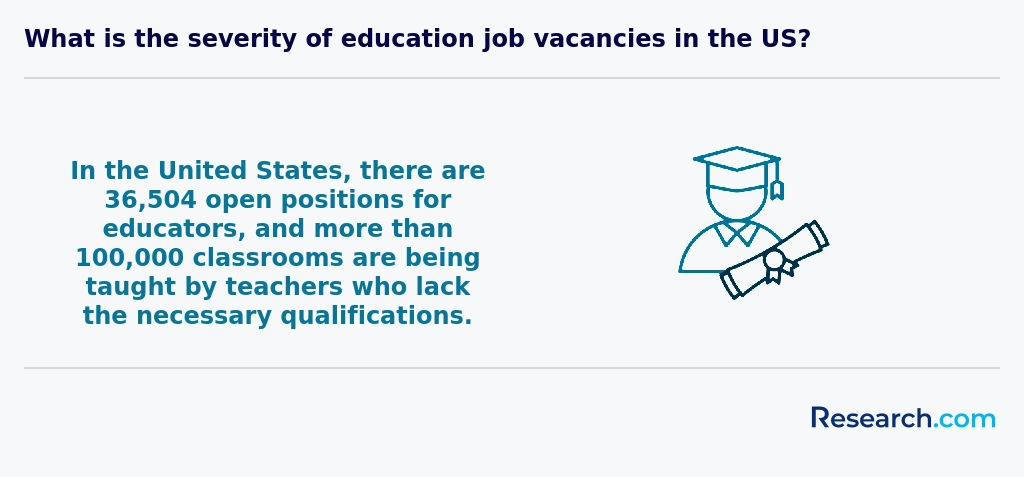
To teach in Saint Cloud, MN, you must obtain a license from the Minnesota Professional Educator Licensing and Standards Board (PELSB). Key steps include:
- Complete a PELSB-approved education degree program at an accredited institution.
- Fulfill required teacher preparation coursework and accumulate supervised clinical experience hours.
- Pass the Minnesota Teacher Licensure Examinations (MTLE) for your chosen subject area or specialty.
- Submit fingerprints and a clean background check as part of your application.
- Apply online through the PELSB portal, providing official transcripts and exam scores.
Once licensed, maintain and renew your credential every five years through continuing education. Many educators also pursue online certifications to specialize or advance in their careers.
When pursuing an education degree in Saint Cloud, financial aid options can truly brighten your journey and ease tuition burdens. Graduates from Saint Cloud State University often share how federal Pell Grants, which provide up to $7,395 annually, gave them the confidence to focus on their studies without overwhelming debt. Many also tap into Minnesota's State Grant Program, which offers around $2,500 based on family income, helping cover essential costs.
Scholarships are another powerful resource. Future teachers at local colleges commonly benefit from targeted awards like those from Saint Cloud's College of Education and Engineering, where scholarships of $1,000 to $5,000 recognize both passion and academic success. These funds serve as inspiring reminders that dedication to teaching is valued and supported.
Loans such as Direct Subsidized and Unsubsidized federal loans, with interest near 5.5%, provide additional flexibility, while the TEACH Grant rewards those committing to crucial teaching roles post-graduation with up to $4,000 annually. Many students also gain real-world experience and pay through campus work-study programs tied to education fields, which build both skills and financial stability.
Connecting with financial aid advisors at Saint Cloud institutions is key to navigating these opportunities and crafting a personalized support plan that matches your passion to teach and succeed.
Investing in an Education degree is not just about upfront costs-it’s about long-term returns in salary growth, career advancement, and community impact. In Saint Cloud, MN, the typical bachelor’s in education costs approximately $34,255 per year at nonprofit four-year institutions, while total annual expenses-including fees, books, and living-average $27,146. When you compare this investment with mean annual wages-$63,130 for ESL teachers, $38,640 for early childhood educators, and $73,080 for instructional designers-graduates can expect to recoup their tuition within 5–7 years, depending on their chosen specialization and additional certifications. To maximize ROI, consider specializations with higher market demand. For example, instructional designers often achieve the fastest salary growth, moving from entry-level wages to six-figure incomes within a decade. Similarly, graduates pursuing administrative roles or educational technology can leverage digital fluency to command premium salaries. Balancing on-campus field experiences with paid internships-such as graduate assistantships or corporate training projects-further reduces net cost and enhances employability. Prospective students should also explore opportunities beyond Saint Cloud; for instance, the Most Affordable Online Education Degree Programs Ranking in Hays, KS offers a valuable benchmark for comparing tuition rates, program flexibility, and regional salary variations. Finally, factoring in loan forgiveness programs-like the Public Service Loan Forgiveness (PSLF) for teachers-and stacking scholarships can shorten the break-even period by several years. By analyzing total cost of attendance against projected earnings and leveraging financial aid strategically, future educators in Saint Cloud can ensure their degree yields not only personal fulfillment but also a robust financial return.
To enroll in an education degree program in Saint Cloud, you'll first need a high school diploma or an equivalent credential like a GED. Many graduates from Saint Cloud State University share how meeting this foundational step gave them confidence to take on the challenges ahead. Some programs set a minimum GPA of around 2.5 to 3.0, so maintaining steady grades early on really pays off.
Most programs also expect you to demonstrate strong communication and math skills. For example, ACT or SAT scores are commonly required, although some local colleges offer placement tests instead. Graduates often recall how preparing for these tests sharpened their focus and readiness for teaching.
Passing a background check is a must because working safely with children is a priority. You may be asked for fingerprints or additional documents to confirm your suitability, something many successful candidates completed without difficulty.
Interviews or letters of recommendation are part of the process too-these help show your passion for education. Many alumni say sharing their story in interviews spotlighted their real motivation for joining the profession.

When evaluating the most budget-friendly pathways to an education degree, it’s helpful to compare Saint Cloud, MN with other Midwestern locales like Hays, KS. In Saint Cloud, in-state tuition at public four-year institutions averages around $9,750 per year, while private nonprofit colleges may charge up to $38,421. By contrast, Hays, KS offers even lower in-state rates-often under $8,000 annually-and private institutions that average closer to $25,000. These regional tuition differences translate directly into reduced student debt and a faster return on investment for aspiring educators. Cost of living also plays a crucial role in overall affordability. Saint Cloud students typically spend about $12,302 on on-campus housing and $11,983 off-campus, whereas Hays residents see housing costs closer to $9,500 per year. Textbooks and supplies, averaging $1,220 in Saint Cloud, tend to run under $1,000 in Hays. When combined with competitive grant and scholarship opportunities, these savings can significantly influence a student’s choice of program. For those considering online or hybrid education degrees, program fees in Hays are often lower, and the flexibility to live virtually anywhere further reduces living expenses. To explore detailed tuition, program length, and financial aid comparisons in Hays, check out the Most Affordable Online Education Degree Programs Ranking in Hays, KS. By weighing these regional factors, prospective students can make data-driven decisions that align with both their academic goals and their financial realities.
In Saint Cloud, education degree programs thoughtfully combine essential theory with hands-on practice to prepare you for real classroom challenges. Graduates from Saint Cloud State University often speak about how courses like Introduction to Education and Instructional Strategies for Diverse Learners helped them confidently connect theory to practice when they began teaching.
You'll dive into topics such as Child and Adolescent Development and Educational Psychology, which offer deep insights into how students learn and grow. Many students find that these courses empower them to adapt lessons to meet diverse student needs and create inclusive, engaging environments.
State-of-the-art classes in Educational Technology Integration prepare you to use modern tools effectively, a skill highly valued in today's classrooms. Furthermore, the Teaching Practicum or student teaching experience is where many Saint Cloud education students report finding real confidence-working alongside licensed teachers, they apply what they've learned, honing classroom management and assessment skills firsthand.
This practical approach ensures that when you graduate, you're not just ready to teach-you're ready to inspire. It's a journey many Saint Cloud educators cherish as they start shaping young minds.
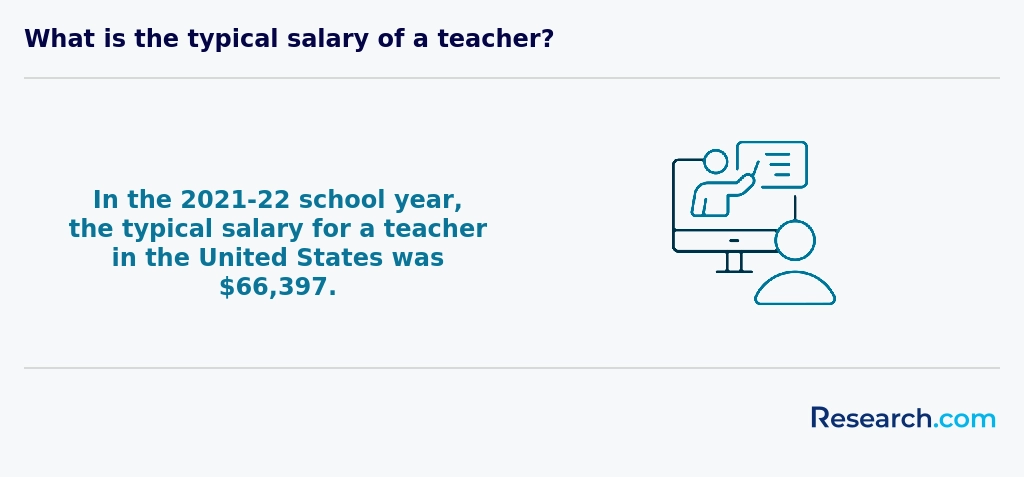
Education degree specializations in Saint Cloud open doors to numerous rewarding teaching careers. Many graduates from popular colleges here find themselves drawn to Elementary Education, which equips future teachers with techniques to inspire young minds through literacy, math, and science. Others specialize in Secondary Education, where they focus on subjects like English or Mathematics, preparing to engage middle and high school students with passion and expertise.
Saint Cloud affordable education degree programs also embrace critical fields such as Special Education, empowering educators to create inclusive classrooms for students with diverse learning needs. Additionally, graduates often pursue specializations like Early Childhood Education, Educational Technology, Instructional Coaching, or English as a Second Language, each designed to sharpen unique skill sets and meet real-world educational challenges.
Many students appreciate how Saint Cloud's programs blend practical field experiences with specialized training, allowing them to visualize themselves thriving in classrooms where their knowledge truly makes a difference. For those curious about local paths, understanding the teaching requirements Wisconsin can also offer helpful insight, especially if considering regional opportunities beyond Minnesota.
Choosing the best education degree in Saint Cloud means focusing on quality, affordability, and fit. Graduates from Saint Cloud State University often highlight how the institution's accredited programs gave them confidence in their teaching credentials, while its competitive tuition made it an accessible choice. Many found that programs offering flexible formats-on-campus, online, or hybrid-allowed them to balance life and study efficiently. For those seeking affordable education degree programs Saint Cloud offers, it's important to research tuition rates, financial aid, and scholarship options closely.
Licensure preparation must be a priority, since Minnesota's requirements are specific. Programs that integrate student-teaching and prepare you for exams strengthen your readiness for the classroom. Consider curriculum specializations that align with your passion, whether that's elementary education, special education, or administration.
Some students also explore paths like an online master's in teaching ESL to expand their career opportunities in diverse classrooms. These choices reflect the best education degree options in Saint Cloud-combining practicality with growth and inspiration.

Graduates with an education degree in Saint Cloud find a wide range of opportunities that extend beyond traditional classroom teaching. Many embark on rewarding careers as licensed teachers in local elementary, middle, or high schools, where they bring subjects to life and inspire the next generation. Others leverage their degree to step into leadership roles like school principals or curriculum coordinators, shaping the educational experience from behind the scenes. Popular universities in Saint Cloud equip students with hands-on practicums, which graduates often say are invaluable for gaining confidence and real-world skills. For those interested in exploring beyond public schools, there are exciting paths in private institutions, tutoring centers, or educational technology firms that develop innovative learning tools. The growing field of instructional design lets graduates craft engaging online courses-a perfect fit for the tech-savvy. If you're curious about advancing your credentials, you might look into the Florida teacher certification process as a model for expanding your options. These diverse education degree careers in Saint Cloud prove that your passion can take you many meaningful directions.
Teaching job opportunities in Saint Cloud Minnesota remain strong, especially in areas like special education, STEM, and ESL. Graduates highlight that combining a solid academic foundation with local practicum experience was key to landing fulfilling roles. Whether supporting students directly or influencing educational policy, your degree opens the door to impactful work that shapes lives in this vibrant community.

The education degree job opportunities in Saint Cloud offer a vibrant and growing market fueled by the region's expanding student population and strong community support for education. Graduates from St. Cloud State University and other local colleges often find themselves stepping into rewarding roles within public schools, private institutions, or community education programs. Many share stories of securing positions as special educators or STEM teachers, thanks to targeted demand in those areas. The local public school system frequently hires certified teachers, creating steady openings that empower graduates to begin their careers with confidence and meaningful impact.
Saint Cloud's teacher employment outlook is especially bright for those who specialize in early childhood education or working with English language learners. The lower-than-average cost of certification paired with solid median salaries between $50,000 and $65,000 makes pursuing a degree here a smart choice. Networking with schools and staying informed about teaching specialties can further open doors in this community-driven market.
2027 Most Affordable Education Degree Programs Ranking in Saint Cloud
Investing in your education is a significant decision that can shape your future, and the Research.com team understands the importance of making informed choices. To assist prospective students in Saint Cloud, we have carefully developed the "2027 Most Affordable Education Degree Programs Ranking in Saint Cloud." Our dedication to quality, credibility, and accuracy is evident in the thorough research and analysis behind this ranking.
We utilized the following reputable data sources to ensure a comprehensive evaluation of education degree programs:
By exploring this ranking, readers will receive valuable insights into the most affordable and high-quality education degree options available in Saint Cloud, empowering them to make confident and well-informed decisions. For more details on our methodology, please visit our Research.com methodology page.

Frequently Asked Questions About education
Students pursuing education degrees in Saint Cloud can maximize their learning by actively engaging in both coursework and practical experiences. Saint Cloud State University, the largest institution in the area, offers students access to diverse field placements at local schools, which is essential for applying theory to real classroom settings. According to the university's 2023 reports, over 90% of education students complete internships that enhance hands-on teaching skills.
Building strong relationships with faculty advisors also adds value, as these professionals provide guidance tailored to career goals. Participating in local education workshops and joining education-related student organizations further promotes peer learning and networking opportunities.
Leveraging resources like the university's teaching labs and technology centers helps students stay current with innovative educational tools commonly used in U.S. classrooms. Additionally, taking advantage of community partnerships in Saint Cloud enhances understanding of diverse student populations, better preparing graduates for inclusive teaching environments.
Emerging niches in the education field in Saint Cloud reflect broader national trends in U.S. higher education but also respond to local community needs. One rapidly growing area is special education, driven by increased awareness and support for students with diverse learning needs. According to the Minnesota Department of Education, demand for qualified special education teachers is expected to rise by 7% in the Saint Cloud region through 2028.
Another promising niche is educational technology. Saint Cloud State University offers programs preparing educators to integrate digital tools effectively, meeting the growing emphasis on remote and hybrid learning models post-pandemic.
Career and technical education (CTE) is also expanding, addressing workforce development priorities in Central Minnesota. Graduates with CTE knowledge are increasingly sought after in local schools partnering with industries to equip students with practical skills.
After completing an education degree in Saint Cloud, preparing for the job market involves several strategic steps. Start by gaining practical experience through student teaching assignments, which are a required part of licensure in Minnesota. Saint Cloud State University, the region's largest educator, offers robust practicum opportunities that help students build classroom skills.
Networking is crucial; engage with local schools and education organizations such as the Minnesota Education Association to connect with potential employers. According to the Minnesota Department of Employment and Economic Development, education jobs in the Saint Cloud area are projected to grow by 6% through 2030, indicating steady demand.
Additionally, obtaining state licensure promptly after graduation ensures job eligibility. Professional development workshops and resume-building services available locally can further enhance employment prospects for new graduates preparing to enter Saint Cloud's education sector.
Employers in Saint Cloud prioritize a mix of practical and interpersonal skills in education degree graduates. Communication abilities are essential, enabling teachers to engage effectively with students, parents, and colleagues. According to the Minnesota Department of Education, strong classroom management skills rank high among sought-after traits.
Additionally, adaptability is crucial as educators often work in diverse, changing environments. Familiarity with technology integration for lesson planning and student assessment is increasingly important due to digital learning trends.
Critical thinking and problem-solving help address individual student needs, which aligns with Saint Cloud school districts' focus on personalized learning strategies (Saint Cloud School District annual report, 2023).
Finally, collaboration skills are valuable since educators often participate in team-driven initiatives to improve school performance.
Finding internships relevant to education degrees in Saint Cloud involves several practical steps. Students should first consult their college's career services, as institutions like Saint Cloud State University offer dedicated resources for education majors. These offices often have partnerships with local schools and community organizations seeking interns.
Additionally, checking listings at nearby school districts, such as the Saint Cloud Area School District, can be beneficial. These districts often provide internship opportunities for hands-on teaching experience.
Networking through local education-related events or professional groups also increases chances of securing internships. Since practical experience is crucial in education degrees, starting early and utilizing campus resources considerably improves opportunities.
In Saint Cloud, earning an education degree significantly enhances career mobility and advancement within the local school systems. According to the Minnesota Department of Education, educators holding advanced degrees or certifications often qualify for higher salary scales and leadership roles. For example, Saint Cloud Area School District reports that teachers with a master's degree can earn up to 15% more annually than those with only a bachelor's degree.
Additionally, an education degree allows individuals to pursue specialized roles such as curriculum coordinator or instructional coach, which are in demand in Central Minnesota. Career progression often correlates with earning credentials recognized by the state, aiding job stability and promotion opportunities.
Studying for an education degree in Saint Cloud equips students with skills that suit various interdisciplinary roles within and beyond traditional teaching. Programs emphasize collaboration between education, psychology, and social sciences, allowing graduates to understand diverse learning environments.
Saint Cloud State University, a leading institution in the area, integrates practical experience with theory, preparing students for roles in counseling, curriculum development, and educational technology. According to the National Center for Education Statistics, interdisciplinary approaches improve student adaptability in the workforce.
This broad training enables graduates to work effectively in schools, community organizations, and policy settings where education intersects with other fields.
Choosing between a thesis and a non-thesis education degree program in Saint Cloud depends largely on your career goals and learning preferences. Thesis programs typically involve conducting original research and writing a detailed paper, which is ideal for students aiming for academic or research careers. Non-thesis options focus more on coursework and practical experience, suiting those planning to work directly in educational settings.
According to Saint Cloud State University, around 30% of education graduate students opt for thesis tracks, benefiting from deeper research skills. Tuition and program length may also influence your choice, with non-thesis routes often allowing faster completion.
Understanding your academic strengths and future plans will help you decide the best path.
Students based in Saint Cloud seeking education degrees with an international perspective have several pathways to study education abroad through U.S. institutions. Many colleges in Minnesota, including Minnesota State University, St. Cloud, offer study abroad programs or partnerships with universities in countries like England, Spain, and Australia, allowing education majors to gain cross-cultural experience.
These programs often include semester exchanges or shorter summer sessions focused on global education practices. According to the Institute of International Education, over 40,000 U.S. students studied abroad in 2022, with education being a growing field among them.
Additionally, federal financial aid and scholarships may support participation in approved education abroad programs, making them more accessible for Saint Cloud students. Programs emphasize teaching methods and comparative education, valuable for future educators.
Students pursuing education degrees in Saint Cloud have several part-time job opportunities that complement their academic goals. Working as teacher's aides or paraprofessionals in local elementary and secondary schools offers practical classroom experience. These roles deepen understanding of lesson planning and student engagement, essential skills for future educators.
Additionally, tutoring positions in Saint Cloud Public Library or community centers help develop communication and instructional abilities. According to Saint Cloud State University's career services, about 30% of education students combine their studies with such roles.
Some students also find opportunities in after-school programs and childcare centers, where they can observe child development firsthand. These jobs provide a valuable supplement to theoretical coursework found in education degree programs across Minnesota.
Education students in Saint Cloud have access to various networking opportunities that support their professional growth. St. Cloud State University, the largest public university in central Minnesota, hosts multiple education-focused events and career fairs annually, connecting students with local school districts and education organizations. In addition, the university's College of Education offers student clubs, mentorship programs, and access to internship placements across the region.
Local professional groups, such as the Minnesota Education Association, also provide networking events and workshops in the Saint Cloud area. These forums help students build relationships with experienced educators and administrators. According to St. Cloud State data, over 70% of education graduates participate in these programs before entering the workforce.
Alumni networks in Saint Cloud offer significant advantages for education degree students. Graduates from local institutions, such as St. Cloud State University, often maintain active networks that provide mentorship and career guidance. These connections can lead to internships and job placements within the region's schools, enhancing employment opportunities.
Statistics from the Minnesota Private College Council indicate that alumni-supported initiatives have improved teacher employment rates by up to 15% in recent years. Such networks also facilitate professional development through workshops and events, helping students stay updated with education trends.
Access to experienced educators fosters a collaborative environment, crucial for students preparing to enter Saint Cloud's diverse educational field.
In Saint Cloud, customizing your education degree program to align with your career goals is achievable through various flexible options. Local institutions often allow students to choose minors or electives tailored to specialization areas like early childhood, special education, or administration. Practical experience is emphasized through internships or student teaching placements in nearby schools, helping build specific skills. Some programs offer evening or online courses to accommodate working students. Additionally, you can pursue certifications alongside your degree to enhance your qualifications. According to the Minnesota Department of Education, such tailored approaches help graduates enter the workforce better prepared to meet local educational needs.
Education students in Saint Cloud commonly face challenges related to balancing coursework and practical experience. Many programs require extensive fieldwork in local schools, which can be time-consuming alongside traditional classes. According to the Minnesota Office of Higher Education, over 60% of education majors in the region report managing work-study balance as a significant stressor.
Additionally, adapting to diverse classroom environments is a notable hurdle. Saint Cloud's schools serve a mix of cultural and socioeconomic backgrounds, requiring future teachers to develop inclusive teaching methods early on.
Financial concerns also impact students. Tuition costs and limited access to scholarships for education majors in Saint Cloud sometimes delay degree completion.
With an education degree in Saint Cloud, graduates can pursue several professional certifications to enhance their teaching careers. The most common certification is the Minnesota teaching license, required to teach in public schools across the state. This license varies by grade level and subject area.
Additionally, educators can obtain a Reading Specialist or Literacy Coach certification, which addresses the growing need for literacy education in Saint Cloud schools. Special education certification is another option, allowing professionals to work with students who have diverse learning needs.
For those interested in administrative roles, Minnesota offers Principal and Superintendent licensure programs. These certifications typically require additional coursework and experience.
According to the Minnesota Department of Education, Saint Cloud area schools have steadily increased demand for certified special education teachers and literacy experts, reflecting broader statewide trends.
Writing a winning application for an education program in Saint Cloud starts with understanding the specific requirements of local institutions like St. Cloud State University. Most programs require a completed application form, official transcripts, and a strong personal statement. The personal statement should clearly outline your motivation for pursuing an education degree and your career goals.
Saint Cloud State's College of Education values applicants with relevant experience, so highlighting any volunteer or professional work with children or schools can strengthen your application. Additionally, passing standardized tests like the Praxis Core Academic Skills for Educators is often necessary.
Be sure to obtain letters of recommendation from educators or supervisors who can attest to your skills and dedication. Checking the latest admission statistics from the Minnesota Office of Higher Education can provide insight into acceptance rates and help tailor your application accordingly.
Finally, submit all materials before the deadlines, and consider contacting admissions advisors for guidance specific to Saint Cloud's education programs.
The career outlook for education degrees in the United States is closely linked to global trends that emphasize lifelong learning and diverse teaching methods. Education professionals are increasingly expected to be adaptable, culturally aware, and skilled in technology integration. According to the U.S. Bureau of Labor Statistics, employment for preschool, primary, secondary, and special education teachers is projected to grow about 5% from 2021 to 2031.
In Saint Cloud, Minnesota, local data reflects this trend, with regional schools seeking qualified educators to meet the needs of a diverse student population. The Minnesota Department of Education supports programs that enhance teacher preparation and encourage continuous professional development.
Globally, education careers demand cross-cultural communication and innovation, skills that Saint Cloud institutions are integrating into their curricula to prepare graduates for success both locally and beyond.
Gaining practical experience while pursuing an education degree in Saint Cloud is essential for building teaching skills and enhancing employability. Many local institutions, including St. Cloud State University (SCSU), incorporate field experiences and student teaching into their curricula, allowing students to work directly in classrooms under supervision. These hands-on opportunities often start in the sophomore or junior year and can total over 10 weeks of full-time practice.
Additionally, Saint Cloud's public schools frequently partner with universities to offer internships and volunteer options. According to the Minnesota Department of Education, these experiential learning components align with licensure requirements.
Students can also engage in tutoring programs and after-school educational initiatives, gaining diverse experience that complements theoretical coursework and strengthens resumes for future educators.
Choosing the right concentration within an education degree program in Saint Cloud involves considering your career goals and interests alongside local employment trends. Saint Cloud State University offers diverse education concentrations, including special education, curriculum and instruction, and educational leadership. According to the Minnesota Department of Employment and Economic Development, positions in special education and elementary teaching are expected to grow by 8% through 2030, faster than average.
It helps to research course content and required certifications for each concentration. Networking with local educators and attending information sessions at institutions like Saint Cloud State can provide valuable insights.
Assess how each concentration aligns with state teaching licensure requirements, which vary by subject and grade level. Being informed about these details can guide you in selecting a concentration that meets both your passions and job market demands.
- 2027 Most Affordable Education Degree Programs Ranking in Minneapolis
- 2027 Most Affordable Education Degree Programs Ranking in Dubuque
- 2027 Most Affordable Education Degree Programs Ranking in Des Moines
- 2027 Most Affordable Education Degree Programs Ranking in Lincoln
- 2027 Most Affordable Education Degree Programs Ranking in River Forest
- 2027 Most Affordable Education Degree Programs Ranking in Chicago
- 2027 Most Affordable Education Degree Programs Ranking in Kansas City
- 2027 Most Affordable Education Degree Programs Ranking in Wichita
- 2027 Most Affordable Education Degree Programs Ranking in Indianapolis
- 2027 Most Affordable Education Degree Programs Ranking in Louisville
See What Experts Have To Say About Studying Education
Read our interview with Education experts

Alan J. Singer
Education Expert
Professor of Teaching, Learning and Technology
Hofstra University


- Education | St. Cloud Technical and Community College https://sctcc.edu/degrees-programs/education
- Is a thesis always mandatory in a master's degree program? - EFMU: The Euler-Franeker Memorial University and Institute https://euler.euclid.int/is-a-thesis-always-mandatory-in-masters-degree-program/
- Workforce & Economic Trends - St. Cloud, MN https://ci.stcloud.mn.us/DocumentCenter/View/8456
- Why Is Education Important in Your Career Advancement? - KWSP Malaysia https://www.kwsp.gov.my/en/w/article/career-advancement
- Networking Tips and Advice for Students https://schoolshouldbe.com/post/networking-tips-and-advice-for-students/
- Events & Opportunities https://connect.teachforall.org/events-opportunities
- 18 Highest Paying Jobs With an Education Degree (not teaching) | Devlin Peck https://www.devlinpeck.com/content/jobs-with-an-education-degree
- Bachelor of Education Degree (Here's What To Expect) https://www.alleducationschools.com/teaching-degrees/bachelors-in-education/
- Teaching Job Roles | Teach For Life https://www.teachforlife.com/teachingjobs/global-perspectives-teacher
- St. Cloud State University Tuition and Financial Aid https://www.prepscholar.com/sat/s/colleges/St-Cloud-State-University-tuition-financial-aid