
2027 Most Affordable Education Degree Programs Ranking in Jersey City

Co-Founder and Chief Data Scientist
Choosing the right education degree program can shape your future, especially when considering affordability and quality. This article presents the 2027 Most Affordable Education Degree Programs Ranking in Jersey City, compiled by the Research.com team of data scientists to guide students like you.
By exploring this ranking, you'll discover accessible options that balance cost and value, helping you make a confident decision. Pursuing an education degree opens doors to rewarding careers, personal growth, and community impact. Let this resource inspire your next step toward a brighter future.
Key benefits of getting education degree in Jersey City
- Education degree graduates in Jersey City can expect rewarding salaries, such as $70,740 annually for elementary school teachers and $76,000 for special education teachers, offering financial stability and career growth.
- Career paths include teaching at various levels, instructional design, and early childhood education, with many successful graduates from Jersey City University finding fulfilling roles in local schools and educational programs.
- Completing an education degree online, like through an accredited Jersey City institution, offers flexibility for working adults and personalized learning, often leading to quicker job placement and balanced life management.
- 2027 Most Affordable Education Degree Programs Ranking in Jersey City
- What can I expect from education degree in Jersey City?
- Where can I work with education degree in Jersey City?
What can I expect from education degree in Jersey City?
The average cost of pursuing an education degree in Jersey City, particularly at New Jersey City University (NJCU), is approximately $8,300 per year for in-state undergraduate tuition as of 2023. Graduates often appreciate that NJCU, a public institution, offers quality programs accredited by the Council for the Accreditation of Educator Preparation (CAEP), ensuring their investment is recognized statewide.
Many students value the affordability in comparison to private institutions, allowing them to focus on rigorous coursework and valuable field experiences without excessive financial stress. Graduates frequently share that the cost-effectiveness combined with hands-on training in local schools prepares them well for licensure exams and entering Jersey City's diverse public school system.
Additionally, access to financial aid programs like the Tuition Aid Grant (TAG) helps reduce out-of-pocket expenses for New Jersey residents. This practical support, paired with solid academic preparation, makes earning an education degree in Jersey City both achievable and rewarding, fostering confidence in new educators starting their careers locally.
Where can I work with education degree in Jersey City?
Graduates with an education degree in Jersey City can find employment across a range of sectors, reflecting the city's diverse educational landscape. The Jersey City Public Schools district, serving over 29,000 students in more than 40 schools, remains the primary employer for licensed teachers in early childhood, elementary, secondary, and special education roles. Many graduates from local institutions like Hudson County Community College and New Jersey City University report securing positions in public schools, where the demand for qualified educators remains steady amid population growth.
Beyond traditional K-12 roles, charter and private schools in Jersey City offer opportunities for educators seeking innovative classroom experiences. Graduates often appreciate these environments for fostering creativity and diverse educational practices. Additionally, higher education roles in academic advising and faculty positions attract those with advanced degrees from local universities, providing fulfilling career paths.
Nonprofits and government agencies also employ education graduates in program coordination and community outreach, combining education expertise with leadership skills. Early childhood centers and special education agencies are expanding, with job growth projected at 8% statewide, offering promising prospects for new educators motivated by impactful, meaningful work.
Graduates of education programs in Jersey City can anticipate a range of salary outcomes depending on their chosen career path and experience. For instance, elementary school teachers typically earn an annual mean wage around $70,740, aligning well with local salary reports from the Jersey City Board of Education. Special education teachers have slightly higher earnings, averaging about $76,000 yearly, reflecting the specialized skills they bring to classrooms. Meanwhile, English as a Second Language (ESL) teachers in the area earn roughly $65,430 annually, offering promising prospects for those interested in supporting diverse student populations.
Many recent graduates from popular institutions in Jersey City find these figures encouraging as they transition from campus to classroom. Some also pursue instructional design roles, where the average salary climbs to approximately $77,200, highlighting viable alternatives within education. Beyond base pay, those earning master's degrees can expect salary bumps up to 15%, fueling motivation for further study and career growth. These earnings, combined with vibrant academic communities, make Jersey City a compelling choice for aspiring educators.
- In-state tuition for education degrees at public institutions like New Jersey City University ranges from $8,000 to $12,000 per year, while private schools may charge over $20,000 annually.
- Starting salaries for teachers in Jersey City typically range between $45,000 and $55,000 per year, influenced by grade level, district funding, and certifications.
- Mid-career educators in the area can earn around $70,000 annually depending on experience and professional development.
- The local job market includes public schools, charter schools, and private institutions, with high demand for specialties like special education, STEM, and bilingual teaching.
- Teaching in public schools requires state certification, including completing an approved preparation program and passing licensing exams.
- Proximity to New York City allows for additional career options in education administration, counseling, and curriculum development often requiring graduate study.
Completing a bachelor's degree in education in Jersey City typically takes around four years of full-time study, consistent with programs at New Jersey City University (NJCU), a leading institution in the area. Graduates often share positive reflections on their journey, emphasizing the balanced workload and strong local support that helped maintain their motivation throughout the years.
For those pursuing a Master of Education (M.Ed.) in Jersey City, the duration generally extends by one to two years after the bachelor's degree. Part-time students taking advantage of flexible scheduling may stretch this to three or more years, accommodating work or personal commitments. Many graduate students appreciate hybrid options combining online and in-person classes, which create a manageable yet intensive experience.
Post-baccalaureate certification programs, designed for career changers, usually require about one year to complete, depending on state certification credits. Such programs, offered at several community-focused colleges, enable individuals to transition smoothly into teaching with strong community ties.
To teach in Jersey City, NJ, graduates must obtain state certification through the New Jersey Department of Education. This process begins with completion of an approved educator preparation program accredited by the New Jersey Professional Standards Board. Applicants then register for and pass the Praxis® tests: the Praxis CORE Academic Skills for Educators (reading, writing, and mathematics) and the Praxis Subject Assessment relevant to their desired teaching field. In addition, candidates must submit official transcripts, complete a criminal background check via fingerprinting, and demonstrate U.S. citizen or lawful resident status. After passing the required exams, candidates apply for the Standard Certificate (CE) through the NJDOE’s online portal. This initial certificate is valid for five years and may be upgraded to a CEAS (Certificate of Eligibility with Advanced Standing) once candidates complete a state-approved induction program and earn two years of successful teaching experience with positive evaluations. Educators seeking leadership roles-such as supervisor, assistant principal, or principal-must also fulfill additional coursework and pass the School Leadership Series assessments. Maintaining active certification requires completion of 100 continuing education credits every five years. Teachers can satisfy this requirement by participating in workshops, university courses, or in-district professional development. For graduate-level candidates aiming to fulfill advanced licensure coursework while minimizing costs, exploring the Cheapest Online Master’s in Education Degree Programs Ranking in Maine can reveal affordable online master’s options that align with New Jersey’s credit and content standards. By understanding and planning for each step of certification, aspiring educators ensure a smooth transition from graduation to classroom practice.
On-campus education degrees in Jersey City, such as those offered by New Jersey City University, deliver a structured environment where students attend scheduled lectures and engage in face-to-face discussions. Graduates often highlight the value of direct interaction with professors and peers, as well as hands-on practicums in local schools that deepen community connections and practical skills.
In contrast, online education degrees provide flexibility ideal for working professionals or those managing family commitments. Classes are mostly asynchronous, allowing students to study on their own schedules using video lectures and virtual collaboration tools. Jersey City students pursuing online programs benefit from reduced commuting costs and access to a wider range of institutions nationwide, which can expand opportunities beyond the local market.
Tuition varies, with on-campus programs averaging $8,000 to $12,000 annually and online programs ranging from $6,000 to $10,000. While online students appreciate schedule flexibility, on-campus students value extracurricular activities and mentorship. Both paths require similar coursework time and meet identical New Jersey teacher certification standards.
For many education professionals, the journey doesn’t end with an undergraduate degree. Advancing to a graduate level, such as earning a master’s degree, deepens expertise in pedagogy, augments leadership skills, and opens doors to higher-level roles in curriculum design, administration, and policy-making. A master’s program is designed to blend rigorous academic theory with practical experiences, enabling educators to refine classroom strategies, engage in research, and contribute innovative solutions to evolving educational challenges. Many advanced degree programs offer flexible study options-including on-campus, online, or hybrid formats-allowing busy professionals to balance work, family, and further education seamlessly. Not only does an advanced degree bolster your professional credentials, but it also enhances your ability to drive change and increase student engagement across diverse learning environments. For a comprehensive look at lucrative career paths that build on advanced qualifications, aspiring educators can learn more about masters in education programs. Embracing advanced studies is a strategic investment in long-term career growth, empowering educators to lead, innovate, and make lasting contributions to the field.
The average cost of an education degree in Jersey City is significant but varies depending on residency and the type of institution attended. For full degree programs, the median total cost for in-state students is approximately $42,552. Out-of-state students face higher expenses, with median totals reaching around $51,052. These figures provide a realistic framework for budgeting and planning educational expenses in this urban area.
Students attending local institutions like New Jersey City University often share positive experiences about the value of affordable education degree tuition fees Jersey City. NJCU, known for its strong education programs, offers in-state tuition at roughly $8,500 annually, making it an attractive option for those seeking to reduce overall financial burdens. Many graduates reflect on how this cost-effective approach, combined with scholarships and targeted financial aid, helped them manage expenses while pursuing their degrees.
Living in Jersey City adds another layer to the average cost of education degree programs in Jersey City. The urban setting and proximity to New York City increase living expenses, which students must factor into their budgets alongside tuition and fees. Additional costs like books, supplies, and technology fees typically range from $1,000 to $1,500 per year. For prospective students looking to optimize their investment, considering options like the cheapest education programs in New Jersey can provide further financial relief.

Graduates of Education degree programs in Jersey City, NJ, must obtain state licensure through the New Jersey Department of Education to teach in public schools. Key steps include: 1. Complete an accredited teacher preparation program – ensure your degree is recognized by the New Jersey Office of Licensure and Preparation. 2. Pass required Praxis exams – typically the Praxis Core Academic Skills for Educators (reading, writing, mathematics) and a Praxis Subject Assessment in your teaching field. 3. Undergo background clearance – submit fingerprints for state and FBI checks via the Cogent system. 4. Apply for certification online – use the New Jersey TeachNJ portal to submit official transcripts, test scores, and proof of completed practicum hours. Continuing Professional Development After initial certification, educators must renew every five years. Renewal options include earning 100 Professional Development Hours (PDHs) or completing a master’s degree in education. For those considering an advanced online pathway, our Cheapest Online Master's in Education Degree Programs Ranking in Maine highlights flexible, accredited programs that align with New Jersey’s renewal criteria. Tips for Success • Register early for Praxis exams to secure preferred dates and locations. • Document field experience – maintain logs of student teaching hours and mentorship feedback. • Leverage campus resources – use career services and academic advisors to verify that your coursework meets licensure standards. By meeting these requirements, Jersey City graduates will confidently transition from degree completion to effective, certified educators in New Jersey classrooms.
Students pursuing education degrees in Jersey City frequently rely on multiple financial aid sources to manage costs, which average around $12,000 annually for in-state attendees at public institutions. Federal Pell Grants provide up to $7,395 annually without repayment, significantly easing financial pressure. Many education graduates recall how applying through FAFSA unlocked this non-repayable aid, allowing them to focus more on their studies and less on money worries.
Graduate students often benefit from Direct Unsubsidized Loans, which can fund up to $20,500 per year with manageable interest rates and flexible repayment options after graduation. For example, those studying at New Jersey City University highlight how these loans supported advanced certifications without immediate financial strain.
State-specific aid like the New Jersey Tuition Aid Grant (TAG) offers awards between $1,000 and $7,550 annually for in-state undergraduates, which graduates from Saint Peter's University appreciate for reducing tuition bills substantially. Additionally, local scholarships from Hudson County Community College and professional support through scholarships from the New Jersey Education Association help future teachers feel supported and motivated.
Work-study programs tied to education roles also provide real-world experience and supplemental income, enhancing resumes while easing expenses.
Understanding the long-term value of an education degree requires more than comparing tuition rates; it hinges on evaluating the payback period and lifetime earnings potential. By calculating a program’s total cost-tuition, fees, and living expenses-against the average starting salary and projected salary growth, prospective students in Jersey City can determine how quickly their investment pays off. For example, an in-state bachelor’s degree costing $108,584 over four years, paired with an average ESL teacher salary of $63,130, yields a payback period of approximately two years, assuming full-time employment. Beyond initial salaries, graduates should factor in median wage increases and career advancement opportunities. Instructional designers in the region report annual earnings of $73,080, which can rise by 3–5% annually with additional certifications or leadership roles. Including these projections in ROI models gives a comprehensive picture of lifetime earnings. Graduate students seeking even greater returns might compare master’s program costs and outcomes. Prospective students considering a graduate pathway can also explore the Cheapest Online Master’s in Education Degree Programs Ranking in Maine to benchmark affordability and post-graduation salary data. This cross-state comparison helps identify programs offering competitive tuition and robust career support, shortening the time to break even. Ultimately, a strong ROI analysis empowers students to select education programs that align with both their financial goals and professional aspirations-ensuring that the investment in an affordable degree yields sustainable career growth and financial stability.
To enroll in education degree programs in Jersey City, candidates must meet key academic and procedural prerequisites reflecting local and national standards. Graduates from well-known regional institutions often recall submitting official high school transcripts showing a minimum GPA of around 2.5 on a 4.0 scale, a common baseline for admission. For many, this requirement signals readiness to tackle college-level coursework in education.
While some schools in Jersey City still consider standardized test scores like the SAT or ACT, a growing number have adopted test-optional policies. This flexibility often eases the path for applicants, particularly those balancing work or family responsibilities.
Applicants should anticipate program-specific criteria such as background checks, crucial for securing student teaching placements in local schools. For instance, graduates from community colleges in Jersey City frequently mention that completing these checks early helped them gain confidence entering clinical settings.
Letters of recommendation and personal statements often play a positive role in competitive admissions, allowing candidates to express their passion for teaching. The generally affordable tuition rates here-around $14,000 annually for public institutions-combined with supportive admission processes, make Jersey City a practical and encouraging choice for aspiring educators.
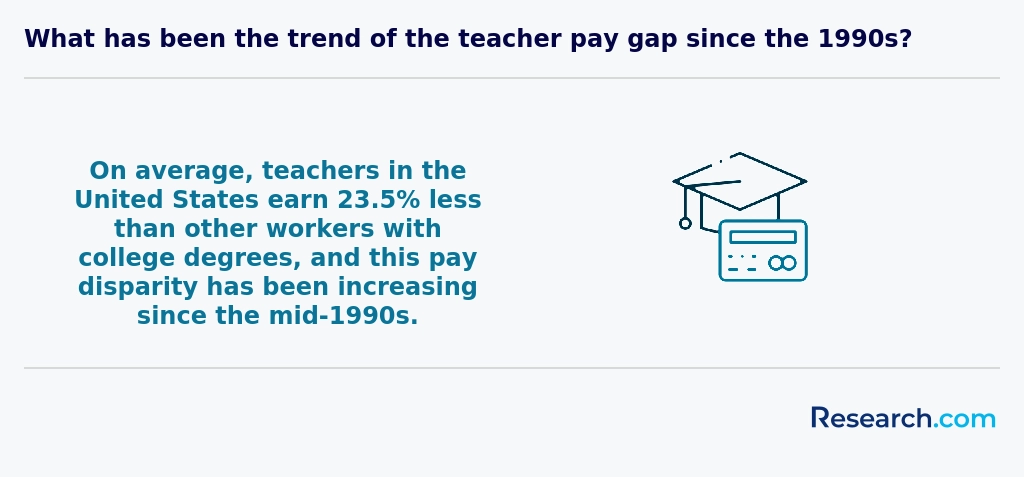
Pursuing a career in education can be a fulfilling and rewarding experience, but the financial constraints of tuition fees can often hinder one's ability to enroll in a program. However, with the plethora of affordable education degree programs available in New Jersey, prospective students can now achieve their academic and professional goals without breaking the bank. For those interested in exploring the cheapest education programs in New Jersey, there are numerous options to consider, each offering a unique blend of academic rigor and practical experience. By opting for one of these affordable programs, students can gain the necessary skills and knowledge to succeed in their chosen career path, all while keeping their financial expenses to a minimum. This not only reduces the burden of student loans but also allows graduates to enter the workforce with a sense of financial stability, enabling them to make a more immediate impact in their communities. Ultimately, choosing an affordable education program in New Jersey can be a prudent decision for those passionate about education, as it balances academic aspirations with financial realities, paving the way for a successful and rewarding career.
Education degree programs in Jersey City typically include core courses such as Foundations of Education, Child and Adolescent Development, Instructional Strategies, Classroom Assessment Techniques, and Educational Technology. Graduates from local universities often describe how these courses provide a strong theoretical background paired with practical teaching methods. For instance, students recount applying concepts from educational psychology during lesson planning, which helps address diverse learning needs in real classrooms.
Programs also emphasize literacy and subject-specific pedagogy. Those pursuing early childhood education focus on literacy development and language acquisition, while secondary education students engage in specialized content courses like math, science, or history teaching methods. Graduates appreciate how this targeted knowledge prepares them for certification requirements and effective classroom instruction.
Many recall hands-on field experiences as invaluable. Mandatory student teaching in Jersey City schools allows students to translate theory into practice, boosting confidence and readiness. These practicum components, supervised by experienced educators, are vital for meeting state certification standards and fostering a positive transition into professional teaching careers.
Education degree specializations in Jersey City cover a broad spectrum tailored to meet diverse professional goals. Graduates from well-known local institutions often enter fields such as Early Childhood Education, focusing on developmental psychology and literacy from birth to age eight. This specialization aligns well with New Jersey's investment in pre-K programs and creates strong job prospects in nearby public and private centers.
Other popular paths include Elementary and Secondary Education, where students specialize by subject-mathematics, science, English, or social studies-to fulfill Jersey City Public Schools' demand for expert teachers. Special education is also a key area, preparing graduates to serve children with disabilities through individualized education programs, complying with federal mandates.
Many students pursuing Jersey City affordable education degree programs also explore Educational Administration and Leadership, equipping them for principal or district administrator positions. Others focus on Curriculum and Instruction or Educational Technology, enhancing teaching methods and digital learning tools. Those seeking advanced roles often consider a masters in education to expand their career opportunities.
Choosing the best education degree in Jersey City involves evaluating program accreditation, cost, and specialization alignment. Graduates from local public institutions highlight the value of degrees accredited by bodies such as CAEP, which increase employability and certification eligibility. Tuition varies widely; public four-year colleges average $14,000 annually for in-state students, while private institutions may exceed $30,000, making affordability a key factor for many. Local community colleges offer even lower rates near $5,000, presenting viable options for those seeking affordable education degree programs Jersey City.
Program offerings should match your career goals, with popular specializations including early childhood education and educational leadership. Graduates often emphasize the importance of practical teaching experiences, supported by partnerships between Jersey City colleges and local schools. Considering faculty credentials and student-to-teacher ratios is essential for personalized learning. Flexibility in scheduling, such as evening and online classes, accommodates working students, expanding access to quality education degrees. Prospective students can explore details further through resources such as the Cheapest Online Master's in Education Degree Programs Ranking in Maine, offering insights into cost-effective options nationwide.

Graduates holding an education degree in Jersey City can expect diverse job opportunities for education graduates Jersey City that span several key roles. Many enter public school teaching, often in elementary to high schools within Jersey City Public Schools, addressing a multicultural student body and developing inclusive teaching skills. Others pursue school administration, becoming principals or curriculum coordinators, roles that require extra certification but offer salaries averaging $120,000 annually, significantly higher than the $73,000 typical for teachers.
Alternatives include educational counselors, who support students' academic and career pathways, a critical function given urban challenges in local schools. Educational technology specialists also represent a growing sector, contributing to the development of innovative digital learning tools as local colleges invest in education infrastructure. Graduates from Saint Peter's University and New Jersey City University often find rewarding careers as academic advisors or student affairs coordinators in higher education, further broadening post-degree possibilities.
Cost-conscious students seeking the best value may explore options through the Cheapest Online Master's in Education Degree Programs Ranking in Maine, helping manage expenses typically ranging between $8,000 and $15,000 annually in New Jersey public institutions.
- Public school teacher in Jersey City schools
- School administration positions such as principal or coordinator
- Educational counselor or student support specialist
- Educational technology specialist
- Higher education advisor or coordinator
The job market for education degree job opportunities in Jersey City is robust, driven by the city's focus on enhancing public education and addressing the needs of a diverse student population. Graduates from popular local institutions often find rewarding teaching positions in subjects like mathematics and special education, supported by initiatives to lower student-to-teacher ratios. These graduates frequently describe a sense of fulfillment working in urban classrooms where their impact is visible daily.
The Jersey City teaching career outlook 2027 remains positive, with steady demand not only for classroom teachers but also for roles such as educational coordinators and counselors. Many graduates report access to competitive salaries ranging from $60,000 to $75,000 annually, along with benefits like health insurance and retirement plans, making education careers in the area financially viable compared to neighboring metropolitan regions. For those exploring affordable pathways, Jersey City's public universities offer accessible programs with in-state tuition rates.
Students considering various routes to enter education may also explore 6 month certificate programs high paying jobs, which some graduates have credited with accelerating their entry into teaching roles. Overall, the focus on expanding educational services provides a welcoming environment for new educators committed to making a tangible difference.
2027 Most Affordable Education Degree Programs Ranking in Jersey City
Investing in your education is a significant decision that can shape your future, and the Research.com team understands the importance of making informed choices. To assist prospective students in Jersey City, we have meticulously crafted the "2027 Most Affordable Education Degree Programs Ranking in Jersey City." Our commitment to quality, credibility, and accuracy is reflected in the extensive research and analysis conducted to compile this ranking.
We utilized the following reputable data sources to ensure a comprehensive evaluation of affordable education degree programs:
By exploring this ranking, readers will gain valuable insights into the most cost-effective education degree programs in Jersey City, enabling them to make well-informed decisions about their academic futures. For more details on our methodology, please visit our Research.com methodology page.


Frequently Asked Questions About education
Education degree students in Jersey City can maximize their learning experience by engaging deeply with both academic and community resources. Local universities often offer practical fieldwork opportunities in nearby public schools, crucial for applying theory to real classroom situations. According to the New Jersey Department of Education, hands-on experience improves student outcomes and job placement rates significantly.
Additionally, students should utilize tutoring centers and academic workshops common in Jersey City colleges to strengthen subject knowledge. Networking through local education conferences and seminars helps build professional connections within the New Jersey school system.
Maximizing learning also involves taking advantage of digital libraries and research databases offered by institutions like New Jersey City University, enhancing access to up-to-date education studies and methodologies.
Emerging niches in the education field reflect shifts in technology, diversity, and student needs. In Jersey City, demand is rising for expertise in special education, bilingual education, and educational technology integration. According to the National Center for Education Statistics, programs focusing on digital literacy and remote learning platforms have grown significantly since 2020.
Local schools increasingly look for educators skilled in culturally responsive teaching, responding to the city's diverse population. Additionally, there's an uptick in interest around mental health support roles within schools, aligning with nationwide trends reported by the American Psychological Association.
These growing fields offer unique opportunities for education degree students in Jersey City to specialize and meet evolving community needs.
After completing an education degree in Jersey City, preparing for the job market involves a combination of practical experience and networking. Graduates should pursue student teaching internships or substitute teaching to gain hands-on skills. According to the New Jersey Department of Education, practical classroom experience significantly improves hiring prospects.
Networking with local schools and attending job fairs in the Jersey City area can help graduates connect with potential employers. Additionally, obtaining state certification is crucial; New Jersey requires passing the Praxis exams for most teaching positions.
Developing a strong resume and preparing for interviews tailored to Jersey City's diverse schools further enhances job readiness. Accessing resources at local career centers like those offered by Hudson County Community College can provide added support.
Employers in Jersey City prioritize several key skills when hiring education degree graduates. Strong communication abilities are essential, as teachers must effectively engage diverse student populations. According to the New Jersey Department of Education, cultural competency and adaptability rank highly in local districts due to Jersey City's diverse demographics. Classroom management and technological proficiency are also critical, reflecting the increasing integration of digital tools in education. Data from the U.S. Bureau of Labor Statistics highlights that problem-solving skills and collaboration abilities are in demand nationwide and apply to Jersey City employers. These competencies help graduates address varied learning needs and work well with colleagues and families.
Finding internships in Jersey City relevant to an education degree involves connecting with local schools, community centers, and educational nonprofits. Jersey City Public Schools often offer opportunities for student teaching or assistant internships, which are essential for gaining classroom experience. Additionally, Hudson County Community College provides resources and career services that help link education students with local internship openings.
Networking through local education job fairs and professional associations like the New Jersey Education Association can also be beneficial. According to the National Center for Education Statistics, practical experience is a crucial component of US teacher preparation programs, making internships vital for certification.
Exploring nearby districts and nonprofit organizations serving children can expand options. Always check with your academic advisor to align internships with degree requirements and licensure goals.
An education degree significantly enhances career mobility and advancement prospects in Jersey City's competitive job market. Graduates with teaching credentials or specialized education certifications are often preferred for roles within the Jersey City Public Schools system, which employs over 27,000 students and actively seeks qualified educators to fill a variety of positions (Source: Jersey City Board of Education, 2023).
Holding an education degree can also lead to higher earning potential; the New Jersey Department of Labor reports that certified teachers in Jersey City earn on average 10-15% more than those without credentials. Additionally, advanced degrees increase eligibility for leadership roles such as curriculum coordinators or school administrators.
Career advancement in education is supported by state initiatives promoting continuous professional development, making formal education credentials essential for moving into specialized or managerial positions within schools and educational services.
Studying for an education degree in Jersey City offers students unique opportunities to develop skills for interdisciplinary roles. Programs often integrate coursework in psychology, sociology, and technology, reflecting the broad demands of modern educational environments. According to the New Jersey Department of Education, many institutions in Jersey City emphasize practical experience, allowing students to work in diverse classrooms and community settings.
This exposure prepares graduates to collaborate across fields like social work, curriculum design, and educational technology. Additionally, local partnerships with urban schools provide real-world challenges that enhance problem-solving and adaptability-key skills for interdisciplinary professionals. Such training aligns with national trends emphasizing holistic educator competencies.
Choosing between a thesis and a non-thesis education degree program in Jersey City depends largely on your career goals and learning preferences. Thesis programs typically require original research and a formal thesis defense, which suits students aiming for research roles or doctoral studies. Non-thesis options focus more on coursework and practical skills, appealing to professionals targeting immediate employment in teaching or administration. According to the National Center for Education Statistics, about 30% of graduate education students choose thesis tracks nationally, but in Jersey City, local universities often customize programs to fit urban school district needs. Consider your long-term plans, available time, and interest in research before deciding.
Students based in Jersey City who want to study education abroad have several options through U.S. institutions offering international study programs. Many nearby universities participate in exchange programs or provide semester-long study abroad opportunities focused on education. These programs enable students to gain global perspectives on teaching methods and education systems.
According to data from the Institute of International Education, around 10% of U.S. education majors participate in study abroad programs, often in countries like the UK, Spain, and Australia.
Additionally, some Jersey City students may choose online education degrees with international components, allowing flexibility while gaining global credentials.
Jersey City offers various part-time job opportunities that complement education degree programs, making it easier for students to gain practical experience. Common roles include teacher assistants, tutors, and after-school program coordinators. Many local schools and community centers hire part-time staff to support students, which aligns well with education studies.
According to the New Jersey Department of Labor, the demand for educational support roles in Hudson County is expected to grow by 5% annually through 2028. This trend provides ample part-time openings for education students. Additionally, roles in daycare centers and libraries offer valuable experience working with children and managing learning activities.
Part-time work in educational nonprofits and youth mentoring organizations also helps develop communication and leadership skills essential for a successful teaching career.
Education students in Jersey City benefit from a variety of networking opportunities that can enhance their academic and professional growth. Local higher education institutions, such as New Jersey City University, regularly host career fairs and workshops focused on education careers, providing direct access to school districts and educational organizations in the region.
Students also have access to professional associations like the New Jersey Education Association (NJEA), which offers conferences, seminars, and networking events tailored to future educators. Engaging with these groups helps students build valuable connections with practicing teachers and administrators.
Additionally, many local schools offer internship and volunteer placements, allowing students to gain practical experience while expanding their professional networks within the Jersey City education community.
Alumni networks offer significant advantages to education degree students in Jersey City. These networks connect current students with graduates who work in local schools and educational organizations. This creates opportunities for mentorship, internships, and job placements after graduation.
According to the New Jersey Department of Education, strong community ties help increase employment rates for education graduates in the area by up to 15%. Alumni can share insights about district hiring practices and professional development.
Moreover, many Jersey City institutions organize events that allow students to build relationships with experienced educators, fostering professional growth.
Overall, a well-organized alumni network enhances career prospects and practical knowledge for education degree students locally.
Students pursuing education degrees in Jersey City can customize their programs by selecting from various specializations such as early childhood, special education, or educational leadership. Many local institutions offer flexible course options and electives that align with specific career goals. For example, Hudson County Community College provides tailored pathways combined with practical field experiences, enhancing job readiness in the region.
Additionally, students may choose between online, evening, or hybrid courses, making it easier to balance work and study. Advisors at Jersey City colleges often help create personalized degree plans that meet state certification requirements and local school district needs.
Internships and partnerships with Jersey City public schools also enable hands-on learning targeted to one's intended teaching environment.
Education students in Jersey City often face several challenges during their academic journey. One significant issue is balancing coursework with fieldwork requirements, such as student teaching, which can be time-intensive and stressful. Many also report financial barriers; according to the National Center for Education Statistics, tuition and living costs in New Jersey have been rising steadily, impacting affordability for local students. Limited access to diverse practicum sites is another concern, as some students struggle to find placements that offer comprehensive classroom experience. Additionally, adapting to evolving state certification standards requires ongoing learning, which some find demanding alongside degree requirements.
With an education degree, graduates in Jersey City can pursue various professional certifications to advance their careers in teaching and administration. The most common certification is the New Jersey Standard Teaching Certificate, required to teach in public schools. This certificate covers multiple subject areas and grade levels.
Additionally, educators may pursue specialized certifications like the Teacher of Students with Disabilities Certificate or English as a Second Language (ESL) endorsement, both highly relevant in Jersey City's diverse school population. According to the New Jersey Department of Education, over 50% of students in Jersey City schools are English language learners, increasing demand for ESL-certified teachers.
Other certifications include school leadership licenses for aspiring principals and supervisors, typically obtained after gaining teaching experience and completing a leadership program. The National Board Certification is a voluntary, advanced credential recognized nationwide that can enhance salary prospects and professional standing.
Writing a winning application for an education program in Jersey City requires clear focus and preparation. Start by thoroughly researching local institutions such as New Jersey City University, which is known for its strong education degrees. Highlight your relevant academic background and practical experience in teaching or community involvement, as many programs value hands-on work.
Personalize your statement of purpose to reflect specific goals aligned with New Jersey's education standards and the needs of Jersey City's diverse student population. According to the New Jersey Department of Education, showing awareness of local educational challenges can strengthen your application.
Be concise and proofread carefully. Include strong recommendations from educators familiar with your potential. Finally, meet all application deadlines, typically between December and February for fall admission.
The global perspective on an education career highlights its growing importance across nations, including the United States. In Jersey City, education degrees align with national trends emphasizing diversity, technology integration, and inclusive teaching methods. According to the National Center for Education Statistics (NCES), nearly 70% of teachers in the U.S. hold at least a bachelor's degree, reflecting high educational standards. Additionally, Jersey City's diverse population demands educators who understand multiculturalism and language development, key global trends in education.
Internationally, education careers are evolving with a focus on lifelong learning and digital skills, influencing local programs. For Jersey City students, this means degree programs often incorporate global teaching practices, preparing graduates for both local and broader opportunities.
Gaining practical experience while studying for an education degree in Jersey City is achievable through several avenues. Many local universities and colleges partner with nearby public and private schools to offer student teaching placements, allowing students to work directly in classrooms under professional supervision. For example, educators in Jersey City can access opportunities in Hudson County schools, which serve diverse student populations and provide valuable hands-on training.
Additionally, internships and volunteer positions with community organizations focusing on youth development are common. These experiences help develop classroom management and lesson planning skills.
Some programs also encourage participation in workshops and seminars that focus on practical teaching strategies, often supported by New Jersey's Department of Education.
Choosing the right concentration within an education degree program in Jersey City involves considering both your career goals and local demand. Education degrees often offer specializations such as early childhood, special education, or secondary education. Jersey City's schools employ many teachers in areas like bilingual education and STEM subjects, reflecting diverse student needs.
It is important to research job placement rates and salaries for different concentrations in the area. Data from the New Jersey Department of Education shows a growing need for qualified special education teachers and ESL instructors in Jersey City.
Additionally, consider certification requirements specific to New Jersey, as concentrations aligned with state licensure can increase employability.
- 2027 Most Affordable Education Degree Programs Ranking in Philadelphia
- 2027 Most Affordable Education Degree Programs Ranking in Wilkes-Barre
- 2027 Most Affordable Education Degree Programs Ranking in Dover
- 2027 Most Affordable Education Degree Programs Ranking in Providence
- 2027 Most Affordable Education Degree Programs Ranking in Washington
- 2027 Most Affordable Education Degree Programs Ranking in Buffalo
- 2027 Most Affordable Education Degree Programs Ranking in Pittsburgh
- 2027 Most Affordable Education Degree Programs Ranking in Erie
- 2027 Most Affordable Education Degree Programs Ranking in Cleveland
- 2027 Most Affordable Education Degree Programs Ranking in Raleigh
See What Experts Have To Say About Studying Education
Read our interview with Education experts

Nooshan Ashtari
Education Expert
Professor & Book Author
University of Southern California


- Teaching Degree Requirements in 2023 | Teachers of Tomorrow https://www.teachersoftomorrow.org/blog/insights/teaching-degree-requirements/
- Tips for Choosing Your Graduate Concentration - Graduate Programs for Educators https://www.graduateprogram.org/blog/tips-for-choosing-your-graduate-concentration/
- Skills Employers Look for in Business Graduates – EU Business School https://www.euruni.edu/blog/skills-employers-look-for-in-business-graduates/
- The importance of networking in the education sector https://www.tlclive.com/blog/the-importance-of-networking-in-the-education-sector
- 5 Tips on Choosing the Right Course or Study Program - Edunation https://www.edunation.co/5-tips-on-choosing-the-right-course-or-study-program/
- Can Higher Education Improve Long-Term Career Success https://studysphereadvisors.com/how-higher-education-influences-long-term-career-growth/
- Secondary Education-Teacher Certification, M.A.T. https://catalog.njcu.edu/graduate/education/elementary-secondary/secondary-education-teacher-certification-mat/
- FAQ MA/MSc (Thesis/Non-thesis) Applicants – Graduate School https://lee.yasar.edu.tr/en/faq-ma-msc-with-without-thesis-candidates/
- Interdisciplinary Higher Education - Teaching and Teacher Learning https://researchblog.iclon.nl/interdisciplinary-higher-education/
- Education Degree Entry Requirements https://universitycompare.com/advice/student/education-degree-entry-requirements


