
2027 Most Affordable Education Degree Programs Ranking in Arlington

Co-Founder and Chief Data Scientist
Choosing the right education degree program in Arlington can feel overwhelming. To help you make a clear and confident decision, this article presents the 2027 Most Affordable Education Degree Programs Ranking in Arlington. Created by the Research.com team of data scientists, this ranking offers reliable insights into affordable options worth exploring.
With an education degree, you open the door to rewarding career paths and personal growth. By reading this article, you'll gain helpful information to find programs that fit your goals and budget, making your journey smoother and more hopeful.
Key benefits of getting education degree in Arlington
- Salary for education degree graduates: Graduates can expect rewarding careers, with special education teachers earning around $76,000 annually and instructional designers making about $77,200. These competitive salaries reflect the valued skills gained from an education degree.
- Career paths: An education degree from a popular Arlington college opens doors to diverse opportunities like early childhood education, ESL teaching, or instructional design, allowing graduates to find fulfilling roles that match their passions. This variety helps you build a meaningful career impacting communities.
- Online degree benefits: Earning an education degree online from a well-known Arlington university offers flexibility to balance work and study while gaining real-world skills. Graduates appreciate the convenience and personalized pace, making education more accessible and enjoyable.
- Key benefits of getting education degree in Arlington
- What can I expect from education degree in Arlington?
- Where can I work with education degree in Arlington?
- How much can I make with education degree in Arlington?
- 2027 Most Affordable Education Degree Programs Ranking in Arlington
- Key Findings
- How long does it take to complete education degree in Arlington?
- Graduation Rates and Employment Outcomes
- What's the difference between online and on-campus education degree?
- Teacher Certification and Licensure
- What is the average cost of education degree in Arlington?
- Insider Tips for Navigating Your Education Degree Journey
- What financial aid is available to education degree students in Arlington?
- Accreditation and Licensure Requirements
- What are the prerequisites for enrolling in education degree program in Arlington?
- Certification and Licensure Requirements
- What courses are typically in education degree programs in Arlington?
- What types of specializations are available in education degree programs in Arlington?
- How do you choose the best education degree in Arlington?
- What career paths are available for education degree students in Arlington?
- What is the job market for education degree in Arlington?
- Top Trending Education Rankings
- See What Experts Have To Say About Studying Education
What can I expect from education degree in Arlington?
The average cost of pursuing an education degree in Arlington depends largely on the type of institution you choose. Graduates from public universities often reflect on how managing tuition-generally more affordable-helped them focus on mastering teaching skills rather than financial worries. Private colleges, while offering smaller class sizes and more personalized attention, usually come with higher tuition fees, making financial aid essential for many students.
Many education students in Arlington benefit from federal aid and state grants aimed at supporting future teachers, especially those committed to high-need subjects or underserved communities. One graduate shared how such assistance made earning their degree at an Arlington public university attainable without overwhelming debt, allowing for a fulfilling and focused educational journey.
Ultimately, the cost varies, but committed students find pathways through scholarships and aid that make earning their degree both possible and rewarding. The investment is often seen as worthwhile, given Arlington's strong hands-on training partnerships and the lasting impact graduates make in local schools.
Where can I work with education degree in Arlington?
With an education degree in Arlington, many graduates find themselves inspired by the strong presence of Arlington Public Schools (APS), where over 3,000 teachers bring classrooms to life. Graduates recall stepping into classrooms feeling prepared to support students, especially in special education and STEM subjects, areas highly sought after in the local school system. The chance to contribute directly to a respected public school network fuels a deep sense of purpose.
Beyond APS, graduates often venture into private and charter schools, enjoying the variety of teaching styles and curricula available across Arlington. Those from George Mason University and Marymount University frequently mention how these environments allow them to tailor their teaching to diverse student needs, enriching their careers.
Many education graduates also embrace roles beyond teaching, such as curriculum specialists or school counselors, where they influence student success from new angles. These expanding career paths resonate with those eager to shape education at a systemic level within the community.
Arlington's nonprofits and county departments provide rewarding jobs in youth development and workforce training, connecting educators with real-world impacts. Graduates report feeling fulfilled working in these vital community programs, driven by a strong desire to give back locally.
How much can I make with education degree in Arlington?
Graduates with education degrees from institutions in Arlington often find promising salary prospects that reflect their dedication and local demand for skilled educators. For example, many who complete their programs at popular schools in the area step into positions as elementary school teachers earning an average of $70,740 annually, a rewarding start to a teaching career.
Those specializing as special education teachers enjoy an even higher mean wage of $76,000, demonstrating the valued expertise required in this field. ESL teachers, commonly found in diverse Arlington classrooms, earn about $65,430, combining purposeful work with a stable income.
Graduates pursuing careers in instructional design report average annual salaries near $77,200, benefiting from expanding opportunities in educational technology and curriculum development. These figures resonate with many Arlington graduates who find that their studies prepare them for roles that balance passion and financial stability.
Balancing earnings with Arlington's cost of living, graduates often appreciate the competitive salaries and benefits provided by local school districts, making education degrees from Arlington institutions a solid investment for future success.
2027 Most Affordable Education Degree Programs Ranking in Arlington
How do we rank schools?
Investing in your education is a significant decision that can shape your future, and the Research.com team understands the importance of making informed choices. To assist prospective students in Arlington, we have meticulously crafted the "2027 Most Affordable Education Degree Programs Ranking in Arlington." Our commitment to quality, credibility, and accuracy is reflected in the extensive research and analysis conducted to compile this ranking.
We utilized the following reputable data sources to ensure a comprehensive evaluation of education degree programs:
By exploring this ranking, readers will gain valuable insights into the most affordable and credible education degree programs in Arlington, enabling them to make well-informed decisions that align with their career goals. For more details on our methodology, please visit our Research.com methodology page.
# 1 position
Strayer University-Virginia
Master of Education


Key Findings
- The average total cost for a bachelor's degree in education in Arlington ranges from $25,000 to $40,000 for in-state students, including tuition, fees, and basic supplies.
- Education degrees available include Bachelor of Science and Bachelor of Arts with licensure options in elementary, secondary, and special education fields.
- Early career teachers in Arlington earn between $47,000 and $53,000 annually, with mid-career salaries rising to $60,000 to $75,000 depending on experience and qualifications.
- Job openings are regularly available in public schools, especially for STEM and special education teachers, due to retirements and system expansion.
- Advanced degrees and certifications improve access to higher-paying leadership and administrative roles within the education sector.
- Arlington's location near Washington D.C. provides additional opportunities in federal agencies, nonprofits, and private educational services, supported by internships and field placements.
How long does it take to complete education degree in Arlington?
Completing an education degree in Arlington usually fits within clear timelines but can feel deeply personal depending on your path. Most undergraduates at well-known local institutions, balancing coursework and student teaching, find themselves immersed in about four years of study. This period not only equips them with essential skills but also offers hands-on experiences that build confidence-moments like guiding your first classroom or collaborating with peers in vibrant campus communities.
Graduate students often share how their journeys extend from one to two years full-time, with part-time paths stretching longer, especially when juggling work and family. For instance, those enrolled in Arlington's Master of Education programs appreciate the flexibility yet admit the extended duration requires patience and dedication-traits that ultimately enrich their professional growth.
Doctoral candidates, sometimes working professionals, describe their three to six years as a profound blend of research and practice, where balancing life's demands cultivates resilience and insight. In Arlington's supportive educational environment, every hour invested reflects a meaningful step toward fulfilling a passion for teaching and leadership.
Graduation Rates and Employment Outcomes
Arlington’s education degree programs boast strong completion and placement statistics that underscore their value. According to NCES data, the average graduation rate for public institutions in Arlington reaches 68%, while private universities like Marymount University report rates above 75%. Within six months of graduation, around 82% of alumni secure full-time roles in education or related fields, with instructional designers and ESL teachers leading the way. Median starting salaries range from $38,640 for Early Childhood Educators to $63,130 for ESL Teachers, providing a solid return on investment when compared to average student loan debt of $37,850. Moreover, alumni repayment rates exceed national averages, indicating manageable loan burdens. For students seeking alternative low-cost pathways, our sister ranking of the Most Affordable Online Education Degree Programs Ranking in Mequon, WI highlights programs with graduation rates above 70% and competitive placement services. By examining these outcomes, prospective students can confidently choose an Arlington program that aligns with both their career goals and financial plans.
What's the difference between online and on-campus education degree?
The difference between online and on-campus education degrees in Arlington often comes down to the learning environment and flexibility. Graduates from Marymount University recall the enriching experience of face-to-face interaction, where hands-on practicum and local school partnerships deepened their practical skills and built meaningful networks. The atmosphere of physically attending classes fosters a sense of community and immediate access to resources like libraries and study groups, which many found invaluable for their growth.
On the other hand, graduates who chose George Mason University's online education program emphasize the flexibility that allowed them to balance family and work commitments. Engaging through video lectures and virtual discussions, they appreciated being able to study from home without sacrificing quality, since their programs still met rigorous accreditation standards like CAEP.
Cost considerations also play a role; online students often save on commuting and housing, making it a more affordable option without losing the essence of education in Arlington's respected institutions.
Teacher Certification and Licensure
After completing your education degree, you must obtain a Virginia teaching license before you can teach in Arlington Public Schools. The process includes:
- Completing an approved teacher preparation program with supervised student teaching;
- Passing Praxis Core Academic Skills and Praxis II content exams;
- Submitting official transcripts and exam scores to the Virginia Department of Education (VDOE);
- Clearing a state background check and fingerprinting;
- Applying for an Initial License (valid for five years), renewable upon meeting professional development requirements.
For accelerated or alternative pathways-such as postbaccalaureate certificates or master's routes-explore our cheapest masters degree resource for cost-effective options.
What is the average cost of education degree in Arlington?
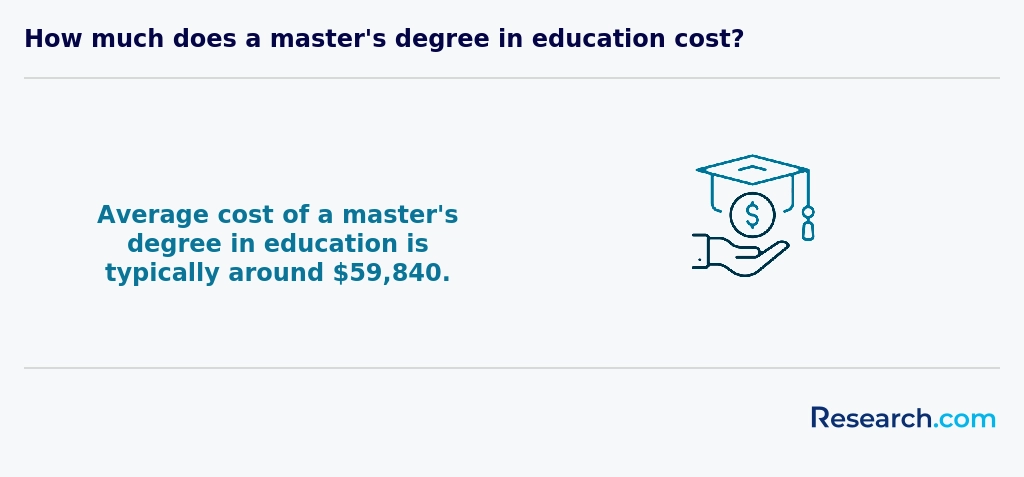
The average cost of an education degree in Arlington reflects a balance between in-state and out-of-state tuition, as well as the choice between public and private institutions. Many graduates from the University of Texas at Arlington recall managing expenses around $40,920 for in-state students, which includes both tuition and fees, while out-of-state students often face closer to $59,920 in total costs. These figures help paint a realistic picture for those exploring affordable education degree programs Arlington 2027 can offer.
Students often share how affordable public universities in Arlington make pursuing an education degree a more accessible and rewarding experience. For example, tuition and related expenses in public institutions can be significantly lower than attendance at private colleges, where annual costs might rise sharply. Despite higher tuition, private schools frequently offer scholarships, an essential resource students frequently rely on to ease financial burdens and stay motivated throughout their studies.
Living locally while attending these schools further enhances cost-effectiveness. Arlington's vibrant community allows many to live at home or find affordable housing, a crucial factor when considering the full scope of expenses beyond tuition. Books, supplies, and incidental fees add another layer to budgeting but are often managed successfully by students committed to their education goals.
Exploring options and knowing where to look is key. Many students searching for an affordable education school in virginia find inspiration correlating to their Arlington experience, confirming that thoughtful planning leads to both academic and financial success.
Insider Tips for Navigating Your Education Degree Journey
Embarking on an education degree in Arlington, VA, can be both exciting and challenging. To help you make the most of your academic journey, here are some insider tips that blend practical advice with key strategies for success: Students should start by researching each program’s unique offerings-review faculty expertise, available specializations, and support services-to ensure it aligns with your long-term career goals. Additionally, connect with current students and alumni via campus tours, online forums, or local education events to gain real-world insights that aren’t found on websites alone. Networking is vital; attend job fairs, participate in community initiatives, and consider joining professional organizations to enhance your career prospects. It’s also essential to keep track of application deadlines and prepare all necessary documents well in advance, from transcripts to letters of recommendation. For those looking to maximize their investment in education, exploring the latest rankings can provide a clear picture of value and quality; you might consider reviewing the detailed list of programs available at our affordable education school in virginia to compare cost, curriculum, and career outcomes. Finally, don’t hesitate to reach out to academic advisors-many institutions offer personalized guidance that can streamline the enrollment process and help you secure financial aid opportunities, ensuring your pathway to a fulfilling career is as smooth as possible.
What financial aid is available to education degree students in Arlington?
Many education students in Arlington find financial aid essential in making their degree attainable and less stressful. Graduates from local institutions often share how federal aid programs like the Pell Grant, offering up to $7,395, provided crucial help offsetting tuition and daily expenses while balancing studies and work. These funds make it possible to focus on learning without overwhelming debt worries.
They also rely on federal Direct Subsidized and Unsubsidized Loans, appreciating the low interest rates and flexible repayment plans that kick in after graduation. This structure gives peace of mind, especially for those aiming to teach in Arlington's diverse, community-focused schools.
- State programs such as the Virginia Tuition Assistance Grant further support students targeting private colleges in the area.
- Local scholarships rewarded through nonprofit foundations or school districts recognize commitment to education and community service, bolstering morale and financial security.
- The TEACH Grant stands out for those intending to serve in low-income schools, combining financial aid with a meaningful career promise.
- Work-study jobs offer hands-on experience in educational settings, balancing income generation with professional growth.
Proactively filing the FAFSA early and consulting Arlington college financial aid offices has repeatedly been highlighted by recent graduates as key to unlocking these resources, resulting in a smoother, more confident academic journey.
Accreditation and Licensure Requirements
Ensuring your degree program holds proper accreditation is the first step toward a seamless path to becoming a licensed educator in Virginia. In Arlington, the majority of respected institutions maintain Council for the Accreditation of Educator Preparation (CAEP) or National Council for Accreditation of Teacher Education (NCATE) accreditation, which signals that coursework meets rigorous national benchmarks. Additionally, the Virginia Department of Education (VDOE) requires successful completion of approved teacher preparation programs, supervised clinical experiences, and passing scores on Praxis exams relevant to your endorsement area. Before enrollment, confirm that your chosen program includes:
- VDOE-approved coursework aligned with state licensure standards.
- Supervised student-teaching placements in accredited K–12 settings.
- Structured support for Praxis Core Academic Skills and Praxis Subject Assessments. If you’re weighing on-campus versus online options, be sure the online track is regionally accredited and state-approved. Many prospective students explore the best bachelors in education online to compare accredited pathways that balance flexibility with full licensure eligibility. By selecting a program recognized by both CAEP (or NCATE) and VDOE, you’ll pave the way for a smooth licensure application, confidence in your teaching credentials, and readiness to serve Virginia classrooms upon graduation.
What are the prerequisites for enrolling in education degree program in Arlington?
Enrolling in an education degree program in Arlington starts with meeting clear academic standards. Most undergraduates need a high school diploma or GED, while graduate applicants must hold a bachelor's degree from an accredited college or university. Graduates from popular Arlington institutions often reflect on how this foundation gave them confidence as they began their teacher training.
Test scores like the SAT, ACT, or GRE may still be part of the application, depending on the school. Many students find these requirements manageable and appreciate the clarity they provide about academic readiness. One common experience shared by education graduates is how volunteering or internships within Arlington's schools helped bridge theory and practice early on, enriching their learning and affirming their vocational passion.
Background checks, including fingerprinting, are essential, safeguarding the wellbeing of Arlington's students and reflecting the deep responsibility embraced by future educators. Financially, students recall navigating tuition costs ranging widely between public and private institutions, which encouraged them to seek scholarships and aid proactively, supporting both ambition and peace of mind.

Certification and Licensure Requirements
To teach in Arlington Public Schools, you must obtain a Virginia teaching license through the Virginia Department of Education (VDOE), demonstrating you meet state standards.
- Complete a VDOE-approved education program, including required student teaching hours.
- Pass Praxis exams: Core Academic Skills for Educators and relevant Subject Assessments.
- Undergo a criminal background check and fingerprinting as part of the VDOE application.
- Submit official transcripts, application forms, and fees to VDOE for provisional or professional licensure.
If you need a faster route, consider an accelerated online bachelor's degree that’s VDOE-approved to streamline your path to the classroom.
What courses are typically in education degree programs in Arlington?
Students pursuing education degrees in Arlington often find themselves immersed in a curriculum designed to balance theory and hands-on practice. Graduates from local colleges frequently recall how foundational courses such as Foundations of Education opened their eyes to the historical and philosophical roots of teaching, providing meaningful context for their later experiences. Understanding the student mind through Educational Psychology became a turning point for many, offering insights that improved their classroom interactions.
Practicum experiences in Arlington's schools give students invaluable real-world exposure, where they apply Classroom Management techniques and innovate lesson plans developed in Curriculum Design and Instruction courses. These moments, often remembered fondly by graduates, underscore how assessment methods taught in class translate directly to measuring student growth in a lively classroom.
Moreover, special topics like Educational Technology and Special Education keep students prepared for diverse and modern classroom challenges. Such a comprehensive and locally attuned program helps Arlington education students feel confident stepping into their teaching careers, supported by programs recognized for quality and practicality.
What types of specializations are available in education degree programs in Arlington?
Students enrolled in education degree programs Arlington specialties often find themselves drawn to practical fields that reflect Arlington's diverse community and educational landscape. Graduates from well-known local universities share how specializing in Early Childhood Education enabled them to engage deeply with developmental milestones and create nurturing classroom environments for young learners in Arlington's public schools.
Other common paths include Special Education, where students learn to develop Individualized Education Programs, and Secondary Education, focusing on subject-specific teaching at middle and high schools. These specializations respond to real classroom needs seen throughout Arlington, enhancing graduates' ability to thrive professionally.
For those seeking leadership roles, specializations such as Educational Leadership and Administration provide essential skills for managing schools and influencing policy. Meanwhile, Curriculum and Instruction appeals to educators passionate about innovative teaching methods and technology integration.
Reflecting Arlington's multicultural environment, the English as a Second Language (ESL) and Bilingual Education track attracts students committed to supporting language acquisition among diverse learners. Those exploring these options should explore the best bachelors in education online to find flexible pathways that match their goals.
How do you choose the best education degree in Arlington?
Choosing the best education degree in Arlington means prioritizing programs with strong accreditation and real-world experience. Graduates from George Mason University often praise its hybrid format that blends online flexibility with on-campus engagement, ideal for balancing studies with work or family. Many found that programs accredited by CAEP helped streamline their path to teacher certification, offering confidence in the quality of their training.
Cost is another key factor. While private institutions like Marymount University carry higher tuition, students frequently mention how scholarships and assistantships eased financial burdens. Exploring affordable education degree programs in Arlington can be a thoughtful way to balance expense with opportunity, especially when considering programs that provide hands-on clinical experience in local schools, which is crucial for practical learning and networking.
Specialization also shapes your journey. Graduates focusing on special education or educational technology often report feeling more prepared for today's diverse classrooms. For those comparing options, reviewing employment rates and graduate success statistics published by Arlington schools can guide decisions toward programs aligned with your goals. For students seeking even more budget-friendly paths, the Most Affordable Online Education Degree Programs Ranking in Mequon, WI offers useful insights on comparable programs beyond Arlington.
What career paths are available for education degree students in Arlington?
Graduates with an education degree in Arlington find a variety of meaningful career paths tailored to their passions and skills. Many take pride in becoming licensed K-12 teachers within Arlington Public Schools, where they contribute to a vibrant, diverse community. These roles often require state certification and offer a starting salary aligned with Virginia's averages, which reflects both the value placed on education here and the city's supportive environment for educators.
Beyond teaching, education degree career options Arlington include leadership positions such as school principals or curriculum coordinators-roles that experienced graduates from local universities aspire to after gaining classroom experience. There are also opportunities in special education, instructional coaching, and educational consulting, where professionals can deeply impact student outcomes and school policy.
Some graduates appreciate working in community education centers, offering adult education and workforce training tailored to Arlington's evolving needs. Others pursue advanced credentials, sometimes guided by flexible programs like a one year online masters degree, balancing work and study while expanding their career horizons.
What is the job market for education degree in Arlington?
The education degree job opportunities in Arlington reflect a steady and encouraging environment for graduates. Many education students from prominent local universities experience a seamless transition into roles within Arlington Public Schools, where there's an ongoing demand for special education and STEM teachers. Graduates often share a sense of fulfillment knowing they contribute to a community that values quality education and offers competitive salaries, with averages around $74,000-higher than national medians.
Arlington teaching career outlook 2027 points toward consistent job growth not only in classroom teaching but also in counseling and curriculum development, areas where graduations from Arlington's respected education programs find rewarding employment. Students balancing study and life appreciate that, despite tuition costs being comparable to national averages, numerous financial aid options ease the path. Those exploring pathways sometimes consider easiest associates degrees as stepping stones toward full certification, which many local graduates find useful.
Frequently Asked Questions About education
Education degree students in Arlington can maximize their learning experience by actively engaging in both coursework and practical experiences. Arlington benefits from proximity to numerous schools and educational organizations, offering plentiful opportunities for student teaching and internships. According to the Arlington Public Schools district, partnerships with local colleges enable students to gain hands-on experience early in their programs.
Additionally, utilizing campus resources such as tutoring centers and study groups can enhance understanding of complex education theories. Students should also seek out workshops and seminars on the latest teaching technologies and methods, as Arlington schools increasingly integrate digital tools into classrooms.
Networking with local educators and attending community education events can provide valuable insights and professional connections. The National Center for Education Statistics notes that students involved in fieldwork tend to have higher employment rates post-graduation, emphasizing the importance of applied learning for Arlington's aspiring teachers.
The education field in Arlington is experiencing growth in several emerging niches. One key area is educational technology, driven by increased demand for online and blended learning environments. According to the Arlington Public Schools system, investments in tech tools have grown by 25% over the past five years to support remote education.
Another expanding niche is special education, with a rising focus on inclusive classrooms and individualized learning plans. The U.S. Department of Education reports that special education employment is projected to grow 7% annually.
Additionally, there is growing interest in bilingual education programs in Arlington, reflecting the area's diverse population. This includes degrees specializing in teaching English as a Second Language (ESL), which are increasingly valued.
Career counseling and educational psychology also show expansion, responding to greater emphasis on student mental health and career readiness in school curricula nationwide.
After completing an education degree in Arlington, preparing for the job market involves strategic steps to increase employability. Begin by obtaining required state certifications, such as the Virginia Department of Education teaching license, essential for public school employment. Engage in student teaching or internships during your degree to gain practical classroom experience.
Networking is crucial; joining local professional organizations like the Arlington Education Association can connect you with educators and job openings. Arlington Public Schools often post vacancies online, so regularly checking their Human Resources site helps stay informed.
Focus on developing skills in technology integration and special education, as these areas show growing demand nationally and locally, according to the U.S. Bureau of Labor Statistics.
Employers in Arlington highly value education degree graduates who demonstrate strong communication and classroom management skills. According to the Arlington Public Schools Human Resources report (2023), effective verbal and written communication ranks as a top priority, essential for engaging diverse student populations.
Critical thinking and adaptability are also crucial, especially as educators must tailor lessons to meet varying student needs and integrate technology effectively. The Bureau of Labor Statistics notes that the demand for tech-savvy teachers is growing nationwide, which is reflected in Arlington's local hiring trends.
Additionally, collaboration skills are important as teachers often work closely with colleagues and parents to support student growth, as emphasized by Arlington's education advisory boards.
Finding internships in Arlington relevant to an education degree starts with understanding the local academic and school environment. Arlington Public Schools, serving over 28,000 students, often offers internship opportunities for education majors through partnerships and volunteer programs.
Students should connect with their university career centers, as many colleges in Arlington maintain relationships with local schools and educational organizations. According to the National Center for Education Statistics, practical experience via internships enhances job prospects by 15% for education graduates.
Additionally, organizations like Arlington's Office of Human Services and community centers provide internship openings focused on youth development and education support. Monitoring school district websites and local government postings regularly can reveal valuable opportunities.
Networking with Arlington educators and attending job fairs dedicated to K-12 education further increases access to internships aligned with education degrees.
Obtaining an education degree in Arlington significantly impacts career mobility and advancement, especially within local school districts. According to Arlington Public Schools, teachers holding at least a bachelor's degree in education have greater opportunities for promotion to leadership roles, such as department heads or instructional coordinators. Additionally, many administrative positions require a master's degree or higher, which further emphasizes the value of advanced education credentials.
The U.S. Bureau of Labor Statistics reports that education professionals with specialized degrees tend to experience higher employment rates and salary growth over time. In Arlington, the demand for qualified educators remains strong, supported by continuous investment in public education.
Furthermore, education degrees often enable professionals to qualify for various state certifications, expanding their career prospects both inside and outside classroom settings within the Arlington area.
Studying for an education degree in Arlington offers a unique foundation for interdisciplinary roles by integrating diverse academic disciplines.
Local programs emphasize collaboration across fields such as psychology, technology, and social sciences. This broad approach equips students with skills beyond traditional teaching methods.
According to Arlington Public Schools and Arlington Community College data, many courses incorporate real-world problem solving and technology integration, preparing graduates for dynamic educational environments.
Exposure to community-based projects and partnerships supports practical understanding of various student needs, fostering adaptability in careers spanning administration, counseling, and curriculum development.
Such interdisciplinary training aligns with national trends where educators increasingly engage in multifaceted roles to meet evolving demands in education.
Choosing between a thesis and a non-thesis education degree program in Arlington depends mainly on your career goals and academic interests. Thesis programs focus on original research, requiring students to complete a substantial research project and defend their work. They are ideal for those interested in pursuing a doctorate or careers in educational research and policy.
Non-thesis programs emphasize practical skills and often include additional coursework or internships. These programs suit professionals aiming for leadership roles in schools or districts without a research requirement.
According to the Texas Higher Education Coordinating Board, about 60% of Arlington's education master's students enroll in non-thesis tracks, reflecting local demand for applied skills.
Students based in Arlington seeking education degrees abroad have several pathways through U.S. institutions offering international study options. Many universities with campuses near Arlington, such as George Mason University and Marymount University, provide study abroad programs specifically tailored for education majors. These programs often include student teaching placements or education research opportunities in countries like the UK, Spain, and Japan.
According to the Institute of International Education (IIE), about 15% of U.S. undergraduates participate in study abroad annually, with education fields gaining popularity due to the global demand for qualified teachers. Arlington students benefit from district partnerships that facilitate credit transfer and ensure international experiences align with licensure requirements in the U.S.
Students pursuing education degrees in Arlington can benefit from various part-time job opportunities that complement their academic training. One popular option is working as teacher assistants or paraprofessionals within Arlington Public Schools, where students gain practical classroom experience while earning income. According to Arlington Public Schools data, these roles provide valuable insights into student management and lesson planning.
Additionally, tutoring positions are widely available in Arlington, supporting subjects like reading and math for K-12 students. Several local learning centers and community programs seek tutors, offering flexible schedules compatible with course workloads.
Many education majors also find part-time work as after-school program coordinators or childcare assistants, roles that enhance leadership and organizational skills beneficial for future teaching careers.
Education students in Arlington have access to a variety of networking opportunities that support their professional growth. Local universities, such as Marymount University, regularly host career fairs and education symposiums where students connect with educators and administrators. According to the Arlington Chamber of Commerce, these events attract over 200 local school district representatives annually, providing valuable contact points.
Students can also engage with professional organizations like the Virginia Education Association, offering workshops and conferences near Arlington that foster networking. Additionally, Arlington Public Schools partners with higher education institutions, creating internship and mentorship opportunities for education majors.
Alumni networks provide vital support to education degree students in Arlington by fostering professional connections and mentorship opportunities. Graduates of Arlington's colleges often stay engaged with current students through career events and webinars, helping bridge the gap between academic learning and classroom experience.
These networks can offer access to exclusive job listings within Arlington's diverse school districts, increasing employment prospects. According to the Arlington Education Association, involvement in alumni activities correlates with higher job placement rates, benefiting both recent graduates and seasoned educators seeking advancement.
Additionally, alumni communities frequently share resources, funding opportunities, and continuing education workshops, enhancing students' professional growth throughout their careers.
Customizing an education degree program in Arlington begins with selecting a focus area that aligns with your career goals, such as elementary education, special education, or educational leadership. Many local institutions offer flexible options including online courses, evening classes, and internships, allowing you to tailor your schedule to work or personal commitments.
Arlington's schools often collaborate with universities, providing valuable practicum placements. According to the National Center for Education Statistics, hands-on experience increases job readiness by 30%. You can also choose electives that enhance skills in technology integration or bilingual education, both in demand locally.
Advisors at Arlington colleges help design individualized plans ensuring alignment with state certification requirements and personal aspirations.
Education students in Arlington commonly face several notable challenges throughout their degree programs. One major obstacle is balancing rigorous coursework with required field experiences, such as student teaching placements, which demand significant time and commitment. According to data from the Arlington Public Schools and local universities, coordinating schedules between classes and on-site teaching can cause stress and fatigue for students.
Financial pressures are another challenge. While Arlington offers competitive education programs, the cost of tuition and living expenses remains high compared to national averages, as reported by the National Center for Education Statistics.
Additionally, students often encounter the challenge of staying updated with evolving education standards and technology integration in classrooms. Mastery of digital tools is essential but can be overwhelming for some.
Finally, research indicates that support systems, such as mentoring and academic advising, are crucial but sometimes underutilized resources for Arlington education students, impacting overall success rates.
With an education degree in Arlington, graduates can pursue several professional certifications that enhance their teaching credentials and career prospects. One of the most common is the Teaching License, required to instruct in public K-12 schools across Virginia. Obtaining this license involves passing the Praxis exams and completing state-approved teacher preparation programs.
Additionally, educators can seek National Board Certification, a voluntary credential that demonstrates advanced teaching expertise and can lead to higher salaries. Arlington teachers often pursue this certification due to the district's strong support for professional development.
Other certifications include Special Education credentials and English as a Second Language (ESL) endorsements, both in demand due to Arlington's diverse student population, as reported by the Arlington Public Schools Annual Report 2023.
To write a winning application for an education program in Arlington, start by carefully researching the specific program's requirements. Many Arlington institutions look for a clear statement of purpose that highlights your passion for teaching and community impact. According to the Arlington Public Schools data, programs often emphasize practical experience, so including relevant volunteer or work experience boosts your application.
Strong letters of recommendation from educators or supervisors in the field can significantly enhance your chances. Also, pay close attention to your academic transcripts; a GPA of 3.0 or higher is commonly preferred by Arlington universities offering education degrees. Finally, clearly articulate how your goals align with Arlington's diverse educational needs.
Globally, education careers are increasingly valued for their role in shaping future generations and promoting social equity. In the United States, including Arlington, education professionals are expected to adapt to diverse classrooms and integrate technology into learning.
According to the National Center for Education Statistics, teacher demand is projected to grow by 7% from 2021 to 2031, reflecting steady opportunities in the field. Arlington's diverse population and numerous public and private schools offer a dynamic environment for educators.
Internationally, education careers focus on skills like cultural competence and innovation, which are equally important in Arlington's classrooms. Pursuing an education degree in Arlington provides access to accredited programs addressing these global trends.
Gaining practical experience is essential while pursuing an education degree in Arlington. Many local universities and community colleges offer fieldwork components such as student teaching placements in nearby Arlington Public Schools. These opportunities allow students to apply theoretical knowledge in real classrooms under the supervision of certified educators.
Internships and volunteer roles at community centers or educational nonprofits in Arlington also provide valuable hands-on experience. According to Arlington Public Schools, over 1,800 teacher candidates engage in such practicums annually, enhancing their classroom management and instructional skills.
Additionally, attending education workshops and participating in research projects related to Arlington's diverse student population can deepen practical understanding.
Choosing the right concentration within an education degree program in Arlington starts with identifying your career goals. Common concentrations include early childhood education, special education, and educational leadership. According to the Texas Higher Education Coordinating Board, Arlington's institutions offer diverse programs tailored to local school district needs, particularly in special education where Texas reports a 10% annual demand increase for qualified teachers.
Consider practical factors such as internship opportunities, faculty expertise, and program accreditation by bodies like CAEP (Council for the Accreditation of Educator Preparation). Visiting campus advisors and reviewing Arlington Independent School District hiring trends can also provide valuable insight.
Related Education Rankings for Nearby Cities
- 2027 Most Affordable Education Degree Programs Ranking in Washington
- 2027 Most Affordable Education Degree Programs Ranking in Dover
- 2027 Most Affordable Education Degree Programs Ranking in Philadelphia
- 2027 Most Affordable Education Degree Programs Ranking in Wilkes-Barre
- 2027 Most Affordable Education Degree Programs Ranking in Pittsburgh
- 2027 Most Affordable Education Degree Programs Ranking in Raleigh
- 2027 Most Affordable Education Degree Programs Ranking in Greensboro
- 2027 Most Affordable Education Degree Programs Ranking in Winston-Salem
- 2027 Most Affordable Education Degree Programs Ranking in Erie
- 2027 Most Affordable Education Degree Programs Ranking in Buffalo
Top Trending Education Rankings
See What Experts Have To Say About Studying Education
Read our interview with Education experts

Nooshan Ashtari
Education Expert
Professor & Book Author
University of Southern California

Alan J. Singer
Education Expert
Professor of Teaching, Learning and Technology
Hofstra University

References
- Putting theory into practice: The value of an interdisciplinary approach to teaching https://my.chartered.college/impact_article/putting-theory-into-practice-the-value-of-an-interdisciplinary-approach-to-teaching/
- Financial Aid | ACI https://www.arlingtoncareerinstitute.edu/student-services/financial-aid/
- Online Learning vs Traditional Learning Comparison https://advantagesschool.com/online-learning-vs-traditional-learning/
- How to Build Work Experience While Studying - EN Global Education Ltd https://englobaleducation.co.uk/how-to-build-work-experience-while-studying/
- Networking For Educators: How To Grow A Professional Circle - Carlow University https://www.carlow.edu/networking-for-educators/
- Finding Networking Opportunities as a Student | National Society of High School Scholars https://www.nshss.org/resources/blog/blog-posts/how-to-find-networking-opportunities-as-a-student/
- Education degree - Tłumaczenie po angielsku - Słownik angielsko-polski Diki https://www.diki.pl/slownik-angielskiego
- Engaging Students in Meaningful Learning Experiences https://www.facultyfocus.com/articles/effective-teaching-strategies/engaging-students-in-meaningful-learning-experiences/
- Networking Tips and Advice for Students https://schoolshouldbe.com/post/networking-tips-and-advice-for-students/
- Students: This is How You Should Prepare for the Job Market https://www.agencycentral.co.uk/articles/students-this-is-how-you-should-prepare-for-the-job-market/


