2027 Easiest Online Education Degree Programs Ranking in the West

Co-Founder and Chief Data Scientist
Choosing the right education degree program can feel overwhelming, especially with so many options available online. That's why the 2027 Easiest Online Education Degree Programs Ranking in the West was created by the Research.com team of data scientists to help students make more informed decisions.
In this article, you'll discover programs that balance quality with accessibility, making your path to earning a degree smoother and more manageable.
Getting an education degree opens new doors and offers rewarding career opportunities. Reading this guide will give you confidence and clarity in selecting a program that fits your goals and lifestyle.
Key benefits of getting online education degree in the West
- Education degree graduates in the West can expect competitive salaries, such as $76,000 annually for Special Education Teachers and $77,200 for Instructional Designers, reflecting strong earning potential in the field.
- Graduates from institutions like the University of California often find diverse career paths, including teaching, curriculum design, and educational consulting, offering flexibility and growth opportunities in education.
- Online education degrees from schools like Arizona State University provide convenience and affordability, allowing students to balance work and study while gaining the same respected credentials as traditional programs.
- 2027 Easiest Online Education Degree Programs Ranking in the West
- What can I expect from online education degree in the West?
- Where can I work with online education degree in the West?
What can I expect from online education degree in the West?
The average cost of an online education degree in Western public universities generally falls between $7,000 and $15,000 annually for in-state students. This range may initially seem like a hefty investment, but graduates often recall how balancing work and coursework from institutions like the University of Washington or California State University created a meaningful, flexible learning journey. Out-of-state students and those at private colleges might pay more, yet many find reassurance in the availability of financial aid and scholarships tailored to online learners, softening the financial challenge.
Imagine a working parent in Oregon who, without these programs, might never pursue a Master's in Educational Leadership due to rigid schedules. Instead, online formats allowed them to engage deeply with curriculum design and assessment strategies while still being present at home. The cost, then, becomes a valued gateway to professional growth, not merely a number on a tuition bill. These experiences highlight how financial considerations intertwine with the palpable excitement of expanding one's impact in regional education.
Where can I work with online education degree in the West?
Graduates from online education programs at well-known Western institutions often find themselves stepping confidently into public K-12 schools, especially in states like California and Washington, where thousands of licensed teachers are in demand every year. Imagine a graduate from a university in Oregon who lands a teaching position in a diverse urban school district, excited by the chance to apply the practical skills gained online to real classrooms.
Beyond traditional teaching, many alumni work in higher education as academic advisors or instructional designers, roles that allow them to shape the student experience from behind the scenes. For example, a graduate from a community college's online program may thrive creating curriculum materials or supporting student services at a local university.
Fields like special education or educational technology offer thrilling challenges and growth opportunities, with Washington State projecting an 11% growth in special education roles by 2030. Graduates passionate about inclusivity often feel fulfilled working in these specialized settings.
Others channel their expertise into corporate training, developing engaging e-learning solutions for companies eager to invest in employee development. Many Western graduates find this blend of education and technology rewarding, reaffirming that an online degree opens diverse, impactful pathways across the region.
Graduates from online education programs at institutions like the University of Washington or California State University often discover their degrees unlock careers with compelling earning potential in the Western states. For example, becoming an elementary school teacher can bring an average annual salary of about $70,740, reflecting a solid middle ground within the region's salary range.
Some graduates find themselves in more specialized roles. Special education teachers typically earn around $76,000 annually, which not only matches but sometimes exceeds local cost-of-living expectations. Online degree holders who pursue early childhood education roles might start at a mean wage near $41,410, gaining experience that naturally elevates earnings over time.
There are also promising pathways into educational design, where instructional designers earn about $77,200 per year, combining creativity with salary strength. These figures reflect real scenarios faced by graduates adjusting to life in places such as Oregon or Colorado, where demand is high for flexible, innovative educators trained online.
Ultimately, online education degrees in the West are not just about access; they translate into tangible financial rewards tied closely to roles these graduates step into every day.
- Online education degrees in the Western US typically cost between $15,000 and $30,000, with public universities offering lower tuition for in-state students.
- Graduates with education degrees earn an average starting salary of about $45,000, rising to around $60,000 mid-career.
- The job market for education professionals in the West is expected to grow by 5% from 2022 to 2032.
- Licensing usually requires an accredited program, passing state-specific exams, and some field experience.
- Many online degree programs meet state certification standards and offer flexibility for working professionals.
Completing an online education degree in the West often defies the neat timelines found in brochures. At institutions like the University of Washington or California State University, graduates share stories of juggling late-night lesson planning while pursuing their bachelor's in education, stretching the typical four-year path into five or six due to part-time enrollment and family commitments. Such flexibility, though, empowers many to stay engaged without sacrificing income.
Master's students from Western Oregon University frequently describe how their programs, designed for working teachers, extend over two to three years part-time-transforming learning into a manageable, rewarding journey rather than a rushed race. These schedules foster deeper connections with the material and peers, enriching the experience beyond just ticking boxes on a timeline.
Doctoral candidates in the West sometimes spend upwards of seven years balancing rigorous research with life's unpredictable demands, often appreciating how adaptable online formats respect their pace. This personalized approach challenges the assumption that speed equals success, emphasizing instead meaningful progress aligned with each student's reality.
The landscape of online education continues to evolve, driven by emerging technologies and innovative teaching practices that are reshaping how students learn and interact. Institutions across the West are increasingly integrating adaptive learning technologies, virtual reality classrooms, and AI-powered tutoring systems to provide highly personalized learning experiences. These advancements are not only enhancing curriculum delivery but also preparing graduates for dynamic and tech-forward career environments. Moreover, industry partnerships and collaborative research projects are paving the way for curriculum updates that reflect real-world demands, ensuring that online degree programs remain relevant and competitive. For example, some programs have recently incorporated modules focused on digital competency and remote collaboration, vital skills for the 21st-century workforce. To stay ahead, prospective students should explore opportunities like the best online education degree in california, which highlights programs that are at the forefront of these innovations. As these trends continue to influence course design, learning management systems, and student support services, the future of online education in the West looks both promising and transformative.
Choosing between an online and an on-campus education degree in the West isn't just about location-it's a shift in how you experience learning. Graduates from universities like the University of Washington often describe online programs as a lifeline, allowing them to juggle family or full-time jobs while advancing their careers. Unlike the rigid schedules of an on-campus program at institutions such as California State University, where attending lectures means adjusting life around class times, online students access lectures and assignments whenever their day permits.
Cost is another real-world factor. Many report that online degrees helped them sidestep expenses tied to housing, commuting, and campus fees typical in the West's public universities, where in-state tuition can range from $7,000 to $12,000 annually. According to WICHE, saving up to 30% on overall costs isn't uncommon, a detail that reshapes many students' decisions.
Still, the intangible benefits of on-campus life-a spontaneous chat after class or late-night study sessions in campus libraries-are deeply missed by some, making the choice more than just academic but emotional too.
Pursuing an online education degree in the West requires a reliable technology setup and access to robust support services. At minimum, you should have a desktop or laptop with a dual-core processor, 8 GB of RAM, a webcam, and a stable broadband connection (at least 5 Mbps download/upload). Most programs use learning management systems like Canvas or Blackboard-ensure your device meets their browser and operating system requirements and install free tools such as Zoom, Microsoft Office 365, and Adobe Acrobat Reader for lectures, assignments, and collaboration. It’s also wise to test your audio/video functionality before the first class and maintain backup options (e.g., a mobile hotspot) to avoid disruptions during synchronous sessions. Equally important are the support services that empower online learners to succeed. Look for programs offering 24/7 technical help desks, online writing centers, virtual tutoring, and digital library access with research databases and e-journals. Academic advising and career counseling should be readily available via phone, email, or video conference to help you stay on track and plan post-graduation goals. Many institutions also provide disability accommodations and peer mentoring communities to foster engagement and reduce isolation. Finally, when mapping out your study budget, factor in additional fees for software licenses, proctoring services, and graduate-level tuition-compare expenses thoroughly by checking our guide on online masters in education cost to ensure you choose a program that aligns with both your academic ambitions and financial plan.
The average cost of an online education degree in the West challenges many assumptions about affordability and value. Recent data shows that the median total cost hovers around $35,501, with in-state students paying closer to $19,224 on average, while out-of-state learners face a median cost of around $36,974. This disparity reflects not just geographic status but also the variety of program formats and institutional prestige that influence tuition fees.
Consider graduates from well-known Western universities who share that even though tuition can feel steep, online education provides savings in time and living expenses, which traditional on-campus routes do not offer. For instance, avoiding relocation or housing costs can translate into thousands saved each year, making the price tag more manageable and the investment more attractive emotionally and financially.
Students seeking affordable online education degree programs western US often find that tuition discounts and financial aid opportunities soften these costs, especially for public university learners. One graduate recounted how the flexibility and reasonable tuition rates at local public institutions allowed them to balance work and study effectively without accumulating overwhelming debt. For those exploring options, researching the best online education degree in california illustrates how some programs align closely with in-state tuition, further boosting accessibility.
Ultimately, the cost of pursuing an education degree online in the West is less about sticker price and more about how individual circumstances and institutional choices come together, challenging the straightforward calculus of higher education expenses.
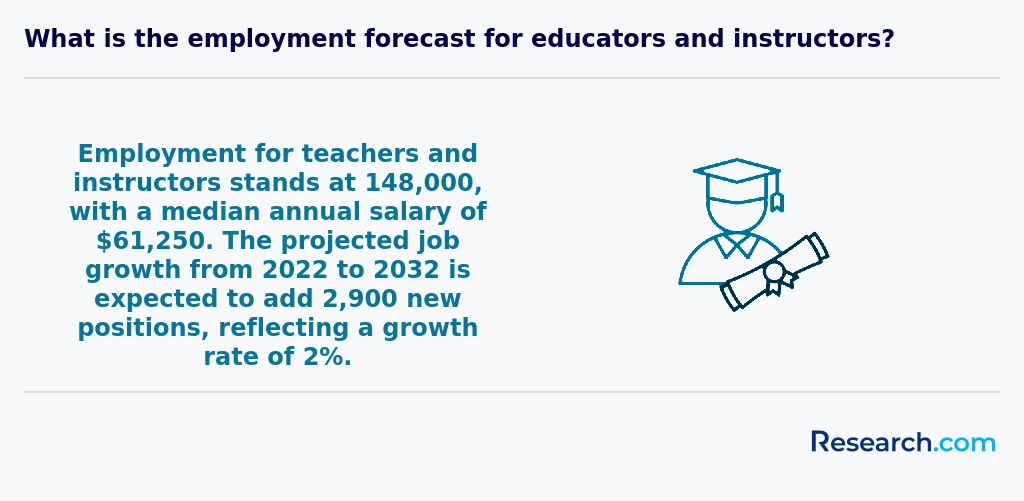
Earning a master’s in education can elevate your credentials, salary and leadership potential.
- Increase earning potential: graduates often see 15–25% higher salaries.
- Qualify for specialized roles: curriculum designer, reading specialist or educational technologist.
- Meet advanced licensure requirements: many Western states require a master’s for administrative positions.
- Explore flexible schedules and formats, including affordable online master’s programs.
Financial aid for online education degrees in the West is richer and more nuanced than many assume. Graduates from well-known institutions like the University of Washington or San Diego State University often recall how the FAFSA unlocked Pell Grants worth up to $7,395 annually, easing their tuition worries. This foundational support fundamentally changes the experience, replacing uncertainty with confidence.
State-specific grants further deepen this impact. For example, California's Cal Grant offers up to $12,630 a year, a game changer for residents pursuing teaching credentials online. Imagine a student balancing work and family, relieved to access these funds, knowing their degree path is financially feasible.
Scholarships targeting minorities, women, and future educators add another valuable layer. Graduates share how these awards, often from groups like the Western States Certification Board, felt like recognition of their ambitions, fueling motivation beyond mere financial relief.
Lastly, employer tuition reimbursement programs in the West transform career trajectories - employees find themselves supported in real practical ways, making the pursuit of an education degree less a burden and more a promising opportunity.
These programs share features designed to streamline your path to graduation:
- Asynchronous courses you can access any time
- Generous transfer-credit policies to reduce required coursework
- Competency-based or accelerated tracks for faster progress
- Flexible practicum or residency requirements
- Robust student support services for tutoring and advising
These elements minimize scheduling conflicts and help you finish sooner. For even faster credit completion, explore accelerated online bachelor degree programs.
At universities like the University of Washington or California State University, prospective online education students quickly learn that a high school diploma or GED is just the starting line. One graduate recalls feeling reassured knowing their prior coursework, especially in psychology and child development, strengthened their application because these subjects form the backbone of most education programs in the West.
Admission is not solely about grades; transcripts represent more than numbers-they reveal a student's journey and preparedness. For many, sharing letters of recommendation and personal statements becomes a source of pride, illustrating their dedication and hands-on experiences in schools or community centers.
Interestingly, standardized tests like the SAT or GRE often take a backseat, reflecting a shift toward holistic evaluation. Another recent graduate from a popular Western college found this encouraging, as their rich practical background outweighed traditional test scores.
Technical readiness also plays a quiet but crucial role. Imagine logging into Canvas or Blackboard from your own home, seamlessly engaging with professors and peers-it's this digital fluency that aligns with the evolving landscape of education in the West, where adaptability is a strength.

Below is our data-driven ranking of the ten easiest online education degree programs in the Western United States for 2025. Each entry includes an “Ease Score” (out of 100), total credit requirements, and average completion time to help you compare flexibility, workload, and pacing at a glance. For students prioritizing cost alongside convenience, see our Cheapest Online Education Degree Programs. 1. Western Governors University – BS in Early Childhood Education • Ease Score: 92 • Credits: 120 • Avg. completion: 3.2 years • Highlights: Competency-based pacing, unlimited course retakes, 24/7 mentor support 2. University of Arizona Global Campus – BA in Educational Studies • Ease Score: 89 • Credits: 120 • Avg. completion: 3.5 years • Highlights: Accelerated eight-week terms, streamlined practicum options 3. Arizona State University Online – MA in Educational Leadership • Ease Score: 87 • Credits: 30 • Avg. completion: 1.5 years • Highlights: Cohort model, synchronous capstone seminars via Zoom 4. Oregon State University Ecampus – BS in Human Development & Family Sciences • Ease Score: 85 • Credits: 180 (quarter system) • Avg. completion: 3.8 years • Highlights: Flexible quarter calendars, embedded field-experience modules 5. University of California, Irvine – MEd in Curriculum & Instruction • Ease Score: 84 • Credits: 32 • Avg. completion: 2 years • Highlights: Combination of asynchronous lectures and live workshops 6. Brigham Young University–Idaho Online – BS in Children’s Learning & Development • Ease Score: 83 • Credits: 120 • Avg. completion: 3.4 years • Highlights: Low-residency requirements, robust peer-review forums 7. University of Washington Online – BS in Education • Ease Score: 81 • Credits: 180 (quarter system) • Avg. completion: 4 years • Highlights: Interactive virtual labs, extensive alumni network 8. Colorado State University Global – BS in Organizational Leadership (Education track) • Ease Score: 80 • Credits: 120 • Avg. completion: 3.6 years • Highlights: Flat-rate tuition, self-paced modules 9. University of Nevada, Reno – BS in Education Studies • Ease Score: 78 • Credits: 120 • Avg. completion: 3.7 years • Highlights: Summer start dates, community-based practicum partnerships 10. Grand Canyon University – MEd in Special Education • Ease Score: 76 • Credits: 30 • Avg. completion: 1.8 years • Highlights: Dedicated licensure pathways, monthly start dates This concise Top 10 list equips you to identify the most accessible programs in the West. Use Ease Scores, credit loads, and pacing details to align your choice with personal commitments and career ambitions.
Graduates from online education programs at well-known Western universities often describe their coursework as both rigorous and deeply relevant to the realities of today's classrooms. At institutions like the University of Washington or Arizona State University, students find themselves immersed in courses such as Educational Psychology, which sheds light on how diverse learners engage and thrive, a revelation that transforms their teaching approach.
Curriculum Development classes challenge students to craft lesson plans that do more than satisfy standards-they meet the unique needs of their local communities, turning theory into practice. Instructional Technology courses usher students into the future, where incorporating digital tools feels less like a skill and more like second nature, essential for the hybrid classrooms they will lead.
Moreover, subjects like Classroom Management and Diversity and Inclusive Education invite online learners to reflect on their personal biases and develop empathy, fostering environments where every student feels valued. One graduate recalls how mastering Assessment and Evaluation empowered them to tailor feedback, sparking genuine growth rather than rote compliance.
The online education degree specializations in the West invite students to rethink the boundaries of traditional teaching roles. Graduates from institutions such as the University of Washington or Oregon State University often share how focusing on Elementary Education transformed their approach, allowing them to meet the growing demand for foundational skills in K-6 classrooms across the region. Meanwhile, those who pursued Secondary Education with concentrations in mathematics or science felt empowered to elevate student engagement by integrating real-world applications into their lessons.
Special Education specialists frequently describe the profound fulfillment of shaping inclusive classrooms, a priority emphasized by many Western schools that aligns with federal mandates. Educational Leadership and Administration graduates often recall the challenge and excitement of balancing policy, management, and law training, equipping them for impactful roles such as school principals or district administrators.
Teachers advancing through Curriculum and Instruction or Early Childhood Education programs within the West region best education degree programs online frequently highlight the flexibility and relevance of their coursework. Some even enhance their qualifications through specialized certifications, a practical move that complements the competitive job market. Those weighing investment often consult resources on online masters in education cost to plan accordingly.
Choosing the best online education degree in the West goes beyond surface-level factors like cost or brand recognition. Graduates from universities such as Arizona State University often reflect on how regional accreditation, like that from the Western Association of Schools and Colleges, gave their degrees credibility and opened doors to financial aid-critical in a region where in-state tuition averages $10,500 per year. Another graduate recalls opting for a program with strong practicum experience, which transformed theory into real classroom confidence, essential for specialized tracks in early childhood or special education.
Many students express the importance of institutional support when juggling family and career. Schools like the University of Southern California provide not just a degree but a network and career counseling that online learners value tremendously. For those hunting for best affordable online education degrees West, exploring scholarship offerings alongside accelerated program options can make a significant financial difference without sacrificing quality. This deeper reflection on curriculum and support structures will help you navigate the often overwhelming options and ensure a meaningful, personalized educational journey.
Don't overlook technology platforms that facilitate interactive, asynchronous learning-an invaluable asset for working students. To get started with cost-effective options tailored to the Western states, review the Cheapest Online Education Degree Programs.
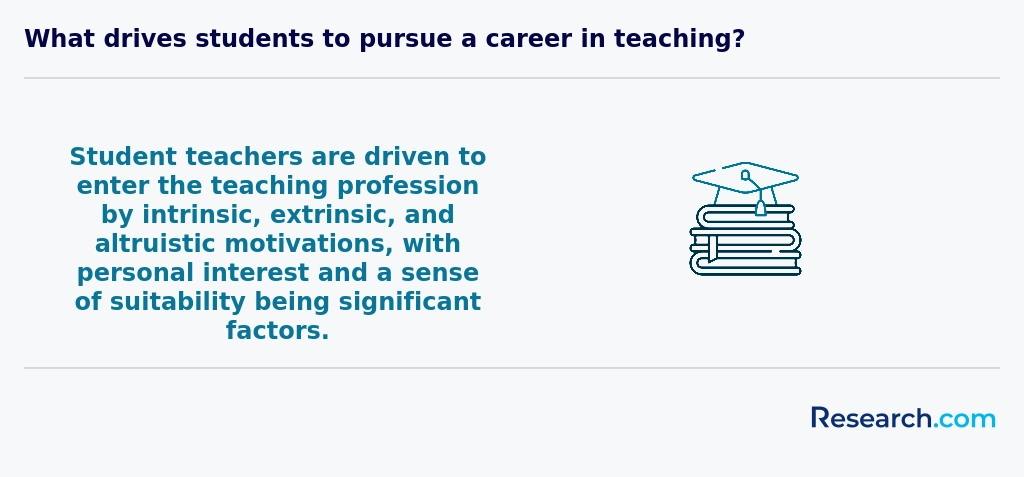
Graduates holding an online education degree in the West often find themselves equipped for diverse career options that extend far beyond traditional classroom roles. Many become licensed K-12 teachers in states like California and Oregon, where university programs such as those at Arizona State University prepare them for state certification, meeting high demand in subjects like special education and STEM fields. Yet, the impact of these degrees goes deeper, empowering graduates to lead as school administrators or curriculum coordinators, shaping education policy and school culture in rapidly growing Western communities.
Others find fulfilling roles as instructional coordinators or educational consultants, leveraging expertise gained from institutions like Western Governors University to help schools innovate with technology and pedagogy. Career options for education graduates in Western US also include less conventional paths such as adult education or corporate training-avenues often chosen by those seeking creative flexibility and impact outside typical K-12 environments. For prospective students weighing their choices, exploring the best accelerated associate degree programs further broadens understanding of where online education degrees can lead.
The job market for online education degree holders in the West reveals a dynamic landscape where opportunity meets flexibility. Graduates from well-known programs at public universities in California and Washington often find that their online credentials are respected, especially when paired with state certification. Employment opportunities with education degree West include roles not only in traditional K-12 classrooms but extend into special education and STEM teaching, where demand is particularly high.
Many graduates share that gaining an online education degree allowed them to balance family or work while advancing their careers, a reality that has reshaped how teaching professionals approach credentialing. Competitive salaries in metropolitan areas, like San Francisco and Oxnard, further highlight the tangible benefits of pursuing this path.
Experiences from those studying at leading Western colleges show how these flexible online programs open doors to a variety of fulfilling roles, including educational technology and curriculum development. For those curious about exploring alternative career options after their degree, careers for introvert often align well with teaching skill sets, demonstrating the versatility of online education degrees.
Ultimately, the online education degree job outlook West is promising for those ready to navigate certification pathways and leverage their flexible education to meet evolving school district needs.
2027 Easiest Online Education Degree Programs Ranking in the West
Investing in your education is a significant decision that can shape your future, and the Research.com team understands the importance of making informed choices. To assist prospective students in the West, we have meticulously crafted the "2027 Easiest Online Education Degree Programs Ranking in the West." Our commitment to quality, credibility, and accuracy is reflected in the extensive research and analysis conducted to compile this ranking.
We utilized the following reputable data sources to ensure a comprehensive evaluation of online education degree programs:
By exploring this ranking, readers will gain valuable insights into accessible and high-quality degree options tailored for the Western region, helping them make well-informed decisions about their educational pursuits. For more details on our methodology, please visit our Research.com methodology page.


# 10 position
University of Colorado Denver/Anschutz Medical Campus
Master of Early Childhood Education

# 11 position
University of Colorado Denver/Anschutz Medical Campus
Doctor of Leadership for Educational Equity, Higher Education




# 19 position
National University
Bachelor of English with an Inspired Teaching and Learning and a Preliminary Single Subject Teaching Credential (California)


Frequently Asked Questions About education
Students pursuing online education degrees in the Western United States can maximize their learning by actively engaging with course materials and peers. Research from the Western Interstate Commission for Higher Education highlights that active participation in discussion boards improves retention and fosters critical thinking. Time management is crucial; setting a regular study schedule helps maintain progress and reduces procrastination. Utilizing university resources such as virtual tutoring and library databases, available at most Western public universities, enhances understanding of complex topics. Additionally, students should seek accreditation from recognized bodies like the Western Association of Schools and Colleges to ensure degree value and transferability.
In the Western United States, emerging niches within education focus increasingly on technology integration and specialized support roles. For example, online degrees in educational technology are growing, reflecting a 15% rise in job openings by 2029, according to the U.S. Bureau of Labor Statistics.
Another rapidly expanding area is special education, driven by increased awareness and legislative mandates. Programs emphasizing inclusive practices and behavioral analysis are highly sought after in states like California and Washington.
Additionally, there is growing interest in early childhood education with an emphasis on digital learning tools. These niches reflect the region's demand for professionals able to adapt to diverse student needs in evolving learning environments.
Graduates with online education degrees in the West should focus on building practical skills to improve their job prospects. According to the National Center for Education Statistics, more than 35% of US education graduates find employment within six months. Networking with school alumni and joining professional associations, such as the American Association of Colleges for Teacher Education, can open doors to job opportunities. Gaining relevant certifications, like state teaching licenses, remains crucial even for online degree holders. Internships or student teaching experiences completed during online programs increase employability by providing real-world practice. Marketable digital skills and a strong resume tailored to education roles are also essential.
Employers in the Western United States seek education degree graduates who demonstrate strong communication and classroom management skills. The National Center for Education Statistics highlights that effective verbal and written communication ranks among the top attributes desired by school districts.
Analytical skills and adaptability are equally important, especially with the rise of digital learning tools. According to the Western Educational Research Association, graduates proficient in technology integration and data-driven instruction have better job prospects.
Additionally, collaboration and cultural competence are critical as Western schools often serve diverse populations. Graduates who show empathy, inclusivity, and teamwork build stronger relationships with students and staff, meeting the region's evolving educational demands.
Finding internships in the Western United States relevant to an education degree requires strategic planning and local resource utilization. Many universities in the West, such as those in California, Oregon, and Washington, partner with nearby school districts to offer internship placements. According to the California Department of Education, about 75% of education students secure internships through such partnerships, gaining hands-on experience in diverse classrooms.
Online education students should also leverage university career centers, which often list district and private school openings. Networking with local professional associations like the West Coast Education Association can provide valuable leads. Additionally, platforms like Handshake and local education job boards frequently post internship opportunities across the West.
Online education degrees in the Western United States have become a significant factor in career mobility and advancement. According to the Western Interstate Commission for Higher Education (WICHE), over 40% of students in the West enroll in at least one online course, highlighting growing acceptance.
Many employers in sectors like education, administration, and healthcare recognize accredited online degrees, valuing flexibility and updated skills. Graduates often report increased job opportunities and higher salaries compared to peers without degrees.
Data from the U.S. Bureau of Labor Statistics shows that individuals with bachelor's degrees in education experience an average annual wage increase of 15% compared to non-degree holders, enhancing career trajectories.
Studying for an education degree in the Western United States equips students with skills vital for interdisciplinary roles. Programs emphasize collaboration across fields such as psychology, technology, and social sciences. According to the National Center for Education Statistics, over 70% of education degrees incorporate coursework in educational technology and inclusive practices.
Western universities often integrate real-world applications, fostering adaptability in settings like community outreach and policy development. Online education degrees from accredited Western institutions also encourage critical thinking and communication skills, essential for working with diverse teams.
This broad approach helps graduates address complex educational challenges in varied professional environments.
When choosing between a thesis and a non-thesis online education degree in the West, consider your career goals. Thesis programs often suit those interested in research or pursuing a doctoral degree later. They require conducting original research and writing a detailed paper, typically lasting longer. Non-thesis options focus more on coursework and practical skills, appealing to working professionals seeking quicker completion.
According to the Western Interstate Commission for Higher Education (WICHE), about 60% of online master's degrees offered in the West lean toward non-thesis formats to accommodate busy students. Cost and time commitments also differ, with thesis programs often demanding more resources.
Students in the Western United States interested in pursuing education degrees online have several options through accredited universities offering flexible online programs. Many Western institutions, such as Arizona State University and Oregon State University, provide fully online bachelor's and master's degrees in education, designed to accommodate working professionals.
According to the National Center for Education Statistics, over 30% of all graduate students in the West opted for online education in 2022, reflecting growing demand for remote learning.
These programs often include specializations like elementary education, special education, or educational leadership, giving students a broad range of choices without relocating abroad physically.
Further, some Western universities offer online study abroad experiences or partnerships with international institutions, allowing students to gain global perspectives while remaining enrolled domestically.
Part-time job opportunities that complement online education degrees in the Western US are diverse and practical. Many students choose roles such as teaching assistants, where they support classroom activities and gain firsthand experience in education settings. According to the Bureau of Labor Statistics, teaching assistant roles are expected to grow 7% from 2021 to 2031, reflecting steady demand.
Other common jobs include tutoring positions, which allow students to apply educational theories while enhancing communication skills. Local schools and community centers often seek tutors in subjects like math or reading.
Additionally, educational support roles, such as after-school program coordinators or childcare aides, offer direct interaction with children, useful for future teachers. These jobs can provide flexible hours, balancing well with study schedules in states like California, Washington, and Oregon.
Online education students in the Western United States have a variety of networking opportunities to connect with peers and professionals. Many universities offer virtual events, discussion boards, and group projects which encourage interaction. According to the Western Interstate Commission for Higher Education, nearly 65% of online students regularly engage in online forums related to their programs.
Professional associations in education often provide memberships and online networking specifically for Western educators. Additionally, LinkedIn groups focused on regional education topics help students build local connections despite the distance.
Some institutions also organize regional meetups or allow access to alumni networks, further expanding opportunities to form meaningful professional relationships.
Alumni networks offer significant benefits to online education degree students in the Western United States. These networks provide valuable career connections, mentorship opportunities, and access to job postings tailored to graduates from their specific institutions. According to the Western Interstate Commission for Higher Education, nearly 70% of students report that alumni connections influenced their job search success.
Online students, who may lack traditional campus networking, can leverage these networks to create professional relationships across industries. Many Western universities also host virtual events that allow online graduates to interact and collaborate, fostering a sense of community despite geographic distances.
Customizing an online education degree in the West involves choosing electives and concentrations that align with your career goals. Many Western universities offer flexible programs allowing students to focus on specialties like special education, educational technology, or administration. According to the Western Interstate Commission for Higher Education (WICHE), over 70% of institutions in this region provide tailored pathways within their online education degrees.
Students can also select internships or practicum experiences in their desired career settings to gain practical skills. Advisors play a crucial role in helping students design personalized curricula that meet both certification requirements and professional aspirations. This flexible structure supports diverse career outcomes in teaching, counseling, or education leadership.
Online education students in the Western US face several common challenges. One major issue is technology access and reliability. Despite advancements, about 15% of students report unstable internet connections, which disrupts learning (National Center for Education Statistics, 2023).
Time management also poses difficulties. Many students balance jobs, family, and studies, leading to stress and delayed coursework completion. According to a 2022 study by EDUCAUSE, 62% of online learners struggle with self-discipline.
Engagement and interaction remain limited compared to in-person classes. This isolation can affect motivation and academic performance. Additionally, some programs lack sufficient support services, such as academic advising and mental health resources.
With an online education degree earned in the Western United States, students can pursue several professional certifications to enhance their teaching credentials and career opportunities. One popular option is the California Clear Credential, which qualifies educators for public school teaching positions.
Another key certification is the National Board Certification, recognized nationwide and valued across Western states for advanced teaching expertise. This certification often leads to higher salaries.
Additionally, graduates can obtain specialized endorsements such as ESL (English as a Second Language) or Special Education certifications to address diverse student needs. According to the Western Interstate Commission for Higher Education (WICHE), these credentials improve employability in the region's growing multilingual and inclusive classrooms.
Writing a successful application for an online education program in the West requires attention to detail and clear communication. Begin by thoroughly researching the program and aligning your goals with its offerings. Highlight relevant academic achievements and professional experiences that demonstrate your readiness for distance learning.
Many institutions in the US emphasize the importance of a strong personal statement. Use this to explain your motivation, especially how completing this degree online fits your lifestyle and career plans. According to the National Center for Education Statistics, 37% of US undergraduates took at least one online course in 2021, showing increasing acceptance of remote study.
Don't forget to carefully follow application instructions and submit any required standardized test scores or recommendations. Proofreading is essential to present polished, error-free content.
Globally, education careers are valued for their role in shaping societies and supporting economic growth. In the United States and other Western countries, teaching professions are often supported by comprehensive certification and continuing education requirements, reflecting a commitment to high-quality instruction.
According to the National Center for Education Statistics, over 3.7 million teachers work in public primary and secondary schools in the U.S. This highlights the sector's size and its importance to the national workforce. Online education degrees have become increasingly popular, providing flexible pathways to enter this growing field.
Internationally, teaching degrees may vary in prestige and demand, but Western systems often emphasize practical experience combined with academic rigor. This approach supports graduates seeking both domestic and global opportunities in education careers.
Gaining practical experience while studying for an online education degree in the West is essential for career readiness. Many accredited programs offer virtual student teaching placements, allowing candidates to work directly with schools while completing coursework. According to the California Department of Education, nearly 70% of online education students participate in such practicums within local districts.
Internships are another key opportunity. Schools and education-focused nonprofits often welcome online students as interns, providing hands-on experience with lesson planning and classroom management. Additionally, some programs integrate simulated teaching environments using educational technology platforms, enriching practical skills remotely.
These options help bridge theoretical knowledge with real-world teaching practices, vital for licensure and career advancement in Western states.
Choosing the right concentration in an online education degree program in the Western United States begins with understanding your career goals. Popular concentrations include Special Education, Curriculum and Instruction, and Educational Technology, each catering to different teaching roles.
Consider regional job market demands; California, for example, has a growing need for bilingual educators and STEM specialists, according to the California Department of Education. Research schools accredited by agencies recognized by the U.S. Department of Education to ensure program quality.
Review the curriculum and practical experiences offered, such as internships or student teaching placements, which are essential for licensure in most Western states.
Lastly, assess flexibility and support services since many students balance work alongside their studies.
See What Experts Have To Say About Studying Education
Read our interview with Education experts

Alan J. Singer
Education Expert
Professor of Teaching, Learning and Technology
Hofstra University

Nooshan Ashtari
Education Expert
Professor & Book Author
University of Southern California

- 5 Tips on Choosing the Right Course or Study Program - Edunation https://www.edunation.co/5-tips-on-choosing-the-right-course-or-study-program/
- 10 Online Schools That Accept FAFSA (and How to Get ... https://www.studentloanplanner.com/financial-aid-online-colleges/
- Online Teaching Jobs | Elevate K-12 https://www.elevatek12.com/online-teaching-jobs/
- Online Degree vs. Traditional | University of Arkansas Grantham https://www.uagrantham.edu/blog/pros-cons-online-degree-vs-traditional-university/
- Top 10 Effective Networking Tips for Students https://www.unfc.ca/blog/networking-tips-for-students
- targetjobs https://targetjobs.co.uk/careers-advice/teaching-and-education/write-great-application-teacher-training
- Western University || wu-online-vs-other-universities-or-quality-cost-and-support https://westernuniversity.us/media/blog/wu-online-vs-other-universities-or-quality-cost-and-support/68e793e87b61dc0e4f736ed5
- 10 Reasons Why Education Helps to Advance Your Career https://insight.edu.au/blog/career-advancement-through-education/
- Undergraduate Online Financial Aid | Bushnell University https://www.bushnell.edu/financial-aid/undergraduate-online/
- Teacher of Global Perspectives (IGCSE) https://www.scie.com.cn/jobs-global-perspectives/