
2027 Easiest Online Education Degree Programs Ranking in the Midwest

Co-Founder and Chief Data Scientist
Choosing the right online education degree program can be challenging, especially for students in the Midwest. This article introduces the 2027 Easiest Online Education Degree Programs Ranking in the Midwest, created by the Research.com team of data scientists. It's designed to help you make an informed decision about which programs offer the best balance of ease and quality.
By exploring this ranking, you'll discover opportunities that fit your lifestyle and goals, making your journey toward an education degree more accessible and rewarding.
Getting an education degree opens doors to meaningful careers and personal growth, and this guide aims to support you every step of the way.
Key benefits of getting online education degree in the Midwest
- Education degree graduates in the Midwest can expect competitive salaries, such as $76,000 annually for Special Education Teachers and $77,200 for Instructional Designers, offering financial stability and rewarding work.
- Graduates from well-known Midwest universities often pursue diverse careers including Early Childhood Educator, ESL Teacher, or Instructional Designer, allowing for flexibility and meaningful impact in education.
- Obtaining an education degree online provides the convenience of balancing work and study, as demonstrated by graduates from popular Midwest online programs who appreciate the flexibility and supportive learning environment.
- 2027 Easiest Online Education Degree Programs Ranking in the Midwest
- What can I expect from online education degree in the Midwest?
- Where can I work with online education degree in the Midwest?
What can I expect from online education degree in the Midwest?
On average, pursuing an online education degree in the Midwest can cost between $8,000 and $15,000 per year for in-state students. Graduates from universities like the University of Illinois at Urbana-Champaign or Indiana University often reflect on how this affordability made it possible to balance their financial responsibilities with their career aspirations without overwhelming debt.
Many recall the relief of finding programs that respected their time through asynchronous classes, allowing them to study after work or family commitments. This flexibility is a crucial factor for Midwestern students juggling multiple roles, making education accessible without sacrificing daily life.
Moreover, the cost-effectiveness does not come at the expense of quality. Graduates appreciate that these programs, accredited by respected bodies, prepare them thoroughly for licensure and leadership roles in education. The financial savings coupled with solid training make Midwest online education degrees a wise investment for those seeking lasting professional growth.
Where can I work with online education degree in the Midwest?
Graduates from online education programs at respected Midwest institutions often find themselves stepping confidently into diverse teaching roles. Many secure positions in public and private K-12 schools across states like Illinois and Ohio, where teacher demand remains high. For example, a graduate from a well-known university in Michigan shared how the state's alternative certification path eased their transition into a classroom, turning rigorous coursework into a fulfilling career.
Beyond classrooms, education degree holders engage in early childhood centers or special education programs, especially where districts face shortages. One graduate recalled working in a Missouri school district that eagerly welcomed certified special education teachers, describing the rewarding impact on students with diverse needs.
Others channel their passion into community colleges or digital curriculum development, reflecting the growing emphasis on technology in Midwest schools. Graduates often express excitement about shaping modern learning environments and adult education options, showing how versatile and fulfilling education careers can be within the region.
Graduates from online education programs in the Midwest often find promising salary paths soon after completing their degrees. For example, those stepping into roles as elementary school teachers can expect mean annual wages around $70,740, a figure that many recent graduates from respected institutions like the University of Illinois Urbana-Champaign or Michigan State University have experienced firsthand. This salary aligns well with the regional labor market and offers a stable foundation for career growth.
Special education teachers, another common career choice for degree holders, report slightly higher mean salaries near $76,000. Graduates who have pursued additional certifications in special education online appreciate both the increased earnings and the meaningful impact they have within diverse classrooms across Ohio or Minnesota.
Further upward mobility is evident for those pursuing roles such as instructional designers, where mean wages reach approximately $77,200 annually. Many who studied online at schools like the University of Wisconsin-Madison share that this role allows for blending creativity and technology in education, enhancing both job satisfaction and compensation.
Meanwhile, ESL teachers working in Midwest states earn around $65,430 on average, providing rewarding opportunities for graduates passionate about language and cultural immersion with competitive pay from districts near colleges like Indiana University Bloomington.
- Online education degrees in the Midwest cost between $20,000 and $35,000, with public universities generally offering lower tuition for in-state students.
- Graduates typically start with salaries from $40,000 to $48,000, increasing to $55,000-$65,000 mid-career depending on location and experience.
- States like Ohio, Illinois, and Michigan have teacher shortages in some subjects, creating strong job opportunities for graduates.
- Many programs use asynchronous online courses, providing flexibility for working students or those with family duties.
- Accreditation by the Council for the Accreditation of Educator Preparation (CAEP) assures degree quality and supports state licensure requirements.
- Programs often focus on both content knowledge and teaching skills to meet specific state certification standards.
Completing an online education degree in the Midwest often takes about four years for full-time undergraduates, reflecting the structure at many institutions like the University of Illinois or Ohio State University. Graduates recall balancing coursework with family life, appreciating that these programs offer flexible pacing to fit their busy schedules. Part-time enrollment, common among working professionals, naturally extends this timeframe to six years or more but allows students to progress without overwhelming pressure.
Graduate degrees offer another path, with online master's programs typically taking one to two years full-time. Some Midwestern universities provide accelerated options, enabling completion in as little as 12 to 18 months-something highly valued by those eager to advance their careers quickly. Graduates often speak of the motivation and satisfaction that comes from finishing within these shorter periods, aided by well-structured course loads.
Transfer credits also play a crucial role; many Midwestern schools accept up to 90 credits from community colleges, allowing students to reduce their time significantly. Others benefit from credit awarded for professional experience, making the journey feel customized and rewarding.
When you enroll in an online Education degree program in the Midwest, you’ll progress through a sequence of courses that blend theoretical foundations with hands-on practice. A standard curriculum often includes: • Foundations of Education: Explore historical, philosophical, and sociocultural contexts that shape today’s classrooms. • Educational Psychology: Delve into learning theories, motivation strategies, and cognitive development across age groups. • Curriculum Design and Assessment: Learn to create, implement, and evaluate lesson plans that meet diverse learner needs and align with state standards. • Instructional Technology: Gain proficiency in digital tools, learning management systems, and multimedia resources to enhance student engagement. • Classroom Management and Differentiation: Master strategies for maintaining inclusive, student-centered environments that accommodate varied learning styles. • Diversity, Equity, and Inclusion in Education: Develop culturally responsive practices to support equitable outcomes for all students. • Capstone or Student Teaching Experience: Apply your knowledge in real-world settings through supervised practicum or a culminating project that demonstrates your readiness for professional teaching roles. To explore accelerated pathways that help you enter the workforce sooner, check out our list of best associate degrees in education online, featuring top programs that can serve as a solid foundation for future bachelor’s or master’s studies.
Choosing between online and on-campus education degrees in the Midwest often hinges on how you envision your daily routine. Graduates from universities like the University of Minnesota reflect on the freedom online education gave them-balancing work, family, and study without the stress of commuting. They appreciated logging into lectures at times that fit their busy schedules, a flexibility that traditional on-campus programs at places such as Ohio State University can struggle to match.
On the other hand, those who attended on-campus programs enjoy the buzz of face-to-face interaction, immediate access to campus resources like libraries or labs, and spontaneous conversations that often spark new ideas. For instance, graduates from the University of Illinois often speak fondly of collaborative projects and mentorship opportunities that felt deeply personal in that environment.
Cost also plays a real role. Online students often save on housing and travel, while still earning degrees fully accredited by respected Midwestern institutions. These nuances highlight how your lifestyle and learning preferences shape the best choice in this region's diverse educational landscape.
The average cost of an online education degree in the Midwest typically centers around a median total tuition of about $20,790, with costs varying depending on whether a student qualifies for in-state or out-of-state rates. For many, the slightly higher figure for out-of-state students, approximately $29,526, acts as a wake-up call to explore residency benefits carefully. Graduates from prominent institutions like those in Illinois and Ohio often reflect on how these in-state discounts, which can lower tuition substantially, made the pursuit of their education degree both attainable and rewarding.
Considering the Midwest online education degree total tuition fees, public universities consistently stand out for their relative affordability. For instance, online education students at a state university in Missouri often remember feeling relief at tuition fees ranging between $320 to $400 per credit hour, making the overall investment feel manageable. These experiences underline the value of researching financial aid options, including scholarships and employer tuition assistance programs, which, as many graduates report, further ease the financial burden.
One recurring theme among students is the importance of factoring in extra expenses like technology fees and course materials that can add $500 to $1,000 yearly. Those who planned accordingly found their online education journey smoother and more positive. Prospective students should consider exploring varied options, including a list of best associate degrees in education online, to tailor their path thoughtfully and economically.

Many who have pursued online education degrees at well-regarded Midwestern institutions like Ohio State University or the University of Michigan often recall how crucial federal aid was in making their goals attainable. Pell Grants, for instance, provide up to $7,395 annually and can significantly lighten the financial load, especially when balancing work and study.
Graduates frequently mention how applying through FAFSA opened doors not only to grants but also to Direct Subsidized and Unsubsidized Loans, which come with manageable interest rates and flexible repayment options. This combination often made the difference in completing their degrees without overwhelming debt.
State-specific scholarships from Illinois or Michigan, targeted at future educators committed to underserved or rural areas, add a personal touch of support that aligns with local community needs. Institutional scholarships at these universities also provide merit-based aid or rewards for community service, empowering students who demonstrate both promise and dedication.
Finally, many remember professional organizations offering loan forgiveness or grants tied to teaching commitments in public schools, a relief that turns education dreams into lasting careers, inspiring confidence every step of the way.
Earning an online Education degree in the Midwest is just the first step; understanding state certification and licensure requirements ensures you can legally teach and advance your career. Most Midwestern states require: • Regional Accreditation – Verify that your program holds accreditation from bodies like the Higher Learning Commission (HLC) to meet state Department of Education standards. • Praxis or State Exams – Prospective teachers must typically pass Praxis Core Academic Skills for Educators and Praxis Subject Assessments or equivalent state-specific tests. • Educator Preparation Program (EPP) Completion – Successful completion of an approved EPP, including student teaching, is mandatory before applying for initial licensure. • Background Checks and Fingerprinting – All states in the region mandate criminal history reviews for public school educators. Many online programs integrate licensure pathways directly into the curriculum, offering guided exam prep, digital portfolios, and virtual student-teaching placements. For candidates seeking both affordability and licensure support, consider exploring regional rankings like the Low Cost Online Master’s in Education Degree Programs Ranking in Kansas, which highlights programs designed with cost-conscious educators in mind. Finally, stay up-to-date with annual state policy changes by consulting your program advisor or state Department of Education website. Proactive planning-combining accredited coursework, exam readiness, and clear understanding of licensure steps-will accelerate your path from diploma to classroom leadership across the Midwest.
To enroll in an online education degree program in the Midwest, students must first have completed a high school diploma or its equivalent, such as a GED. Many graduates from universities like the University of Illinois or Michigan State reflect on how securing this foundational credential gave them the confidence to pursue online studies while balancing work and family. For graduate programs, a bachelor's degree from an accredited institution is a non-negotiable step.
Applicants typically need to submit official transcripts, demonstrating prior coursework in essential subjects like psychology or child development. Some Midwest colleges still request standardized test scores such as the ACT or SAT, though many have shifted to test-optional policies, easing pressure and encouraging more applicants to apply.
Technology readiness is another key prerequisite. Students often share how mastering basic computer skills and ensuring steady internet access transforms their learning experience-making virtual classrooms feel engaging and accessible. Letters of recommendation and personal essays also play a role, providing a glimpse into personal motivation and commitment to the teaching profession.

Online education degrees in the Midwest typically include a rich blend of courses that prepare students for real-world teaching and leadership roles. Graduates from respected Midwestern institutions often highlight how courses like Educational Psychology helped them deeply understand how children absorb information, making classroom interactions more meaningful. For example, schools known for their education programs offer Instructional Technology courses that show how to seamlessly blend digital tools into lesson plans, a skill highly valued in today's classrooms.
Many students appreciate classes such as Curriculum Design and Classroom Management, which equip them with practical strategies to create engaging and well-structured learning environments. In states like Illinois or Ohio, program graduates speak to how these courses connected theory with hands-on techniques-whether it's organizing lessons at a community school or managing diverse student needs online.
Special Education and Assessment classes also stand out, especially as they provide adaptive methods for supporting all learners and measuring educational growth. The flexible yet comprehensive course offerings across Midwestern universities make online education degrees truly accessible and tailored to passionate, busy individuals eager to make a difference.
Online education degree specializations in the Midwest reflect the region's commitment to preparing versatile educators. Graduates from well-known institutions often share that programs like Elementary Education provide a rewarding foundation for teaching young learners from kindergarten through sixth grade, preparing them to nurture early literacy and math skills. Others find meaningful paths in Secondary Education, focusing on subjects such as English or Science, which enables them to meet state certification requirements specific to states like Illinois or Ohio. This diversity of specializations meets varied student goals, making Midwest colleges a solid choice for those seeking targeted training.
Many students also appreciate the growing emphasis on Special Education, where programs stress inclusive learning strategies for students with diverse needs-a field reported to be on the rise nationally. Additionally, specializations in Educational Leadership and Administration open doors for experienced educators aspiring to take on school management roles. For those looking for emerging fields, options in Educational Technology offer practical skills to integrate digital tools effectively.
The broad Midwest online teaching degree options extend to Early Childhood Education, Curriculum and Instruction, and Reading and Literacy, all designed to deepen expertise in vital educational roles. Prospective students mindful of cost find that tuition ranges favor affordability, with Low Cost Online Master's in Education Degree Programs Ranking in Kansas offering examples of accessible programs.
Choosing the best online education degree in the Midwest involves weighing accreditation, cost, and program flexibility thoughtfully. Graduates from well-known Midwestern universities often share how accreditation by bodies like the Higher Learning Commission gave their degrees credibility across states while opening doors to rewarding careers. Cost plays a vital role-as public colleges average $10,000-$13,000 yearly tuition, comparing affordable options ensures you don't sacrifice quality for price. Many students appreciate fully asynchronous courses that fit busy lives, balancing work and family without strict login times, a flexibility highly valued among education learners here.
Curriculum choices should mirror your career ambitions. For example, some students targeting special education found programs emphasizing local licensure requirements in Illinois or Ohio especially helpful. Others seeking leadership roles benefited from tailored specializations. Access to practicum placements nearby lets you gain hands-on experience, an essential aspect graduates frequently highlight. Exploring these factors alongside online degree programs for seniors can reveal some of the best affordable online education degrees Midwest institutions offer, shaping a path suited to your goals.
Graduates who pursue online education degrees in the Midwest often find themselves with a broad spectrum of fulfilling career paths. Many embrace roles as K-12 teachers, with programs at institutions like the University of Illinois or Michigan State aligning closely with state certification requirements. These graduates frequently share stories of stepping into classrooms energized to inspire young learners in subjects ranging from math to English, embodying the enthusiasm cultivated during their studies.
Others explore administrative careers, taking on positions such as principals or curriculum coordinators at Midwestern schools, where their leadership shapes school policies and supports teacher development. Instructional coordinators represent another natural trajectory; their expertise in integrating technology into education emerges from the strong emphasis online programs place on modern pedagogical tools.
Those drawn to specialized needs often become special education teachers or adult education instructors, roles especially vital in rural and underserved districts. For individuals considering affordability and flexibility, many opt for a cheap bachelor's degree online to launch their journey. These online education careers in the Midwest not only fulfill workforce demands but provide meaningful, community-focused opportunities.
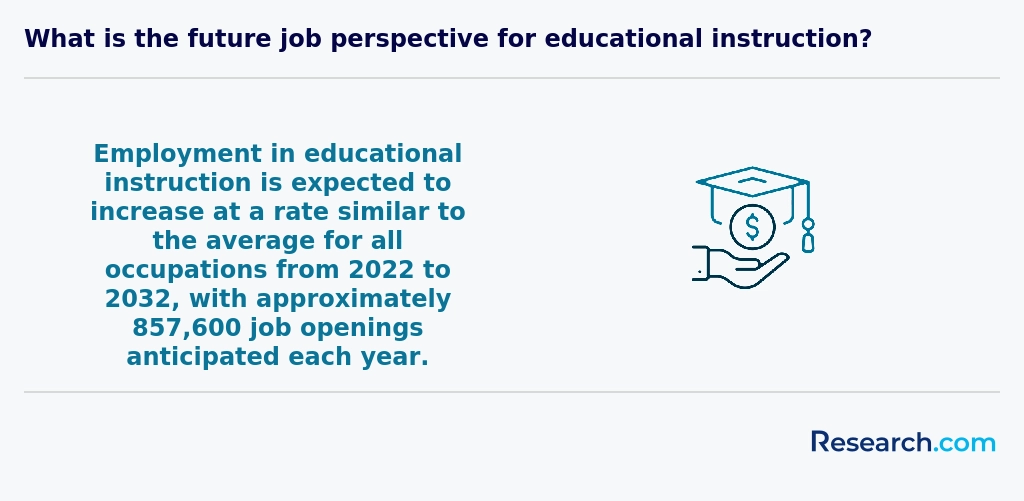
The job market for those holding an online education degree in the Midwest remains encouraging, with steady growth in K-12 and higher education roles. Graduates from well-regarded Midwest institutions often share how their flexible online programs prepared them to meet state certification requirements effectively, opening doors to public and private school teaching opportunities. Many found success stepping into classrooms facing teacher shortages in subjects like math and science-a direct reflection of demand in regional school districts.
Exploring the Midwest job market for education graduates reveals expanding roles beyond traditional teaching, including educational administration and positions in adult education, especially in community-focused cities. Online education degree job outlook Midwest is strengthened by programs from universities known for integrating local education standards, helping graduates navigate licensure and employment challenges with confidence.
Graduates often remark that affordability and accessibility are vital; some choose a cheap online masters degree to reduce costs while gaining credentials at their own pace. This approach suits busy professionals balancing work and family, exemplifying how the Midwest supports hopeful educators moving forward.
2027 Easiest Online Education Degree Programs Ranking in the Midwest
Investing in your education is a significant decision that can shape your future, and the Research.com team is keenly aware of the importance of making well-informed choices. To assist prospective students in the Midwest, we have carefully developed the "2027 Easiest Online Education Degree Programs Ranking in the Midwest." Our dedication to quality, credibility, and accuracy is demonstrated through rigorous research and analysis behind this ranking.
We utilized the following reputable data sources to ensure a comprehensive evaluation of online education degree programs:
By exploring this ranking, readers will gain valuable insights into the easiest online education degree programs available in the Midwest, empowering them to choose the best fit for their educational goals. For a deeper understanding of how this ranking was constructed, please visit our Research.com methodology page.


# 9 position
Concordia University Wisconsin
Master of Literacy--Reading Teacher or Reading Specialist Licensures (DPI #1316 & DPI #5017)





# 20 position
Bethel University, Minnesota
Master of Education K-12
Frequently Asked Questions About education
Students pursuing online education degrees in the Midwest can enhance their learning by leveraging regional resources and active engagement strategies. Midwestern universities often provide access to local virtual libraries and tutoring services, which can support academic success. According to the National Center for Education Statistics (NCES), over 30% of U.S. undergraduates took at least one online course in 2022, with a significant portion from the Midwest. To maximize learning, students should create structured study schedules and participate in online discussion forums to build connections and clarify material.
Utilizing campus career services and attending virtual workshops can also improve practical skills and job readiness. Staying disciplined and seeking peer support in Midwest-focused online cohorts aids motivation and persistence.
Emerging niches within the education field in the Midwest increasingly focus on specialized areas that respond to evolving societal and technological needs. For example, there is significant growth in educational technology (EdTech), where degrees prepare students to develop and implement digital learning tools. According to the National Center for Education Statistics, Midwestern institutions have seen a 12% rise in EdTech-related programs since 2020.
Another expanding niche is special education with an emphasis on inclusive practices for diverse learners, reflecting regional demands for certified professionals to support students with disabilities. Environmental education is also gaining traction, linking curriculum development with sustainability initiatives popular across the Midwest.
Lastly, early childhood education remains a critical area, particularly with online degrees focused on childcare leadership and family engagement strategies. These niches align with labor market trends and regional educational priorities, offering new pathways for students pursuing online degrees in the Midwest.
Preparing for the job market after earning an online education degree in the Midwest requires strategic planning. Begin by gaining relevant teaching experience through student-teaching placements or substitute teaching roles, which many Midwestern programs mandate.
The region's school districts often prefer candidates with licensure aligned to state requirements, so ensure your degree leads to proper certification. For example, Illinois and Ohio have specific educator licensure exams that graduates must pass.
Networking is also crucial. Engage with local education associations such as the Illinois Education Association or the Michigan Education Association to access job boards and professional development.
According to the National Center for Education Statistics, Midwestern states like Indiana and Wisconsin are projected to grow K-12 teaching jobs by 4% by 2030, highlighting steady demand.
Employers in the Midwest prioritize several key skills when hiring graduates with education degrees. Strong classroom management is crucial, as nearly 70% of school districts in the region report it as essential for effective teaching, according to the Midwest Education Workforce Survey 2023.
Additionally, communication skills-both verbal and written-are highly valued to engage students and collaborate with parents and colleagues. Adaptability is also important, given the increasing integration of technology in classrooms.
Data from the National Center for Education Statistics shows that Midwestern employers often seek candidates proficient in digital learning tools and culturally responsive teaching to meet diverse student needs.
Finding internships in the Midwest related to an education degree involves strategic research and networking. Many universities in states like Illinois, Ohio, and Michigan partner with local school districts to offer practicum and internship placements. The National Center for Education Statistics highlights that about 35% of Midwest education graduates complete internships as part of their degree requirements.
Start by contacting your college's career services or education department for listings. You can also explore public school district websites, which often post available internships. Professional organizations such as the Midwest Education Association provide valuable resources and networking events for prospective interns.
Obtaining an online education degree in the Midwest significantly enhances career mobility by offering flexible scheduling and access to a broad range of accredited programs. According to the National Center for Education Statistics, Midwestern states have seen a 12% increase in online degree enrollment over the past five years, allowing professionals to balance work and study efficiently.
Employers in education and related fields increasingly value online credentials, especially when earned from regionally accredited institutions. Graduates often qualify for higher-level positions, such as curriculum coordinators or administrative roles, improving advancement opportunities.
The adaptable nature of online programs also supports career changers, with many Midwestern universities aligning curricula to meet local workforce demands, as outlined by the Midwest Higher Education Compact.
Studying for an education degree in the Midwest provides strong preparation for interdisciplinary roles by emphasizing diverse teaching methods and collaborative skills. Many universities, like those in Illinois and Ohio, integrate courses in psychology, sociology, and technology with traditional education training. According to the National Center for Education Statistics, Midwest online education programs often require about 120 credit hours, including general education and specialized interdisciplinary courses. This breadth equips students to work effectively in varied environments, such as special education, community outreach, and educational technology. The region's focus on practical experience also supports connecting theory with real-world applications across multiple fields.
Choosing between a thesis and non-thesis online education degree program in the Midwest depends on your career goals and learning preferences. Thesis programs require conducting original research and writing a formal paper, which can be ideal if you plan to pursue a doctorate or work in research-heavy roles. Non-thesis programs usually focus on practical coursework and comprehensive exams, better suited for professionals seeking direct application of skills in school administration or teaching.
According to the National Center for Education Statistics, Midwestern schools offer a balanced number of both options, with about 45% favoring non-thesis tracks. Costs and program length also vary, with thesis programs often requiring more time to complete.
Students in the Midwest seeking education degrees with an international focus have a few practical options for studying abroad through their online programs. Many Midwestern universities offer partnerships with foreign institutions, allowing exchange opportunities combined with online coursework. According to the Institute of International Education, nearly 10% of Midwestern college students participate in some form of study abroad during their degree, often facilitated by such hybrid models.
Public universities in states like Illinois, Ohio, and Michigan frequently provide education majors with short-term abroad experiences tied to clinical teaching or research. These options enhance cultural competence without requiring extended time outside the U.S.
Finally, some accredited online education programs include embedded international modules or collaborative projects with global peers, making global study accessible regardless of location. This approach is especially relevant during periods of travel restrictions.
Part-time job opportunities in the Midwest that complement education degree studies are diverse and accessible. Many students work as teacher's aides, providing support in local K-12 schools while gaining practical classroom experience. According to the U.S. Bureau of Labor Statistics, the Midwest sees steady demand for these roles, particularly in states like Ohio, Illinois, and Michigan. Additionally, tutoring positions, both in-person and online, allow education majors to apply their skills and enhance student learning. Schools and community centers often seek part-time tutors, offering flexible hours suitable for students.
Other valuable jobs include roles in after-school programs and educational non-profits, which provide insight into youth development and program management. These positions help build essential skills in communication and curriculum support.
Online education students in the Midwest benefit from a variety of networking opportunities, despite not being physically on campus. Many universities offer virtual networking events, career fairs, and webinars that connect students with alumni and regional employers. For example, the University of Illinois system regularly hosts online career events attracting Midwestern education professionals.
Regional education associations, such as the Midwest Education Association, provide online forums and local chapter meetings where students can engage in professional development and networking.
Additionally, platforms like LinkedIn have growing Midwestern education-focused groups, which aid students in expanding their professional connections within the region.
Alumni networks play a significant role in supporting online education degree students in the Midwest. These networks connect current students with graduates who understand regional education trends and job markets. According to the Midwest Association of Colleges, 72% of online degree holders reported that networking opportunities aided their career development.
Many Midwestern universities maintain active online platforms where alumni share job leads, internships, and mentorship. This community strengthens professional relationships that are especially important for remote learners who may lack campus interaction.
Moreover, alumni often host virtual workshops or panel discussions that help students navigate challenges unique to the region's education sector. This access to experienced professionals enhances both academic growth and career readiness in the Midwest.
Midwestern online education degree programs often offer flexible course options, allowing students to tailor their studies to align with career goals. Many universities provide diverse specializations, such as early childhood education, special education, or educational leadership. This flexibility enables students to focus on areas with strong job growth.
Students can also customize by choosing elective courses or certifications relevant to their intended roles, enhancing employability. According to the National Center for Education Statistics, over 60% of Midwestern online students select programs with specialization options to boost career prospects.
Advising services are commonly available to help students plan a curriculum that matches personal goals and regional job market demands. This guidance ensures practical preparation for local education sectors.
Online education students in the Midwest often face unique challenges tied to regional infrastructure and access. One significant issue is limited high-speed internet availability in rural areas, affecting about 20% of Midwestern households, according to the Federal Communications Commission (FCC, 2023). This can hinder students' ability to participate in live lectures or access coursework smoothly.
Additionally, many students juggle work and family commitments alongside their studies, making time management a major obstacle. The Midwest's aging population also means some learners may need more technical support to navigate digital platforms effectively.
Finally, limited local peer networking opportunities can reduce engagement and motivation compared to traditional campus settings.
With an online education degree, professionals in the Midwest can pursue several key certifications to enhance their careers. A popular option is the Licensed Professional Teacher (LPT) or state teaching license, required for most K-12 public school positions. Requirements differ by state but generally include passing exams like the Praxis series.
Additionally, educators may seek the National Board Certification, a respected credential supported by the National Board for Professional Teaching Standards, which can lead to higher salaries and leadership opportunities.
Specialists might pursue certifications in areas such as special education, ESL (English as a Second Language), or educational technology, depending on interest and state offerings.
Writing a successful application for an online education program in the Midwest involves clear planning and attention to detail. Start by thoroughly researching accredited Midwestern universities, as accreditation is crucial for degree recognition nationally. Schools like the University of Illinois and Michigan State University offer well-regarded online education degrees.
Highlight your motivation for choosing an online format and your career goals. Admissions committees value applicants who show a strong connection between their goals and the program's offerings. Additionally, include relevant experience such as teaching or tutoring if applicable.
Midwest programs often require standardized test scores or GPA thresholds-usually around a 3.0 GPA minimum. Ensure your transcripts and recommendations emphasize your academic strengths.
According to the National Center for Education Statistics, enrollment in online education programs in the Midwest increased over 15% from 2019 to 2022, reflecting growing acceptance. Tailoring your essays to reflect regional education needs or values may also make your application more compelling.
The global view of a career in education highlights its critical role in shaping societies and economies. Within the U.S., especially in the Midwest, education careers are recognized for their stability and growing demand. According to the U.S. Bureau of Labor Statistics, teacher employment in the Midwest is expected to grow around 5% through 2031, reflecting a steady need for qualified educators.
Internationally, education is seen as a fundamental pathway to economic development and social mobility. Countries often benchmark U.S. education standards, influencing global policies. For Midwest students pursuing online education degrees, this global respect translates into opportunities that extend beyond regional boundaries.
Midwestern institutions often integrate multicultural and global teaching practices into their curricula, preparing graduates to meet diverse classroom needs and international education trends. This perspective enhances the value of online degrees from the region.
Gaining practical experience while pursuing an online education degree in the Midwest is essential for career readiness. Many Midwestern universities partner with local schools to offer virtual student teaching placements, allowing online students to complete required clinical hours close to home. According to the National Center for Education Statistics, over 60% of Illinois and Ohio education programs include fieldwork components accessible to distance learners.
In addition, students can engage in remote tutoring or mentoring programs through regional education agencies. These opportunities provide hands-on experience working with diverse student populations.
Some institutions also offer internship placement assistance, helping online learners find roles in educational administration or curriculum development within Midwestern school districts.
Choosing the right concentration within an online education degree program in the Midwest starts with understanding your career goals. Popular options include special education, curriculum design, and educational leadership. According to the National Center for Education Statistics, the Midwest has a growing demand for special education teachers, with a projected job growth rate above the national average by 2028.
Consider regional needs; rural areas in states like Iowa and Nebraska often seek educators skilled in technology integration and differentiated instruction. Research programs accredited by the Council for the Accreditation of Educator Preparation (CAEP) for quality assurance.
Also, evaluate the flexibility of the curriculum, since many Midwestern online programs offer part-time schedules that accommodate working professionals. Finally, review internship and practicum opportunities to gain hands-on experience relevant to your concentration.
See What Experts Have To Say About Studying Education
Read our interview with Education experts

Nooshan Ashtari
Education Expert
Professor & Book Author
University of Southern California

Alan J. Singer
Education Expert
Professor of Teaching, Learning and Technology
Hofstra University

- What Can I Do With a Teaching Degree (Besides Teach)? https://www.alleducationschools.com/blog/what-can-i-do-with-a-teaching-degree-besides-teach/
- Online Degree vs. Traditional | University of Arkansas Grantham https://www.uagrantham.edu/blog/pros-cons-online-degree-vs-traditional-university/
- Benefits of Networking for Students https://www.melioeducation.com/blog/benefits-of-networking-for-students/
- The 8 challenges of education in a changing world https://casvitrescantos.com/en/the-8-challenges-of-education-in-a-changing-world/
- FAQ MA/MSc (Thesis/Non-thesis) Applicants – Graduate School https://lee.yasar.edu.tr/en/faq-ma-msc-with-without-thesis-candidates/
- Tips for Choosing Your Graduate Concentration - Graduate Programs for Educators https://www.graduateprogram.org/blog/tips-for-choosing-your-graduate-concentration/
- Online Degree vs. Traditional: Choosing the Right Path https://beal.edu/online-degree-vs-traditional/
- Online Bachelor's Degree Completion Financial Aid https://www.hamline.edu/admission-aid/financial-aid/online-bachelors
- MONPERATOTO Jati Diri Situs Togel Online Resmi Bersama Agen Toto Togel 4D Terpercaya https://writerslife.org/educational-markets/
- 10 Reasons Why Education Helps to Advance Your Career - Insight Training https://insight.edu.au/blog/career-advancement-through-education/


