2027 Best Data Science Degree Programs Ranking in New Jersey

Co-Founder and Chief Data Scientist
Choosing the right data science degree program in New Jersey can feel overwhelming. To make this easier, the Research.com team of data scientists created the 2027 Best Data Science Degree Programs Ranking in New Jersey. This carefully crafted resource aims to guide students toward programs that truly stand out.
Reading this article will help you discover high-quality options and understand the strengths of each program. Pursuing a data science degree opens doors to exciting careers, offering strong growth and rewarding opportunities.
Take a confident step toward your future by exploring these top programs with trusted insights.
Key benefits of getting data science degree in New Jersey
- Salary for data science degree graduates in New Jersey is promising, with roles like Data Consultants earning a mean annual wage of $119,040 and Data Analysts earning about $66,670. These competitive salaries reflect the high demand and value of skills gained from a data science degree.
- A data science graduate from Rutgers University can explore diverse career paths such as Database Administrator or Marketing Analyst, each offering strong growth opportunities and rewarding work. This flexibility allows graduates to find roles that match their interests and strengths.
- Opting for an online data science degree from a New Jersey school provides flexible scheduling and the chance to balance work and study, making it easier to gain practical experience while learning. Many online graduates report feeling empowered by this adaptable approach to earning their degree.
- 2027 Best Data Science Degree Programs Ranking in New Jersey
- What can I expect from data science degree in New Jersey?
- Where can I work with data science degree in New Jersey?
What can I expect from data science degree in New Jersey?
The average cost of a data science degree in New Jersey varies widely depending on the institution and program type. Public universities typically offer more affordable tuition, averaging around $10,000 to $15,000 per year for in-state students. Graduates from these programs often share how this affordability allowed them to focus on gaining hands-on experience without the stress of heavy debt. In contrast, private colleges known for their strong data science curricula can charge upwards of $30,000 annually, but many students find the investment worthwhile due to small class sizes and personalized mentorship.
Many students appreciate flexible options like part-time or online programs, which enable them to balance work and study, effectively spreading out costs and converting tuition into a manageable investment. For example, some graduates from well-regarded New Jersey universities mention internships connected through their programs, which not only enhanced learning but sometimes provided stipends, softening the financial load.
Remember, state universities in New Jersey also offer scholarships and in-state tuition breaks, so researching financial aid early can significantly lower the total price.
Where can I work with data science degree in New Jersey?
With a data science degree from universities like Rutgers or Stevens Institute of Technology, graduates in New Jersey find themselves in high demand across multiple thriving industries. Many secure roles in financial hubs such as Newark and Jersey City, working with companies like Prudential Financial, where they apply predictive analytics and big data tools to optimize investment strategies and risk management.
Others transition smoothly into healthcare and pharmaceutical firms, benefiting from New Jersey's reputation as a pharmaceutical powerhouse. Graduates often enjoy engaging projects analyzing clinical trial data or accelerating drug discovery at companies like Johnson & Johnson or Merck. These positions offer a sense of purpose and cutting-edge challenges.
Government agencies also welcome data scientists who want to impact public safety and urban planning. Graduates report fulfilling experiences analyzing transportation or cybersecurity data for state departments, gaining practical exposure to policy-driven analytics.
Meanwhile, tech startups in Hoboken and Jersey City seek graduates proficient in AI and cloud computing, where collaboration and innovation foster a dynamic work environment that fuels career growth.
By leveraging local internships and university career resources, students can build networks that open doors to these opportunities quickly after graduation.
Graduates with a data science degree from well-regarded New Jersey institutions often find themselves earning competitive salaries that reflect the state's robust job market and proximity to major economic hubs like New York City and Philadelphia. Entry-level roles such as Data Analyst typically offer mean annual wages around $66,670, providing a strong start for recent graduates eager to apply their skills in real-world settings.
As experience grows, many alumni move into specialized positions. For example, Marketing Analysts earn about $83,190 annually, while roles requiring deeper technical expertise, like Database Administrators, command mean salaries around $104,810. Those advancing to Data Consultant roles benefit from significantly higher pay, with mean wages near $119,040, reflecting their ability to influence strategic business decisions.
Students from New Jersey universities often share how internships and collaborations with local finance and healthcare companies have accelerated their career growth, allowing them to combine classroom knowledge with hands-on projects. This real-world experience helps them negotiate better salaries and bonuses, giving their careers a winning momentum right from the start.
- Data science degrees in New Jersey are available at both undergraduate and graduate levels, covering topics like statistics, machine learning, and data management.
- Undergraduate tuition at public universities ranges from $13,000 to $18,000 per year, while private institutions often charge over $40,000 annually.
- Graduate programs cost between $20,000 and $50,000 per year, depending on the school and program intensity.
- Early-career data scientists earn around $75,000 to $85,000 per year, with mid- to late-career salaries rising to $110,000 to $140,000 or more.
- Data science jobs in New Jersey are growing quickly, with an expected job growth rate of over 20% through the mid-2020s.
- Many universities in the state partner with local industries to offer students internships and job opportunities after graduation.
Completing a data science degree in New Jersey typically takes about four years for full-time undergraduate students. Graduates from Rutgers University and New Jersey Institute of Technology often share how the structured programs with balanced coursework helped them stay on track without feeling overwhelmed.
For those pursuing a master's degree, expect one to two years of full-time study. Many students appreciate the option to enroll part-time at universities across New Jersey, which allows juggling work and study but may extend completion up to three years.
Some graduates emphasize choosing programs with flexible pacing or accelerated options, especially at NJIT, where co-op opportunities also add valuable real-world experience, even if it slightly lengthens the overall timeline.
Part-time enrollment or incorporating internships can shift the schedule but often leads to deeper learning and stronger job prospects. Planning around these factors early can make achieving your degree more manageable and rewarding.
Online data science degrees in New Jersey provide unmatched flexibility, ideal for working professionals or those balancing family life. Graduates from online programs at schools like Rutgers often share how they appreciated accessing lectures and assignments anytime, fitting study around their busy schedules without commuting. This asynchronous model helps maintain momentum without sacrificing personal obligations.
Conversely, on-campus programs at institutions such as Stevens Institute of Technology offer immersive experiences with face-to-face interactions, hands-on workshops, and real-time networking. Graduates recall valuable opportunities collaborating on group projects and gaining direct access to faculty and research labs, which enhanced their learning and boosted career prospects through internships requiring physical presence.
Cost-wise, in-state tuition for on-campus data science programs typically ranges from $15,000 to $25,000 annually, whereas online options might reduce fees but vary by institution. Both formats provide similar financial aid eligibility, making budgeting easier to plan.
Choosing between formats means weighing the convenience and self-paced benefits of online study against the rich, interactive campus environment that fosters community and professional connections in New Jersey's top universities.
The average cost of a data science degree in New Jersey varies, but recent figures show the median total cost for completing such a program is approximately $54,316. For in-state students, this number is significantly lower, around $18,951, reflecting the advantage of attending a public university within New Jersey. Graduates from popular institutions like Rutgers University often share that managing tuition alongside living expenses is key, as the combined costs remain a viable investment in their career paths.
Many students pursuing a data science degree in New Jersey find that tuition fees align closely with the state's higher education trends, which generally makes public universities more affordable compared to private colleges. Private institutions offering data science programs may charge substantially more, yet most offer scholarships or financial aid to help ease the burden. Balancing tuition with these benefits can make the pursuit of a degree feel achievable and rewarding.
When calculating the true average cost of data science degree tuition fees New Jersey residents should also include ancillary expenses such as technology, textbooks, and housing. These additional costs can add up, but smart budgeting and using resources provided by universities can reduce the impact. Many graduates recall how they minimized expenses by taking advantage of campus facilities and textbooks.
If you're exploring different routes to achieve your data science goals, consider flexible options like an online associate's degree in 6 months to start building your skills without incurring high immediate costs. This approach can provide a stepping stone toward a more advanced degree.
New Jersey students pursuing data science degrees can access multiple financial aid options to ease their tuition burden. Graduates from Rutgers University often highlight the benefit of federal aid through FAFSA, which opens doors to Pell Grants offering up to $7,395 annually and low-interest federal loans like Direct Subsidized Loans that make repayment manageable.
State aid is another critical resource. The Tuition Aid Grant (TAG) program provides substantial support to eligible students attending public and private colleges in New Jersey, significantly lowering costs for many data science majors. Those studying at Stevens Institute of Technology have found merit-based scholarships targeted at STEM fields particularly valuable, covering a portion of tuition or research expenses.
Employer tuition reimbursement programs also play a key role. In New Jersey's thriving finance and technology sectors, students often report that companies encourage their data science education by reimbursing tuition fees, making it easier to balance work and study. Additionally, nationwide scholarships listed on platforms like Fastweb can further supplement funding when applied for early.
To enroll in a data science degree program in New Jersey, you need a solid foundation in math and programming. Graduates from universities like Rutgers and Stevens Institute often recall that strong skills in algebra, calculus, and statistics were essential before even starting their courses. Many programs expect applicants to have completed high school with coursework in these areas, as well as some familiarity with programming languages such as Python or R.
For bachelor's programs, a GPA ranging from 2.5 to 3.0 is usually required, with competitive schools asking for higher grades. Standardized test scores like the SAT may still be requested, but some schools now allow test-optional applications, easing the path for many students.
Those aiming for master's degrees typically need an undergrad degree related to computer science, mathematics, or engineering. Letters of recommendation and personal statements showcasing your passion for data science are highly valued. Students often share how these elements helped highlight their dedication beyond academics.
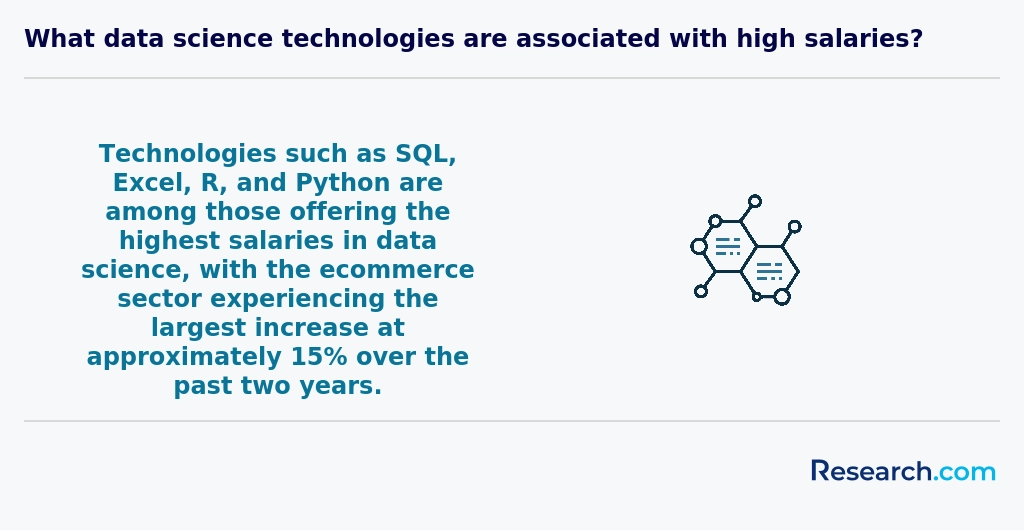
Data science degrees in New Jersey include essential courses that build your analytical and technical skills for real-world success. You'll take foundational classes like Introduction to Data Science, where you learn the overall workflow of data projects, and Programming with Python or R, which are crucial tools used daily by data scientists. Graduates from Rutgers University often highlight how mastering Statistics and Probability helped them confidently handle data variability and make informed decisions in their internships.
Courses in Machine Learning teach you to create predictive models, a skill highly valued in industries such as finance and telecom, both strong sectors in New Jersey. Data Visualization classes train you to present insights clearly, turning complex numbers into actionable stories. You will also study Database Management and SQL, essential for working with large datasets efficiently. Many students appreciate specialized electives like natural language processing, available at top New Jersey schools, which prepare them for cutting-edge roles.
Data science degrees in New Jersey typically offer specializations that prepare students for high-demand roles across various industries. Graduates from popular universities often focus on machine learning and artificial intelligence, gaining hands-on experience with neural networks and deep learning models used in local tech startups or finance firms. Another common track is data engineering, where students learn to build data pipelines and manage big data tools like Hadoop, which a graduate applied while consulting for a pharmaceutical company in the state.
Business analytics is a valuable specialization for those interested in combining data skills with strategic decision-making, often appealing to students aiming for careers in New Jersey's corporate sector. Healthcare informatics is also prominent, given the region's healthcare landscape, with some graduates working on patient data projects that improve clinical outcomes. Cybersecurity analytics trains students to defend against data breaches, an essential skill for protecting New Jersey's financial institutions.
For learners seeking flexible options alongside these specializations, exploring the best programs for older adults online can provide tailored pathways that fit diverse schedules and career goals related to data science specializations in New Jersey.
When choosing the best data science degree programs in New Jersey, prioritize curriculum strength focused on practical skills like machine learning, statistics, and programming with Python or R. Graduates from Rutgers University often praise their hands-on capstone projects that simulate real industry challenges, which boosted their confidence entering the job market. Look for accredited programs with faculty who have active industry connections or published research, ensuring you learn from experts up-to-date with data science trends.
Considering affordable data science degrees New Jersey offers can help balance quality with cost. Public universities around the state usually charge about $15,000 annually for in-state students, making them a practical choice without compromising education standards. Many graduates highlight how flexible learning options, including hybrid and online courses, allowed them to work part-time while completing their degrees, helping manage expenses and time efficiently.
Finally, explore programs with strong career services linked to New Jersey's tech companies, as these often provide valuable internships and job placements. Reviewing employment outcomes alongside salary expectations can guide your decision; for more insights on earning potential, see what 4 year degree makes the most money.
Graduates pursuing data science career opportunities in New Jersey can tap into diverse industries across the state. For example, financial hubs like Jersey City and Newark provide roles such as financial analysts and risk managers, where skills in predictive analytics directly impact investment decisions. Healthcare is also a thriving field, with hospitals and pharmaceutical companies employing data scientists to enhance patient care and support clinical research. Many graduates from Rutgers and other popular New Jersey colleges share how their hands-on projects preparing real-world datasets helped them secure positions as health data analysts or bioinformatics specialists.
Technology companies in New Jersey seek data engineers and machine learning experts familiar with Python, R, and cloud platforms, providing dynamic career opportunities. In addition, state and local government agencies offer roles that involve public policy analysis and transportation planning, contributing meaningfully to community improvements. Alumni often feel empowered by these practical roles that make a tangible difference. Those considering advanced studies may explore accelerated degrees such as a 2 year phd to deepen their expertise and broaden career options in this competitive market.
Jobs with data science degree New Jersey graduates frequently praise the region's strong economy, which supports versatile positions and promising salary prospects, reinforcing their decision to study here.
The data science job opportunities in New Jersey are robust, especially for graduates from well-regarded institutions like Rutgers University and Princeton University. These programs prepare students with practical skills in analytics and coding that employers seek. Graduates often find themselves recruited by major firms such as Johnson & Johnson and Merck, which have strong data-driven initiatives. Many alumni share positive experiences about securing roles like Data Analyst or Machine Learning Engineer soon after graduation, reflecting a healthy job market.
New Jersey data science career outlook is promising, supported by the state's proximity to financial hubs and pharmaceutical sectors. The average starting salary ranges between $95,000 and $130,000, giving new professionals a strong financial incentive to pursue this path. Graduates frequently highlight the advantage of internships and networking events hosted by local universities, which boost career prospects significantly.
For those navigating this market, focusing on skills like machine learning and big data tools enhances employability. Considering the cost of tuition and strong job returns, pursuing a degree in-state is a practical option. Students interested in an ideal career for introverts can find suitable roles in analytics and consulting within New Jersey's diverse economy.
2027 Best Data Science Degree Programs Ranking in New Jersey
Investing in your education is a significant decision that can shape your future, and the Research.com team understands the importance of making informed choices. To assist prospective students, we have meticulously created the "2027 Best Data Science Degree Programs Ranking in New Jersey." Our commitment to quality, credibility, and accuracy is reflected in the extensive research and analysis conducted to compile this ranking.
We utilized the following reputable data sources to ensure a comprehensive evaluation of data science programs:
By exploring this ranking, readers will gain valuable insights into the top data science degree programs in New Jersey, enabling them to make well-informed educational decisions. For more details on our approach, please visit our Research.com methodology page.


Frequently Asked Questions About data science
Data science degree students in New Jersey can maximize their learning experience by engaging with the state's diverse academic and industry resources. New Jersey hosts top-ranked universities offering specialized data science programs that combine theoretical knowledge with practical applications. According to the National Center for Education Statistics, collaborating on research projects or internships with local tech companies can enhance real-world skills essential for a competitive job market.
Students should also take advantage of networking events and conferences in metropolitan areas like Newark and Princeton, where many data-driven firms are headquartered. Joining student organizations focused on data science promotes peer learning and career development. Furthermore, leveraging online platforms affiliated with New Jersey's educational institutions provides access to updated datasets and software tools widely used in the industry.
Emerging niches within the data science field reflect the evolving demands of technology and industry in New Jersey and across the United States. One key area is health informatics, which combines data science with healthcare to improve patient outcomes. According to the NJ Department of Labor, this sector is expected to grow significantly by 2028 due to rising investments in medical technology.
Another promising niche is environmental data science, focusing on analyzing climate data to support sustainability efforts. New Jersey's coastal cities are particularly interested in this field as they face challenges related to climate change.
Additionally, financial analytics remains crucial, especially with New Jersey hosting many financial institutions. Specializing in this area can lead to opportunities in risk management and fraud detection.
After completing a data science degree in New Jersey, keen preparation is essential to succeed in the competitive job market. Graduates should focus on building a strong portfolio showcasing practical projects involving real datasets, as regional employers value demonstrable skills. Networking within New Jersey's tech hubs, including Newark and Jersey City, provides access to companies like Audible and Johnson & Johnson, which frequently seek data scientists.
Participation in local meetups and internships enhances employability and offers insights into industry demands. According to the New Jersey Department of Labor, data science jobs in the state are expected to grow by 15% through 2030, reflecting strong regional demand. Continuous learning-through certifications in machine learning or cloud platforms-and familiarity with tools such as Python and SQL remain crucial for job readiness.
Employers in New Jersey increasingly seek data science graduates with strong technical and analytical skills. Proficiency in programming languages like Python and R is essential, as these tools are commonly used for data manipulation and model building.
Strong knowledge of statistics and machine learning techniques is also highly valued, enabling graduates to derive meaningful insights from complex datasets. Familiarity with data visualization tools such as Tableau or Power BI helps in communicating results effectively to stakeholders.
Additionally, experience with SQL and cloud platforms like AWS or Azure is often requested, reflecting New Jersey's growing tech infrastructure. According to the New Jersey Department of Labor, data analysis roles grew by over 10% from 2018 to 2023, intensifying demand for these skills.
Finding internships in New Jersey relevant to a data science degree involves leveraging multiple resources. Universities such as Rutgers and NJIT often have partnerships with local companies and maintain dedicated career centers that list data science internship opportunities. Networking events and job fairs hosted by these institutions are also valuable for connecting with potential employers. Industry hubs in New Jersey, including pharmaceutical and finance sectors, offer numerous internship roles focused on data analysis and machine learning.
The New Jersey Department of Labor and Workforce Development provides a searchable portal for internships and job listings, including tech-related positions. Online platforms like Handshake and LinkedIn additionally list local internships tailored to data science students. Engaging with professional groups such as the New Jersey Technology Council can provide further leads and mentorship. According to the U.S. Bureau of Labor Statistics, data science roles are growing rapidly in this region, increasing available internship opportunities annually.
Holding a data science degree in New Jersey significantly improves career mobility and advancement opportunities. According to the U.S. Bureau of Labor Statistics, the demand for data scientists in New Jersey is projected to grow 28% from 2022 to 2032, much faster than the average for all occupations. This growth is driven by the state's strong presence in finance, healthcare, and technology sectors, where data skills are highly valued.
Employers in New Jersey increasingly seek candidates with formal training in data science, leading to higher starting salaries and greater job security. Graduates often transition into roles such as data analysts, machine learning engineers, or business intelligence specialists.
Additionally, many New Jersey companies promote employees with advanced data skills to management and strategy positions, reflecting the degree's role in enabling upward mobility within organizations.
Studying for a data science degree in New Jersey offers strong preparation for interdisciplinary roles by integrating technical skills with diverse industry knowledge. Many New Jersey universities design curricula that combine statistics, computer science, and domain-specific courses such as healthcare, finance, or urban planning. This approach aligns with the state's economic sectors, including pharmaceuticals and finance, which are among the largest employers of data scientists in the region, according to the New Jersey Business & Industry Association.
Students benefit from collaboration opportunities, internships, and research projects that involve real-world data challenges. These experiences promote adaptability and communication skills crucial for interdisciplinary teamwork. Additionally, local programs often emphasize emerging technologies like machine learning and data visualization, equipping graduates to contribute across various fields efficiently.
Choosing between a thesis and a non-thesis data science degree program in New Jersey involves considering your career goals and learning preferences. Thesis programs usually suit those aiming for research roles or doctoral studies, as they require conducting original research, which strengthens analytical and writing skills. Non-thesis options focus more on coursework and practical applications, appealing to professionals seeking quick entry or advancement in industry positions.
New Jersey universities, including Rutgers and Stevens Institute of Technology, offer both paths, reflecting strong ties to the state's tech and finance sectors. According to New Jersey's Department of Labor, data science jobs in the state are projected to grow by over 15% by 2030, favoring applied skills gained in non-thesis programs.
Funding opportunities also differ; thesis students often receive assistantships or stipends related to their research, while non-thesis candidates might rely on employer support or personal funds.
Students based in New Jersey seeking to study data science abroad have several pathways through US higher education partnerships and exchange programs. Many New Jersey universities, such as Rutgers and Stevens Institute of Technology, participate in international agreements allowing students to study data science at partner institutions worldwide for a semester or full degree. According to the Institute of International Education, outbound exchange programs from New Jersey saw steady growth in STEM fields, including data science, over recent years.
Such opportunities enable students to gain global perspectives while leveraging the strong foundation of New Jersey's educational system.
Furthermore, some programs offer joint degrees or dual accreditation with foreign universities, enhancing career prospects. Students can consult their home institution's study abroad office for specific data science offerings and eligibility criteria.
Part-time job opportunities in New Jersey that complement a data science degree often include roles in data analysis, IT support, and business intelligence. Many local companies in sectors like finance, healthcare, and technology seek part-time interns or entry-level data specialists. According to New Jersey's Department of Labor, employment in computer and mathematical occupations is projected to grow by 15% through 2030, signaling increasing opportunities. Students can gain practical skills by working as data entry technicians, research assistants, or junior analysts, which align well with academic learning. These roles help build experience in programming languages, statistical tools, and data visualization software commonly used in the field.
Data science students in New Jersey benefit from a range of networking opportunities supported by local universities, industry groups, and tech hubs. Institutions like Rutgers University and Stevens Institute of Technology host regular career fairs and workshops focused on analytics and machine learning. These events connect students directly with employers from the state's growing tech sector.
New Jersey is part of the New York City metropolitan area, providing access to over 70,000 tech jobs, according to CompTIA's 2023 Cyberstates report. Students often participate in meetups and conferences organized by groups such as the New Jersey Data Science Meetup, which fosters connections with professionals and alumni.
Additionally, partnerships between universities and companies enable internships and cooperative education experiences, vital for building industry contacts before graduation. According to the National Association of Colleges and Employers, internships increase job placement rates, a benefit New Jersey's programs emphasize in their curriculum.
Alumni networks offer valuable benefits to data science degree students in New Jersey. These networks provide access to mentorship from experienced graduates working in the state's expanding tech and finance sectors. According to the New Jersey Tech Council, over 70% of job placements for recent data science graduates come through networking connections, often facilitated by alumni.
Furthermore, alumni often share internship opportunities and industry insights that help students understand evolving market demands. Many New Jersey universities host events where alumni and current students can connect, fostering collaborations that support career development. These connections are critical given New Jersey's competitive data science job market, with over 8,000 data-focused roles advertised annually as per the NJ Department of Labor.
Customizing a data science degree program in New Jersey begins with exploring the range of electives and specializations offered by universities. Many schools provide options in fields such as machine learning, artificial intelligence, or business analytics, allowing students to tailor their skills toward specific industries.
Advisors often help students align coursework with career goals by recommending relevant classes and projects. Internships within New Jersey's growing tech and finance sectors offer practical experience, enhancing employability.
Additionally, some programs incorporate certificates or minors, enabling students to combine data science with areas like cybersecurity or healthcare.
For example, Rutgers University and Stevens Institute of Technology offer flexible curricula reflecting regional industry demands, as noted by the New Jersey Business & Industry Association.
Data science students in New Jersey often face challenges related to the high demand for advanced technical skills. Mastery of programming languages like Python and R, as well as expertise in machine learning and statistics, require significant time and effort. According to the New Jersey Commission on Higher Education, many students struggle with balancing course workloads and practical experience opportunities.
Additionally, limited local internship placements in specialized data science roles can hinder hands-on learning. Students also report challenges in accessing up-to-date computational resources and software.
The competitive job market in New Jersey's growing tech sector means students must continuously adapt to evolving industry needs. Financial constraints and the high cost of living in areas like Newark and Jersey City add further pressure.
Graduates with a data science degree in New Jersey can pursue several professional certifications to enhance their career prospects and validate their skills. Popular certifications include the Certified Analytics Professional (CAP), which is nationally recognized and valued in industries growing within New Jersey, such as finance and healthcare.
Another relevant option is the Microsoft Certified: Data Scientist Associate, which demonstrates proficiency in Azure's data science tools. The SAS Certified Data Scientist credential is also valued for expertise in analytics software commonly used by New Jersey's pharmaceutical companies.
Institutions like New Jersey's Labor Market Information System highlight increased demand for certified data professionals, correlating certifications with higher earning potential locally.
Writing a winning application for a data science program in New Jersey starts with understanding the competitive nature of admissions. Programs often look for strong quantitative skills, demonstrated through coursework in mathematics, statistics, or computer science. Including relevant work or internship experience in data analysis significantly boosts your profile.
Highlighting proficiency in programming languages like Python or R, and familiarity with data visualization tools, is essential. Many New Jersey schools value applicants who can show hands-on projects or contributions to open-source data science initiatives.
Clear, focused personal statements that explain your motivation and career goals within data science help distinguish your application. Additionally, securing strong letters of recommendation from academic or professional sources adds credibility.
According to the National Center for Education Statistics, applicants with a GPA above 3.0 and GRE scores in the higher percentiles generally have better success in STEM master's programs. Tailoring your documents to reflect local industry trends, such as New Jersey's focus on healthcare analytics and financial data science, demonstrates awareness of regional opportunities.
Data science is recognized worldwide as a pivotal field driving innovation and decision-making across industries. In the United States, and specifically in New Jersey, the demand for data science professionals continues to grow rapidly. According to the U.S. Bureau of Labor Statistics, employment of data scientists is projected to increase by 36% from 2021 to 2031, much faster than average for other occupations.
Globally, companies value data science skills to solve complex problems and optimize operations. New Jersey's strategic location near major financial and technological hubs allows graduates to access diverse career opportunities. Universities in New Jersey often emphasize practical skills aligned with global industry standards, preparing students to compete internationally.
Gaining practical experience while studying for a data science degree in New Jersey is essential for building job-ready skills. Many universities in the state, such as Rutgers and Stevens Institute of Technology, encourage students to participate in internships with local tech firms and financial institutions, which are prominent employers in New Jersey's growing data science sector.
Students can also engage in research projects alongside faculty members, often focusing on real-world data sets. According to the New Jersey Department of Labor, internships in data science roles have increased by over 15% from 2021 to 2023, reflecting rising industry demand.
Additionally, joining student organizations or participating in hackathons offers hands-on problem-solving opportunities. These experiences help develop technical skills like coding and data analysis, key for employment after graduation.
Choosing the right concentration within a data science degree program in New Jersey depends on your career goals and interests. Data science offers various specialties like machine learning, big data analytics, or artificial intelligence. Understanding local industry demands can guide your decision. New Jersey has a growing tech sector, especially in pharmaceuticals and finance, which often seek professionals skilled in predictive analytics and data management.
Research programs that offer concentrations aligned with these fields. Pay attention to coursework, faculty expertise, and internship opportunities. Institutions such as Rutgers University provide specialized tracks reflecting regional job markets.
Additionally, review labor market data from the New Jersey Department of Labor, which reports a steady increase in data science roles, emphasizing skills in Python, R, and statistical modeling.
- 2027 Best Data Science Degree Programs Ranking in Pennsylvania
- 2027 Best Data Science Degree Programs Ranking in New York
- 2027 Best Data Science Degree Programs Ranking in Virginia
- 2027 Best Data Science Degree Programs Ranking in Massachusetts
- 2027 Best Data Science Degree Programs Ranking in Ohio
- 2027 Best Data Science Degree Programs Ranking in North Carolina
- 2027 Best Data Science Degree Programs Ranking in Tennessee
- 2027 Best Data Science Degree Programs Ranking in Michigan
- 2027 Best Data Science Degree Programs Ranking in Florida
- 2027 Best Data Science Degree Programs Ranking in Illinois
See What Experts Have To Say About Studying Data Science
Read our interview with Data Science experts

- The Future Landscape of Data Science Careers You Need to Know - CertLibrary Blog https://www.certlibrary.com/blog/the-future-landscape-of-data-science-careers-you-need-to-know/
- Careers in Data Science | ComputerScience.org https://www.computerscience.org/careers/data-science/how-to-become/
- Requirements for Computer Science Major with Data Science Specialization | Department of Computer Science https://computerscience.tcnj.edu/cs-programs-research/requirements-for-computer-science-major-with-data-science-specialization/
- Data Science Classes vs. Traditional College Programs: Which Gets You Hired Faster in 2025? https://onlineaitraining.com/blog-data-science-classes-vs-college
- Top Data Science Degree Programs in New Jersey [Online Included] https://www.discoverdatascience.org/states/new-jersey/
- Best Data Scientist Cover Letter with Tips and Examples - Cake https://www.cake.me/resources/cover-letter/data-scientist-cover-letter
- Admission Requirements https://www.saintpeters.edu/academics/graduate-programs/master-of-science-in-data-science/admission-requirements/
- Data Science Connects Events Calendar https://www.datascienceconnects.com/DataScience/DataScience/Events/Events-calendar.aspx
- Data Science Placements/Internships | Gradcracker - Careers for STEM Students https://www.gradcracker.com/search/computing-technology/data-science-work-placements-internships
- Data Science Master's Degree (Non-Thesis) https://www.istinye.edu.tr/en/postgraduate/programs/data-science-masters-degree-non-thesis