2027 Best Data Science Degree Programs Ranking in the USA

Co-Founder and Chief Data Scientist
Choosing the right data science degree program can shape your future career and open doors to exciting opportunities. The 2027 Best Data Science Degree Programs Ranking in the USA, created by the Research.com team of experienced data scientists, guides you through the top programs available nationwide.
By exploring this article, you'll gain valuable insights to make an informed decision about your education. Earning a data science degree equips you with the skills to thrive in a fast-growing industry, boosting your confidence and potential.
Discover programs that match your goals and start your journey toward a rewarding career today.
Key benefits of getting data science degree in America
- Graduates with a data science degree can expect strong earning potential, with roles like Data Consultants earning a mean annual wage of $119,040 and Marketing Analysts earning about $83,190, according to the US Bureau of Labor Statistics.
- Career paths are diverse, including positions such as Database Administrator, Data Analyst, and Data Visualization Specialist, offering flexibility and exciting opportunities for growth in various industries.
- Online data science degrees provide the convenience to learn at your own pace while gaining skills comparable to traditional programs, often making it easier to balance work and study, as seen in graduates from well-known universities.
- 2027 Best Data Science Degree Programs Ranking in the USA
- What can I expect from data science degree in America?
- Where can I work with data science degree in America?
What can I expect from data science degree in America?
The average cost of a data science degree in America can really vary depending on where you study. Public universities usually offer more affordable tuition, which is a big relief for many students balancing budgets. For instance, a data science grad from a state university often shares how paying in-state tuition helped keep debt low while still getting solid hands-on experience.
On the flip side, private schools can be pricier but often come with more scholarships or financial aid options that many grads find helpful. One graduate from a private college mentioned how scholarship support made a huge difference, allowing them to focus more on mastering skills like Python and machine learning rather than stressing about finances.
Many students also appreciate flexible options like online or part-time programs, which help those already working to earn while they learn. Overall, the investment usually feels worth it once you land a job with a strong starting salary that averages around $85,000. That kind of payoff makes the cost feel like a smart move for your future career.
Where can I work with data science degree in America?
With a data science degree in America, you're stepping into a world full of exciting career possibilities. Graduates from top schools like Stanford, MIT, or the University of California often land jobs in big tech companies such as Google or Microsoft. Imagine working on cool AI projects or finding new ways to improve user experiences-that's the kind of work data science grads love.
But it's not all tech-financial firms in New York or Chicago are eager to hire data-savvy folks to help detect fraud or optimize investments. A lot of grads share stories about how their skills made a huge impact solving real-world money problems.
Healthcare is another hot spot, especially with places like Johns Hopkins or Harvard contributing to predictive models that could save lives. And if you ever want to work in the government, agencies like NASA or the CDC constantly seek data experts to tackle big data challenges. Plus, retail and marketing companies need data pros to understand customer behavior and personalize everything from ads to supply chains.
Overall, if you study data science in America, you're looking at a career filled with variety, growth, and the chance to truly make a difference.
If you're thinking about getting a data science degree in America, here's the good news-your paycheck can definitely make you smile. Graduates from places like MIT, Carnegie Mellon, or UC Berkeley often land jobs where the average earnings vary but lean toward the impressive side. For example, a Data Analyst can expect a mean annual wage around $66,670, which is a solid starting point. But if you dive deeper into roles like Data Consultant, the average salary jumps to about $119,040 per year, which sounds pretty awesome after finishing college.
Some grads find themselves working as Database Administrators making around $104,810 annually, or as Marketing Analysts pulling in roughly $83,190. And if you're super into visuals, becoming a Data Visualization Specialist might earn you about $64,700. The key is that salaries tend to grow as your experience and skills expand-many graduates from top schools share stories of landing six-figure jobs within a few years.
So, studying in America not only opens doors but can also lead to a very rewarding and rewarding career financially, especially in tech-heavy cities.
- Data science degrees are available at Bachelor's, Master's, and PhD levels, combining computer science, statistics, and domain knowledge.
- Tuition varies widely: public universities charge $10,000 to $30,000 per year for in-state students, while private colleges can exceed $50,000 annually.
- Entry-level data scientists earn about $85,000 to $95,000 per year, with median salaries surpassing $130,000 after five to seven years of experience.
- Job growth for data scientists is projected at 36% from 2021 to 2031, much faster than average.
- Programs often include internships and partnerships with industry, helping students gain practical experience and employment opportunities.
- Coursework typically covers programming languages like Python and R, data visualization, statistics, and machine learning.
If you're aiming for a data science degree in America, the time it takes really depends on which level you go for and how you approach your studies. Most folks dive into a bachelor's degree first, which usually takes around four years of full-time study. Imagine starting at a school like the University of California, Berkeley, where graduates often mention the pace feels steady but rewarding as they rack up about 120 to 130 credit hours.
For those wanting to get deeper into the field, a master's degree typically wraps up in 1.5 to 2 years full-time. At places like Carnegie Mellon, grads share how intense but exciting the focused coursework on stats and machine learning can be. If you're juggling work, some go part-time, stretching it to 3 years or so, which helps keep things balanced.
Then there are the doctoral programs-more of a long haul, usually 4 to 6 years-great if you're aiming for research or academia. It's all about what fits your pace and goals, with plenty of options to make the journey feel doable and even fun.
When you pick between an online and an on-campus data science degree in the U.S., the vibe and setup can feel totally different. Imagine studying at a place like UC Berkeley or the University of Michigan-the on-campus experience means you're actually sitting in classrooms, chatting with professors after lectures, teaming up on group projects, and hitting networking events. Graduates often say this face-to-face interaction helped them build strong connections and made tricky concepts easier to grasp during hands-on labs.
Now, think about the online route. Lots of students juggling jobs or family find programs from schools like Arizona State University perfect because they can tackle coursework on their own schedule. It's flexible and can even be quicker if you're motivated, but it does mean missing out on those spontaneous classroom moments. Online learners often mention needing good self-discipline since everything's digital and paced by you.
Cost-wise, on-campus programs at public universities usually hover around $10,000 a year for in-state students, while online can vary more widely-sometimes less, sometimes a bit more. Either way, both paths lead to solid credentials that employers respect if the program is properly accredited.
Data science education is changing quickly because employers now expect graduates to do more than clean datasets and run models. Strong programs increasingly combine statistics, programming, machine learning, ethics, cloud tools, communication, and domain knowledge so students can turn data into decisions in real organizations.
One major trend is the move toward interdisciplinary training. Data science is now embedded in healthcare, finance, public policy, marketing, cybersecurity, logistics, and scientific research. As a result, many programs are adding applied electives that help students understand the industries where their models will be used.
Another important shift is the greater emphasis on responsible data use. Courses in AI ethics, data privacy, bias, transparency, and governance are becoming more important as organizations adopt automated decision systems. Students should look for programs that treat these topics as practical professional responsibilities, not just abstract discussions.
Hybrid and online learning are also becoming more sophisticated. Virtual labs, cloud-based notebooks, collaborative coding platforms, and remote team projects can make online study more practical for working adults. However, students should compare how each program delivers mentoring, feedback, technical support, and employer connections before assuming that every online option offers the same level of engagement.
Industry collaboration is another sign of a career-focused program. Schools that maintain relationships with companies, startups, nonprofits, healthcare systems, or government agencies may provide stronger access to internships, live datasets, capstones, and guest mentors. This matters especially for students comparing value-focused options such as affordable data science schools, where the best choice is not always the cheapest school but the program that balances cost with practical preparation.
When it comes to the average cost of a data science degree in America, you're looking at a median total cost around $55,000. This number can feel pretty real when you hear from graduates at popular schools like the University of California or the University of Michigan, where in-state students often pay closer to $17,700 total. Out-of-state students, on the other hand, might find themselves paying significantly more, sometimes almost triple that amount. That difference is important to keep in mind as you plan your education budget.
Many students pursuing data science degrees in America find that these costs include tuition plus other expenses such as fees, textbooks, and living costs. For example, students at private universities like Carnegie Mellon or NYU often face a much heftier price tag, driving the median cost up. Still, the excitement of learning cutting-edge skills and landing great opportunities makes the investment worthwhile for most.
For those on a tighter budget, checking out affordable data science schools can help you find options that won't break the bank, especially when considering the total expenses for data science degree in the USA. Plus, there are plenty of online programs offering flexible and lower-cost alternatives that some students swear by.
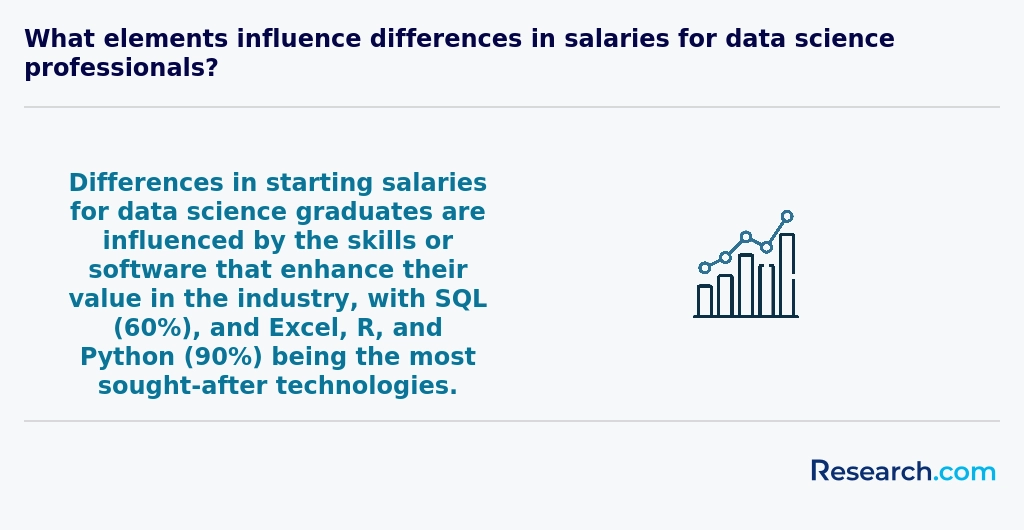
When you're diving into a data science degree in America, financial aid can really ease the burden, especially with tuition at places like UC Berkeley or New York University. Many students start by filing the FAFSA, which opens doors to federal aid like Pell Grants-those are a lifesaver since they don't need to be paid back and can cover up to $7,395 a year if you qualify. Graduates often share how this helped them handle costs without piling on debt.
Loans are also common, with options like Direct Subsidized Loans offering manageable interest and flexible repayment plans tailored to new data science pros entering the workforce. Plus, schools known for their STEM programs usually have scholarships ready for sharp data enthusiasts-imagine landing a merit-based award at Carnegie Mellon or MIT that discounts your tuition just for being awesome in math and coding.
Some grads also mention scoring private scholarships from groups like the Computing Research Association, which felt like a bonus prize for their hard work. And if you're already working, your employer might chip in with tuition help, making it easier to balance job and study without breaking the bank.
Capstone projects and internships are often the clearest evidence that a data science program is preparing students for actual work. Coursework builds the foundation, but employers want to see whether candidates can define a problem, work with imperfect data, explain trade-offs, document decisions, and communicate results to nontechnical audiences.
Why capstone projects matter
A strong capstone should resemble a real analytics or machine learning assignment rather than a simple classroom exercise. Students may work in teams, use messy datasets, define performance measures, and present findings to faculty, industry partners, or community organizations.
- Hands-on learning: Capstones help students apply Python, R, SQL, statistics, machine learning, and visualization in one integrated project.
- Portfolio development: A completed project can become evidence of skill for recruiters, especially when it includes clear documentation, reproducible code, and a concise explanation of the business or research problem.
- Feedback and iteration: Regular input from faculty or mentors helps students improve both technical quality and presentation skills.
What to look for in internship support
Internships can be a major advantage because they expose students to production environments, team workflows, deadlines, data governance rules, and stakeholder expectations. Leading programs often maintain employer relationships across technology, healthcare, finance, consulting, retail, government, and research organizations.
- Role variety: Useful internship pipelines may include data analyst, data engineer, business intelligence analyst, AI research assistant, machine learning intern, or analytics consultant roles.
- Employer access: Ask whether the school has formal partnerships, recurring internship employers, career fairs, alumni referrals, or project sponsors.
- Career impact: Graduates who complete at least one internship report a 30% higher likelihood of receiving full-time offers upon degree completion.
How students can make these opportunities count
- Meet with career services early instead of waiting until the final semester.
- Build a resume around tools, projects, datasets, and measurable outcomes.
- Attend hackathons, analytics competitions, employer panels, and data meetups promoted by the program.
- Compare local employer access if you are choosing between campus-based programs in different regions.
Cost-conscious students should pay particular attention to schools that combine affordability with employer access. For regional options, review the Cheapest Data Science Degree Programs Ranking in the Midwest to identify programs that may offer lower costs along with local internship pipelines.
If you're aiming to enroll in a data science degree program in America, you'll need to clear some basics first. For undergrad programs at popular schools like UC Berkeley or NYU, a solid high school diploma is a must, especially with strong grades in math and science classes like calculus and statistics. Many grads recall how nailing those courses really gave them a confidence boost when tackling complex data sets later on.
For master's programs, say at Carnegie Mellon or University of Washington, having a bachelor's degree in a related field like computer science, math, or engineering is key. Some grads share that even if their background wasn't typical, showing skills in programming languages like Python or R, plus understanding machine learning basics, helped open doors. GRE scores sometimes matter, though many schools have become flexible recently, which eases the pressure. If you're coming from abroad, be ready to prove your English skills with tests like TOEFL.
Letters of recommendation and a personal statement are also big parts of the application, telling your story beyond numbers. The overall vibe from graduates is that preparing these carefully made the difference between just applying and feeling genuinely excited about joining a vibrant data science community in the US.
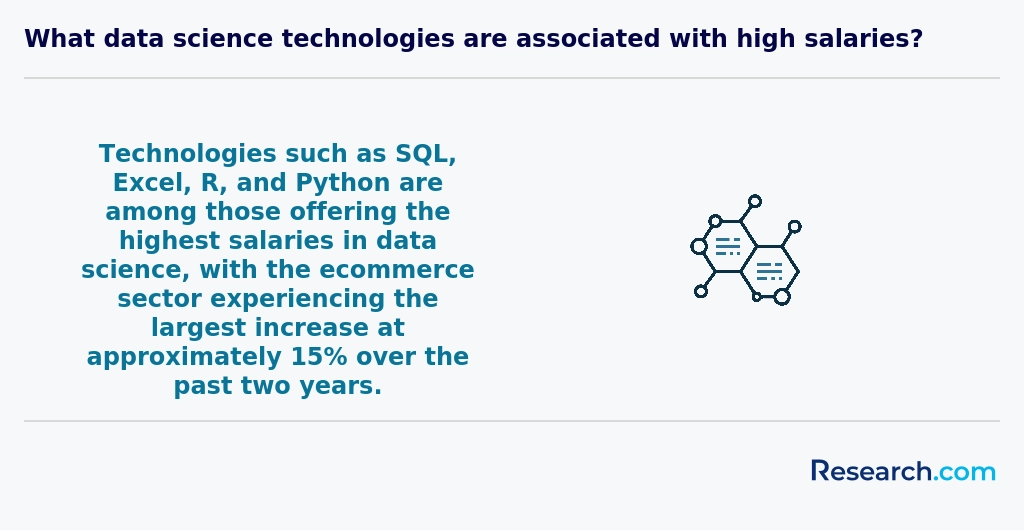
Return on investment for a data science degree depends on more than tuition. Students should compare total cost, debt, time to completion, lost income if studying full time, internship access, career support, and realistic salary outcomes for the roles they want.
On average, bachelor’s graduates in data science report a 35–45% salary increase within three years of graduation, with median starting salaries around $75,000. Factoring in tuition, fees, and living expenses, most students recoup their investment in 3–5 years, depending on program cost and financial aid packages.
A practical ROI review should include the following questions:
- What is the true total cost? Include tuition, mandatory fees, books, software, transportation, housing, and any income you may give up while studying.
- How much aid is realistic? Compare grants, scholarships, assistantships, employer reimbursement, and loans before relying on advertised tuition alone.
- Does the program improve employability? Strong career services, internships, capstones, employer partnerships, and alumni networks can affect outcomes as much as course content.
- Is the format cost-effective? Online or hybrid programs may reduce relocation and commuting expenses, but students should still verify that advising, project work, and networking are strong.
- What debt-to-income ratio is reasonable? Estimate monthly loan payments against expected entry-level income before enrolling.
Public institutions and state universities often offer lower tuition for in-state residents, while private universities may offset higher sticker prices through scholarships. Living costs also vary widely, so an expensive city can change the value equation even when tuition looks competitive.
To compare cost-focused options with academic quality in mind, see the Cheapest Data Science Degree Programs Ranking in the Midwest. The strongest value usually comes from a program that keeps debt manageable while still providing technical depth, real projects, and credible employer connections.
If you're diving into a data science degree in America, expect a cool mix of courses that really set you up for the data-driven world out there. Graduates from places like UC Berkeley or New York University often talk about how their stats and probability classes helped them crack real-world puzzles, like spotting trends in huge sales datasets or understanding customer behavior for a budding startup.
Programming is a big chunk too-many students get hands-on with Python and R, sometimes even SQL, which are super helpful when dealing with messy data or building models. Imagine working through data structures and algorithms one day, then applying that knowledge to collect and clean data for a social media campaign project the next. That kind of practical experience lights up resumes!
What's also exciting? Machine learning and AI courses where you might train your own neural networks or try out deep learning models-skills that grads brag about landing them cool gigs in places like Seattle or Silicon Valley.
Plus, most programs throw in data visualization, teaching you how to tell stories with data so your boss or clients really get it-think of using Tableau to make those complex numbers come alive in a board meeting.
And since big data is everywhere, courses often cover tools like Hadoop, Spark, and cloud platforms like AWS, prepping you perfectly for the fast-paced tech scene found at schools like Carnegie Mellon. These classes don't just teach theory-they're about real projects, internships, and capstones, making learning hands-on and, honestly, pretty fun!
If you're diving into a data science degree in America, you'll find some pretty cool specializations to choose from. Graduates from big-name universities love sharing how focusing on Machine Learning and Artificial Intelligence gave them the skills to work on futuristic AI projects, while others found Big Data Analytics perfect for tackling huge datasets in industries like healthcare or finance.
Data Engineering is another popular path, where students get hands-on experience building the systems that own the flow of data-something grads from top tech-focused colleges rave about because it makes them super employable. Business Analytics blends data science with strategy, which graduates from business schools say helped them land roles where they influence major company decisions.
For those interested in healthcare, Health Informatics is growing fast, and students in programs at universities known for their medical and data science combo programs often find this concentration really rewarding. If you want a sense of affordability while exploring your options, check out the Cheapest Data Science Degree Programs Ranking in the Midwest to see some budget-friendly picks.
Exploring these data science degree specializations in USA universities means you get to tailor your studies to what excites you most, boosting both your skills and job prospects.
Choosing the best data science degree in America means focusing on programs that mix solid theory with hands-on experience-think classes in stats, machine learning, and programming like Python or R, plus internships or capstone projects. Graduates from well-known public universities often share how affordable tuition helped them dive into data science without crushing debt, especially if they stayed in-state. But some swear by private schools that offer cutting-edge research opportunities and connections to industry pros. Those industry ties really matter-being near tech hubs like Silicon Valley or Boston can open doors to internships and jobs, making your degree feel worth every penny.
Lots of students search for affordable data science degrees in America and find that financial aid, STEM scholarships, or research assistantships can ease the cost burden while boosting their resume. Faculty expertise shapes your learning too; grads from popular colleges often highlight how professors' real-world experience made data concepts click. And if you want flexibility, programs offer full-time, part-time, or online options-some even recommend checking out the top associate degree in 6 months online for a quick start.
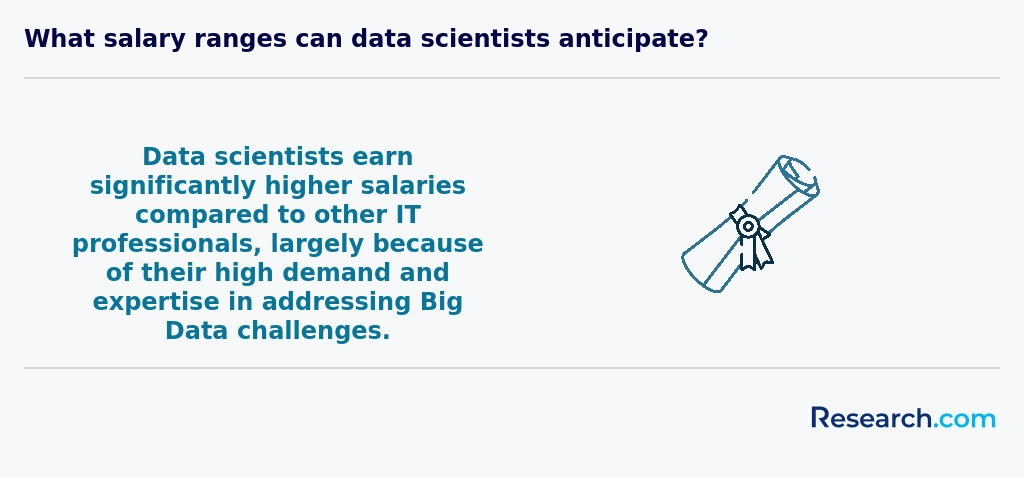
If you're wondering what career paths are available for a data science degree in America, the options are seriously exciting. Graduates from popular schools like Stanford or the University of Michigan often find themselves stepping into roles like Data Scientist, where they get to dive into massive datasets and create models that help companies predict trends. Others become Data Analysts, turning raw data into clear, actionable insights-something that many grads mention loved about their first jobs. It's common to see Machine Learning Engineers popping up too, especially from places like MIT, blending coding with smart algorithms to make tech smarter every day.
Thanks to the strong job opportunities for data science graduates in America, some find themselves in roles like Business Intelligence Analysts or Data Engineers, building the tools and dashboards that keep businesses running smoothly. Many grads from well-known colleges appreciate how their real-world projects prepared them for these careers.
Considering the variety, it's no surprise some students explore the easiest masters program to strengthen their skills.
The data science job market USA is buzzing with opportunity, especially for grads from well-known schools like those in Boston or California. Graduates often share how landing jobs with starting salaries between $85,000 and $110,000 made their hard work feel rewarding right away. It's common to hear about friends who studied at top programs feeling excited to use their skills on real projects involving AI and machine learning, which are front and center in the industry today.
Those eyeing cities like San Francisco or Chicago know that while the cost of living can be higher, the mean wages there-often over $100,000-help balance things out. The employment outlook for data science degrees in America continues looking strong, with employers hunting for those who can code in Python or R and explain complex data clearly.
For anyone thinking about how to choose where to study, checking out the top accredited non-profit colleges offers a great start to finding quality programs that fit your budget and goals.
2027 Best Data Science Degree Programs Ranking in the USA
Investing in your education is a significant decision that can shape your future, and the Research.com team understands the importance of making informed choices. To assist prospective students in selecting the ideal data science degree, we have meticulously crafted the "2027 Best Data Science Degree Programs Ranking in the USA." Our commitment to quality, credibility, and accuracy is reflected in the extensive research and careful analysis behind this ranking.
We utilized the following reputable data sources to ensure a comprehensive evaluation of data science programs:
By exploring this ranking, readers will gain valuable insights into the top data science degree programs available nationwide, enabling them to make well-informed decisions about their educational journey. For more details on our methodology, please visit our Research.com methodology page.


Frequently Asked Questions About data science
Data science degree students in America can maximize their learning by engaging deeply with both theoretical concepts and practical applications. According to the National Center for Education Statistics, over 7,000 students graduated with data science-related degrees in 2021, highlighting the increasing competition in this field.
Active participation in internships is crucial, as 82% of data science roles require hands-on experience, reports Deloitte. Students should seek internships at tech firms, healthcare institutions, or government agencies to gain real-world skills.
Additionally, leveraging university resources such as research labs, mentorship programs, and data competitions can significantly enhance students' competencies. Collaboration in interdisciplinary projects also broadens their analytical perspective.
Lastly, staying updated with advancing tools like Python, R, and machine learning frameworks will strengthen job readiness.
The data science field in America is rapidly evolving, with several emerging niches gaining significant attention. One key area is explainable AI, which focuses on making machine learning models more transparent and understandable, crucial for industries like healthcare and finance. Another growing niche is edge computing, where data processing happens closer to the data source, enhancing speed and reducing latency. Additionally, data ethics and privacy have become critical, driven by regulations such as CCPA and HIPAA. Finally, specialized roles in geospatial data science and health informatics are expanding, supported by increasing demand in public and private sectors, according to the Bureau of Labor Statistics.
After completing a data science degree in America, graduates should focus on building practical skills to stand out in a competitive job market. According to the U.S. Bureau of Labor Statistics, employment for data scientists is projected to grow 36% from 2021 to 2031, highlighting strong demand. Candidates should develop proficiency in programming languages like Python and R, and gain experience with data visualization tools such as Tableau.
Internships and project-based work are crucial for applying theoretical knowledge to real-world problems. Networking through professional organizations like the Data Science Association or attending industry conferences can open job opportunities and mentorship connections.
Certification programs from institutions like IBM or Google can also enhance a resume by validating specialized skills.
Employers in America prioritize both technical and soft skills when hiring data science graduates. According to the 2023 Burtch Works study, proficiency in programming languages like Python and R remains essential, with over 70% of employers seeking candidates skilled in these tools.
Strong statistical knowledge and experience with machine learning algorithms are also critical. The National Association of Colleges and Employers (NACE) highlights problem-solving and communication skills as key attributes for data scientists, enabling them to translate complex data into actionable insights.
Familiarity with big data platforms such as Hadoop or Spark, and experience handling real-world datasets, can significantly boost employability in the US job market.
Finding internships relevant to a data science degree in America involves strategic steps. Start by utilizing your university's career services, as many schools maintain partnerships with companies actively seeking data science interns. According to the National Association of Colleges and Employers (NACE), 60% of internships are secured through university resources. Additionally, use specialized job platforms like Handshake, which focuses on student opportunities.
Networking plays a crucial role. Join data science student organizations and attend career fairs and industry conferences such as those hosted by the Data Science Association. According to LinkedIn's 2023 Workforce Report, 85% of internships come through professional connections.
Lastly, tailor your resume to highlight programming skills and relevant projects, increasing your chances with tech firms and research institutions in data science fields.
A data science degree significantly enhances career mobility and advancement opportunities in America. According to the U.S. Bureau of Labor Statistics, the demand for data science and analytics professionals is expected to grow 36% from 2021 to 2031, much faster than the average for all occupations. This growth creates various job opportunities across industries like technology, healthcare, finance, and government.
Graduates with a data science degree often qualify for roles beyond entry-level positions, such as data analysts, data engineers, or machine learning specialists. Employers value the technical skills, including programming and statistical analysis, acquired during formal education.
Furthermore, a degree often opens pathways to leadership or specialized roles, increasing earning potential and job security. Studies by LinkedIn show that data science skills rank among the top in-demand tech skills in the U.S., reinforcing the degree's value for career progression.
Studying for a data science degree in America equips students with skills across multiple disciplines, including statistics, computer science, and domain-specific knowledge. American universities often structure their programs to emphasize collaboration between these fields, reflecting the real-world demands of data roles.
Interdisciplinary coursework and projects expose students to applications in healthcare, finance, marketing, and engineering. According to the U.S. Bureau of Labor Statistics, the data science field is projected to grow 36% from 2021 to 2031, requiring professionals who can work across sectors.
Many programs also prioritize communication and ethical considerations, helping graduates translate technical insights for diverse teams. This broad preparation ensures graduates are ready for various industry challenges.
Choosing between a thesis and a non-thesis data science degree program in America depends largely on your career goals and learning preferences. Thesis programs require original research and typically suit students aiming for a PhD or research-oriented careers. They involve close faculty mentorship and produce a detailed research document, which can be a strong point for academic or R&D positions.
Non-thesis programs emphasize coursework and practical skills, often including a capstone project. These are designed for professionals seeking direct entry into the data science job market. According to the National Center for Education Statistics, over 70% of data science graduate students in the U.S. enroll in non-thesis tracks, reflecting industry demand for applied skills.
Costs and program length can also differ; thesis options may extend study by a year or more. Students should consider faculty expertise, program flexibility, and alignment with their professional aspirations when making this choice.
American students interested in studying data science abroad have several options through exchange programs, dual degrees, and international partnerships. Many U.S. universities partner with institutions in Europe, Asia, and Australia, enabling students to spend a semester or year overseas while earning credits toward their American degree. According to the Institute of International Education, participation in study abroad programs among STEM students, including data science, has increased steadily over the past five years.
The opportunity to learn data science in countries with advanced tech industries, such as Germany or South Korea, offers valuable exposure to global applications of the field. Additionally, some American universities offer dual degree programs, combining U.S. credentials with internationally recognized qualifications.
Part-time job opportunities that complement a data science degree in America often involve roles such as data analyst internships, research assistant positions, and freelance data consulting. These jobs allow students to apply classroom knowledge in real-world settings while developing technical skills in Python, R, and SQL.
According to the U.S. Bureau of Labor Statistics, employment for data science-related roles is projected to grow 36% from 2021 to 2031, indicating strong demand. Part-time work in university labs or with local startups also helps students build portfolios, which are crucial for career advancement.
Many students find valuable experience through platforms like Handshake or LinkedIn, connecting with employers seeking part-time data-oriented roles. Moreover, gaining experience with machine learning projects or participation in data competitions like Kaggle can enhance these opportunities.
Data science students in America benefit from a wide range of networking opportunities that enhance their academic and professional development. Many universities host specialized career fairs and data science clubs, where students connect with industry leaders and alumni working in tech and analytics fields.
National organizations like the Data Science Association and events such as Strata Data Conference offer platforms to meet professionals and learn about recent industry trends. According to the National Center for Education Statistics, over 60% of data science graduates find jobs through university-affiliated networking activities, highlighting their importance.
Additionally, internships facilitated by university partnerships with companies provide hands-on experience and direct access to potential employers.
Alumni networks play a crucial role for data science degree students in America by providing valuable connections in a competitive job market. Graduates from U.S. institutions often gain access to mentorship, internships, and job leads through active alumni communities. According to the Data Science Institute at Columbia University, over 70% of their graduates credit alumni contacts for securing employment within six months.
These networks also facilitate industry insights and skill development via workshops and webinars hosted by former students working in tech companies. Established alumni groups help students navigate rapidly evolving tools and methodologies crucial to data science careers. This real-world support enhances career readiness beyond traditional academic training.
Customizing a data science degree program in America allows students to align their education with specific career goals. Many universities offer elective courses in areas such as machine learning, artificial intelligence, business analytics, or bioinformatics, enabling a tailored learning experience. Students often choose interdisciplinary minors or certificates that complement data science, such as computer science, statistics, or domain-specific fields.
Internships and research projects play a crucial role in customization by providing practical experience. According to the National Center for Education Statistics, about 89% of data science programs in the U.S. encourage experiential learning opportunities. Selecting programs with flexible curricula and strong industry connections can further support career-focused customization.
Data science students in America often face significant challenges related to the fast-evolving nature of the field. A major difficulty is keeping up with rapidly changing tools and technologies, which can affect both coursework and job preparedness. According to a 2023 report by the National Center for Education Statistics, programming languages like Python and R dominate curricula, but demand for skills in machine learning frameworks continues to grow.
Another challenge involves the workload, as data science programs frequently combine advanced mathematics, statistics, and computer science. Many students report struggling with the intensity of balancing these subjects. Additionally, access to quality internships is competitive, which can impact practical experience. Cost of education is also a concern, with average graduate tuition for data science programs ranging between $30,000 and $50,000 annually depending on the institution.
Graduates with a data science degree in the United States can pursue several respected professional certifications to enhance their careers. Popular options include the Certified Analytics Professional (CAP), which is widely recognized and focuses on analytics skills and ethics. Another key certification is the Microsoft Certified: Azure Data Scientist Associate, ideal for those working with cloud-based data tools. Additionally, the IBM Data Science Professional Certificate offers a comprehensive foundation in data science concepts.
According to the US Bureau of Labor Statistics, the demand for data scientists is projected to grow 36% from 2021 to 2031, increasing the value of these certifications in the job market. Many employers value certifications that demonstrate practical skills alongside a formal degree.
To write a winning application for a data science program in America, start with a strong personal statement. Highlight your passion for data analysis, problem-solving skills, and any relevant experience in coding or statistics. According to the National Center for Education Statistics, data science enrollments have grown significantly, making competition tougher.
Emphasize your academic background, particularly in math, computer science, or related fields. Include specific projects or research that showcase your practical abilities. Many programs value GRE scores, so a solid performance can enhance your chances.
Finally, secure compelling letters of recommendation from professors or employers who can attest to your analytical skills and dedication.
Data science is regarded as a highly valuable career worldwide, with particular emphasis in the United States due to its robust technology and research sectors. According to the U.S. Bureau of Labor Statistics, employment for data scientists is projected to grow 36% from 2021 to 2031, much faster than average for all occupations. This reflects a strong demand not only nationally but also influences the global market, as American companies often lead in data-driven innovation.
Educational programs in the U.S. offer a blend of theoretical knowledge and practical skills, which many international students consider when seeking quality training. Institutions emphasize interdisciplinary studies, combining computer science, statistics, and domain-specific expertise.
Globally, a U.S. data science degree is often highly regarded because of the country's investment in research and technology development, making graduates competitive for positions worldwide. Many employers internationally look for candidates who understand advanced analytics and machine learning techniques shaped by American academic standards.
Gaining practical experience while studying for a data science degree in America is essential for career readiness. Many universities encourage internships, which provide real-world skills and networking opportunities. According to the National Association of Colleges and Employers (NACE), about 60% of students who complete an internship receive a job offer afterward.
Students can also participate in research projects led by faculty, giving hands-on exposure to data analysis and machine learning techniques. Additionally, joining student organizations or competing in data competitions such as those hosted by Kaggle enhances practical ability.
Some programs include capstone projects or industry partnerships, allowing students to work on real datasets directly related to current business challenges. These experiences help bridge academic knowledge with workplace demands in a field expected to grow by 31% from 2020 to 2030, according to the U.S. Bureau of Labor Statistics.
Choosing the right concentration within a data science degree in America depends largely on your career goals and interests. Common specializations include machine learning, data engineering, business analytics, and statistical modeling. According to the National Science Foundation, fields like machine learning and AI are among the fastest-growing sectors, offering high demand and salary potential.
Assess your background and skills when selecting a focus. For example, if you have a strong programming foundation, data engineering could be a good fit, while those interested in interpreting data trends might prefer business analytics.
Research programs accredited by recognized bodies like ABET to ensure quality education aligned with industry needs.
See What Experts Have To Say About Studying Data Science
Read our interview with Data Science experts

- Student Perspectives: The Importance of Networking and Industry Collaboration in Data Science Education https://dscnextconference.com/importance-of-networking-data-science-education/
- Data Science vs Traditional Degrees: Which Career Path is Better in 2026? https://www.shalyam.com/blog/@Neha%20N./data-science-vs-traditional-degrees/
- Online vs Campus Data Science Degree Programs: Complete Comparison https://hakia.com/compare/data-science-online-vs-campus/
- How to Overcome 7 Challenges to Data Science Success https://www.rgare.com/knowledge-center/article/how-to-overcome-7-challenges-to-data-science-success
- Networking Tips for Early Career Professionals in AI & Data Science - EU Data Jobs https://eudatajobs.com/blog/networking-tips-for-early-career-2024/
- Alumni Network Matching Powered by Machine Learning and Human Insights | Joinee Articles https://www.joinee.io/articles/alumni-network-matching
- Jobs in Data Science: A Guide for Future Graduates https://vinuni.edu.vn/jobs-in-data-science/
- Why study data science courses in the US? - upGrad GSP https://www.upgradgsp.com/why-study-data-science-courses-in-the-us/
- Data Science Placements/Internships | Gradcracker - Careers for STEM Students https://www.gradcracker.com/search/computing-technology/data-science-work-placements-internships
- What is Data Science? Complete Guide to Learn Data Science | Walbrook https://www.walbrook.ac.uk/subjects/data-science/data-science-degree-study-guide/