2027 Most Affordable Data Science Degree Programs Ranking in Pennsylvania

Co-Founder and Chief Data Scientist
Choosing the right data science degree program in Pennsylvania can feel overwhelming. To make this easier, the Research.com team of data scientists created the 2027 Most Affordable Data Science Degree Programs Ranking in Pennsylvania. This ranking highlights affordable options to help you make a smart, informed choice based on quality and value.
Data science is a rapidly growing field with exciting career possibilities. Reading this article will guide you toward programs that fit your goals and budget, setting you up for success. Your future in data science starts here, with confidence and clarity.
Key benefits of getting data science degree in Pennsylvania
- Salary for data science degree graduates: Graduates in Pennsylvania can expect strong earnings, such as a Data Consultant making about $119,040 annually and a Marketing Analyst earning around $83,190 per year, reflecting rewarding financial opportunities.
- Potential career paths: Pennsylvania data science graduates often find diverse roles in analytics, consulting, or database administration, with many starting in dynamic companies that value their skills and offer growth.
- Benefits of online degrees: Earning a data science degree online in Pennsylvania offers flexibility and allows students to balance work and studies, just like many successful graduates from popular regional universities who commend this approachable learning style.
- 2027 Most Affordable Data Science Degree Programs Ranking in Pennsylvania
- What can I expect from data science degree in Pennsylvania?
- Where can I work with data science degree in Pennsylvania?
What can I expect from data science degree in Pennsylvania?
The average cost of a data science degree in Pennsylvania varies widely depending on the type of institution and residency status. For example, public universities like Penn State offer in-state tuition rates that are significantly more affordable, often ranging from $18,000 to $25,000 per year. Graduates from these programs frequently mention the financial relief of paying lower tuition while still accessing quality education and extensive internship opportunities within the state's growing tech sector.
In contrast, private universities such as the University of Pennsylvania or Carnegie Mellon typically charge higher tuition, sometimes exceeding $50,000 annually. However, many students appreciate the additional research resources and stronger alumni networks, which enhance job prospects post-graduation. One graduate shared how leveraging on-campus career services helped them secure a data analyst position quickly despite the higher upfront costs.
Flexible program options also play a role in managing expenses-online and hybrid models let working professionals continue earning while studying, balancing costs and practical experience without financial strain.
Where can I work with data science degree in Pennsylvania?
Graduates with a data science degree in Pennsylvania can find rewarding jobs across several vibrant industries. For example, many peers from Carnegie Mellon University, known for its strong AI and machine learning programs, secure roles at tech startups in Pittsburgh. These positions often involve developing predictive algorithms or improving machine learning models, offering hands-on experience with cutting-edge technology.
Others graduating from universities like Penn State or the University of Pennsylvania report entering healthcare sectors such as UPMC or Penn Medicine. Here, they apply data science skills to enhance patient care by analyzing clinical data or optimizing hospital operations-work that feels meaningful and impactful every day.
Financial hubs like Philadelphia and Pittsburgh offer opportunities with banks and investment firms where data professionals develop fraud detection systems and customer analytics. Manufacturing companies in Erie or Allentown also hire data scientists for supply chain improvements and predictive maintenance, showing how versatile this degree can be.
Overall, Pennsylvania's diverse economy means students can target industries they're passionate about, with competitive salaries making these career paths both exciting and practical.
Graduates with data science degrees from Pennsylvania institutions such as Penn State and Drexel often see promising salary prospects. Entry-level roles like Data Analyst typically start around a mean annual wage of $66,670, according to the latest Bureau of Labor Statistics data. This is a solid starting point for new graduates adapting skills learned through real-world projects in their programs.
Advancing your career toward specialized roles can lead to notable increases. For example, Data Consultants earn a mean annual salary of approximately $119,040, reflecting the value of experience and strong expertise in analytics and strategic decision-making.
Similarly, Database Administrators in Pennsylvania report average earnings near $104,810, benefiting those with strong technical skills honed through practicum experiences. Other common roles like Marketing Analysts earn around $83,190, combining data skills with business insight.
Graduates frequently describe feeling confident and motivated seeing these figures, especially when supported by internships or cooperative education opportunities available at local universities. These post-degree earnings reinforce the practical advantage of investing in a Pennsylvania data science education.
- The yearly tuition for a bachelor's degree in data science in Pennsylvania typically ranges from $25,000 to $40,000 for in-state public university students, with private institutions charging more.
- Master's degree programs in data science usually cost between $30,000 and $50,000 in total, depending on the school and program length.
- Entry-level data scientists in Pennsylvania earn on average between $75,000 and $85,000 annually, with mid-career salaries rising to $100,000-$120,000 or higher.
- Data science job growth in Pennsylvania is expected to increase by over 15% in the next decade, with strong markets in cities like Philadelphia, Pittsburgh, and Harrisburg.
- Key industries employing data science graduates in Pennsylvania include healthcare, finance, technology, and manufacturing.
- Many Pennsylvania universities offer internships and cooperative education programs, providing practical experience and employer connections for students.
Completing a data science degree in Pennsylvania usually takes about four years for a bachelor's degree when studying full-time. Graduates from Pennsylvania State University often share how the structured four-year program gives them confidence and clear milestones, making the journey manageable and rewarding.
If you pursue a master's degree, plan on an additional one to two years full-time. Many who attended Carnegie Mellon University appreciate the flexibility of accelerated master's options, allowing completion in under two years when intensively focused. Part-time study is another choice but expect to spend three years or more, especially if balancing work.
Prior college credits or transfer courses can shorten the timeline. Community college graduates often take two years for associate degrees and then transfer credits to cut down their bachelor's duration.
By planning realistically based on your lifestyle and goals, you can confidently map out your education timeline while considering tuition costs and personal commitments-just like many successful data science students in Pennsylvania have done.
Choosing between online and on-campus data science degrees in Pennsylvania largely depends on your lifestyle and learning preferences. On-campus programs, like those at Penn State, offer direct access to professors and hands-on lab work, creating a dynamic environment where students thrive through in-person collaboration and immediate feedback. Graduates often appreciate the strong sense of community and easy access to internships with local businesses.
Meanwhile, online degrees provide flexibility crucial for working professionals or those with family commitments. Pennsylvania's accredited online options, such as Penn State World Campus, let students progress at their own pace, often attending classes asynchronously. Graduates value the ability to balance coursework with real-world responsibilities while still gaining practical skills that employers recognize.
Cost is another practical factor: online programs typically save money on housing and commuting, though tuition per credit may mirror on-campus rates. Support services differ too; on-campus students benefit from face-to-face advising, while online learners should proactively engage with virtual resources to maximize their experience.
The average cost of a data science degree in Pennsylvania typically centers around $59,000 total, with in-state students paying closer to $45,770. Many graduates from well-known universities such as Penn State or Drexel have found this investment manageable, thanks to tuition rates that reflect a balance between quality education and affordability. For those considering affordable data science programs Pennsylvania 2027 offers options among public universities where tuition remains significantly lower for residents.
Students attending private institutions often face higher costs, but many find the specialized curriculum and networking opportunities justify the price. For example, master's program graduates from prestigious Pennsylvania colleges highlight how scholarships and financial aid helped ease the financial burden. Exploring available aid is a crucial step, especially since public programs often provide more support.
Out-of-state students should anticipate higher expenses, often close to the median total cost, which can impact budgeting plans. However, assigning time to research in-state tuition eligibility and residency requirements can make a notable difference in final expenses. Beyond tuition, also factor in living costs and fees to create a complete financial picture during your studies.
For those weighing alternatives, investigating certificate programs that pay well without a degree can offer practical skills and quicker entry into the job market while minimizing debt. Graduates often benefit from this pathway as a complement or alternative to a full degree when managing costs.
Students pursuing a data science degree in Pennsylvania have access to multiple financial aid options that make managing tuition feasible. Graduates from Penn State often highlight the impact of federal aid, especially the Pell Grant, which offers need-based funding without the stress of repayment. Filling out the FAFSA early is a crucial first step to unlocking these benefits.
State grants, like the Pennsylvania State Grant Program, provide additional support ranging from $500 to $4,000 annually. For a data science student at the University of Pennsylvania, maintaining good academic standing ensures continued eligibility for these funds, which can substantially reduce out-of-pocket costs.
Many universities also offer merit-based scholarships and graduate assistantships tailored for STEM students. Graduates frequently praise these assistantships at Penn State, which combine hands-on research experience with tuition remission.
Working professionals studying part-time can explore employer tuition reimbursement programs found in Pennsylvania's tech and healthcare industries, easing financial pressures while gaining valuable skills.
Finally, private scholarships from groups like the Society of Women Engineers or the Data Science Association provide targeted awards, making it worth connecting with local professional organizations early in your studies.
To enroll in a data science degree in Pennsylvania, you need to start with a solid academic foundation. If you're applying for an undergraduate program at schools like Penn State or Drexel University, having a high school diploma or GED is essential. Graduates often recall that excelling in math courses-especially algebra, calculus, and statistics-gave them confidence during the program. Many students found that completing introductory programming classes in Python or R ahead of time made their first semester much smoother.
For graduate programs at institutions such as the University of Pennsylvania or Carnegie Mellon's Pennsylvania campus, a bachelor's degree in computer science, mathematics, or a related field is typically required. Some graduates who switched from non-technical backgrounds shared that taking prerequisite courses in linear algebra and probability was crucial to bridging any gaps.
Applicants also prepare portfolios including transcripts, letters of recommendation, and a statement of purpose. While GRE scores are increasingly optional, some programs still consider them. Many Pennsylvania students appreciated how demonstrating practical experience with data tools or internships helped their applications stand out and boosted their readiness for the competitive job market.

Data science degree programs in Pennsylvania typically require a blend of foundational and advanced courses that build practical skills from day one. Graduates from schools like Penn State and University of Pittsburgh often highlight starting with core classes such as Introduction to Data Science, where they learn essential tools and methodologies by working on real datasets. Early coursework in Statistics and Probability helps students grasp data patterns through projects involving healthcare or finance data, reflecting Pennsylvania's regional industries.
Programming classes, usually focused on Python or R, enable hands-on data manipulation-graduates recall how these skills immediately applied to internships analyzing manufacturing trends. Courses in Data Structures and Algorithms sharpen problem-solving, essential for designing efficient data programs.
Advanced classes like Machine Learning and Big Data Analytics teach predictive modeling and mining large datasets, with former students often citing success turning class projects into portfolio highlights. Visualization and database management rounds out this curriculum, preparing students for real-world tasks such as creating clear reports or managing complex databases used in Pennsylvania's evolving tech landscape.
When exploring data science specializations in Pennsylvania, you'll find practical options tailored to today's job market. Graduates from Penn State and the University of Pennsylvania often highlight the benefits of focusing on machine learning and AI, which prepares you to build smart systems that adapt and improve. This is key for sectors like finance and healthcare, thriving across Pennsylvania.
Many students prefer business analytics, a specialization popular in Philadelphia's bustling financial district. It teaches you to solve business challenges using data, making it easier to forecast trends and optimize operations. This concentration is ideal if you want to combine data skills with real-world business strategies, reflecting some of the best data science concentration options Pennsylvania offers.
Health informatics at places like Temple University combines medical and data expertise to enhance patient care-graduates find this specialization deeply rewarding, thanks to Pennsylvania's strong healthcare networks. Other viable paths include cybersecurity analytics and environmental data science, aligning with regional priorities.
For those seeking speedier options, consider a quickest masters degree route that still allows focus on these valuable specializations.
Start by examining the core curriculum of programs, focusing on courses in statistics, machine learning, Python or R programming, and data visualization. Graduates from well-known Pennsylvania colleges often praise programs that integrate real-world datasets and internship opportunities, which have helped them confidently transition into data science roles. Consider schools like those in Philadelphia or Pittsburgh, where local tech hubs provide internship pipelines and job placement.
Next, weigh tuition costs carefully. Many students discover that affordable data science colleges Pennsylvania offers can balance cost and educational quality, especially when factoring in financial aid. Exploring options among public universities with in-state tuition around $11,000 per year versus pricier private colleges helps narrow down choices. For those needing financial support, resources like the cheapest online schools that accept financial aid offer practical paths to funding education.
Also, investigate program flexibility and faculty expertise. Alumni often share how evening or online classes allowed them to work while studying, easing financial pressure. Strong mentorship from faculty engaged in cutting-edge research enriches learning and networking. Using this approach ensures selecting one of the best data science degree programs Pennsylvania has to offer aligns with both career goals and lifestyle.

Graduates with a data science degree in Pennsylvania find a range of career paths across industries such as healthcare, finance, and technology. Many alumni from well-known Pennsylvania schools enter roles like Data Scientist, Business Intelligence Analyst, Machine Learning Engineer, or Quantitative Analyst. These positions often involve solving real-world problems, like improving patient outcomes in medical research or optimizing financial models for regional banks.
Networking and internships during studies at institutions popular for data science help graduates land roles quickly. For example, graduates working in Philadelphia's tech hubs report excitement about applying their skills to large datasets impacting city services and businesses. Pennsylvania's job growth in this field encourages students to explore job options beyond typical analyst roles, including Database Administrator or Data Engineer positions, which provide practical foundations for career advancement.
Students aiming for these opportunities should also consider affordability when choosing programs and might explore affordable online schools for working students to balance cost and career readiness. Practical focus and strategic planning open doors to rewarding jobs with data science degree Pennsylvania graduates.
The job market for data science degree holders in Pennsylvania is strong and practical for recent graduates aiming to build a solid career. Graduates from universities such as Penn State and Carnegie Mellon have reported landing roles quickly, especially in metropolitan hubs like Philadelphia and Pittsburgh, where industries like healthcare and finance actively recruit data talent. This reflects the growing demand highlighted in the Pennsylvania data science career outlook, with employers emphasizing skills in machine learning and statistical modeling to solve real-world business problems.
Entry-level graduates typically find salaries ranging from $65,000 to $80,000, with opportunities to advance rapidly as experience grows. Those balancing studies with work appreciate that public universities in Pennsylvania offer affordable tuition, making the investment manageable. Starting with internships or cooperative education in these metro areas often leads to full-time offers.
Leveraging available resources and networking within these specialized sectors is critical. For students considering advanced pathways, some also explore options like the anchors part-time Ph.D. in economics to deepen expertise while staying connected to local job markets.
2027 Most Affordable Data Science Degree Programs Ranking in Pennsylvania
Investing in your education is a significant decision that can shape your future, and the Research.com team understands the importance of making informed choices. To assist prospective students in Pennsylvania, we have meticulously developed the "2027 Most Affordable Data Science Degree Programs Ranking in Pennsylvania." Our commitment to quality, credibility, and accuracy is reflected in the extensive research and analysis conducted to compile this ranking.
We utilized the following reputable data sources to ensure a comprehensive evaluation of data science degree programs:
By exploring this ranking, readers will gain valuable insights into the most affordable and credible data science degree options in Pennsylvania, enabling them to make well-informed decisions about their educational investment. For more details on our methodology, please visit our Research.com methodology page.


# 3 position
Pennsylvania State University-Main Campus
Bachelor of Science in Data Sciences


Frequently Asked Questions About data science
Data science degree students in Pennsylvania can maximize their learning by engaging deeply with both theoretical and practical components of their studies. Pennsylvania hosts numerous universities, including Penn State and the University of Pennsylvania, which offer robust data science programs emphasizing coding, statistics, and machine learning.
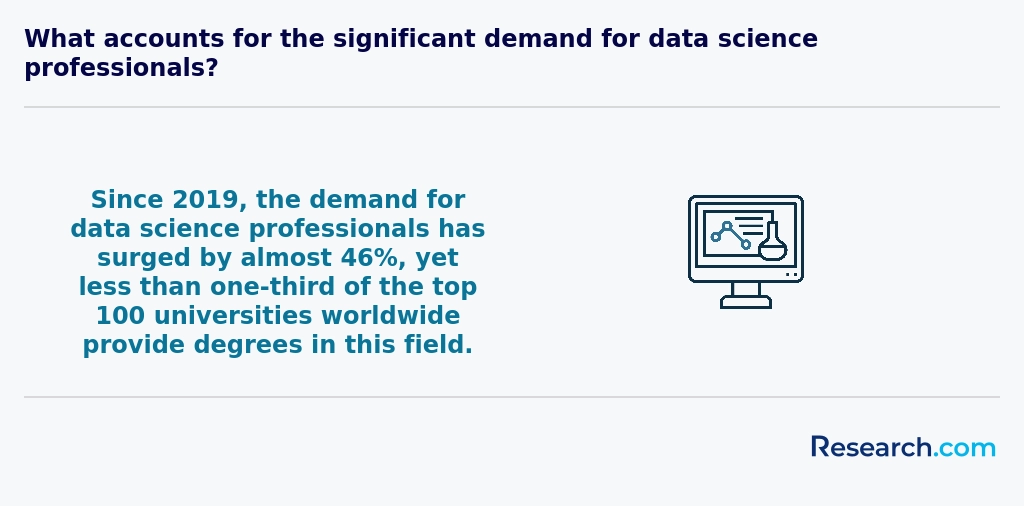
Participating in internships with tech companies or healthcare institutions in Pennsylvania provides valuable real-world experience. According to the Pennsylvania Department of Labor, data science roles in the state grew by 15% from 2019 to 2023, highlighting strong local demand.
Students should also join local meetups or professional organizations like the Pennsylvania Big Data and Analytics Alliance to network and stay current with industry trends.
The data science field is expanding rapidly, with new niches emerging that offer promising career opportunities, especially for students in Pennsylvania. One notable area is healthcare analytics, where data professionals analyze medical records and health trends to improve patient outcomes. Pennsylvania's robust healthcare industry supports growing demand in this niche, as reported by the Pennsylvania Department of Labor & Industry.
Another key niche is financial data science, driven by Philadelphia's strong finance sector. Experts use advanced models to detect fraud, assess risk, and optimize investments.
Additionally, environmental data science is rising in importance within Pennsylvania, focusing on climate data and sustainable resource management.
Emerging skills in machine learning and natural language processing are becoming crucial across these niches, according to the Bureau of Labor Statistics projections.
After earning a data science degree in Pennsylvania, students should focus on building practical experience to enter the job market confidently. Internships and cooperative education programs offered by many Pennsylvania universities provide valuable hands-on training. According to the Pennsylvania Department of Labor & Industry, the state is projected to grow its computer and mathematical occupations by 15% through 2030, signaling strong job opportunities.
Networking with local industry professionals via events and organizations like the Pennsylvania Data Analytics Association can open doors. Additionally, obtaining certifications in tools such as Python, R, or cloud platforms enhances marketability. Mastering data visualization and communication skills is essential, as employers seek candidates who can translate complex data into actionable insights.
Employers in Pennsylvania seeking data science graduates prioritize a blend of technical and analytical skills. Proficiency in programming languages such as Python and R is essential, as these tools are widely used in data analysis and modeling. Familiarity with SQL for managing databases is also highly valued.
Strong knowledge of machine learning techniques and statistical analysis forms the core of many job requirements. According to the Pennsylvania Department of Labor & Industry, data science roles in the state often demand expertise in data visualization tools like Tableau or Power BI.
Soft skills, including problem-solving ability and clear communication, are equally important. Graduates must translate complex data insights into actionable business recommendations. Additionally, experience with cloud platforms such as AWS or Azure can set candidates apart in the competitive Pennsylvania market.
Finding internships in Pennsylvania for data science students involves leveraging local industry connections and university resources. Pennsylvania hosts numerous tech companies and financial firms, especially in cities like Philadelphia and Pittsburgh, which frequently offer internships tailored to data science skills. According to the Pennsylvania Department of Labor & Industry, the tech sector in these areas is growing steadily, increasing internship opportunities.
Students should engage with career services at their institutions, as many Pennsylvania universities partner with local businesses to create internship pipelines. Platforms such as Handshake also list numerous data science internships specific to Pennsylvania.
Professional organizations like the Pennsylvania Junior Data Science Association provide networking events, which can be valuable for finding internships. Additionally, attending industry conferences held in Pennsylvania can connect students with employers actively seeking interns.
A data science degree in Pennsylvania significantly enhances career mobility and advancement opportunities. According to the Bureau of Labor Statistics (BLS), Pennsylvania's technology sector is expected to grow by 11% through 2030, driven by demand in data analytics roles.
Graduates with data science credentials can access diverse industries, including finance, healthcare, and manufacturing, which are prominent in Pennsylvania's economy. The Pennsylvania Department of Labor reports that professionals with specialized skills in data manipulation and machine learning often receive salary premiums compared to peers without such degrees.
Moreover, key cities like Philadelphia and Pittsburgh host growing tech hubs, creating a concentrated job market that values advanced qualifications. Employers increasingly prioritize candidates with formal education in data science to fill roles in data engineering, analysis, and business intelligence.
Studying for a data science degree in Pennsylvania offers strong preparation for interdisciplinary roles by combining core technical skills with applied knowledge across various fields. Many Pennsylvania universities integrate coursework in statistics, computer science, business, and health sciences, reflecting the state's diverse industry landscape. For example, data science programs often include projects involving healthcare data analytics or financial modeling, equipping students to collaborate with professionals from these sectors.
According to Pennsylvania Department of Labor & Industry data, demand for data analysts in healthcare, finance, and manufacturing is projected to grow by over 15% by 2028. This trend emphasizes the need for graduates skilled in bridging data science with domain-specific expertise.
Additionally, internships and partnerships with local companies provide practical experience, sharpening skills in communication and teamwork essential for interdisciplinary roles.
Choosing between a thesis and a non-thesis data science degree program in Pennsylvania depends largely on your career goals. Thesis programs emphasize original research, ideal if you aim for roles in academia or research institutions.
Non-thesis programs typically focus on practical skills and coursework, preparing students for industry positions. According to the National Center for Education Statistics, Pennsylvania universities offer about 30% more non-thesis data science degrees, reflecting strong demand in local tech sectors.
Consider program requirements: thesis options often extend study time by 6 to 12 months due to research commitments. Non-thesis tracks may be shorter, offering flexible schedules. Research funding opportunities, faculty expertise, and available lab facilities at Pennsylvania institutions can also influence your choice. Understanding these factors will guide you towards the best fit for your professional path.
Students in Pennsylvania seeking to study data science abroad have several avenues to explore through partnerships between local universities and foreign institutions. Many Pennsylvania universities offer study-abroad programs with institutions in Europe, Asia, and Australia, allowing students to gain international experience without interrupting their degree progression. For example, Penn State University has exchange programs with universities in Germany and the Netherlands that include data science coursework.
Additionally, some students choose to enroll directly in foreign universities with strong data science programs, leveraging U.S. accreditation recognition for credit transfer. According to the Institute of International Education, about 15% of Pennsylvania's study-abroad students pursue STEM fields, including data science, reflecting growing interest in this area. These options provide valuable global perspectives and strengthen employability in a competitive data-driven job market.
Part-time job opportunities in Pennsylvania that complement a data science degree are abundant, especially in cities with growing tech industries like Philadelphia and Pittsburgh. Many students find roles as data analysts or research assistants within universities or local companies. These positions allow practical experience with data cleaning, statistical analysis, and visualization tools.
Additionally, internships in healthcare, finance, and manufacturing sectors are valuable due to Pennsylvania's strong presence in these industries. According to the Pennsylvania Department of Labor & Industry, occupations related to data science are projected to grow by 15% from 2022 to 2032, indicating increasing job availability.
Freelancing or remote consulting on platforms specializing in data projects also offers flexibility for students balancing coursework.
Data science students in Pennsylvania benefit from numerous networking opportunities across the state's academic and professional landscapes. Universities such as Penn State and the University of Pennsylvania regularly host data science seminars, workshops, and industry panels that connect students with experts. Pennsylvania's strong tech and healthcare industries create a steady demand for data professionals, fostering vibrant local meetups and conferences.
Organizations like the Pennsylvania Society of Professional Engineers and the Data Science Society in Philadelphia offer events and career fairs focused on data science roles. According to the Bureau of Labor Statistics, Pennsylvania employs over 10,000 data analysts, highlighting active career networks. These opportunities help students build valuable industry relationships while still in school.
Alumni networks play a crucial role for data science degree students in Pennsylvania by providing valuable connections and resources. These networks offer mentorship opportunities, enabling students to learn directly from experienced professionals in fields like machine learning and data analytics.
Many Pennsylvania universities maintain active alumni associations that facilitate internships and job placements. For example, Penn State's alumni network is known for connecting students with leading tech companies in Philadelphia and Pittsburgh, two growing hubs for data science careers, according to the Pennsylvania Department of Labor & Industry.
Furthermore, alumni often share insights on industry trends and offer workshops or guest lectures, enriching students' practical knowledge beyond classroom theory. Access to such networks can significantly enhance employment prospects after graduation in a competitive job market.
Many universities in Pennsylvania offer flexible data science degree programs that allow students to tailor their studies according to career goals. Customization options often include elective courses in machine learning, artificial intelligence, or business analytics, helping students focus on industries like healthcare, finance, or technology.
Some programs also provide opportunities for internships and research projects with local companies, which can enhance practical skills and professional networks. According to the National Center for Education Statistics, Pennsylvania awarded over 1,200 data science-related degrees in recent years, reflecting growing demand.
Furthermore, students can often choose between on-campus and online formats, supporting various learning preferences and schedules.
Data science students in Pennsylvania face several common challenges during their education. Many find the demanding coursework difficult, as programs often require strong skills in mathematics, statistics, and computer programming. This steep learning curve can be overwhelming for those new to technical subjects.
Another challenge is the limited availability of internship opportunities within the state. According to a 2023 report by the Pennsylvania Department of Education, fewer than 40% of data science students secure local internships, which are crucial for gaining practical experience.
Additionally, some students struggle with access to up-to-date technology and software tools, especially at smaller institutions with limited resources. This gap can affect their ability to learn industry-standard platforms effectively.
Finally, balancing part-time work alongside studies is common due to the high cost of tuition, which averaged $17,400 annually for in-state students at public universities in Pennsylvania in 2023, according to the College Board.
Graduates with a data science degree in Pennsylvania can pursue various professional certifications that enhance their job prospects. Popular options include the Certified Analytics Professional (CAP), which is nationally recognized and validates analytics skills. Another widely valued certification is the Microsoft Certified: Azure Data Scientist Associate, focusing on cloud-based data solutions.
Many professionals also seek the SAS Certified Data Scientist credential, especially when working with SAS software. According to the Pennsylvania Department of Labor & Industry, data-related roles are expected to grow by 15% through 2030, increasing demand for certified experts.
These certifications help demonstrate technical expertise and commitment, making graduates more competitive in Pennsylvania's job market.
Writing a winning application for a data science program in Pennsylvania starts with demonstrating strong quantitative and analytical skills. Many programs look for solid foundations in math, statistics, and coding languages like Python or R. Highlight relevant coursework, certifications, or professional experience. According to the National Center for Education Statistics, Pennsylvania awards over 1,200 degrees annually in computer and information sciences, reflecting a competitive applicant pool.
Craft a clear personal statement explaining your motivation for studying data science and your career goals. Tailor each application to the specific program, referencing faculty research or unique curriculum features.
Strong letters of recommendation from academic or professional mentors who can attest to your skills and work ethic are essential. Additionally, some programs require GRE scores; aim for competitive scores in quantitative sections.
Finally, review each school's prerequisites carefully to ensure you meet all academic requirements before applying.
Data science is a rapidly growing field worldwide, with strong opportunities in the United States, including Pennsylvania. Globally, data science professionals are valued for their ability to analyze large datasets and inform business and policy decisions. According to the U.S. Bureau of Labor Statistics, data science and related roles are expected to grow 36% from 2021 to 2031, much faster than average.
In Pennsylvania, cities like Philadelphia and Pittsburgh host thriving tech sectors, increasing demand for data scientists. The state reported over 10,000 data-related job openings in 2023, reflecting nationwide trends.
Internationally, students often pursue U.S. degrees for their practical training and research reputation. Pennsylvania's universities offer strong curricula that align with these global demands, preparing graduates to compete worldwide.
Gaining practical experience while studying a data science degree in Pennsylvania is essential for career readiness. Many universities offer cooperative education (co-op) programs that integrate paid work terms with academic study, allowing students to apply classroom knowledge in real-world settings. For example, Pennsylvania State University partners with local industries to provide co-op opportunities specific to data analytics and machine learning.
Internships are also widely available across Pennsylvania's tech hubs like Philadelphia and Pittsburgh, where businesses seek skilled data science interns. According to the Pennsylvania Department of Labor & Industry, internships in STEM fields grew by 12% between 2020 and 2023.
Additionally, students can engage in research projects under faculty supervision, often funded by federal or state grants focused on data science innovations. Participating in hackathons and joining data science clubs further strengthens practical skills and professional networks.
Choosing the right concentration within a data science degree program in Pennsylvania depends on your career goals and interests. Popular concentrations include machine learning, data engineering, and business analytics. Each offers different skill sets and job prospects. For example, business analytics focuses on applying data insights to decision-making, while machine learning emphasizes predictive models and automation.
Consider Pennsylvania's job market, which has a growing demand for data scientists in healthcare, finance, and technology sectors, according to the Pennsylvania Department of Labor. Research program curricula carefully to ensure they align with in-demand skills. Additionally, review faculty expertise and internship opportunities to gain practical experience.
- 2027 Most Affordable Data Science Degree Programs Ranking in New York
- 2027 Most Affordable Data Science Degree Programs Ranking in Ohio
- 2027 Most Affordable Data Science Degree Programs Ranking in Massachusetts
- 2027 Most Affordable Data Science Degree Programs Ranking in Michigan
- 2027 Most Affordable Data Science Degree Programs Ranking in Florida
- 2027 Most Affordable Data Science Degree Programs Ranking in Missouri
- 2027 Most Affordable Data Science Degree Programs Ranking in Wisconsin
- 2027 Most Affordable Data Science Degree Programs Ranking in Minnesota
- 2027 Most Affordable Data Science Degree Programs Ranking in Texas
- 2027 Most Affordable Data Science Degree Programs Ranking in Arizona
See What Experts Have To Say About Studying Data Science
Read our interview with Data Science experts

- Best Data Science Degree Programs in Pennsylvania, 2026 Rankings https://hakia.com/degrees/data-science/pennsylvania/
- How an Online Data Science Degree Can Propel Your Career Forward https://www.ucumberlands.edu/blog/how-an-online-data-science-degree-can-propel-your-career
- The Future Landscape of Data Science Careers You Need to Know - CertLibrary Blog https://www.certlibrary.com/blog/the-future-landscape-of-data-science-careers-you-need-to-know/
- Data Scientist Jobs in Poland | Hays Technology https://www.hays.pl/en/web/hays-pl-technology/data-science-jobs
- Master's in Data Science Programs in Pennsylvania https://www.mastersindatascience.org/schools/pennsylvania/
- How to Overcome 7 Challenges to Data Science Success https://www.rgare.com/knowledge-center/article/how-to-overcome-7-challenges-to-data-science-success
- Data Analytics | Northampton Community College https://www.northampton.edu/education-and-training/programs/data-analytics.html
- What is Data Science? Complete Guide to Learn Data Science | Walbrook https://www.walbrook.ac.uk/subjects/data-science/data-science-degree-study-guide/
- 7 Common Data Science Challenges and Effective Solutions - GeeksforGeeks https://www.geeksforgeeks.org/data-science/7-common-data-science-challenges-and-effective-solutions/
- Data Science Challenges: The Guide to Overcoming from DATAFOREST https://dataforest.ai/blog/overcoming-data-science-challenges