2027 Most Valuable Data Science Degree Programs Ranking in Ohio

Co-Founder and Chief Data Scientist
Choosing the right data science degree program in Ohio can feel overwhelming, but you're not alone. The 2027 Most Valuable Data Science Degree Programs Ranking in Ohio offers clear guidance crafted by expert data scientists at Research.com.
This article helps you discover which programs deliver strong value, supporting your future career goals. Earning a data science degree opens doors to exciting opportunities in a growing field. By exploring this ranking, you can make a confident decision that aligns with your aspirations and sets you on a rewarding path ahead.
Key benefits of getting data science degree in Ohio
- Salary opportunities: Graduates with a data science degree in Ohio can expect promising salaries, such as $66,670 for Data Analysts and up to $119,040 for Data Consultants, reflecting strong earning potential in the field.
- Diverse career paths: Data science graduates from universities like Ohio State University often enter roles including Marketing Analyst or Database Administrator, showcasing the versatility of skills gained.
- Flexibility of online degrees: Earning a data science degree online from institutions such as Ohio University allows students to balance work and study efficiently while accessing high-quality education tailored to today's tech-driven market.
- 2027 Most Valuable Data Science Degree Programs Ranking in Ohio
- What can I expect from data science degree in Ohio?
- Where can I work with data science degree in Ohio?
What can I expect from data science degree in Ohio?
The average cost of a data science degree in Ohio varies depending on the institution and degree level, but students typically face tuition fees ranging from $10,000 to $25,000 per year at public universities like Ohio State University and Case Western Reserve University. Graduates often describe the expense as an investment that reflected positively when factoring in career prospects post-graduation. For example, those attending Ohio State appreciated combining affordable tuition with strong industry connections, which helped secure internships and entry-level roles quickly.
Private institutions or specialized programs may exceed this average, sometimes doubling costs, which prompts students to carefully weigh financial aid options or consider community colleges for foundational courses before transferring. Even with higher tuition, graduates express satisfaction with access to real-world projects and emerging technologies like AWS and R, which shaped their confidence in the competitive job market.
Financially, the journey may feel challenging, but many alumni highlight how internships offered by Ohio colleges helped offset costs and boosted employment outcomes, making the overall value of these degrees promising for those committed to the field.
Where can I work with data science degree in Ohio?
Graduates from data science programs at institutions like Ohio State University and Case Western Reserve University often find themselves drawn to diverse career paths across Ohio's expanding job market. For example, many report excitement about working in healthcare systems such as Cleveland Clinic, where their skills directly impact patient outcomes through data-driven clinical research and operational improvements.
Others highlight opportunities in finance within cities like Columbus, noting roles at firms such as Fifth Third Bank where data science supports fraud detection and risk assessment. These experiences show how Ohio's sectors actively integrate analytical expertise, though competition for these roles can be strong.
Manufacturing companies like Procter & Gamble also appear as promising employers, attracting graduates who appreciate how data optimizes supply chains and product quality. Yet, some caution that transitioning into these fields may require additional industry-specific knowledge beyond core data science skills.
Finally, graduates observe a growing number of startups and consulting firms in Cleveland and Columbus fostering innovation, making these cities appealing for those eager to apply machine learning in dynamic settings. Public sector roles add further variety, especially for those interested in applying data science towards education or policy analysis.
Graduates with data science degrees from Ohio universities often find themselves entering a job market with promising salary prospects. For example, entry-level data analysts in the state earn around $66,670 annually, closely matching the national mean wage. Many Ohio graduates from institutions like Ohio State University and Case Western Reserve University start in these roles, appreciating the practical application of their skills in local industries.
Those who pursue roles such as marketing analysts can expect median salaries near $83,190, reflecting demand in Ohio's growing tech and finance sectors. Data consultants, often requiring deeper expertise and experience, command significant wages-averaging $119,040 yearly nationwide-highlighting potential growth beyond entry level.
Database administrators linked to data science fields earn roughly $104,810 per year, a solid figure given Ohio's generally lower cost of living. Graduates often relate their salary growth to hands-on projects and internships during their studies, emphasizing the positive impact of experience combined with their academic foundation.
While salaries vary, data science degree holders in Ohio see rewarding opportunities that balance competitive pay with a manageable cost of living in cities like Columbus and Cleveland.
- In-state tuition for a bachelor's degree in data science at public Ohio universities ranges from $11,000 to $13,000 per year.
- Private universities in Ohio charge between $25,000 and $45,000 annually, excluding books and living expenses.
- Jobs in Ohio's major cities like Columbus and Cleveland are growing, with data science roles expected to increase by over 15% in the next decade.
- Starting salaries for data science graduates in Ohio typically range from $65,000 to $75,000 per year.
- Experienced professionals can earn between $90,000 and $120,000 or more depending on the employer and industry.
- Many programs offer internships, scholarships, and accelerated graduate degree paths to support students financially and career-wise.
Completing a data science degree in Ohio generally takes around four years for a bachelor's program when attending full-time, as seen at institutions like Ohio State University and Case Western Reserve University. Graduates often reflect on the rewarding blend of courses in mathematics, statistics, and computer science that prepare them well for data-focused careers. However, this timeline can vary; some students balancing work or family commitments find part-time study or hybrid course options more suitable, naturally extending their completion time.
Master's degrees in data science usually require about two years of full-time study, though accelerated programs and part-time schedules at Ohio universities provide flexible alternatives. For instance, some working professionals appreciate part-time master's options that accommodate their schedules, even if it means graduating later than the traditional timeline.
Certificates and associate degrees offered at community colleges can take between one and two years, perfect for those seeking quicker entry into the workforce or a stepping stone to a bachelor's degree. Overall, many Ohio students find their program length influenced by factors like transfer credits, course availability, and personal responsibilities, shaping a personalized educational journey that feels manageable and motivating.
Choosing between online and on-campus data science degrees in Ohio largely hinges on personal circumstances and learning preferences. For instance, graduates from Ohio State University often highlight the energy of in-person labs and internships that deepen their hands-on skills, benefiting from immediate faculty feedback and peer collaboration. This direct interaction supports structured learning routines and networking through campus events, which is crucial in Ohio's expanding data science job market.
Conversely, some graduates of the University of Cincinnati's online program appreciate the flexibility to juggle jobs and family while progressing through rigorous coursework at their own pace. They value virtual teamwork and discussion boards that simulate classroom engagement, although some admit missing the spontaneous conversations of an on-campus setting.
Financially, on-campus students face additional fees beyond tuition, while online students sometimes find lower overall costs but may pay similar tuition for technology and support services. Both paths deliver accredited degrees respected by Ohio employers, yet the day-to-day student experience clearly differs depending on the mode of study chosen.
The average cost of a data science degree in Ohio varies significantly depending on whether a student attends a public or private institution, with median total expenses around $61,299 and median in-state costs near $50,500. Graduates from popular Ohio universities recall budgeting carefully, as public universities typically offer more affordable tuition while still maintaining strong data science programs. Their experience highlights how state funding helps keep in-state tuition closer to $10,000-$12,000 per year, making it more accessible than many other states. However, private colleges, though more expensive, often provide specialized courses and smaller class sizes, which some students find worth the investment despite annual costs that can approach $40,000 or more.
When considering data science degree expenses Ohio 2027, students should factor in additional costs beyond tuition, such as advanced software, lab fees, and learning materials that are essential for hands-on projects and research. For example, those studying at prominent Ohio schools may spend extra on licenses for programming tools or cloud computing resources used in coursework. This makes it vital for prospective students to weigh the practical experiences they seek against total costs.
Many students find that scholarships, grants, and employer tuition assistance substantially ease financial burdens, allowing them to focus on learning rather than finances. Those pursuing flexible scheduling, including part-time or online formats, can often reduce their overall expenses as well. For anyone unsure about the best fit, exploring options for the best college degree to get can help align cost and career goals wisely.
Financial aid for data science students in Ohio offers multiple pathways, though navigating these options can feel daunting. Graduates from Ohio State University often mention relying on federal aid like the FAFSA, which opens doors to Pell Grants up to $7,395 annually-crucial for managing tuition that ranges broadly between $10,000 and $30,000 per year at public institutions. Applying early is key, as funds are limited and highly competitive.
State aid also plays a significant role; for instance, the Ohio College Opportunity Grant provides $1,500 to $2,000 for eligible in-state students pursuing data science degrees. Some graduates appreciate how specialized scholarships, such as those from the Ohio National Guard or War Orphans programs, helped them bridge funding gaps.
Merit-based scholarships from universities like Case Western Reserve reward strong academic performance and leadership, though maintaining GPA can add pressure. Others in full-time work highlight employer tuition assistance as a valuable option when available, especially through local tech firms partnering with schools to upskill employees.
Beyond institutional aid, private STEM scholarships supplement finances, offering anything from a few hundred to several thousand dollars-support that many data science students find encouraging amid high costs. Payment plans by some Ohio colleges help spread expenses, making financial commitments feel more manageable and less overwhelming.
To enroll in a data science degree program in Ohio, applicants typically need a solid grounding in math and science from high school, reflecting experiences shared by graduates from Ohio State University and Case Western Reserve University. These students often recount how prior knowledge of algebra, calculus, and statistics made early coursework more manageable and enjoyable. While programming skills in languages like Python or R are not always mandatory before enrollment, having a basic familiarity eases the transition into coding-intensive classes, as many local programs integrate this learning in the first year.
Graduate applicants usually must hold a bachelor's degree in a related area such as computer science or engineering, often accompanied by proficiency in linear algebra and probability. Some recall that submitting GRE scores was an option rather than a strict requirement, underscoring a flexible admissions approach responsive to diverse academic backgrounds. This balance allows motivated learners to demonstrate problem-solving talent through standardized testing or practical projects.
Beyond academics, admissions processes at popular Ohio institutions emphasize thorough documentation-transcripts, letters of recommendation, and personal statements-that reflect each candidate's unique motivations and readiness. For many, this multifaceted evaluation mirrors real-world demands, encouraging applicants to articulate their passion and resilience in a rapidly evolving field.
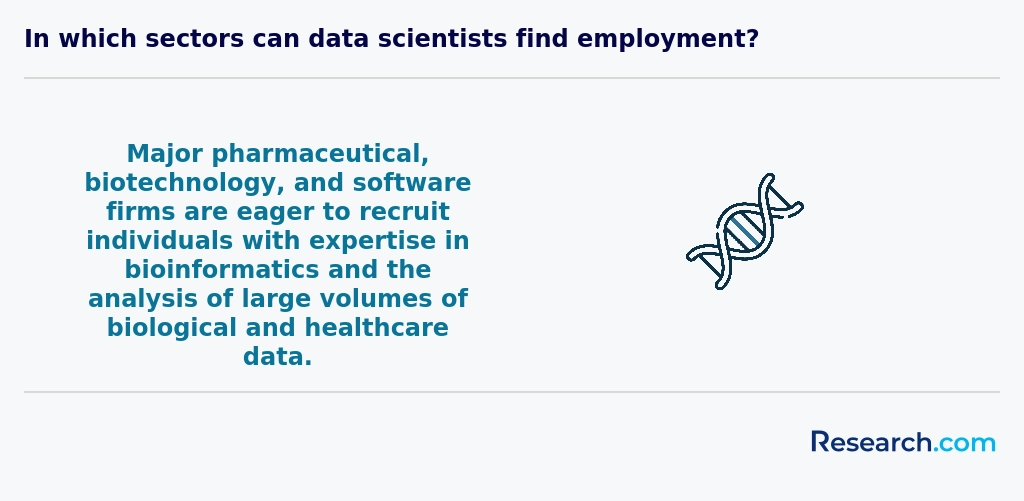
Data science degree programs in Ohio commonly include foundational courses in statistics and probability theory, which help students interpret data and make informed decisions. For instance, graduates from Ohio State University often praise how these courses sharpen their analytical thinking, crucial when working with healthcare data or financial models. Many programs also emphasize programming languages like Python, R, and SQL-skills graduates from the University of Cincinnati find essential when handling real-world data projects, from database management to visualization.
Math courses such as linear algebra and calculus are integral, supporting algorithm development and data modeling. At Case Western Reserve University, students express satisfaction with the hands-on experience using tools like Jupyter Notebooks, which bridges theory with applied data science tasks.
Advanced topics typically cover machine learning and artificial intelligence, preparing students for Ohio's growing job market. Practical classes involving data mining, big data technologies, and ethics ensure graduates are equipped not just technically but also understand data privacy challenges, a balance appreciated in internships throughout Ohio.
- Data mining and big data technologies
- Database management and data warehousing
- Data visualization and communication
- Ethics in data science and data privacy
Data science degree specializations Ohio often include focused areas such as business analytics, machine learning and artificial intelligence, and health informatics. Graduates from popular Ohio institutions reflect positively on these tracks, highlighting how business analytics helped them solve real problems in marketing and finance, while those in AI appreciated hands-on projects with neural networks and predictive modeling. Health informatics graduates frequently mention meaningful experiences analyzing clinical data that prepared them for healthcare roles.
Other common concentration options in Ohio's data science program concentration options include data engineering, cybersecurity analytics, and environmental data science. These specializations allow students to engage deeply with building data infrastructure, protecting sensitive information, or supporting ecological research, which aligns well with Ohio's diverse industry landscape.
Prospective students may also consider program flexibility and affordability, as Ohio public universities often provide accessible options. For those wondering about academic difficulty, it is useful to explore what is the easiest degree to find balance between specialization demand and workload expectations.
Choosing the best data science degree in Ohio involves balancing multiple practical considerations. Graduates from universities like Ohio State often highlight how program accreditation and strong industry ties helped them secure competitive internships, illustrating the value of selecting accredited institutions recognized by bodies like the Higher Learning Commission. However, one must not assume that reputation alone guarantees job placement; personal initiative also plays a crucial role.
Cost is another significant factor. Public universities in Ohio offer more affordable data science degrees Ohio, with in-state tuition around $11,000 annually, contrasting sharply with private institutions exceeding $30,000. For students mindful of budget constraints, investigating scholarships or exploring the most affordable online associate's degree options might open additional pathways.
Curriculum relevance varies, so it's helpful to review specialization options. Some programs tailor courses to local industries like healthcare or finance, which can align well with personal career goals. Graduates often express satisfaction when their curriculum reflects real-world skills, though those seeking flexibility might prefer online degrees that accommodate working professionals.

Graduates with a data science degree in Ohio find diverse career paths reflecting the state's economic strengths. From roles like Data Scientist analyzing complex healthcare or manufacturing data to Machine Learning Engineer positions developing automation models in Ohio's tech hubs, these careers tap into real industry needs. Students from well-known institutions such as Ohio State University and Case Western Reserve often share enthusiasm about entering fast-growing fields where analytical skills directly impact business or patient outcomes.
Entry-level prospects commonly include Data Analyst roles across Columbus and Cleveland, offering graduates a practical start interpreting trends and generating reports. Others pursue specialized paths like Business Intelligence Analyst in finance or Data Engineer managing infrastructure, demonstrating the versatility of a data science degree in Ohio. However, some argue the local market still requires ongoing adaptation to shifting tech demands, underscoring the importance of continuous learning.
For students weighing data science career opportunities in Ohio, understanding salary expectations and industry sectors is key. Exploring options at top accredited online colleges also broadens access to education while balancing cost and flexibility.
The data science job outlook in Ohio shows a robust market for graduates, with industries like healthcare, finance, and technology actively seeking skilled professionals. Graduates from institutions such as Ohio State University often share experiences of entering companies in Columbus and Cleveland, where demand for data-driven decision-making grows rapidly. The diverse economy supports positions ranging from hospital analytics to financial risk management, offering a spectrum of opportunities that appeal to various interests.
Ohio data science career opportunities benefit from competitive salaries, with many entry-level jobs starting near $85,000 and increasing based on specialization and experience. This is encouraging for students who balance their passion for data science with practical career planning. However, it is important to remain mindful of regional variations within the state and evolving industry needs that could shift opportunities in unexpected ways.
For students weighing educational expenses, Ohio universities often provide more affordable tuition compared to national averages. Considering options like a cheap online bachelor degree can help manage costs while maintaining access to the state's vibrant job market, making Ohio an appealing choice for those pursuing a data science degree.
2027 Most Valuable Data Science Degree Programs Ranking in Ohio
Investing in your education is a significant decision that can greatly impact your career and future opportunities. The Research.com team recognizes the importance of providing trustworthy and accurate information, which is why we have dedicated extensive effort to developing the "2027 Most Valuable Data Science Degree Programs Ranking in Ohio." Our focus on quality, credibility, and accuracy ensures that prospective students can confidently rely on this ranking.
We utilized the following reputable data sources to create this comprehensive evaluation of data science degree programs:
By exploring this ranking, readers will gain valuable insights to help them choose the most advantageous data science programs in Ohio, enhancing their educational investment decisions. For more information about how the ranking was created, please visit our Research.com methodology page.


Frequently Asked Questions About data science
Data science degree students in Ohio can maximize their learning experience by engaging deeply with both theoretical and practical aspects of their programs. Ohio hosts several reputable universities offering data science, including Ohio State University and Case Western Reserve University, which emphasize hands-on projects and internships.
Students should seek internships with Ohio's growing tech and healthcare industries, such as those in Columbus and Cleveland, to gain real-world experience. According to the Ohio Department of Higher Education, nearly 30% of STEM graduates find local employment within a year, highlighting the importance of local networking.
Joining data science clubs and professional groups like the Ohio Chapter of the Data Science Association can also enhance skills and job opportunities. Utilizing university resources such as career services and research labs supports skill application and professional growth.
Emerging niches in the data science field offer promising directions for students pursuing degrees in Ohio. One key area is healthcare analytics, driven by Ohio's expanding medical research institutions and hospitals. According to the Ohio Department of Higher Education, demand for data professionals in healthcare is growing annually by approximately 12% statewide.
Another niche is environmental data science, which supports Ohio's commitment to sustainability and clean energy. Universities in the state are increasingly integrating data analysis with environmental studies to address challenges like pollution and resource management.
Additionally, financial data science remains a strong sector, with Ohio's banking and insurance companies highly reliant on predictive models to manage risk and detect fraud. Students focusing on this niche benefit from numerous internship opportunities within the state's urban centers.
After earning a data science degree in Ohio, preparing for the job market requires a blend of technical skills and professional experience. Ohio's data science sector is growing, with job openings in cities like Columbus and Cleveland expected to increase by over 15% through 2028 according to the Bureau of Labor Statistics. Graduates should focus on mastering programming languages such as Python and R, and gain experience with tools like SQL and Tableau.
Internships and co-op programs offered by Ohio universities can provide practical experience and help build professional networks. Additionally, certifications in machine learning or cloud computing can improve employability. Joining local tech meetups and data science groups enhances industry connections.
Employers in Ohio highly value data science graduates with strong skills in statistical analysis, programming, and data visualization. Proficiency in languages like Python and R is essential, as these tools are widely used in Ohio's growing tech and healthcare sectors. According to a recent survey by the Ohio Technology Consortium, over 70% of hiring managers prioritize candidates with experience in machine learning and big data management.
Understanding databases and SQL is also crucial, given Ohio's emphasis on data-driven decision making across industries such as finance and manufacturing. Additionally, communication skills rank highly, as graduates must present complex insights clearly to diverse teams.
Ohio's data science job market favors those who combine technical expertise with problem-solving abilities and ethical awareness surrounding data use.
Finding internships in Ohio as a data science student involves leveraging both university resources and the state's growing tech ecosystem. Many Ohio universities with data science programs offer dedicated career centers that connect students to internship opportunities with local companies. For example, Ohio State University's career services report a 15% increase in data science internships over recent years.
Additionally, Ohio hosts a number of firms in industries like healthcare, finance, and manufacturing that heavily rely on data analysis, such as Cardinal Health and Nationwide. Networking through local professional groups, such as the Ohio Data Science Meetup, can also be valuable. Online job platforms specifying Ohio locations, including Handshake and LinkedIn, often list internships tailored to data science students.
In Ohio, earning a data science degree significantly enhances career mobility and advancement opportunities. The state's expanding tech and healthcare sectors, including companies like CareSource and PointsBet, increase demand for skilled data professionals. According to the Ohio Department of Job and Family Services, employment for data analysts and scientists in Ohio is projected to grow by 16% from 2022 to 2032, outpacing many other fields.
Graduates with data science degrees often move into roles such as data analyst, machine learning engineer, or business intelligence specialist, which offer higher salaries and leadership potential. The practical skills gained, including statistical analysis and programming, are highly valued across industries, facilitating promotions and cross-industry transitions.
Local universities in Ohio also partner with businesses to provide internships, further boosting graduates' employability and career growth.
Data science degree programs in Ohio are designed to equip students with skills applicable across multiple fields such as healthcare, finance, and engineering. Ohio universities emphasize interdisciplinary coursework, combining computer science, statistics, and domain-specific knowledge. For example, programs often include collaborations with business schools or medical centers, providing practical experience.
According to the Ohio Department of Higher Education, over 30% of data science graduates find employment in cross-functional teams, reflecting regional industry needs. Institutions like Ohio State University and Case Western Reserve University incorporate project-based learning, promoting teamwork between students from diverse academic backgrounds. This approach prepares graduates to communicate complex data insights effectively in varied professional environments.
Choosing between a thesis and a non-thesis data science degree program in Ohio largely depends on your career goals and learning preferences. Thesis programs require original research and are ideal if you aim to pursue a PhD or research-focused positions. These typically take longer to complete but develop strong analytical and writing skills.
Non-thesis programs emphasize coursework and practical skills, appealing to those targeting industry roles. In Ohio, schools like Ohio State University and Case Western Reserve University offer both options, with the non-thesis route often finishing faster.
According to the National Center for Education Statistics, approximately 60% of data science grads in Ohio choose non-thesis tracks for quicker workforce entry.
Students based in Ohio seeking to study data science abroad have several pathways through Ohio universities' international partnerships and exchange programs. Many Ohio institutions, such as Ohio State University and Case Western Reserve University, offer study-abroad opportunities in STEM-related fields, including data science, with partner schools in Europe and Asia.
These programs enable students to gain global perspectives while earning credits transferable to their Ohio degree. According to the Institute of International Education, nearly 8% of Ohio's undergraduate students participate in study-abroad activities, a proportion growing annually.
Additionally, dual-degree programs allow Ohio students to spend one or two semesters abroad, supplementing their technical skills with cultural experience. Scholars considering government or private scholarships, like the Gilman Scholarship, can financially support international studies.
Students pursuing data science degrees in Ohio can benefit from several part-time job opportunities that complement their education. Many local companies, especially in Columbus and Cleveland, offer internships or assistant roles in data analysis, helping students apply theoretical knowledge practically. Positions such as data analyst interns, research assistants in university labs, or roles in business intelligence firms allow hands-on experience with tools like Python, R, and SQL. According to the Ohio Department of Job and Family Services, demand for data science-related roles is expected to grow by over 15% through 2030, making these opportunities valuable for career development.
Tech startups around Ohio's innovation hubs also look for part-time help with data cleaning, visualization, and database management. This on-the-job training is essential for mastering industry-standard software and gaining familiarity with real-world datasets. Additionally, freelance projects on platforms like Upwork provide flexibility and practical exposure to different industries, from healthcare to finance. These roles help students build relevant skills, boosting employability after graduation.
Data science students in Ohio have access to various networking opportunities crucial for career growth. Universities such as Ohio State and Case Western Reserve host regular meetups, guest lectures, and industry panels connecting students with professionals. Organizations like the Ohio Data Science Association frequently organize workshops and conferences that draw local experts and recruiters.
Internships in Ohio's growing tech hubs, including Columbus and Cleveland, offer practical experience and chances to build professional contacts. According to the Ohio Department of Higher Education, data science roles in the state are expected to grow by over 15% by 2028, increasing demand for networking platforms.
Many programs also support student chapters of national groups like the Data Science Society. These environments foster collaboration, mentorship, and job leads, enhancing students' industry connections early in their careers.
Alumni networks play a crucial role for data science students in Ohio by providing access to a wide range of professional connections. These networks often include graduates working in prominent tech companies and research institutions within the state, offering valuable mentorship opportunities. According to the Ohio Department of Higher Education, students connected to active alumni groups are 20% more likely to secure internships relevant to data science fields.
Additionally, alumni events and online platforms help students stay informed about industry trends and job openings specific to Ohio's growing tech sector. This support enhances career readiness and contributes to graduate success rates reported by several Ohio universities.
Customizing your data science degree program in Ohio allows you to align your education with specific career goals. Many Ohio universities offer flexible curricula where students can select electives in areas like machine learning, business analytics, or computer programming. This flexibility helps tailor skills to industries dominant in Ohio, such as healthcare, manufacturing, and finance.
Some programs incorporate internship opportunities with local companies, giving practical experience and networking routes. According to the Ohio Department of Higher Education, over 60% of data science graduates find employment within six months, largely due to such partnerships. Students should explore certificate options or dual-degree tracks to further specialize their knowledge.
Data science students in Ohio often face notable challenges balancing rigorous coursework with practical experience. Many programs demand strong skills in programming, statistics, and machine learning, which can be overwhelming without prior background. According to the Ohio Department of Higher Education, nearly 40% of data science students report difficulties integrating theory with real-world applications.
Access to internships is another critical issue; Ohio's competitive tech market limits opportunities, causing students to seek unpaid or out-of-state positions. Furthermore, affordability remains a barrier, as in-state tuition for data science-related programs can exceed $10,000 annually at public universities, potentially deterring some candidates.
With a data science degree from Ohio, you can enhance your career by pursuing recognized professional certifications. Popular options include the Certified Analytics Professional (CAP), which validates your ability to transform data into valuable insights. The CAP is widely respected in the U.S. and aligns well with skills taught in Ohio universities.
The Microsoft Certified: Azure Data Scientist Associate certification is another opportunity, especially relevant in Ohio's growing tech industry. It focuses on applying Azure machine learning techniques, a useful skill given increasing cloud adoption statewide.
Other valuable certifications include Google's Professional Data Engineer and Tableau Desktop Specialist. These are known to improve job prospects and salary potential in Ohio's competitive data science market, as noted by the Ohio Department of Job and Family Services.
To write a winning application for a data science program in Ohio, start by highlighting your quantitative and programming skills clearly. Programs typically look for proficiency in mathematics, statistics, and languages such as Python or R. Ohio universities value applicants with relevant project experience or internships, which show practical understanding.
Strong letters of recommendation from professors or employers familiar with your analytical abilities can enhance your application. Additionally, a well-crafted personal statement that explains your motivation and career goals in data science is crucial. According to the National Center for Education Statistics, Ohio has seen an increase in STEM program enrollments, reflecting growing competition.
Finally, pay attention to specific admission requirements of the schools, such as GPA thresholds or prerequisite courses. Preparing well for the GRE, if required, can also strengthen your profile, as competitive scores improve admission chances. Showing clear awareness of Ohio's job market for data scientists, which expects a 16% growth by 2030 (Bureau of Labor Statistics), can add relevance to your application.
Data science is a rapidly growing field worldwide, and the demand for skilled professionals is especially strong in the United States. In Ohio, data science careers benefit from the state's diverse economy, including sectors like healthcare, finance, and manufacturing, which increasingly rely on data analytics to drive decision-making.
Globally, organizations value data science expertise for its ability to solve complex problems using big data and machine learning. According to the U.S. Bureau of Labor Statistics, employment of data scientists is projected to grow 36% from 2021 to 2031, which is much faster than average.
This growth means Ohio-based students earning a data science degree have strong prospects, both locally and internationally. Many Ohio universities emphasize practical skills aligned with global industry needs, preparing graduates to compete effectively worldwide.
Gaining practical experience while studying for a data science degree in Ohio is essential for career readiness. Many Ohio universities encourage students to engage in internships, which provide hands-on work in industries like healthcare, finance, and manufacturing. For example, Cleveland and Columbus offer numerous internship opportunities due to their growing tech sectors.
Students can also participate in research projects led by faculty, improving their skills in data analysis and machine learning. Ohio's strong network of tech companies often collaborates with universities, facilitating real-world data access.
Additionally, joining student organizations focused on data science helps build portfolios and professional networks.
Choosing the right concentration within a data science degree program in Ohio depends on your career goals and industry interests. Data science fields commonly include machine learning, data analytics, and business intelligence. Ohio's economy, with strong sectors in healthcare, finance, and manufacturing, offers diverse opportunities.
Consider concentrations that align with these industries to improve job prospects. For example, healthcare analytics is growing rapidly due to Ohio's sizeable medical sector and research institutions. According to the Ohio Department of Job and Family Services, data science roles in Ohio are expected to grow 15% by 2030.
Additionally, evaluate the curriculum offered by universities such as Ohio State University or Case Western Reserve University, focusing on practical skills and internships. A concentration providing hands-on experience in programming languages and statistical tools can be particularly valuable.
- 2027 Most Valuable Data Science Degree Programs Ranking in Pennsylvania
- 2027 Most Valuable Data Science Degree Programs Ranking in Michigan
- 2027 Most Valuable Data Science Degree Programs Ranking in Missouri
- 2027 Most Valuable Data Science Degree Programs Ranking in New York
- 2027 Most Valuable Data Science Degree Programs Ranking in Wisconsin
- 2027 Most Valuable Data Science Degree Programs Ranking in Florida
- 2027 Most Valuable Data Science Degree Programs Ranking in Massachusetts
- 2027 Most Valuable Data Science Degree Programs Ranking in Minnesota
- 2027 Most Valuable Data Science Degree Programs Ranking in Texas
- 2027 Most Valuable Data Science Degree Programs Ranking in Arizona
See What Experts Have To Say About Studying Data Science
Read our interview with Data Science experts

- Data science components | The interdisciplinary field of data science https://domino.ai/blog/3-key-components-of-the-interdisciplinary-field-of-data-science
- The Future of Data Science: Emerging Technologies and Trends https://www.ucumberlands.edu/blog/the-future-of-data-science-emerging-technologies-and-trends
- Data Science Associate Degree - Davis University https://davisuniversity.edu/data-science-aas/
- 7 Common Data Science Challenges and Effective Solutions - GeeksforGeeks https://www.geeksforgeeks.org/data-science/7-common-data-science-challenges-and-effective-solutions/
- Your Guide to Data Science Careers (+ How to Get Started) - Moringa School https://moringaschool.com/blog/your-guide-to-data-science-careers-how-to-get-started/
- Networking Tips for Early Career Professionals in AI & Data Science - EU Data Jobs https://eudatajobs.com/blog/networking-tips-for-early-career-2024/
- What is Data Science? Complete Guide to Learn Data Science | Walbrook https://www.walbrook.ac.uk/subjects/data-science/data-science-degree-study-guide/
- Alumni Network Matching Powered by Machine Learning and Human Insights | Joinee Articles https://www.joinee.io/articles/alumni-network-matching
- Data Scientist https://www.mastersindatascience.org/careers/data-scientist/
- Online Master's in Data Analytics Programs in Ohio (Data Science) https://www.onlineeducation.com/analytics/states/ohio