
2027 Most Popular Data Science Degree Programs Ranking in Texas

Co-Founder and Chief Data Scientist
Choosing the right data science degree program can shape your future career, especially in a dynamic state like Texas. This article introduces the 2027 Most Popular Data Science Degree Programs Ranking in Texas, carefully developed by the Research.com team of data scientists to guide you toward the best options available.
By exploring this ranking, you'll gain insight into strong programs that align with your goals. Pursuing a data science degree opens doors to exciting opportunities and growth in a rapidly evolving field, making your decision feel confident and well-informed.
Key benefits of getting data science degree in Texas
- Data science degree graduates in Texas can expect strong salaries, such as a Data Consultant earning around $119,040 annually and a Database Administrator about $104,810, reflecting great financial rewards for these skills.
- A graduate from the University of Texas might pursue exciting career paths like Data Analyst, Marketing Analyst, or Data Visualization Specialist, offering diverse opportunities across industries.
- Completing a data science degree online from Texas A&M provides flexibility to balance work and study while accessing quality education, helping you build skills efficiently without relocating.
- 2027 Most Popular Data Science Degree Programs Ranking in Texas
- What can I expect from data science degree in Texas?
- Where can I work with data science degree in Texas?
What can I expect from data science degree in Texas?
The average cost of pursuing a data science degree in Texas varies but often falls between $10,000 and $30,000 per year for in-state students at public universities like the University of Texas at Austin or Texas A&M University. Graduates from these programs frequently share how investing in their education opened doors to dynamic careers in thriving cities such as Houston and Dallas, where industry demand for data scientists is booming.
Many students find that the combination of affordable tuition and hands-on learning opportunities, including internships and real-world projects, makes the experience truly rewarding. For example, students at Texas A&M often collaborate with major energy companies on data challenges, fueling their confidence and practical expertise.
While tuition varies by institution and residency status, the opportunity to learn cutting-edge skills like machine learning and big data analytics in Texas's vibrant economic landscape offers tremendous value. Graduates commonly express pride in how their degree empowered them to contribute meaningfully across sectors, from healthcare to finance, inspiring future students to pursue this transformative path.
Where can I work with data science degree in Texas?
Graduates with a data science degree in Texas find themselves stepping into a world filled with vibrant career possibilities. From the bustling tech hubs of Austin and Dallas to the dynamic healthcare scene in Houston, opportunities are abundant. Many graduates from universities like the University of Texas at Austin have landed roles at leading tech companies where they develop cutting-edge artificial intelligence and cloud computing solutions, fueling innovation and growth.
Others thrive in Texas's vast healthcare sector, including the Texas Medical Center, where their skills directly enhance patient care and medical research. Imagine using your data insights to improve health outcomes on a global scale-this is the reality for many healthcare-focused data scientists. Energy companies in Houston also offer transformative careers, applying data science to drive sustainability and efficient energy production.
Financial institutions across Dallas and Houston employ graduates to build powerful risk models and fraud detection systems, keeping markets secure. Even government agencies and universities provide meaningful roles, enabling data scientists to shape public policy and advance research. In Texas, a data science degree uncovers a career path full of promise and impact.
Graduates from data science programs at well-regarded Texas institutions like the University of Texas at Austin or Texas A&M University can look forward to exciting salary opportunities. For example, entry-level roles such as Data Analysts earn around $66,670 annually, providing a strong start to a rewarding career. With experience, many graduates move into specialized positions like Data Consultants, whose mean annual wage reaches an impressive $119,040 in Texas.
Other career paths offer similarly promising earnings; Marketing Analysts earn about $83,190 per year, while Database Administrators take home around $104,810. These figures reflect not only competitive pay but also the vibrant demand in Texas's tech hubs, including Dallas and Houston, where salaries tend to be even higher due to industry concentration.
Graduates often share how hands-on projects during their studies and internships in Texas companies opened doors to these roles. Their career growth stories highlight the power of combining local education with the state's robust job market, making a data science degree a smart investment full of potential and promise.
- Tuition at public universities in Texas for data science degrees ranges from $10,000 to $15,000 per year for in-state students.
- Private universities typically charge between $25,000 and $40,000 annually for data science programs.
- Entry-level data science salaries in Texas range from $65,000 to $80,000 per year.
- Experienced data scientists in Texas can earn median salaries between $100,000 and $130,000 annually.
- Texas cities like Austin, Dallas, Houston, and San Antonio are major employment centers for data science graduates.
- Many Texas universities include internships and practical training in their data science programs to improve job prospects.
Completing a data science degree in Texas is an exciting journey that often spans about four years for undergraduate programs. Graduates from well-known schools like the University of Texas at Austin describe the experience as both challenging and rewarding, noting the strong foundation they build over this time. Many students appreciate how flexible options, such as part-time or online courses, empower them to balance work, life, and studies without feeling overwhelmed.
For those pursuing a Master's degree in data science, the path typically takes one to two years. Texas A&M University graduates often highlight how accelerated programs allow them to dive deep into advanced topics within just 12 to 18 months, making their learning journey feel swift and impactful.
Doctoral candidates embrace a longer commitment, usually four to six years, viewing it as a fulfilling pursuit of cutting-edge research and innovation. Across all levels, Texas students benefit from real-world projects and internships that enrich their education and make every moment count toward their bright futures.
Choosing between online and on-campus data science degrees in Texas means deciding how you want to experience your learning journey. Online programs, like the Master of Science in Data Science at Texas A&M University, empower graduates to balance studies with work or family life, offering flexibility to learn at their own rhythm without relocating. Many online students appreciate feeling in control, diving deep into complex topics when it suits their schedule.
On the other hand, on-campus programs at universities such as The University of Texas at Austin provide vibrant, face-to-face interactions that spark inspiration. Graduates often share how hands-on lab sessions, real-time discussions, and access to exclusive networking events gave them confidence and opened doors to internships across Texas' bustling tech landscape.
Both paths cultivate strong skills in data analysis and machine learning, but where online learners thrive with freedom and adaptability, on-campus students find energy in shared experiences and immediate mentorship. In Texas, your choice reflects your unique lifestyle and learning style, empowering you to pursue a rewarding career in a growing data science field.
The average cost of earning a data science degree in Texas offers a promising balance between investment and opportunity. On average, the total cost typically comes to around $52,304, combining tuition and fees over the course of the program. For in-state students at public universities such as The University of Texas at Austin or Texas A&M University, the median total cost is significantly more affordable, at about $11,950, making it an accessible option for many passionate aspiring data scientists.
Graduates from Texas institutions often reflect on their experience as a meaningful journey where the value of their education far outweighed the financial commitment. Whether attending a public university with reasonable tuition or a private university known for its robust programs, like Rice University, students find themselves equipped with skills and connections that open exciting career paths. Many Texas students also take advantage of financial aid, scholarships, and assistantships, which help reduce the overall expense and make pursuing a data science degree a positive and uplifting experience.
Exploring different program formats, including online options offered by Texas schools, can also significantly impact the average cost of data science degree in Texas. Online programs often offer more flexibility and affordable tuition rates, helping students balance their studies and personal commitments. For those early in their educational journey, considering an online associate degree in 6 months can be a great stepping stone toward a full data science degree.
Understanding Texas data science degree tuition and fees empowers you to make confident choices tailored to your goals, bringing your data-driven dreams closer to reality one informed decision at a time.
Students pursuing a data science degree in Texas find many financial aid opportunities that make their academic journey more accessible and inspiring. Graduates from institutions like The University of Texas at Austin often share how federal Pell Grants, awarded based on need through the FAFSA, helped them focus on mastering data skills without overwhelming debt. Texas residents benefit from the TEXAS Grant, which can cover significant in-state tuition at public universities, lifting financial burdens for hardworking students.
Many data science learners at Texas universities also receive merit-based scholarships and graduate assistantships, providing stipends and tuition waivers in exchange for teaching or research work. These assistantships at places like Texas A&M transform academic ambitions into rewarding professional experiences. Private scholarships from STEM organizations further brighten the path, offering hope and support for students striving toward a thriving tech career in Texas's growing data science field.
Additionally, work-study programs and research grants at research-focused universities empower students to gain valuable experience while funding their degrees. With such diverse aid available, Texas is truly a fertile ground where future data scientists can flourish.
Enrolling in a data science degree program in Texas opens doors to a vibrant future, and the prerequisites are designed to empower you on this exciting journey. Most universities, such as those in Austin or Dallas, look for strong foundations in mathematics, where courses like algebra, calculus, and statistics set the stage for success. Graduates often share how mastering these subjects gave them confidence to tackle real-world data challenges.
For undergraduates, a solid high school diploma with science and programming basics is essential, reflecting the hands-on learning approach popular at Texas institutions. Graduate hopefuls benefit from having a bachelor's degree in fields like computer science or engineering, complemented by skills in Python, R, or Java. Stories from master's students illustrate how these programming skills transformed their ability to analyze complex datasets and innovate solutions.
Standardized tests like the SAT or GRE might also feature in your application, but many find that passion and dedication shine just as brightly. Together with strong letters of recommendation and personal projects, these elements showcase your readiness to thrive in Texas' dynamic data science community.
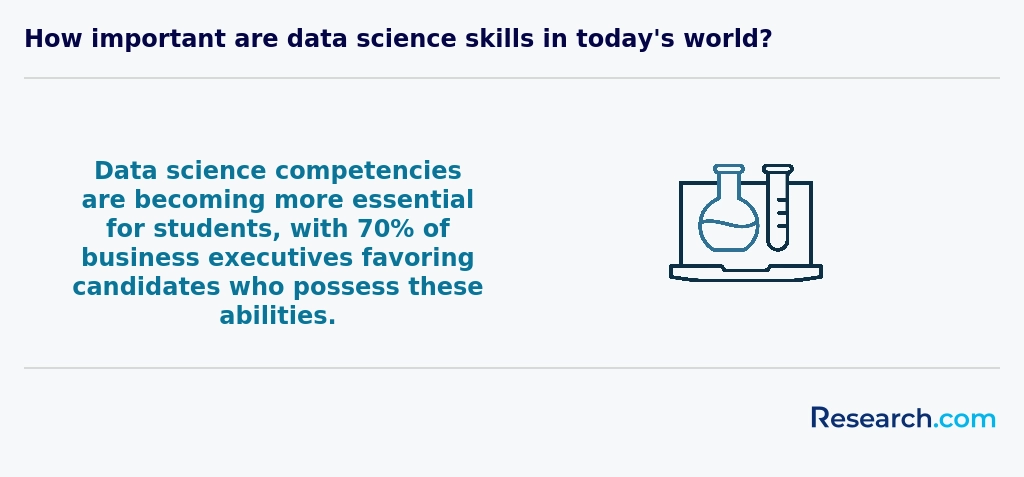
At leading Texas universities, students embark on an exciting journey through courses designed to spark curiosity and develop powerful skills in data science. Foundational classes in statistics and probability give graduates the confidence to tackle real-world problems, like predicting economic trends or understanding health data patterns. Many find themselves energized by programming courses featuring Python, R, and SQL, tools that unlock the ability to transform raw information into meaningful stories.
Graduates from top Texas programs often share how machine learning and artificial intelligence classes sparked their passion for innovation-designing predictive models that could drive smarter business decisions or improve energy efficiency in the state's vital oil and gas industries.
Courses in data visualization teach students to create compelling presentations using tools like Power BI, allowing them to communicate complex insights clearly to non-technical audiences. Hands-on projects and internships recommended by these programs provide invaluable experience, preparing you to thrive in Texas's dynamic data-driven economy with enthusiasm and purpose.
Data science degree specializations in Texas reflect the dynamic landscape of industries thriving across the state. Graduates from the University of Texas at Austin often share how the machine learning and artificial intelligence track empowered them to create tools that revolutionize healthcare diagnostics and optimize energy use, demonstrating the direct impact of their skills on local communities. Texas A&M University students specializing in big data engineering find excitement in managing massive datasets with tools like Spark and Hadoop, preparing them for careers in Austin's booming tech scene.
Meanwhile, Rice University alumni praise the rigorous focus on statistical analysis and quantitative methods, which enabled them to provide invaluable insights to Texas's finance and manufacturing sectors. Business analytics is another popular concentration that resonates with the state's vibrant economy, nurturing graduates who use data to drive strategic decisions in marketing and operations. For those seeking the easiest bachelor's degree to obtain with a focus on data science, Texas's diverse offerings empower students to find the best data science concentration areas Texas has to offer while preparing for a fulfilling and impactful career.
Choosing the best data science degree programs in Texas means focusing on what truly matters for your growth and success. Graduates from top Texas universities often highlight the value of programs accredited by SACSCOC that offer hands-on experience through internships with local tech giants in Austin, Dallas, and Houston. These connections open doors to exciting career paths and real-world projects that inspire confidence.
Many students find programs with a comprehensive curriculum, combining statistics, machine learning, and programming with business analytics, particularly empowering. This well-rounded approach, featured at affordable data science colleges Texas, helps students develop versatile skills that employers eagerly seek. Flexibility is another key-options like online or hybrid classes accommodate busy schedules, allowing students to pursue their passion without compromise.
For those aiming high academically, exploring opportunities such as phd online no dissertation can be a game changer, offering advanced study with flexibility. Remember, choosing the right program is about aligning quality education with your aspirations and lifestyle in the vibrant Texas tech community.

Graduates from top Texas universities find exciting data science career opportunities in Texas that span dynamic fields like healthcare, finance, and technology. Many alumni from institutions such as the University of Texas and Texas A&M have leveraged their degrees into roles as data scientists, analyzing complex datasets to drive impactful business decisions. Imagine working in Houston's bustling medical hubs or Dallas's financial districts, where your expertise can directly influence key outcomes.
Jobs with data science degree Texas often include positions like data analyst, machine learning engineer, and business intelligence specialist. These roles allow graduates to apply advanced skills in AI and programming while contributing to innovative projects. For example, tech-forward campuses in Austin foster creativity, helping new professionals thrive amid start-ups and tech giants striving to solve real-world challenges.
Those interested in fast-tracking their education might explore one year phd programs, accelerating their path to advanced roles. With such rich opportunities, earning a data science degree in Texas truly opens doors to a rewarding and inspiring career.
The data science job opportunities in Texas are thriving, fueled by rapidly expanding tech hubs in Austin, Dallas, and Houston. Graduates from universities like the University of Texas at Austin or Texas A&M find themselves stepping into roles where they apply machine learning and big data analysis to real-world challenges across diverse industries such as energy, healthcare, and finance. Many alumni share how their hands-on projects and internships in Texas' vibrant startup scene helped them confidently launch their careers, blending technical skills with practical experience.
The Texas data science career outlook is bright, with entry-level salaries typically starting between $70,000 and $90,000, rising well above $120,000 for seasoned professionals. This competitive market motivates students to pursue data science degrees at Texas public universities, which offer reasonably priced tuition and excellent networking opportunities. For those exploring their future paths, it's worth noting there are plenty of resources highlighting the best career options for introverts, an encouraging sign for individuals seeking fulfilling roles in data science that suit their working style.
2027 Most Popular Data Science Degree Programs Ranking in Texas
Investing in your education is a significant decision that requires careful consideration, and the Research.com team fully recognizes the importance of making well-informed choices. To support prospective students in Texas, we have diligently developed the "2027 Most Popular Data Science Degree Programs Ranking in Texas." Our dedication to quality, credibility, and accuracy is demonstrated through rigorous research and detailed analysis used to create this ranking.
We utilized the following reputable data sources to ensure a thorough evaluation of data science degree programs:
By exploring this ranking, readers will gain valuable insights to help identify the most suitable data science programs in Texas, enabling them to make confident and informed decisions about their educational journey. For more details on how this ranking was created, please visit our Research.com methodology page.


Frequently Asked Questions About data science
Students pursuing data science degrees in Texas can maximize their learning by engaging in hands-on projects and internships, which are widely available through the state's growing tech industry. Texas is home to major data-driven companies, especially in cities like Austin and Dallas, offering opportunities to apply classroom knowledge in real-world settings.
Joining professional organizations such as the Data Science Association or local meetups can help students build networks with industry experts. According to the Texas Workforce Commission, data science roles are projected to grow by over 20% through 2030, emphasizing the value of industry connections and practical experience.
Utilizing university resources like research labs and collaborating on faculty-led studies enriches learning and keeps students updated on emerging technologies.
The field of data science in Texas is expanding into several emerging niches that reflect current industry demands. One notable area is healthcare analytics, leveraging big data to improve patient outcomes and reduce costs. Texas' robust medical research institutions, such as those in Houston's Texas Medical Center, provide fertile ground for this specialization.
Another growing niche is energy data analytics, crucial for Texas' large oil, gas, and renewable energy sectors. Data scientists here focus on optimizing production and improving sustainability through predictive modeling.
Additionally, natural language processing (NLP) and AI-driven cybersecurity are gaining attention, with Texas universities enhancing coursework to meet these demands. According to the Texas Workforce Commission, job openings in these areas are expected to grow by over 15% through 2027.
After completing a data science degree in Texas, preparing for the job market involves developing both technical and soft skills. Employers in Texas often seek candidates proficient in programming languages like Python and R, along with experience in machine learning and data visualization tools. Building a strong portfolio through internships or capstone projects can significantly improve job prospects.
Networking is also crucial; Texas hosts numerous tech meetups and conferences like the Austin Data Fest, which can help graduates connect with industry professionals. According to the Texas Workforce Commission, data science roles in the state have grown by over 20% in recent years, highlighting a competitive yet expanding market.
Continuing education, such as certificate programs or bootcamps, can help graduates stay updated on evolving technologies. Additionally, mastering communication skills to present data findings effectively increases employability across sectors like healthcare, finance, and energy, prominent in Texas.
Employers in Texas emphasize strong technical skills in data science degree graduates. Proficiency in programming languages such as Python and R is essential, alongside experience with SQL databases for data management. Knowledge of machine learning algorithms and statistical analysis tools is also highly regarded.
Communication skills remain critical. Graduates must translate complex data findings into clear insights understandable by decision-makers. According to the Texas Workforce Commission, demand for data scientists in Texas grew 25% from 2018 to 2023, highlighting employers' need for adaptable problem-solvers well-versed in practical applications.
Additionally, familiarity with cloud platforms like AWS or Azure is increasingly important, reflecting industry shifts toward scalable data solutions.
Finding internships in Texas related to a data science degree involves leveraging local educational institutions and industry hubs. Texas is home to strong tech sectors in cities like Austin, Dallas, and Houston, where companies frequently seek data science interns. According to the Texas Workforce Commission, tech jobs in the state have grown by over 20% in recent years, increasing internship opportunities.
Students should utilize university career centers, which often partner with businesses to offer internships specifically for data science majors. Platforms like Handshake and LinkedIn also list many Texas-based openings. Networking at local meetups, such as those hosted by the Austin Data Science Meetup group, can be valuable.
Additionally, applying early to programs with well-established internship pipelines in Texas universities increases chances of securing positions. Many Texas data science departments provide advice and resources for internship placement, making these services essential for practical experience acquisition.
A data science degree significantly enhances career mobility and advancement opportunities in Texas, a state with a rapidly growing tech industry. Employers increasingly seek professionals with data science skills to analyze complex data and support decision-making. According to the Texas Workforce Commission, jobs in data analysis and related fields are expected to grow by over 20% through 2030.
Graduates with a data science degree often qualify for higher-level roles such as data scientist, data engineer, or business analyst, which offer competitive salaries. The degree also opens doors to various sectors including technology, healthcare, energy, and finance, all prominent in Texas.
Furthermore, many Texas universities collaborate with local industries, providing internships and networking opportunities, which improve practical experience and employability. This direct link between education and industry facilitates career advancement for degree holders in the region.
Studying for a data science degree in Texas prepares students for interdisciplinary roles by combining technical skills with domain-specific knowledge. Texas universities often collaborate with industries such as healthcare, energy, and finance, providing practical experience and tailored coursework.
The University of Texas and Texas A&M offer programs emphasizing statistics, computer science, and business analytics, fostering versatile professionals. According to the Texas Workforce Commission, data science roles are growing by over 30% annually, reflecting a demand for experts who can bridge technical and sector-specific gaps.
Students learn to communicate complex data insights to non-technical teams, a key skill in interdisciplinary settings. This approach equips graduates to solve diverse problems across multiple fields effectively.
When choosing between a thesis and a non-thesis data science degree program in Texas, consider your career goals and learning style. Thesis programs focus on research, requiring you to design and complete a substantial project, which suits students aiming for PhD studies or research roles.
Non-thesis programs emphasize coursework and practical skills, ideal for those seeking immediate employment in industry. Texas institutions like UT Austin report that about 40% of their data science graduates pursue thesis options, while 60% opt for non-thesis paths focused on applied skills.
Also consider program duration: thesis tracks typically take longer. Research funding and faculty expertise in Texas universities may influence your decision.
Students based in Texas seeking to study data science abroad have several options through partnerships and exchange programs offered by Texas universities. Schools like the University of Texas and Texas A&M University often collaborate with international institutions, enabling students to spend a semester or year abroad while earning credits toward their data science degree.
These programs provide exposure to global perspectives in data science, complementing Texas's strong industry ties. According to the National Center for Education Statistics, approximately 15% of Texas data science students participate in study abroad experiences, enhancing their cultural competence and job readiness.
Additionally, some private providers offer dual-degree programs linked with foreign universities, allowing students to combine Texas-based study with international certification.
Part-time job opportunities in Texas that complement a data science degree are diverse and often focus on practical skills. Many students find roles as data analysts or research assistants at local universities or tech companies. These positions allow hands-on experience with datasets and statistical software, crucial for mastering data science concepts.
Texas hosts a growing number of technology firms and startups, especially in cities like Austin, Dallas, and Houston. According to the Texas Workforce Commission, tech jobs in the state have increased by over 15% in recent years, creating openings in data-related roles that suit part-time schedules.
Internships in healthcare analytics, finance, and energy sectors also provide valuable exposure. Research institutions such as the University of Texas System often offer paid research roles analyzing big data, which aligns well with classroom learning.
Additionally, freelance opportunities in database management and data visualization are available via platforms that serve Texas-based clients, enabling flexible hours and skill development.
Data science students in Texas have access to a broad array of networking opportunities through university events, professional organizations, and industry conferences. Institutions like the University of Texas and Texas A&M host data science meetups and career fairs, connecting students with tech companies in Austin, Dallas, and Houston. According to the Texas Workforce Commission, these cities rank among the fastest-growing tech hubs, increasing demand for data talent.
Professional groups such as the Texas Data Science Association and local chapters of national bodies like the Data Science Society provide workshops and speaker events.
Many students also benefit from internships and collaborative projects with companies specializing in artificial intelligence, finance, and healthcare analytics, fostering crucial professional connections early in their careers.
Alumni networks play a crucial role for data science degree students in Texas by providing valuable connections within the local industry. Texas hosts a growing technology sector, especially in cities like Austin and Dallas, where data science professionals are in high demand. According to the Texas Workforce Commission, data-related jobs in the state are projected to grow by over 20% through 2030.
Through alumni events and online platforms, current students can access mentorship, internships, and job referrals. This network often includes graduates working at leading companies such as Dell, Texas Instruments, and various healthcare firms specializing in data analytics.
Additionally, many Texas universities offer program-specific alumni groups that help students navigate career opportunities unique to regional markets and industries.
Customizing a data science degree program in Texas begins by selecting electives that align with your career goals. Many universities offer concentrations such as machine learning, artificial intelligence, or business analytics. This allows students to specialize according to demand in Texas's growing tech and energy sectors.
Internships and cooperative education opportunities through Texas institutions like the University of Texas at Austin connect students with local companies in Houston and Dallas, providing practical experience.
Additionally, some programs offer flexible course schedules and online options, ideal for working professionals aiming to upskill without interrupting their careers. According to the Texas Higher Education Coordinating Board, such adaptable programs have increased enrollment by 15% in recent years.
Carefully reviewing course catalogs and consulting academic advisors ensures your curriculum matches industry needs and your personal ambitions.
Data science students in Texas often face challenges related to the interdisciplinary nature of the field. Combining statistics, computer science, and domain expertise requires mastering diverse skills, which can be overwhelming for many. Additionally, access to sufficiently powerful computing resources and software tools may be limited, especially at smaller institutions.
Another common difficulty involves finding relevant internships or industry connections. Although Texas has a growing tech sector-with cities like Austin and Dallas rapidly expanding-competition for these opportunities remains stiff. According to the Texas Higher Education Coordinating Board, nearly 30% of data science students report struggles in gaining practical experience.
Finally, students sometimes encounter balancing academic workloads with part-time jobs or family commitments, a challenge noted in surveys conducted at Texas universities.
Graduates with a data science degree in Texas can enhance their careers by pursuing several professional certifications. Popular options include the Certified Analytics Professional (CAP), which validates advanced analytics skills and is widely recognized nationally. The Microsoft Certified: Azure Data Scientist Associate is another valuable credential, reflecting expertise in using cloud-based tools popular in Texas tech industries.
Other certifications like the SAS Certified Data Scientist and IBM Data Science Professional Certificate demonstrate proficiency in specific platforms. According to the Texas Workforce Commission, data science roles are growing by over 20% annually, making certifications crucial for standing out in this competitive market.
To write a winning application for a data science program in Texas, start by highlighting your quantitative skills and relevant experience. Emphasize coursework in mathematics, statistics, or computer science, as these are highly valued in Texas institutions like UT Austin or Texas A&M. Include any programming knowledge, especially in Python or R, which are commonly used in data science.
Texas data science programs often require a strong statement of purpose explaining your career goals and how the program fits your ambitions. Show awareness of Texas industries, such as energy or healthcare, which use data science extensively. According to the Texas Workforce Commission, roles in data analysis are growing by over 15% annually in the state.
Securing strong letters of recommendation from professors or employers who can attest to your analytical and problem-solving skills adds credibility. Finally, ensure your resume and application reflect any relevant internships or projects, demonstrating practical experience alongside academic competence.
Data science is a rapidly growing field globally, with strong demand for skilled professionals in many countries. In the United States, and specifically in Texas, this trend is reflected through expanding job markets in cities like Austin, Dallas, and Houston. According to the U.S. Bureau of Labor Statistics, data science roles are projected to grow 36% nationally from 2021 to 2031, much faster than average for other occupations.
Globally, companies value data scientists for their ability to analyze complex data and drive strategic decisions. Texas universities offering data science degrees align their programs with industry needs, preparing students for competitive roles both in the U.S. and internationally. This makes a data science degree in Texas a valuable asset for those seeking a global career path.
Gaining practical experience while studying for a data science degree in Texas is essential to enhance job readiness. Many Texas universities, including the University of Texas at Austin and Texas A&M, offer internship programs partnering with local tech companies and health organizations. These internships provide valuable hands-on experience with real-world data.
Additionally, students can participate in research projects through university labs, often supported by grants from organizations like the Texas Advanced Computing Center. Such projects allow students to work with large datasets and advanced analytics tools.
Joining student data science clubs and hackathons also helps build practical skills and networking contacts within Texas's growing tech industry.
Choosing the right concentration within a data science degree program in Texas involves understanding your career goals and the local job market. Texas hosts a diverse economy with strong sectors like healthcare, energy, technology, and finance, each demanding specific data science skills. For instance, a concentration in healthcare analytics may suit those aiming to work in Texas Medical Center, the largest medical complex worldwide.
Review program curricula closely to identify specializations such as machine learning, big data, or business analytics. According to the Texas Workforce Commission, data science roles related to artificial intelligence and data engineering are projected to grow faster than average by 2028, guiding your choice toward high-demand skills.
Consider internships and partnerships offered by universities with Dallas-Fort Worth or Austin tech companies, as practical experience is critical for success. Balancing your interests with Texas-specific job market trends helps ensure your concentration aligns with both passion and opportunity.
- 2027 Most Popular Data Science Degree Programs Ranking in Missouri
- 2027 Most Popular Data Science Degree Programs Ranking in Arizona
- 2027 Most Popular Data Science Degree Programs Ranking in Florida
- 2027 Most Popular Data Science Degree Programs Ranking in Minnesota
- 2027 Most Popular Data Science Degree Programs Ranking in Ohio
- 2027 Most Popular Data Science Degree Programs Ranking in Michigan
- 2027 Most Popular Data Science Degree Programs Ranking in Wisconsin
- 2027 Most Popular Data Science Degree Programs Ranking in Pennsylvania
- 2027 Most Popular Data Science Degree Programs Ranking in New York
- 2027 Most Popular Data Science Degree Programs Ranking in Massachusetts
See What Experts Have To Say About Studying Data Science
Read our interview with Data Science experts

- Alumni Network Matching Powered by Machine Learning and Human Insights | Joinee Articles https://www.joinee.io/articles/alumni-network-matching
- Data Science Connects Events Calendar https://www.datascienceconnects.com/DataScience/DataScience/Events/Events-calendar.aspx
- Best Data Scientist Cover Letter with Tips and Examples | Cake https://www.cake.me/resources/cover-letter/data-scientist-cover-letter
- Jobs in Data Science: A Guide for Future Graduates https://vinuni.edu.vn/jobs-in-data-science/
- How Can an Aspiring Data Scientist Find and Work on Real-World Projects? https://www.datagrads.com/how-can-an-aspiring-data-scientist-find-and-work-on-real-world-projects/
- Best Data Science Degree Programs in Texas, 2026 Rankings https://hakia.com/degrees/data-science/texas/
- Unlocking Data Science: A Course Framework for the Future | UT Dana Center https://www.utdanacenter.org/blog/unlocking-data-science-course-framework-future
- Data Science Placements/Internships | Gradcracker - Careers for STEM Students https://www.gradcracker.com/search/computing-technology/data-science-work-placements-internships
- Data Science Cover Letter Dos and Don’ts (2025) – 365 Data Science https://365datascience.com/career-advice/job-interview-tips/data-science-cover-letter-dos/
- Uncovering Data Science: Skills, Careers and Education https://www.databricks.com/blog/uncovering-data-science-skills-careers-and-education


