2027 Most Popular Data Science Degree Programs Ranking in Massachusetts

Co-Founder and Chief Data Scientist
Thinking about pursuing a data science degree in Massachusetts? Choosing the right program can feel overwhelming, but we're here to help. This article features the 2027 Most Popular Data Science Degree Programs Ranking in Massachusetts created by the Research.com team of data scientists to guide you toward the best options.
By exploring this ranking, you'll gain clear insights into programs that stand out based on real data. A data science degree opens doors to exciting career opportunities and personal growth, making your decision feel confident and rewarding.
Key benefits of getting data science degree in Massachusetts
- Graduates with a data science degree in Massachusetts can expect competitive salaries, such as $66,670 annually for Data Analysts or up to $119,040 for Data Consultants, offering strong financial rewards for your skills.
- Potential career paths include roles like Data Analyst, Marketing Analyst, and Database Administrator, with many Massachusetts graduates from schools like Northeastern University successfully entering these growing fields.
- Online data science degrees from institutions like UMass offer flexibility and convenience, allowing students to balance work and study while still gaining industry-relevant skills to boost their careers.
- 2027 Most Popular Data Science Degree Programs Ranking in Massachusetts
- What can I expect from data science degree in Massachusetts?
- Where can I work with data science degree in Massachusetts?
What can I expect from data science degree in Massachusetts?
The average cost of pursuing a data science degree in Massachusetts varies, especially depending on whether you attend a public or private institution. Graduates from the University of Massachusetts system often highlight the benefit of lower in-state tuition, which makes this path more accessible without sacrificing quality. Public universities here typically offer tuition rates that are significantly less than private schools like Boston University or Northeastern University, where costs can be higher but come with robust industry connections and resources.
Many students find that scholarships and financial aid targeted at STEM fields help bridge the gap, and it's worth actively seeking these opportunities early on. Graduates often recall internships secured through university partnerships with tech companies, which not only build experience but sometimes lead to tuition remission or other financial support.
Financial investment is balanced by strong employment outcomes; data science alumni report entering well-paying roles because Massachusetts supports a booming tech ecosystem. This makes the degree a smart investment-students feel energized knowing their education is fueling both passion and career success right here in Massachusetts.
Where can I work with data science degree in Massachusetts?
With a data science degree earned right here in Massachusetts-whether from MIT, Harvard, or Northeastern-you're stepping into a thriving job market buzzing with opportunity. Graduates often find themselves working alongside cutting-edge tech giants like Microsoft, Amazon, and IBM in the Boston and Cambridge areas, where their skills in programming, machine learning, and data visualization power AI research and innovative projects.
If healthcare inspires you, imagine contributing to groundbreaking patient care and biomedical research at institutions like Massachusetts General Hospital or the Broad Institute. Many alumni share how they use bioinformatics and predictive analytics to directly impact lives, making data science not just a career but a mission.
Finance also welcomes data scientists in Boston's bustling financial district, where graduates craft risk models and optimize investment strategies for firms like Fidelity Investments. Others find their niche in academia, supporting research and data governance at world-class schools you might once have attended.
The diversity of roles and vibrant networks here can turn your degree into a dynamic, rewarding career path you'll be proud of.
Graduates from data science programs in Massachusetts often find themselves stepping into roles with strong earning potential right after finishing their studies at institutions like MIT, Harvard, or Boston University. For example, a recent graduate working as a Data Analyst can expect a mean annual wage around $66,670, providing a solid foundation while gaining valuable experience.
Those pursuing positions like Marketing Analyst benefit as well, earning about $83,190 annually on average, which aligns well with the region's vibrant business and biotech sectors. More advanced roles, such as Data Consultants, command even higher salaries, around $119,040 per year, reflecting the high demand for specialized skills in Massachusetts's cutting-edge industries.
Database Administrators from these programs typically see salaries near $104,810, demonstrating that a data science degree opens doors to varied, well-paying career paths. Graduates often share that landing these jobs in Massachusetts feels empowering, as the state's competitive market rewards expertise and innovation. This means your hard work in school can translate into both financial stability and the exciting challenge of shaping real-world solutions.
- Massachusetts offers specialized data science programs combining computer science, statistics, and business analytics.
- Annual tuition ranges from $15,000 to $25,000 for public universities and can exceed $40,000 for private institutions.
- Entry-level data scientists in Massachusetts earn between $75,000 and $85,000 per year on average.
- Mid-career data science professionals can earn between $110,000 and $130,000 annually.
- The Boston area has a strong job market with many technology, finance, healthcare, and research employers seeking data scientists.
- The state has active data science communities and abundant internship opportunities supporting real-world experience.
In Massachusetts, completing a data science degree varies but often fits well within manageable timeframes. Many undergraduates from schools like Northeastern University or Boston University finish their Bachelor's degrees in about four years of full-time study, balancing rigorous coursework with hands-on projects that keep learning engaging and practical.
Graduate students often find that a full-time master's program takes roughly 1.5 to 2 years, while part-time options extend up to 3 or 4 years. This flexibility allows working professionals to pursue their goals without sacrificing their careers, much like many Boston-area graduates who successfully navigate both work and study.
Certificate programs and bootcamps offer quicker pathways, often lasting weeks or months, perfect for those eager to upskill rapidly or complement their existing education. Massachusetts' diverse offerings provide numerous opportunities to tailor your journey and progress confidently toward becoming a data scientist.
Choosing between online and on-campus data science degrees in Massachusetts boils down to your lifestyle and learning preferences. On-campus programs at institutions like Boston University and Northeastern University offer immersive experiences, where graduates recall lively classroom discussions, hands-on labs, and spontaneous networking with Boston's vibrant tech community. These students often highlight the value of instant feedback from professors and peers, which deepens understanding and fuels motivation.
Alternatively, online degrees-such as those from the University of Massachusetts-cater to busy adults balancing work or family. Graduates appreciate the flexibility of asynchronous courses, allowing study during evenings or weekends without sacrificing academic rigor. They emphasize the importance of self-discipline and reliable internet, yet cherish the freedom to learn at their own pace and tailor their schedules.
Whichever path you choose, Massachusetts's thriving data science scene ensures ample opportunities post-graduation. Reflect on whether you thrive in structured, face-to-face environments or prefer flexible, remote learning tied to your unique circumstances.
The average cost of a data science degree in Massachusetts varies, but a good benchmark for total expenses is around $80,551. This figure blends the tuition and fees across both in-state and out-of-state students at institutions known for data science, like the University of Massachusetts and Northeastern University. Graduates often reflect on the investment as a worthwhile step toward a rewarding career, despite the sticker price.
For in-state students, the cost is generally closer to $63,071, which can be more manageable, especially when combined with financial aid or scholarships targeting STEM fields. Those attending private colleges or out-of-state learners might face higher tuition, sometimes exceeding $60,000 annually, but many find creative ways to budget through part-time jobs or employer tuition programs. These practical examples help bring the average cost of data science degree Massachusetts into sharper focus for newcomers.
Remember, total program costs don't just cover tuition. Books, software licenses, and lab materials can add roughly $1,200 to $1,500 per year. Graduates from schools such as Boston University describe the experience as a comprehensive investment, one that goes beyond classroom hours to prepare them for real-world challenges in data analysis and machine learning.
For those weighing the timeline, bachelor's degrees usually span four years, while master's programs can be finished in one or two years. If you're looking for a more accelerated path, consider options like an associate degree in 6 months accredited, which can serve as a stepping stone toward a more advanced data science education while limiting upfront costs.
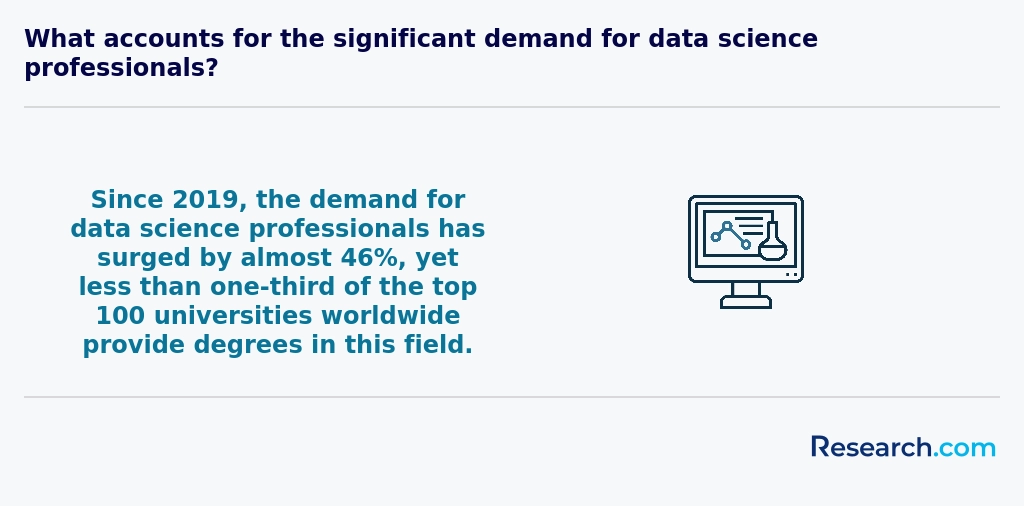
When pursuing a data science degree in Massachusetts, tapping into financial aid can transform your educational journey from daunting to exciting. Many students at Northeastern University and Boston University have unlocked merit-based scholarships rewarding their academic achievements and leadership in STEM fields. Imagine receiving support that covers a significant portion of your tuition simply by demonstrating your passion and skill in data science.
Federal aid, such as Pell Grants, often offers up to $7,000 annually to eligible undergraduates, easing the financial pressure for those balancing studies and living costs. Complementing this, the Massachusetts State Grant Program grants around $1,200 to residents attending local colleges, directly reducing expenses for data science learners.
For working professionals, employer tuition assistance programs at Massachusetts tech firms can reimburse thousands each year. Many graduates credit this support for enabling them to upskill without financial strain.
Lastly, external scholarships focused on diversity and technology add another layer of opportunity-tools that, when combined, make pursuing data science in Massachusetts truly achievable and rewarding.
To enroll in a data science degree program in Massachusetts, you'll first need a strong foundation in mathematics and computer science. Graduates from well-known colleges here often reflect on how mastering algebra, geometry, and calculus before starting their studies made tackling complex statistics and programming challenges feel achievable rather than intimidating.
At institutions like those in Boston and Cambridge, many incoming students have already taken introductory coding courses, often in Python or Java, which helps them engage confidently from day one. If your background isn't technical, don't worry-programs frequently offer bridge courses so you can build up the necessary skills without feeling overwhelmed.
For advanced degrees, expect to have completed a bachelor's in fields such as math, engineering, or economics, with coursework in linear algebra and probability. Many graduates recall how these prerequisites not only prepared them academically but also gave them the confidence to collaborate and communicate effectively in real-world projects during their studies.
Massachusetts' competitive programs may ask for proof of quantitative skills through tests or placement exams-think of it as a way to ensure you're ready to thrive in this exciting, evolving field.
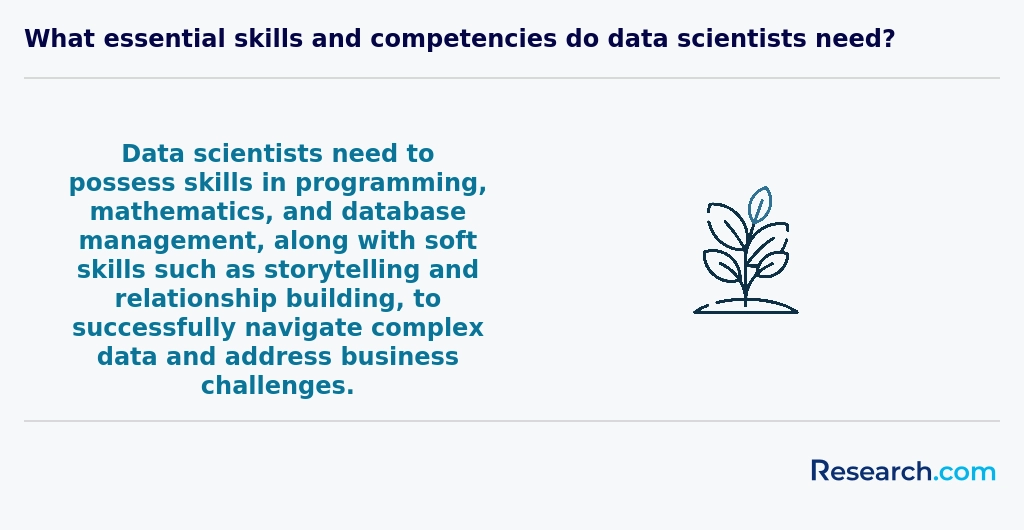
When you dive into a data science degree in Massachusetts, expect a curriculum that truly equips you for the fast-paced world of data. Graduates from top schools like MIT and Harvard often share how core courses-such as Introduction to Data Science-helped them master data manipulation and visualization, turning raw numbers into compelling stories. Courses in Statistics and Probability build the critical thinking needed to make sense of complex datasets, a skill praised by those working in Boston's thriving tech scene.
Programming classes in Python or R become your daily tools, empowering you to write code that solves real problems, whether analyzing healthcare data or optimizing financial models. Machine Learning courses open doors to predictive insights, while hands-on lessons in Database Systems and Big Data Technologies give you the confidence to handle massive datasets encountered in startups and research labs around Massachusetts.
Many graduates recall how Data Ethics and Privacy coursework reshaped their understanding of responsible data use, crucial in today's world. Electives like natural language processing or computer vision let you tailor your learning to the industries that excite you most, often culminating in capstone projects that mirror real-world challenges faced by Massachusetts companies.
Massachusetts data science degree focus areas provide dynamic opportunities tailored to local industries. Graduates from institutions like MIT and Northeastern often specialize in machine learning and artificial intelligence, mastering neural networks and deep learning to innovate in finance and healthcare sectors. Others find their passion in biostatistics and health data analytics, aligning with the state's robust pharmaceutical and medical research landscape. These specializations empower students to transform raw data into life-saving insights.
Big data technologies attract students eager to handle massive datasets using tools like Hadoop and Spark, preparing them for vibrant roles in e-commerce and telecommunications. Business analytics combines data science with strategy, enabling graduates to drive decisions that optimize operations in marketing or supply chain fields. Many also focus on data engineering, building the cloud-based pipelines crucial for scalable, efficient analytics.
Choosing among these data science specializations in Massachusetts means connecting your interests to real-world challenges. Past graduates often highlight how programs at Harvard and MIT integrate hands-on projects that illuminate local job markets. If you want to explore more options, check out open enrollment programs to find the right path for you.
Choosing the best data science degree in Massachusetts means focusing on programs that blend rigorous theory with real-world skills like machine learning and data management. Graduates from universities such as Boston University and Northeastern University often highlight how interdisciplinary curricula and faculty expertise helped them tackle complex projects confidently. Many students appreciate programs that offer flexibility through part-time or online formats, like those found at Worcester Polytechnic Institute and University of Massachusetts Boston, allowing them to balance work and study seamlessly.
Affordability is another key concern. When browsing affordable data science degrees in Massachusetts, consider public universities for lower in-state tuition, but also weigh private institutions' strong industry connections and career support. Students frequently mention the importance of programs preparing them for certifications like Certified Analytics Professional (CAP), which boosted their employability in Massachusetts' competitive tech landscape.
Lastly, explore options that provide networking and internship opportunities, as these often lead to well-paying jobs. For professionals seeking accelerated pathways, programs such as those offering an accelerated associate degree online can be an efficient starting point on your data science journey.
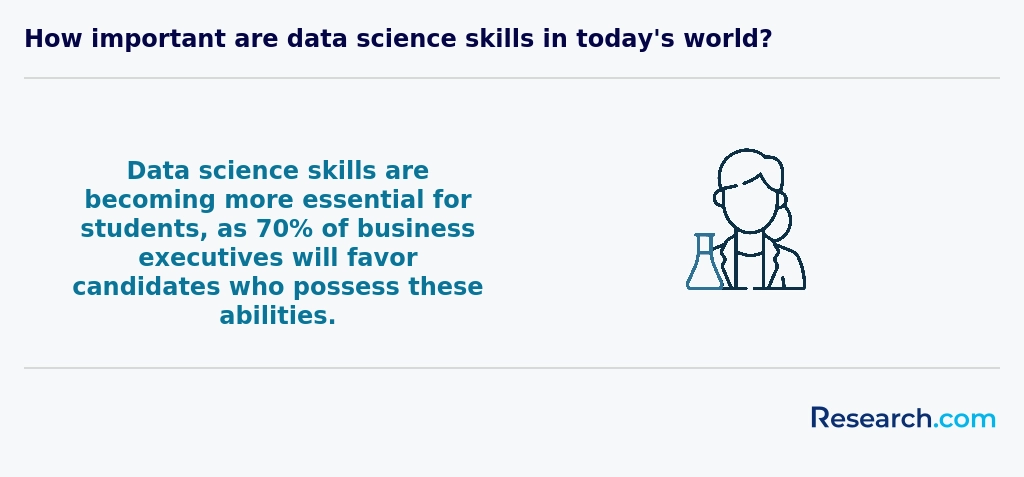
If you pursue a data science degree in Massachusetts, you're stepping into a world rich with exciting data science career opportunities in Massachusetts that align with your passion for technology and problem-solving. Graduates from leading universities here often find themselves working as data scientists, unraveling complex datasets that shape strategic decisions for major companies in Boston's booming tech and finance sectors. Others thrive as machine learning engineers in innovative AI startups, turning theoretical models into practical applications that impact everyday life.
Massachusetts data science degree job prospects also include roles like business intelligence analysts who transform raw data into actionable insights, and quantitative analysts who use statistics to navigate the fast-paced world of finance. Those graduating from institutions like UMass experience a supportive environment that balances world-class education with affordable tuition. Many students also explore most affordable online universities that accept financial aid, making their journey more accessible while preparing for rewarding careers.
The data science job opportunities in Massachusetts are thriving, fueled by a dynamic mix of tech giants, biotech firms, and financial institutions concentrated around Boston. Graduates from well-known universities in the state often find themselves quickly snapped up because employers value their hands-on experience with Python, R, SQL, and data visualization tools. One graduate I mentor shared how internships secured through their university's corporate partnerships opened doors to roles at cutting-edge healthcare analytics companies, an exciting real-world application of their studies.
Massachusetts data science degree employment outlook remains exceptionally positive, with growth rates outpacing national averages. This means that if you earn a degree here, your prospects extend beyond just jobs-they include evolving roles in innovation-driven sectors. Many graduates describe a confident transition from the classroom to professional roles, supported by the strong academic reputation of their schools. Tuition can be a concern, but options like exploring online universities with national accreditation help balance costs while maintaining quality education.
2027 Most Popular Data Science Degree Programs Ranking in Massachusetts
Investing in your education is a significant decision that can shape your future, and the Research.com team is committed to helping you make informed choices. To support prospective students in Massachusetts, we have carefully developed the "2027 Most Popular Data Science Degree Programs Ranking in Massachusetts." Our dedication to quality, credibility, and accuracy is demonstrated through extensive research and rigorous analysis.
We utilized the following reputable data sources to ensure a thorough and reliable ranking:
By exploring this ranking, readers will gain valuable insights into top data science degree programs in Massachusetts, empowering them to make confident educational decisions. For more information on how this ranking was created, please visit our Research.com methodology page.

# 2 position
University of Massachusetts-Amherst
Master of Science in Data Analytics and Computational


Frequently Asked Questions About data science
Data science degree students in Massachusetts can maximize their learning experience by engaging deeply with hands-on projects and internships. Massachusetts hosts a robust tech ecosystem, including Boston's innovation hub and numerous biotech firms, providing valuable internship opportunities that complement academic learning.
Students should leverage resources like research centers at institutions such as MIT and Harvard, which often offer seminars, workshops, and collaborative projects. According to the Massachusetts Technology Collaborative, the state has over 100,000 tech-related jobs, emphasizing the importance of real-world experience alongside theoretical knowledge.
Participating in local data science meetups and competitions can also broaden skills and professional networks, helping students stay current with industry trends.
The field of data science is rapidly evolving, with several emerging niches gaining importance. In Massachusetts, advanced sectors like healthcare analytics and biotechnology data science are becoming prominent due to the state's strong medical research institutions.
Another growing niche is ethical AI and algorithmic transparency, which addresses fairness and bias in machine learning models. Given Massachusetts' leadership in tech innovation, professionals versed in these areas are in high demand.
Financial analytics also remains a key area, driven by Boston's robust finance industry. Additionally, spatial data science is expanding, fueled by geographic information system (GIS) applications in urban planning.
According to the Massachusetts Technology Collaborative, data science roles in these niches have grown by over 25% in the past three years.
Graduates with data science degrees in Massachusetts should focus on strengthening both technical skills and practical experience to prepare for the competitive job market. Demand for data scientists in the state is high, with Boston alone expecting over 6,000 openings by 2029, according to the Massachusetts Executive Office of Labor and Workforce Development.
Building proficiency in Python, R, SQL, and machine learning tools is essential. Internships and co-op programs offered by many Massachusetts universities provide valuable hands-on experience. Additionally, networking through local tech meetups and data science groups in cities like Cambridge can open doors to employment opportunities.
Certifications in cloud platforms and data visualization also enhance a candidate's profile. Staying current with industry trends and continuing education is key to long-term success.
Employers in Massachusetts highly value a combination of technical and analytical skills in data science graduates. Proficiency in programming languages such as Python, R, and SQL is essential for managing and analyzing large data sets. Familiarity with machine learning algorithms and tools is increasingly important due to growing AI applications in Boston's tech sector. According to the Massachusetts Technology Collaborative, 75% of data science jobs demand strong skills in statistical analysis and data visualization.
Communication skills also rank high; graduates must translate complex data findings into clear insights for business stakeholders. Additionally, problem-solving abilities and teamwork are critical, reflecting the collaborative environment in many Massachusetts tech firms.
Finding internships in Massachusetts related to data science requires a strategic approach. Many universities, such as MIT and Harvard, provide extensive career services connecting students with local tech companies and startups. According to the Massachusetts Technology Collaborative, the state hosts over 110,000 tech jobs, making it a fertile ground for internships.
Students should explore platforms like Handshake and Glassdoor, which list numerous internship opportunities specifically in data analytics and machine learning fields. Networking through university events and professional groups like Data Science Boston also plays a crucial role.
Additionally, leveraging faculty contacts and participating in research projects can lead to valuable internship placements.
In Massachusetts, earning a data science degree significantly enhances career mobility and advancement opportunities. The state's robust tech and finance sectors drive strong demand for skilled data professionals. According to the U.S. Bureau of Labor Statistics, the Boston metropolitan area, a major hub, projects above-average employment growth of 31% for data scientists between 2020 and 2030.
Having a formal degree in data science equips graduates with key technical skills and analytical thinking, highly valued by employers. It also opens doors to competitive roles such as data analyst, machine learning engineer, and business intelligence developer. Many Massachusetts companies prefer or require candidates with specialized education due to the complexities of handling big data and advanced algorithms.
Moreover, local universities often provide strong networking opportunities through internships and partnerships with regional industries, fostering quicker job placement and career progression. In a state where innovation drives the economy, a data science degree serves as a critical credential for upward professional mobility.
Studying for a data science degree in Massachusetts offers students a unique advantage in preparing for interdisciplinary roles. Massachusetts is home to numerous research universities and institutions where data science programs often integrate coursework from fields like computer science, statistics, biology, business, and engineering. This multidisciplinary approach reflects the state's diverse economy, which includes healthcare, finance, education, and technology sectors.
Programs encourage collaboration through projects and internships with local companies and research centers, fostering practical experience in varied disciplines. According to the Massachusetts Department of Higher Education, nearly 40% of data science graduates find roles requiring knowledge across multiple fields within their first year, showing strong employment outcomes.
Choosing between a thesis and a non-thesis data science degree in Massachusetts depends largely on your career goals. Thesis programs focus on original research and prepare students for doctoral studies or research-intensive roles. Non-thesis options emphasize practical skills and coursework, which suit those aiming to enter the workforce directly.
Massachusetts hosts top data science programs at universities like MIT and Boston University, where thesis tracks typically involve 6-12 months of research under faculty supervision. According to the National Center for Education Statistics, about 40% of graduate data science students in the US opt for thesis-based degrees, but local demand in Massachusetts favors applied skills.
Consider also the time commitment: thesis programs often take longer to complete due to the research component. If your goal is to work in industry sectors like biotech or finance, prominent in Massachusetts, a non-thesis track may provide faster access to relevant expertise and internships.
Students based in Massachusetts interested in studying data science abroad have multiple pathways supported by US higher education frameworks. Many Massachusetts institutions offer formal exchange programs and partnerships with international universities, especially in Europe and Asia, enabling credit transfer and joint degrees.
Financial aid options like federal student loans and scholarships from programs such as Gilman Scholarship often support these experiences, making them accessible beyond traditional funding. According to the Institute of International Education, around 5% of U.S. STEM students, including data scientists, report studying abroad annually, reflecting growing interest.
Massachusetts students benefit from strong advising resources at universities like MIT and UMass Boston, which guide on visa requirements, program accreditation, and curriculum alignment to ensure global experience enhances local career prospects.
Massachusetts offers a variety of part-time job opportunities that effectively complement data science degree education. Many students find positions as data analysts or research assistants in universities and tech companies, gaining hands-on experience with real datasets. According to the Massachusetts Technology Collaborative, the state has over 1,700 data science-related job openings annually, highlighting strong demand for these skills.
Internships at healthcare organizations, financial firms, and startups based in Boston and Cambridge provide practical exposure to machine learning, statistical modeling, and data visualization. Additionally, freelance roles in data cleaning and dashboard development on platforms popular in Massachusetts help students build portfolios while managing academic workloads.
Massachusetts offers robust networking opportunities for data science students through its dense cluster of universities, tech companies, and research institutions. Cities like Boston and Cambridge host numerous meetups, conferences, and workshops focused on data science and analytics. For example, the Massachusetts Technology Leadership Council frequently organizes events that attract industry leaders and emerging professionals.
Many universities in the state have strong partnerships with companies such as IBM, Google, and local startups, providing students with internship and mentorship programs. According to the Massachusetts Department of Higher Education, these collaborations enhance job placement rates, reaching over 80% within six months post-graduation.
Additionally, organizations like the Boston Data Science Meetup and Women in Data Science Boston offer inclusive environments where students can network with peers and professionals. These avenues facilitate knowledge exchange and career advancement specific to Massachusetts' competitive data science sector.
Alumni networks in Massachusetts provide significant advantages for data science degree students. Graduates often tap into these powerful connections to find internships and job placements in Boston's growing tech and biotech sectors. According to the Massachusetts Technology Leadership Council, over 120,000 people work in the state's technology fields, creating numerous opportunities for alumni to support current students.
These networks offer mentorship programs, allowing students to gain insights from experienced professionals. Networking events and workshops frequently hosted by universities help students build relationships that can lead to collaborations and referrals. Such connections are especially valuable in competitive fields like data science, where industry experience matters alongside academic credentials.
Moreover, alumni associations often share exclusive job listings and research opportunities, helping students stay ahead in this fast-evolving discipline. This ecosystem strengthens the overall educational experience and career readiness for students pursuing data science degrees in Massachusetts.
In Massachusetts, many universities offer data science programs designed to be flexible, allowing students to tailor their studies toward specific career goals. Customization typically includes choosing electives in areas like machine learning, business analytics, or bioinformatics. For example, institutions such as Boston University and Northeastern University provide opportunities to focus on domain-specific applications relevant to regional industries like healthcare and finance.
Internships and co-op options are also widely available, helping students gain practical experience and network within Massachusetts' strong tech sector. According to data from the Massachusetts Executive Office of Labor and Workforce Development, data science roles are among the fastest-growing, emphasizing the importance of relevant skills.
Finally, some programs offer part-time, online, or hybrid formats, which support working professionals balancing education with career advancement.
Data science students in Massachusetts often face challenges related to the high level of competition within the state's top-ranked programs. Massachusetts hosts prestigious universities like MIT and Harvard, which attract highly qualified applicants and create a demanding learning environment.
Another challenge is balancing theoretical knowledge with practical experience. Many students report difficulty in applying advanced statistical methods and programming skills to real-world data sets, an essential part of data science careers. According to the Massachusetts Department of Higher Education, demand for data science internships exceeds supply, limiting hands-on opportunities.
Additionally, the fast-paced evolution of data science tools requires continuous learning. Students frequently struggle to keep up with new technologies, such as machine learning frameworks and cloud-based platforms, that dominate Massachusetts tech industries.
With a data science degree in Massachusetts, students can pursue several professional certifications to enhance their credentials and job prospects. Popular certifications include the Certified Analytics Professional (CAP), which validates strong analytical skills and is recognized nationally.
The Massachusetts labor market shows growing demand for certified data professionals, reflecting trends from the U.S. Bureau of Labor Statistics, which projects 28% growth in data-related roles through 2031.
Other notable certifications include IBM's Data Science Professional Certificate and Microsoft Certified: Azure Data Scientist Associate, which focus on practical skills in data tools and cloud computing.
Obtaining these certifications complements academic knowledge and helps graduates stand out in competitive Boston-area tech and healthcare industries.
To write a winning application for a data science program in Massachusetts, start by showcasing a strong foundation in math, statistics, and programming. Many of the state's top schools, such as MIT and Harvard, expect applicants to have completed relevant coursework or have practical experience in these areas. According to the Massachusetts Department of Higher Education, programs value clear evidence of analytical skills and problem-solving abilities.
Highlight any internships or projects involving real-world data analysis to demonstrate applied knowledge. Craft a compelling statement of purpose that explains your motivation, career goals, and how the program aligns with them. Finally, obtain recommendation letters from professionals or professors familiar with your technical skills and academic potential. Meeting these criteria will make your application competitive in Massachusetts' growing data science education landscape.
A career in data science is recognized globally as highly valuable, with demand growing rapidly across industries. In the United States, including Massachusetts, data science roles are projected to grow 22% from 2020 to 2030, much faster than average for all occupations, according to the U.S. Bureau of Labor Statistics.
Massachusetts stands out because of its concentration of technology firms and research institutions, offering robust opportunities for graduates. Globally, data scientists help organizations make informed decisions by analyzing large datasets, a skillset applicable anywhere.
International collaborations and diverse data challenges emphasize the universal importance of this career. Massachusetts educational institutions often include global case studies and partnerships in their curricula to prepare students for these trends.
Gaining practical experience while studying for a data science degree in Massachusetts can significantly improve your job prospects. Many universities offer co-op programs and internships with local companies, notably in Boston's robust tech and biotech sectors. These opportunities provide hands-on experience in data analysis, machine learning, and programming.
Additionally, students can participate in research projects led by faculty, often funded through grants from agencies like the NSF. According to a 2023 report from the Massachusetts Technology Collaborative, over 70% of data science students engage in internships during their studies.
Networking events and data hackathons hosted by local universities and professional groups also offer practical skills and industry connections.
Choosing the right concentration within a data science degree program in Massachusetts depends on aligning your career goals with the region's industry demands. Massachusetts, home to leading tech hubs and healthcare innovation, offers concentrations like machine learning, bioinformatics, and business analytics. According to the Massachusetts Technology Collaborative, sectors such as biotech and financial services drive strong demand for data scientists skilled in predictive analytics and data modeling.
Prospective students should consider programs that emphasize practical skills with tools like Python and R. Exploring local internship opportunities can also help refine your focus by providing real-world experience in specialized fields.
Reviewing curriculum details and consulting career services at Massachusetts institutions will further clarify if a concentration matches future job prospects. Keep in mind that concentrations bridging data science with domain expertise often yield better employment outcomes in the state's competitive market.
- 2027 Most Popular Data Science Degree Programs Ranking in New York
- 2027 Most Popular Data Science Degree Programs Ranking in Pennsylvania
- 2027 Most Popular Data Science Degree Programs Ranking in Ohio
- 2027 Most Popular Data Science Degree Programs Ranking in Michigan
- 2027 Most Popular Data Science Degree Programs Ranking in Florida
- 2027 Most Popular Data Science Degree Programs Ranking in Missouri
- 2027 Most Popular Data Science Degree Programs Ranking in Wisconsin
- 2027 Most Popular Data Science Degree Programs Ranking in Minnesota
- 2027 Most Popular Data Science Degree Programs Ranking in Texas
- 2027 Most Popular Data Science Degree Programs Ranking in Arizona
See What Experts Have To Say About Studying Data Science
Read our interview with Data Science experts

- Best Data Science colleges in Massachusetts [2026 Rankings] https://edurank.org/cs/data-science/massachusetts/
- 7 Common Data Science Challenges and Effective Solutions - GeeksforGeeks https://www.geeksforgeeks.org/data-science/7-common-data-science-challenges-and-effective-solutions/
- Guide to writing your cover letter (Data Science) https://en.itu.dk/programmes/msc-programmes/~/media/31FAE81C06A14E3E8EA8FFA52CD8B54D.ashx
- Best Data Scientist Cover Letter with Tips and Examples | Cake https://www.cake.me/resources/cover-letter/data-scientist-cover-letter
- Data Science Master's Degree (Non-Thesis) https://www.istinye.edu.tr/en/postgraduate/programs/data-science-masters-degree-non-thesis
- Data Scientist Jobs in Poland | Hays Technology https://www.hays.pl/en/web/hays-pl-technology/data-science-jobs
- Specializations https://www.mastersindatascience.org/data-science/masters/specializations/
- Top Data Science Jobs in Boston, MA https://www.builtinboston.com/jobs/data-analytics/data-science
- Alumni Network Matching Powered by Machine Learning and Human Insights | Joinee Articles https://www.joinee.io/articles/alumni-network-matching
- Study Data Science Abroad - Top Universities for Masters, MBA, PhD Degree Programs https://studee.com/degree/abroad/data-science