
2027 Most Popular Data Science Degree Programs Ranking in Wisconsin

Co-Founder and Chief Data Scientist
Choosing the right data science degree program can be challenging, especially with so many options available in Wisconsin. This article introduces the 2027 Most Popular Data Science Degree Programs Ranking in Wisconsin, created by the Research.com team of data scientists to help you make an informed decision.
By exploring this ranking, you'll discover programs that stand out for quality and relevance in today's job market. Pursuing a degree in data science opens doors to exciting career opportunities and personal growth. Dive in to find the best fit for your future!
Key benefits of getting data science degree in Wisconsin
- Data science graduates in Wisconsin can enjoy strong earning potential with roles like Data Consultant earning a mean annual wage of $119,040 and Marketing Analysts making around $83,190, offering rewarding financial prospects.
- Graduates from Wisconsin universities often find diverse career paths in data analysis, database administration, and data visualization, reflecting a dynamic job market full of exciting opportunities.
- Completing a data science degree online in Wisconsin offers flexibility and accessibility, allowing students to balance work and study while gaining skills valued by employers, helping you advance confidently at your own pace.
- 2027 Most Popular Data Science Degree Programs Ranking in Wisconsin
- What can I expect from data science degree in Wisconsin?
- Where can I work with data science degree in Wisconsin?
What can I expect from data science degree in Wisconsin?
The average cost of pursuing a data science degree in Wisconsin typically reflects the balance between affordable public education and the quality of instruction provided. Graduates from well-known institutions like the University of Wisconsin-Madison often remark that tuition for in-state students remains manageable compared to many other states, usually falling in the range of $10,000 to $15,000 per year for undergraduate programs. This accessibility helps ease financial concerns, allowing students to focus on gaining hands-on skills in programming, statistics, and machine learning.
Many students share how the investment feels worthwhile as the programs often integrate real-world applications through internships and industry collaborations in cities like Madison and Milwaukee. This practical experience not only deepens learning but also builds confidence in navigating the data-driven job market.
Private universities such as Marquette may have higher tuition, closer to $30,000 per year, yet graduates appreciate the smaller class sizes and personalized support. These factors often lead to rewarding career placements in Wisconsin's strong healthcare and finance sectors, making the cost an investment in a thriving profession.
Where can I work with data science degree in Wisconsin?
Graduates from data science programs at institutions like the University of Wisconsin-Madison and Marquette University often find themselves welcomed into Wisconsin's vibrant job market. Many connect quickly with employers in Milwaukee's tech startups or contribute to well-established firms such as Northwestern Mutual and Harley-Davidson. These companies value their skills in machine learning and statistical analysis to drive smarter business decisions.
From what graduates share, working in healthcare organizations like Aurora Health Care offers rewarding challenges, applying data analytics to enhance patient outcomes. Others find excitement in local government roles, where their expertise in data visualization directly influences public health policies and transportation planning across the state.
Financial firms based in Wisconsin also recognize the importance of data science, with alumni often developing fraud detection models or refining customer engagement strategies. This diversity of career pathways reflects the state's commitment to data-driven innovation, reinforcing why many recent graduates describe their journey as both inspiring and full of opportunity.
Graduates from Wisconsin universities offering strong data science programs, such as the University of Wisconsin-Madison or Marquette University, often find their skills in high demand across the state's diverse industries. Entry-level positions for data analysts typically start around a mean annual wage of $66,670, which aligns well with local salary expectations and provides a solid foundation for new graduates.
Those specializing further or gaining experience as marketing analysts can expect mean salaries near $83,190, reflecting the value of combining data science expertise with business insight. More advanced roles, such as data consultants, often command salaries exceeding $119,000 annually, rewarding deeper knowledge and strategic thinking.
Graduates appreciate how these earnings compare favorably to cost-of-living levels in cities like Madison and Milwaukee, allowing comfortable lifestyles while advancing careers. Practical internships and cooperative education experiences gained during study often lead to these robust starting salaries. Reflecting on the journey, many Wisconsin-trained professionals recognize their training prepared them not only with technical skills but also with the ability to adapt and thrive in evolving industries.
- Data science degrees in Wisconsin focus on skills like data analysis, machine learning, programming, and statistics.
- The cost for a bachelor's degree ranges from $30,000 to $50,000 for in-state students; master's programs cost between $15,000 and $35,000 per year.
- Entry-level data scientists earn around $65,000 to $75,000 annually, with mid-level salaries between $90,000 and $120,000.
- Senior data scientists in urban areas like Milwaukee and Madison can earn upwards of $130,000 per year.
- Wisconsin's job market for data science is growing faster than the national average, driven by industries like healthcare and finance.
- Students have access to many networking opportunities, internships, meetups, and tech conferences within the state.
Completing a data science degree in Wisconsin typically takes about four years for a bachelor's program when attending full-time, as experienced by graduates from institutions like the University of Wisconsin-Madison and Marquette University. These students often balance 12 to 15 credit hours each semester, navigating a mix of core data science courses and general education, which creates a steady rhythm conducive to deep learning and growth.
For those pursuing a master's degree, the timeline usually shortens to 1.5 to 2 years of full-time commitment. Graduates from the University of Wisconsin-Milwaukee often share how completing 30 to 36 credit hours over multiple semesters provides a focused yet manageable challenge. Many appreciate the flexible options available, including accelerated or online programs, which allow students to tailor their pace according to their life circumstances.
Part-time study or involvement in internships and research can extend these timeframes but often enrich the learning experience, making the journey not just about completion but meaningful preparation for a career in data science.
Data science programs in Wisconsin stand out for their robust collaborations with leading industry partners, offering students invaluable hands-on experience through structured internship pathways. Universities such as the University of Wisconsin-Madison have formal agreements with healthcare providers like UW Health and Fortune 500 firms including Kohl’s, enabling students to work on real-world analytics projects that translate directly into job-ready skills. Similarly, Marquette University’s partnership with local tech startups provides interns with opportunities to deploy machine learning models in production environments, sharpening both technical and soft skills in cross-functional teams. These partnerships are more than résumé builders-they often evolve into full-time positions. Recent graduates report that over 60% of internships convert to job offers within three months of program completion, underscoring the strength of Wisconsin’s industry network. Career services offices coordinate internship fairs and networking events, connecting students with hiring managers from sectors such as finance, manufacturing, and public policy. Alumni frequently cite these experiential learning engagements as pivotal moments, where collaboration on data pipelines, ETL processes, and predictive analytics directly influenced organizational decisions. For students seeking cost-effective programs with strong internship pipelines, explore our Affordable Data Science Degree Programs Ranking in Wisconsin, which highlights institutions that combine affordability with high-impact industry connections. By leveraging these partnerships and internships, aspiring data scientists in Wisconsin can bridge the gap between academic theory and professional practice, positioning themselves for accelerated career growth in a competitive job market.
Students pursuing data science degrees in Wisconsin often weigh the difference between online and on-campus formats through their lived experiences. Graduates from the University of Wisconsin system highlight that on-campus programs provide engaging, hands-on opportunities-imagine working side-by-side with peers in advanced computing labs or building networks during career fairs right on campus. This direct access to mentors and industry connections creates a vibrant learning environment that many find deeply motivating.
Conversely, online learners praise the flexibility that programs like those offered by popular Wisconsin universities provide. One graduate appreciated balancing a full-time job and family while completing coursework at their own pace. The online format demands strong self-discipline but rewards those who value accessibility without geographic constraints. Tuition costs remain competitive between both options, with on-campus in-state tuition averaging around $10,700 annually, reflecting Wisconsin's commitment to affordable education.
Ultimately, choosing between online and traditional depends on your lifestyle and learning preferences-whether you crave structured in-person interaction or need the freedom to shape your study schedule around real-world commitments.
The average cost of a data science degree in Wisconsin reflects a balance between accessibility and quality, with median total costs around $28,078. Graduates from public universities, such as those attending the University of Wisconsin-Madison, often share how their in-state tuition, typically under $10,000 annually, eased their financial burden without compromising educational rigor. This affordability contrasts sharply with out-of-state students who face higher tuition costs, sometimes three times the in-state rates. Understanding this can help prospective students plan wisely and consider residency status when evaluating expenses.
Real-life experiences from those who pursued data science degrees underscore the importance of knowing about additional fees and living expenses that add up beyond tuition. Many found that budgeting for technology supplies, books, and housing was just as crucial as tuition costs. These nuanced insights teach future students to anticipate the full spectrum of financial commitments involved in obtaining a data science education in Wisconsin.
For anyone exploring data science degree tuition and fees Wisconsin offers, looking into state grants and scholarships brought relief to many learners and made their ambitions attainable. Whether attending a public institution or a private one, where tuition often climbs above $40,000, understanding these varied costs supports smarter decision-making. Students comparing options can also benefit from examining the cheapest data science schools in wisconsin to align their goals with their budget.
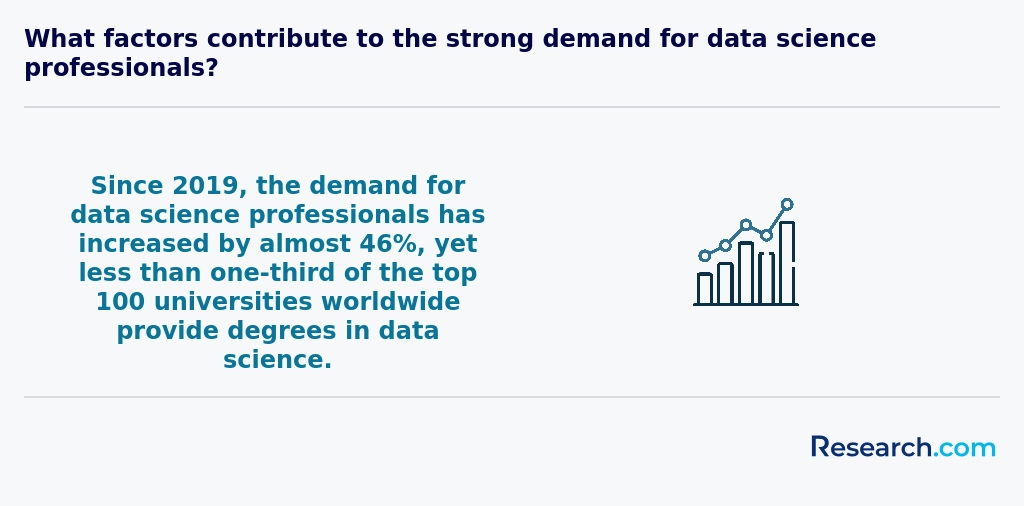
Many students pursuing data science degrees in Wisconsin find crucial support through a variety of financial aid options that make the journey more manageable. For instance, graduates from the University of Wisconsin-Madison often recall how the Federal Pell Grant, which can provide up to $7,395 annually, covered much of their tuition costs without repayment worries. This grant is a lifeline for those demonstrating financial need.
State aid programs, such as the Wisconsin Tuition Grant for private nonprofit colleges and the Wisconsin Higher Education Grant for public institutions, also play a vital role. Students at Milwaukee School of Engineering appreciate these awards for narrowing financial gaps, especially when combined with merit-based scholarships tailored to STEM fields like data science.
Many have also benefited from subsidized federal loans and flexible repayment plans, easing the burden after graduation. Work-study roles related to research labs and IT departments have not only supplemented income but enriched their practical experience, creating a balance of learning and earning that resonates deeply with those passionate about their field.
Wisconsin’s data science programs are not only committed to academic excellence but also to fostering diverse and inclusive learning environments that enrich the student experience. Many institutions actively promote equity by creating mentorship programs, hosting multicultural events, and offering resources that support underrepresented groups in STEM. Students frequently highlight how the vibrant campus culture helps them build strong networks that extend beyond the classroom and into the professional world. Such inclusive atmospheres enhance collaboration, spark innovative ideas, and prepare graduates to thrive in diverse workplaces. Additionally, for prospective students focused on affordability while seeking a supportive community, exploring the cheapest data science schools in wisconsin can be an excellent starting point. By prioritizing diversity and inclusion, Wisconsin’s data science programs not only advance academic achievement but also empower students to become empathetic, well-rounded professionals ready to make meaningful contributions in today’s global work environment.
Enrolling in a data science program in Wisconsin means building a strong foundation in math and programming-essentials that graduates from universities like the University of Wisconsin-Madison often reflect on as crucial to their success. Many incoming students recall how mastering algebra, geometry, and calculus in high school set the stage for handling complex algorithms later on. The emphasis on standardized tests like the SAT or ACT varies, with some Wisconsin schools valuing them and others adopting test-optional policies, which can ease stress for some applicants.
For those eyeing master's programs, having a bachelor's degree in a related field is a common prerequisite. Graduates from institutions such as Marquette University often highlight how prior classes in Python, statistics, and probability helped them transition smoothly. Additionally, real-world experience in analytics or programming can make a significant difference, especially for working professionals pursuing executive programs. This mix of academic preparation and practical insight is what Wisconsin educators appreciate most in candidates.

In Wisconsin, data science degree programs typically offer a well-rounded mix of courses that build both practical skills and theoretical knowledge. Graduates from the University of Wisconsin-Madison often recall how foundational classes like Introduction to Data Science and Statistics and Probability helped them grasp the essential principles behind data analysis, setting a strong base for more advanced topics.
Programming languages such as Python and R are consistently emphasized, reflecting industry demands and enabling students to turn raw data into actionable insights. At Marquette University, many students appreciated courses in Data Mining and Machine Learning, where they learned to identify patterns in complex datasets-a skill critical in real-world problem-solving within healthcare or finance sectors.
Hands-on courses like Database Management and Data Visualization teach students tools like SQL and Tableau, which proved invaluable for graduates facing the task of transforming technical results into clear business decisions. Wisconsin's focus on ethics reminds students to responsibly navigate privacy concerns, a lesson echoed frequently by alumni working in data-sensitive industries.
Data science degree specializations in Wisconsin are thoughtfully designed to match diverse career paths and interests. Graduates from well-known institutions like the University of Wisconsin-Madison often speak highly of the Machine Learning and Artificial Intelligence track, which brings algorithms to life in real-world applications such as predictive healthcare models and smart manufacturing processes. Another favored path is Business Analytics and Data Strategy, where students focus on data-driven decision-making in Wisconsin's strong manufacturing and service sectors, finding the curriculum both relevant and stimulating.
Those drawn to health sciences appreciate the Bioinformatics and Health Data Science specialization, leveraging Wisconsin's renowned medical research environment. Handling vast information flows, Big Data Technologies are increasingly valued, equipping students to work with Hadoop and Spark in practical settings. Likewise, Data Engineering stands out for students excited to architect the data infrastructure critical to any project's success. For those curious about costs, exploring the Affordable Data Science Degree Programs Ranking in Wisconsin can help balance quality and tuition considerations.
Choosing a specialization here means engaging with a curriculum that reflects Wisconsin's evolving economic landscape while gaining experience through internships and real projects, making the learning deeply rewarding and applicable.
Choosing the best data science degree in Wisconsin means balancing several factors that truly matter to your future. Graduates from the University of Wisconsin-Madison often highlight the strength of its STEM reputation and the access to hands-on research as key reasons for their success. Since affordable tuition plays a big role, especially for in-state students, considering public universities in Wisconsin can make a significant financial difference without sacrificing quality. Many students appreciate programs that allow specialization-whether in machine learning, business analytics, or healthcare-because tailoring studies to personal interests boosts motivation and employability. Wisconsin's data science job market, particularly in Milwaukee and Madison, benefits from programs that connect students with internships and career services, turning academic experience into real-world opportunities. Working professionals often favor flexible, online, or hybrid formats that fit busy lives. For those starting out or seeking to switch fields, a fast-track associates degree may be an excellent stepping stone within this landscape of best data science degree programs in Wisconsin.
Overall, graduates emphasize that thoughtful alignment between program reputation, cost, curriculum, and career support leads to rewarding outcomes and a fulfilling educational journey in affordable data science colleges Wisconsin has to offer.
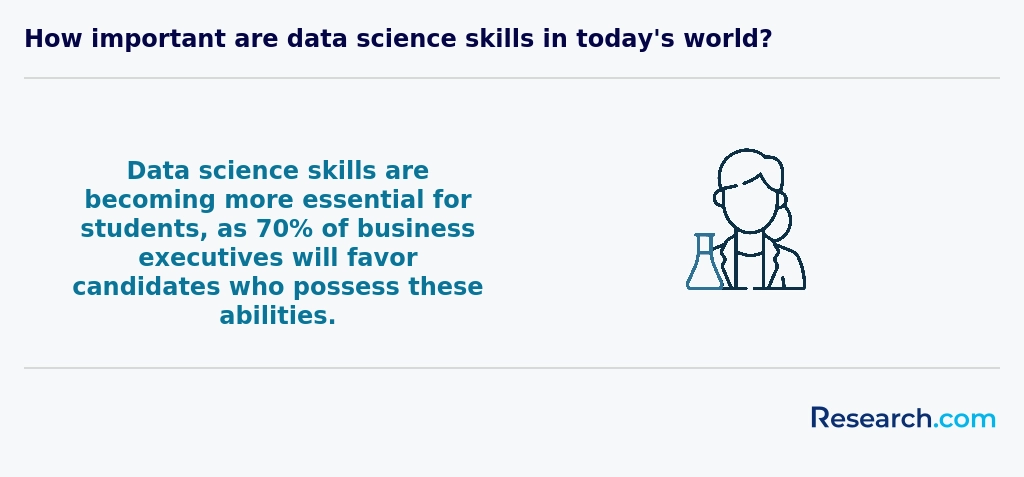
Graduates from well-known Wisconsin institutions often find that data science career opportunities in Wisconsin extend across several key industries, offering rewarding roles grounded in practical application. For example, individuals from universities in Madison and Milwaukee frequently enter healthcare organizations where data-driven insights directly impact patient care, creating a sense of fulfillment through meaningful contributions. Others leverage their skills in manufacturing hubs that value predictive analytics to streamline processes, providing satisfaction from tangible efficiency improvements.
Jobs for data science graduates in Wisconsin also flourish in the finance and agriculture sectors, where careful data interpretation aids decision-making and innovation. The diversity of roles-from data analyst positions at financial firms to work in precision farming technologies-reflects the state's economic variety and the high demand for versatile data professionals. Many students have noted that their hands-on experience during studies helped them appreciate the broad applicability of their learning.
For those exploring pathways beyond traditional degree programs, Wisconsin offers alternatives such as online college courses for seniors, opening doors to continued growth and development in data science regardless of age or location.
The data science job outlook Wisconsin offers is promising, especially for graduates from institutions like the University of Wisconsin-Madison or Marquette University. These schools provide not only strong theoretical foundations but also practical experiences through internships and cooperative education, which many graduates credit for easing their entry into roles in Milwaukee's healthcare systems or Madison's tech startups. The demand for data science professionals spans across sectors such as manufacturing and finance, where graduates apply skills in Python, machine learning, and data visualization to solve real-world problems.
Many graduates share that the job market's vitality stems from Wisconsin's diverse economy and the concentration of data-driven companies in its metropolitan hubs. This environment creates abundant opportunities, making it easier to find roles that offer competitive salaries between $90,000 and $120,000. For students contemplating whether advanced study fits their goals, it's worth exploring resources that address questions like do all doctorates require a dissertation, helping them plan the right educational path.
Understanding data science career opportunities in Wisconsin involves recognizing how local industries leverage data analytics to improve operations and decision-making. Graduates often find themselves applying their expertise in government agencies or financial firms, addressing challenges like predictive maintenance or fraud detection. The regional focus on fostering talent through university collaborations ensures ongoing growth, making Wisconsin a fertile ground for aspiring data scientists.
2027 Most Popular Data Science Degree Programs Ranking in Wisconsin
Investing in your education is a significant decision that can greatly influence your future, and the Research.com team recognizes the importance of providing accurate and reliable information to support this process. To help prospective students navigate their options, we have carefully developed the "2027 Most Popular Data Science Degree Programs Ranking in Wisconsin." Our dedication to quality, credibility, and accuracy is demonstrated through rigorous research and thorough analysis.
We utilized the following reputable data sources to compile this ranking:
By exploring this ranking, readers will obtain valuable insights into the leading data science degree programs in Wisconsin, empowering them to make well-informed decisions about their educational journey. For further information on how this ranking was created, please visit our Research.com methodology page.

# 2 position
University of Wisconsin-Milwaukee
Master of Science in Data Science and Applied Artificial Intelligence


Frequently Asked Questions About data science
Data science degree students in Wisconsin can maximize their learning experience by engaging deeply with both theoretical and practical coursework. Wisconsin offers access to strong university programs such as those at the University of Wisconsin-Madison, which is ranked among the top 30 data science schools nationally by US News & World Report (2024).
Students should seek internships with local companies in Milwaukee and Madison, where the demand for data professionals has grown by 15% annually, according to the Wisconsin Department of Workforce Development (2023). Practical experience enhances understanding of machine learning, big data, and analytics skills.
Participating in research projects or faculty-led labs can sharpen analytical and problem-solving skills. Students are encouraged to join data science clubs and attend regional conferences like the Wisconsin Data Science Symposium to network and stay updated on industry trends.
Utilizing online resources and certification programs related to Python, R, and SQL can also build technical expertise, complementing Wisconsin's curriculum focused on applied data science skills.
Data science is evolving rapidly, creating several emerging niches that are gaining attention within Wisconsin's academic and professional communities. One growing area is healthcare data analytics, driven by the state's expanding medical research sector and institutions like the University of Wisconsin System. This niche focuses on analyzing large healthcare datasets to improve patient outcomes and operational efficiency.
Another important niche is environmental data science, relevant due to Wisconsin's commitment to sustainability. This field uses data to model climate change impacts and manage natural resources more effectively.
Additionally, financial data science is thriving in Milwaukee's growing fintech industry, where professionals develop predictive models for risk and investment strategies.
These niches reflect broader national trends highlighted by the Bureau of Labor Statistics and local university research centers.
After completing a data science degree in Wisconsin, preparing for the job market involves combining technical skills with practical experience. Employers in Wisconsin value candidates proficient in programming languages like Python and R, as well as knowledge of machine learning and statistical analysis. It is essential to build a strong portfolio through internships or project-based work, which many universities facilitate through partnerships with local companies.
Networking also plays a key role. Joining professional groups such as the Wisconsin Data Science Consortium or attending local tech meetups can provide valuable connections. According to the Wisconsin Department of Workforce Development, data-related jobs grew by 12% from 2019 to 2023, highlighting the expanding opportunities in the state.
Familiarity with business domains relevant to Wisconsin's industries, including healthcare and manufacturing, further enhances employability. Additionally, obtaining certifications like Certified Data Scientist or advanced analytical training can set candidates apart.
Employers in Wisconsin value a combination of technical expertise and practical skills when hiring data science graduates. Key technical skills include proficiency in programming languages such as Python and R, which are essential for data analysis and modeling. Knowledge of SQL for database management is also crucial.
Analytical thinking and problem-solving abilities rank highly, as companies seek graduates who can interpret complex datasets to drive business decisions. According to the Wisconsin Department of Workforce Development, demand for these skills has increased by 12% annually in recent years.
Additionally, communication skills are vital. Employers want data scientists who can clearly explain technical results to non-technical stakeholders. Familiarity with machine learning techniques and data visualization tools further enhances employability in Wisconsin's growing technology and manufacturing sectors.
Finding data science internships in Wisconsin involves exploring opportunities through university career centers and online job platforms. Many Wisconsin institutions like the University of Wisconsin-Madison offer dedicated internship programs and partnerships with local tech firms, government agencies, and healthcare organizations. According to the Wisconsin Department of Workforce Development, Madison and Milwaukee are hubs for data-related roles, increasing internship availability in sectors like finance, manufacturing, and biotech.
Students should also attend industry events and use networking platforms such as LinkedIn to connect with employers focused on data analytics and machine learning. Applying early and tailoring resumes to emphasize relevant skills is crucial in this competitive market.
A data science degree significantly enhances career mobility and advancement opportunities in Wisconsin. The state's growing tech industry, especially in cities like Milwaukee and Madison, increasingly demands skilled data professionals. According to the Wisconsin Department of Workforce Development, employment in data-related occupations is expected to grow about 15% between 2020 and 2030, faster than the average for all jobs.
Holding a data science degree opens doors to diverse sectors, including healthcare, manufacturing, and finance, all vital to Wisconsin's economy. Graduates typically report higher starting salaries, often exceeding $70,000 annually, reflecting strong market demand. Additionally, advanced degrees provide crucial skills in machine learning, statistics, and programming, which employers value for leadership roles and specialized tasks.
Overall, earning a data science degree in Wisconsin can accelerate professional growth, offering access to expanding job markets and promotion pathways supported by regional industry trends and labor data.
Studying for a data science degree in Wisconsin equips students with skills that cross traditional academic boundaries, preparing them for diverse interdisciplinary roles. Programs typically blend computer science, statistics, and domain-specific knowledge, enabling graduates to apply data-driven solutions in fields like healthcare, agriculture, and finance.
Many Wisconsin universities emphasize collaboration with industries such as manufacturing and biotechnology, reflecting the state's economic landscape. For instance, the University of Wisconsin-Madison integrates projects with local companies, enhancing practical experience. According to the Wisconsin Department of Workforce Development, demand for professionals who can analyze and interpret complex data across sectors is expected to grow by over 15% by 2030.
This focus on applied learning and cross-sector expertise gives students a competitive edge to work in interdisciplinary teams, where data science methods inform decision-making and innovation.
Choosing between a thesis and a non-thesis data science degree program in Wisconsin depends on your career goals and learning preferences. A thesis option typically requires original research and can prepare students for roles in research or academic fields. It may also enhance applications for doctoral programs. Conversely, non-thesis programs focus more on practical skills through coursework and projects, appealing to those targeting industry jobs.
According to the Wisconsin Department of Public Instruction, data science roles in the state have grown 17% since 2019, emphasizing both analytical skills and applied knowledge. Cost, time commitment, and faculty mentorship availability are also important considerations when deciding between the two paths.
Students based in Wisconsin interested in studying data science abroad have several pathways facilitated through U.S. higher education institutions. Many Wisconsin universities, such as the University of Wisconsin-Madison, offer exchange programs or partnerships with international universities, allowing students to study data science curricula overseas while earning credits toward their degree. According to NAFSA, a leading association on international education, nearly 20% of Wisconsin students participate in study abroad programs, often selecting destinations with strong technology and analytics sectors.
Popular countries for data science study abroad include the United Kingdom, Germany, and Canada, which provide rigorous programs aligned with U.S. academic standards. These opportunities enable Wisconsin students to gain global perspectives and technical skills in data analysis, machine learning, and statistics.
Financial assistance such as Gilman Scholarships can support eligible students from Wisconsin in pursuing these international experiences. Given data science's rising demand-projected 36% growth nationwide by 2031 (BLS)-gaining global exposure can enhance competitive advantage.
Students pursuing data science degrees in Wisconsin have numerous part-time job opportunities that can enhance their education. Roles such as data analyst interns, research assistants, and IT support positions are common in universities and tech companies throughout the state.
Wisconsin's growing data economy, particularly in Milwaukee and Madison, offers internships with firms specializing in healthcare analytics, manufacturing, and finance. According to the Wisconsin Department of Workforce Development, the state saw a 12% increase in demand for data-related roles between 2020 and 2023.
Additionally, many students find valuable experience working with local government agencies on data collection and reporting projects. These positions help develop practical skills in programming languages like Python and software such as Tableau, which are frequently incorporated in data science curricula.
Data science students in Wisconsin have several valuable networking opportunities through university-affiliated events and local industry groups. Institutions such as the University of Wisconsin-Madison and Marquette University host regular data science seminars and career fairs, attracting companies looking to hire graduates. According to the Wisconsin Technology Council, the state's tech sector grew by over 10% in recent years, increasing demand for data expertise and fostering networking events.
Additionally, organizations like the Wisconsin Data Science Forum provide platforms for students to connect with professionals via workshops and conferences. These opportunities help students build relationships, gain industry insights, and access internships. Students can also engage with Meetup groups that focus on data science and analytics in cities like Milwaukee and Madison, further expanding professional networks.
Alumni networks play a crucial role in supporting data science degree students in Wisconsin. These networks offer valuable opportunities for mentorship, connecting current students with graduates who have experience in the field. This guidance helps students navigate internships and job searches effectively.
In Wisconsin, institutions like the University of Wisconsin system maintain active alumni groups that host career events and workshops tailored to data science. According to the National Association of Colleges and Employers (NACE), 70% of jobs are found through networking, showing the advantage of being part of a strong alumni community.
Additionally, alumni networks facilitate access to industry insights and emerging trends, especially important in a fast-evolving field like data science. This helps students stay updated and competitive as they enter the workforce.
Customizing a data science degree in Wisconsin allows students to align their education with specific career goals. Many universities offer elective courses in areas like machine learning, business analytics, or bioinformatics, enabling tailored skill development. Internships and research projects with local industries-including manufacturing and healthcare-provide practical experience relevant to Wisconsin's economic sectors. According to the Wisconsin Department of Workforce Development, data science roles are growing annually by over 15%, making specialization valuable. Additionally, some programs support certificates or minors in related fields such as computer science or statistics, enhancing employability. This flexibility helps students create a degree pathway that meets their professional ambitions.
Data science students in Wisconsin often face several challenges related to the rapidly evolving nature of the field. One common difficulty is keeping up with the latest tools and programming languages, as the industry demands proficiency in Python, R, SQL, and machine learning frameworks.
Access to real-world datasets can also be limited, which affects hands-on learning. Although universities partner with local businesses, students still report a shortage of diverse, large-scale data for practice.
Financial constraints pose another barrier; according to the Wisconsin Center for Education Research, tuition and living costs remain significant concerns for many.
Lastly, competition for internships and job placements is strong, with Milwaukee and Madison hosting most tech opportunities, requiring students to be proactive and network intensively.
Graduates with a data science degree in Wisconsin can pursue several professional certifications to enhance their qualifications. Popular options include the Certified Analytics Professional (CAP), which is widely respected in the US analytics industry for validating analytical skills. Another valuable certification is the Microsoft Certified: Azure Data Scientist Associate, reflecting expertise in cloud-based data science tools.
The Certified Data Scientist credential offered by the Data Science Council of America (DASCA) is also recognized nationally. These certifications help candidates stand out in Wisconsin's competitive job market, where demand for data professionals has grown over 15% since 2020, according to the Wisconsin Department of Workforce Development.
Choosing the right certification depends on career goals, as some are more technically focused while others cover broader analytic skills.
When applying for a data science program in Wisconsin, start by thoroughly researching the specific schools and their admission requirements. Programs often look for strong backgrounds in math, statistics, and computer science, so highlight relevant coursework and experience clearly in your application. Wisconsin's data science degrees, such as those at the University of Wisconsin-Madison, emphasize practical skills, so include any projects or internships that demonstrate your ability to analyze real-world data.
Personal statements should articulate your goals and explain why Wisconsin's program is the right fit. According to the National Center for Education Statistics, Wisconsin awarded over 150 data-related degrees in 2022, reflecting growing local interest. Finally, good letters of recommendation from professors or employers familiar with your analytical skills can strengthen your application significantly.
Data science careers are increasingly recognized worldwide for their critical role in decision-making and innovation. In the United States, including Wisconsin, demand for skilled data scientists is expected to grow by 31% from 2021 to 2031, according to the U.S. Bureau of Labor Statistics. This reflects a global trend of organizations relying on data-driven insights across industries.
Globally, data science professionals are valued for their ability to analyze complex datasets and support strategic initiatives. Wisconsin universities align their programs with these international standards, emphasizing practical skills and the ethical use of data.
Graduates from Wisconsin's data science degrees often find opportunities in both local and global markets, responding to a competitive and evolving workforce requiring proficiency in machine learning, statistics, and programming.
Gaining practical experience while studying for a data science degree in Wisconsin is crucial for career readiness. Many universities encourage internships with local companies in industries such as healthcare, manufacturing, and finance, all vital sectors in Wisconsin's economy. For example, the University of Wisconsin System reports that 65% of data science students complete internships before graduation.
Students can also participate in research projects under faculty supervision, offering hands-on experience with real datasets. Additionally, Wisconsin hosts data science competitions and hackathons promoting collaboration and skill sharpening.
Joining student organizations focused on analytics or programming helps build teamwork and leadership skills relevant to data science roles.
Networking events and Wisconsin's growing tech community provide valuable industry connections and job leads.
Choosing the right concentration within a data science degree program in Wisconsin requires careful consideration of your career goals and local industry demands. Wisconsin universities offer diverse specializations such as machine learning, big data analytics, and business intelligence. According to the Wisconsin Department of Workforce Development, jobs in data analytics and business intelligence are expected to grow by 15% through 2030, making these concentrations highly relevant.
Investigate which sectors are prominent in Wisconsin, like manufacturing, healthcare, and finance, that increasingly rely on data science skills. Aligning your concentration with these industries can improve job prospects.
Additionally, review course content and faculty expertise at specific institutions to ensure the program matches your interests and learning style.
- 2027 Most Popular Data Science Degree Programs Ranking in Minnesota
- 2027 Most Popular Data Science Degree Programs Ranking in Michigan
- 2027 Most Popular Data Science Degree Programs Ranking in Missouri
- 2027 Most Popular Data Science Degree Programs Ranking in Ohio
- 2027 Most Popular Data Science Degree Programs Ranking in Pennsylvania
- 2027 Most Popular Data Science Degree Programs Ranking in Florida
- 2027 Most Popular Data Science Degree Programs Ranking in New York
- 2027 Most Popular Data Science Degree Programs Ranking in Massachusetts
- 2027 Most Popular Data Science Degree Programs Ranking in Texas
- 2027 Most Popular Data Science Degree Programs Ranking in Arizona
See What Experts Have To Say About Studying Data Science
Read our interview with Data Science experts

- Data Science Classes vs. Traditional College Programs: Which Gets You Hired Faster in 2025? https://onlineaitraining.com/blog-data-science-classes-vs-college
- The Future Landscape of Data Science Careers You Need to Know - CertLibrary Blog https://www.certlibrary.com/blog/the-future-landscape-of-data-science-careers-you-need-to-know/
- Uncovering Data Science: Skills, Careers and Education https://www.databricks.com/blog/uncovering-data-science-skills-careers-and-education
- Data Science vs Traditional Degrees: Which Career Path is Better in 2026? https://www.shalyam.com/blog/@Neha%20N./data-science-vs-traditional-degrees/
- Data Science Placements/Internships | Gradcracker - Careers for STEM Students https://www.gradcracker.com/search/computing-technology/data-science-work-placements-internships
- Alumni Network Matching Powered by Machine Learning and Human Insights | Joinee Articles https://www.joinee.io/articles/alumni-network-matching
- My journey into data science https://benjack.io/my-journey-into-data-science/
- How Can an Aspiring Data Scientist Find and Work on Real-World Projects? https://www.datagrads.com/how-can-an-aspiring-data-scientist-find-and-work-on-real-world-projects/
- Data Scientist Jobs in Poland | Hays Technology https://www.hays.pl/en/web/hays-pl-technology/data-science-jobs
- What is Data Science? Complete Guide to Learn Data Science | Walbrook https://www.walbrook.ac.uk/subjects/data-science/data-science-degree-study-guide/


