2027 Most Valuable Data Science Degree Programs Ranking in the Midwest

Co-Founder and Chief Data Scientist
Choosing the right data science degree program can shape your future career and open doors to exciting opportunities. This article introduces the 2027 Most Valuable Data Science Degree Programs Ranking in the Midwest, carefully created by the Research.com team of data scientists.
The ranking helps students like you identify programs that stand out for quality and value. By exploring this guide, you'll gain insights to make a confident, informed choice.
Embarking on a data science journey can bring personal growth and rewarding challenges. Let this ranking be your trusted companion as you plan your path forward.
Key benefits of getting data science degree in the Midwest
- Data science degree graduates in the Midwest can expect strong earning potential, with roles like Data Consultant earning a mean annual wage of $119,040 and Database Administrators making about $104,810.
- Career paths are diverse, ranging from Data Analysts earning around $66,670 to Marketing Analysts with a mean salary of $83,190, offering flexibility and exciting opportunities after graduation from schools like the University of Illinois Urbana-Champaign.
- Online data science degrees from reputable Midwestern universities, such as Michigan State University, provide flexibility and convenience while preparing graduates for competitive salaries and varied careers without sacrificing education quality.
- 2027 Most Valuable Data Science Degree Programs Ranking in the Midwest
- What can I expect from data science degree in the Midwest?
- Where can I work with data science degree in the Midwest?
What can I expect from data science degree in the Midwest?
When planning your data science degree in the Midwest, the average in-state tuition cost at public universities typically falls between $10,000 and $15,000 annually. Graduates from institutions like the University of Michigan and the University of Illinois Urbana-Champaign often remark on how affordable tuition helped them manage expenses without overwhelming debt. This cost-effective education allows students to focus on mastering skills such as Python programming, machine learning, and data visualization without constant financial pressure.
Many students find value in the balance of moderate class sizes and strong faculty engagement, which enhances their learning experience and helps build meaningful connections for internships. For example, during their capstone projects, students collaborate with local Chicago or Minneapolis businesses, gaining practical experience that complements affordable tuition fees.
Choosing a Midwest program not only means reasonable costs but also access to a diverse economy that supports data science careers. These factors give students confidence that their investment in education aligns with solid job market opportunities nearby.
Where can I work with data science degree in the Midwest?
Graduates with a data science degree from Midwestern universities like the University of Michigan or the University of Illinois often find abundant job opportunities across sectors such as manufacturing, healthcare, and finance. For instance, many alumni secure roles in Chicago's financial hubs, working at firms like JPMorgan Chase where they analyze complex datasets to guide investment strategies.
Others report landing positions at healthcare institutions like the Mayo Clinic, where their work in machine learning directly improves patient treatment plans. Practical experience gained through internships and projects at Midwestern schools makes this transition smoother by providing hands-on skills with real-world data.
Manufacturing-centric cities like Detroit offer data science roles focused on optimizing automotive production for companies such as Ford, combining technical data expertise with industry knowledge. Startups in Ann Arbor and Madison also welcome graduates eager to innovate in AI-driven product development, offering dynamic environments to apply skills creatively.
By targeting these thriving sectors and cities while leveraging local university networks, graduates build rewarding careers that reflect the growing demand for data-driven decision-making in the Midwest economy.
Graduates from Midwest universities with data science degrees typically start in roles like data analyst or marketing analyst, earning mean annual wages of about $66,670 and $83,190 respectively, according to the U.S. Bureau of Labor Statistics. For example, a recent graduate from the University of Illinois at Urbana-Champaign shared how their initial position as a data analyst in Chicago paid around $70,000, aligning well with these figures.
With experience, many move into more specialized roles such as data consultant or database administrator. The mean annual salary for data consultants is approximately $119,040, while database administrators make about $104,810. Graduates from Michigan State University have reported that securing internships through the university's strong regional connections often leads to these higher-paying roles. Their practical skills in machine learning and data software development directly contribute to these elevated salaries.
Midwestern cities offer a compelling mix of competitive pay and lower living costs compared to coastal areas, enhancing overall financial comfort for recent graduates entering these positions. This makes pursuing a data science degree in this region a promising investment for those seeking both strong earnings and quality of life.
- Public universities in the Midwest typically charge between $10,000 and $18,000 per year for in-state tuition, while private schools often exceed $30,000 annually.
- Starting salaries for data science graduates range from $65,000 to $75,000, with higher pay in cities like Chicago and Minneapolis.
- Mid-career data scientists in the Midwest can earn between $100,000 and $120,000 annually.
- Employment for computer and information research scientists is projected to grow 21% from 2021 to 2031, faster than most occupations.
- Key industries hiring data scientists in the Midwest include healthcare, manufacturing, finance, and technology.
- Many Midwest universities offer internships and partnerships with local businesses to connect students to job opportunities.
A data science degree in the Midwest usually takes between one and four years to complete, depending on the program level and enrollment pace. For example, a bachelor's degree typically requires four years of full-time study at institutions like the University of Illinois Urbana-Champaign, where graduates often share how steady progress and campus resources helped them stay motivated.
Graduate students at universities such as the University of Michigan report completing master's degrees in 12 to 24 months when attending full-time. Many appreciate the flexibility of part-time or online options, which allow them to balance work and study, even if it extends the timeline. Some accelerated master's programs enable completion in as little as one year but demand strong discipline and time management.
Doctoral studies, favored by those at research-driven universities, usually require four to six years due to their intensive research focus. Students emphasize the value of this time investment for long-term career goals in academia or advanced data roles.
Online data science degrees in the Midwest suit those who need flexibility-working professionals or parents, for example-allowing study from anywhere without relocating. Graduates from online programs at schools like Michigan State appreciate how they balanced coursework with jobs and family, despite missing in-person contact.
On the other hand, on-campus programs, such as those at the University of Illinois Urbana-Champaign, offer rich, hands-on experiences with lab access and face-to-face mentoring. Midwest students attending in person highlight the benefit of building professional networks through group projects and campus events, which can jumpstart careers.
Cost differs: in-state tuition for on-campus data science bachelor's programs typically runs $10,000-$15,000 annually, with out-of-state rates significantly higher. Online programs often reduce costs by eliminating housing and commuting fees, though tuition may be similar. Online learners need strong self-discipline, while on-campus students benefit from structured schedules and immediate feedback from professors.
Understanding the full cost of a Data Science degree is essential when evaluating the value of your educational investment in the Midwest. This section provides a detailed look at tuition fees, additional expenses, and projected returns, ensuring that prospective students have a comprehensive picture of both the upfront costs and long-term benefits. Tuition for on-campus programs at renowned Midwestern universities can vary significantly. For example, public institutions such as the University of Wisconsin–Madison or the University of Illinois at Urbana-Champaign typically offer competitive rates, with annual tuitions ranging from $10,000 to $15,000 for in-state students and higher fees for out-of-state learners. Private or specialized programs may exceed these figures, reflecting enhanced resources or specialized courses. Beyond tuition, additional costs include application fees, accommodation, textbooks, and technology fees. Many students find that these ancillary expenses add up, influencing the overall affordability of a program. When comparing different schools, it’s important to factor in these expenses alongside potential financial aid opportunities, which can substantially offset the cost load. Return on investment (ROI) analysis also plays a pivotal role. Graduates can expect competitive starting salaries-with Data Analysts averaging around $66,440 annually-and a significant potential for upward career mobility. Over time, these initial expenses are often recouped through salary growth and career advancement. Moreover, the robust job market in the Midwest-with a growing demand for data science professionals across diverse industries-provides further assurance that the initial costs translate into strong long-term financial returns. By weighing both the immediate costs and the long-term benefits, prospective students can make more informed decisions that align with their career aspirations and financial goals, ensuring that the chosen program delivers not only academic excellence but also a sound investment for the future.
The average cost of getting a data science degree in the Midwest varies significantly depending on residency, institution type, and program format. For in-state students at public universities, the median total tuition fees for Midwest data science programs hover around $15,572. This presents a manageable investment for many, especially when compared to out-of-state students, whose median costs rise sharply to approximately $46,551. Graduates from schools like the University of Illinois or Ohio State often reflect on how careful budgeting made the difference in managing expenses within these ranges.
Private universities, including well-known Midwest institutions like Northwestern and the University of Chicago, typically push these costs higher. While median total expenses can reach up to $46,551 or beyond, students often find relief through scholarships and financial aid, making the experience feel more accessible and rewarding despite the steeper sticker price.
Another viable option to consider is online or hybrid data science programs, especially if you balance work and study. For example, the University of Wisconsin-Madison offers an online Master of Data Science with tuition charged per credit, resulting in a total around $36,000 for the full degree. This flexibility can reduce indirect costs like housing and transportation, appealing to many pragmatic planners.
Additional living expenses-such as housing, textbooks, and transportation-should also factor into your budget. When planning your investment, it helps to review detailed rankings like the Inexpensive Data Science Degree Programs Ranking in the Midwest to find programs that align with both your financial capability and educational goals.

Students pursuing data science degrees in the Midwest often find relief through multiple financial aid options tailored to their needs. Many start by submitting the FAFSA to access federal aid, including Pell Grants that can cover up to $7,395 a year, which was a lifesaver for several graduates from the University of Michigan's Statistics Department. This grant especially helps those balancing tight budgets and ambitious academic goals.
State-specific programs also play a big role. For example, Illinois residents attending Illinois-based colleges can benefit from the Monetary Award Program (MAP), while Ohio students often turn to the College Opportunity Grant. These state-funded aids complement federal assistance and reduce financial stress.
At the university level, merit-based scholarships and assistantships offer both recognition and financial support. Many students working as teaching or research assistants in data science at schools like the University of Wisconsin have found these roles rewarding, providing tuition remission plus a stipend to cover living expenses.
Working professionals often tap employer tuition assistance programs, with companies such as Ford providing substantial support for continuing education in relevant fields. Additionally, private scholarships focused on technology or underrepresented groups in STEM are available through platforms like Fastweb, helping students reach their degree goals with less financial burden.
When evaluating the true value of a Data Science degree, it’s essential to balance tuition costs, potential debt, and post-graduation earnings. On average, Midwest programs charge between $25,000 and $40,000 per year for in-state residents, with total tuition ranging from $75,000 to $120,000 for a bachelor’s degree. Meanwhile, the mean starting salary for graduates hovers around $66,440 annually, translating to a payback period of just 1.5 to 2 years for those who secure entry-level positions immediately after graduation. Key factors driving ROI: • Program Cost vs. Earnings: Schools with higher tuition often boast stronger corporate partnerships and career services, leading to above-average placement rates (85–92%) and starting salaries up to $75,000. • Debt-to-Income Ratio: Graduates who finance their education through a mix of scholarships, grants, and federal loans typically graduate with $20,000–$30,000 in debt-well below the national average for STEM fields. • Break-Even Analysis: Considering living expenses in affordable Midwestern cities, graduates can expect to recoup their investment within three years of full-time employment. • Affordable Alternatives: For budget-conscious students, the Inexpensive Data Science Degree Programs Ranking in the Midwest highlights cost-effective programs that still deliver robust curricula, strong faculty engagement, and solid internship pipelines. By scrutinizing both direct costs and long-term earnings potential, prospective students can choose a program that maximizes career outcomes while minimizing financial risk.
If you're aiming for a data science degree in the Midwest, start by securing a strong math foundation. Graduates from public universities here often recall how mastering algebra, calculus, and statistics was key-these subjects are typically required before you even get into specialized courses. For example, at large state universities, completing these prerequisites lets you confidently tackle programming classes in Python or R, essential tools in data science.
Many bachelor's programs expect you to have a solid high school GPA and competitive SAT or ACT scores, but test-optional policies are easing that pressure. A graduate from a Midwest technical college shared how prior exposure to computer science basics, even from free online classes, made entering their program smoother and more enjoyable.
For master's degrees, Midwest students usually hold a related bachelor's-like in math or engineering-and have taken courses in linear algebra or probability beforehand. Submitting GRE scores, letters of recommendation, and a clear statement of purpose is often part of the process. Thinking practically, investing time in these steps upfront, especially at programs popular in the region, can substantially boost your confidence and admission success.
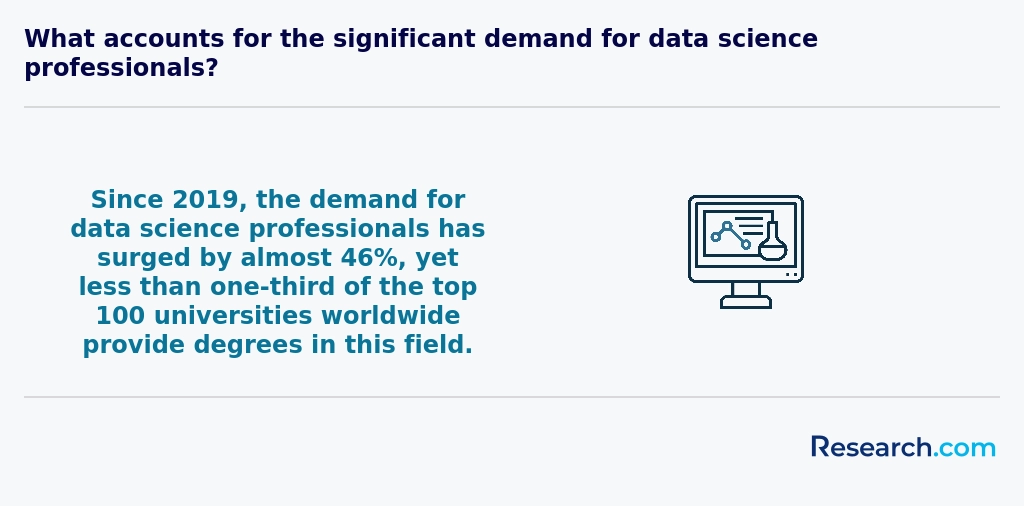
Midwest data science programs typically include core courses that build a strong foundation in both theory and practical skills. You'll start with Introduction to Data Science, learning how to collect, clean, and visualize data-essential steps before any real analysis. Next, Statistics and Probability courses teach you how to interpret data patterns and make predictions with confidence.
Programming is essential, so expect classes in Python and R that prepare you for manipulating complex datasets. Machine Learning courses will deepen your understanding of algorithms that predict outcomes, a crucial skill in industries like manufacturing or healthcare, which thrive in the Midwest.
Many students at schools like the University of Illinois Urbana-Champaign share how Database Management classes help them handle large volumes of data efficiently. Practical courses in Data Visualization teach you to present insights clearly using tools like Tableau, a skill highly valued by employers in finance and agriculture sectors here.
Data science degree specializations Midwest programs commonly include machine learning, business analytics, artificial intelligence, and data engineering. Graduates from universities like the University of Illinois Urbana-Champaign often highlight how the machine learning track sharpened their skills in developing predictive algorithms, giving them confidence in the job market. Similarly, students focusing on business analytics at Ohio State University gain hands-on experience with data visualization and statistical tools, which proved invaluable for solving real business challenges.
Artificial intelligence specializations, such as those at the University of Minnesota, dive into neural networks and computer vision, areas graduates recall as both challenging and rewarding. These skills align well with emerging Midwest industries like healthcare and robotics. For those interested in infrastructure, Purdue University's data engineering focus equips students with the practical know-how to manage large-scale data systems efficiently.
Choosing the right Midwest data science concentration options means aligning your interests with programs that reflect local industry demands. Many find additional value through financial aid or programs like best accelerated online associate degrees when balancing studies and work.
Start by verifying accreditation through agencies like the Higher Learning Commission; graduates from the University of Michigan and Northwestern University often praise the value this adds to their degrees. Look closely at the curriculum-programs that blend computer science, statistics, and hands-on machine learning projects better prepare students for real-world challenges, a common praise among alumni of University of Illinois Urbana-Champaign. If cost is a concern, prioritize affordable data science degrees in Midwest public universities where in-state tuition averages around $11,000, and explore assistantships or scholarships to lighten financial burdens.
Assess job placement rates too, especially in Illinois, Ohio, and Minnesota, where tech firms actively recruit locally. Many graduates find valuable internships through campus-industry partnerships in cities like Chicago. Consider location and flexibility; metropolitan areas offer vibrant networking, but smaller towns can provide a lower cost of living. Finally, explore part-time or online options if working while studying is in your plan. For additional financial perspective, review bachelor degrees that make the most money to align your choice with career goals.
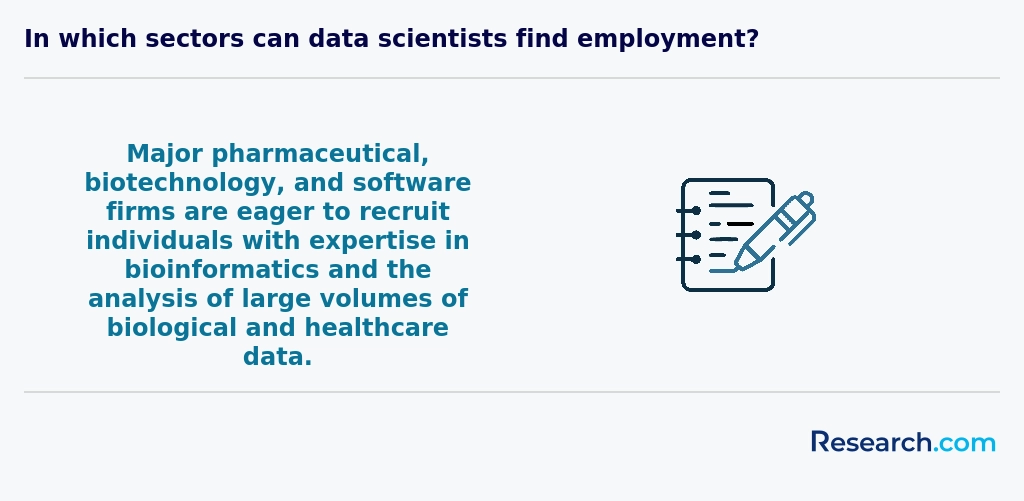
Graduates with a data science degree in the Midwest have access to diverse career paths that align with regional industry strengths. Common roles include data analyst, data engineer, and machine learning engineer, often found in metropolitan hubs like Chicago and Minneapolis. Many graduates from institutions popular for data science degrees, such as the University of Illinois or the University of Michigan, share that their hands-on experience preparing healthcare data or financial datasets directly supported their job readiness, enhancing their confidence in applying for these positions. This practical approach reflects the wide range of Midwest data science degree job prospects, which also extend to business intelligence analyst roles in manufacturing and insurance sectors.
Healthcare systems in Ohio and Wisconsin, along with finance companies in Illinois and Indiana, regularly seek data scientists to improve outcomes and develop risk models. Some Midwest graduates appreciate the flexibility to pursue hybrid careers blending product management or software development with data science, providing stability and long-term growth. For those aiming to accelerate their academic journey alongside career goals, exploring short phd programs can be a strategic move to stand out in the competitive Midwest data science degree job prospects landscape.
The data science job outlook Midwest is strong and growing, particularly in major cities like Chicago, Minneapolis, and Detroit where demand spans manufacturing, healthcare, finance, and tech sectors. Graduates from popular programs at universities in the region often share how internships and cooperative education opportunities helped them land roles quickly by gaining practical experience with big data tools and machine learning techniques.
Entry-level salaries typically start near $70,000, with potential to grow rapidly to averages between $95,000 and $115,000 as professionals gain expertise. Midwest employers value candidates with solid programming and statistics backgrounds, often cultivated at local institutions, making regional graduates highly competitive.
For students considering educational paths, public university tuition ranging from $10,000 to $25,000 per year offers a feasible investment, and exploring certificate programs like certificate programs online that pay well can supplement skills and boost employability efficiently.
Overall, Midwest data science employment opportunities provide a rewarding environment for graduates, where strategic skill development and leveraging local industry connections open doors to promising career trajectories.
2027 Most Valuable Data Science Degree Programs Ranking in the Midwest
Investing in your education is a significant decision that can shape your future, and the Research.com team is keenly aware of the importance of making well-informed choices. Our dedication to quality, credibility, and accuracy drove the creation of the "2027 Most Valuable Data Science Degree Programs Ranking in the Midwest." We conducted thorough research and analysis to provide reliable information that prospective students can trust.
We utilized the following reputable data sources to ensure a comprehensive evaluation of data science programs:
By exploring this ranking, readers will gain valuable insights into the most valuable data science degree programs in the Midwest, enabling them to make informed educational decisions. For further details on how we developed this ranking, please visit our Research.com methodology page.


Frequently Asked Questions About data science
Data science degree students in the Midwest can enhance their learning by engaging in hands-on projects and internships, which are often offered through partnerships with regional industries. According to the National Science Foundation, the Midwest hosts several tech hubs in cities like Chicago, Minneapolis, and Columbus, providing students with valuable real-world experience.
Students should leverage university resources such as research labs and career services, which report strong connections with local employers in finance, healthcare, and manufacturing sectors. Additionally, joining data science clubs or attending regional conferences can improve networking skills.
Finally, completing coursework in programming languages like Python and R, combined with statistics and machine learning, aligns with current job market demands highlighted in the U.S. Bureau of Labor Statistics.
Emerging niches within the data science field are rapidly shaping opportunities for Midwest students pursuing data science degrees. One key area is healthcare analytics, driven by the region's growing medical research hubs and hospitals. According to the Indiana Biosciences Research Institute, demand for data-savvy professionals in healthcare is rising by over 15% annually.
Another promising niche is agricultural data science, important in states like Iowa and Illinois, where precision farming relies on big data to optimize crop yields. The USDA reports a 12% growth in agri-data roles in the Midwest.
Additionally, manufacturing analytics is crucial given the Midwest's strong industrial base. Experts highlight predictive maintenance and supply chain analytics as rapidly expanding specializations.
After earning a data science degree in the Midwest, effective preparation for the job market is crucial. Start by gaining practical experience through internships or cooperative education programs offered by many Midwestern universities. According to the National Association of Colleges and Employers (NACE), students with relevant internships increase their job offer rates by over 20%.
Developing strong skills in programming languages such as Python and R, as well as familiarity with tools like SQL and Tableau, is essential. The Bureau of Labor Statistics notes that demand for data science roles in Midwest metro areas like Chicago and Minneapolis is growing steadily, driven by industries such as manufacturing, healthcare, and finance.
Networking with local data science meetups and professional organizations can open doors. Additionally, many Midwestern schools collaborate with employers, offering career fairs and workshops focused on resume building and interview skills tailored to data science roles.
Employers in the Midwest increasingly value data science graduates who combine strong technical skills with practical business understanding. Proficiency in programming languages such as Python and R remains essential, as reported by the National Science Foundation. Additionally, experience with machine learning algorithms and data visualization tools like Tableau or Power BI is highly sought after in regional job markets like Chicago and Minneapolis.
Communication skills are critical; employers look for graduates who can translate complex data insights into clear, actionable strategies. According to the Midwest Big Data Innovation Hub, 68% of surveyed companies prioritize teamwork and problem-solving abilities alongside technical expertise.
Finally, knowledge of cloud computing platforms such as AWS or Azure is becoming more important as more organizations adopt scalable data solutions.
To find internships in the Midwest relevant to a data science degree, start by exploring university career centers, which often maintain partnerships with local companies seeking data science interns. According to the National Association of Colleges and Employers (NACE), around 55% of employers in the Midwest offer internships to data science students.
Networking through regional professional groups such as the Chicago Data Science Group or local chapters of the Association for Computing Machinery can open doors to hidden internship opportunities. Additionally, platforms like Handshake and LinkedIn often list data science internships sponsored by Midwest-based firms.
Major Midwest cities like Chicago, Detroit, and Minneapolis have a growing tech presence, supporting thousands of data science jobs and internships annually, as reported by the Bureau of Labor Statistics. Applying early and tailoring your resume to emphasize programming and statistical skills increases your chances of securing a position.
A data science degree significantly enhances career mobility and advancement for professionals in the Midwest. According to the Bureau of Labor Statistics, the demand for data science and analytics roles in the region is growing faster than the national average, with projected job growth of over 15% through 2030.
Graduates with data science degrees often find opportunities across diverse industries such as manufacturing, healthcare, and finance, all prominent in the Midwest economy. These roles typically come with higher starting salaries and faster promotion tracks compared to related fields.
Midwestern employers value the technical skills and analytical expertise gained through formal education, making degree holders more competitive for leadership roles. Institutions like the University of Chicago and University of Michigan report high employment rates for their data science alumni within one year of graduation.
Studying for a data science degree in the Midwest provides strong preparation for interdisciplinary roles by combining technical skills with domain-specific knowledge from various fields. Many Midwestern universities partner with local industries such as agriculture, healthcare, and manufacturing, allowing students to apply data science techniques in real-world contexts.
Programs often emphasize teamwork across departments like computer science, business, and engineering, fostering collaboration skills crucial for interdisciplinary work. According to the National Science Foundation, Midwestern institutions awarded over 15% of the nation's data science-related bachelor's degrees in 2022, reflecting growing regional expertise.
This integrative approach equips graduates to translate complex data into actionable insights across diverse sectors.
Choosing between a thesis and a non-thesis data science degree in the Midwest depends largely on your career goals. Thesis programs focus on research, requiring students to conduct original studies and defend their findings. This path suits those planning to pursue a PhD or research-heavy roles in academia or industry. According to the National Science Foundation, research-oriented degrees boost prospects for technical jobs that emphasize innovation and development.
Non-thesis programs emphasize practical skills and coursework, often including internships or capstone projects. These appeal to professionals aiming for immediate employment in data analysis, business intelligence, or applied data science roles.
Midwestern universities like the University of Michigan and University of Illinois Urbana-Champaign offer both options, reflecting regional demand for versatile graduates. The choice should align with your career plans, learning style, and interest in independent research.
Students in the Midwest seeking to study data science abroad have several pathways through US institutions with established exchange programs. Many universities in the region, such as the University of Michigan and the University of Illinois Urbana-Champaign, offer partnerships with European and Asian universities, providing semester-long study abroad opportunities focused on data science and related fields.
According to the Institute of International Education's 2023 Open Doors Report, approximately 12% of Midwestern students in STEM fields participate in study abroad programs, with data science growing in popularity due to its global demand. These programs often combine coursework with research projects, enabling students to gain international experience while earning credits applicable to their degree.
Additionally, some Midwestern schools provide dual-degree options or short-term summer programs in locations like Germany, Canada, and Singapore, enhancing cross-cultural understanding alongside technical skills. Students must consult their home institution's study abroad office to explore eligibility, funding, and application deadlines specific to data science disciplines.
Part-time job opportunities that complement a data science degree in the Midwest often focus on developing practical skills in analytics, programming, and data management. Many students find roles as data analysts, research assistants, or IT support professionals at local universities or businesses. These positions provide hands-on experience with tools like Python, R, and SQL, enhancing classroom learning.
According to the U.S. Bureau of Labor Statistics, data-related jobs in the Midwest have grown steadily, supporting roles in healthcare, manufacturing, and finance sectors. Internships or part-time roles in these industries are particularly valuable, offering industry-specific insights.
Additionally, many cities like Chicago and Minneapolis host tech meetups and startups looking for part-time data enthusiasts, which can further complement academic studies.
Data science students in the Midwest benefit from multiple networking opportunities through university-affiliated groups and regional industry events. Many Midwestern universities host data science clubs and tech meetups that connect students with peers and professionals.
Additionally, the Midwest hosts several conferences, such as the Great Lakes Data Summit, which attracts data experts and recruiters looking for emerging talent. According to a 2023 report by the Midwest Big Data Hub, 70% of students attending regional conferences reported stronger job prospects from networking there.
Internships and cooperative education programs also provide vital industry connections, especially in tech hubs like Chicago, Minneapolis, and Columbus.
Alumni networks play a crucial role for data science degree students in the Midwest by offering professional connections that can lead to internships and job opportunities. Many Midwestern universities, such as the University of Michigan and Northwestern University, have active alumni groups that help graduates enter competitive markets.
Studies show that 85% of jobs are filled through networking, making these connections vital for data science students. Alumni often participate in career panels, mentorship programs, and workshops tailored to data science trends and technologies.
This support helps students stay updated on industry demands within key Midwestern cities like Chicago, Minneapolis, and Detroit. For prospective students, engaging with alumni can provide inside knowledge on salary expectations and career growth in the region.
Customizing a data science degree in the Midwest allows students to align their education with specific career goals. Many universities offer flexible curricula where you can choose electives in areas like machine learning, artificial intelligence, or business analytics. For example, institutions such as the University of Illinois and University of Michigan provide hands-on projects and internships that connect coursework with real-world applications.
Students can also select concentrations or minors in complementary fields such as statistics, computer science, or economics to broaden expertise. According to the National Center for Education Statistics, about 60% of Midwestern data science programs offer customizable tracks.
Engaging with local industry through partnerships and research centers helps develop relevant skills tailored to sectors like manufacturing, finance, or healthcare, which dominate the Midwest economy.
Data science students in the Midwest often face challenges related to limited access to cutting-edge research opportunities compared to coastal universities. Many institutions in this region have smaller data science departments, which can limit exposure to diverse projects and faculty expertise. According to the National Science Foundation, Midwestern schools typically receive less federal research funding in computing and data science than their counterparts in the West and Northeast.
Additionally, students may struggle with fewer local industry partnerships. While cities like Chicago and Minneapolis offer growing tech sectors, other parts of the Midwest have fewer companies focused on advanced analytics, reducing internship and job placement options. Students also report difficulty balancing rigorous coursework with practical experience.
Another common challenge is staying current with rapidly evolving tools and technologies, as some Midwestern programs update curricula more slowly due to resource constraints. This can impact graduate readiness for competitive data science roles nationwide.
With a data science degree, professionals can enhance their credentials by pursuing various certifications that verify their skills. Popular certifications include the Certified Analytics Professional (CAP), which focuses on practical analytics knowledge, and the Google Professional Data Engineer certificate, valued for cloud-based data expertise.
In the Midwest, where industries like manufacturing and healthcare heavily rely on data, credentials such as the Microsoft Certified: Azure Data Scientist Associate are increasingly relevant. According to the Illinois Department of Employment Security, demand for data scientists in this region is growing by 15% annually, making certifications a strategic advantage.
Other options include the Data Science Council of America (DASCA) certifications, recognized in both academia and industry for their comprehensive coverage of data science competencies.
Applying for a data science program in the Midwest requires a clear demonstration of strong quantitative skills. Applicants should highlight coursework in mathematics, statistics, and computer science, as these subjects form the foundation for success in data science.
Many institutions in the region, such as the University of Michigan and University of Wisconsin, seek candidates with hands-on experience in programming languages like Python or R. Including projects or internships related to data analysis can strengthen your application.
Admissions committees also value concise personal statements that explain your motivation and career goals in data science. According to the National Center for Education Statistics, Midwest data science programs have seen a 15% increase in applications over the past five years, signifying growing competition.
Finally, ensure all standardized test scores and transcripts meet each university's requirements and submit all materials before deadlines for the best chance of admission.
Data science is recognized globally as a high-demand career, and the United States remains a leader in this field. For students in the Midwest, understanding global perspectives helps frame local opportunities. According to the U.S. Bureau of Labor Statistics, data science jobs are projected to grow 36% by 2030, faster than many other professions. The Midwest, with hubs like Chicago and Minneapolis, benefits from strong tech and finance industries adopting data-driven solutions.
Globally, countries such as Canada, Germany, and India also invest heavily in data science education and jobs. However, U.S. degrees often carry significant weight internationally, offering graduates competitive advantages. Midwest programs frequently emphasize practical experience and industry partnerships, aligning education with global demands.
Gaining practical experience while studying data science in the Midwest is crucial for career readiness. Many universities partner with local industries such as healthcare, manufacturing, and finance, offering internships that provide hands-on skills. According to the National Association of Colleges and Employers (NACE), about 60% of Midwest data science students secure internships during their programs, enhancing their job prospects.
Students can also join research projects guided by faculty, often addressing real-world problems using big data. Additionally, data science competitions and hackathons hosted by schools or organizations like the Midwest Big Data Hub enable applied learning.
Many programs encourage collaboration with local companies, helping students build portfolios with practical datasets.
Choosing the right concentration within a data science degree in the Midwest depends on your career goals and regional industry demands. According to the U.S. Bureau of Labor Statistics, tech hubs like Chicago and Minneapolis attract employers seeking experts in machine learning, big data analytics, and artificial intelligence. Meanwhile, agricultural states like Iowa emphasize data applications in bioinformatics and environmental data science.
Evaluate concentrations offered by universities such as the University of Michigan or the University of Illinois Urbana-Champaign, which tailor specialties based on local economies. Align your choice with emerging job trends, including data engineering and predictive modeling, which the Midwest job market increasingly values. Research reports from EDUCAUSE or the National Science Foundation can provide further insights into these evolving fields.
See What Experts Have To Say About Studying Data Science
Read our interview with Data Science experts

- Uncovering Data Science: Skills, Careers and Education https://www.databricks.com/blog/uncovering-data-science-skills-careers-and-education
- How to Overcome 7 Challenges to Data Science Success https://www.rgare.com/knowledge-center/article/how-to-overcome-7-challenges-to-data-science-success
- Guide to writing your cover letter (Data Science) https://en.itu.dk/programmes/msc-programmes/~/media/31FAE81C06A14E3E8EA8FFA52CD8B54D.ashx
- Choose the Right Data Science Program for Career | Learnbay https://www.learnbay.co/blogs/how-to-choose-the-right-data-science-program-for-your-career-goals
- Data Science Master's Degree (Non-Thesis) https://www.istinye.edu.tr/en/postgraduate/programs/data-science-masters-degree-non-thesis
- 7 Common Data Science Challenges and Effective Solutions - GeeksforGeeks https://www.geeksforgeeks.org/data-science/7-common-data-science-challenges-and-effective-solutions/
- Financial Aid Overview for Masterâs in Data Science Students https://willamette.edu/cost-aid/financial-aid/graduate/data-science
- Top Data Science Jobs in Chicago, IL https://www.builtinchicago.org/jobs/data-analytics/data-science
- How Can an Aspiring Data Scientist Find and Work on Real-World Projects? https://www.datagrads.com/how-can-an-aspiring-data-scientist-find-and-work-on-real-world-projects/
- Jobs in Data Science: A Guide for Future Graduates https://vinuni.edu.vn/jobs-in-data-science/