2027 Best Data Science Degree Programs Ranking in Tennessee

Co-Founder and Chief Data Scientist
Choosing the right data science degree program in Tennessee can shape your future in today's tech-driven world. This article introduces the 2027 Best Data Science Degree Programs Ranking in Tennessee, created by the Research.com team of data scientists to help you make informed decisions.
Whether you're just starting or looking to advance your skills, a data science degree offers exciting career opportunities and growth potential. Explore trusted programs that match your goals and set yourself on a path to success.
Key benefits of getting data science degree in Tennessee
- Salary advantages: Graduates with a data science degree in Tennessee can expect strong earning potential, with roles like Data Consultant earning about $119,040 annually and Marketing Analysts making around $83,190.
- Career paths: A data science degree opens doors to diverse roles including Database Administrator and Data Visualization Specialist, allowing graduates from universities like the University of Tennessee to explore many exciting fields.
- Online degree benefits: Earning a data science degree online from institutions such as Tennessee Tech University offers flexibility and convenience, helping students balance life commitments while gaining valuable skills for well-paying jobs.
- 2027 Best Data Science Degree Programs Ranking in Tennessee
- What can I expect from data science degree in Tennessee?
- Where can I work with data science degree in Tennessee?
What can I expect from data science degree in Tennessee?
The average cost of a data science degree in Tennessee varies, but many students find public universities offer the most affordable options. For instance, undergraduate programs at institutions like the University of Tennessee often range between $10,000 and $15,000 per year for in-state students. Graduates frequently mention that this price point made it manageable to balance education with part-time work or internships.
Graduate programs tend to be more expensive, but students at places such as Vanderbilt University benefit from assistantships or employer tuition reimbursement programs that help offset these costs. Many graduates recall how these financial aids eased their burden and allowed them to focus more on skills like machine learning and data analytics.
When planning, factor in additional expenses like books, software, and living costs, which can add up. However, graduates regularly report that practical experience through internships in Nashville or Knoxville's tech scenes enriched their learning and justified the investment.
Where can I work with data science degree in Tennessee?
Graduates from data science programs at universities like the University of Tennessee and Vanderbilt often find themselves quickly absorbed into Tennessee's robust healthcare sector. Imagine applying your skills at Vanderbilt University Medical Center, where data analysts help improve patient care by interpreting complex health data. This real-world application gives you a rewarding sense of impact.
Finance and insurance companies in Nashville and Memphis also eagerly hire data science graduates. Picture working at a major bank like First Horizon Corporation, using predictive modeling to identify fraud and enhance customer experiences. Many recent grads share how these roles deepen their understanding of financial markets while offering steady career growth.
Manufacturing giants and logistics leaders in Memphis, such as FedEx, need data scientists to optimize supply chains and forecast demand. From student projects at Tennessee State University to internships here, grads gain valuable hands-on experience that employers highly value.
You can also explore the growing tech scene in cities like Chattanooga and Knoxville, where startups seek data talent for product innovation and market insights. These paths offer dynamic environments perfect for eager learners ready to contribute immediately.
Graduates with a data science degree in Tennessee often start with salaries in the mid-$60,000 to low-$70,000 range, which aligns with entry-level roles like Data Analyst, where the mean annual wage is about $66,670. For those from schools like the University of Tennessee or Vanderbilt University, this entry point is a solid foundation to build a rewarding career.
As you gain experience, positions such as Marketing Analyst and Database Administrator become attainable, with average salaries of $83,190 and $104,810 respectively. This upward trajectory means many graduates working in major metro areas like Nashville or Memphis see their compensation climb steadily. It's especially encouraging for those focusing on finance or healthcare sectors, where employers often offer competitive pay and additional benefits.
Seasoned professionals can aim for roles like Data Consultant, which has a mean annual wage of $119,040 nationally. Alumni from Tennessee colleges highlight how applying practical skills developed during their studies led them to these higher-paying roles, making the degree an investment with clear, achievable financial rewards.
- Annual tuition for public universities in Tennessee ranges from $10,000 to $14,000 for in-state undergraduate students, while private schools charge between $25,000 and $40,000.
- Master's programs in data science typically cost between $15,000 and $25,000 per year, depending on the institution and format.
- Entry-level data scientists in Tennessee earn between $65,000 and $80,000 annually, with mid-career salaries reaching $90,000 to $110,000.
- Senior data science professionals in major cities like Nashville and Memphis can earn $120,000 or more per year.
- Tennessee's job market for data scientists is growing, supported by strong sectors like healthcare, finance, technology, and manufacturing.
- The state has a relatively low cost of living and offers internship opportunities that help students gain valuable experience and networking connections.
Completing a data science degree in Tennessee usually takes between two and four years, depending on your level of study and whether you attend full-time or part-time. For example, undergraduates pursuing a Bachelor of Science in Data Science at Middle Tennessee State University often finish in four years, balancing coursework and campus life. Graduate students aiming for a Master's degree typically spend an additional one to two years, with many opting for flexible online or part-time options to fit work commitments.
Many graduates share how enrolling full-time helped them finish faster, while others benefited from credit transfers due to previous experience or accelerated program paths. For busy professionals, the University of Tennessee's online programs offer the practical advantage of stretching out the timeline without sacrificing quality. Keeping these options in mind can help you create a realistic plan that fits your personal schedule and goals while maintaining steady progress.
Remember, choosing the right program and enrollment status early on is key to managing your time effectively and entering Tennessee's growing data science workforce sooner.
Choosing between online and on-campus data science degrees in Tennessee hinges on your daily routine and learning preferences. Online programs, like those offered through the University of Tennessee's fully accredited platform, give flexibility. Graduates often share how balancing work and family became manageable by accessing lectures anytime, making steady progress without strict class times.
On-campus degrees, such as those at Vanderbilt University or Tennessee Tech, offer face-to-face interaction, fostering deeper connections with professors and peers. Students appreciate hands-on access to specialized labs and networking events, which can spark collaboration and boost confidence during study sessions or career fairs.
Tuition cost is another factor. Online degrees typically cost between $10,000 and $17,000 annually, often saving money on commuting and housing. In contrast, on-campus programs range from $12,000 to over $20,000, reflecting the immersive campus experience. Both paths train you well for Tennessee's growing data science job market, but the choice depends on whether you prefer structured campus life or flexible self-paced learning.
The average cost of a data science degree in Tennessee is approximately $45,000 for the entire program, with in-state students typically paying around $10,500. Graduates from popular institutions like the University of Tennessee or Vanderbilt University often share how careful budgeting for tuition, housing, and supplies helped them manage these expenses effectively. While public universities offer more affordable options, out-of-state students may face significantly higher fees, so plan accordingly if you don't have Tennessee residency.
Since data science degrees often take four years at the undergraduate level, these tuition costs translate into manageable annual amounts. Many students find that attending a state university provides a balance between cost and quality education, making the degree expenses in Tennessee 2027 forecast quite reasonable for budget-conscious learners. Beyond tuition, remember to include additional costs such as books, technology, and living expenses into your financial plan.
For those exploring alternatives or supplementary credentials, considering online certifications can offer a flexible and more affordable way to boost your qualifications. Some recent graduates highlight the value of combining a degree with online certifications that pay well to enhance job prospects in the competitive data science field.

Students pursuing a data science degree in Tennessee can tap into multiple financial aid sources to ease tuition costs. Federal aid through FAFSA is vital; Pell Grants offer up to $7,395 annually for undergraduates with financial need, a relief many University of Tennessee data science graduates have valued. Graduate students often secure Direct Unsubsidized Loans with borrowing limits up to $20,500 per year, helping cover tuition and living expenses.
State-specific options like the Tennessee Student Assistance Award (TSAA) provide need-based grants to undergraduates at approved Tennessee colleges such as Vanderbilt University and Tennessee Tech, offering helpful support even if it doesn't cover full tuition.
Many students praise merit scholarships and graduate assistantships at Tennessee institutions, where teaching or research roles come with stipends and tuition waivers. This blend of aid makes financing more manageable for future data scientists at schools like Middle Tennessee State University.
Working professionals often benefit from employer tuition reimbursement programs, allowing part-time or online study without sacrificing income. Private STEM scholarships also occasionally boost funds, especially through local tech foundations, giving hopeful students greater peace of mind.
To enroll in a data science degree in Tennessee, you need a solid foundation in math and programming. Undergraduate programs at schools like the University of Tennessee or Vanderbilt typically expect you to have completed high school courses in algebra and calculus. Graduates often mention how their early grasp of these subjects made tackling data science much smoother.
Many students share that learning basics of statistics and programming languages like Python or R through high school or self-study gave them a confident edge during admissions. At Tennessee State University, for example, applicants benefit from showing some experience with coding or data analysis before starting the program.
For graduate programs, the requirements sharpen. Most require a bachelor's degree in a related field such as math, computer science, or engineering. Graduates recall that strong performance in calculus, linear algebra, and probability was key, alongside GRE scores when applicable. Real-world projects or internships can boost your application, especially when combined with recommendation letters verifying your analytical skills.
Data science degrees in Tennessee typically include a set of core courses designed to build practical skills you'll use daily in the field. Graduates from popular state universities often highlight how essential courses like Introduction to Data Science gave them a solid grasp of foundational concepts, making complex analytics approachable early on.
Programming in Python and R is another must, frequently praised by students at Tennessee colleges for enabling hands-on data manipulation and analysis. Imagine working on projects where you clean messy healthcare data or run machine learning models predicting city traffic patterns in Nashville-these classes prepare you precisely for that.
Statistics and Probability courses are often described as game changers by graduates, as they offer the tools to recognize data trends and variability, a skill vital when analyzing real business or public sector datasets.
Other common subjects include Machine Learning, Data Visualization, Database Management, and Big Data Analytics. Ethics in Data Science also features prominently, reminding you to handle data responsibly, especially in growing tech hubs like Memphis and Chattanooga where privacy is a concern.
Data science degree specializations in Tennessee reflect the evolving job market and regional industry needs. Graduates from universities like the University of Tennessee and Vanderbilt often highlight specializations such as Machine Learning and Artificial Intelligence (AI), offering hands-on experience in predictive modeling and neural networks, suited to tech hubs like Nashville. Another favored path is Business Analytics, which prepares students to harness consumer and operational data, vital in Tennessee's healthcare and manufacturing sectors. This practical concentration aligns with steady job growth reported by economic studies.
Healthcare Data Science is a prominent option for those interested in medical informatics and biostatistics, crucial in the state's expanding healthcare landscape. Some programs also incorporate Cybersecurity Analytics to address growing cybersecurity demands critical to Tennessee's infrastructure protection. These focused tracks enable students to deepen their expertise and improve employability.
Furthermore, prospective students can explore interdisciplinary areas or consider affordable public programs with costs typically ranging from $10,000 to $25,000 per year. For more information on accessible options, reviewing easy associate degrees that pay well can provide valuable guidance.
Start by focusing on the curriculum when choosing the best data science degree programs Tennessee offers. Graduates from Vanderbilt and the University of Tennessee often highlight the benefit of robust coursework in machine learning, statistics, and programming languages like Python, combined with practical experience from internships or capstone projects. Their real-world training made the transition to the workforce much smoother and more confident.
Next, consider the program's format. Many working professionals appreciate online or hybrid courses, such as those at Middle Tennessee State University, which provide flexibility without sacrificing quality. This is ideal if you're balancing a job or family commitments in Tennessee.
Affordability is essential too. Public universities typically have in-state tuition between $8,000 and $15,000, making them attractive for budget-conscious students. Private schools like Vanderbilt charge more but often provide strong career support and financial aid. Graduates from these programs report feeling well-prepared and optimistic about job prospects, especially in Tennessee's growing tech hubs.
Finally, research career services and job placement. Schools that foster connections in Nashville or Chattanooga through internships and job fairs give students a clear advantage. To explore the financial side further, check out resources on the highest paid masters for strategic planning.
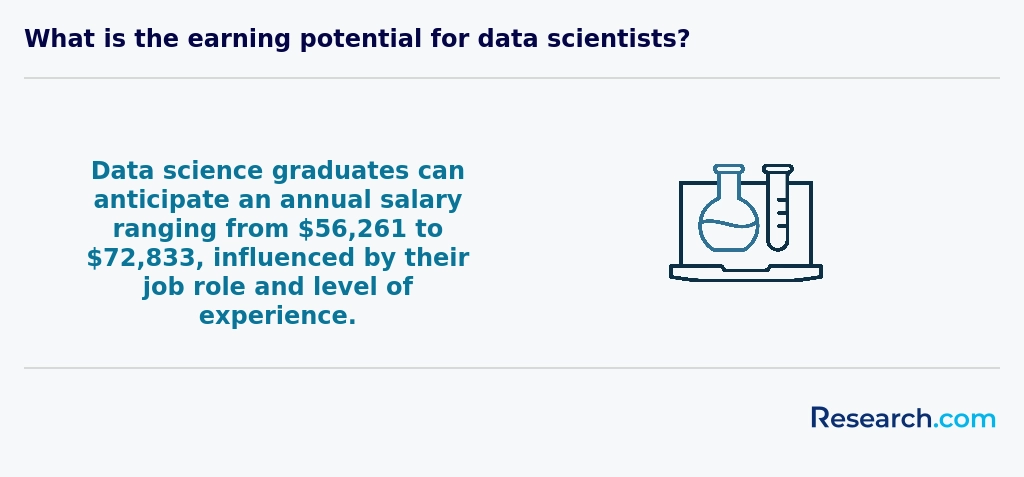
Graduates with a data science degree in Tennessee find career paths spanning several industries. Many step directly into roles as Data Scientists, analyzing complex datasets to help Nashville and Chattanooga companies make informed decisions. These positions offer around $95,000 annually, a rewarding salary compared to local standards. Others pursue jobs with data science degree Tennessee in healthcare, where data analysts improve patient care through SQL and Python skills learned at schools like the University of Tennessee. Business Intelligence Analysis is another popular option, especially for those drawn to Nashville's vibrant startup ecosystem, translating data into actionable business strategies. Some graduates advance toward specialized roles such as Machine Learning Engineers or AI Specialists, often requiring further education but promising strong growth. Practical experience from Tennessee colleges helps students confidently enter these fields. To explore more options, consider looking at quick degrees online that pay well to supplement your planning and career flexibility.
The job market for data science degree holders in Tennessee is robust and growing, with employment opportunities expanding rapidly in key industries like healthcare, finance, and manufacturing. Graduates from well-regarded Tennessee universities often find themselves in demand, especially in cities such as Nashville and Memphis where organizations value their ability to harness data for strategic decisions. This favorable trend means that pursuing data science job opportunities in Tennessee can lead to stable, fulfilling careers.
Many graduates describe entering roles where their work directly impacts real-world outcomes, such as improving patient care in healthcare networks or enhancing financial risk models at regional banks. These practical experiences highlight the rewarding nature of the work and the significant trust placed in data science graduates.
For students navigating their career options, understanding the employment outlook for data science graduates Tennessee shows that salary expectations are competitive, with averages near $95,000 annually. In addition, in-state tuition rates at local colleges remain affordable, supporting a smart investment in education. For those seeking flexible work arrangements, exploring the best online jobs for introverts can complement data science skills while fitting individual lifestyle needs.
2027 Best Data Science Degree Programs Ranking in Tennessee
Investing in your education is a significant decision that can profoundly impact your future, and the Research.com team recognizes the importance of helping you make well-informed choices. To guide prospective students in Tennessee, we have carefully developed the "2027 Best Data Science Degree Programs Ranking." Our dedication to quality, credibility, and accuracy is demonstrated through rigorous research and detailed analysis undertaken to produce this ranking.
We utilized the following reputable data sources to ensure a comprehensive evaluation of data science programs:
By exploring this ranking, readers will gain valuable insights into the top data science degree programs in Tennessee, empowering them to choose the path best suited to their career goals. For a deeper understanding of how the ranking was created, please visit our Research.com methodology page.


# 5 position
Meharry Medical College
Master of Science in Data Science

Frequently Asked Questions About data science
Students pursuing data science degrees in Tennessee can maximize their learning by actively engaging with local tech communities. Tennessee's growing data-driven industries, particularly in Nashville and Chattanooga, offer valuable internship opportunities that complement academic learning. According to the Tennessee Department of Labor, data science roles in the state are expected to grow by 15% through 2030, highlighting the importance of practical experience.
Collaborating on research projects with faculty or participating in statewide data challenges also enhances skills. Additionally, leveraging resources such as coding bootcamps and workshops offered by Tennessee's universities can strengthen technical expertise. Staying current with tools like Python, R, and cloud platforms is crucial for success.
Emerging niches within the data science field in Tennessee reflect national trends but also highlight local industry demands. One growing area is healthcare data analytics, as Tennessee hosts strong healthcare sectors like in Nashville, home to the largest concentration of healthcare companies in the U.S., according to the Nashville Health Care Council. This niche focuses on analyzing patient data to improve outcomes and reduce costs.
Another expanding niche is supply chain analytics, important for Tennessee's logistics and manufacturing industries. Companies increasingly rely on data science to optimize operations and predict disruptions.
Additionally, environmental data science is gaining traction, with research institutions in Tennessee applying data techniques to sustainability and energy management.
After earning a data science degree in Tennessee, graduates should focus on building practical experience to enhance employability. Engaging in internships or cooperative education programs offered by local universities is highly recommended. The Tennessee Department of Labor reports that data science-related roles in the state grew by over 15% between 2018 and 2023, indicating a strong demand for skilled professionals.
Networking with industry professionals through local tech meetups and organizations like the Tennessee Data Science Community also proves beneficial. Additionally, mastering tools such as Python, R, and SQL, alongside soft skills like communication, can significantly improve job prospects.
Finally, pursuing relevant certifications such as Certified Analytics Professional (CAP) can provide a competitive edge in Tennessee's evolving job market.
Employers in Tennessee highly value data science graduates with strong technical skills, particularly in programming languages such as Python, R, and SQL. According to the Tennessee Department of Labor, proficiency in machine learning and data visualization tools like Tableau or Power BI also ranks among the most sought-after abilities.
Analytical thinking and problem-solving skills remain crucial, as companies expect graduates to interpret complex data and make actionable recommendations. Communication skills, both written and verbal, are important for explaining insights to non-technical stakeholders.
Additionally, familiarity with big data technologies like Hadoop or Spark is becoming increasingly desirable, especially in Tennessee's growing healthcare and manufacturing sectors.
Finding internships in Tennessee relevant to a data science degree involves leveraging local educational institutions and industry connections. Many universities, such as Vanderbilt University and the University of Tennessee, have established partnerships with tech companies and healthcare organizations actively seeking data science interns.
Students should also explore internship listings on platforms like Handshake and LinkedIn, which often feature opportunities in Tennessee's growing tech hubs including Nashville and Chattanooga. According to the Tennessee Department of Labor, data science roles are expanding at an annual growth rate exceeding 15% in the region, increasing internship availability.
Networking through university career centers and attending regional tech meetups or conferences can further improve chances of securing relevant internships.
A data science degree in Tennessee significantly enhances career mobility and advancement opportunities. According to the U.S. Bureau of Labor Statistics, the demand for data scientists in Tennessee is projected to grow faster than the average for all occupations through 2030. Employers in industries such as healthcare, finance, and manufacturing increasingly seek graduates with strong analytical and technical skills.
Graduates with data science degrees often experience higher starting salaries, with Tennessee's average entry-level salary for data scientists around $75,000, according to Glassdoor. This degree also opens doors to roles like data analyst, machine learning engineer, and business intelligence developer.
Additionally, many Tennessee universities maintain partnerships with local businesses, providing practical experience through internships, which further enhances career growth.
Studying for a data science degree in Tennessee equips students with skills that cross multiple disciplines, including statistics, computer science, and domain-specific knowledge. Tennessee universities emphasize practical application, with curricula often integrating real-world datasets from sectors like healthcare, finance, and manufacturing. This approach prepares graduates to solve complex problems in various fields.
According to the Tennessee Board of Regents, many programs encourage collaboration with local industries, offering internships and projects that foster interdisciplinary teamwork. Such exposure helps students adapt to roles involving data-driven decision-making across business, engineering, and healthcare sectors.
The growing demand for data scientists in Tennessee's diverse economy ensures graduates can work effectively in multidisciplinary environments.
Choosing between a thesis and a non-thesis data science degree program in Tennessee depends on your career goals and learning preferences. Thesis programs typically focus on research, requiring students to conduct original studies and write detailed reports. This path is ideal for those considering doctoral studies or research-intensive roles in academia or industry.
Non-thesis options emphasize practical skills through coursework and projects without extensive research. These are suited for professionals aiming to enter the data science workforce quickly or switch careers.
According to the National Center for Education Statistics, Tennessee schools offering data science degrees balance enrollment between thesis and non-thesis tracks, reflecting diverse student needs statewide.
Review program curricula and faculty expertise to ensure alignment with your aspirations when selecting between these options.
Students based in Tennessee who wish to study data science abroad have several options through US universities' international partnerships and exchange programs. Many Tennessee institutions, including the University of Tennessee and Vanderbilt University, offer study-abroad opportunities that allow data science students to attend partner schools overseas for a semester or year. These programs often include locations in Europe and Asia, providing exposure to global data science applications.
Additionally, some Tennessee colleges collaborate with foreign universities to offer dual-degree programs or joint research projects in data science. According to NAFSA, about 10% of Tennessee students participate in study abroad annually, reflecting growing interest in international education.
Students should consult their home institution's study abroad office for program specifics and scholarships targeting STEM fields, including data science.
Part-time job opportunities in Tennessee that complement a data science degree include roles such as data analyst intern, research assistant, and business intelligence support. Companies in Nashville and Chattanooga, hubs for healthcare and tech industries, often seek students familiar with Python, R, and SQL for these positions. According to the Tennessee Department of Labor, data analytics jobs are expected to grow by 18% by 2030, emphasizing increasing demand.
Universities like Vanderbilt and the University of Tennessee offer research projects where students can assist with data collection and analysis, providing practical experience. Additionally, remote freelance data annotation and visualization gigs allow flexibility while strengthening relevant skills.
Data science students in Tennessee have access to numerous networking opportunities that can enhance their academic and professional development. Many universities, including the University of Tennessee and Vanderbilt University, host regular events such as guest lectures, career fairs, and hackathons focused on data science and analytics.
The state's growing tech industry also supports professional groups like the Nashville Data Science Meetup and Tennessee Data Collaborative, where students can connect with local experts and alumni. According to the Tennessee Department of Economic and Community Development, the demand for data professionals in Tennessee is expected to grow by 19% through 2030, creating abundant networking possibilities.
Moreover, some programs partner with companies such as HCA Healthcare and FedEx for internships, providing real-world connections critical for job placement. These structured experiences offer students practical exposure and a chance to build relationships within Tennessee's data-driven workplaces.
Alumni networks offer significant advantages to data science degree students in Tennessee by providing valuable career connections and mentorship opportunities. Graduates often share job openings in the thriving Tennessee tech sector, which employs over 18,000 data science professionals as of 2023 according to the Bureau of Labor Statistics. These networks also facilitate internships and collaborative projects through university-organized events. Access to experienced alumni can help students understand industry trends and develop practical skills that align with regional demands. Additionally, strong alumni engagement encourages knowledge exchange and fosters a community that supports both academic and professional growth in data science fields.
Customizing a data science degree in Tennessee often involves selecting electives, concentrations, or certificates aligned with your career goals. Many universities offer pathways in areas like machine learning, business analytics, or health informatics. For example, the University of Tennessee system provides options to tailor coursework that matches industries prominent in the state, such as healthcare and manufacturing.
In addition, internships and research projects are valuable for practical experience. Tennessee has a growing tech ecosystem, with Nashville and Chattanooga emerging as startup hubs, creating opportunities for industry collaboration. The Bureau of Labor Statistics notes a 22% projected growth in data science jobs nationwide, signaling strong local demand as well.
Working closely with academic advisors and career services helps align your studies with specific roles, whether in government, private companies, or academia. Certificates in programming languages or data visualization tools can further enhance your employability in Tennessee's competitive data science workforce.
Data science students in Tennessee often face challenges related to the fast-paced evolution of the field. Many programs strive to keep up with new tools and techniques, which can make coursework demanding. Access to hands-on experience is another obstacle; while some universities partner with local industries, opportunities remain limited compared to larger tech hubs.
Additionally, the cost of education and related expenses can be significant, especially for students balancing work and studies. According to the National Center for Education Statistics, Tennessee's average annual tuition for public institutions is approximately $9,200, which can strain budgets.
Finally, students sometimes struggle with interdisciplinary demands, as data science combines statistics, programming, and domain knowledge, requiring diverse skill sets within tight timeframes.
A data science degree from Tennessee institutions opens many doors to professional certifications that enhance your career prospects. Popular certifications include the Certified Analytics Professional (CAP), which validates your ability to draw insights from complex data. The SAS Certified Data Scientist credential is another respected option, focusing on statistical analysis and machine learning.
Industry-recognized certificates like Microsoft Certified: Azure Data Scientist Associate are valuable for those working with cloud technology. According to the Tennessee Department of Labor, demand for certified data scientists in Nashville and Memphis is growing by over 15% annually, reflecting increasing adoption of big data tools by regional businesses.
Completing these certifications after your degree not only deepens your skills but also boosts your competitiveness in the job market, particularly in growing Tennessee tech hubs.
To write a winning application for a data science program in Tennessee, start by highlighting your quantitative skills and relevant experience clearly. Many Tennessee universities emphasize strong foundations in mathematics, statistics, and computer programming. Be sure to provide transcripts showcasing your proficiency in these areas.
Next, craft a compelling personal statement that explains your passion for data science, how the program aligns with your career goals, and why Tennessee is your preferred location. Citing local industry growth, such as Nashville's expanding tech sector, can demonstrate awareness of regional opportunities.
Letters of recommendation from professors or employers familiar with your analytical abilities add significant value. Finally, ensure your resume includes any projects or internships involving data analysis or related tools, as these practical experiences are highly regarded in Tennessee's competitive admissions landscape.
Data science careers have a significant global impact, influencing industries from healthcare to finance. In the United States, including Tennessee, demand for data scientists is growing rapidly. According to the U.S. Bureau of Labor Statistics, employment in data science-related fields is projected to grow 36% from 2021 to 2031, much faster than the average for all occupations.
Tennessee benefits from this trend with strong job growth in metropolitan areas like Nashville and Knoxville. These cities host numerous companies investing in data analytics and machine learning, reflecting a worldwide shift toward data-driven decision making. Globally, data science is recognized as a key driver of innovation and competitive advantage.
Universities in Tennessee are increasingly aligning curricula with international standards. This ensures graduates can compete in both domestic and global job markets. The practical skills gained-such as programming, statistics, and data visualization-are universally valued. Moreover, global collaboration is common, as companies seek professionals familiar with cross-cultural data sets and regulations.
Students pursuing data science degrees in Tennessee can gain practical experience through various opportunities integrated within and beyond their academic programs. Many universities, such as the University of Tennessee and Vanderbilt University, offer internships and cooperative education programs with local companies in technology, healthcare, and finance sectors.
Engaging in research projects is another effective way. Tennessee institutions often collaborate with government agencies and private firms, allowing students to work on real-world data challenges as part of coursework or independent studies.
Additionally, participation in data science competitions and student organizations can enhance hands-on skills. According to the Tennessee Department of Economic and Community Development, internships in STEM fields increased by 15% statewide in recent years, signaling growing practical opportunities for students.
When choosing a concentration within a data science degree program in Tennessee, consider your career goals and industry demand. Tennessee's growing technology sector-in cities like Nashville and Chattanooga-values specialties such as machine learning, big data analytics, and health informatics (Tennessee Department of Labor, 2023).
Review courses at local universities to find concentrations aligning with these fields. For example, health informatics is in demand due to Tennessee's expanding healthcare industry. Additionally, examine faculty expertise and research opportunities available in each concentration.
Lastly, check alumni outcomes and internships offered by programs; these help assess how concentrations prepare you for Tennessee's job market.
- 2027 Best Data Science Degree Programs Ranking in North Carolina
- 2027 Best Data Science Degree Programs Ranking in Missouri
- 2027 Best Data Science Degree Programs Ranking in Virginia
- 2027 Best Data Science Degree Programs Ranking in Illinois
- 2027 Best Data Science Degree Programs Ranking in Ohio
- 2027 Best Data Science Degree Programs Ranking in Florida
- 2027 Best Data Science Degree Programs Ranking in Pennsylvania
- 2027 Best Data Science Degree Programs Ranking in Michigan
- 2027 Best Data Science Degree Programs Ranking in New Jersey
- 2027 Best Data Science Degree Programs Ranking in Wisconsin
See What Experts Have To Say About Studying Data Science
Read our interview with Data Science experts

- Top Data Science Degree Programs in Tennessee [Online Included] https://www.discoverdatascience.org/states/tennessee/
- Best 7 Countries to Study Data Science & Analytics Abroad in 2026 https://www.studies-overseas.com/blogs/best-countries-to-study-data-science-and-analytics-abroad
- Data Science Connects Events Calendar https://www.datascienceconnects.com/DataScience/DataScience/Events/Events-calendar.aspx
- Student Perspectives: The Importance of Networking and Industry Collaboration in Data Science Education https://dscnextconference.com/importance-of-networking-data-science-education/
- Data Science Master's Degree (Non-Thesis) https://www.istinye.edu.tr/en/postgraduate/programs/data-science-masters-degree-non-thesis
- Data Scientist Jobs in Poland | Hays Technology https://www.hays.pl/en/web/hays-pl-technology/data-science-jobs
- Data Science Major - Fisk University https://www.fisk.edu/academics/nsmb/department-of-mathematics-and-computer-science/data-science/
- Uncovering Data Science: Skills, Careers and Education https://www.databricks.com/blog/uncovering-data-science-skills-careers-and-education
- 7 Common Data Science Challenges and Effective Solutions - GeeksforGeeks https://www.geeksforgeeks.org/data-science/7-common-data-science-challenges-and-effective-solutions/
- Networking Tips for Early Career Professionals in AI & Data Science - EU Data Jobs https://eudatajobs.com/blog/networking-tips-for-early-career-2024/