
2027 Most Valuable Data Science Degree Programs Ranking in Tennessee

Co-Founder and Chief Data Scientist
Choosing the right data science degree program in Tennessee can feel overwhelming. To help, the article features the 2027 Most Valuable Data Science Degree Programs Ranking in Tennessee, created by the Research.com team of data scientists. This ranking offers clear insights to guide your decision and highlight programs that provide strong value and opportunities.
Exploring this article will give you confidence and clarity about which programs can best support your career goals. Pursuing a data science degree opens doors to exciting futures, and this guide is here to make that journey easier and more rewarding.
Key benefits of getting data science degree in Tennessee
- Graduates with a data science degree in Tennessee can earn strong salaries, with roles like Data Consultant averaging $119,040 annually and Marketing Analyst earning $83,190 per year, highlighting rewarding financial opportunities.
- Potential career paths include becoming a Data Analyst, Database Administrator, or Data Visualization Specialist, offering diverse options that suit various interests and skills within the data science field.
- Online data science degrees from Tennessee universities provide flexibility for working students and faster completion times, making it easier to balance life and study while gaining valuable, job-ready skills.
- 2027 Most Valuable Data Science Degree Programs Ranking in Tennessee
- What can I expect from data science degree in Tennessee?
- Where can I work with data science degree in Tennessee?
What can I expect from data science degree in Tennessee?
When considering the cost of a data science degree in Tennessee, most students find the tuition quite reasonable compared to other states. Public universities like the University of Tennessee or Middle Tennessee State University offer in-state tuition rates that make pursuing this field more accessible. Graduates often reflect on how the affordability allowed them to focus on mastering complex topics like machine learning and big data without the heavy financial stress that many students experience elsewhere.
Many students balance their studies by taking advantage of online or hybrid program options, which also help reduce costs related to commuting or relocating. Scholarships and internships, especially through partnerships with local industries in Nashville's booming tech and healthcare sectors, further ease financial pressures while providing hands-on experience.
Overall, the average cost for in-state students pursuing a data science degree in Tennessee typically falls into a budget-friendly range, encouraging more driven individuals to confidently invest in a promising data-driven career.
Where can I work with data science degree in Tennessee?
Graduates with a data science degree from universities like the University of Tennessee or Vanderbilt find themselves welcomed in a range of vibrant industries across Tennessee. Many land roles in healthcare institutions such as Vanderbilt University Medical Center, where they use data to improve patient care and fuel cutting-edge research. Imagine being part of a team that saves lives through smarter health predictions-this is the real-world impact you can expect.
Others thrive in Nashville's bustling financial sector, developing tools that detect fraud or predict market trends at places like First Horizon Bank. Manufacturing hubs, especially in automotive plants, seek data experts to optimize production and reduce downtime, giving graduates hands-on experience with large-scale industrial data.
Tech startups in Chattanooga offer dynamic environments for those drawn to artificial intelligence and machine learning projects, while government roles provide meaningful work improving public services and transportation across the state.
Many graduates express excitement about the diverse career paths and strong starting salaries, often between $85,000 and $115,000, making Tennessee a truly promising place to build your future in data science.
Graduates with a data science degree in Tennessee are stepping into a field brimming with opportunity and strong earning potential. For example, a recent graduate working as a data analyst can expect a mean annual wage of about $66,670 in the state. Those who pursue roles as marketing analysts can see mean salaries near $83,190, reflecting the growing demand for data-driven marketing skills.
Many alumni from Tennessee universities find rewarding roles as data consultants, where the mean annual wage jumps significantly to approximately $119,040. These positions often require honing advanced skills gained during their studies, such as machine learning and big data analytics. Meanwhile, database administrators typically earn around $104,810 per year, offering another solid career path for data science graduates.
Graduates of programs at schools like the University of Tennessee or Vanderbilt University often share how internships and real-world projects helped them secure these competitive salaries. Imagine starting with a $70,000 entry-level role and advancing into these higher-paying positions as your experience grows. The combination of a strong Tennessee education and industry connections creates an inspiring path to financial success.
- Data science degrees in Tennessee are available at public and private universities, offering bachelor's and master's programs tailored for the job market.
- The annual tuition for in-state students at public universities ranges from $10,000 to $18,000 for bachelor's programs, while private schools often charge over $30,000 per year.
- Master's programs at public institutions typically cost between $20,000 and $35,000 annually for residents.
- Starting salaries for data science graduates in Tennessee range from $70,000 to $80,000, increasing to around $110,000 or more with experience and advanced education.
- Job growth for data scientists in Tennessee exceeds the national average, especially in healthcare, finance, and manufacturing sectors.
Completing a data science degree in Tennessee typically takes around four years for a bachelor's when you attend full-time, just like graduates from the University of Tennessee often share. They describe those years as a rewarding journey filled with hands-on projects and vibrant campus life that make the time fly. If you choose a master's degree, expect about 1.5 to 2 years of full-time study, a common path for students at Vanderbilt University. Many find this intensive period exciting and transformative, offering deep dives into analytics and real-world applications.
Part-time students, especially those balancing work or family, may stretch their studies to three or four years, but this flexibility can make the process less stressful and more manageable. Some graduates mention that online or hybrid options helped them keep pace without sacrificing quality, showing how Tennessee's program flexibility really supports diverse lifestyles. Remember, starting with the right plan and enrolling full-time puts you on track for timely success in this growing field.
The choice between online and on-campus data science degrees in Tennessee boils down to your lifestyle and learning preferences. Graduates from the University of Tennessee often share how face-to-face interaction with professors and peers on campus sparks motivation and builds strong networks, especially through access to dedicated labs and tech workshops. This hands-on environment fuels confidence and practical skills that stay with you beyond graduation.
On the other hand, online programs cater beautifully to those balancing work or family commitments, or living far from Nashville or Memphis hubs. Graduates from Vanderbilt's online tracks highlight the freedom to study anytime, embracing digital platforms that let them learn at their own pace without sacrificing quality. This path encourages self-discipline and independence, traits employers value highly in data scientists.
Both routes open doors to rewarding careers, but the on-campus experience often shines in building local connections, while online learning offers unmatched flexibility and accessibility for Tennessee's diverse student population.
The average cost of a data science degree in Tennessee reflects a range of factors, but for in-state students attending public universities, the median total cost hovers around $10,497. Many graduates from institutions like the University of Tennessee system share how this affordability made pursuing their passion for data science feel genuinely achievable. These programs balance quality education and reasonable pricing, which is invaluable for students eager to step into the tech world without overwhelming debt.
However, if you're looking at private colleges or are an out-of-state student, the total expenses can be significantly higher. The median total out-of-state and private school costs often approach $45,042. This jump is common across the nation but can feel daunting initially. Despite this, many graduates emphasize the investment pays off as they gain access to cutting-edge resources and networks that boost their career prospects.
To manage Tennessee data science degree total expenses, consider exploring scholarships, part-time study, or a well-structured accelerated bachelor degree online. These options have helped recent grads reduce costs while maintaining momentum toward their goals.
In real life, a student from Vanderbilt University recalls juggling coursework and a part-time internship, a combination that optimized both experience and finances. Such stories highlight how strategic planning aligns with the average cost of data science degree in Tennessee, ensuring students can thrive both academically and economically.

If you're aiming for a data science degree in Tennessee, know that financial aid can be a powerful ally in your journey. Many students at institutions like the University of Tennessee or Vanderbilt have leveraged federal aid by completing the FAFSA to access grants, loans, and work-study programs. For example, Pell Grants can cover thousands of dollars, easing the burden for those with financial need.
State programs like the Tennessee Student Assistance Corporation (TSAC) offer crucial support through scholarships such as the HOPE Scholarship, which can cover up to $4,500 annually. Graduates often share how these funds made a real difference in managing tuition, typically between $10,000 and $15,000 for in-state students.
Institutional scholarships and assistantships at these universities provide further relief. Imagine working as a graduate assistant, getting tuition waived while honing your skills through research or teaching-many have found this a rewarding balance of learning and earning.
Additionally, employers sometimes contribute through tuition reimbursement, so if you're a working professional, don't hesitate to explore this option. Private scholarships from industry groups also add valuable support, making your data science dream even more within reach.
To embark on a data science degree in Tennessee, you need a solid foundation in math and computer science. Many successful graduates from popular institutions like the University of Tennessee have shared how mastering algebra, calculus, and statistics before enrolling gave them a strong edge. High school coursework covering these areas, alongside basic programming knowledge, sets you up for success.
Undergraduate programs typically expect completion of high school with solid math classes such as algebra and geometry. Demonstrating your understanding of computer science concepts through prior classes or test scores helps you stand out. Some students found that submitting SAT or ACT scores, even if optional, strengthened their applications.
For graduate studies, holding a bachelor's degree in a related field such as math or engineering is crucial. Many have thrived by showing proof of coursework in calculus, linear algebra, and statistics, combined with programming skills in Python or R. Real-world experience in data analysis also opens doors and builds confidence.
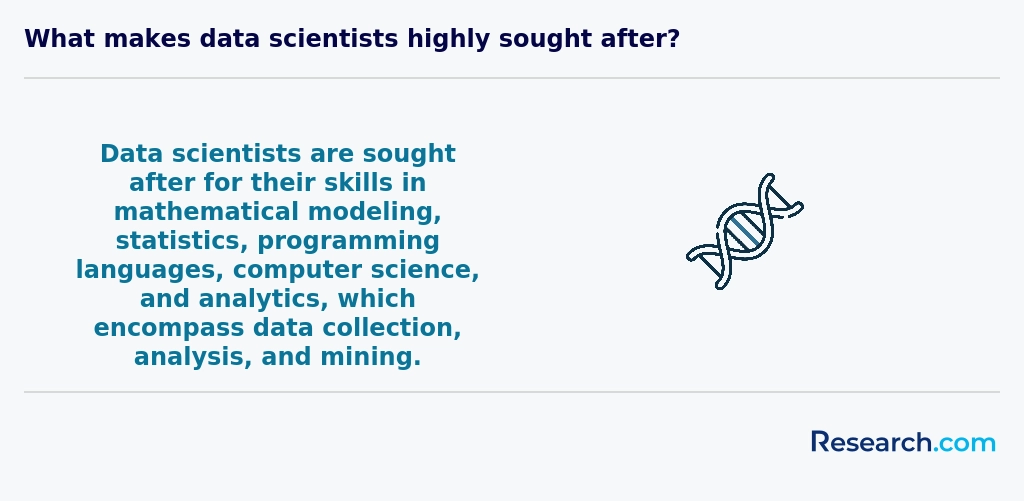
Students pursuing data science degrees in Tennessee often dive into courses that build a solid foundation while gearing them up for real-world challenges. For example, graduates from UT Knoxville and Vanderbilt University recall how Introduction to Data Science helped them grasp essential tools and workflows, making the complex world of data feel approachable. Courses in Statistics and Probability lay the groundwork for understanding patterns within data-skills that proved invaluable when analyzing healthcare or financial datasets during internships.
Programming classes focusing on Python or R are staples, empowering students at Middle Tennessee State University to manipulate massive datasets with confidence. More advanced topics, like Data Mining and Machine Learning, taught students to uncover insights and create predictive models, transforming raw data into impactful decisions.
Many also praise classes in Database Systems and Big Data Technologies, which prepare them to manage and query complex data efficiently-an essential skill in Tennessee's booming tech sector. And don't overlook Data Visualization, where students learn to make data tell a compelling story, a skill recruiters consistently seek.
The journey through these courses, combined with hands-on projects and internships common in Tennessee programs, truly equips future data scientists for success.
Data science specializations in Tennessee offer exciting pathways that align with your interests and career ambitions. Many graduates from popular universities in Tennessee pursue Machine Learning and Artificial Intelligence, diving into building smart algorithms and predictive models. These skills open doors in healthcare and finance, where AI-driven solutions are transforming industries. Other graduates focus on Data Analytics and Visualization, mastering tools like Tableau and Python to tell compelling data stories that influence business decisions.
For those fascinated by infrastructure, specializations in Big Data Engineering prepare you to manage enormous data flows using cloud technologies common in Tennessee's logistics and energy sectors. There's also the Statistical Modeling and Data Mining track, perfect for students who want to uncover hidden trends and contribute to research-driven fields, especially within the state's healthcare community.
If you're exploring options, consider how these Tennessee data science degree focus areas can fit your goals. Many students balance work with study by choosing online degree programs for seniors, allowing them to progress flexibly while gaining expertise in these dynamic specializations.
Choosing the best data science degree programs in Tennessee means focusing on universities with strong reputations like Vanderbilt University or the University of Tennessee system. Graduates often praise how these programs blend theory with valuable hands-on projects, mirroring real data challenges in Nashville's thriving tech scene. This balance builds both confidence and marketable skills.
Finding affordable data science colleges Tennessee offers is crucial as tuition varies widely. Many students find value in exploring scholarships or assistantships provided locally. Balancing cost with program quality ensures you invest wisely in your education without unnecessary financial stress.
Look for programs emphasizing internships and partnerships with local industries-critical for landing jobs after graduation. Tennessee's growing tech sector rewards those who gain experience early. Some students further pursue advanced options like a doctoral degree no dissertation, accelerating their expertise and career growth.
Ultimately, choose a program that aligns with your learning style, career goals, and budget, setting a strong foundation for success in this competitive field.
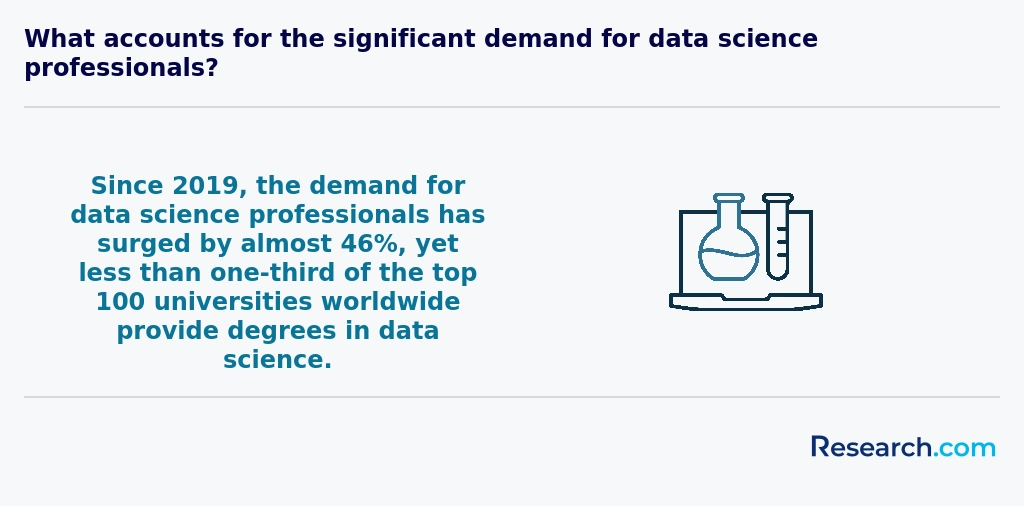
Graduates with a data science degree in Tennessee find exciting career paths in a variety of industries. From Nashville's booming healthcare analytics scene to Memphis' logistics and transportation hubs, the scope of data science careers in Tennessee is broad and dynamic. Graduates from popular institutions like Vanderbilt University and the University of Memphis often land roles as data analysts, business intelligence analysts, or machine learning engineers, applying their skills to real-world challenges like improving clinical outcomes or optimizing delivery routes.
Job opportunities with data science degree Tennessee span from healthcare giants such as HCA Healthcare to FedEx in Memphis, where data drives critical decision-making. Many graduates share how mastering tools like Python and Tableau opened doors to roles where they develop predictive models and uncover valuable insights. Entry-level positions often reward additional technical prowess, so investing time in mastering programming or data visualization pays off immensely.
If you're considering how far to take your education, exploring short doctorate programs could further expand your prospects and earning potential, especially in Tennessee's thriving tech sectors.
The data science job opportunities in Tennessee are flourishing, especially for graduates of well-regarded programs at universities like the University of Tennessee and Vanderbilt. Many graduates find themselves quickly immersed in dynamic careers within Nashville's healthcare sector or Memphis's financial services industry. These environments offer real-world challenges where data analytics drives critical decisions, inspiring new professionals to grow their skills rapidly.
Tennessee data science career outlook shows strong growth driven by industries expanding their analytics capabilities, including manufacturing and IT firms. Graduates often share how internships lasting through their final semesters helped them land positions with competitive salaries, typically ranging from $70,000 to over $110,000 as they gain experience. While these figures are slightly under national averages, the lower cost of living in Tennessee means graduates enjoy rewarding lifestyles.
Students considering this path should weigh the tuition costs, which vary by school, but the robust employment market easily supports this investment. For those exploring highest paying trade jobs, the field of data science in Tennessee stands out as a promising option.
2027 Most Valuable Data Science Degree Programs Ranking in Tennessee
Investing in your education is a significant decision that can shape your future, and the Research.com team understands the importance of making informed choices. To assist prospective students in Tennessee, we have meticulously crafted the "2027 Most Valuable Data Science Degree Programs Ranking in Tennessee." Our commitment to quality, credibility, and accuracy is reflected in the extensive research and analysis conducted to compile this ranking.
We utilized the following reputable data sources to ensure a comprehensive evaluation of data science degree programs:
By exploring this ranking, readers will gain valuable insights into the most valuable data science degree programs available in Tennessee, enabling them to make well-informed decisions about their educational paths. For more details on our methodology, please visit our Research.com methodology page.


# 3 position
Meharry Medical College
Master of Science in Data Science


Frequently Asked Questions About data science
Data science degree students in Tennessee can maximize their learning by combining strong academic coursework with practical experience. Many Tennessee institutions, including the University of Tennessee system, offer programs emphasizing hands-on projects and internships, which help build real-world skills. According to the Tennessee Higher Education Commission, approximately 40% of STEM graduates in the state engage in internships during their studies, enhancing job readiness.
Students should also take advantage of Tennessee's growing tech hubs, such as Nashville and Chattanooga, to network with professionals. Participating in local data science meetups or joining university research labs offers valuable exposure to industry challenges.
Continuous skill development through online platforms focusing on Python, R, and machine learning complements formal education, keeping students competitive in Tennessee's expanding data market.
Emerging niches within the data science field are reshaping career opportunities in Tennessee. One fast-growing area is healthcare analytics, where data scientists help improve patient outcomes by analyzing medical records and health trends. Tennessee's expanding healthcare sector, including institutions like Vanderbilt University Medical Center, supports this growth.
Another key niche is cybersecurity data analysis, crucial as cyber threats increase nationally. Tennessee has invested in cybersecurity education and research, notably through Oak Ridge National Laboratory initiatives. Data scientists in this niche work on protecting sensitive information using advanced algorithms.
Environmental data science also gains attention, addressing climate and energy challenges. Universities such as the University of Tennessee lead research combining data modeling with environmental science to support sustainable programs statewide.
These specialized areas promise strong job growth and salaries, aligning with Tennessee's economic focus and educational strengths.
After earning a data science degree in Tennessee, job market preparation is essential to maximize career opportunities. Building hands-on experience through internships or cooperative education programs offered by universities is highly valuable, helping students apply theoretical knowledge in real-world settings.
Tennessee's growing tech sector, especially in cities like Nashville and Chattanooga, offers many opportunities in data analytics and machine learning. According to the Tennessee Department of Labor, data science-related roles have seen a 12% growth over the past five years, indicating strong job demand.
Networking through local professional groups such as the Tennessee Data Science Meetup or regional chapters of the American Statistical Association can enhance connections with employers.
Additionally, proficiency in programming languages like Python or R, along with skills in data visualization and cloud computing, aligns closely with employer requirements across the state. Preparing a portfolio showcasing projects and certifications can also differentiate graduates in competitive job markets.
Employers in Tennessee prioritize a strong foundation in programming languages such as Python and R for data science graduates. These skills are essential for handling large datasets and performing data analysis efficiently. Additionally, expertise in machine learning techniques and statistical modeling is highly sought after, as organizations increasingly rely on predictive analytics to drive decisions.
Proficiency in data visualization tools like Tableau and Power BI is also important, helping graduates communicate insights clearly to non-technical stakeholders. According to the Tennessee Department of Labor, employers emphasize strong problem-solving abilities and experience with cloud computing platforms like AWS or Azure. Collaboration and communication skills remain crucial as data science roles often require interdisciplinary teamwork.
Finding internships in Tennessee relevant to a data science degree involves exploring multiple channels. Many universities such as the University of Tennessee and Vanderbilt University have dedicated career centers that connect students with local tech firms and healthcare organizations actively seeking data science interns. According to the Tennessee Department of Labor, the Nashville and Memphis metropolitan areas are emerging hubs for data analytics jobs, increasing internship opportunities.
Students should also utilize online platforms like Handshake or LinkedIn, where Tennessee-based companies post internship roles annually. Engaging with professional groups such as the Tennessee Data Science Society can provide networking events and mentorship contacts. Additionally, attending career fairs hosted by Tennessee's major universities is crucial, as these often feature companies specifically looking for data science skills.
A data science degree significantly enhances career mobility and advancement opportunities in Tennessee. The state's growing technology and healthcare sectors increasingly demand skilled data professionals, with Tennessee showing a 15% job growth rate in data-related fields from 2019 to 2029, according to the U.S. Bureau of Labor Statistics.
Graduates with data science degrees often qualify for higher-paying roles such as data analysts, machine learning engineers, and business intelligence specialists. Tennessee's median salary for data scientists exceeds the national average, reaching approximately $98,000 annually, as reported by the Tennessee Department of Labor.
Moreover, employers in cities like Nashville and Chattanooga value the practical skills and technical expertise gained through formal education, facilitating promotions and lateral career moves. The combination of recognized credentials and local demand increases graduates' ability to advance within organizations or switch industries successfully.
Studying for a data science degree in Tennessee offers strong preparation for interdisciplinary roles by combining technical skills with practical applications across various fields. Programs often include coursework in computer science, statistics, and domain-specific areas such as healthcare, business, and engineering. This combination enables graduates to analyze complex data and communicate insights effectively to non-technical teams.
Tennessee institutions collaborate with local industries, providing students experiential learning opportunities that bridge multiple disciplines. According to the Tennessee Department of Labor, data science roles in healthcare and manufacturing-two key state sectors-are expected to grow by over 15% by 2030, underlining the value of versatile skills.
Choosing between a thesis and a non-thesis data science degree program in Tennessee depends on your career goals and learning preferences. Thesis programs emphasize research, often requiring 6 to 12 months of original work. This path suits those interested in PhD studies or research-driven roles.
Non-thesis options focus on practical skills through coursework and projects, appealing to working professionals targeting industry jobs. According to the Tennessee Higher Education Commission, over 60% of data science graduates in the state enter the workforce directly, making practical experience valuable.
Consider your available time and whether you prefer research or applied learning. Both options meet accreditation standards and can lead to valuable career opportunities in Tennessee's growing tech sector.
Students based in Tennessee who wish to study data science abroad have several pathways through partnerships and exchange programs facilitated by local universities. Institutions like Vanderbilt University and the University of Tennessee offer study-abroad opportunities with international universities that include data science courses or related fields such as computer science and statistics.
Many Tennessee schools participate in global consortiums that allow students to spend a semester or a year at partner universities in Europe, Asia, or Australia. Such programs often provide access to cutting-edge data science research and internships abroad. According to the Institute of International Education, about 15% of Tennessee's undergraduate students engage in study-abroad programs, a growing trend among STEM majors.
Additionally, virtual international programs focused on data science have expanded recently, enabling Tennessee students to gain global perspectives without leaving the state. These options help build valuable cross-cultural skills and international networks essential in the data science field.
In Tennessee, part-time job opportunities that complement a data science degree include roles such as data analyst interns, research assistants, and IT support specialists. Many universities like the University of Tennessee and Vanderbilt offer research projects seeking student assistance, providing hands-on experience with data tools and methodologies.
Additionally, healthcare providers and finance companies in cities like Nashville and Memphis frequently hire part-time data interns to help process and analyze large datasets. According to the Tennessee Department of Labor, the demand for technical roles in data science is projected to grow by 15% through 2028.
These positions allow students to apply classroom knowledge in real-world settings while developing programming and statistical skills vital for future careers.
Data science students in Tennessee benefit from a variety of networking opportunities that connect them with industry professionals and peers. Universities such as Vanderbilt and the University of Tennessee host regular data science meetups, guest lectures, and career fairs, which attract local companies including HCA Healthcare and FedEx, two major employers investing in data analytics roles.
Organizations like the Tennessee Data Science Network provide students with events, workshops, and mentorship programs designed to foster collaboration and professional growth. According to the Tennessee Department of Labor, tech employment in data analytics is projected to grow by 18% through 2028, increasing demand for connections in this field.
Additionally, conferences such as the Southeast Big Data Innovation Hub offer regional exposure and opportunities to engage with researchers and corporate leaders in data science.
Alumni networks play a crucial role in supporting data science degree students in Tennessee by creating valuable connections within the industry. Graduates of Tennessee institutions often benefit from mentoring, internships, and job referrals facilitated by active alumni communities.
These networks provide direct access to professionals working in sectors like healthcare, finance, and technology-key industries growing rapidly in Tennessee according to the Tennessee Department of Labor and Workforce Development. Participation in alumni events can increase a student's chances of securing employment after graduation, as 75% of jobs are filled through networking.
Moreover, some universities maintain online platforms exclusively for alumni and current students, fostering collaboration on research and projects related to data science. This ongoing relationship offers students insight into emerging trends, helping them stay competitive.
Customizing a data science degree program in Tennessee is possible through elective courses, specializations, and research opportunities. Many Tennessee universities offer options to focus on areas like machine learning, big data analytics, or business intelligence. This allows students to align their studies with specific industry needs.
Additionally, internships and cooperative education with local companies, especially in Nashville's growing tech sector, provide practical experience. Some institutions also offer flexible online or part-time programs, helping working professionals tailor their education to their schedules.
According to the Tennessee Board of Regents, involvement in applied projects and cross-disciplinary coursework enhances career readiness in this competitive field.
Data science students in Tennessee often face challenges related to balancing rigorous coursework with limited local internship opportunities. While Tennessee hosts several universities offering data science degrees, access to practical, data-driven projects remains a hurdle for many. According to the Tennessee Department of Labor, the data science job market is growing, but competition for relevant experience is increasing accordingly.
Another obstacle is staying updated with constantly evolving technologies and programming languages, such as Python and R. Some students struggle with foundational math and statistics skills, which are crucial for success in these programs. Additionally, funding and access to cutting-edge resources can be inconsistent across institutions, impacting hands-on learning experiences.
Graduates with a data science degree in Tennessee can enhance their career prospects by pursuing professional certifications. Popular options include the Certified Analytics Professional (CAP), which validates skills in analytics and data interpretation. Another recognized certification is Google's Professional Data Engineer, emphasizing cloud data solutions.
Locally, Tennessee's growing tech sector values certifications like Microsoft Certified: Azure Data Scientist Associate due to the state's expanding cloud services industry, supported by data from the Tennessee Department of Economic and Community Development. Earning such credentials can increase earning potential and job opportunities.
Other notable certifications include SAS Certified Data Scientist and IBM Data Science Professional Certificate, appealing to various specialized roles in the field.
Writing a winning application for a data science program in Tennessee involves careful preparation and attention to detail. Start by clearly presenting your academic background, especially in math, statistics, and computer science, as these are crucial for data science.
Many Tennessee schools, such as Vanderbilt University and the University of Tennessee, value applicants with hands-on experience. Highlight any relevant internships, research projects, or programming skills in Python or R.
According to the National Center for Education Statistics, Tennessee awarded over 200 data science-related degrees in 2022, reflecting growing competition.
Strong letters of recommendation from professors or employers familiar with your analytical abilities can enhance your application.
Finally, craft a personal statement that explains your career goals and why the specific Tennessee program suits your ambitions.
Data science careers have gained significant global attention due to the increasing reliance on data-driven decisions in various industries. In the United States, including Tennessee, data science professionals are in high demand, with the Bureau of Labor Statistics projecting a 36% growth in data-related jobs from 2021 to 2031.
Globally, this demand is mirrored but varies by region based on technological development and data infrastructure. U.S. higher education institutions, notably those in Tennessee, align their data science programs to meet these evolving industry needs.
According to the Tennessee Department of Labor, Nashville and Chattanooga show strong growth in data science roles, driven by healthcare, finance, and tech sectors.
This reflects a worldwide trend where data science expertise is essential for innovation, making advanced degrees valuable for students aiming for global career opportunities.
Gaining practical experience while studying for a data science degree in Tennessee is essential for career readiness. Many Tennessee universities offer internship programs with local businesses, especially in Nashville and Memphis, where the tech and healthcare industries are expanding. According to the Tennessee Department of Labor, internships in data-related fields have grown by 15% in recent years. Students can also engage in research projects under faculty guidance, often supported by grants from organizations like the National Science Foundation.
Additionally, participation in data science competitions and local meetups helps build real-world skills and professional networks. Tennessee's growing tech ecosystem creates numerous opportunities for students to apply their classroom knowledge in practical settings.
Choosing the right concentration within a data science degree program in Tennessee depends on your career goals and local industry demands. Tennessee hosts several universities offering concentrations like machine learning, business analytics, and bioinformatics. According to the Tennessee Department of Labor (2023), jobs in healthcare analytics and advanced manufacturing are growing fastest in the state, so concentrations aligned with these fields may offer more opportunities.
It is important to consider programs that offer internships or partnerships with Tennessee companies, such as those in Nashville's healthcare sector or Chattanooga's manufacturing hubs. Also, review curriculum flexibility and faculty expertise to ensure alignment with your interests.
Check graduation outcomes reported by schools to understand employment rates and average starting salaries for each concentration. This data can help gauge which concentration leads to strong local job placement.
- 2027 Most Valuable Data Science Degree Programs Ranking in North Carolina
- 2027 Most Valuable Data Science Degree Programs Ranking in Missouri
- 2027 Most Valuable Data Science Degree Programs Ranking in Virginia
- 2027 Most Valuable Data Science Degree Programs Ranking in Illinois
- 2027 Most Valuable Data Science Degree Programs Ranking in Ohio
- 2027 Most Valuable Data Science Degree Programs Ranking in Florida
- 2027 Most Valuable Data Science Degree Programs Ranking in Pennsylvania
- 2027 Most Valuable Data Science Degree Programs Ranking in Michigan
- 2027 Most Valuable Data Science Degree Programs Ranking in New Jersey
- 2027 Most Valuable Data Science Degree Programs Ranking in Wisconsin
See What Experts Have To Say About Studying Data Science
Read our interview with Data Science experts

- Best Data Scientist Cover Letter with Tips and Examples | Cake https://www.cake.me/resources/cover-letter/data-scientist-cover-letter
- Data Science Master's Degree (Non-Thesis) https://www.istinye.edu.tr/en/postgraduate/programs/data-science-masters-degree-non-thesis
- Online vs Campus Data Science Degree Programs: Complete Comparison https://hakia.com/compare/data-science-online-vs-campus/
- Master’s in Data Science Programs in Tennessee https://www.mastersindatascience.org/schools/tennessee/
- Data Science Major https://www.fisk.edu/academics/nsmb/department-of-mathematics-and-computer-science/data-science/
- Uncovering Data Science: Skills, Careers and Education https://www.databricks.com/blog/uncovering-data-science-skills-careers-and-education
- Student Perspectives: The Importance of Networking and Industry Collaboration in Data Science Education https://dscnextconference.com/importance-of-networking-data-science-education/
- Data Science vs Traditional Degrees: Which Career Path is Better in 2026? https://www.shalyam.com/blog/@Neha%20N./data-science-vs-traditional-degrees/
- The Future Landscape of Data Science Careers You Need to Know - CertLibrary Blog https://www.certlibrary.com/blog/the-future-landscape-of-data-science-careers-you-need-to-know/
- Data Scientist Jobs in Poland | Hays Technology https://www.hays.pl/en/web/hays-pl-technology/data-science-jobs


