2027 Most Affordable Data Science Degree Programs Ranking in the West

Co-Founder and Chief Data Scientist
Choosing the right data science degree can feel overwhelming, especially with so many options available in the West. Our article introduces the 2027 Most Affordable Data Science Degree Programs Ranking in the West, carefully crafted by the Research.com team of data scientists to guide you toward the best choices.
By exploring this ranking, you'll discover programs that offer quality education without breaking the bank. A data science degree opens doors to exciting careers, and making an informed decision ensures your investment leads to success.
Start your journey with confidence and clarity today.
Key benefits of getting data science degree in the West
- Graduates with a data science degree can expect competitive salaries, such as $66,670 annually for Data Analysts and up to $119,040 for Data Consultants, reflecting strong financial rewards in the field.
- Career options for data science graduates are diverse; for example, a graduate from a well-known Western university might pursue roles in data visualization, database administration, or marketing analysis, enabling flexibility and growth.
- Online data science degrees offer great benefits like flexible schedules and the ability to learn while working, as seen with successful graduates from popular online programs who balance study with other commitments effectively.
- 2027 Most Affordable Data Science Degree Programs Ranking in the West
- What can I expect from data science degree in the West?
- Where can I work with data science degree in the West?
What can I expect from data science degree in the West?
Students pursuing data science degrees in the West often find tuition costs influenced by whether they attend public or private institutions. Public universities like the University of California system or Oregon State University typically offer more affordable tuition, especially for in-state students, with average annual fees ranging from $15,000 to $30,000. Graduates recall balancing these costs with financial aid packages and scholarships targeted for STEM fields, making the investment feel more attainable despite initial concerns about affordability.
Personal experiences from graduates highlight how the cost often feels justified by the strong ties these programs have to regional tech hubs. Many share stories of internships secured through university career centers connected to Silicon Valley or Seattle startups, which enhance their practical skills and broaden career prospects. This hands-on experience, combined with reasonable tuition, creates an overall positive outlook on the value of their education.
Looking forward, rising demand for data science expertise in the West's vibrant tech landscape may prompt universities to expand scholarship offerings, further easing financial burdens. Graduates express optimism that ongoing collaborations between academic institutions and major companies will continue to enrich their learning journey without steep tuition hikes.
Where can I work with data science degree in the West?
Graduates from data science programs at universities like Stanford, UC Berkeley, and the University of Washington often find themselves immersed in Silicon Valley's dynamic tech ecosystem, joining teams at companies such as Google and Apple. These workplaces focus on cutting-edge AI and machine learning projects, offering hands-on experience that shapes careers toward innovation and leadership.
Others emerging from Oregon State or Colorado State universities explore roles in healthcare analytics, where they help optimize patient care at major medical centers or contribute to disease research by analyzing complex bioinformatics data. The excitement of seeing data improve real lives creates a strong sense of purpose and motivation.
Some graduates take paths into the fast-growing fintech hubs of San Francisco and Seattle, crafting algorithms that enhance fraud detection and risk management. They often recount how startups gave them room to experiment, fueling entrepreneurial spirits.
Meanwhile, those from Nevada or Portland State relish opportunities in retail and manufacturing sectors, where they shape smart supply chains and customer experiences, blending data science with tangible business impact.
Government and research roles also attract graduates passionate about public service, offering projects that tackle urban planning and environmental issues with innovative data-driven solutions.
Graduates with a data science degree from universities like UC Berkeley or the University of Washington in the West often find themselves entering the job market with strong salary prospects. Starting roles such as Data Analyst typically offer a mean annual wage around $66,670, while Marketing Analysts earn about $83,190 nationally, figures that tend to be on the higher side in tech-rich states. Many graduates share stories of landing positions in tech hubs like San Francisco or Seattle where compensation packages frequently surpass national averages.
More specialized roles like Data Consultant provide substantial rewards, with mean annual salaries reaching $119,040, reflecting the rising demand for data-driven decision making. Graduates with skills in database management can expect a mean annual wage of $104,810, which aligns well with the competitive tech ecosystem in the West Coast.
Students who intern at local startups or established companies often boost their earning potential and confidence, realizing their education's value as they step into roles quickly exceeding $90,000. This dynamic environment cultivates excitement and optimism for future growth in data science careers across this region.
- Tuition for data science bachelor's degrees in the Western U.S. ranges from $40,000 to $80,000 for in-state students at public universities and $60,000 to $120,000 for out-of-state or private institutions.
- Entry-level data scientists in the West earn between $75,000 and $90,000 per year, with mid-career and senior professionals making $120,000 to $160,000 annually.
- Data science jobs in the Western states, including tech hubs like Silicon Valley and Seattle, are growing at an estimated rate of 28% from 2020 to 2030.
- Programs typically combine coursework in statistics, computer science, and domain-specific knowledge along with hands-on experience in Python, R, and SQL.
- Many programs offer internships or cooperative education opportunities through partnerships with local tech companies.
- Competitive data science programs often require strong skills in math or computer science, and financial aid or scholarships may be available to help with tuition costs.
Completing a data science degree in the West typically takes about four years at undergraduate levels, as experienced by graduates from well-known institutions like the University of Washington or UC Berkeley. These students often describe balancing rigorous coursework in statistics, programming, and domain-specific studies with internships that provide real-world insights, making the learning engaging and dynamic. At the graduate level, many master's students from universities such as Stanford or UCLA share that finishing within one to two years feels rewarding, especially as they dive deeply into machine learning and big data projects that connect theory to impactful applications.
PhD candidates pursuing advanced research in data science at places like Caltech report that the six-year journey, though demanding, is fulfilling due to the opportunity to create original contributions in AI or computational statistics. Additionally, the rise of flexible part-time or online programs is reshaping timelines, allowing students juggling work or family commitments in cities like Seattle or San Francisco to extend their studies while maintaining momentum.
Graduates from universities like Oregon State University often describe the flexibility of online data science programs as a game-changer, especially for balancing work and family. Studying remotely means they can dive into Python coding or statistical modeling late at night or during breaks, making education fit their lifestyle rather than the other way around.
In contrast, peers attending on-campus programs at institutions such as the University of Washington emphasize the vibrant energy of face-to-face collaboration. They recall energized group projects and spontaneous lab discussions that sparked creativity and built lasting local networks in tech hubs like Seattle.
Looking ahead, the line between these experiences may blur as online programs incorporate virtual labs and real-time interactions, aiming to replicate the immersive, hands-on vibe of campus life. This evolution promises to combine affordability and accessibility with the rich, personal connections traditionally found only in physical classrooms.
For West Coast students, choosing between formats increasingly becomes a personal decision guided by learning preferences and career ambitions in a fast-growing data science job market.
The average cost of a data science degree in the West typically centers around $57,031, a figure that reflects a blend of public and private tuition fees. Graduates from well-known universities and colleges in the region often share stories of balancing tuition expenses with part-time work or internships, underscoring the manageable investment required to gain valuable skills in this growing field. This amount accounts for the median tuition costs that students can expect whether they attend in-state or out-of-state public institutions, or private ones with higher fees.
For many students seeking affordable data science programs Western US tuition fees offer a realistic possibility to achieve a competitive education without excessive debt. For example, public university students in the West often find in-state tuition costs closer to $15,000 in total, making these programs financially accessible while maintaining high academic standards. Graduates recount the excitement of applying their knowledge early in internships, feeling confident that their investment is poised to yield strong returns in the job market.
Furthermore, accelerated options and fully remote pathways, like accelerated online undergraduate degrees for working adults, are reshaping traditional tuition models, often offering total costs below $40,000. These flexible programs appeal to working students aiming to upskill without pausing their careers, illustrating a positive trend toward more affordable and accessible data science education options in the West.

Graduates from prominent Western institutions like the University of California and Oregon State University often highlight how federal aid through FAFSA was a game-changer in managing their data science education costs. Pell Grants, offering up to $7,395 annually, remain a critical lifeline-especially for undergraduates-easing the financial pressure and making ambitious goals feel achievable.
Numerous students speak warmly about in-state tuition benefits, which can slash costly fees by thousands. Imagine living in Washington and accessing reduced tuition at the University of Washington, turning what once seemed unaffordable into a clear path forward.
Merit scholarships rooted in STEM excellence also shape many success stories. Recipients from California-based universities share how awards ranging from $1,000 to $10,000 not only alleviated their financial worries but also recognized their academic leadership, fueling confidence.
Looking ahead, the rise of graduate assistantships at Western schools offers dual rewards: financial relief and hands-on experience. This trend is promising for future students eager to offset costs while building impressive research portfolios in vibrant tech communities.
Students aiming to enroll in data science degree programs in the Western US often find that strong foundations in mathematics and programming are crucial prerequisites. Imagine a graduate from a well-known West Coast university recalling how mastering calculus and linear algebra in high school made tackling advanced data models in college more intuitive and rewarding. Many programs expect high school coursework in algebra, calculus, and statistics, which serve as building blocks for understanding complex algorithms.
At the graduate level, applicants typically arrive with backgrounds in fields like computer science or economics, and bring hands-on experience with tools such as Python or R. One student from a prominent California college shared how prior coding experience enabled swift adaptation to their program's rigorous data analysis projects, sparking enthusiasm and deeper engagement.
Standardized tests like the GRE are becoming flexible, with some Western universities waiving them, reflecting an emerging trend that values skills demonstrated through projects or portfolios. Letters of recommendation and personal statements remain vital, offering students an opportunity to express their passion for solving real-world problems with data.
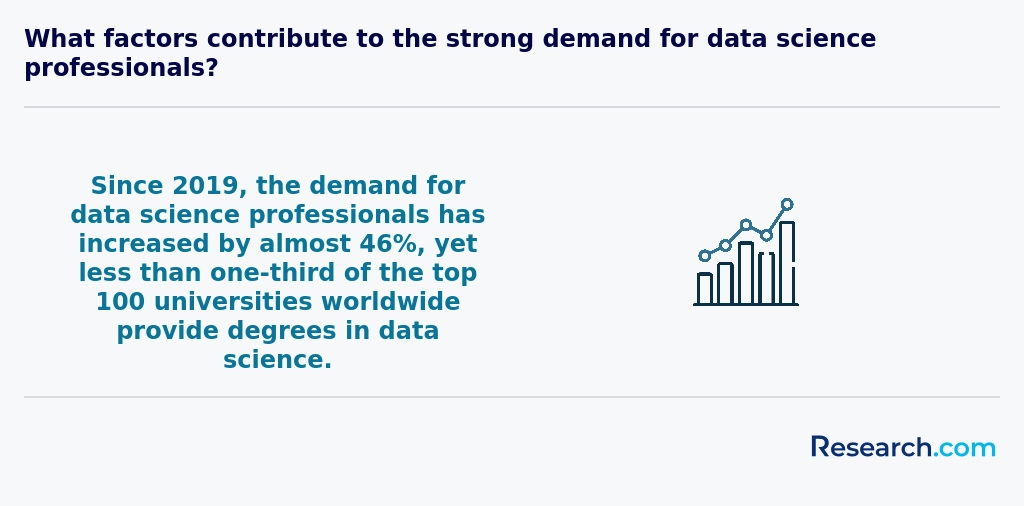
Data science degrees in the Western US typically immerse students in courses like statistics, programming in Python or R, and machine learning, forming the core toolkit needed to decode complex data challenges. Graduates from universities such as those in California often recall hands-on projects where they built predictive models to optimize real business operations or healthcare outcomes, sparking excitement about their growing expertise.
Beyond fundamentals, courses in data visualization and ethics spark engaging classroom debates about communicating insights responsibly-preparing students not just to analyze data but to shape decisions thoughtfully. Electives explore cutting-edge areas like natural language processing and cloud computing, reflecting the future-facing nature of these programs.
Students praise how internships integrated into their curricula connect theory with real-world impact at Silicon Valley startups or government labs across the West. This blend of technical and practical learning fosters confidence and curiosity, motivating students to envision themselves as innovators shaping a data-driven future, right from their college years.
In the Western US, data science degree specializations increasingly embrace cutting-edge fields like Machine Learning and Artificial Intelligence, Data Engineering, and Healthcare Informatics to match local industry needs. Graduates from well-known West Coast universities often share how these focus areas brought real-world relevance, preparing them to design AI-driven healthcare systems or optimize massive datasets for tech giants. The emphasis on Big Data Analytics or Business Analytics also reflects the region's dynamic economy, where students witness firsthand how data shapes startup success and corporate innovation.
Future trends suggest expanding specializations to include ethical AI and environmental data science, as Western institutions align their curricula with emerging societal challenges. Students pursuing a data science degree here often speak of the strong community and practical opportunities available, especially when paired with affordable public tuition options compared to private colleges. Those exploring the easiest associate's degree to get may find foundational tracks that lead naturally into such focuses, opening pathways to exciting career prospects tailored for the diverse Western job market.
Choosing the best data science degree in the West means anticipating the future of this dynamic field and aligning your education with emerging trends. Graduates from top institutions like the University of Washington often highlight how their programs' focus on practical machine learning and big data projects prepared them to excel in competitive tech hubs such as Seattle.
Look beyond traditional curricula; the most forward-thinking programs integrate partnerships with Silicon Valley companies, offering real-world internships that turn theoretical knowledge into confident career readiness. Those seeking affordable data science degrees West will find public universities delivering strong quality while managing costs effectively, a balance many students appreciate as they launch their careers.
Specializing through certificates or accelerated master's options enables quicker entry into the workforce without sacrificing depth-some students find options like doctorate degrees without dissertation appealing for long-term advancement. Expect curriculum innovation focused on ethical AI and data privacy, shaping graduates who not only analyze data but also responsibly influence tomorrow's technologies.
Graduates with a data science degree in the West step into dynamic career paths fueled by the region's tech-driven economy. Popular trajectories include becoming data analysts, machine learning engineers, or business intelligence analysts for companies in Silicon Valley or Seattle. Many graduates from prominent universities report working on cutting-edge AI projects or developing predictive analytics tools in healthcare, illustrating how high paying data science jobs in Western states unlock opportunities across diverse fields.
Some alumni emphasize the value of hands-on experience with cloud platforms and big data tools, preparing them for specialized roles in natural language processing or computer vision. These emerging fields are strongly supported by top programs at Western public and private institutions, which also offer flexible online options catering to working professionals. Enrolling in affordable data science careers in the West combines practical training with competitive tuition, encouraging students to pursue growth sectors.
For those exploring further, a growing list of best schools online helps prospective students find programs that fit diverse needs while opening doors to future-proof careers that thrive in a tech-forward climate.
The data science job outlook in the West remains exceptionally promising, fueled by tech giants and innovative startups around Silicon Valley, Seattle, and Portland. Graduates from universities like Stanford and the University of Washington often find themselves in high demand, with companies across finance, healthcare, and aerospace seeking their skills. One graduate shared how an internship at a Seattle-based AI firm led to a full-time offer before graduation, illustrating the value of hands-on experience in this competitive market.
Employment opportunities for data science graduates West extend beyond traditional tech, reaching sectors like retail and public administration that are embracing data-driven strategies. The combination of quality programs and strong industry ties in the region helps graduates command salaries between $85,000 and $110,000 initially. For students exploring options, balancing cost with potential returns is key; exploring the cheapest online bachelor degrees can be a smart step toward entering this vibrant landscape.
2027 Most Affordable Data Science Degree Programs Ranking in the West
Investing in your education is a significant decision that can profoundly impact your future, and the Research.com team is dedicated to helping you make informed and confident choices. To provide reliable guidance for prospective students seeking affordable data science degrees in the Western United States, we have carefully developed the "2027 Most Affordable Data Science Degree Programs Ranking in the West." Our commitment to quality, credibility, and accuracy is grounded in thorough research and comprehensive data analysis.
We utilized the following reputable data sources to ensure an exhaustive and trustworthy evaluation:
By reviewing this ranking, readers will gain valuable insight into affordable, high-quality data science programs tailored to their needs, enabling smarter educational investments. For a detailed explanation of how this ranking was formulated, please visit our Research.com methodology page.
# 1 position
University of Phoenix-Arizona
Master of Science in Data Science

# 2 position
University of Phoenix-Arizona
Bachelor of Science in Data Science


# 19 position
United States Air Force Academy
Bachelor of Science in Data Science

# 20 position
Arizona State University Digital Immersion
Bachelor of Science in Data Science

Frequently Asked Questions About data science
Data science degree students in the West can maximize their learning experience by actively engaging with hands-on projects and internships. Universities in this region emphasize practical skills, and students who participate in cooperative education programs often gain a competitive edge. According to the National Center for Education Statistics, around 35% of STEM undergraduates in the Western US complete internships before graduating.
Additionally, students should leverage resources such as research labs and faculty mentorship. Many Western institutions offer specialized data science research centers that provide opportunities to explore real-world datasets. Networking through conferences and local tech meetups also enhances learning.
Building proficiency in programming languages like Python and R along with statistical knowledge is crucial. Students should also consider online platforms to supplement coursework with current industry tools. Staying updated on evolving data ethics and privacy laws in the US is equally important for well-rounded expertise.
Emerging niches within the data science field in the Western United States reflect the region's strong technology and innovation focus. One significant area is healthcare analytics, driven by increasing demand for personalized medicine and improved patient outcomes. According to the Bureau of Labor Statistics, healthcare data science roles are expected to grow by nearly 30% by 2030.
Another growing niche is environmental and climate data science, with many West Coast universities collaborating on sustainability projects using big data. This aligns with California's leadership in climate initiatives.
Additionally, data privacy and security analytics have gained importance due to evolving regulatory needs and cyber threats. Companies seek experts who can analyze data while ensuring compliance with laws like CCPA.
Lastly, the surge in autonomous systems, including self-driving cars developed in places like Silicon Valley, creates demand for specialized machine learning analysts.
After completing a data science degree in the West, preparing for the job market involves building a strong professional profile. Employers typically look for candidates proficient in Python, R, and SQL, along with hands-on experience in machine learning and data visualization tools.
Internships and cooperative education programs offered by many Western universities provide practical experience and networking opportunities. According to the National Association of Colleges and Employers (NACE), over 60% of data science graduates secure jobs through internships.
Additionally, obtaining industry certifications such as those from IBM or Microsoft can enhance employability. Joining local data science meetups and online communities also helps in staying updated on trends and job openings.
Employers in the Western United States prioritize a mix of technical and analytical skills in data science graduates. Key technical competencies include proficiency in programming languages such as Python, R, and SQL, which are foundational for data manipulation and analysis. Experience with machine learning algorithms and statistical modeling is also highly valued, as these skills drive predictive insights.
Beyond coding, employers seek strong data visualization abilities using tools like Tableau or Power BI to communicate findings effectively. Critical thinking and problem-solving skills are essential, with 2023 reports by the National Association of Colleges and Employers highlighting these among the top traits desired in data science hires.
Finally, teamwork and communication skills remain crucial, as data scientists frequently work in cross-functional teams to translate complex data into actionable business strategies.
Finding data science internships in the Western United States often begins with leveraging university career centers. These offices regularly partner with local tech companies and startups, especially in hubs like Silicon Valley and Seattle, offering students access to exclusive internship listings. According to the National Association of Colleges and Employers (NACE), about 60% of data science internships in top Western universities come through on-campus recruiting events.
Additionally, students should explore online platforms such as Handshake and LinkedIn, which frequently list data science internship opportunities tailored to Western regions. Networking through professional organizations like the Data Science Association or local meetups can also open doors to internships that may not be widely advertised.
Many universities in the West incorporate internship requirements within their data science programs, facilitating hands-on experience and employer connections during study.
A data science degree significantly enhances career mobility and advancement prospects in the Western United States. According to the Bureau of Labor Statistics, employment in computer and information research science, which includes data science roles, is projected to grow 21% from 2021 to 2031-much faster than the average for all occupations.
Graduates often find diverse opportunities across industries such as technology, healthcare, finance, and government, which are concentrated in Western states like California, Washington, and Colorado. A formal degree provides essential skills in statistics, programming, and machine learning, increasing eligibility for advanced positions with higher salaries.
Additionally, universities in the West frequently collaborate with local tech companies, offering internships and networking pathways that contribute to faster career progression. According to a 2023 report by the Data Science Association, 68% of data science degree holders in the West reported career advancement within two years of graduation.
Studying for a data science degree in the Western United States equips students with skills essential for interdisciplinary roles by combining computer science, statistics, and domain-specific knowledge. Programs often include coursework in business, healthcare, and social sciences, reflecting the growing demand for data-driven decision-making across sectors. According to the National Center for Education Statistics, over 70% of Western US institutions offering data science emphasize applied projects and internships, fostering real-world experience.
Students also gain proficiency in programming languages like Python and R, paired with communication and collaboration skills. This blend prepares graduates to work effectively with experts from diverse fields, making them versatile in industries such as tech, finance, and government.
Choosing between a thesis and a non-thesis data science degree in the Western US depends largely on your career goals. Thesis programs focus on original research, ideal for students planning to pursue a PhD or roles in research and development. Non-thesis options emphasize coursework and practical skills, suited for immediate job entry in industry.
According to the National Center for Education Statistics, about 40% of data science master's programs in California and Washington offer thesis tracks, highlighting their research intensity. Graduation timelines also differ: thesis paths average two years, while non-thesis programs can be completed in 1.5 years.
Consider the program structure, faculty expertise, and internship opportunities to decide which aligns best with your ambitions.
Students in the Western United States seeking to study data science abroad have several key options. Many universities in the West offer partnerships with institutions in Canada and Europe, allowing students to participate in exchange programs while earning credits toward their degrees. According to the National Center for Education Statistics, over 60% of Western public universities reported active international collaborations in STEM fields, including data science.
California, Oregon, and Washington host institutions with growing data science departments that emphasize global experiences. Additionally, several Western universities provide online dual-degree programs with foreign universities, helping students gain international credentials without leaving the US. These options offer immersive learning with relatively affordable tuition compared to studying entirely overseas.
Moreover, scholarships supporting study abroad in data science fields are increasingly available, easing financial barriers. The Institute of International Education notes a rise in STEM-focused funding for Western students interested in global data science education. These developments expand access and strengthen students' marketability in the global job market.
Students pursuing data science degrees in the Western US can benefit significantly from part-time jobs that align with their academic goals. Popular roles include data analyst internships, where students apply statistical methods and coding skills, often using Python or R. According to the Bureau of Labor Statistics, California alone hosts over 30% of all data analyst positions nationwide, offering plentiful local opportunities. Additionally, part-time roles in tech support or software testing at startups sharpen technical problem-solving abilities and coding proficiency. Freelance data visualization projects on platforms like Upwork also allow students to build portfolios while earning. Such experiences enhance resumes and practical understanding.
Data science students in the Western United States benefit from numerous networking opportunities integral to career growth. Universities often host industry meetups, career fairs, and guest speaker events featuring professionals from tech hubs like Silicon Valley. For instance, the University of California system regularly connects students with companies such as Google and Apple through its career centers.
Student organizations and data science clubs provide peer networking and collaboration on real-world projects. Conferences like the West Coast Data Science Conference draw regional students and professionals, promoting rich interaction. According to the National Science Foundation, Western states account for nearly 40% of US data science job postings, highlighting vibrant local networks.
Alumni networks offer significant advantages to data science degree students in the Western United States. These networks connect current students with graduates who work in top technology companies, fostering valuable mentorship opportunities. According to the National Association of Colleges and Employers (NACE), 70% of jobs are found through networking, highlighting the importance of these connections.
Data science alumni often share insights about industry trends and hiring practices, which can improve students' chances of securing internships and jobs. Many universities in the West, such as UC Berkeley and Stanford, maintain active alumni groups that host workshops and career fairs.
Furthermore, these networks provide access to exclusive job openings not advertised publicly, giving students a competitive edge. Engaging with alumni can also enhance soft skills, like communication and teamwork, critically valued in data-driven roles.
To customize a data science degree program in the Western US, students should start by selecting electives that align with their career goals. Many universities, including those in California and Washington, offer courses in machine learning, artificial intelligence, business analytics, or bioinformatics. According to the National Center for Education Statistics, over 60% of data science programs in the West provide flexible curricula allowing specialization tracks.
Internships and cooperative education options can also help tailor your degree. Partnering with tech companies like those in Silicon Valley offers practical experience and networking opportunities.
Lastly, consider certifications and workshops endorsed by industry leaders alongside your degree to enhance your skills for specific roles.
Data science students in the Western United States commonly face several challenges during their education. A significant issue is the rapidly evolving nature of the field, which demands continuous learning and adaptation to new tools and technologies. According to the National Center for Education Statistics, about 70% of data science students report difficulties keeping pace with curriculum updates.
Another challenge is the high computational cost associated with advanced coursework. Students often require access to powerful hardware and cloud services, which can be expensive. Additionally, balancing theoretical knowledge with practical skills remains hard, as many programs emphasize theory but fewer provide hands-on experience with real-world datasets.
Lastly, financial strain is a concern. The average tuition for graduate data science programs in the West can exceed $30,000 per year, leading many to seek scholarships or part-time work. These pressures can affect academic performance and overall student well-being.
A data science degree from a Western U.S. institution opens pathways to several widely recognized professional certifications that can enhance career prospects. Popular options include the Certified Analytics Professional (CAP), which validates expertise in analytics and strategic data insights. According to the Institute for Operations Research and the Management Sciences (INFORMS), CAP certification holders have increased job opportunities in sectors like tech and healthcare.
Other notable certifications are Microsoft Certified: Azure Data Scientist Associate and Google Professional Data Engineer, both focusing on cloud-based data solutions. Additionally, the SAS Certified Data Scientist credential remains a strong choice for those specializing in advanced analytics and programming.
These certifications complement academic qualifications by demonstrating practical knowledge and specialized skills demanded by employers across California, Washington, and Oregon, where data science job growth is projected at 31% by 2030 (Bureau of Labor Statistics).
Applying to a data science program in the West requires clear demonstration of your technical skills and academic background. Most US universities expect applicants to have a solid foundation in mathematics, statistics, and programming languages such as Python or R. Including relevant coursework or certifications in these areas strengthens your profile.
Strong letters of recommendation from professors or professionals who can attest to your analytical abilities are critical. Additionally, your statement of purpose should clearly explain your career goals and why the specific program fits your aspirations. According to the National Center for Education Statistics, STEM-related graduate enrollments in the West have increased by 12% from 2018 to 2023, making applications more competitive.
Standardized test scores such as the GRE may still be required by some institutions, though many programs have become test-optional. Highlighting any research experience or projects related to data science helps set you apart in this growing field.
Data science careers are increasingly valued worldwide, but the United States holds a leading position, especially in the West. According to the U.S. Bureau of Labor Statistics, employment for data scientists is projected to grow 36% from 2021 to 2031, much faster than average. This growth reflects strong demand for data professionals across tech, finance, and healthcare sectors.
Western universities increasingly offer data science degrees that integrate practical skills with theory, aligning with global industry standards. Programs often emphasize machine learning, big data analytics, and programming, preparing graduates for competitive roles internationally.
Compared to other regions, Western U.S. degrees often include collaborations with industry leaders, enhancing employability. Graduates here benefit from a tech-driven economy with higher average salaries, positioning data science as a highly promising career choice on the global stage.
Gaining practical experience while studying for a data science degree in the West is essential for success in this competitive field. Many universities in states like California and Washington offer cooperative education programs, or co-ops, allowing students to work full-time in related industries while earning credits. Internships are another popular option; according to the National Association of Colleges and Employers, 65% of data science interns receive job offers from their employers after graduation.
Participating in research projects or joining data science clubs can also provide hands-on experience. Additionally, platforms like Kaggle offer competitions where students can practice real-world data analysis skills. These opportunities equip students with both technical and professional skills valued by employers.
Choosing the right concentration within a data science degree in the Western United States depends on your career goals and interests. Common specializations include machine learning, big data analytics, and data engineering. According to the National Center for Education Statistics, programs in California and Washington often offer options aligned with tech industry demands, such as artificial intelligence and cloud computing.
Evaluate each concentration's curriculum to ensure it covers key skills like programming, statistics, and applied mathematics. Look for programs offering hands-on experience through internships or projects, as this is vital for job readiness.
Additionally, review regional employment trends. The U.S. Bureau of Labor Statistics forecasts 31% growth in data science jobs by 2031, particularly in tech hubs like Seattle and Silicon Valley.
See What Experts Have To Say About Studying Data Science
Read our interview with Data Science experts

- Data Science Degree Specializations & Concentrations https://hakia.com/degrees/data-science/specializations/
- Data Science Master's Degree (Non-Thesis) https://www.istinye.edu.tr/en/postgraduate/programs/data-science-masters-degree-non-thesis
- Guide to writing your cover letter (Data Science) https://en.itu.dk/programmes/msc-programmes/~/media/31FAE81C06A14E3E8EA8FFA52CD8B54D.ashx
- How to Overcome 7 Challenges to Data Science Success https://www.rgare.com/knowledge-center/article/how-to-overcome-7-challenges-to-data-science-success
- The cost of obtaining a master's degree in Data Science in Europe - UCU Applied Sciences Faculty https://apps.ucu.edu.ua/en/articles-and-research/cost-of-masters-degree-in-data-science-in-europe/
- Networking Tips for Early Career Professionals in AI & Data Science - EU Data Jobs https://eudatajobs.com/blog/networking-tips-for-early-career-2024/
- Data science components | The interdisciplinary field of data science https://domino.ai/blog/3-key-components-of-the-interdisciplinary-field-of-data-science
- Data Science Internships: Find 596 Data Science Intern Jobs https://internshala.com/internships/data-science-internship/
- 7 Common Data Science Challenges and Effective Solutions - GeeksforGeeks https://www.geeksforgeeks.org/data-science/7-common-data-science-challenges-and-effective-solutions/
- The Future Landscape of Data Science Careers You Need to Know - CertLibrary Blog https://www.certlibrary.com/blog/the-future-landscape-of-data-science-careers-you-need-to-know/