2027 Most Valuable Criminal Justice Degree Programs Ranking in Abilene

Co-Founder and Chief Data Scientist
If you're considering a criminal justice degree in Abilene, this article will guide you through the 2027 Most Valuable Criminal Justice Degree Programs Ranking in Abilene. Developed by the Research.com team of data scientists, this ranking helps students like you identify programs that offer strong career potential and quality education.
Choosing the right program can feel overwhelming, but this article breaks down the options clearly. Earning a criminal justice degree opens doors to meaningful careers that make a difference in your community. Explore the ranking to find the program that fits your goals and sets you up for success.
Key benefits of getting criminal justice degree in Abilene
- Graduates with a criminal justice degree in Abilene can expect strong salary prospects, such as police officers earning a mean annual wage of $76,550 and crime scene investigators making around $95,930.
- Career paths are diverse, ranging from law enforcement roles to forensic science positions, offering graduates from popular local institutions exciting opportunities to serve the community.
- Online criminal justice degrees offer flexibility and convenience, allowing students in Abilene to balance studies with personal commitments while gaining the same skills as traditional programs.
- Key benefits of getting criminal justice degree in Abilene
- What can I expect from criminal justice degree in Abilene?
- Where can I work with criminal justice degree in Abilene?
- How much can I make with criminal justice degree in Abilene?
- 2027 Most Valuable Criminal Justice Degree Programs Ranking in Abilene
- Key Findings
- How long does it take to complete criminal justice degree in Abilene?
- What's the difference between online and on-campus criminal justice degree?
- What is the average cost of criminal justice degree in Abilene?
- What financial aid is available to criminal justice degree students in Abilene?
- What are the prerequisites for enrolling in criminal justice degree program in Abilene?
- What courses are typically in criminal justice degree programs in Abilene?
- What types of specializations are available in criminal justice degree programs in Abilene?
- How do you choose the best criminal justice degree in Abilene?
- What career paths are available for criminal justice degree students in Abilene?
- What is the job market for criminal justice degree in Abilene?
- Top Trending Criminal Justice Rankings
- See What Experts Have To Say About Studying Criminal Justice
What can I expect from criminal justice degree in Abilene?
If you're eyeing a criminal justice degree in Abilene, you're probably wondering about the cost. Generally, students at places like Abilene Christian University or McMurry University spend somewhere around $20,000 to $30,000 a year for tuition, depending on whether they're in-state or out-of-state. Many grads share that the investment feels totally worth it, especially when they consider the hands-on experiences they get with local agencies-those internships really add real-world value beyond just classroom time.
Plus, flexible scheduling options make it easier to work part-time or manage family life, which helps stretch your dollars and time. Some students mention using financial aid or scholarships tied to accredited programs, which can ease the sticker shock. So while costs can seem hefty at first, the combination of solid training, local networking, and flexible class formats makes the price tag manageable for a lot of folks diving into criminal justice careers here.
Where can I work with criminal justice degree in Abilene?
If you're studying criminal justice in Abilene, you've got a bunch of solid career paths waiting for you right here. Graduates often step into roles with the Abilene Police Department or Taylor County Sheriff's Office, where what you learn about investigations and legal procedures really hits home. Imagine working patrol shifts or assisting detectives with real cases just a few miles from campus at McMurry University or Texas State Technical College. It's the kind of job where you see the impact of your work every day.
Other grads find their place in local detention centers or as probation officers, helping people stay on the right track after tough breaks. This hands-on work is a great fit if you're drawn to rehabilitation and community safety. Plus, courts around Abilene need folks for clerical or victim advocacy positions, which can be a perfect way to blend your education with meaningful support roles.
Many students love that there are chances for internships and certifications through local connections, giving them that extra edge. It's encouraging to know your degree opens doors in law enforcement, courts, private security, and more-all right in your own city.
How much can I make with criminal justice degree in Abilene?
If you're wondering about how much you can make with a criminal justice degree in Abilene, you're in a good spot. Graduates from local schools often land jobs like correctional officers making around $58,810 a year or dive into forensic science and make about $71,540 annually. Imagine finishing your degree nearby and then applying those skills at places like the Abilene Police Department, where police officers earn roughly $76,550 per year-that's a solid paycheck for protecting your community.
Some grads jump into crime scene investigation, a gig that's pretty exciting and pays even better at around $95,930 annually. Many students from Abilene Christian University and McMurry University share how hands-on lab work and internships really helped them gear up for these higher-paying roles.
If you want to start out steady and work your way up, entry-level correctional or court clerk positions, bringing in about $48,760, are common. What's cool is that overtime and specialized certifications can give your salary a nice boost while you gain experience in Abilene's criminal justice scene.
2027 Most Valuable Criminal Justice Degree Programs Ranking in Abilene
How do we rank schools?
Investing in your education is a significant decision that can shape your future, and the Research.com team understands the importance of making informed choices. To assist prospective students in Abilene, we have meticulously crafted the "2027 Most Valuable Criminal Justice Degree Programs Ranking." Our commitment to quality, credibility, and accuracy is reflected in the extensive research and analysis conducted to compile this ranking.
We utilized the following reputable data sources to ensure a comprehensive evaluation of criminal justice programs:
By exploring this ranking, readers will gain valuable insights into the most valuable criminal justice degree programs in Abilene, helping them make informed decisions about their educational paths. For more details on our methodology, please visit our Research.com methodology page.


Key Findings
- Tuition for criminal justice degrees in Abilene ranges from $4,000 to $6,000 per year at community colleges and $8,000 to $12,000 at four-year universities for in-district students.
- Starting salaries for criminal justice graduates in Abilene typically fall between $35,000 and $45,000 annually, increasing to $50,000-$65,000 with experience.
- The local job market includes opportunities in police departments, sheriff offices, correctional facilities, and private security firms, with moderate growth expected over the next decade.
- Internships with regional law enforcement and justice organizations are commonly available to students, enhancing practical experience.
- Proximity to military bases and federal agencies in Abilene offers additional career paths beyond traditional criminal justice roles.
How long does it take to complete criminal justice degree in Abilene?
If you're thinking about a criminal justice degree in Abilene, most folks start by figuring out how long it'll take to finish. For example, if you choose an associate degree at places like Cisco College, you're looking at about two years of full-time classes. Many graduates say it's a great way to get the basics down without a huge time commitment.
Now, if you're aiming higher with a bachelor's, schools like Abilene Christian University or Hardin-Simmons University typically have you studying full-time for around four years. Graduates often mention how rewarding it feels diving deep into topics like criminology and the legal process while still enjoying the campus vibe.
For those eyeing a master's degree, expect about 18 months to two years. Many students appreciate the flexibility, especially with online or evening classes offered by local universities, making it easier to juggle work and school without stress.
Plus, there are options to switch things up-part-time or accelerated programs can speed things up or let you balance other commitments. So, whether you're fresh out of high school or working full-time, Abilene offers paths that fit your pace and lifestyle.
What's the difference between online and on-campus criminal justice degree?
Studying criminal justice in Abilene comes down to how you want to learn-online or on-campus. Graduates from local colleges often say that on-campus programs are great if you enjoy face-to-face time with classmates and professors, plus the chance to hit the library or join campus events. It's that hands-on vibe, especially when you can intern at nearby law enforcement agencies. Imagine walking into class at a well-known Abilene university, soaking in discussions, and building those in-person connections that feel super real.
On the flip side, online programs offer awesome flexibility. Many students juggling work or family love being able to watch recorded lectures whenever it fits their schedule. Some online grads share how virtual simulations and discussion boards surprisingly made the experience interactive and engaging-plus, you save time and money commuting. If you're eyeing a popular Abilene college's hybrid options, you even get a mix of both worlds: online convenience with occasional campus meet-ups.
What is the average cost of criminal justice degree in Abilene?
If you're thinking about the average cost of a criminal justice degree in Abilene, expect the total price for a four-year degree to hover around $33,000 for in-state students. Out-of-state students generally face higher costs, closer to $45,000. Many graduates from Abilene Christian University and McMurry University recall balancing tuition with the added expenses of textbooks and campus fees, which usually add another $1,000 to $1,500 annually. It's definitely doable, especially when you factor in scholarships or financial aid offered by these schools.
Some students choose to start at Cisco College's Abilene campus to save money, paying roughly $3,000 to $5,000 a year before transferring to a four-year university. This path often feels more manageable for those watching their budget while still aiming for a solid criminal justice education. Many local grads say this step helped them feel confident without breaking the bank.
The cost differences reflect the variety of options for criminal justice degree tuition and fees Abilene offers, making it easier for students to find something that fits their financial situation and goals. Plus, students who keep an eye on scholarships tailored to criminal justice in Texas often find ways to ease the load.
If you're exploring how your investment compares to other fields, you might enjoy checking out college majors ranked for more insights.

What financial aid is available to criminal justice degree students in Abilene?
If you're diving into a criminal justice degree in Abilene, you'll find a bunch of financial aid options that really help ease the money stress. Most students start with FAFSA, the federal aid application, because that opens doors to Pell Grants which don't need to be paid back and can cover a good chunk of tuition. Since public schools in Texas typically charge around $10,000 a year for in-state students, these grants are a huge help.
At places like Hardin-Simmons University, many graduates talk about snagging scholarships that sometimes cover full tuition if you have good grades. It's like a breath of fresh air when you hear you don't have to worry about debt piling up.
Texas also throws in state grants, like the Texas Grant program, that support students at public colleges. And don't forget the local scholarships from law enforcement groups here in Abilene-they're great if you want to work in criminal justice after graduating.
Plus, if loans are on your mind, federal loans offer pretty decent interest rates and flexible payback terms, making the whole financing journey manageable and less scary.
What are the prerequisites for enrolling in criminal justice degree program in Abilene?
If you're looking to enroll in a criminal justice degree program in Abilene, there are a few key prerequisites you'll want to keep in mind. First off, you'll need a high school diploma or GED, which is the basic ticket to get into most colleges here. Some popular schools in Abilene may ask for a minimum GPA-usually around 2.0 to 2.5-so it's good to have your grades in check.
Standardized tests like the SAT or ACT might come up, but lots of places around Abilene have gone test-optional recently, especially after the pandemic. It's definitely worth checking with your top picks to see if you still need to submit scores.
Many graduates from local colleges recall that completing prep courses like English and math really set them up for success. Writing and stats, in particular, help you handle the tougher classes down the line.
If you've taken college classes before, don't forget to gather your transcripts-transfer credits often speed up finishing your degree.
Oh, and some programs might ask for a personal statement, so be ready to share why criminal justice excites you. It's a chance to show your passion and stand out.
Prospective students should also be prepared for possible background checks. It's about making sure you're ready for internships or law enforcement roles, which many alumni say ultimately helps build trust and confidence in their careers.

What courses are typically in criminal justice degree programs in Abilene?
If you're diving into a criminal justice degree in Abilene, you'll find the courses really cover the essentials you need to get started in the field. At places like McMurry University or Abilene Christian University, students often kick off with classes that introduce the whole criminal justice system-that means learning how police, courts, and prisons all fit together. It's like getting a behind-the-scenes tour of the justice world, which grads say made everything feel way more real and relatable.
Besides that, expect to dig into criminology, where you explore why people commit crimes and how society tries to prevent them. Many students find that course eye-opening because it connects real-life issues with broader social ideas.
Other must-takes include criminal law, where you learn the rules and legal details, and corrections, focusing on what happens after someone's convicted-think probation or prison life.
Students in Abilene also appreciate classes on research and ethics, which help them think critically about justice and fairness when they're out in the field. Some even get to pick electives like juvenile justice or forensic science to match their own interests, which adds a nice personal touch to their degrees.
What types of specializations are available in criminal justice degree programs in Abilene?
If you're looking at a criminal justice degree in Abilene, you'll find plenty of specializations that can really help you focus on what excites you the most. For example, many students love diving into law enforcement, where they get prepped for roles like police officers or detectives. It's hands-on stuff that graduates from local colleges rave about, especially since Abilene's programs tie in with nearby agencies for real-world experience.
Other popular options include corrections and rehabilitation, which is all about working with offenders and figuring out ways to help them reenter society. Some graduates mention how rewarding this path has felt, knowing they're making an actual difference behind the scenes. Then there's forensic science, which is perfect if you're into crime scene work or lab analysis-Abilene schools tend to mix in solid biology and chemistry classes to keep things interesting.
You can also find specializations in cybercrime and cybersecurity, great for students eager to tackle digital threats that are on the rise everywhere. Legal studies and criminal justice administration are there too, ideal if courtroom drama or managing law agencies seems more up your alley.
With all these choices, it's no wonder many in Abilene appreciate how their criminal justice degree specializations Abilene programs offer sharpen skills tailored to Texas' unique law enforcement and correctional scene. If you're curious about what's easiest to pursue alongside these options, you might also check out easiest phd to earn for insight.
How do you choose the best criminal justice degree in Abilene?
Choosing the best criminal justice degree in Abilene means looking beyond just the name on the diploma. Many graduates from places like Abilene Christian University share how valuable hands-on experiences, like internships with local law enforcement, were game-changers for them. If you're after affordable criminal justice colleges Abilene TX, schools like Texas State Technical College can help keep costs manageable while still offering solid programs that connect you to the community.
It also helps to pick a program that fits your interests. Whether you're into forensic science or corrections, some schools provide specialized courses and real-world opportunities that prepare you better for the job market. Graduates often mention how faculty's ties to the criminal justice field in Abilene opened doors for mentoring and jobs.
Don't forget to check out options for advanced degrees if you want longer-term growth. Some students even explore a phd degree without dissertation to deepen their expertise while balancing life and work. Finding a program that fits your goals and budget will make all the difference!
What career paths are available for criminal justice degree students in Abilene?
If you're looking at criminal justice careers in Abilene, you've got plenty of exciting paths to explore. Graduates from popular local colleges often find themselves working as police officers or deputies right here with agencies like the Abilene Police Department or Taylor County Sheriff's Office, where they can really make a difference day to day. Others dive into roles as correctional officers or probation officers, helping manage community safety in a hands-on way. Some grads get into forensic science, working as crime scene investigators, which brings that detective thrill of piecing together evidence.
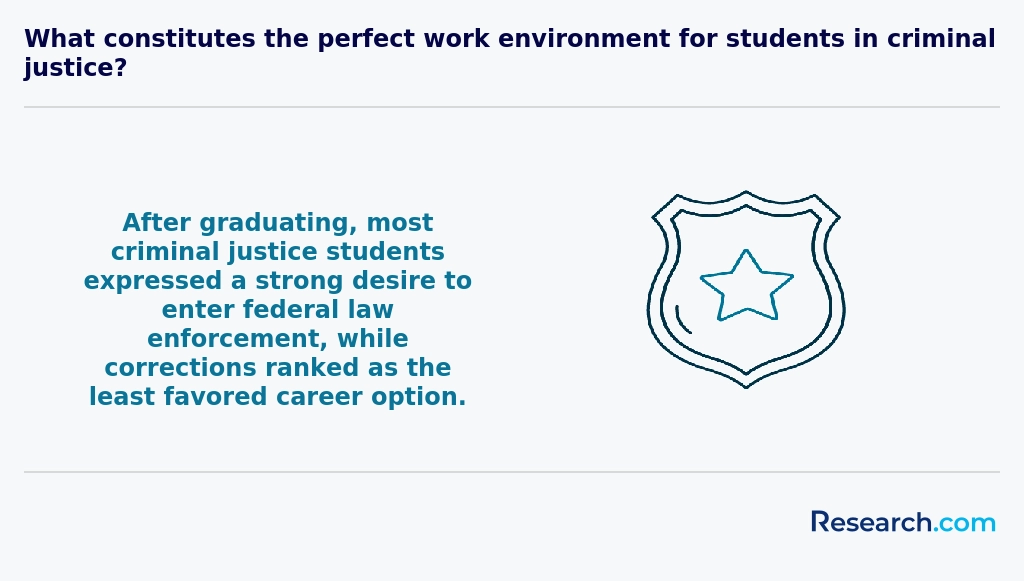
Plus, many Abilene criminal justice degree job opportunities extend beyond local gigs-federal positions like Border Patrol or FBI support open up for those willing to continue their training. Alumni from local schools often share how their coursework connected perfectly to real-life cases and gave them the confidence to step into these roles. If you're budgeting for school, you might want to check out accredited schools online with no fee to apply-a great way to ease into your degree without worrying about application costs.
What is the job market for criminal justice degree in Abilene?
If you're studying criminal justice in Abilene, you'll find the job market pretty steady and welcoming. Graduates from local colleges often share how internships with the Abilene Police Department or nearby correctional facilities gave them real hands-on experience that made landing jobs easier. The city is a solid spot for those looking into criminology employment opportunities in Abilene because agencies like the Taylor County Sheriff's Office frequently seek trained candidates for roles like detectives or probation officers.
While salaries around here might align with Texas averages-think roughly $67,000 for police officers-what really helps is the affordable living and strong community support. Many students mention how combining their degree with practical experience opened doors quickly. Plus, a criminal justice degree here often pairs well with high paying certifications, boosting job prospects. The steady criminal justice job outlook Abilene offers makes it a smart choice if you're planning a career close to home with plenty of growth potential.
Frequently Asked Questions About criminal justice
Criminal justice degree students in Abilene can enhance their learning by actively engaging with local law enforcement agencies, such as the Abilene Police Department, which offers internship opportunities. Practical experience complements academic studies and provides real-world insights. Enrolling in courses that include hands-on training in forensic science or criminal investigation techniques can also deepen understanding.
Students should utilize resources from nearby schools, including McMurry University and Abilene Christian University, both known for criminal justice programs. According to the Texas Workforce Commission, the demand for criminal justice professionals in the Abilene region is expected to grow by over 10% by 2030, emphasizing the value of internships and networking.
Joining professional organizations like the Texas Criminal Justice Association can help students access workshops, mentorships, and conferences, allowing connections with experienced professionals and staying updated on industry trends. Additionally, staying current with US federal and Texas state criminal justice policies enriches academic perspectives.
The criminal justice field in Abilene is evolving with several emerging niches gaining prominence. One key area is cybercrime investigation, reflecting a national trend as tech-related offenses rise sharply. According to the Bureau of Labor Statistics, jobs in this niche are projected to grow 15% by 2030, outpacing general criminal justice roles.
Another growing specialty is forensic psychology, where experts assist law enforcement with behavioral analysis and profiling. Abilene's access to regional mental health services supports this field's development.
Additionally, community policing and restorative justice programs are expanding in Texas, including Abilene, focusing on rebuilding trust between officers and diverse communities. These areas offer promising career paths for new graduates.
Graduates with a criminal justice degree in Abilene can enhance their job prospects by gaining practical experience during their studies. Internships with local law enforcement agencies or legal organizations provide valuable hands-on skills. Networking within Abilene's criminal justice community, including attending career fairs and joining professional associations like the Texas Criminal Justice Association, also supports employment opportunities.
Building competency in communication, critical thinking, and technology used in crime analysis is essential. According to the Texas Workforce Commission, criminal justice occupations in the Abilene area are projected to grow by 8% through 2030, emphasizing the importance of staying current with industry trends.
Employers in Abilene seek criminal justice graduates with strong analytical skills to interpret legal documents and assess case details effectively. Communication skills are also critical, as professionals must clearly convey information both verbally and in writing.
Problem-solving abilities are highly valued, enabling graduates to adapt to evolving situations in law enforcement or corrections. According to the Texas Workforce Commission, teamwork and ethical judgment rank among the top soft skills expected in the Abilene criminal justice job market.
Technical proficiency, including familiarity with criminal databases and reporting software, increasingly distinguishes candidates. Knowledge of local laws and community dynamics specific to Abilene can further enhance employability.
Finding internships in Abilene relevant to a criminal justice degree involves several strategic steps. Start by exploring local law enforcement agencies such as the Abilene Police Department and Taylor County Sheriff's Office, which often offer internship programs for students. Additionally, contacting the Texas Department of Criminal Justice region offices nearby can provide practical opportunities.
Colleges in Abilene with criminal justice programs typically have career services or internship coordinators who maintain updated listings of local internships. Networking at community events and job fairs is also beneficial. Websites like Handshake and the Texas Workforce Commission may list internships specific to the region's criminal justice field.
These steps align with national trends showing internships improve employment outcomes in criminal justice careers, as noted by the Bureau of Labor Statistics.
A criminal justice degree in Abilene significantly enhances career mobility and advancement opportunities within local law enforcement, legal, and correctional sectors. According to the Texas Workforce Commission, Abilene's metropolitan area expects a 6% growth in criminal justice-related jobs by 2028, highlighting expanding opportunities for degree holders.
Employers in Abilene-ranging from police departments to federal agencies-often prioritize candidates with formal education in criminal justice. Graduates typically qualify for higher starting salaries and promotional tracks compared to those without degrees.
Additionally, a degree opens pathways toward specialized roles such as forensic analysis, probation officer, or criminal investigator, which generally require bachelor's-level training or higher. Local agencies like the Abilene Police Department report better retention and advancement among employees holding a degree.
Studying for a criminal justice degree in Abilene equips students with skills that cross traditional disciplinary boundaries. Local programs emphasize collaboration between law enforcement, psychology, sociology, and public policy. This interdisciplinary approach mirrors the diverse demands of the criminal justice field, preparing graduates to work in roles such as probation officers, crime analysts, and social service coordinators.
Abilene institutions incorporate real-world case studies and internships with agencies like the Abilene Police Department and Taylor County courts. According to the Texas Higher Education Coordinating Board, graduates with interdisciplinary training have a 15% higher employment rate within two years post-graduation. This practical, varied education ensures readiness for complex challenges faced in criminal justice careers.
When deciding between a thesis and a non-thesis criminal justice degree program in Abilene, consider your career goals and learning preferences. A thesis option emphasizes research, ideal for students interested in academic or policy work. Completing a thesis typically requires designing a study and writing a substantial paper, which can take 6 to 12 months.
A non-thesis program focuses more on practical skills and coursework, often including internships or applied projects. This path may be better for those aiming to enter law enforcement or administration directly.
According to the Texas Higher Education Coordinating Board, criminal justice programs in Abilene have grown by 15% enrollment in recent years, reflecting increased local demand for professionals. Choosing the right track depends largely on your career plans and time availability.
Students in Abilene interested in studying criminal justice abroad can explore a variety of international exchange programs offered through local universities, such as Texas A&M University-Commerce, which sometimes partners with institutions overseas. Programs often include semester-long exchanges or short-term study tours focused on comparative criminal justice systems.
Additionally, many U.S. schools offer online criminal justice degrees with global curricula, allowing students to engage with international perspectives without leaving Abilene. While direct study abroad options specific to criminal justice may be limited locally, students can sometimes participate in broader study abroad programs that include criminal justice electives.
For detailed statistics on participation rates or partnership specifics, contacting Abilene-based institutions directly is advisable.
Students pursuing criminal justice degrees in Abilene can benefit from a variety of part-time job opportunities that enhance their academic knowledge with practical experience. Common roles include security officer positions, where students learn about safety protocols and incident reporting. Local law enforcement agencies sometimes offer internships or volunteer roles, providing valuable exposure to police procedures.
Additionally, jobs such as case aides or administrative assistants within social services can offer insights into the rehabilitation aspect of criminal justice. According to the Texas Workforce Commission, the demand for security-related occupations in Abilene is projected to grow 5% through 2030, reflecting available opportunities for students.
Criminal justice students in Abilene benefit from several strong networking opportunities through local institutions and organizations. Texas State Technical College and McMurry University offer access to internships with the Abilene Police Department and Taylor County Sheriff's Office, providing practical experience and important contacts.
Additionally, students can engage with professional groups such as the Texas Criminal Justice Coalition and local chapters of the American Criminal Justice Association. These organizations often host seminars, job fairs, and mentorship programs in Abilene, connecting students with law enforcement professionals and legal experts.
According to the Abilene Reporter-News, consistent efforts by educational institutions and local agencies have increased internship placements by over 15% in recent years, enhancing student career prospects.
Alumni networks play a crucial role for criminal justice degree students in Abilene by offering valuable career connections and mentoring opportunities. Graduates from local institutions often stay involved, providing insights into law enforcement agencies, legal professions, and correctional services in the region.
These networks can open doors to internships and job placements within Abilene's public safety departments. For example, connections made through alumni can ease access to agencies like the Abilene Police Department or Taylor County Sheriff's Office, where many graduates find employment.
Engagement in alumni groups also helps students stay updated on industry trends and continuing education, enhancing their professional development.
In Abilene, students pursuing a criminal justice degree can tailor their studies through elective courses and specialization options offered by local colleges. Many programs allow choosing concentrations such as law enforcement, corrections, or forensic science, aligning education with specific career paths. For example, Abilene Christian University provides electives emphasizing investigative techniques and public safety management. Additionally, internships with local police departments or correctional facilities help apply classroom knowledge in real-world settings.
Adapting your degree with these practical experiences boosts job readiness in Abilene's criminal justice market, which grew by 5% from 2019 to 2023, according to Texas Workforce Commission data.
Criminal justice students in Abilene face several challenges common across U.S. programs but with local nuances. One major issue is balancing rigorous coursework with practical experience opportunities. While internships are crucial, limited placements in Abilene's smaller law enforcement agencies can restrict hands-on learning. According to the Texas Higher Education Coordinating Board, enrollment in criminal justice programs has risen, intensifying competition for these spots.
Students also navigate adapting to evolving criminal justice policies, including changes in state laws impacting policing and corrections. Additionally, financial constraints pose difficulties, as the average tuition for regional schools remains a concern for many prospective learners.
Finally, students must manage stress related to the sensitive nature of criminal justice topics, which can affect mental health and academic performance.
With a criminal justice degree in Abilene, graduates can pursue several professional certifications to enhance their careers. Popular options include the Certified Protection Professional (CPP), which focuses on security management. Another certification, the Law Enforcement Officer Certification, is essential for those aiming to join local or state police departments.
The Texas Commission on Law Enforcement (TCOLE) provides certifications required for peace officers in Abilene and statewide. Additionally, certifications such as Crime Scene Investigator (CSI) and Certified Forensic Interviewer can boost specialization in forensic and investigative roles.
These certifications often require passing exams and meeting experience criteria, helping graduates stand out and advance in the competitive field of criminal justice.
Applying for a criminal justice program in Abilene requires careful preparation to stand out. Start with a well-crafted personal statement that clearly explains your interest in criminal justice and your career goals. Be specific about what attracts you to studying in Abilene, such as local law enforcement partnerships or internship opportunities.
Highlight any relevant experience, including volunteer work or jobs related to public safety. Schools in Abilene often value applicants who demonstrate community engagement and a commitment to justice. Maintain a strong GPA, as competitive programs typically look for at least a 3.0 overall.
Finally, secure strong letters of recommendation from educators or professionals familiar with your dedication and skills within the criminal justice field. According to data from the Texas Higher Education Coordinating Board, applicants with well-rounded applications in Abilene have higher acceptance rates into criminal justice programs.
Criminal justice careers in Abilene reflect a global trend emphasizing the importance of ethical law enforcement and justice administration. Globally, criminal justice professionals focus on issues such as human rights, cybercrime, and international law enforcement cooperation. According to the U.S. Bureau of Justice Statistics, about 13% growth is expected in related jobs nationally through 2031, influenced by increasing attention to security and community-based justice.
In Abilene, institutions offer programs aligning with these global priorities, integrating courses on forensic science, criminal law, and international criminal justice systems. This prepares graduates to work locally while understanding worldwide challenges.
The increased use of technology worldwide also shapes criminal justice education in Abilene, emphasizing skills like data analysis and cyber investigations. These global perspectives help students connect their studies with real-world applications beyond U.S. borders.
Gaining practical experience while studying for a criminal justice degree in Abilene involves several valuable opportunities. Many local colleges partner with agencies such as the Abilene Police Department and Taylor County Sheriff's Office to offer internships. These internships provide hands-on exposure to law enforcement procedures and case management.
Additionally, students can participate in ride-along programs or volunteer for community outreach initiatives related to crime prevention. Abilene's proximity to state judicial centers also allows students to observe court proceedings, a critical aspect of practical education.
According to the Texas Higher Education Coordinating Board, hands-on experience significantly improves job placement rates for criminal justice graduates in Texas.
Choosing the right concentration within a criminal justice degree program in Abilene depends on your career goals and interests. Common concentrations include law enforcement, corrections, forensic science, and cybersecurity. Each path prepares students for different roles within the criminal justice system.
Research local job trends in Abilene, where law enforcement and corrections roles show steady growth according to the Texas Workforce Commission. Forensic science and cybersecurity are emerging fields but may require additional technical skills. Consider internships or partnerships with Abilene police departments or regional agencies to gain practical experience.
Review course offerings at Abilene-area universities to find concentrations that match your interests and industry demands. Consulting academic advisors can also help tailor your focus.
Related Criminal Justice Rankings for Nearby Cities
- 2027 Most Valuable Criminal Justice Degree Programs Ranking in San Antonio
- 2027 Most Valuable Criminal Justice Degree Programs Ranking in Houston
- 2027 Most Valuable Criminal Justice Degree Programs Ranking in Wichita
- 2027 Most Valuable Criminal Justice Degree Programs Ranking in Little Rock
- 2027 Most Valuable Criminal Justice Degree Programs Ranking in Colorado Springs
- 2027 Most Valuable Criminal Justice Degree Programs Ranking in Denver
- 2027 Most Valuable Criminal Justice Degree Programs Ranking in New Orleans
- 2027 Most Valuable Criminal Justice Degree Programs Ranking in Hattiesburg
- 2027 Most Valuable Criminal Justice Degree Programs Ranking in Saint Louis
- 2027 Most Valuable Criminal Justice Degree Programs Ranking in Phoenix
Top Trending Criminal Justice Rankings
See What Experts Have To Say About Studying Criminal Justice
Read our interview with Criminal Justice experts

Mark Moore
Criminal Justice Expert
Research Professor of Public Management
Harvard University

David Carter
Criminal Justice Expert
Professor, School of Criminal Justice
Michigan State University

James W. Marquart
Criminal Justice Expert
Associate Provost and Professor of Criminology
Texas Christian University

References
- Study Criminal Justice & Legal Studies Abroad https://worldstrides.com/en-us/higher-ed/academics/criminal-justice-legal-studies
- Criminal Justice Degrees | Criminal Justice Schools and Colleges https://criminaljusticeschoolscentral.com/criminal-justice-degrees/
- Online Bachelor’s Degree in Criminal Justice | Warner Pacific https://www.warnerpacific.edu/programs/criminal-justice/
- Guide To Criminal Justice Degrees And Majors https://www.criminaljusticedegreeschools.com/degrees/
- Criminal Justice https://www.cisco.edu/degrees-programs/associate-of-applied-science/criminal-justice
- 10 skills you need to work in Criminal Justice | Service Care Solutions https://www.servicecare.org.uk/career-advice/10-skills-you-need-to-work-in-criminal-justice/
- Criminal Justice Salary Guide | All Criminal Justice Schools https://www.allcriminaljusticeschools.com/criminal-justice/criminal-justice-salaries/
- Criminal Justice Organizations for Students | University of Phoenix https://www.phoenix.edu/articles/criminal-justice/criminal-justice-organizations-for-students.html
- Criminal Justice Career Goals https://www.bartleby.com/essay/Criminal-Justice-Career-Goals-8B09294D4789A4A5
- Financial Aid And Scholarships For Criminal Justice Degrees https://www.accreditedschoolsonline.org/criminal-justice-degree/financial-aid-scholarships/