2027 Most Popular Criminal Justice Degree Programs Ranking in San Juan

Co-Founder and Chief Data Scientist
Choosing the right criminal justice degree program is an important step for your future, especially in San Juan's growing field. This article introduces the 2027 Most Popular Criminal Justice Degree Programs Ranking in San Juan, developed by Research.com's skilled data scientists.
Our ranking helps you explore top programs based on reliable data, making your decision easier and more informed. Pursuing a criminal justice degree opens doors to meaningful careers where you can make a real difference in your community.
Discover opportunities that match your goals and take confident steps toward success.
Key benefits of getting criminal justice degree in San Juan
- Graduates with a criminal justice degree in San Juan can expect competitive salaries, such as $76,550 annually for police officers and up to $95,930 for crime scene investigators, providing strong financial stability.
- Career paths include roles like police officer, correctional officer, forensic science technician, and court clerk, offering diverse opportunities for growth and making a real difference in the community.
- Online criminal justice degrees offer flexible schedules and accessibility, allowing students in San Juan to balance studies with work, as demonstrated by successful graduates from local universities offering remote learning options.
- Key benefits of getting criminal justice degree in San Juan
- What can I expect from criminal justice degree in San Juan?
- Where can I work with criminal justice degree in San Juan?
- How much can I make with criminal justice degree in San Juan?
- 2027 Most Popular Criminal Justice Degree Programs Ranking in San Juan
- Key Findings
- How long does it take to complete criminal justice degree in San Juan?
- What's the difference between online and on-campus criminal justice degree?
- What is the average cost of criminal justice degree in San Juan?
- What financial aid is available to criminal justice degree students in San Juan?
- What are the prerequisites for enrolling in criminal justice degree program in San Juan?
- What courses are typically in criminal justice degree programs in San Juan?
- What types of specializations are available in criminal justice degree programs in San Juan?
- How do you choose the best criminal justice degree in San Juan?
- What career paths are available for criminal justice degree students in San Juan?
- What is the job market for criminal justice degree in San Juan?
- Top Trending Criminal Justice Rankings
- See What Experts Have To Say About Studying Criminal Justice
What can I expect from criminal justice degree in San Juan?
Imagine stepping into a classroom at the University of Puerto Rico in San Juan, where the cost of earning a criminal justice degree feels surprisingly manageable compared to many mainland options. Graduates often share how tuition here is affordable, especially when compared to similar programs stateside, making the adventure of higher education both exciting and accessible. Public universities in San Juan offer criminal justice programs where bilingual instruction enriches the learning experience, helping students feel confident navigating both Spanish and English legal terminology.
Many students find themselves immersed in practical internships with local police departments or courts, gaining hands-on experience without breaking the bank. Typical tuition rates at these institutions tend to be lower than expected, easing financial pressures while opening doors to careers in policing, forensic science, or public safety administration. This cost-effectiveness allows students to focus on growth and skill-building, fueling a passion for justice in a city teeming with unique legal challenges and opportunities.
Where can I work with criminal justice degree in San Juan?
Graduates from criminal justice programs at institutions like the University of Puerto Rico in San Juan often find themselves stepping into dynamic roles within the city's vibrant law enforcement scene. Imagine starting your career as a detective or crime analyst with the San Juan Police Department, where your education directly influences community safety and daily investigations. Many alumni share how this hands-on experience fuels their passion and sharpens their skills.
Others follow paths into the bustling court system, serving as probation officers or legal assistants in municipal courts. Picture yourself navigating courtroom procedures, supporting justice administration, and making a real difference in rehabilitation efforts.
The correctional facilities around San Juan offer adventurous opportunities too. Graduates often recount the rewarding challenge of working as correctional officers or parole supervisors, blending theoretical knowledge of human behavior with practical strategies for rehabilitation.
Beyond government roles, some graduates thrive in San Juan's private sector-consulting, risk assessment, or security management. Envision using your expertise to safeguard local businesses in this growing economy.
For those drawn to high-stakes federal work, offices of the FBI and DEA in Puerto Rico actively seek criminal justice degree holders for investigative roles, offering careers that blend rigorous training with real-world impact.
How much can I make with criminal justice degree in San Juan?
Graduates from criminal justice programs in San Juan often find their starting salaries range from about $28,000 to $34,000 annually for roles like police officers or correctional officers, reflecting local government pay scales. Yet, these numbers only tell part of the story. Imagine a graduate from a well-regarded college in San Juan stepping into a police officer role-while the base pay might seem modest compared to the mainland U.S., the stable benefits and chances to work closely with the community create a rewarding experience that feels priceless.
More seasoned graduates pursuing forensic technician roles can look forward to average salaries near $37,000, supported by the rich educational programs in San Juan's universities that emphasize hands-on lab work and crime scene investigations. Those aiming higher in supervisory roles or private investigations might see salaries climb toward $45,000 to $60,000, reflecting advanced skills and specialized certifications earned after graduation.
Comparing these local figures with BLS data, where a police officer nationally earns about $76,550, or a forensic science technician around $71,540, graduates delight in the unique opportunity to grow their careers in a vibrant city like San Juan while balancing cost of living advantages.
2027 Most Popular Criminal Justice Degree Programs Ranking in San Juan
How do we rank schools?
Investing in your education is a significant decision that can shape your future, and the Research.com team understands the importance of making informed choices. To assist prospective students in San Juan, we have meticulously crafted the "2027 Most Popular Criminal Justice Degree Programs Ranking in San Juan." Our commitment to quality, credibility, and accuracy is reflected in the extensive research and analysis conducted to compile this ranking.
We utilized the following reputable data sources to ensure a comprehensive evaluation of criminal justice programs:
By exploring this ranking, readers will gain valuable insights into the most popular criminal justice degree programs in San Juan, empowering them to make informed decisions about their educational pursuits. For more details on our methodology, please visit our Research.com methodology page.


# 4 position
Universidad Ana G. Mendez-Cupey Campus
Bachelor of Arts in Criminal Justice
# 5 position
Universidad Ana G. Mendez-Cupey Campus
Recinto de Carolina Master in Criminal Justice and Criminology
Key Findings
- The cost for a criminal justice bachelor's degree in San Juan ranges from $15,000 to $25,000 at public schools for in-state students, while private institutions often exceed $30,000.
- Graduates typically start with an average salary of around $38,000 per year in roles such as police officers and paralegals.
- Experienced criminal justice professionals can expect salaries between $55,000 and $65,000, especially with advanced degrees or certifications.
- Job growth in law enforcement and legal administration in San Juan is projected at about 5% over the next decade.
- Many programs offer internships with police departments, courts, and federal agencies to provide practical experience.
- Programs accredited by bodies like the Academy of Criminal Justice Sciences (ACJS) ensure education meets professional standards.
How long does it take to complete criminal justice degree in San Juan?
Embarking on a criminal justice degree journey in San Juan is an exciting adventure, especially when you know how the timeline usually unfolds. Most students dive into an associate degree first, which takes about two years-a perfect sprint for those eager to start working in law enforcement or corrections quickly. Graduates from institutions like the University of Puerto Rico at Río Piedras often share stories of balancing studies with life in San Juan's vibrant urban setting, making those two years feel packed with energy and discovery.
For those ready to deepen their expertise, a bachelor's degree typically takes around four years of full-time study. Imagine exploring topics from criminology to judicial processes while soaking up the unique Puerto Rican culture. Students appreciate how this degree opens doors to advanced career opportunities, empowering them to make a real impact.
Some adventurers go even further, dedicating an extra two years for a master's degree, expanding their skills for specialized roles or academic paths. While fewer San Juan schools offer this level, it's a rewarding challenge for the truly passionate.
- Associate degree: approximately 2 years
- Bachelor's degree: approximately 4 years
- Master's degree: approximately 2 additional years after a bachelor's
What's the difference between online and on-campus criminal justice degree?
Choosing between an online or on-campus criminal justice degree in San Juan sparks a unique adventure for every student. Imagine stepping into a lively classroom at the University of Puerto Rico or the Inter American University, engaging directly with professors and classmates, diving into hands-on labs, and joining workshops that sharpen real-world skills. Many graduates recall the thrill of live debates and the instant feedback that energized their learning journey. However, this path often means daily commutes or relocating, adding layers to the college experience.
On the flip side, online programs open a world of flexibility. Graduates from respected San Juan institutions cherish the freedom to study amid their busy lives-pausing lectures between shifts or catching up late at night. Online students tap into virtual discussions and digital libraries, weaving education seamlessly into their routines. Tuition tends to be a bit lower online, making education accessible without sacrificing quality.
What is the average cost of criminal justice degree in San Juan?
The average cost of a criminal justice degree in San Juan often comes as a pleasant surprise for many students exploring their options. With median in-state total costs around $5,780 and out-of-state expenses near $16,738, San Juan offers a spectrum of affordability that fits various budgets. Graduates from popular universities, such as the well-known public institutions in the city, share stories of managing tuition expenses with the support of financial aid and scholarships, making their educational journeys feel more accessible and rewarding.
Many students appreciate how criminal justice degree tuition and fees San Juan present a sharp contrast to mainland prices, where annual tuition can exceed $30,000 at private universities. Imagine walking through the halls of a bustling campus in Río Piedras, feeling the vibrant energy of public university life, where tuition is considerably lower but the quality of education remains robust. This real-life scenario encourages prospective students to envision themselves thriving here without the overwhelming financial burden often associated with criminal justice programs elsewhere.
Budget-conscious students also weigh the cost of textbooks, supplies, and living expenses alongside tuition. Still, many feel empowered knowing that this integrated approach to education financing doesn't diminish their experience but rather enhances the sense of accomplishment. For those considering swift graduation routes, checking out the best online associate degree in 6 months accredited options can be a smart strategy to reduce time and costs.
What financial aid is available to criminal justice degree students in San Juan?
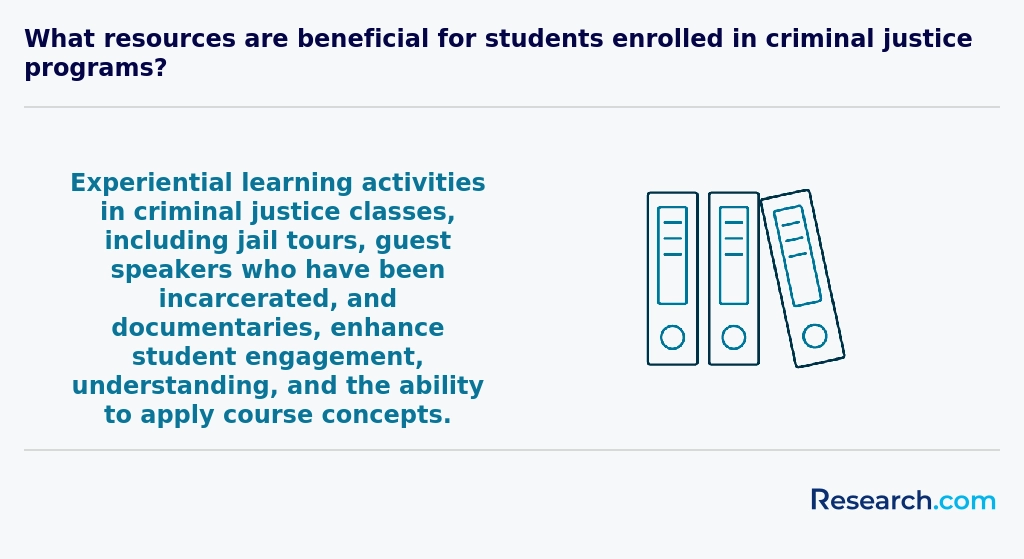
Criminal justice students in San Juan eagerly tap into a variety of financial aid options that bring their academic dreams within reach. Imagine a student at the University of Puerto Rico, balancing classes and a part-time job funded by Federal Work-Study, gaining hands-on experience in public safety while earning support to cover living expenses. Others rely on Pell Grants, which offer substantial need-based aid without the stress of repayment, making tuition at institutions like Ana G. Méndez University more affordable.
Completing the FAFSA early is a common tip shared among graduates, as this unlocks key federal grants and loans like Direct Subsidized and Unsubsidized Loans. These loans ease the burden of tuition and daily costs, helping students stay focused on their studies and future careers.
Local scholarships from the Puerto Rico Department of Education and scholarships from private groups, such as the Hispanic Scholarship Fund, provide additional avenues for support, frequently enabling students to dedicate more time to training rather than worrying about money.
What are the prerequisites for enrolling in criminal justice degree program in San Juan?
Diving into a criminal justice degree in San Juan means first meeting some straightforward but essential prerequisites. Graduates from popular institutions like the University of Puerto Rico's San Juan campus often recall submitting their high school diploma or GED as their first step, sparking the journey toward a meaningful career. Some community colleges even welcome students who are still finishing high school, letting their passion for justice lead the way early on.
Submitting official transcripts feels like sharing your academic story. Graduates describe how strong grades in social sciences and communication classes set them apart, reflecting skills crucial for tackling legal and societal challenges. While standardized tests like the SAT may still be requested, many schools have embraced flexibility, creating a less stressful path for eager applicants.
Imagine writing a personal essay explaining your excitement about fighting crime and protecting communities-this heartfelt statement can open doors. Letters of recommendation and placement tests further build a complete picture, ensuring students are ready to thrive in San Juan's dynamic criminal justice programs.
What courses are typically in criminal justice degree programs in San Juan?
Imagine diving into a criminal justice degree at the University of Puerto Rico, San Juan campus, where your first steps explore foundational courses like Introduction to Criminal Justice. Graduates often recall how this class sparked their curiosity about the system's intricate structure and real-world impact. You'll also navigate Criminology, uncovering theories behind crime through vivid case studies that bring complex ideas to life.
Law Enforcement courses invite you to step into the shoes of local officers, grappling with ethical dilemmas and everyday challenges on the vibrant streets of San Juan. Corrections offers a window into rehabilitation efforts, often shared through stories from graduates who interned in nearby facilities, gaining hands-on experience.
Expect to engage deeply with Criminal Law and Procedures, feeling the weight of courtroom drama and constitutional protections that shape justice in Puerto Rico. Electives in forensic science or cybercrime add thrilling layers, while internships connect you to agencies that uniquely blend local and federal law enforcement.
What types of specializations are available in criminal justice degree programs in San Juan?
In San Juan, exploring the criminal justice degree specializations opens doors to exciting career paths. Graduates from local universities often share their enthusiasm for the law enforcement track, where hands-on patrol training and community engagement spark a real sense of purpose. Others discover a passion for corrections and rehabilitation, inspired by meaningful interactions during internships at rehabilitation centers or probation offices.
The vibrant academic environment in San Juan also supports specializations like criminal law and the court system, perfect for those eager to master courtroom dynamics and legal strategy. Meanwhile, students drawn to policy tend to dive into criminology and criminal justice policy, fascinated by how societal factors shape crime prevention.
Emerging fields such as cybersecurity and digital forensics captivate tech-savvy students, combining their love for computers with criminal justice. Those curious about the range of programs available might find helpful insights in programs highlighted through easiest online degrees to get that include these exciting options tailored to criminal justice career options San Juan.
How do you choose the best criminal justice degree in San Juan?
Choosing the best criminal justice degree in San Juan feels like embarking on a personal mission where every decision shapes your future path. Graduates from popular colleges and universities here often share how accreditation was their first checkpoint-knowing their degree stood on solid ground gave them confidence walking into interviews and internships. When exploring affordable criminal justice colleges San Juan offers, many discovered that public institutions not only eased financial strain but also provided rich, hands-on experiences like engaging internships with local law enforcement agencies.
Imagine diving deep into courses covering everything from forensic science to corrections, guided by faculty who bring real-world stories from San Juan's streets and courtrooms. Flexibility was a game-changer for others, who balanced evening classes or online studies while working. Some even accelerated their journey by considering a fastest associates degree, opening doors to careers more quickly. Exploring career outcomes, these students found that programs connected with San Juan's public safety networks greatly boosted their chances of landing rewarding roles after graduation.

What career paths are available for criminal justice degree students in San Juan?
Graduates holding a criminal justice degree in San Juan often find themselves stepping into dynamic roles like police officers, detectives, or federal agents, where their understanding of investigative techniques comes alive on the streets. Many who studied at popular colleges in San Juan report a thrilling sense of purpose as they join the Puerto Rico Police Bureau, navigating the unique local legal landscape. Exploring criminal justice career opportunities in San Juan can lead you beyond traditional routes, such as correctional or probation officers, roles that challenge graduates to support rehabilitation and community safety.
Other graduates venture into criminal justice research or policy analysis, contributing to innovative reforms with local non-profits dedicated to public safety improvements. The excitement of shaping real policies appeals to those eager to make a social impact. Some even engage in private security management or forensic science, blending specialized skills with their degree for a hands-on approach. Students considering their educational investment will appreciate direct insights from San Juan programs and may explore options at online colleges that take fafsa to fund their journey toward such adventurous career prospects.
San Juan criminal justice degree job prospects reflect a region with steady growth and diverse paths, inviting graduates to embrace a future where their skills can serve communities in deeply meaningful ways.
What is the job market for criminal justice degree in San Juan?
Exploring the criminal justice degree job opportunities San Juan reveals a rich landscape shaped by the city's unique public safety needs. Graduates from popular local universities often find themselves stepping into roles within municipal police departments or correctional facilities, where their training directly impacts community well-being. Many share stories of engaging internships and hands-on experiences that sharpen their skills and ignite a passion for urban crime prevention.
San Juan's criminal justice career outlook is shaped by steady growth supported by federal initiatives and local government efforts. While salaries may be lower compared to the U.S. mainland, the rewarding nature of the work and opportunities at federal agencies based in the city provide exciting paths for those eager to dive into investigation and law enforcement support. Students appreciate the affordable tuition options and often explore pathways through a cheap bachelor degree to balance quality education with cost-effectiveness.
Frequently Asked Questions About criminal justice
Criminal justice students in San Juan can maximize their learning by engaging in internships with local law enforcement agencies. The San Juan Police Department and municipal courts often offer practical experiences that complement classroom learning. According to the Puerto Rico Department of Education, hands-on opportunities improve job prospects by 20% for graduates. Additionally, students should participate in campus organizations related to criminal justice, which provide networking and leadership skills.
Utilizing resources like San Juan's libraries and online databases allows deeper research into the island's unique legal system. Attending seminars on local crime trends enhances understanding of regional challenges. Combining academic study with community involvement is key to success.
The criminal justice field is evolving with several emerging niches that offer new career opportunities for graduates in San Juan. One prominent area is cybercrime investigation, which addresses the increasing number of digital offenses. The rise of technology-driven crimes has created demand for specialists skilled in cybersecurity and digital forensics. Another growing niche is restorative justice, focusing on rehabilitation and reconciliation rather than punishment, which aligns with modern community-based approaches.
Additionally, criminal intelligence analysis is gaining traction, helping law enforcement predict and prevent crime through data interpretation. According to the Bureau of Labor Statistics, jobs related to cybercrime and intelligence analysis are expected to grow faster than average. San Juan's local agencies are increasingly adopting these specialized roles to enhance public safety.
Graduates with a criminal justice degree in San Juan should focus on building practical experience to enhance job prospects. Internships with local law enforcement agencies or legal firms provide valuable exposure to the field. Networking is also critical; joining professional organizations such as the Puerto Rico Police Department Alumni Association can open doors to job opportunities.
According to the U.S. Bureau of Labor Statistics, employment in correctional officers and probation officers is expected to grow moderately in Puerto Rico through 2031. Job seekers should develop strong communication and critical thinking skills to meet employer demands. Additionally, obtaining relevant certifications in areas like crime scene investigation can improve competitiveness in San Juan's criminal justice labor market.
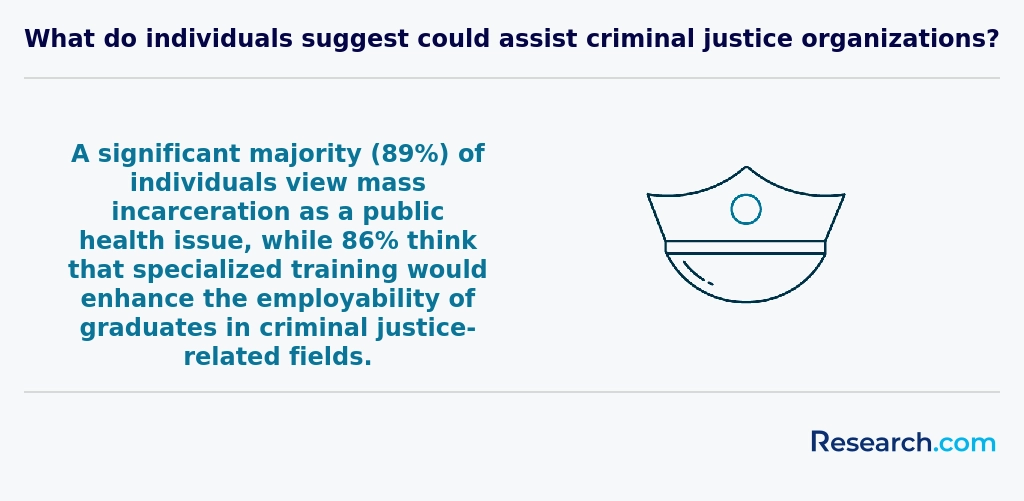
Employers in San Juan look for criminal justice graduates who demonstrate strong critical thinking and problem-solving skills. These abilities help professionals analyze situations accurately and make informed decisions under pressure. Communication skills, both verbal and written, are also highly valued as they enable clear reporting and collaboration with law enforcement and community members.
Interpersonal skills matter significantly since many roles require working closely with diverse populations and teams. According to the Bureau of Labor Statistics, demand for law enforcement officers and related professionals in Puerto Rico is expected to grow steadily, making adaptability and cultural competence crucial assets for job candidates.
Technical proficiency, including familiarity with forensic technology and data management systems, further enhances employability in San Juan's criminal justice sector.
Finding internships in San Juan relevant to a criminal justice degree involves leveraging local resources and institutions. Many students begin by contacting university career centers, such as those at the University of Puerto Rico, which often partner with local law enforcement agencies and legal offices.
San Juan offers internship opportunities through the Puerto Rico Police Department and the Department of Corrections, providing hands-on experience in law enforcement and rehabilitation. Networking at local criminal justice events or job fairs can increase chances of placement.
Additionally, students should explore nonprofit organizations focused on criminal justice reform, which sometimes offer internships.
In San Juan, earning a criminal justice degree significantly enhances career mobility and advancement opportunities. According to the Bureau of Labor Statistics, individuals with a bachelor's in criminal justice are 15% more likely to secure supervisory and higher-level positions compared to those without a degree. Local employers, including law enforcement agencies and correctional institutions, prioritize candidates with formal education due to the competitive nature of the field.
The city's growing public safety sector demands professionals trained in current legal standards and investigative techniques. Graduates often find improved access to roles such as probation officers, forensic analysts, and crime scene investigators. Higher education also opens pathways to specialization and federal agency positions, which typically require at least a bachelor's degree.
Studying for a criminal justice degree in San Juan fosters interdisciplinary skills essential for diverse roles in law enforcement, social services, and legal fields. Programs often combine courses in sociology, psychology, and public administration, reflecting the complex dynamics of the justice system. This broad academic approach prepares students for collaboration with professionals such as social workers, counselors, and policymakers.
San Juan's institutions emphasize practical experience through internships with local agencies, enhancing real-world understanding. According to the Puerto Rico Department of Justice, graduates with interdisciplinary training show a 20% higher employment rate in multifaceted roles. This integrated education equips students to address crime prevention, rehabilitation, and community relations effectively.
When choosing between a thesis and a non-thesis criminal justice degree program in San Juan, students should consider their career goals and learning preferences. Thesis programs typically involve conducting original research and writing a detailed paper, which can be suitable for those planning to pursue advanced studies or careers in research and policy development.
Non-thesis programs usually focus on coursework and practical skills, ideal for students aiming to enter or advance in law enforcement, correctional services, or public administration. According to recent data from the Bureau of Justice Statistics, nearly 60% of criminal justice professionals in Puerto Rico emphasize practical training over research experience.
Cost, program length, and faculty expertise in San Juan institutions are also important factors to investigate before making a decision.
Students based in San Juan interested in studying criminal justice abroad have several options within the US higher education system. Many US institutions offer online or hybrid criminal justice programs, allowing students in San Juan to access quality education without relocating. Additionally, some universities provide study-abroad opportunities, internships, or exchange programs focused on criminal justice, usually within major US cities or territories.
According to the National Center for Education Statistics, approximately 35% of criminal justice students nationwide engage in some form of study involving external institutions, which can include programs accessible from Puerto Rico. This makes abroad study options flexible and increasingly available to San Juan residents.
Students should consider accredited programs recognized by the Academy of Criminal Justice Sciences to ensure quality and transferability of credits.
Students pursuing criminal justice degrees in San Juan can benefit from several part-time job opportunities that complement their education. Common roles include working as security officers, correctional aides, or administrative assistants in law enforcement agencies. These positions provide hands-on experience with public safety and the justice system.
Internships with local police departments or legal aid organizations are also valuable, offering exposure to investigative work and court procedures. According to the Bureau of Labor Statistics, law enforcement support roles in Puerto Rico are expected to grow by 5% through 2030, enhancing job prospects.
Additionally, part-time jobs in social services can help develop skills in community support and rehabilitation, critical areas within criminal justice careers.
Criminal justice students in San Juan have access to a variety of strong networking opportunities. Local universities often collaborate with the Puerto Rico Police Department and other law enforcement agencies, offering internships and mentorship programs. These connections allow students to gain hands-on experience and build professional relationships early in their careers.
Additionally, San Juan hosts events such as criminal justice symposiums and career fairs, frequently sponsored by organizations like the Puerto Rico Chapter of the American Society of Criminology. These events provide students with chances to meet practitioners, researchers, and potential employers.
Professional associations in Puerto Rico also promote networking through workshops and seminars, enhancing student engagement beyond the classroom.
Alumni networks play a significant role in supporting criminal justice degree students in San Juan. These networks offer valuable connections to professionals working in local law enforcement, courts, and corrections. Access to such contacts can improve internship and job placement opportunities, which are crucial in a competitive field.
Many alumni actively participate in mentoring current students, sharing practical advice and career insights. This guidance helps students navigate the unique aspects of criminal justice work in San Juan, including understanding Puerto Rico's legal system and community needs.
According to the Puerto Rico Department of Labor, graduates with strong alumni ties see a 15% higher employment rate within six months after graduation, highlighting the network's impact.
Customizing a criminal justice degree program in San Juan requires selecting courses and specializations aligned with your career goals. Many institutions offer elective options in areas like forensic science, cybersecurity, or corrections, allowing students to tailor their education to specific interests.
Internships and practical experiences are crucial for gaining hands-on skills. Local agencies such as the San Juan Police Department or Puerto Rico's Department of Public Safety often partner with universities, providing valuable fieldwork opportunities.
Additionally, some programs include options for certificate tracks in areas like homeland security or juvenile justice, which can enhance employability in targeted sectors.
Students should consult academic advisors to create individualized degree plans that meet licensure or certification requirements in Puerto Rico's criminal justice field.
Criminal justice students in San Juan often face challenges related to balancing rigorous coursework with practical experience requirements. Many programs emphasize internships within local law enforcement agencies, which can be competitive and limited in availability. According to the Bureau of Justice Statistics, networking plays a crucial role in securing these placements.
Additionally, students must stay updated on evolving laws and policies, which significantly impact the field. Limited funding and resources for research and study materials can also pose difficulties, especially for those attending public institutions with tight budgets.
Language barriers and adapting to diverse community needs create further challenges, given San Juan's unique demographic composition.
With a criminal justice degree, individuals in San Juan can pursue various professional certifications that enhance career opportunities.
Popular certifications include the Certified Criminal Justice Specialist (CCJS) and the Crime Prevention Practitioner (CPP). These credentials demonstrate expertise in law enforcement techniques and preventive strategies.
For those interested in corrections, the Certified Correctional Officer (CCO) credential is valuable.
Additionally, certificates from the American Society for Industrial Security (ASIS), such as Certified Protection Professional (CPP), are recognized nationwide.
These certifications often require passing an exam and relevant work experience, helping graduates stand out in a competitive job market.
The Puerto Rico Police Department supports ongoing certification to improve professional standards locally, according to their latest reports.
When applying to criminal justice programs in San Juan, start by thoroughly researching local institutions to understand their specific admission requirements. Most universities require a high school diploma or equivalent, along with standardized test scores such as the SAT or ACT. Highlight any relevant experience, like internships or volunteer work in law enforcement or community service, which demonstrates your commitment to the field.
Craft a clear and concise personal statement explaining why you wish to study criminal justice in San Juan. Emphasize your understanding of local issues, supported by data from sources like the Puerto Rico Police Department's annual crime reports.
Additionally, strong letters of recommendation from teachers or professionals familiar with your skills can significantly boost your application.
Criminal justice careers in San Juan reflect broader trends seen across the United States, where a global perspective is increasingly important. Professionals often engage with international law enforcement agencies and human rights organizations to address cross-border crime, including trafficking and cybercrime. According to the Bureau of Justice Statistics, about 1 in 7 law enforcement employees in the US have roles that require cooperation beyond local or national borders, emphasizing the need for global awareness.
Students pursuing a criminal justice degree in San Juan are encouraged to develop skills in cultural competence and global criminal policy. Programs typically include courses on comparative justice systems and international law, preparing graduates for careers that transcend traditional boundaries.
The global perspective also underscores challenges such as varying legal frameworks and human rights standards. Understanding these differences can enhance the effectiveness of professionals working in multinational environments or with immigrant populations in San Juan.
Gaining practical experience while studying for a criminal justice degree in San Juan is essential for career readiness. Many local universities, such as the University of Puerto Rico at Rio Piedras, offer internship opportunities with law enforcement agencies and the judicial system. Students can apply for placements in police departments, correctional facilities, and legal offices, providing real-world insights into criminal justice operations.
Additionally, participation in campus clubs focused on criminal justice allows networking and skill development. Volunteering with community organizations involved in public safety is another option. According to the Puerto Rico Institute of Statistics, practical training significantly boosts employment prospects in the region's criminal justice field.
Choosing the right concentration in a criminal justice degree program in San Juan involves assessing your career goals and interests. Popular concentrations include law enforcement, corrections, forensic science, and homeland security. Each focuses on different aspects of the justice system, so it's important to understand what career paths align with each area.
Consider the job market in Puerto Rico, where demand is growing for professionals in law enforcement and forensic analysis, according to the Puerto Rico Department of Labor. Reviewing program curriculum and seeking internships with local agencies can also guide your decision.
Finally, ensure the program is accredited and offers practical experiences to build relevant skills.
Top Trending Criminal Justice Rankings
See What Experts Have To Say About Studying Criminal Justice
Read our interview with Criminal Justice experts

Mark Moore
Criminal Justice Expert
Research Professor of Public Management
Harvard University

David Carter
Criminal Justice Expert
Professor, School of Criminal Justice
Michigan State University

Frank Schmalleger
Criminal Justice Expert
Professor Emeritus
The University of North Carolina

References
- Study Criminal Justice & Legal Studies Abroad https://worldstrides.com/en-us/higher-ed/academics/criminal-justice-legal-studies
- Advancing Economic Mobility for Workers With Criminal Records https://www.jff.org/idea/advancing-economic-mobility-for-workers-with-criminal-records/
- Study Criminal Justice Abroad | Go Overseas https://www.gooverseas.com/study-abroad/criminal-justice
- Criminal Justice Organizations for Students | University of Phoenix https://www.phoenix.edu/articles/criminal-justice/criminal-justice-organizations-for-students.html
- Social Work and Criminal Justice Professionals Alumni Network https://community.faualumni.org/topics/36974/feed
- Explore Bachelor's Degree in Criminal Justice | All Criminal Justice Schools https://www.allcriminaljusticeschools.com/criminal-justice/criminal-justice-bachelors-degree/
- The Current Challenges of International Criminal Law - FIBGAR https://fibgar.es/en/portfolio-item-en/the-current-challenges-of-international-criminal-law/
- What to do With a Criminal Justice Degree - Paladin Security https://paladinsecurity.com/security-careers/become-security-guard-canada/
- Criminal Justice Schools in Puerto Rico https://www.criminaljusticeprograms.com/states/puerto-rico/
- CRIMINAL JUSTICE https://www.stmartin.edu/documents/criminal-justice-resume-and-cover-letter-packet