2027 Most Popular Criminal Justice Degree Programs Ranking in Adrian

Co-Founder and Chief Data Scientist
Choosing the right criminal justice degree program is an important step toward a rewarding career in public safety, law enforcement, or legal services. For students in Adrian, this article offers valuable insights to help guide that decision.
The 2027 Most Popular Criminal Justice Degree Programs Ranking in Adrian was created by the Research.com team of data scientists to highlight programs that stand out for quality and relevance. Readers will find trustworthy data to explore options confidently.
Whether you want to protect your community or advance justice, earning a degree in criminal justice can open many doors. This article aims to support your journey with clear, reliable information.
Key benefits of getting criminal justice degree in Adrian
- Graduates with a criminal justice degree in Adrian can earn competitive salaries, such as $76,550 annually for police officers and $95,930 for crime scene investigators, offering strong financial stability.
- Career paths include roles like correctional officer, forensic science technician, and court clerk, giving you diverse options to find a job that matches your interests and skills.
- Completing a criminal justice degree online in Adrian provides flexibility for busy students and working professionals, helping you balance life while advancing your education effectively.
- 2027 Most Popular Criminal Justice Degree Programs Ranking in Adrian
- What can I expect from criminal justice degree in Adrian?
- Where can I work with criminal justice degree in Adrian?
What can I expect from criminal justice degree in Adrian?
Curious about the cost of pursuing a criminal justice degree in Adrian? Students often find that tuition and fees at local institutions like Adrian College or Mott Community College typically range between $10,000 and $20,000 per year, depending on whether they attend as in-state or out-of-state students. Graduates recall investing in their education felt like stepping into a world of real possibilities: internships with local police departments, hands-on training, and immersive classes bringing Michigan's unique justice system vividly to life.
Many students appreciate how costs align with the quality of experiences-learning by doing in the heart of Adrian, where community policing and restorative justice aren't just theories but daily realities. Financial aid and scholarships often ease the burden, especially for those passionate about serving their communities. This sense of purpose and practical exposure creates an educational journey that's both affordable and rich with rewarding opportunities.
Where can I work with criminal justice degree in Adrian?
Graduates from Adrian's criminal justice programs often find themselves stepping confidently into roles with local police departments, such as the Adrian Police Department. These positions tap into skills learned at popular colleges, where students train in investigative methods and community engagement-imagine patrolling familiar neighborhoods, building trust, and making a visible impact every day.
Others discover rewarding careers in Lenawee County's correctional facilities, working as probation officers or juvenile counselors. Graduates describe the fulfillment of guiding offenders toward positive change, turning challenging experiences into real social progress.
The courts in Adrian offer roles like court clerks and victim advocates, perfect for those who enjoy detailed case work and supporting people through difficult moments. Private security firms also hire criminal justice grads, where protecting businesses and conducting investigations add variety and excitement to the workweek.
Ambitious grads often look to nearby Detroit or Toledo to join federal agencies such as the FBI or DEA, where the training and connections made in Adrian open doors to thrilling national law enforcement careers.
Graduates from Adrian's well-regarded criminal justice programs often find themselves stepping into roles with promising paychecks. For instance, a police officer in this vibrant community can expect to earn around $76,550 per year, opening doors to a career with both excitement and steady financial growth. Many graduates from local colleges relish sharing how their initial patrol shifts quickly translate into rewarding experiences and pay suitable for supporting their ambitions.
Those venturing into correctional officer roles report mean annual wages near $58,810, reflecting reliable income as they contribute to community safety. Imagine the sense of accomplishment when a graduate, once a student at Adrian College, confidently navigates these challenging environments, knowing their education prepared them well.
More specialized paths shine even brighter. Crime scene investigators, often alumni of nearby criminal justice programs, tap into a fascinating world of forensics with annual earnings averaging $95,930. Forensic science technicians earn about $71,540, combining scientific intrigue with solid remuneration. These figures make the journey through Adrian's educational landscape feel not only adventurous but worthwhile at every step.
- Tuition for criminal justice degrees in Adrian ranges from $8,000 to $15,000 per year at public institutions, with community colleges offering lower costs near the $8,000 mark.
- Local education options include in-person and hybrid formats to suit different student needs.
- Entry-level salaries for graduates typically range from $35,000 to $45,000 annually, depending on the job and employer.
- Experienced professionals can earn between $50,000 and $70,000 per year, especially in supervisory or specialized roles.
- Many local agencies provide tuition reimbursement or assistance programs for employees pursuing criminal justice degrees.
Diving into a criminal justice degree in Adrian often means embarking on a journey that fits your own pace and lifestyle. For many eager learners at local colleges, an associate degree opens doors in about two years, a compact adventure balanced between intense study and hands-on experience. Graduates recall how community colleges nearby offered dynamic courses that made the 60 semester credit hours fly by with engaging discussions on law enforcement and community impact.
For those ready to dive deeper, the typical bachelor's degree takes roughly four years at Adrian's popular universities, where students immerse themselves in criminology, justice systems, and real-world case studies. Many find the experience rewarding as they form bonds with professors and peers, shaping their future roles in public safety.
Part-time schedules, transfer credits, or accelerated online options can dramatically alter these timelines, giving students the flexibility to chase internships or work simultaneously without losing momentum. It's a personalized educational quest, full of challenges turned into triumphs.
Criminal Justice programs in Adrian, MI emphasize hands-on training through structured internship and field placement opportunities that bridge classroom learning with real-world experience. Local institutions partner with agencies such as the Adrian Police Department, Lenawee County Sheriff’s Office, and local probation services to offer credit-bearing internships, typically ranging from 120 to 240 hours per semester. Students may:
- Participate in ride-alongs and patrol observations with sworn officers to learn community policing strategies and report writing techniques.
- Assist probation officers in case management, developing insights into rehabilitation and offender monitoring-important context for understanding how long does it take to become a parole officer and the day-to-day responsibilities of parole supervision.
- Rotate through the Lenawee County Courthouse, supporting clerks and court attendants with document preparation, courtroom procedures, and client intake.
- Volunteer in forensic labs at regional crime centers, gaining practical skills in evidence collection, chain-of-custody protocols, and crime scene analysis. Most programs require completion of at least one 3-credit internship in the junior or senior year, with placement coordinators assisting students in matching personal interests-such as juvenile justice or cybercrime-with host agencies. Successful completion often leads to strong letters of recommendation and may result in part-time employment offers upon graduation, reinforcing both professional networks and career readiness.
Choosing between an online and an on-campus criminal justice degree in Adrian feels like setting out on two distinct adventures. Online students often celebrate the freedom to dive into coursework whenever life permits-a working parent studying after bedtime routines, or a part-timer weaving studies between shifts. Local public universities here offer both modes at similar tuition, roughly $15,000 annually, so it's less about cost and more about lifestyle.
On-campus learners, meanwhile, thrive in the buzz of real-time debates over criminal law or hands-on internships right in the city's justice departments. Graduates recall the camaraderie built in study groups on campus, the ease of chatting face-to-face with professors, and those spontaneous moments that spark insight during lab simulations. The rhythm of campus life nurtures a sense of belonging and focused discipline that online formats can struggle to replicate.
Both pathways lead toward careers valued equally by employers, especially when the degree holds solid accreditation. Your choice hinges on whether you crave the structure and community of campus or the flexibility and independence of online learning in Adrian's dynamic criminal justice landscape.
To make an informed decision about which criminal justice program to attend in Adrian, MI, prospective students should research and compare various factors such as program offerings, faculty expertise, and career outcomes. One crucial step in this process is to explore the in demand criminal justice schools in the area, considering elements like program accreditation, curriculum relevance, and graduate success rates. By weighing these factors, students can select a program that aligns with their academic and professional goals, ultimately leading to a rewarding career in the field of criminal justice.
For students eager to dive into a criminal justice degree in Adrian, the average cost typically orbits around $36,231 for in-state attendees. This figure aligns well with what many graduates from popular Adrian colleges recall paying, striking a balance between ambition and affordability. Imagine walking the halls of a well-regarded public university here, knowing that your tuition represents not just a number but an investment in a future career in law enforcement, legal studies, or public safety. Many students find this cost manageable with careful planning and available financial aid.
Exploring tuition, fees, and other costs tied to a criminal justice degree in Adrian reveals a transparent landscape. While the median total cost for out-of-state students can climb close to $54,282, the options are plentiful for local residents eager to carve out their pathway. Students often share stories of leveraging scholarships or working part-time, which lights the way toward less financial strain and more focus on their studies and internships.
Those attending private institutions around Adrian typically see higher price tags, sometimes upwards of $25,000 annually. However, many graduates enthusiastically recount how they combined online courses and flexible schedules to reduce expenses and tailor their learning to their lifestyle. If you're curious about alternative funding paths, programs like Employer-funded MBA opportunities show there are creative ways students fund their education beyond traditional loans.
Understanding the average cost of criminal justice degree in Adrian includes considering these personal journeys and the vibrant educational environment where knowledge meets opportunity, making the investment in your future both challenging and rewarding.

Before beginning any criminal justice role in Adrian, MI, graduates must obtain state licensure and complete mandated training programs. In Michigan, the Michigan Commission on Law Enforcement Standards (MCOLES) oversees certification for peace officers, corrections officers, and parole officers. Key requirements include:
- Basic Training Academy: All aspiring law enforcement officers must graduate from a MCOLES-approved academy, which typically involves 664 hours of classroom and practical instruction covering criminal law, defensive tactics, and emergency vehicle operation.
- Firearms and Use-of-Force Certification: Successful completion of state-mandated firearms qualification and use-of-force scenarios is required to maintain active status.
- Ongoing In-Service Training: Certified officers must log at least 40 hours of approved continuing education every three years, focusing on community policing, implicit bias training, and legal updates.
- Parole Officer Credentials: To work as a parole officer, candidates need a bachelor’s degree or equivalent experience plus MCOLES certification. Detailed timelines and requirements, including how long does it take to become a parole officer, help prospective parole officers plan their transition from graduation to fieldwork.
- Corrections Officer Standards: Corrections professionals must complete a 120-hour pre-service course covering facility security, inmate rights, and crisis intervention techniques. Understanding and fulfilling these certification steps ensures that graduates can confidently apply their academic knowledge in real-world settings, maintain compliance with Michigan regulations, and advance their careers through specialized endorsements such as K-9 handling, juvenile justice, or forensic evidence processing.
When diving into a criminal justice degree in Adrian, navigating financial aid can feel like an exciting quest rather than a burden. Students attending local favorites like Adrian College often tap into federal options first-completing the FAFSA opens doors to grants such as the Pell Grant, which can cover up to $7,395 annually without the weight of repayment. Many grads recall how subsidized federal loans eased their worries, with interest paused while they focused on studies and internships.
State programs add another treasure chest. Michigan's Competitive Scholarship and Tuition Incentive Program reward in-state learners, making a big dent in tuition for Adrian residents chasing justice careers nearby. Local scholarships from Lenawee County community groups spark joy as recipients feel supported by their own neighborhoods, reinforcing their commitment to public service.
On-campus roles often double as gold mines; work-study and assistantships within criminal justice departments provide hands-on experience plus tuition relief-graduates treasure these opportunities that sharpen skills while easing financial strain. For working professionals, employer tuition assistance from local law enforcement agencies unlocks educational adventures without sacrificing income, creating a realistic path to advancement in this dynamic field.
Diving into a criminal justice degree in Adrian starts with some clear checkpoints set by local colleges and universities. Graduates often recall how having a high school diploma or GED was their first stepping stone-essential for entering programs at popular Adrian institutions. Picture walking through the admission doors with that basic qualification in hand, ready to face more challenges.
Many Adrian schools blend traditional requirements with their own flavor. Some still ask for SAT or ACT scores, making test day a moment of thrilling anticipation or calm confidence, depending on how you prepare. A solid GPA around 2.5 proves you're ready to tackle courses in law enforcement and legal studies, just like those who've navigated the demanding curriculum at Adrian's community colleges or technical institutes.
Don't forget placement tests in English and math-imagine them as your personal checkpoints ensuring you're equipped to decode legal texts or calculate crime statistics. Also, background checks are more than paperwork; they're a reassurance that you're trusted to enter this field of justice and service. Graduates often mention how passing these screenings felt like a rite of passage, opening doors to internships and community connections in Adrian's public safety sphere.
Financially, anticipating around $13,000 for tuition sets a practical tone, but many find excitement in exploring scholarships and aid, transforming budgeting into a rewarding puzzle. And while prior experience isn't a must, veterans and volunteers from Adrian's local agencies have shared how early hands-on roles enriched their classroom journeys with vivid, real-world insights.

After earning a Criminal Justice degree in Adrian, MI, graduates must satisfy state-mandated licensure and certification steps to enter fields like law enforcement, corrections, or forensic analysis. 1. Michigan Commission on Law Enforcement Standards (MCOLES) Certification - All police officer candidates must pass the MCOLES exam, which assesses written, physical agility, and firearms proficiency. - Enroll in a police academy approved by MCOLES, typically a 720-hour program covering criminal law, defensive tactics, and community policing. - Complete a background investigation, medical exam, drug screening, and psychological evaluation. 2. Corrections Officer Licensing - Candidates for county jail or state prison roles must complete the Michigan Sheriffs’ Coordinating and Training Council (MSCTC) Basic Jail Operations course. - Certification requires 80 hours of training in inmate supervision, crisis intervention, and legal responsibilities. 3. Specialized Certifications - Crime Scene Investigators often obtain certification through the International Association for Identification (IAI) or the American Board of Criminalistics (ABC). - Forensic science technicians may pursue ASCLD/LAB accreditation or a Forensic Science Certification Board (FSCB) credential. 4. Continuing Education & Recertification - MCOLES-certified officers must complete 48 hours of in-service training every three years, including ethics, legal updates, and tactical refreshers. - Corrections officers renew MSCTC certification biennially with a minimum of 24 hours of professional development. For students comparing program affordability alongside certification readiness, see our Inexpensive Criminal Justice Degree Programs Ranking in Tennessee to explore cost-effective pathways that align with licensure requirements.
Diving into a criminal justice degree in Adrian means immersing yourself in dynamic courses that bring the justice system to life. Graduates from popular local colleges often recall how Introduction to Criminal Justice opened their eyes to the real workings of policing, courts, and corrections, turning textbook concepts into vivid stories of everyday law enforcement.
Courses like Criminology invite you to explore the mysteries behind why crimes happen, sparking thoughtful debates and insightful research projects with classmates. Meanwhile, Criminal Law offers an exciting legal challenge, where students learn to interpret statutes and landmark cases that shape justice on the streets of Michigan.
Specialized classes such as Police Procedures and Ethics often feature scenarios drawn from actual local case studies, preparing students for tough decisions in the field. Others enjoy hands-on learning in Corrections and Rehabilitation, understanding the human side of probation and parole through internship stories shared by alumni from Adrian's top institutions.
These courses come alive in Adrian's criminal justice programs, turning curiosity into skills and passion into career readiness.
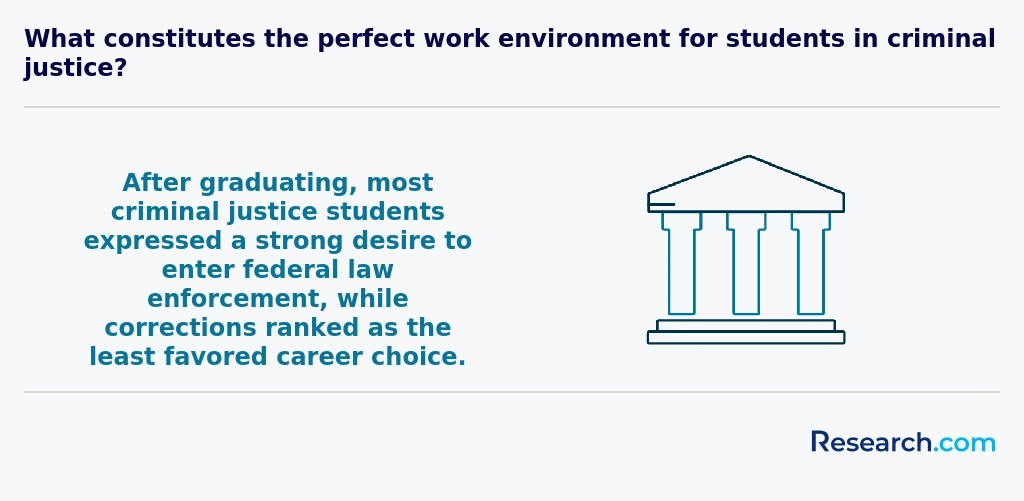
Criminal justice degrees in Adrian open the door to a fascinating array of specializations, each inviting students to dive into a unique aspect of the justice system. Graduates from popular Adrian colleges often recall the excitement of choosing between law enforcement, forensic science, or corrections and rehabilitation. Picture yourself mastering community policing strategies in a classroom, then stepping out for internships with local agencies-this is a common journey that sparks passion and practical growth.
Others find their thrill in forensic science, combining biology and crime scene analysis, sometimes through partnerships with nearby regional schools. The intrigue of fingerprint analysis or DNA profiling transforms theory into real-world detective work, making the criminal justice degree specializations in Adrian truly gripping.
For those drawn to legal frameworks, the criminal law and justice policy track prepares graduates to engage deeply with legislation, ideal for future paralegals or law students. Many students appreciate how affordable options, like the low-cost online bachelor's degree in accounting, parallel realistic pathways for managing educational expenses while chasing their dreams in Adrian's vibrant justice field.
Choosing the best criminal justice degree programs Adrian offers means diving into the unique opportunities each local school provides. Imagine walking through Adrian College's halls, where graduates often speak of immersive courses blending hands-on law enforcement strategies with cutting-edge cybercrime studies. These vivid experiences bring the curriculum alive far beyond textbooks. Affordable criminal justice colleges in Adrian also offer an inviting path, where smaller class sizes create friendships and mentorships with professors who have real-world justice system expertise. The thrill of joining internships with Adrian's justice agencies adds a tangible dimension to learning-graduates frequently recount how these opportunities shaped their confidence and readiness.
Checking accreditation status is your safety net, ensuring quality and credibility that employers respect. And while exploring options, consider how costs stack up, bearing in mind options for financial aid or scholarships. For an adventurous student hungry for excellence and impact, pairing academic rigor with local resources in Adrian can be a thrilling journey toward a rewarding career. For deeper insight into prestigious options, explore programs linked to the M7 MBA ranking for inspiration.
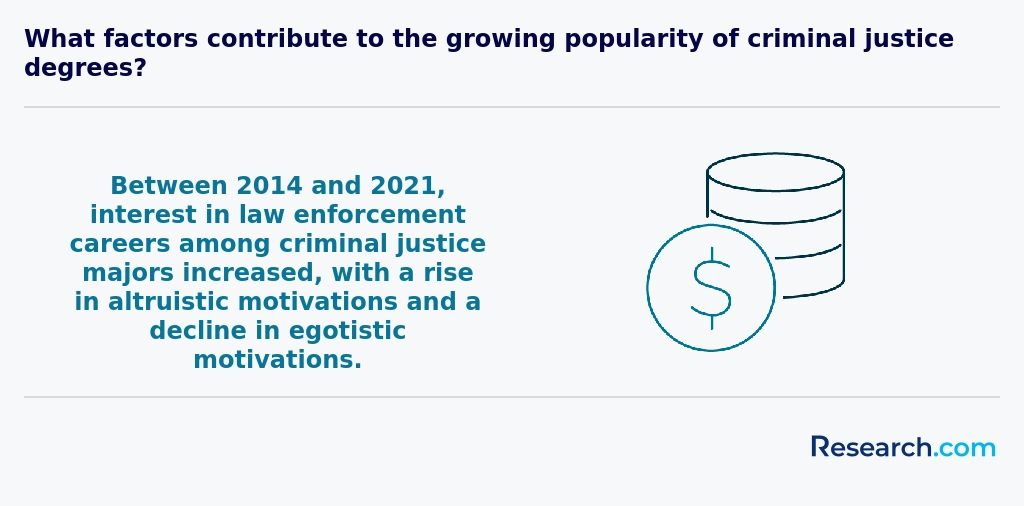
Diving into criminal justice careers in Adrian opens doors to exciting roles like police officers, detectives, and federal agents, where graduates from local colleges often share stories of on-the-ground experiences protecting communities. Many find their calling in corrections, working as probation or parole officers, helping offenders rebuild their lives-an inspiring challenge that graduates say feels truly rewarding. Others venture into forensic science, becoming crime scene investigators who piece together clues to crack complex cases, applying skills honed through hands-on training at Adrian's popular criminal justice programs.
Graduates exploring Adrian criminal justice degree jobs also discover opportunities in social services, supporting victims and working with juvenile offenders to positively impact lives. There's a growing interest in private security and corporate compliance roles where attention to detail and legal savvy make a difference. Those curious about affordable education options in the region can check out local programs highlighted among affordable colleges for business degree, which often share resources and connections helpful for budding careers.

The criminal justice job opportunities in Adrian are vibrant and varied, drawing graduates into dynamic roles across local police departments, correctional facilities, and private security firms. Many graduates from prominent area colleges dive eagerly into internships that transform classroom theories into hands-on experiences, fueling their passion and confidence in tackling real-world challenges. These students often share stories of stepping into sheriff's offices or investigative agencies, where their freshly minted skills come alive in crucial community roles.
Adrian's criminal justice degree employment outlook is promising, with steady demand for skilled professionals in law enforcement and beyond. Salaries for entry-level positions generally start between $35,000 and $45,000, encouraging many to begin their careers close to home. Those who pursue growth through detective or supervisory paths can frequently earn upward of $60,000, motivating graduates to dream bigger. Exploring local opportunities can be a thrilling journey, especially when you consider the strong network built by in demand criminal justice schools nearby.
2027 Most Popular Criminal Justice Degree Programs Ranking in Adrian
Investing in your education is a significant decision that can shape your future, and the Research.com team understands the importance of making informed choices. To assist prospective students in Adrian, we have meticulously crafted the "2027 Most Popular Criminal Justice Degree Programs Ranking in Adrian." Our commitment to quality, credibility, and accuracy is reflected in the extensive research and analysis conducted to compile this ranking.
We utilized the following reputable data sources to ensure a comprehensive evaluation of criminal justice programs:
By exploring this ranking, readers will gain valuable insights into the most popular criminal justice degree programs in Adrian, empowering them to make informed decisions about their educational paths. For more details on our methodology, please visit our Research.com methodology page.


Frequently Asked Questions About criminal justice
Criminal justice degree students in Adrian can maximize their learning by engaging in both academic and practical experiences. Local institutions often partner with law enforcement agencies, providing valuable internships that help students apply classroom theories in real-world settings. According to data from the Bureau of Labor Statistics, practical experience boosts job placement rates by up to 20% in the criminal justice field.
Networking with professionals through seminars and workshops is also crucial. Adrian hosts community events where students can connect with experts from Michigan's criminal justice system. Actively participating in these opportunities enhances understanding and builds career connections.
Additionally, students should take advantage of online resources provided by state universities and criminal justice organizations to stay updated on legal trends and policy changes relevant to Michigan and Adrian specifically.
The criminal justice field in Adrian is evolving, with several emerging niches gaining attention. Cybersecurity and digital forensics have become critical as cybercrime rises nationwide. These specialties focus on investigating online crimes and protecting digital infrastructure.
Another growing area is restorative justice, which emphasizes rehabilitation over punishment, aligning with shifts in local policies and community programs in Michigan. Additionally, homeland security and counterterrorism are expanding, reflecting federal priorities and regional training opportunities.
Data analysis within criminal justice is also becoming vital, as agencies in Adrian increasingly rely on data-driven methods to improve public safety outcomes. These niches offer promising career paths in a changing landscape.
Graduates with a criminal justice degree in Adrian should start preparing for the job market early by gaining practical experience through internships or volunteer work in local law enforcement agencies. According to the Bureau of Labor Statistics, practical experience significantly improves employment prospects in criminal justice fields.
Networking with local professionals and attending career fairs in Lenawee County can help graduates learn about job openings and industry expectations. Additionally, pursuing relevant certifications such as Certified Protection Professional (CPP) can enhance a resume.
Adrian's proximity to Toledo and Ann Arbor also expands opportunities within regional departments and federal agencies, making it vital to consider commuting options when job searching.
Employers in Adrian highly value criminal justice graduates who demonstrate strong analytical skills and critical thinking. These abilities help in assessing evidence and making informed decisions in complex situations. According to recent state workforce reports, communication skills are also essential, as graduates must effectively interact with diverse populations and present cases clearly.
Practical knowledge of law enforcement procedures and familiarity with local legal codes in Michigan often give candidates an advantage. Additionally, proficiency in technology, such as crime data software and surveillance systems, is increasingly important. Employers also seek candidates with ethical judgment and problem-solving skills to navigate the challenges of the criminal justice system effectively.
Finding internships in Adrian relevant to a criminal justice degree involves targeted research and local outreach. Start by contacting nearby law enforcement agencies, courts, and legal aid organizations, as Adrian's local police department and Lenawee County courts often offer internships for students gaining practical experience. According to the Bureau of Justice Statistics, hands-on practicum experience improves employment prospects for criminal justice graduates by up to 30%.
Additionally, Adrian colleges with criminal justice programs typically have career services that maintain partnerships with community organizations and government agencies. Check their internship boards regularly.
Networking through local events and joining professional associations like the Michigan Association of Crime Victim Services can also open doors. Early application is important since these opportunities often fill quickly.
Earning a criminal justice degree in Adrian can significantly enhance career mobility and advancement opportunities. According to data from the U.S. Bureau of Labor Statistics, professionals with a degree in criminal justice have higher chances of securing jobs in law enforcement, corrections, or federal agencies compared to those without formal education.
In Adrian, graduates often benefit from networking opportunities provided by local colleges, which have connections with regional police departments and courts. A degree also helps candidates meet minimum hiring qualifications and can lead to promotions into supervisory or specialized roles.
Furthermore, the Michigan Department of Civil Service notes that degree holders typically see faster salary growth and better job stability within the criminal justice sector in this area.
Studying for a criminal justice degree in Adrian equips students with skills that extend beyond traditional law enforcement roles. Programs often integrate courses in psychology, sociology, and public administration, fostering a broad understanding of social systems and legal frameworks.
Adrian's criminal justice education emphasizes critical thinking and communication, which are essential in interdisciplinary roles such as social work, corrections, and legal advocacy. The collaboration between local agencies and educational institutions offers practical experience in diverse settings.
According to the Bureau of Labor Statistics, employment in fields related to criminal justice is expected to grow by 8% nationally through 2030, encouraging programs in Adrian to align curricula with evolving job market demands.
When choosing between a thesis and a non-thesis criminal justice degree program in Adrian, students should consider their career goals and learning preferences. Thesis programs typically require original research and are suited for those aiming at academic or research-focused careers. Non-thesis options emphasize practical skills and coursework, often appealing to professionals seeking advancement in law enforcement or public administration.
In the U.S., thesis programs may take longer to complete due to the research component, while non-thesis degrees generally allow faster graduation. For example, students at nearby institutions report thesis completion rates around 70%, reflecting its rigor (National Center for Education Statistics, 2023).
Adrian students should also evaluate faculty expertise and available resources, as strong mentorship benefits thesis success. Exploring program alumni outcomes can provide insight into which track aligns best with individual ambitions.
Students based in Adrian interested in studying criminal justice abroad have several practical options, primarily through exchange programs and partnerships with foreign universities. Many institutions in Adrian, such as local community colleges, maintain articulation agreements that allow transfer to international campuses. While there are no degree programs physically located overseas in Adrian, students can enroll in semester-long abroad programs to gain global perspectives on law enforcement and legal systems.
According to the U.S. Department of Education, participation in study abroad programs among criminal justice majors has grown by 12% since 2019, reflecting rising interest in comparative criminology. Adrian students should consult their academic advisors and check resources like the Institute of International Education for the latest program listings tailored to criminal justice disciplines.
Part-time job opportunities in Adrian that complement a criminal justice degree often involve roles in law enforcement and community services. Students can consider working as security officers or detention aides, gaining firsthand exposure to procedural and operational aspects of criminal justice.
Another option includes internships or clerical positions within local police departments or courthouses, which provide valuable insight into the legal system and administrative duties. According to the Michigan Department of Labor, roles in public safety and support services in Lenawee County, where Adrian is located, have grown steadily, offering practical experience alongside academic studies.
Volunteer positions with local victim advocacy groups also enhance understanding of social justice issues. These roles help develop communication and critical thinking skills essential for criminal justice careers.
Criminal justice students in Adrian benefit from multiple networking opportunities that connect them with local professionals and organizations. Many colleges in Adrian partner with nearby law enforcement agencies, courts, and correctional facilities to offer internships and field experiences, essential for building practical contacts.
Local chapters of national organizations such as the American Criminal Justice Association occasionally host events and workshops in the area. These provide students with chances to meet practitioners, alumni, and faculty involved in criminal justice careers.
Additionally, career fairs hosted by Adrian educational institutions often feature representatives from regional police departments, legal offices, and social services, helping students explore job prospects and establish professional relationships early.
Alumni networks play a crucial role for criminal justice degree students in Adrian by providing strong professional connections. Graduates often gain access to job openings within local law enforcement agencies, legal offices, and social service organizations through these networks.
In Adrian, where the criminal justice field is concentrated around community-based services and regional courts, alumni networks facilitate mentorship opportunities that help current students navigate the job market. According to the Michigan Association of Criminal Justice Professionals, approximately 65% of local criminal justice job placements involve referrals or alumni contacts.
Moreover, events and workshops hosted by alumni organizations give students practical insights and allow them to build relationships with experienced professionals. This support significantly enhances employment prospects upon graduation, leveraging real-world experience and guidance from those familiar with Adrian's justice system.
Students pursuing criminal justice degrees in Adrian can tailor their program by choosing electives that align with specific career paths such as law enforcement, corrections, or forensic science. Many local institutions offer internships and cooperative education opportunities with nearby agencies, allowing hands-on experience. Customization also includes selecting courses focused on emerging areas like cybersecurity or juvenile justice to meet evolving job market demands.
Adrian's proximity to state law enforcement offices provides valuable networking and practical opportunities. According to the Bureau of Labor Statistics, specialization can enhance employment prospects, with criminal justice professionals in Michigan earning a median annual wage of about $45,000 as of 2023.
Criminal justice students in Adrian often encounter several challenges during their studies. One common difficulty is balancing rigorous coursework with practical fieldwork requirements, which are essential for gaining real-world experience. Many programs mandate internships with local law enforcement or legal agencies, which can be time-consuming alongside academic deadlines.
Additionally, some students find the evolving nature of laws and criminal justice policies challenging to keep up with. Staying current with state and federal regulations is crucial, especially as Michigan frequently updates its criminal statutes.
Financial constraints also affect many students in Adrian, where the average undergraduate debt for criminal justice majors can exceed $25,000, according to recent data by the National Center for Education Statistics.
Mental and emotional stress is another factor, as students engage with sensitive topics like crime and victimization. Support services are available but sometimes limited.
A criminal justice degree opens many pathways for professional certifications that can enhance career prospects in Adrian and beyond. Common certifications include the Certified Law Enforcement Officer (CLEO), often pursued by those seeking police or investigative roles. Another valuable certification is the Certified Correctional Officer (CCO), ideal for careers in correctional facilities.
Additionally, students may pursue certifications like Certified Fraud Examiner (CFE) or Certified Juvenile Justice Specialist (CJJS), which specialize in fraud investigation and juvenile justice, respectively. These credentials can increase job opportunities and earning potential. According to the Bureau of Labor Statistics, certification holders typically see a 10-15% salary increase in criminal justice careers.
Local agencies in Adrian often prefer candidates with such certifications, reflecting the competitive job market in the region.
To write a winning application for a criminal justice program in Adrian, start by carefully reviewing each program's admission requirements. Many local institutions, such as Adrian College, emphasize a strong personal statement that reflects your passion for justice and community safety. Highlight any relevant volunteer work, internships, or law enforcement experience. According to data from the Michigan Center for Educational Performance and Information, programs in the region value applicants who demonstrate critical thinking and ethical reasoning skills.
Additionally, maintain a solid GPA; competitive programs often expect at least a 3.0 cumulative score. Strong letters of recommendation from professionals familiar with your commitment to criminal justice can also enhance your application.
Be sure to proofread your materials thoroughly and submit all required documents before deadlines. These steps increase your chances of acceptance into Adrian's respected criminal justice programs.
The field of criminal justice offers diverse career opportunities worldwide, but the United States-especially regions like Adrian-maintains a unique position in terms of education and practice. Criminal justice careers often involve roles in law enforcement, corrections, and legal services. Globally, there is growing emphasis on understanding different justice systems to address transnational crime and human rights issues.
In the U.S., programs focus on practical skills fused with research, preparing graduates for local and national challenges. According to the Bureau of Labor Statistics, jobs in this sector in Michigan are expected to grow by 6% from 2022 to 2032.
Graduates from Adrian-area schools are equipped to engage with international perspectives on crime, though most initial positions typically serve community and state needs. Institutions emphasize comparative justice practices to prepare students for a globalized criminal justice environment.
Gaining practical experience while studying for a criminal justice degree in Adrian is essential for career readiness. Many local colleges partner with law enforcement agencies, courts, and social service organizations to offer internships. These placements provide hands-on exposure to the criminal justice system. According to the Michigan Department of Education, students in Washtenaw County, which includes Adrian, often find internships in police departments, probation offices, and legal aid clinics.
Volunteering with community organizations that address crime prevention or victim support is another valuable route. Such roles help students develop crucial communication and problem-solving skills. Additionally, some programs in Adrian offer simulated courtroom experiences, enhancing practical knowledge.
Students should consult their academic advisors for tailored opportunities and consider joining criminal justice clubs to network with professionals in the field.
Choosing the right concentration within a criminal justice degree in Adrian depends on your career goals and interests. Common concentrations include law enforcement, corrections, and forensic science. Each area prepares you for different roles, such as policing, rehabilitation, or crime scene investigation.
Consider the local job market in Adrian and nearby Michigan cities. According to the Bureau of Labor Statistics, law enforcement roles comprise nearly 40% of available criminal justice jobs in the region as of 2023. This could influence your choice toward law enforcement concentrations.
Also, explore program offerings at Adrian-based colleges, since available specializations may vary. Contact academic advisors for detailed curriculum and internship possibilities, which are critical for hands-on experience and networking.
- 2027 Most Popular Criminal Justice Degree Programs Ranking in Detroit
- 2027 Most Popular Criminal Justice Degree Programs Ranking in Fort Wayne
- 2027 Most Popular Criminal Justice Degree Programs Ranking in Indianapolis
- 2027 Most Popular Criminal Justice Degree Programs Ranking in Chicago
- 2027 Most Popular Criminal Justice Degree Programs Ranking in Cincinnati
- 2027 Most Popular Criminal Justice Degree Programs Ranking in Kenosha
- 2027 Most Popular Criminal Justice Degree Programs Ranking in Erie
- 2027 Most Popular Criminal Justice Degree Programs Ranking in Milwaukee
- 2027 Most Popular Criminal Justice Degree Programs Ranking in Pittsburgh
- 2027 Most Popular Criminal Justice Degree Programs Ranking in Louisville
See What Experts Have To Say About Studying Criminal Justice
Read our interview with Criminal Justice experts

Mark Moore
Criminal Justice Expert
Research Professor of Public Management
Harvard University

James W. Marquart
Criminal Justice Expert
Associate Provost and Professor of Criminology
Texas Christian University

Frank Schmalleger
Criminal Justice Expert
Professor Emeritus
The University of North Carolina

- Ten Lessons for Talking About Criminal Justice Issues - The Opportunity Agenda https://opportunityagenda.org/messaging_reports/ten-lessons-criminal-justice/
- Explore Bachelor's Degree in Criminal Justice | All Criminal Justice Schools https://www.allcriminaljusticeschools.com/criminal-justice/criminal-justice-bachelors-degree/
- Criminal Justice Career Goals https://www.bartleby.com/essay/Criminal-Justice-Career-Goals-8B09294D4789A4A5
- The Current Challenges of International Criminal Law - FIBGAR https://fibgar.es/en/portfolio-item-en/the-current-challenges-of-international-criminal-law/
- What Can You Do With a Degree in Criminal Justice? | UMass Global https://www.umassglobal.edu/blog-news/what-can-you-do-with-a-criminal-justice-degree
- CJA Events and Members Meetings | Criminal Justice Alliance https://www.criminaljusticealliance.org/cja-events-member-meetings/
- Criminal Justice Salary - How Much Can I Make With a Criminal Justice Degree? - Grace Christian University https://gracechristian.edu/blog/criminal-justice-salary/
- What Are the Entry Requirements for a Criminal Justice Program? | University of Bridgeport https://www.bridgeport.edu/news/entry-requirements-for-a-criminal-justice-program/
- 6 Ways to Network in the Criminal Justice Field https://www.aiuniv.edu/blog/2014/march/6-ways-to-network-in-criminal-justice
- CRIMINAL JUSTICE https://www.stmartin.edu/documents/criminal-justice-resume-and-cover-letter-packet