2027 Most Popular Criminal Justice Degree Programs Ranking in Michigan

Co-Founder and Chief Data Scientist
Choosing the right criminal justice degree program in Michigan can shape your future career and open doors to exciting opportunities. This article presents the 2027 Most Popular Criminal Justice Degree Programs Ranking in Michigan, compiled by the Research.com team of data scientists. It's designed to help you make an informed decision about which programs truly stand out.
Whether you're passionate about law enforcement, legal studies, or corrections, understanding your options is key. Discover programs that align with your goals and take the first step toward a rewarding career in criminal justice.
Key benefits of getting criminal justice degree in Michigan
- Salary Benefits: Graduates can expect strong earning potential, with police officers earning a mean annual wage of $76,550 and crime scene investigators making about $95,930 annually in Michigan.
- Career Paths: Criminal justice degrees open doors to diverse roles such as police officers, correctional officers, or forensic science technicians, offering varied and rewarding career opportunities within the state's justice system.
- Online Degree Advantages: Earning a criminal justice degree online from a Michigan university offers flexibility and the chance to balance work and study, making it easier to gain practical experience while advancing your education.
- 2027 Most Popular Criminal Justice Degree Programs Ranking in Michigan
- What can I expect from criminal justice degree in Michigan?
- Where can I work with criminal justice degree in Michigan?
What can I expect from criminal justice degree in Michigan?
The average cost of pursuing a criminal justice degree in Michigan varies depending on the institution and program level. Many students find associate degrees at community colleges affordable, often ranging between $6,000 and $10,000 per year. Bachelor's programs at universities like Eastern Michigan University or Wayne State University typically cost around $12,000 to $18,000 annually for in-state students. Graduates often reflect on how this investment unlocks opportunities-one shared feeling is the rewarding blend of classroom learning and hands-on internships with local law enforcement or courts. These real-world experiences not only deepen understanding but also build confidence and valuable connections.
Students excitedly describe how courses in criminology, forensic science, and cybercrime prepare them for today's complex challenges. Many appreciate that Michigan's schools emphasize accessible education paired with practical training, making the cost feel like a meaningful step toward impactful careers. Alumni proudly recall how their degree opened doors in policing, advocacy, and correctional roles-all while feeling supported by the state's educational resources.
Where can I work with criminal justice degree in Michigan?
Graduates with a criminal justice degree from respected Michigan schools often find themselves stepping into rewarding roles within local law enforcement agencies like the Michigan State Police or county sheriff's offices. Imagine joining a team of dedicated officers, working side by side to protect your community as a patrol officer or detective. Many alumni share how their hands-on training and internship experiences at universities in Michigan made them confident and prepared to tackle real-world challenges.
Others have discovered fulfilling careers in Michigan's corrections system, thriving as probation or parole officers who make a tangible difference in people's lives by helping them reintegrate into society. The strong support and specialized training programs available through the Michigan Department of Corrections create clear paths for advancement and professional growth.
Criminal justice graduates also contribute to the court system, supporting judicial processes as legal assistants or victim advocates, roles that bring meaningful human connection and the satisfaction of standing up for justice. In private security and federal agencies, such as the FBI's Detroit Field Office, graduates utilize their skills in dynamic environments that value their education and passion for public safety.
Graduates with a criminal justice degree in Michigan can look forward to rewarding careers with competitive salaries. For example, police officers in the state earn a mean annual wage of about $76,550, combining public service with financial stability. Those pursuing positions as correctional officers typically earn around $58,810 per year, reflecting steady growth in a vital field. Forensic science technicians, often requiring additional scientific training alongside a criminal justice background, can achieve impressive earnings near $71,540 annually, a figure that motivates many graduates from Michigan State University and Wayne State University programs.
Crime scene investigators, among the most specialized roles, reach even higher mean salaries of approximately $95,930 per year, empowering graduates to make meaningful impacts on justice while enjoying strong financial prospects. Many students from popular colleges in Detroit and Grand Rapids share stories of how their education opened doors to these dynamic careers. These salary possibilities confirm that pursuing criminal justice in Michigan not only fulfills a passion for service but also leads to prosperous and fulfilling professional lives.
- Michigan offers associate, bachelor's, and master's degrees in criminal justice at public and private institutions.
- In-state tuition for a bachelor's degree at public universities ranges from $10,000 to $17,000 per year, while private schools often cost over $30,000 annually.
- Entry-level salaries for jobs like police officer or correctional officer typically start between $38,000 and $45,000 per year.
- Median salaries can rise to about $60,000 or more with experience and advanced education, especially in supervisory roles.
- More than 25,000 people work in criminal justice fields in Michigan, with moderate job growth expected through the mid-2020s.
- Many programs include internships or practicums, and transfer options from community colleges help with affordability and flexibility.
Completing a criminal justice degree in Michigan offers a clear path to a rewarding career, with most students finishing within a manageable timeframe. Many graduates from popular institutions like Wayne State University and Grand Valley State University share how their two-year associate degree programs provided a strong foundation quickly, allowing them to step confidently into the workforce or transfer to a four-year university.
For those pursuing a bachelor's degree, the typical journey spans four years of full-time study. Students appreciate the engaging courses in criminology and forensic science, often balancing internships that bring classroom lessons to life. At universities such as Michigan State University, this immersive experience fosters both knowledge and real-world skills, building confidence every step of the way.
The flexibility of programs across Michigan means part-time study, accelerated tracks, or transfer opportunities can tailor completion times to fit personal goals. Graduates often reflect on how this adaptability empowered them to achieve milestones at their own pace, turning ambition into reality with steady, purposeful progress.
When considering a Criminal Justice degree in Michigan, financial planning is crucial. Students should explore various options for funding their education, including scholarships, grants, and loans. For those looking for affordable options, researching the cheapest criminal justice schools in Michigan can be a viable starting point. By understanding the costs associated with different programs and institutions, students can make informed decisions about their educational investments. Additionally, many universities in Michigan offer financial aid packages and counseling to help students navigate the process of funding their Criminal Justice degree. It's essential for prospective students to weigh the potential return on investment for their degree, considering factors such as salary expectations, job growth, and the overall demand for criminal justice professionals in Michigan. By prioritizing affordability and financial planning, students can set themselves up for success in their academic and professional pursuits.
Choosing between online and on-campus criminal justice degrees in Michigan means embracing two exciting paths tailored to your lifestyle and goals. Online programs, like those offered by Ferris State University and Grand Valley State University, empower you with flexibility to study anytime, balancing work and family while still progressing toward your dreams. Graduates often share how this approach allowed them to transform their lives without sacrificing responsibilities.
On the other hand, on-campus programs at schools such as Michigan State University and Wayne State University immerse you in a vibrant community. Hands-on experiences through fieldwork and internships with local law enforcement create unforgettable moments of growth and connection. Many students treasure the face-to-face interactions with professors and peers that build strong networks and practical skills.
Both paths offer accredited, quality curricula that prepare you to make a real difference in Michigan's criminal justice system. Whether you crave flexibility or in-person engagement, your educational journey is designed to inspire and empower a future of impactful service.
Graduation and employment outcomes are critical indicators of a program’s effectiveness, helping prospective students gauge the return on their educational investment. In Michigan, top criminal justice programs report average graduation rates ranging from 70% to 85%, with most graduates completing their degrees within four years for bachelor’s programs and two years for associate tracks. Programs at public universities tend to have slightly higher completion percentages due to structured support services, while private colleges often emphasize smaller class sizes and personalized advising to bolster student success. Employment placement is equally impressive: on average, 88% of criminal justice graduates in Michigan secure jobs or enroll in graduate studies within six months of graduation. Law enforcement agencies, correctional facilities, and forensic laboratories consistently partner with universities to offer internships that frequently transition into full-time positions. For example, graduates from Michigan State University’s criminal justice program have reported a 91% placement rate in roles ranging from police patrol officers to victim advocates. Licensure and certification pass rates further underscore program quality. Forensic science students typically achieve a 78% pass rate on the American Board of Criminalistics certification exam, while paralegal graduates from accredited programs report an 82% success rate on the National Association of Legal Assistants (NALA) certification. These metrics demonstrate that Michigan’s criminal justice curricula not only equip students with theoretical knowledge but also prepare them for the practical demands of their chosen professions. Cost-conscious students should also consider program affordability alongside outcome metrics. For those prioritizing value, our Inexpensive Criminal Justice Degree Programs Ranking in Michigan highlights institutions that balance low tuition with strong graduation and employment rates, ensuring a high return on investment without compromising educational quality.
The average cost of a criminal justice degree in Michigan offers promising affordability, especially for residents. On average, in-state students can expect total tuition and fees to amount to around $15,190, making it an accessible path to a rewarding career in law enforcement or related fields. Many graduates from universities like Michigan State University and Wayne State University share how this manageable investment allowed them to focus on gaining practical skills and networking, which boosted their confidence and propelled them into meaningful roles.
Out-of-state students typically encounter higher costs, with the median total tuition reaching approximately $41,952. However, the effort is often worth it, as many find that exploring criminal justice at Michigan's diverse institutions delivers invaluable experiences and connections. Whether studying on campus or pursuing online alternatives, students are supported by programs designed to cultivate strong leadership and analytical skills within the justice system.
The average cost of criminal justice degree in Michigan includes a range of programs, from community colleges offering associates degrees to private colleges where fees can be higher but programs may be more personalized and accelerated. Many students find ways to manage these expenses through scholarships and financial aid, allowing them to pursue their passion with less stress. If you want to explore affordable options, check out the cheapest criminal justice schools in Michigan to find a program that fits your goals and budget.

Students pursuing a criminal justice degree in Michigan can access a variety of financial aid options that make their educational journey more affordable and rewarding. Graduates from institutions like Wayne State University and Michigan State University often share how federal aid programs, especially Pell Grants, significantly eased their tuition burdens-providing up to $7,395 annually, which opened doors to focus on studies without overwhelming debt.
State aid plays a powerful role, too. The Michigan Competitive Scholarship and Tuition Incentive Program have transformed dreams into reality for many, covering costs at public universities or community colleges. Imagine attending Ferris State University's criminal justice program while benefiting from these supports that help bridge financial gaps.
Scholarships from associations such as the Michigan Sheriffs' Association offer targeted help, recognizing students' dedication to public safety careers. Coupled with work-study roles within university departments or local agencies, these opportunities grant not only financial relief but valuable hands-on experience.
Graduates aiming to enter the criminal justice workforce in Michigan must navigate state-specific licensing and certification processes to ensure compliance and professional readiness. For law enforcement roles, candidates must secure certification through the Michigan Commission on Law Enforcement Standards (MCOLES), which involves:
- Minimum eligibility: 18 years of age, U.S. citizenship or lawful permanent residency, and a clean criminal record
- Basic training: Completion of a MCOLES-approved Basic Training Academy (approximately 720 total training hours covering firearms, defensive tactics, ethics, and legal procedures)
- Examination: Passing the MCOLES written and physical fitness tests
- Continuing education: Maintaining certification through 40 hours of in-service training every three years Correctional officers and probation/parole agents similarly adhere to MCOLES guidelines, with specialized academy curricula and ongoing professional development requirements. Forensic science technicians and crime scene investigators often pursue additional credentials to enhance credibility. Many employers look for certification from the International Association for Identification (IAI) or the American Board of Criminalistics (ABC). Coursework in crime scene investigation may reference what are the differences between forensic science fields, guiding students through discipline-specific protocols and certification pathways. Key certification steps for forensic specialists include:
- Academic preparation: Bachelor’s degree in criminal justice or forensic science from an accredited institution
- Certification exams: Passing IAI’s Certified Crime Scene Investigator (CCSI) or ABC’s Diplomate exam
- Practical experience: Documented casework hours under a certified professional
- Recertification: Demonstrating continued competence via professional development credits every three to five years Understanding and fulfilling these requirements ensures that Michigan graduates not only enter the field legally but also maintain high standards of expertise and public trust.
To enroll in a criminal justice degree program in Michigan, students typically begin with a high school diploma or GED, a straightforward first step that opens doors to exciting opportunities. Graduates from institutions like Wayne State University and Michigan State University often recall how meeting this requirement was the foundation upon which they built their promising careers.
Many schools also ask for standardized test scores like the SAT or ACT, though some have embraced test-optional policies, making the path more accessible. Imagine preparing your transcripts from high school or previous college work, much like others who embarked on their journeys at Central Michigan University, where these documents helped showcase their readiness and dedication.
Some programs recommend foundational courses in English, mathematics, or social sciences, which empower students by preparing them for the complex, real-world challenges they'll tackle in criminal justice. Background checks, required especially for internships or field placements, help maintain trust and safety in partnerships with law enforcement.
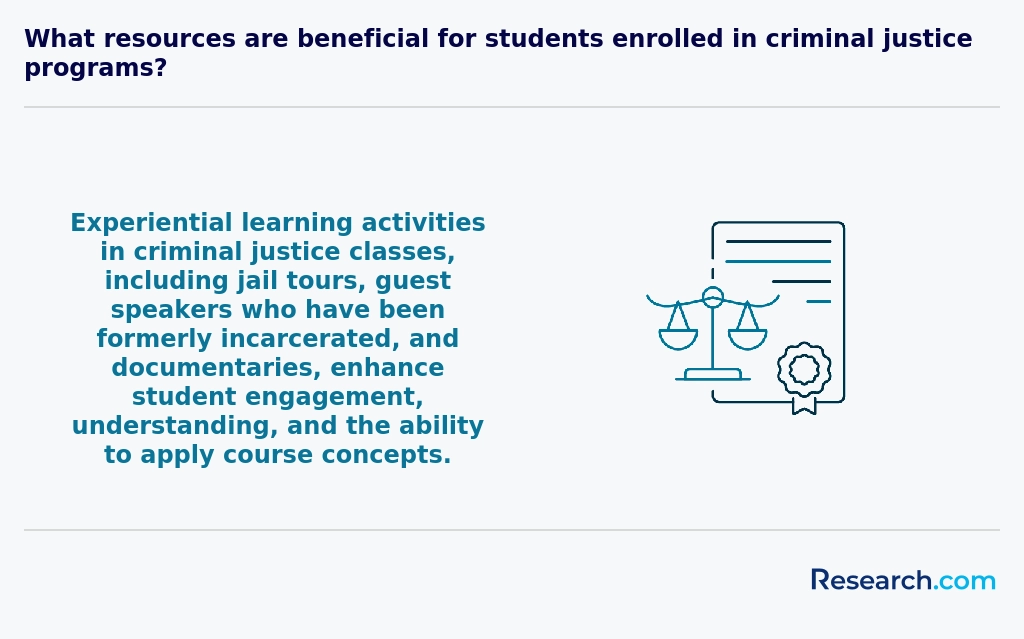
- Access to diverse career paths in law enforcement, corrections, forensic science and legal advocacy
- Strong job outlook with competitive salaries (e.g., police officers average $76,550; crime scene investigators around $95,930)
- Hands-on training through internships, lab work and MCOLES-aligned curriculum for real-world readiness
- Specialized tracks in cybercrime, rehabilitation and policy analysis to match evolving industry needs
- Flexible study options, including fully online programs like the cheapest online criminal justice degree, ideal for working professionals and busy students
Students pursuing a criminal justice degree in Michigan dive into courses designed to build both knowledge and confidence for real-world challenges. Graduates from popular institutions like Michigan State University often recall how Introduction to Criminal Justice illuminated the inner workings of courts, law enforcement, and corrections, making the system's complexity easier to understand. Courses like Criminology help students explore the motivations behind crime, encouraging empathy and critical thinking.
Hands-on subjects such as Law Enforcement Practices bring lessons to life by discussing ethics and community engagement, empowering students to envision themselves as positive agents of change. Michigan's focus on Corrections and Rehabilitation opens up vital conversations on restoring lives, resonating deeply with those passionate about reform. Electives in areas like forensic science give a thrilling glimpse into cutting-edge crime-fighting techniques, sparking excitement for future careers.
Through courses like Constitutional Law and Research Methods, students gain essential skills to analyze and influence policy, preparing them to make meaningful impacts in Michigan's evolving justice landscape.
Criminal justice degrees in Michigan offer exciting specializations that empower students to pursue rewarding careers tailored to their passions. From law enforcement, training future police officers and detectives in cities like Detroit, to criminology, where graduates explore the causes and impacts of crime through research, Michigan's programs are designed to inspire and equip change-makers. Many graduates from popular universities find their calling in corrections and rehabilitation, working directly in Michigan's correctional facilities or designing programs that help individuals successfully reenter society.
Another vital focus is juvenile justice, addressing the unique needs of youth offenders and reflecting Michigan's commitment to reducing recidivism among young people. Students also explore forensic science-the hands-on application of scientific methods to criminal cases-with opportunities to learn what are the differences between forensic science fields. Cybercrime and cybersecurity are rapidly growing fields, preparing students for the digital challenges faced by law enforcement today.
Many graduates praise Michigan's degree programs for their practical approach and community connections, making criminal justice an inspiring choice for those seeking meaningful impact. These best criminal justice focus areas Michigan offers truly open the door to fulfilling careers rooted in service and leadership.
Choosing the best criminal justice degree in Michigan means focusing on what truly aligns with your passions and goals. Graduates from universities like Michigan State and Grand Valley State often highlight how hands-on training with local law enforcement shaped their confidence and skills-real experiences helped them step into careers ready and eager to make a difference. Look for programs that offer strong internships, such as placements with county sheriff's offices or state police, where you can witness community policing in action.
Cost is another uplifting consideration. Many aspiring professionals have found affordable criminal justice colleges in Michigan, balancing quality education with manageable expenses. Exploring financial aid and scholarships makes earning your degree even more attainable. For those weighing options, consulting the Inexpensive Criminal Justice Degree Programs Ranking in Michigan can light the path to smart decisions.
Finally, focusing on accredited programs ensures recognition and valuable career outcomes. Graduates recall how specializing in areas like forensic science or cybercrime opened doors and sparked enthusiasm in their fields. Embracing these choices empowers you to join a rewarding field with steady demand and competitive salaries within Michigan's vibrant criminal justice landscape.
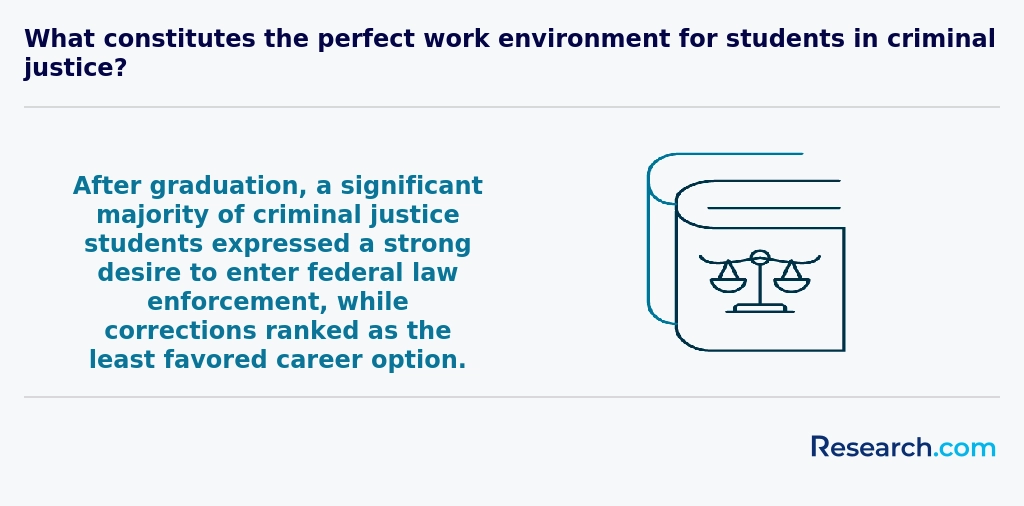
A criminal justice degree in Michigan opens inspiring opportunities across multiple rewarding career paths perfectly suited for passionate graduates. Many find themselves proudly serving their communities as law enforcement officers-from local police departments in Detroit to state agencies in Lansing-where they make a tangible difference every day. Graduates from well-known Michigan colleges often highlight how their education empowered them to step confidently into roles like detectives or federal agents, fulfilling their drive to promote safety.
Others are drawn to correctional services, working in state prisons or county jails, focusing on rehabilitation and offender management. This path offers personal fulfillment through helping individuals turn their lives around, a common experience among alumni from Michigan's top criminal justice programs. Additionally, careers in legal fields such as paralegals or victim advocates provide meaningful ways to support justice and community healing, often complementing skills gained during studies.
Those exploring criminal justice degree job opportunities Michigan-wide appreciate that numerous roles extend beyond law enforcement. From probation officers to social service specialists, the possibilities inspire hopeful students to pursue their goals. For those seeking a faster start, exploring 6 month certificate programs high paying jobs in the field offers practical pathways to career advancement.
The criminal justice job outlook Michigan graduates face is promising and full of diverse opportunities. Those earning degrees from well-regarded institutions like Michigan State University or Western Michigan University often find rewarding roles within local police departments, state corrections, and federal agencies. Graduates share inspiring stories of joining the Michigan State Police or securing positions as probation officers, where their education truly fuels community impact and personal fulfillment.
Employment opportunities for criminal justice graduates Michigan-wide extend beyond traditional law enforcement; roles in Homeland Security and rehabilitation programs provide dynamic career paths. Salaries are competitive within the region, with police officers earning around $68,000 annually and correctional officers approximately $45,000, allowing for a comfortable lifestyle especially when paired with in-state tuition rates between $12,000 and $15,000.
Students who consider these practical details alongside the job market often find motivation to pursue a degree. Exploring the best degree programs for seniors online also offers flexible paths for those balancing education with other commitments.
2027 Most Popular Criminal Justice Degree Programs Ranking in Michigan
Investing in your education is a significant decision that can shape your future, and the Research.com team understands the importance of making informed choices. To assist prospective students interested in criminal justice, we have meticulously crafted the "2027 Most Popular Criminal Justice Degree Programs Ranking in Michigan." Our commitment to quality, credibility, and accuracy is reflected in the extensive research and analysis conducted to compile this ranking.
We utilized the following reputable data sources to ensure a comprehensive evaluation of criminal justice programs:
By exploring this ranking, readers will gain valuable insights into the most popular criminal justice degree programs in Michigan, empowering them to make well-informed decisions about their educational paths. For more details on our methodology, please visit our Research.com methodology page.


Frequently Asked Questions About criminal justice
Criminal justice degree students in Michigan can enhance their learning experience by engaging in internships with local law enforcement agencies or court systems. Michigan offers numerous internship opportunities through partnerships with the Michigan State Police and county sheriff offices, providing practical exposure that complements classroom knowledge. According to the Michigan Commission on Law Enforcement Standards, hands-on experience significantly improves job readiness for graduates. Additionally, students should participate in relevant student organizations like the Criminal Justice Student Association, promoting networking and skill development. Utilizing campus resources such as career services and counseling further supports academic and professional growth in the competitive Michigan job market.
Emerging niches within the criminal justice field in Michigan reflect the evolving landscape of law enforcement and public safety. One growing area is cybercrime investigation, driven by increasing digital crime rates. According to the Michigan State Police, cyber offenses have surged over recent years, highlighting demand for specialists who understand technology and digital forensics.
Another important niche is restorative justice programs, which focus on rehabilitation and community involvement rather than punishment. Michigan has expanded such initiatives in various counties, aiming to reduce recidivism.
Additionally, forensic psychology is gaining traction, combining criminal justice with mental health expertise to better assess offenders and victims. These niches offer promising paths for students pursuing degrees in Michigan's criminal justice institutions.
After completing a criminal justice degree in Michigan, preparing for the job market involves multiple strategic steps. First, gaining hands-on experience through internships or volunteer work with local law enforcement agencies, courts, or social services is essential. Michigan's criminal justice system offers various opportunities, especially in cities like Detroit and Grand Rapids. According to the Michigan Department of Labor and Economic Opportunity, jobs in law enforcement and correctional services are expected to grow by around 6% through 2030.
Networking is crucial; joining professional groups such as the Michigan Association of Chiefs of Police can provide connections and job leads. Additionally, certifications like Emergency Medical Technician (EMT) or Crisis Intervention Training (CIT) can improve employability. Graduates should also focus on developing strong communication and critical thinking skills, as these are highly valued in various criminal justice roles.
Employers in Michigan seek criminal justice graduates with strong analytical and communication skills. The ability to interpret laws and conduct thorough investigations is essential, reflecting local law enforcement demands reported by the Michigan State Police.
Critical thinking is highly valued, enabling graduates to solve complex problems in dynamic environments. Additionally, cultural competency and ethical judgment are important due to Michigan's diverse communities, as noted in recent workforce studies by the Michigan Department of Labor and Economic Opportunity.
Technical proficiency, including familiarity with criminal databases and forensic technologies, is growing in demand. Leadership and teamwork skills also enhance graduates' employment prospects in both public and private sectors across Michigan.
Finding internships in Michigan related to a criminal justice degree begins with exploring opportunities at local law enforcement agencies, such as the Michigan State Police and various county sheriff's offices. These institutions often offer internship programs designed to provide practical experience.
Students should also contact their college's career services center, as many Michigan universities maintain partnerships with criminal justice employers. For example, Michigan State University and Wayne State University list numerous internship openings annually in this field.
Additionally, nonprofit organizations focused on legal aid and rehabilitation can be valuable internship sites. Using Michigan-specific job boards like Pure Michigan Talent Connect helps locate recent postings. Networking at criminal justice conferences in Detroit and Lansing can further increase chances of finding suitable internships.
Obtaining a criminal justice degree in Michigan significantly enhances career mobility and advancement opportunities within the state's law enforcement and public safety sectors. According to the Michigan Department of Civil Service, candidates with a degree are often preferred for promotions and specialized positions. Employers such as police departments and federal agencies frequently require or strongly recommend a bachelor's degree for supervisory roles, increasing graduates' chances for leadership roles.
Degree holders also benefit from access to a broader range of jobs beyond traditional policing, including corrections, probation, and private security management. The Bureau of Labor Statistics reports that Michigan's criminal justice employment is projected to grow steadily, further supporting advancement opportunities for educated professionals.
Studying for a criminal justice degree in Michigan offers a strong foundation for interdisciplinary roles by integrating various academic fields. Programs emphasize coursework in sociology, psychology, law, and public administration, preparing students to approach criminal justice issues from multiple perspectives.
Michigan's criminal justice degrees often include practical training, such as internships with law enforcement agencies or social service organizations, fostering collaboration skills across sectors. According to the Michigan Department of Education, many programs update curricula to align with current criminal justice reforms and community needs.
This interdisciplinary approach equips graduates to work in diverse roles such as policy analysis, rehabilitation services, and cybersecurity, beyond traditional policing or corrections careers.
Choosing between a thesis and a non-thesis criminal justice degree in Michigan depends largely on your career goals and learning preferences. Thesis programs require conducting original research and writing a detailed paper, which is ideal for students interested in further academic work or research roles.
Non-thesis programs focus more on coursework and practical skills, suitable for those aiming to enter the workforce quickly, such as in law enforcement, corrections, or policy analysis. Michigan's universities often offer both options, with thesis tracks generally taking longer to complete.
According to the Michigan Center for State Courts, graduates with research experience may have an edge in policy development or advanced analytical positions.
Consider program length, your interest in research, and career plans when deciding. Consulting advisors at Michigan institutions can also provide valuable guidance tailored to local opportunities.
Students in Michigan seeking to study criminal justice abroad have several opportunities through their home institutions and national programs. Many Michigan universities with criminal justice programs, such as Michigan State University, offer semester-long or summer study abroad options in countries with robust justice systems. These programs often include coursework on comparative criminal justice, law enforcement techniques, and international crime prevention.
Additionally, organizations like the Bureau of Educational and Cultural Affairs sponsor exchanges and internships that can enhance practical learning. According to the Michigan Department of Corrections, understanding global justice frameworks can be advantageous for careers in federal or international law enforcement. While specific Michigan-based statistics on study abroad participation in criminal justice are limited, national trends show increasing student interest in international legal studies.
Part-time job opportunities in Michigan that complement a criminal justice degree are diverse and practical. Many students find work as security officers, which provides firsthand experience in safety protocols and risk management. According to the Michigan Bureau of Labor Market Information, jobs in protective services are growing at a steady pace.
Internships or part-time roles with local police departments or sheriff's offices offer valuable exposure to law enforcement procedures. Agencies in Michigan often seek volunteers or part-time aides to assist with administrative tasks and community programs.
Positions like victim advocates or social service aides can enhance understanding of the criminal justice system's human element. These roles are frequently available through nonprofit organizations focused on crime prevention and rehabilitation.
Working in correctional facilities as a support staff member also provides relevant experience, given Michigan's correctional system employs thousands statewide. These roles develop skills important for those pursuing careers in corrections or probation services.
Criminal justice students in Michigan benefit from numerous networking opportunities that connect them with professionals and organizations in the field. Many universities host career fairs and speaker events featuring law enforcement officials, legal experts, and corrections officers. For example, Michigan State University and University of Michigan regularly organize networking events tailored to criminal justice students.
Professional organizations such as the Michigan Association of Chiefs of Police and the Michigan Correctional Association offer student memberships, providing access to conferences, workshops, and mentorship programs. These opportunities help students build relationships and gain insight into career paths within the state's justice system.
Internships arranged through academic programs further enhance networking by placing students in local agencies such as sheriff's offices, courts, and probation departments, offering practical experience and valuable contacts.
Alumni networks offer valuable support to criminal justice degree students in Michigan by providing connections to professionals already established in the field. These networks help students access internships and job opportunities, which is crucial in a competitive job market. According to the Michigan Department of Labor and Economic Opportunity, networking significantly increases a graduate's chances of employment in criminal justice careers.
Many Michigan universities maintain active alumni groups that organize events and mentorship programs. These initiatives allow current students to gain insights into local law enforcement agencies, corrections facilities, and legal institutions. Such firsthand guidance often enhances career readiness.
Additionally, alumni can offer advice on navigating the complex licensing and certification requirements specific to Michigan's criminal justice system, helping students transition smoothly from education to employment.
Many criminal justice programs in Michigan allow students to tailor their studies through elective courses and concentrations. Common specializations include law enforcement, corrections, forensic science, and cybersecurity. Selecting a concentration helps align your degree with specific career goals in fields like policing, probation, or digital crime analysis.
Internships and field placements are other ways to customize your experience. Michigan schools often collaborate with local agencies, including police departments and courts, providing practical exposure that enhances job readiness.
Some programs also offer opportunities for research or dual degrees, which can broaden expertise and improve employment prospects in a competitive market.
Criminal justice students in Michigan often face challenges related to balancing practical experience with academic requirements. Many programs emphasize internships, but securing placements with local law enforcement agencies can be competitive due to limited availability.
Additionally, students encounter coursework that requires a strong understanding of Michigan's legal system, which differs from federal law and other states. This can increase study complexity, especially in areas like corrections and juvenile justice.
Financial constraints are also common. According to the Michigan Department of Treasury, statewide college tuition has risen by about 10% over the last five years, impacting many students.
Finally, adapting to evolving criminal justice policies, including recent reforms in policing and sentencing, adds an extra layer of academic and professional demands.
With a criminal justice degree in Michigan, graduates can pursue various professional certifications to enhance their careers. Common certifications include Certified Protection Professional (CPP), which focuses on security management, and the Law Enforcement Officer Certification through the Michigan Commission on Law Enforcement Standards (MCOLES). This certification is mandatory for police officers in Michigan.
Other valuable options are the Crime Scene Investigator (CSI) certification and the Certified Criminal Justice Specialist (CCJS), which provide specialized knowledge in forensic and investigative fields. The Michigan Department of Corrections also offers certifications for correctional officers, an area employing many criminal justice graduates.
According to the Michigan Workforce Development Agency, candidates with certifications often have higher employment rates and earn salaries above the state average in criminal justice roles.
To write a winning application for a criminal justice program in Michigan, start by clearly demonstrating your passion for the field. Admissions committees look for applicants with a strong commitment to public safety and justice. Highlight relevant experiences such as volunteering, internships, or work in law enforcement or social services.
Michigan's criminal justice system employs over 70,000 professionals, creating diverse career opportunities, so emphasize your career goals and how the program aligns with them. Include academic achievements like a solid GPA and relevant coursework to show your preparedness.
Also, craft a concise personal statement that explains why you chose criminal justice, referencing Michigan-specific concerns like crime trends or community safety initiatives published by the Michigan State Police or the Bureau of Justice Statistics.
Finally, obtain strong recommendations from people familiar with your work ethic and character. This combination strengthens your application by blending academic ability with personal dedication.
Criminal justice careers in Michigan reflect a growing global trend emphasizing the importance of justice, security, and law enforcement collaboration. Internationally, criminal justice professionals work together to combat crime through shared intelligence and cross-border cooperation.
In the U.S., including Michigan, there is increased attention on community policing and rehabilitation, aligning with global efforts to improve justice systems. According to the Michigan Department of Labor and Economic Opportunity, jobs in law enforcement and corrections are expected to grow by 4% through 2030.
Students pursuing criminal justice degrees in Michigan gain skills applicable worldwide, such as understanding legal frameworks, ethical decision-making, and cultural competence. This global perspective expands career options beyond local or national agencies.
Gaining practical experience while studying for a criminal justice degree in Michigan is essential for developing applicable skills. Many universities, such as Michigan State University and the University of Michigan, offer internships with local law enforcement agencies, courts, and correctional facilities. These opportunities provide valuable firsthand exposure to criminal justice operations.
Additionally, students can participate in cooperative education programs (co-ops) or service-learning projects that combine coursework with real-world experience. Volunteering for community policing initiatives or victim advocacy groups is another way to build experience.
Some programs also incorporate simulation labs and mock trials to hone investigative and courtroom skills. According to the Michigan Commission on Law Enforcement Standards, hands-on experience strongly improves employment prospects in the state's criminal justice field.
Choosing the right concentration within a criminal justice degree program in Michigan begins with understanding your career goals. Common concentrations include law enforcement, corrections, forensic science, and cybersecurity. Each aligns with different job roles in the state's justice system.
Consider Michigan's job market trends: the Michigan Department of Labor reports steady growth in law enforcement and cybersecurity positions. Forensic science roles also show promising prospects due to advancements in technology.
Research program accreditation and faculty expertise at Michigan colleges. Accredited programs ensure quality education aligned with industry standards. Talking to advisors and alumni can clarify how a concentration matches your interests.
Lastly, evaluate hands-on learning opportunities, such as internships with local agencies, which can be pivotal in securing employment after graduation.
- 2027 Most Popular Criminal Justice Degree Programs Ranking in Ohio
- 2027 Most Popular Criminal Justice Degree Programs Ranking in Indiana
- 2027 Most Popular Criminal Justice Degree Programs Ranking in Illinois
- 2027 Most Popular Criminal Justice Degree Programs Ranking in Minnesota
- 2027 Most Popular Criminal Justice Degree Programs Ranking in Kentucky
- 2027 Most Popular Criminal Justice Degree Programs Ranking in Iowa
- 2027 Most Popular Criminal Justice Degree Programs Ranking in Missouri
- 2027 Most Popular Criminal Justice Degree Programs Ranking in New York
- 2027 Most Popular Criminal Justice Degree Programs Ranking in Maryland
- 2027 Most Popular Criminal Justice Degree Programs Ranking in Connecticut
See What Experts Have To Say About Studying Criminal Justice
Read our interview with Criminal Justice experts

Frank Schmalleger
Criminal Justice Expert
Professor Emeritus
The University of North Carolina

Mark Moore
Criminal Justice Expert
Research Professor of Public Management
Harvard University

James W. Marquart
Criminal Justice Expert
Associate Provost and Professor of Criminology
Texas Christian University

- Criminal Justice Salary - How Much Can I Make With a Criminal Justice Degree? - Grace Christian University https://gracechristian.edu/blog/criminal-justice-salary/
- Bachelor's in Criminal Justice Programs in Michigan (N-Z) - Top Criminal Justice Schools https://www.top-criminal-justice-schools.net/bachelors-in/michigan-n-z/
- CRIMINAL JUSTICE https://www.stmartin.edu/documents/criminal-justice-resume-and-cover-letter-packet
- Criminal Justice Organizations for Students | University of Phoenix https://www.phoenix.edu/articles/criminal-justice/criminal-justice-organizations-for-students.html
- Criminal Justice Careers - Criminal Justice Degree Schools https://www.criminaljusticedegreeschools.com/careers/
- Ten Lessons for Talking About Criminal Justice Issues - The Opportunity Agenda https://opportunityagenda.org/messaging_reports/ten-lessons-criminal-justice/
- Criminal Justice - Career Preparation Center - Career and Technical Education - What We Offer - Eaton RESA https://www.eatonresa.org/what-we-offer/career-and-technical-education/career-preparation-center/criminal-justice/
- Criminal Justice Salary Guide | All Criminal Justice Schools https://www.allcriminaljusticeschools.com/criminal-justice/criminal-justice-salaries/
- 6 Ways to Network in the Criminal Justice Field https://www.aiuniv.edu/blog/2014/march/6-ways-to-network-in-criminal-justice
- Why criminal justice careers are becoming more specialized https://www.police1.com/career-development/why-criminal-justice-careers-are-becoming-more-specialized