2027 Most Affordable Criminal Justice Degree Programs Ranking in Carolina

Co-Founder and Chief Data Scientist
Choosing the right criminal justice degree program in Carolina can feel overwhelming. To help, the Research.com team of data scientists created the 2027 Most Affordable Criminal Justice Degree Programs Ranking in Carolina. This ranking highlights affordable and quality options for students seeking a meaningful career in criminal justice.
By exploring this article, you'll discover programs that balance cost and education value, making your path clearer. A criminal justice degree opens doors to rewarding opportunities that make a real difference in communities. Let this guide support your educational journey with confidence.
Key benefits of getting criminal justice degree in Carolina
- Graduates in criminal justice in Carolina can expect strong salary prospects, such as Police Officers earning a mean annual wage of $76,550 and Crime Scene Investigators earning $95,930 on average.
- A criminal justice degree opens diverse career paths including law enforcement, forensic science, and court administration, as seen with graduates from the University of North Carolina who pursue roles like Correctional Officers or Court Clerks.
- Online criminal justice degrees offer flexibility and accessibility, allowing students from Carolina to study at their own pace while balancing work or family, proven effective by graduates of online programs at schools like Appalachian State University.
- 2027 Most Affordable Criminal Justice Degree Programs Ranking in Carolina
- What can I expect from criminal justice degree in Carolina?
- Where can I work with criminal justice degree in Carolina?
What can I expect from criminal justice degree in Carolina?
Studying criminal justice in Carolina is an exciting journey, but one key question often arises: what does it cost? On average, pursuing a criminal justice degree at popular institutions like the University of North Carolina at Charlotte or the University of South Carolina ranges from about $7,000 to $12,000 per year for in-state students. Graduates often recall balancing tuition fees with internships and real-world fieldwork, which bring invaluable hands-on experience that money alone can't buy.
Out-of-state tuition can be higher, sometimes doubling the cost, but many find scholarships and financial aid that lighten the load. Imagine walking through campus corridors where theory meets practice, knowing every dollar invested is paving the way to a career protecting communities.
For many Carolina students, the cost feels like a gateway to unforgettable experiences-engaging with local police departments, absorbing courtroom dynamics, and understanding forensic processes firsthand. This blend of academic rigor and practical exposure truly energizes their path toward a meaningful career in criminal justice.
Where can I work with criminal justice degree in Carolina?
Graduates from criminal justice programs at schools like the University of North Carolina and Coastal Carolina University often find themselves stepping into dynamic law enforcement roles across Carolina. Imagine working as a probation officer in Raleigh or joining the ranks of a city police department in Charlotte, where each day brings new challenges and opportunities to make a real impact on your community.
Many grads embrace careers with federal agencies such as the FBI or DEA, with local offices offering exciting chances to tackle complex cases right in their backyard. Others dive into the court system as victim advocates or juvenile justice counselors, roles filled with purpose and connection.
Private security and corporate compliance jobs also attract those wanting to blend their criminal justice knowledge with fields like finance or cybersecurity. Across Carolina, nonprofit organizations welcome graduates eager to promote rehabilitation and advocate for systemic change, fueling change with passion and dedication.
These pathways come alive through stories shared by students who've turned their Carolina education into fulfilling careers-each step a new adventure shaped by local opportunities and the drive to protect and serve.
Graduates from criminal justice programs at places like the University of North Carolina or Coastal Carolina University often find themselves stepping into exciting roles with competitive pay. Imagine starting as a police officer earning a mean annual wage of $76,550-enough to explore new opportunities in Carolina's vibrant communities.
Some graduates discover rewarding paths as correctional officers, where the average annual salary is about $58,810, providing a stable foundation while making a real difference in rehabilitation efforts. Meanwhile, those fascinated by crime scenes and forensic science can aim for careers as crime scene investigators or forensic science technicians, boasting mean annual wages of $95,930 and $71,540 respectively.
These figures reveal the adventurous range of possibilities post-graduation, whether working hands-on in the field or analyzing evidence behind the scenes. Carolina's colleges nurture this mix of practical skills and academic knowledge, helping graduates confidently embrace their future salaries and impact communities statewide.
- Criminal justice degrees in Carolina are available at public, private, and community colleges, offering associate, bachelor's, and advanced degrees.
- In-state tuition at public universities ranges from $7,000 to $10,000 per year, while private colleges charge between $20,000 and $35,000 annually.
- Associate degrees at community colleges cost between $3,000 and $5,000 per year, with additional expenses for books and supplies.
- Job demand for police officers and detectives is expected to grow by about 5% over the next decade in the Carolinas.
- Starting salaries for graduates typically range from $35,000 to $45,000, increasing to $50,000 to $60,000 within five years.
- South Carolina offers slightly lower salaries compared to North Carolina due to cost of living differences, but both states have competitive pay in the region.
Embarking on a criminal justice degree in Carolina usually means diving into about four years of full-time study if you're aiming for a bachelor's. Imagine a graduate from a well-known Carolina university sharing how those years blended dynamic campus life with hands-on classes in criminal law and ethics. The typical timeline matches the national rhythm, but flexibility is key here.
Opting for an associate degree speeds things up-just two years full-time, perfect for those eager to start their law enforcement journey sooner. A master's degree, often chosen by professionals eager to deepen expertise in areas like forensic psychology or cybersecurity, takes about two years full-time as well.
Part-time students, balancing jobs or family, might find their studies stretching longer. Yet, many Carolinians enjoy this flexible path, taking evening or online courses at popular schools like the University of South Carolina or Fayetteville State University, making education fit their life's adventure.
Choosing between online and on-campus criminal justice degrees in Carolina feels like picking your own adventure. Online programs, like the Bachelor of Science in Criminal Justice at the University of South Carolina, offer the freedom to learn anytime, anywhere-a perfect fit if you juggle work or family. Graduates often recall mastering self-discipline and thriving through video lectures and lively discussion boards, which bring dynamic debates right to their screens.
On the flip side, stepping into Appalachian State University's campus means diving headfirst into hands-on experiences. Imagine engaging in live debates, collaborating on group projects, and gaining real-world insights through internships and simulations. Many alumni cherish the direct mentorship from professors and the vibrant campus energy, which fuels their passion and sharpens their skills.
While both paths cover core topics like law enforcement and criminology, online studies lean on digital interaction, whereas on-campus immerses you in face-to-face collaboration. The choice hinges on your style-do you crave flexible independence or structured, in-person connection?
Curious students stepping into the world of criminal justice in Carolina often wonder about the average cost of their education. On average, pursuing a criminal justice degree here amounts to about $17,450 in total, offering a balance between quality education and manageable investment. For in-state residents, this figure can be closer to $7,750, making several public universities in Carolina appealing choices for those looking into affordable criminal justice programs in Carolina 2027.
Graduates from popular Carolina universities share vibrant stories of their college days, where financial concerns blended with excitement about hands-on learning and community engagement in criminal justice fields. Many recall successfully managing tuition fees alongside living expenses while benefiting from scholarships and financial aid tailored for criminal justice students at their institutions.
Living and learning in Carolina means encountering dynamic city campuses and supportive faculty, with some students even balancing their studies with business internships that enrich both their resumes and wallets. These real-life experiences bring the costs down effectively while boosting career readiness after graduation.
Understanding these costs inspires future students to explore options carefully, as choosing the right school and financial aid can make the journey toward a criminal justice degree an adventure both intellectually rewarding and financially feasible.

Imagine stepping into a criminal justice program at a bustling Carolina campus like the University of North Carolina at Charlotte, where financial aid opens doors wide. Many students find federal aid like Pell Grants, which can cover up to $7,395 a year, lifting the weight off their shoulders without the pressure of repayment. It's a lifeline for those balancing part-time jobs and studies.
Then there are state gems like the Carolina Education Lottery Scholarship-tailored to residents and easing tuition costs at public schools. Graduates recall how this made dreams tangible, turning hopes into real campus experiences.
Institutional scholarships at colleges dot the state, awarded for leadership or financial need, often igniting pride and motivation in recipients. Plus, work-study programs offer hands-on roles connected to criminal justice, bringing classroom lessons into the real world, providing both income and insight.
Veterans carve their own path with benefits like the GI Bill, sometimes covering full tuition, honoring their service while fueling a new chapter in law enforcement. For many at East Carolina University, these benefits transform ambitions into achievements.
At some Carolina universities, background checks are part of the journey, ensuring students are ready for internships that place them in real-world law enforcement or legal settings. Graduates often highlight how these steps prepared them for hands-on experiences, forging confidence and purpose as they navigated campus and beyond.

Diving into a criminal justice degree in Carolina means immersing yourself in courses that truly bring the justice system to life. At popular schools like the University of South Carolina or Coastal Carolina University, students eagerly explore Introduction to Criminal Justice, where they get their first eye-opening look at how police, courts, and correction agencies work together. Graduates often recall moments in class where theoretical concepts suddenly clicked, like understanding the pivotal roles officers and judges play in everyday safety.
Many also describe the excitement of courses like Criminal Law and Procedure, which feels like stepping into a courtroom drama-studying suspects' rights and trial processes firsthand. The journey continues with Corrections and Rehabilitation, where students connect with real stories about reforming offenders, making the subject feel deeply human and hopeful.
Hands-on classes such as Criminal Investigation are favorites, teaching practical skills like evidence collection and interviews that spark enthusiasm for future careers. Electives in areas like cybercrime or forensic science add even more layers, letting learners from Carolina's community colleges to state universities tailor their adventure in justice studies.

Diving into criminal justice degree specializations in Carolina reveals a thrilling range of paths that match the dynamic nature of the justice system. Many students from universities like the University of South Carolina or Appalachian State find themselves captivated by law enforcement, honing skills in investigation, community engagement, and agency operations. Others embrace the corrections route, exploring rehabilitation and offender management, which becomes especially meaningful during internships at state prisons or probation offices.
For those drawn to science and mystery, forensic science specialization offers hands-on crime scene analysis, turning theory into real-world practice. Legal studies attract students fascinated by court procedures and constitutional rights, preparing for roles that influence policy and advocacy. With the rise of digital threats, the cybersecurity and crime analysis track equips learners to tackle cybercrime head-on, a growing focus among Carolina institutions.part-time MBA courses are also popular for students balancing work and study while navigating these specializations.
Such options highlight how Carolina criminal justice career paths can be tailored to your ambitions, with graduates feeling energized by the firsthand experiences that connect classroom lessons to the state's vibrant justice community.
Diving into criminal justice degree choices in Carolina means exploring vibrant programs that match your personal spark. Many graduates rave about how hands-on internships in bustling urban centers gave them a real taste of law enforcement challenges, while others found rural campuses ideal for deep forensic science dives with smaller class sizes and close mentorship. Considering affordable criminal justice degree programs in Carolina can lead you to hidden gems where tuition fits your budget but quality remains high. Picture yourself at a college where alumni warmly open doors into the local justice community, sharing invaluable wisdom and connections.
Think about how some graduates basked in programs accredited by respected bodies, feeling confident that their degree met rigorous standards recognized nationwide. These programs often prepare you to confidently tackle certification exams essential for careers in the field. For those juggling multiple interests, a school offering diverse specialization options-from corrections to legal studies-can fuel your unique journey.
While exploring options, don't forget to compare costs carefully and seek financial help or scholarships targeted at criminal justice students in Carolina. For a broader perspective on navigating degree choices, also consider investigating the business schools in ohio business analytics to gain insights into strategic decision-making and data skills that can complement your criminal justice ambitions.
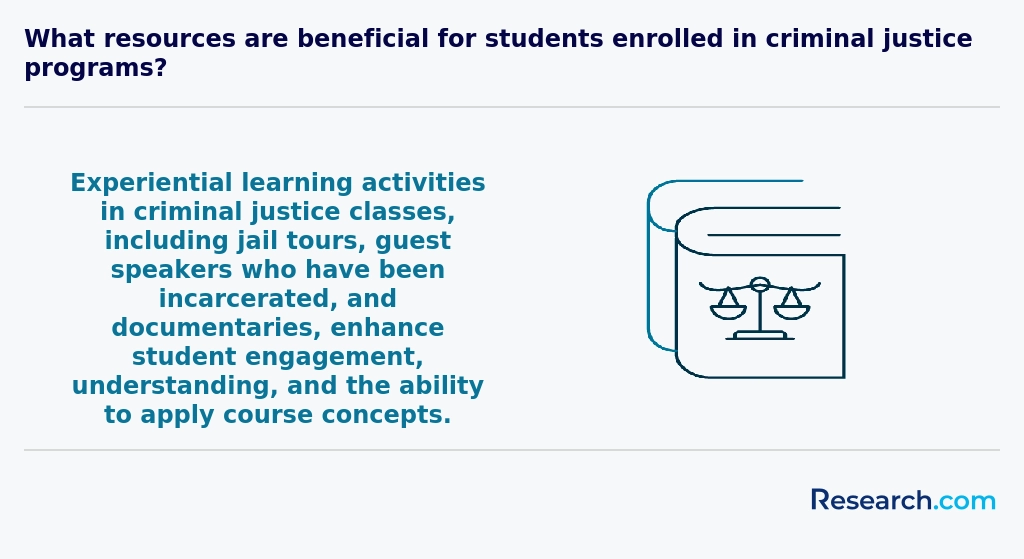
Graduates with a criminal justice degree in Carolina often embark on exciting journeys into law enforcement, corrections, court systems, and private security. Many find themselves stepping confidently into roles as police officers or detectives within local police departments or state investigative bureaus, experiencing firsthand the thrill of protecting communities. Popular criminal justice programs at universities like the University of South Carolina and Coastal Carolina University prepare students to meet these challenges head-on, rooting their learning in real-world scenarios that spark enthusiasm and resilience.
Others dive into corrections, working as probation officers or correctional officers. Imagine managing rehabilitation processes or supporting re-entry programs that truly change lives-numerous graduates share how these roles brought purpose and connection to their daily work. For those drawn to legal intricacies, careers as court clerks and victim advocates offer involvement in justice behind the scenes, a path well-supported by Carolina's strong judicial education network. Exploring affordable online business degrees under $10,000 also attracts some who want to blend compliance skills with criminal justice expertise.
Overall, criminal justice degree job opportunities Carolina offer variety and growth, perfect for students eager to make a tangible impact while building rewarding careers.

The criminal justice job outlook in Carolina is vibrant and full of opportunities, especially for those eager to jump into meaningful roles across law enforcement, corrections, and community services. Graduates from well-regarded programs at universities like the University of North Carolina or Clemson find themselves equipped to engage with growing demand in local and state agencies, where public safety and legal expertise are prized. Many share stories of landing positions as police officers or probation officers soon after graduation, energized by the chance to make a real impact in their communities.
Career paths for those holding a Carolina criminal justice degree are broad, from working in private investigation firms to supporting court administration. The steady growth in these sectors assures students and graduates that their skills remain in high demand. Students at South Carolina's public institutions often balance practical experience with solid academic foundations, knowing their training aligns well with workplace needs.
For those exploring advanced education opportunities, the top online master's in management programs offer valuable pathways to enhance leadership roles within the field. It's exciting to see how a criminal justice degree in Carolina can open plenty of doors, blending education with the promise of a dynamic career.
2027 Most Affordable Criminal Justice Degree Programs Ranking in Carolina
Investing in your education is a significant decision that can shape your future, and the Research.com team understands the importance of making informed choices. To assist prospective students in Carolina, we have meticulously crafted the "2027 Most Affordable Criminal Justice Degree Programs Ranking in Carolina." Our commitment to quality, credibility, and accuracy is reflected in the extensive research and analysis conducted to compile this ranking.
We utilized the following reputable data sources to ensure a comprehensive evaluation of criminal justice degree programs:
By exploring this ranking, readers will gain valuable insights into the most affordable criminal justice degree programs in Carolina, helping them make well-informed decisions about their educational paths. For more details on our methodology, please visit our Research.com methodology page.
# 1 position
Universidad Ana G. Mendez-Carolina Campus
Master of Science in Criminology and Criminal Justice
# 2 position
Universidad Ana G. Mendez-Carolina Campus
Bachelor of Science in Criminal Justice

Frequently Asked Questions About criminal justice
Criminal justice degree students in Carolina can maximize their learning experience by engaging in internships with local law enforcement agencies, courts, or social service organizations. These practical experiences complement classroom knowledge and provide valuable insights into the justice system. According to the South Carolina Department of Public Safety, such internships can significantly improve job prospects after graduation.
Students should also take advantage of research opportunities offered by universities, which often focus on regional crime trends and policies. Participating in research helps develop critical thinking and analytical skills.
Joining student chapters of organizations like the Academy of Criminal Justice Sciences enhances networking and professional development. Additionally, staying informed about state-specific criminal justice reforms can help students contextualize their studies within Carolina's unique legal framework.
Emerging niches within the criminal justice field in Carolina reflect broader national trends influenced by technology and social change. Cybercrime investigation is rapidly growing, driven by increased digital offenses. According to the North Carolina Justice Center, cybersecurity roles have expanded by over 15% in recent years, highlighting demand for professionals skilled in digital forensics.
Another significant area is restorative justice programs. These focus on rehabilitation and community involvement rather than traditional punitive methods. South Carolina, for example, has seen pilot programs incorporated in some counties, emphasizing reconciliation between offenders and victims.
Additionally, forensic psychology is gaining attention, combining criminal justice with mental health expertise. This niche supports law enforcement in assessing offender behavior and contributing to more effective sentencing and intervention strategies.
Graduates with a criminal justice degree in Carolina can enhance their job market readiness by gaining practical experience through internships or volunteer work with local law enforcement agencies, courts, or correctional facilities. Such opportunities provide valuable insights and networking connections, which are crucial in a competitive field.
Developing strong communication and analytical skills is essential, as criminal justice roles often require detailed report writing and critical thinking. Certification programs, like those offered by the Carolina Department of Public Safety, can further improve employment prospects.
According to the Bureau of Labor Statistics, the employment of police officers and detectives in South Carolina is projected to grow by 7% through 2031, underlining steady demand in the region.
Job seekers should also leverage career services at their institutions and attend local criminal justice conferences or workshops to stay informed about trends and opportunities.
Employers in Carolina seeking criminal justice graduates prioritize strong communication skills, both written and verbal. Effective communication is essential for coordinating with law enforcement, legal professionals, and the community. Analytical thinking is also highly valued; graduates must assess evidence and develop sound strategies for crime prevention and investigation.
Additionally, critical problem-solving abilities help graduates respond to complex situations efficiently. Familiarity with technology, including crime databases and forensic software, is increasingly important in today's digital law enforcement environment. According to data from the North Carolina Justice Academy, graduates with interdisciplinary knowledge and ethical judgment are more competitive in the state's job market.
Finding internships in Carolina relevant to a criminal justice degree involves leveraging local resources and institutions. Students should explore partnerships between universities and agencies such as police departments, courts, and correctional facilities. For example, the University of North Carolina system often collaborates with state and local law enforcement for internship placements.
Utilizing college career centers is also essential. These offices maintain databases of internship opportunities and can connect students with alumni working in the criminal justice field. According to a 2023 South Carolina Department of Public Safety report, internships in law enforcement agencies increased by 12% over the last five years, signaling growing opportunities.
Professional organizations like the Carolina Criminal Justice Association offer networking events and job boards. Students should also consider government websites and local nonprofits focused on justice reform or victim services, which regularly offer internships.
In Carolina, earning a criminal justice degree can significantly enhance career mobility and advancement opportunities. The state's strong law enforcement and legal sectors demand skilled professionals, making formal education a valuable asset. According to the Bureau of Labor Statistics, jobs related to criminal justice in Carolina are projected to grow by 6% through 2030, faster than the national average.
Graduates often qualify for roles in policing, corrections, and federal agencies, where a degree can lead to higher starting salaries and promotions. Additionally, specialized coursework in areas like cybersecurity or forensic science can help diversify skill sets, improving chances for advancement.
Employers in Carolina increasingly prefer candidates with degrees due to evolving complexities in law enforcement. Academic credentials also open doors to supervisory and administrative positions, which frequently require at least a bachelor's degree.
Studying for a criminal justice degree in Carolina offers a strong foundation for interdisciplinary roles by combining core justice concepts with courses in sociology, psychology, and public administration. This approach reflects the complex nature of criminal justice work, which often requires collaboration across multiple fields.
Carolina's programs emphasize practical skills alongside theory, preparing students to work in law enforcement, social services, and legal settings. For example, the University of North Carolina system integrates data analysis and communication courses, equipping graduates to address contemporary challenges like crime prevention and policy reform.
According to the National Center for Education Statistics, Carolina institutions award hundreds of criminal justice degrees annually, supporting workforce needs across sectors.
When choosing between a thesis and a non-thesis criminal justice degree program in Carolina, consider your career goals and academic interests. Thesis programs typically require original research and a comprehensive paper, suited for students aiming for careers in research, policy-making, or doctoral study.
Non-thesis programs focus on coursework and practical skills, ideal for those pursuing immediate employment in law enforcement, corrections, or administration. According to the National Center for Education Statistics, over 60% of criminal justice graduates in Carolina opt for non-thesis options due to their career-oriented approach.
Thesis tracks demand strong writing and research abilities and often take longer to complete. Non-thesis tracks may offer internships or capstone projects, providing hands-on experience valuable in Carolina's growing criminal justice field.
Students in Carolina interested in studying criminal justice abroad have several pathways through US higher education partnerships and exchange programs. Many universities in North and South Carolina offer study abroad opportunities with institutions in countries like the United Kingdom, Canada, and Australia, where criminal justice systems share similarities with the US common law tradition. These programs often include courses on comparative criminal justice, international law, and global security.
According to the Institute of International Education, participation in study abroad by criminal justice majors is growing steadily nationwide, although specific Carolina data remains limited. Students should consult their home institution's study abroad office to explore accredited programs that count toward degree requirements.
Additionally, online joint degree or certificate programs may provide international perspectives without requiring travel, an option increasingly popular post-pandemic. These experiences can enhance a student's understanding of cross-border law enforcement and justice policies, valuable in today's interconnected world.
Students pursuing criminal justice degrees in Carolina can gain valuable experience through various part-time jobs that align with their academic goals. Positions such as security officers, correctional facility assistants, and community service aides provide practical insights into law enforcement and public safety. According to the North Carolina Department of Public Safety, these roles offer exposure to real-world challenges within the criminal justice system.
Additionally, internships with local police departments or victim advocacy organizations, although sometimes paid, often include part-time opportunities beneficial for applying classroom knowledge. The U.S. Bureau of Labor Statistics highlights that gaining hands-on experience can improve job prospects post-graduation in Carolina's growing criminal justice field.
Volunteer roles in crisis centers and legal aid clinics further complement academic studies while fostering professional networks crucial for future careers in criminal justice.
Criminal justice students in Carolina benefit from a variety of networking opportunities that connect them with professionals and organizations in the field. Many universities host guest speaker events featuring local law enforcement, legal experts, and policymakers. These sessions provide direct access to experienced practitioners.
Students often participate in internships with police departments, courts, and nonprofits, which are crucial for hands-on experience and professional connections. According to the Bureau of Labor Statistics, internships significantly increase job prospects in criminal justice careers.
Additionally, statewide student organizations such as the Carolina Chapter of the American Criminal Justice Association offer conferences and workshops. These gatherings help students build relationships and stay informed on industry trends.
Alumni networks in Carolina offer valuable advantages to criminal justice degree students. These networks connect current students with graduates working in law enforcement, legal fields, and social services, providing mentorship and career guidance tailored to the region's job market. According to the University of North Carolina System, 65% of criminal justice graduates find employment through alumni referrals within the first six months after graduation.
Additionally, alumni events and online platforms allow students to access internships and job openings that are often not publicly advertised. This inside access is crucial in competitive fields like criminal justice. Networking opportunities help students build professional relationships early, enhancing their career prospects in Carolina's growing justice sector.
Criminal justice degree programs in Carolina offer various ways to tailor studies to individual career goals. Students can typically choose concentration areas such as law enforcement, forensic science, corrections, or cybersecurity. This specialization allows students to gain relevant skills and knowledge aligned with their desired professions.
Additionally, many institutions provide internship opportunities with local agencies, giving practical experience essential for career advancement. According to the Carolina Higher Education Data System, over 60% of criminal justice students pursue internships to enhance job readiness. Elective coursework in areas like criminal law or juvenile justice further customizes education toward specific interests within the field.
Criminal justice students in Carolina often face challenges related to balancing rigorous academic requirements with practical experience. Many programs emphasize internships or fieldwork, which can be difficult to coordinate alongside coursework. According to the South Carolina Commission on Higher Education, approximately 60% of criminal justice students report time management as a significant obstacle. Financial concerns also play a role, as tuition and fees have risen steadily over the past decade, affecting students' ability to continue their education without interruption.
Additionally, students must navigate complex legal and ethical topics that require critical thinking and careful analysis. Resources such as tutoring and advising can be limited in some institutions, further complicating student success. Understanding local, state, and federal laws is also a demanding aspect of the curriculum, with North Carolina schools often emphasizing regional challenges including crime trends and law enforcement practices.
A criminal justice degree in Carolina opens doors to various professional certifications that can enhance career prospects. Common certifications include Certified Protection Professional (CPP), which is recognized nationwide for security management expertise. Additionally, the Certified Criminal Justice Specialist (CCJS) credential is valued by law enforcement agencies and private sector employers. For those interested in forensic science, the Certified Forensic Examiner (CFE) is another pathway. The North Carolina Department of Justice and South Carolina Law Enforcement Division offer state-specific certifications that align well with degrees in criminal justice.
According to data from the Carolina Department of Public Safety, professionals with these certifications often see improved job placement rates and higher average salaries in the region. These certifications demonstrate practical skills and commitment, setting candidates apart in competitive fields such as law enforcement, corrections, cybersecurity, and private investigation.
When applying to a criminal justice program in Carolina, it is important to craft a clear and focused application. Start by demonstrating your genuine interest in the field, explaining why criminal justice matters to you personally and professionally. Emphasize any related experience, such as internships, volunteer work, or relevant employment.
Academic performance plays a key role; most programs require a minimum GPA around 2.5 to 3.0. Include any specific coursework in social sciences or law enforcement. Be sure to submit strong letters of recommendation from educators or employers familiar with your dedication.
The personal statement should connect your goals with the program's offerings and Carolina's criminal justice challenges, such as the state's efforts to reduce crime rates in urban areas (FBI Uniform Crime Reports). Finally, proofread carefully to present a professional and polished application.
Criminal justice careers hold a significant place globally, reflecting diverse legal systems and social values. In the United States, including Carolina, the field is heavily shaped by a focus on law enforcement, rehabilitation, and crime prevention. According to the U.S. Bureau of Labor Statistics, job growth in criminal justice professions is projected at 6% through 2032, faster than average.
Students pursuing these degrees in Carolina learn principles applicable worldwide, such as ethics, human rights, and justice administration. Global perspectives emphasize the importance of understanding international law, transnational crime, and cultural differences.
Programs often integrate case studies and methods from other countries to prepare graduates for careers in federal agencies or international organizations. This broad view enhances career opportunities beyond local or state levels.
Gaining practical experience while studying for a criminal justice degree in Carolina is essential for career readiness. Many universities in Carolina offer internship opportunities with local law enforcement agencies, courts, and social service organizations. These internships provide hands-on experience, allowing students to apply theoretical knowledge in real-world settings.
Additionally, students can participate in cooperative education programs (co-ops), combining classroom learning with paid work experience. Volunteer opportunities with nonprofit organizations focused on criminal justice also help build relevant skills.
According to data from the North Carolina Department of Public Safety, internships in this field significantly increase employment prospects upon graduation.
Choosing the right concentration within a criminal justice degree in Carolina requires understanding your career goals and interests. Common concentrations include law enforcement, corrections, forensic science, and criminal law. Each offers specialized skills and job opportunities. For example, law enforcement focuses on policing and investigation, while forensic science emphasizes evidence analysis.
Research state-specific data: agencies like the North Carolina Department of Public Safety highlight that jobs in corrections and law enforcement make up over 60% of criminal justice roles in the state. Consider programs offering internships with local agencies to boost practical experience.
Additionally, evaluate faculty expertise, required coursework, and alignment with certifications relevant in Carolina. Use resources like the Bureau of Labor Statistics and NC labor market reports to identify growing fields in the region.
See What Experts Have To Say About Studying Criminal Justice
Read our interview with Criminal Justice experts

James W. Marquart
Criminal Justice Expert
Associate Provost and Professor of Criminology
Texas Christian University

Frank Schmalleger
Criminal Justice Expert
Professor Emeritus
The University of North Carolina

Mark Moore
Criminal Justice Expert
Research Professor of Public Management
Harvard University

- Professional Networking in Criminal Justice https://www.criminaljustice.com/resources/professional-networking/
- What to do With a Criminal Justice Degree - Paladin Security https://paladinsecurity.com/security-careers/become-security-guard-canada/
- Criminal Justice and Criminology Programs https://www.isepstudyabroad.org/programs/by-field-of-study/criminal-justice-criminology-programs
- Why criminal justice careers are becoming more specialized https://www.police1.com/career-development/why-criminal-justice-careers-are-becoming-more-specialized
- Criminal Justice Careers - Criminal Justice Degree Schools https://www.criminaljusticedegreeschools.com/careers/
- Criminal Justice Salary Guide | All Criminal Justice Schools https://www.allcriminaljusticeschools.com/criminal-justice/criminal-justice-salaries/
- Advancing Economic Mobility for Workers With Criminal Records https://www.jff.org/idea/advancing-economic-mobility-for-workers-with-criminal-records/
- Criminal Justice (B.S.) - USC Upstate https://uscupstate.edu/programs/criminal-justice/
- Insights from Students and Alumni: Master Programme in Criminology and Criminal Justice https://soc.fss.um.edu.mo/insights-from-students-and-alumni-master-programme-in-criminology-and-criminal-justice/
- Social Work and Criminal Justice Professionals Alumni Network https://community.faualumni.org/topics/36974/feed